There is a freshwater aquarium in northern Minnesota where you can reach into a pool and feel the rough, prehistoric skin of a lake sturgeon longer than most kids are tall. That single moment stops most visitors cold.
The Great Lakes Aquarium in Duluth sits right on the waterfront and quietly holds a record that even seasoned aquarium visitors rarely expect to find this far inland. Once you know what is waiting inside, it is very hard not to make the drive.
A Record That Belongs to Duluth
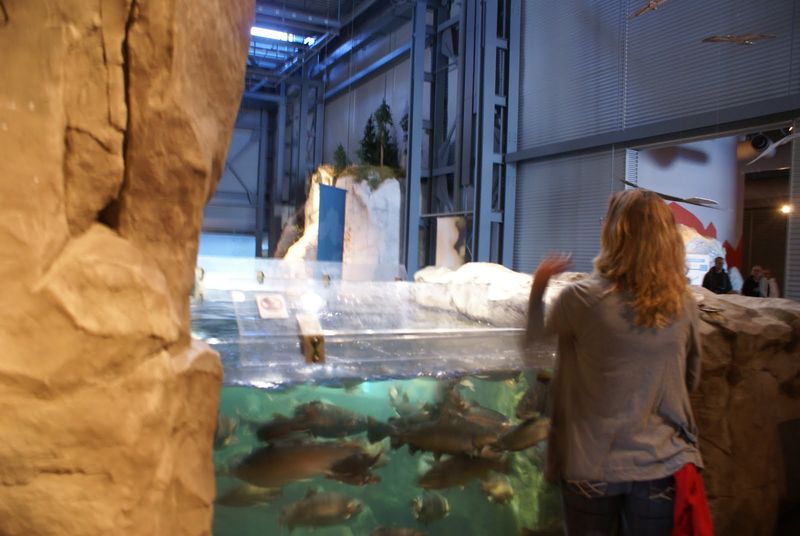
Most people associate record-breaking aquarium features with coastal cities like Boston or Monterey. Duluth, Minnesota is not the first place that comes to mind, yet the Great Lakes Aquarium at 353 Harbor Dr, Duluth, MN 55802, United States holds a genuinely remarkable distinction: it is home to North America’s largest sturgeon touch pool.
That claim is not a marketing stretch. The pool holds real lake sturgeon, some of them impressively large, and visitors are encouraged to reach in and touch them.
The aquarium sits right along the Lake Superior shoreline, which means the setting itself already feels dramatic before you even step inside.
Arriving on a clear morning, the view of the lake stretching out behind the building is striking. The aquarium opens daily at 10 AM, giving early visitors a quieter window to explore before the crowds build later in the day.
The Sturgeon Touch Pool That Earns the Title
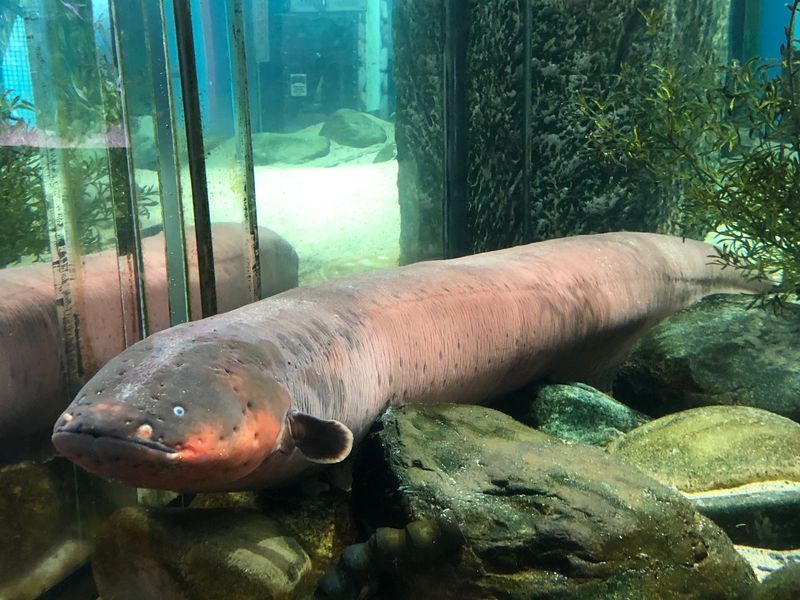
Lake sturgeon are ancient fish. They have been swimming North American waters for more than 136 million years, and feeling one under your palm makes that timeline feel oddly real.
The sturgeon touch pool at Great Lakes Aquarium is the centerpiece of the entire visit, and it earns that status without any exaggeration.
The fish in the pool are substantial. Some visitors expect small, manageable creatures, but these sturgeon have real size and weight behind them.
One resident named Crackers has become something of a local celebrity, regularly surfacing near the edge of the pool as if genuinely curious about who showed up today.
Staff members stationed nearby are enthusiastic about answering questions, and they share details about sturgeon biology that most visitors never knew they wanted to learn. Plan to linger here longer than you expect.
What Makes the Sturgeon So Fascinating
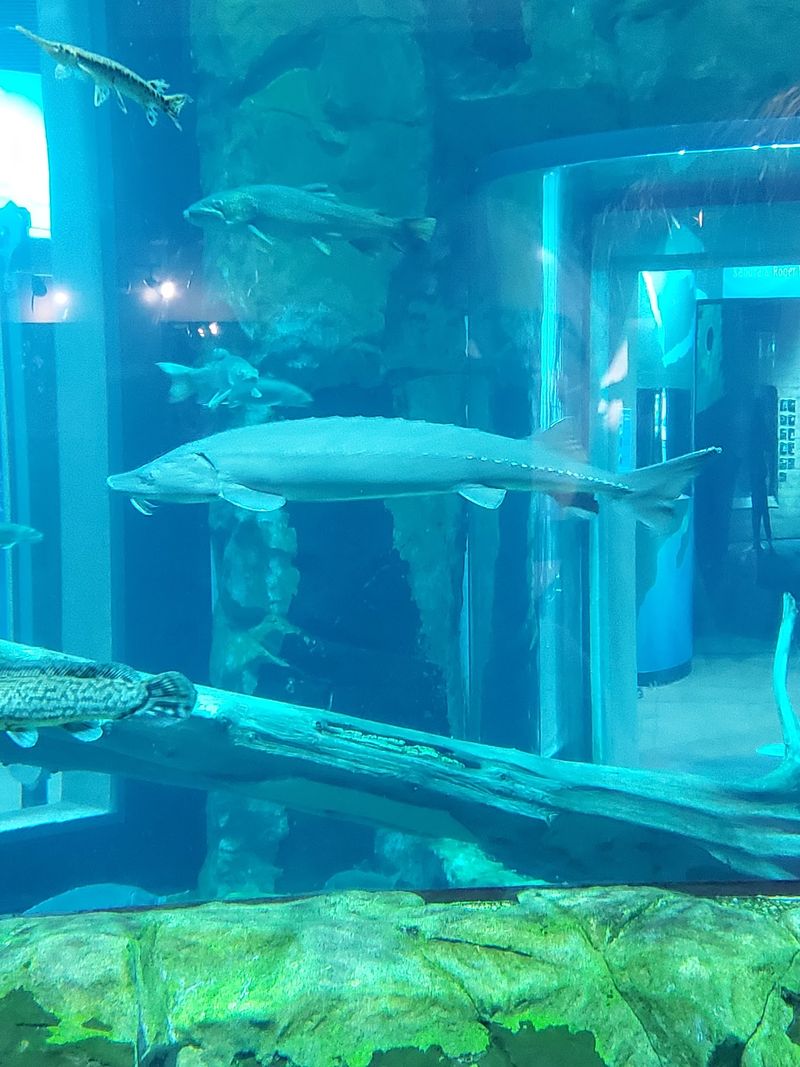
Lake sturgeon look like something a paleontologist would sketch. Their bodies are covered in rows of bony plates called scutes instead of traditional scales, and their whiskered snouts extend forward in a way that makes them look genuinely ancient.
That prehistoric appearance is not accidental. These fish are one of the oldest species still swimming in North American lakes and rivers.
What surprises many visitors is how gentle they feel in the touch pool. Despite their size and armored exterior, sturgeon move slowly and calmly through the water.
They are bottom feeders by nature, which means they tend to cruise along at a relaxed pace rather than darting around unpredictably.
Learning that some sturgeon species can live for more than 100 years adds a layer of quiet awe to the experience. Touching one starts to feel less like a zoo activity and more like a genuine encounter.
The Lake Superior Focus That Sets This Place Apart
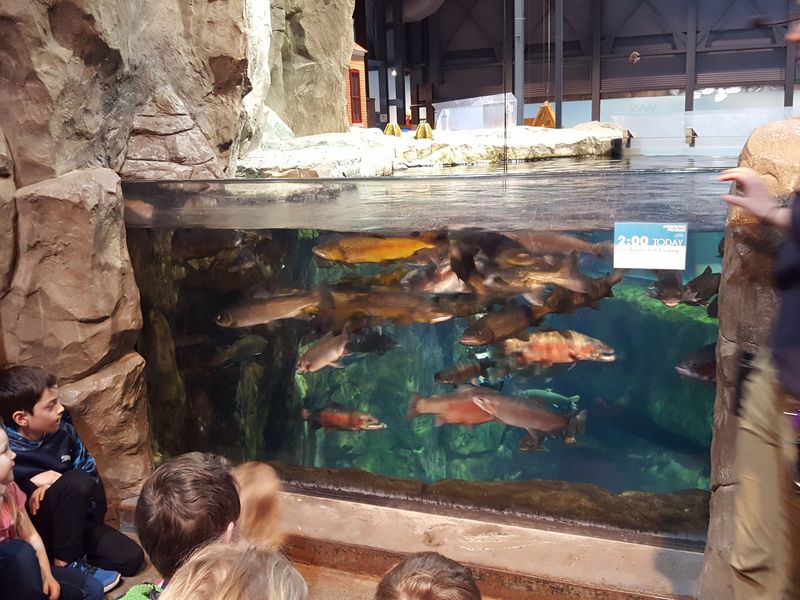
Most aquariums lean heavily on ocean species, which makes sense given how visually dramatic saltwater fish tend to be. Great Lakes Aquarium takes a different approach, building a significant portion of its exhibits around the freshwater ecosystems of the Great Lakes region, particularly Lake Superior.
That regional focus turns out to be one of the most genuinely interesting aspects of the visit. Seeing fish that actually live in the water visible through the aquarium’s windows creates a connection that purely exotic exhibits sometimes lack.
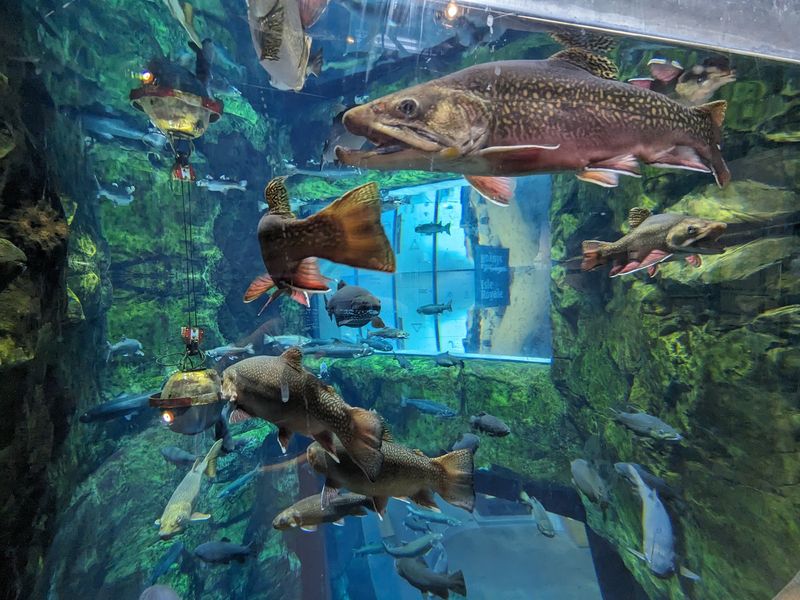
The Isle Royale exhibit is a highlight, featuring species native to that remote wilderness area.
On weekday mornings, divers enter the large Lake Superior tank to hand-feed the fish, and visitors can watch the whole process from outside the glass. The divers communicate with the crowd through hand signals and written signs, which children find completely entertaining.
It is a simple concept that lands every time.
Jellyfish That You Can Actually Touch
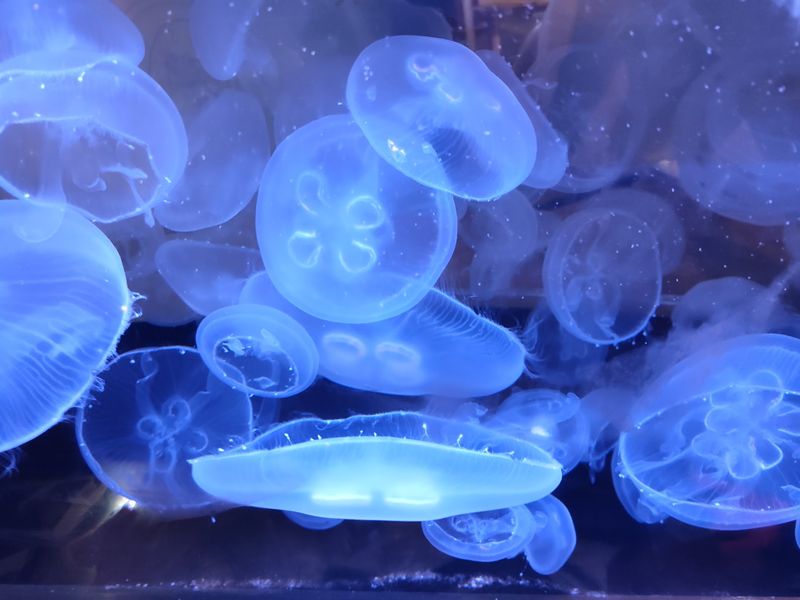
Touching a jellyfish sounds like a dare, not an activity you pay admission to enjoy. At Great Lakes Aquarium, it is one of the most talked-about experiences in the building, and for good reason.
The jellyfish touch tank lets visitors reach in and feel the soft, gelatinous bodies of moon jellyfish, which have minimal sting capability and are safe to handle under proper guidance.
The sensation is genuinely strange in the best way. Jellyfish have no bones, no brain, and no heart, and feeling one pulse gently against your fingertips drives that strangeness home more effectively than any sign or diagram ever could.
The tank itself is beautifully lit, giving the jellyfish an almost glowing appearance that makes the whole area feel serene. Kids are predictably fascinated, but plenty of adults end up crowding the edge of this tank just as eagerly.
It is hard to walk past without stopping.
Invasive Species Awareness Done Right
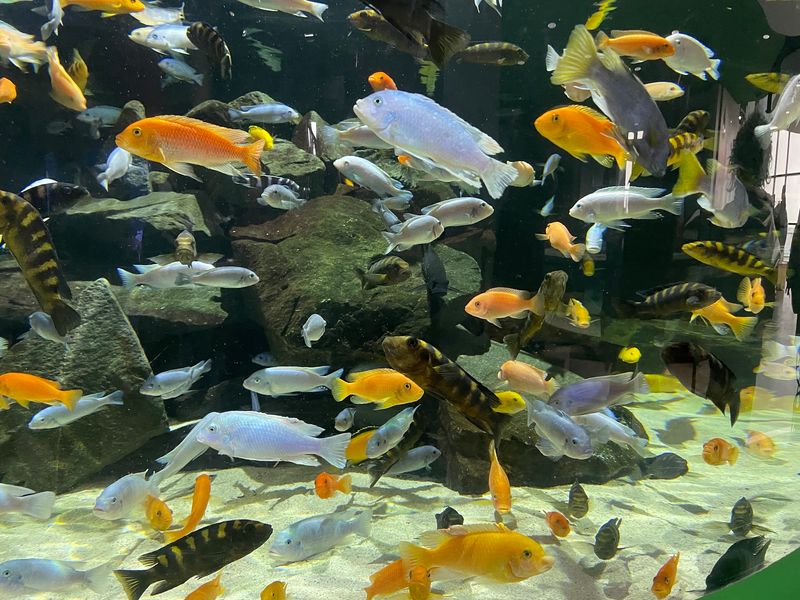
One section of the aquarium takes an unexpected turn toward environmental education, and it works remarkably well. A dedicated display highlights fish species that are invasive to the Great Lakes ecosystem, showing visitors what these animals actually look like and explaining why their presence causes problems for native wildlife.
The presentation avoids being preachy, which is part of why it lands so effectively. Seeing the actual fish behind glass, tagged with clear explanations of where they came from and what damage they cause, makes the issue feel concrete rather than abstract.
It is the kind of exhibit that sticks with you after you leave.
For older kids and adults with even a passing interest in conservation, this section offers genuine depth. The aquarium treats visitors as capable of handling real information, and that approach shows in how thoughtfully the displays are arranged.
It is one of those corners of the building that rewards slowing down.
Sharks, Stingrays, and a Few Surprises
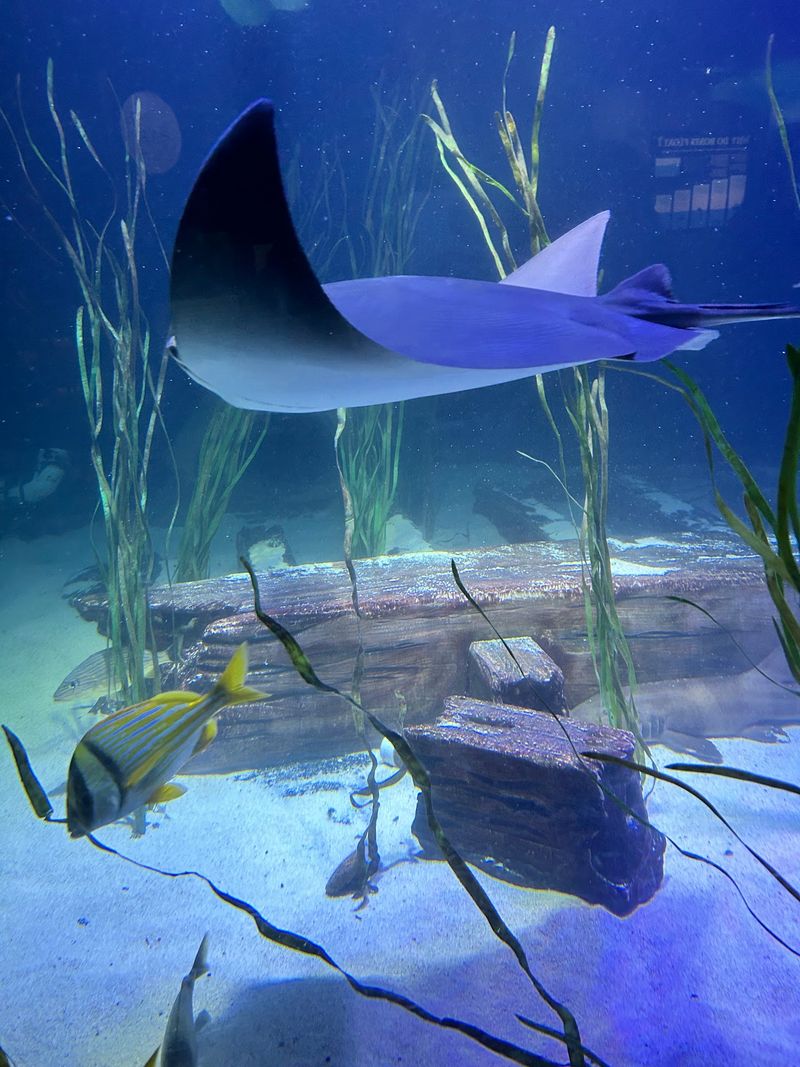
Despite the aquarium’s freshwater identity, there are saltwater experiences tucked inside as well. Touch tanks featuring small sharks and stingrays give visitors the chance to feel species they would never encounter in a Minnesota lake, and the contrast with the Great Lakes exhibits makes both feel more interesting by comparison.
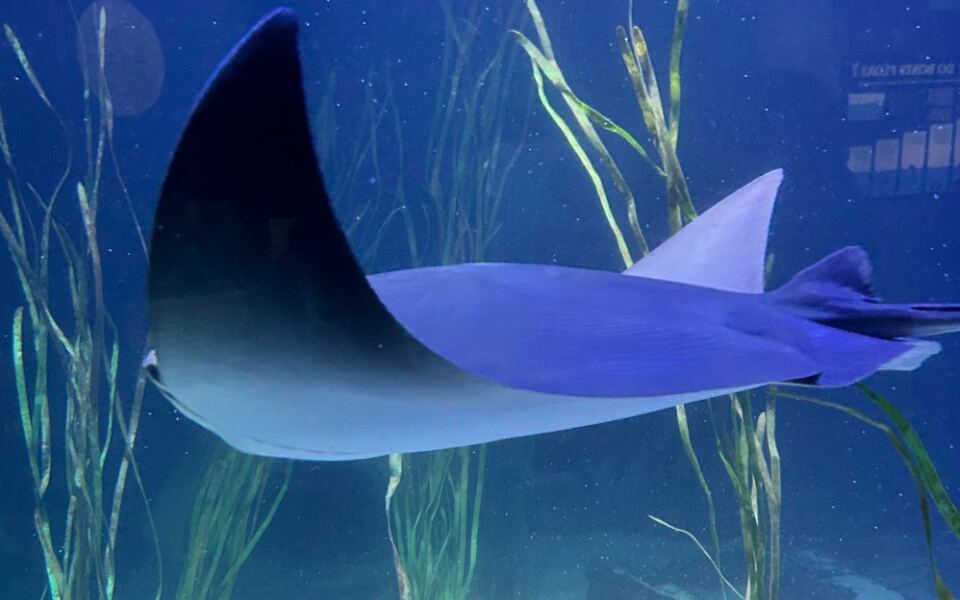
Stingrays have a texture that is genuinely surprising the first time. Their skin feels smooth and almost rubbery, and they tend to glide calmly near the surface of the tank as if they enjoy the attention.
Small sharks in similar tanks move with a little more purpose, but they are still approachable at this scale.
These touch experiences work well for visitors of all ages. Younger children tend to approach cautiously before getting fully absorbed, while adults who assumed they would just watch the kids often end up reaching in themselves.
The aquarium has a quiet talent for pulling hesitant visitors into the experience.
The Waterfront Views That Come Free With Admission

The aquarium’s location on Duluth’s harbor means that stepping outside offers something most inland aquariums cannot compete with. The outdoor patio area looks directly out over Lake Superior, and on a clear day the view extends far enough to make the lake feel genuinely oceanic.
It is a natural pause point that most visitors do not expect when they walk in.
During warmer months, the patio becomes a natural resting spot between exhibits. The combination of fresh air and the sound of water against the harbor creates a calm that contrasts nicely with the busier indoor sections.
Families often use the space to regroup before heading back inside.
In winter the patio is closed, which is worth knowing before you plan a cold-weather visit. Summer and early fall offer the best conditions for taking full advantage of that shoreline setting.
The view alone justifies a few extra minutes outside before you leave.
Practical Tips for Getting the Most Out of Your Visit
Weekday mornings are the sweet spot for visiting Great Lakes Aquarium. Arriving close to the 10 AM opening gives you a comfortable window before school groups and tour buses begin filling the space.
By mid-morning on busy days, the touch tanks in particular can get crowded, so earlier access makes a real difference.
The aquarium is open daily from 10 AM to 6 PM, and your admission ticket allows you to come and go throughout the day. That flexibility is genuinely useful if you want to grab lunch nearby and return for a second pass through the exhibits without paying again.
Parking in the aquarium’s lot costs an additional fee, which is worth factoring into your budget before you arrive. Bringing a change of clothes for young children is also practical advice, since the interactive water tables tend to win every time.
The gift shop near the exit is worth a quick look before you head out.
Why This Aquarium Keeps Drawing People Back
Repeat visitors to Great Lakes Aquarium are not uncommon, and the reasons they return are easy to understand once you have been through the building yourself. The combination of regional freshwater focus, hands-on touch experiences, and genuinely knowledgeable staff creates something that feels more personal than a large-scale aquarium often does.
The sturgeon touch pool is the obvious anchor, but the otters, the jellyfish tank, the diver feedings, and the conservation exhibits all contribute to an experience that holds up across multiple visits. New additions like named resident fish give the aquarium a personality that builds familiarity over time.
Duluth itself has plenty worth exploring beyond the aquarium, from the historic lift bridge to the Canal Park area along the waterfront. Pairing a visit to Great Lakes Aquarium with time spent along the lakeshore makes for a full and satisfying day in one of Minnesota’s most scenic cities.
Share this story