There is a building in St. Paul that has been standing since 1857, and somehow it still feels alive. Old wood floors creak beneath your feet, antique decor fills every corner, and the smell of fresh lager drifts through rooms that have seen more than 160 years of Minnesota history.
What makes this place truly remarkable is that someone decided to turn it into a German brewery, and the result is one of the most atmospheric spots in the entire Twin Cities. The moment you walk through the door, you stop thinking about modern life and start wondering what stories these walls could tell.
A Building That Has Outlasted Almost Everything Around It
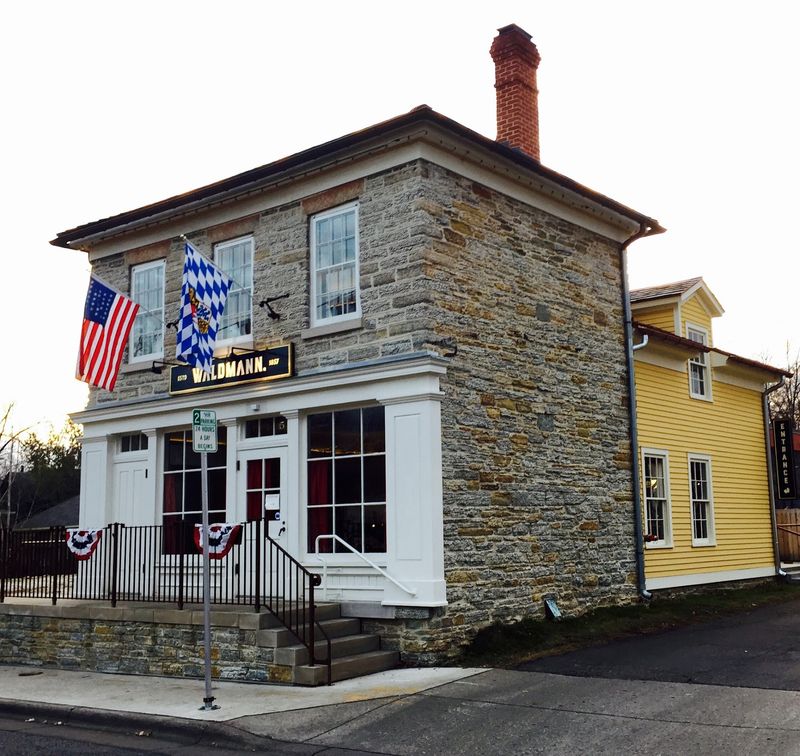
Most buildings from the 1850s are long gone, replaced by parking lots or glass towers. The structure at 445 Smith Ave N in St. Paul, Minnesota has somehow survived all of it.
Waldmann Brewery operates inside this landmark, which dates back to 1857, making it one of the oldest commercial buildings still in active use in the city.
The original building served as a saloon on the ground floor, with living quarters upstairs for workers. That layered history is still visible in the layout today.
Low ceilings, narrow stairways, and original woodwork give the space a texture that no amount of renovation could replicate.
Preserving a structure this old while making it functional for modern visitors is no small achievement. The brewery has leaned into the history rather than hiding it, and that decision is exactly what makes the experience feel so different from anything else in St. Paul.
What Waldmann Brewery Actually Is and Where to Find It
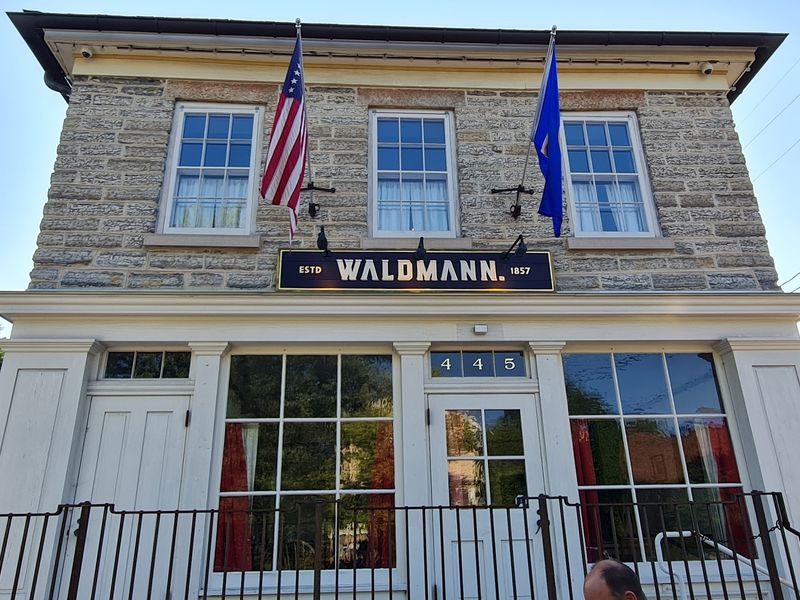
Waldmann Brewery sits at 445 Smith Ave N, St. Paul, Minnesota, 55102, in the West 7th Street neighborhood. The brewery specializes in traditional German, Czech, and Belgian-style lagers, brewed on site with careful attention to old-world techniques.
Every recipe reflects a style that has stood the test of centuries rather than chasing current craft trends.
The West 7th neighborhood itself has a long working-class history, and the brewery fits naturally into that character. You are not far from the Mississippi River, and the surrounding streets have a quiet, lived-in feel that makes the whole visit more grounded.
Hours run from noon through the evening most days of the week, giving visitors plenty of flexibility. Whether you stop in for a weekday lunch or a Saturday evening, the atmosphere carries the same warmth every time.
Finding it is easy. Parking takes a little more patience, but locals say it is absolutely worth the effort.
The German Beer Program That Sets the Tone
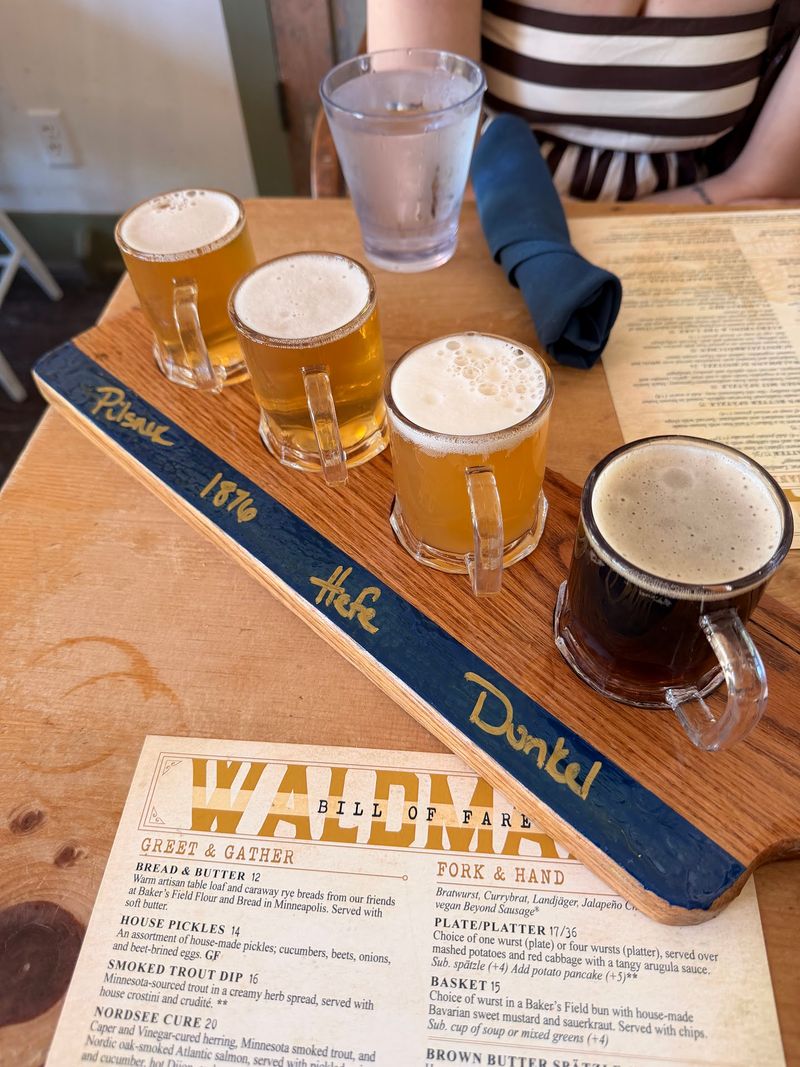
German lager brewing is a discipline that demands patience. Lagers ferment and condition at cold temperatures over weeks, sometimes months, which means the brewery cannot rush the process the way some craft operations do.
Waldmann has brewed more than 42 different styles of traditional German, Czech, and Belgian beers since opening, covering a remarkable range of old-world recipes.
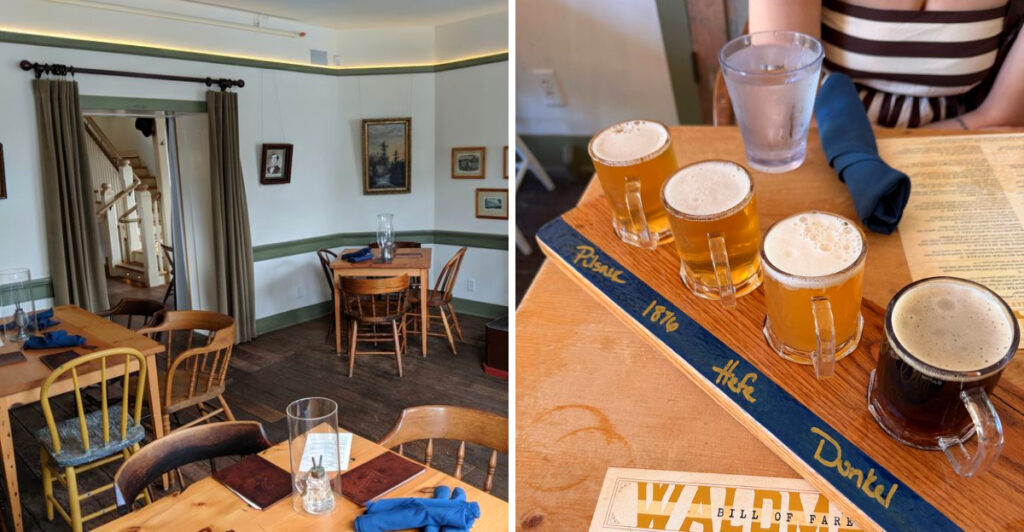
The Dunkel is a standout on the menu. It pours dark but drinks lighter than you might expect, with a smooth, easy character that surprises first-timers who associate dark beer with heaviness.
The pilsner has drawn comparisons to what you would find in a Bavarian beer garden, which is high praise from anyone who has actually been to Bavaria.
The brewery also offers crowlers, which let you take the beer home in larger sealed cans. For visitors who want to extend the experience past closing time, that option is genuinely appreciated.
Antique Decor That Feels Like a Time Capsule
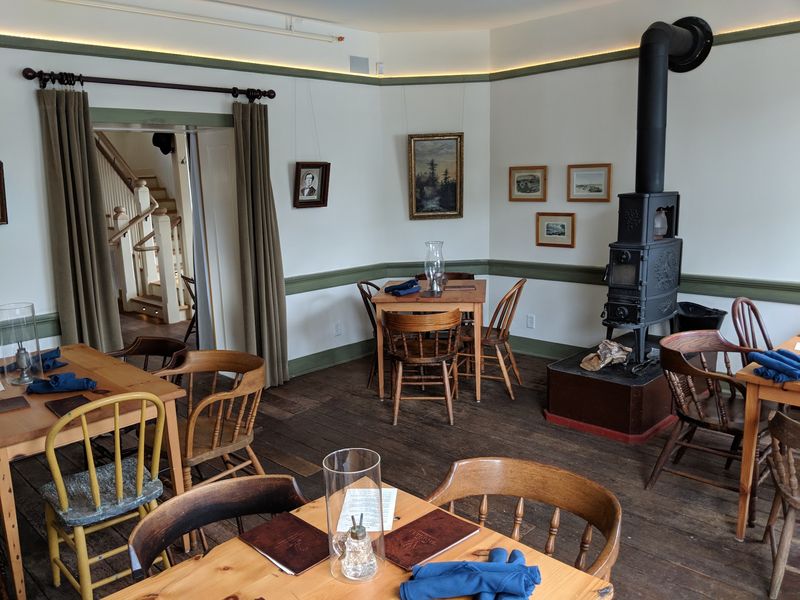
One of the first things visitors notice inside Waldmann is how deliberately every object has been chosen. The antique decor does not feel like a theme park version of history.
It feels like someone actually collected these pieces because they matter. Old fixtures, worn wood surfaces, and period-appropriate furnishings fill the space without overcrowding it.
Among the most talked-about details is a vintage cast-iron wood stove with a squirrel embossed on its surface. That stove is a Morso Squirrel model, first designed in Denmark in 1857, the same year the building itself was constructed.
Whether that timing is coincidence or fate, the detail delights everyone who notices it.
The overall effect is a space that rewards slow attention. The longer you sit, the more small details you discover.
Most visitors come for the beer and stay because the room itself keeps pulling them deeper into its quiet, layered history.
The Food Menu Built Around German Classics
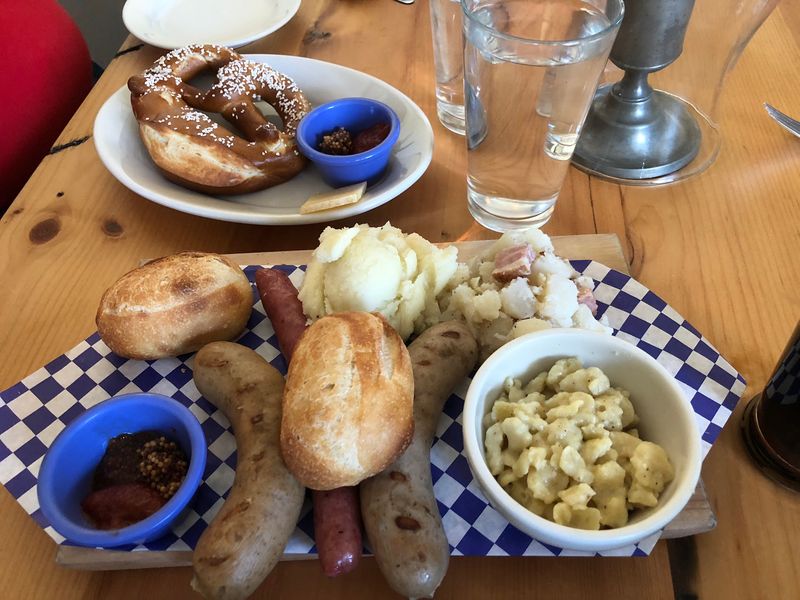
The food at Waldmann is genuinely worth the visit on its own, which is not something you can say about every brewery kitchen. The menu leans hard into German tradition, with schnitzel, wurst platters, Kasespatzle, and potato pancakes all making regular appearances.
These are not approximations of German food. They are careful, committed versions of the real thing.
The wurst platter is a particular crowd favorite. You can mix and match sausage selections, which makes it a great option for tables that cannot agree on a single choice.
The landjager, a dried and cured sausage with a firm texture, tends to earn the most enthusiastic reactions from first-timers.
Soft pretzels arrive with house-made mustards that are worth trying side by side. The schnitzel is another reliable order, drawing consistent praise for its seasoning and preparation.
Even visitors who are not there primarily for food tend to leave talking about what they ate.
The Kasespatzle That Keeps People Coming Back
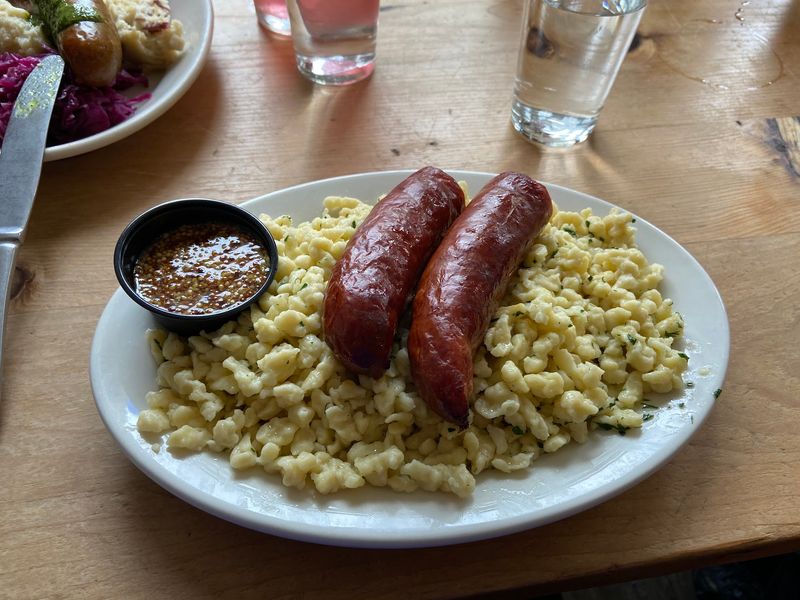
Kasespatzle does not appear on many menus in Minnesota. The dish is a German staple made from soft egg noodles tossed with melted cheese, producing something that sits between pasta and a very satisfying comfort food.
At Waldmann, it is one of the most ordered items on the menu, and for good reason.
The base dish is priced separately from the option of adding a wurst, which costs a little extra but transforms the plate into a full meal. Visitors who have been to Germany often say the version here holds up well against what they remember eating abroad, which is a meaningful benchmark for any kitchen working in this style.
On a cold Minnesota evening, a bowl of Kasespatzle paired with a dark lager is the kind of combination that makes you want to cancel whatever plans you had afterward. The dish is simple in concept but deeply satisfying in execution.
The Patio That Becomes the Place to Be in Summer
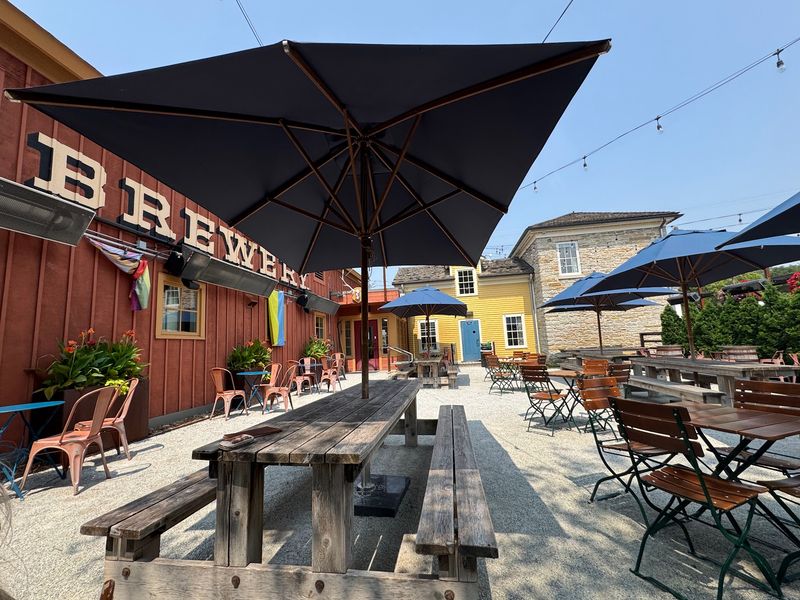
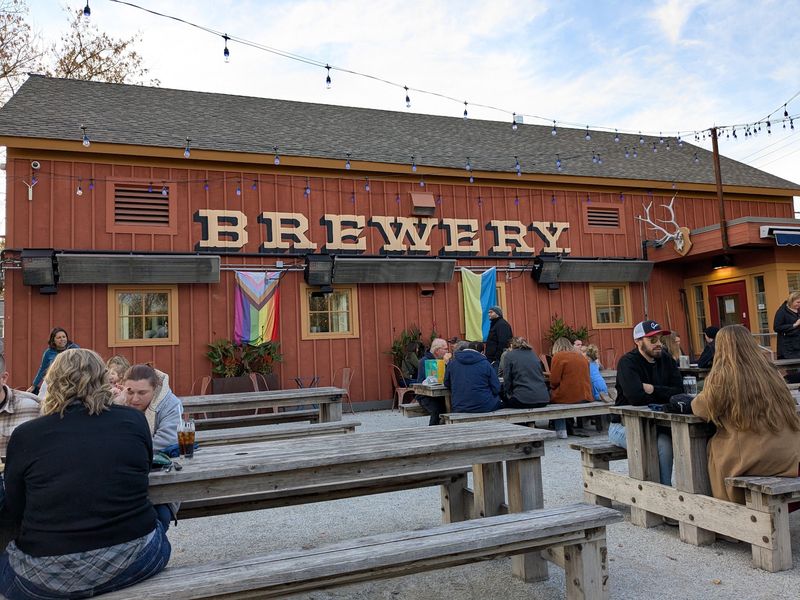
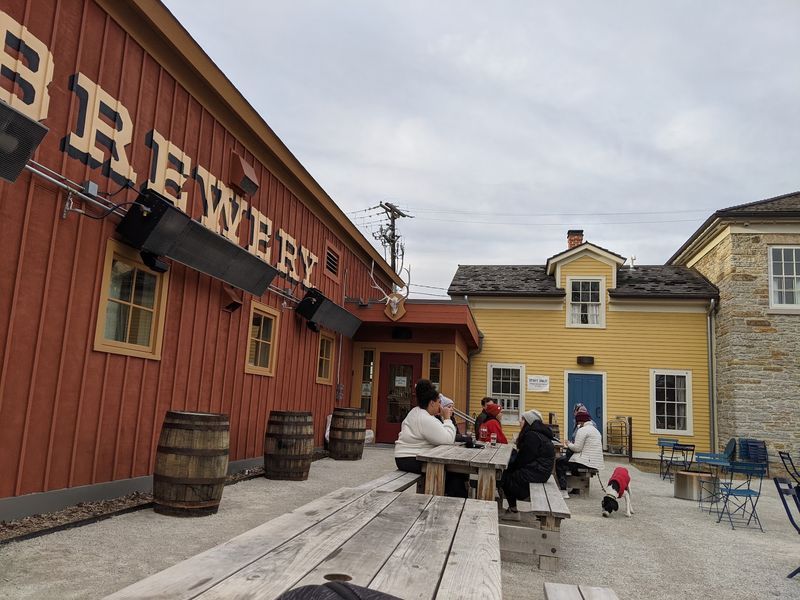
Out back, the patio at Waldmann transforms the experience entirely when the weather cooperates. The outdoor space has a relaxed, sun-warmed quality that makes it easy to understand why visitors specifically mention it as a reason to return during summer months.
The garden layout gives it a backyard feel rather than a commercial terrace.
The patio is dog-friendly, which adds a casual, neighborhood energy that fits the West 7th vibe perfectly. On warm afternoons, the combination of fresh air, cold lager, and the sound of conversation drifting across the space creates something genuinely pleasant.
It does not feel manufactured.
Live music occasionally fills the outdoor space during warmer months, with performers rotating throughout the season. Checking the brewery’s schedule before visiting is worth the extra step, since catching a performance alongside good food and a well-made beer elevates the whole outing into something more memorable than a typical evening out.
Oktoberfest at Waldmann and the German Brat Award
Waldmann takes Oktoberfest seriously. The annual celebration draws enthusiastic crowds and the brewery prepares the space with organized ordering stations, festive atmosphere, and a live band playing through the event.
It is the kind of seasonal celebration that feels rooted in actual tradition rather than just a marketing moment.
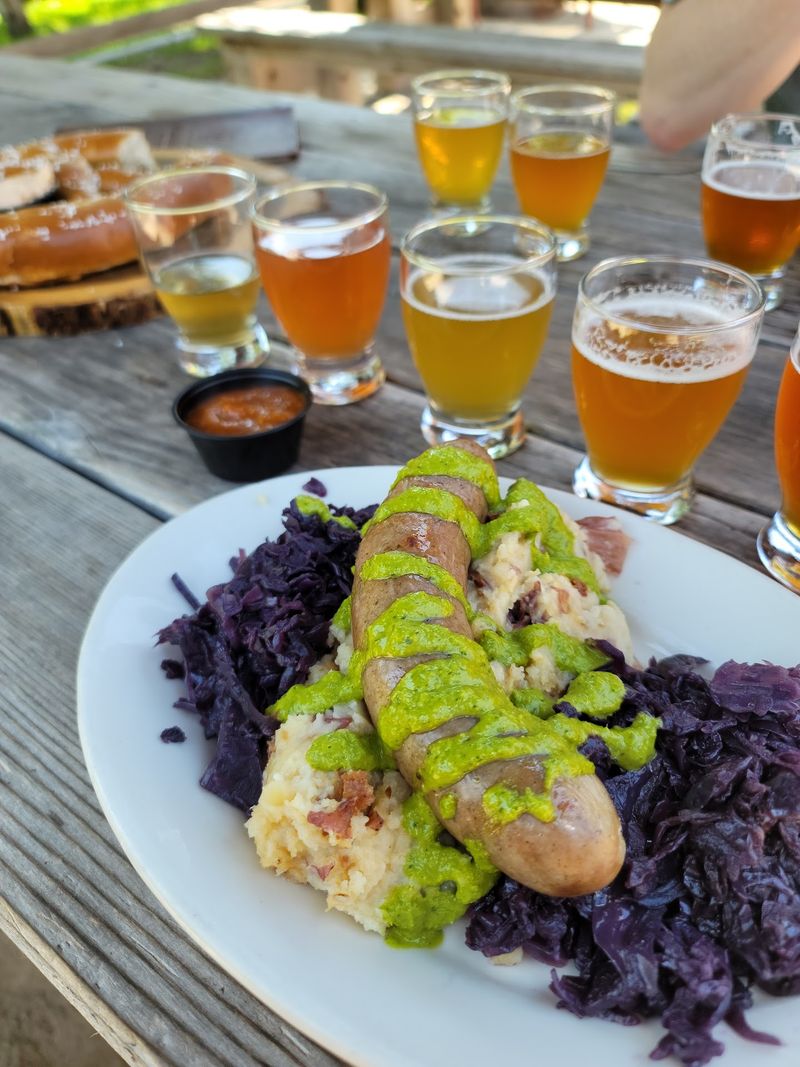
The German brats at Waldmann have earned a Minnesota Best Award, which reflects the quality of the sourcing and preparation behind them. The brats run leaner than the Wisconsin-style versions many Minnesotans are used to, which gives them a different texture, but the flavor is clean and genuine.
The cheddar-jalapeno brat, sourced from Usinger in Wisconsin, adds a richer, juicier option for anyone who wants more indulgence.
Oktoberfest at this particular location carries extra weight given the building’s age. Celebrating a German tradition inside an 1857 structure creates a sense of continuity that feels earned rather than staged.
The Upstairs Space and Its Working-Class Roots
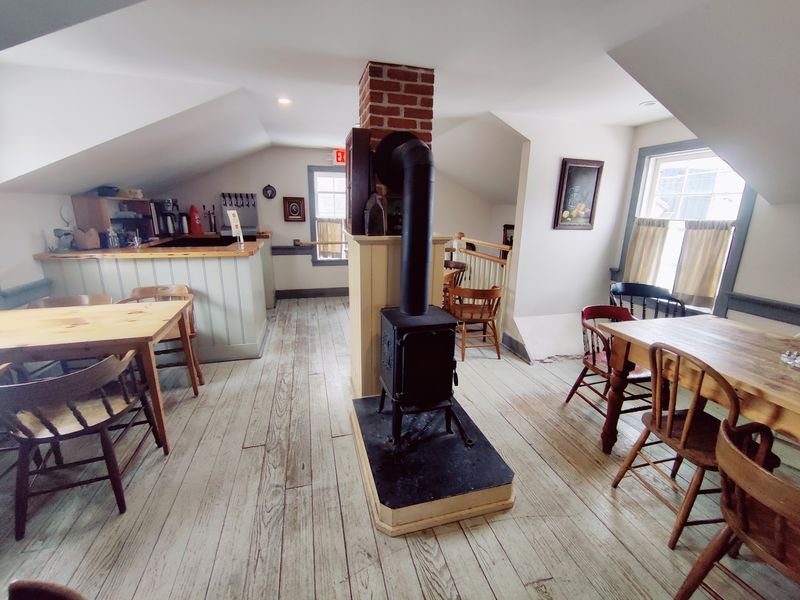
The upper floor of the Waldmann building carries its own distinct atmosphere. Originally used as living quarters for the workers who ran the saloon below, the space still has a residential quality that sets it apart from the main floor.
Low ceilings and narrow passageways give it an intimate, close feel that some visitors actually prefer for a quieter meal.
Sitting upstairs while the rest of the brewery hums below you creates a curious layered experience. You are aware of the activity without being in the middle of it.
The history of the space is easy to sense, especially when you consider that people lived and worked in these same rooms more than a century and a half ago.
The brewery does not always open the upstairs section, so availability can vary by day and crowd size. Asking when you arrive is the best approach if you specifically want to experience that part of the building.
Live Music and the Community Rhythm of the Place
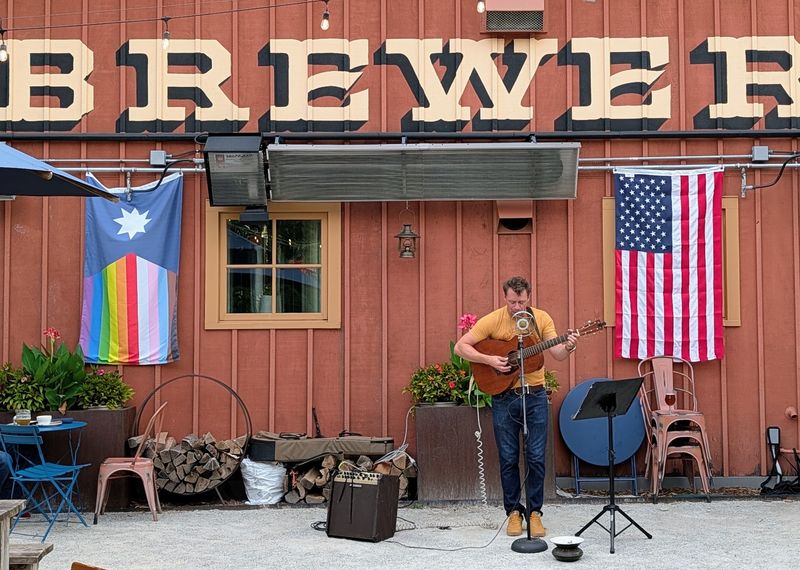
Music has been part of the Waldmann experience from early on. The brewery hosts performers throughout the month, ranging from acoustic folk to traditional styles that complement the European atmosphere of the space.
Checking the performance calendar before planning a visit is a smart move, since nights with live music tend to fill up faster.
The acoustic quality of the old building actually works in favor of the performances. Sound moves differently through rooms with original plaster walls and wood floors than it does in modern construction, giving the music a warmth that feels organic rather than amplified.
One evening I caught a performance by Phil Nusbaum, a well-regarded local musician, and the room felt exactly right for it.
Beyond the music, there is simply a neighborhood rhythm to Waldmann that keeps regulars coming back. It functions as a genuine gathering place, not just a stop on a list of things to do in St. Paul.
Practical Details Worth Knowing Before You Visit
Waldmann opens at noon every day of the week, which makes it a solid choice for a long lunch or an early evening outing. The kitchen runs alongside the full service hours, so arriving before the dinner rush gives you a slightly calmer experience without sacrificing any of the menu options.
Parking along Smith Avenue can feel tight, especially on weekend evenings when the neighborhood fills up. A small lot sits behind the building for those who cannot find street parking nearby.
Arriving by bike is also a genuine option since a bike rack sits on the property, and the West 7th area is reasonably accessible by pedal.
The brewery is also welcoming to families and dogs on the patio, which broadens the appeal beyond the typical brewery crowd. Reading the building’s history while waiting for your order is something the owners actively encourage, and the details posted inside are genuinely worth your attention.
Why This Place Stands Apart From Every Other Brewery in the Twin Cities
There are plenty of craft breweries in the Twin Cities, and most of them do solid work. What separates Waldmann is not just the beer quality or the food menu, though both are genuinely strong.
The separation comes from the combination of an authentic 1857 structure, a focused German brewing tradition, and a neighborhood identity that feels real rather than constructed.
Visitors who have recently returned from Munich have noted that the atmosphere here holds up to that comparison, which says something meaningful about the care put into every element of the experience. That level of authenticity is difficult to fake and even harder to maintain over time.
Waldmann also carries a sense of purpose that goes beyond serving good lager. The commitment to preserving the building, honoring German brewing heritage, and creating a genuine gathering place in the West 7th neighborhood gives the whole operation a soul that most newer venues are still searching for.
Share this story