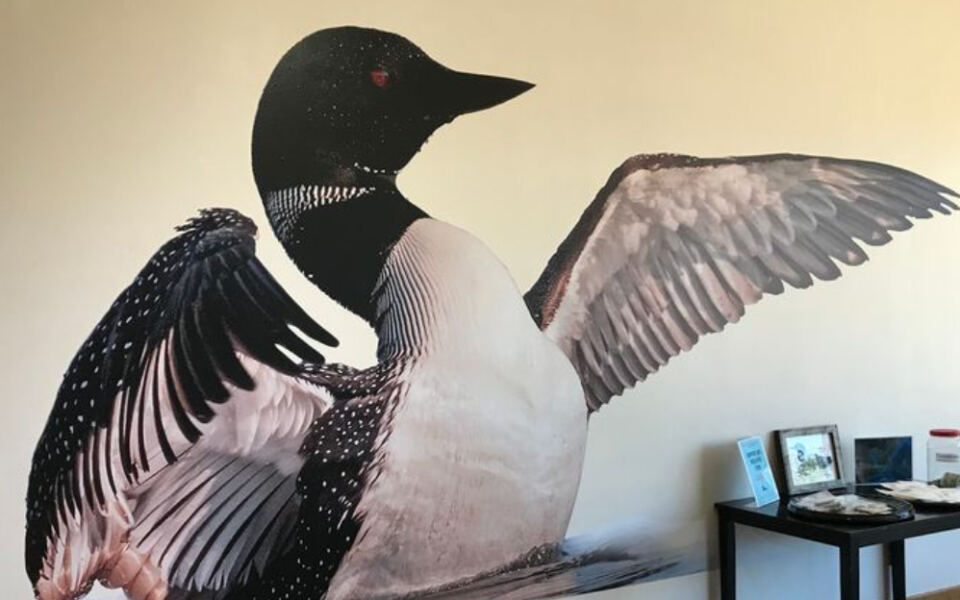
There is a place in Minnesota where you can float quietly across a lake and watch wild loons swim just a few feet from your boat. Not in a zoo, not behind glass, but out on real open water where these birds live, nest, and raise their young.
The experience is surprisingly moving, especially when you hear that haunting call echo across the water. This is one of those rare spots that makes you feel genuinely connected to nature in a way most attractions simply cannot deliver.
What the National Loon Center Is All About
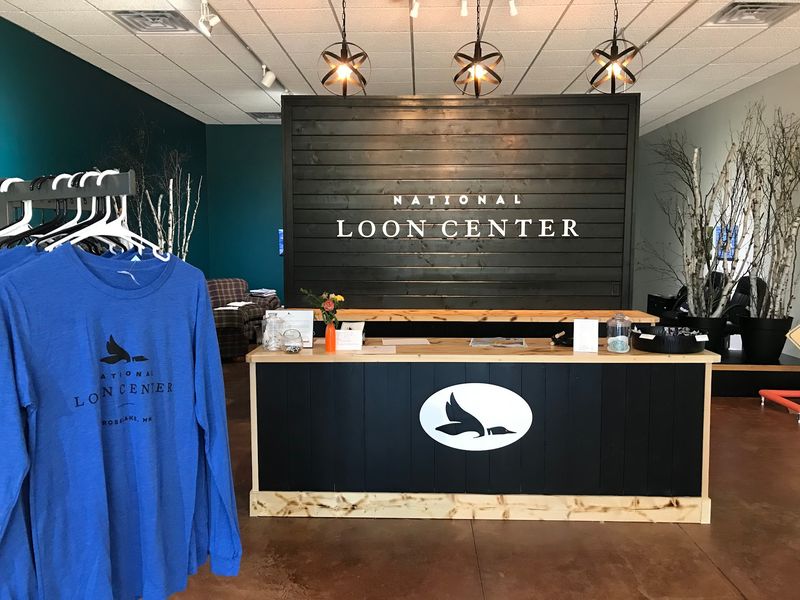
Most people drive through Crosslake without realizing something remarkable is happening right off the main road. The National Loon Center: The Nest, located at 14303 Gould St, Crosslake, MN 56442, is a nonprofit organization dedicated entirely to the study, conservation, and public education of the common loon.
This is not a large facility, but its mission is genuinely big. The center works to compile scientific data on loon populations, track migration patterns, and protect loon habitats across Minnesota’s lake country.
What makes it special is that it brings everyday visitors into that mission in a hands-on, meaningful way. You are not just reading a placard on a wall.
You are participating in real conservation work simply by showing up and learning. The center also sells merchandise, with proceeds funding ongoing research and education programs that benefit loons far beyond Crosslake.
The Pontoon Tour That Changes How You See Loons
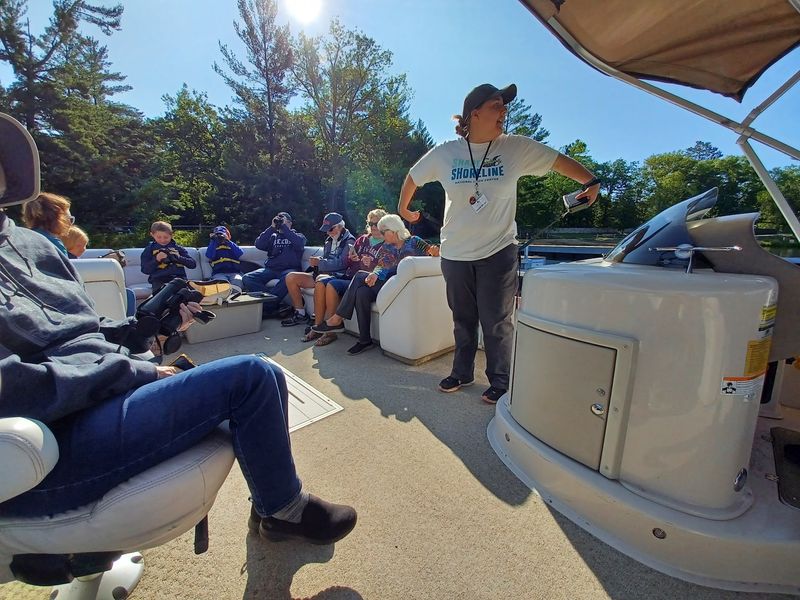
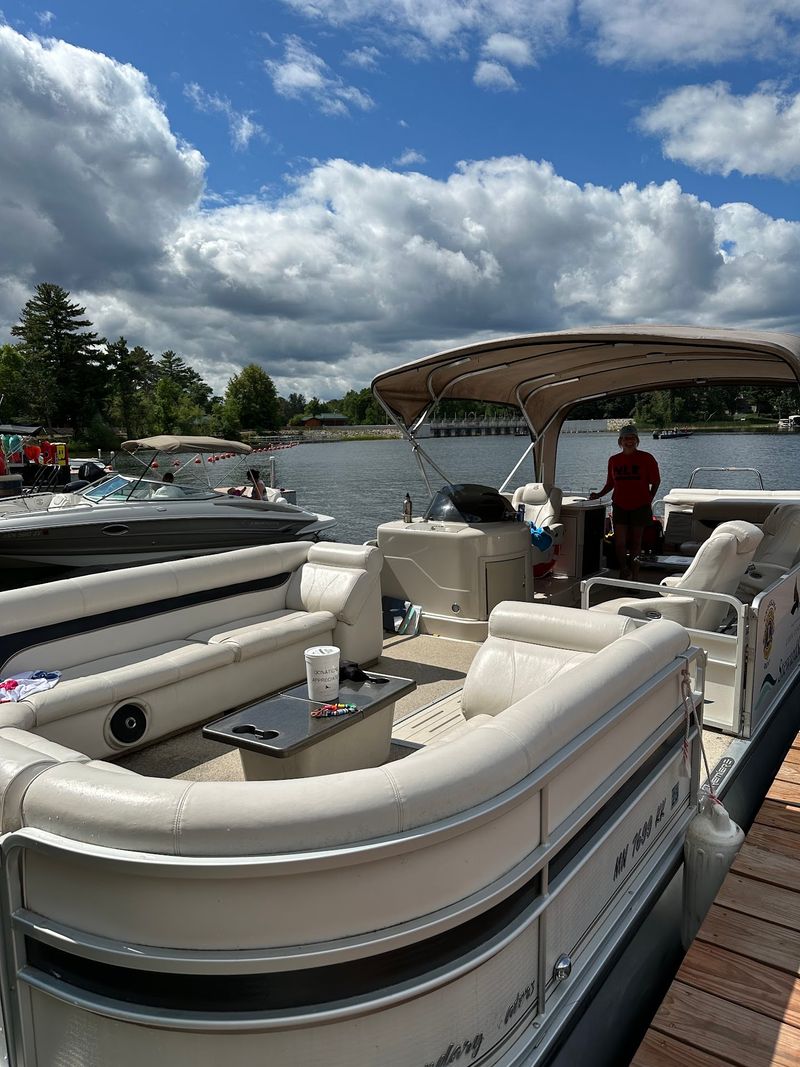
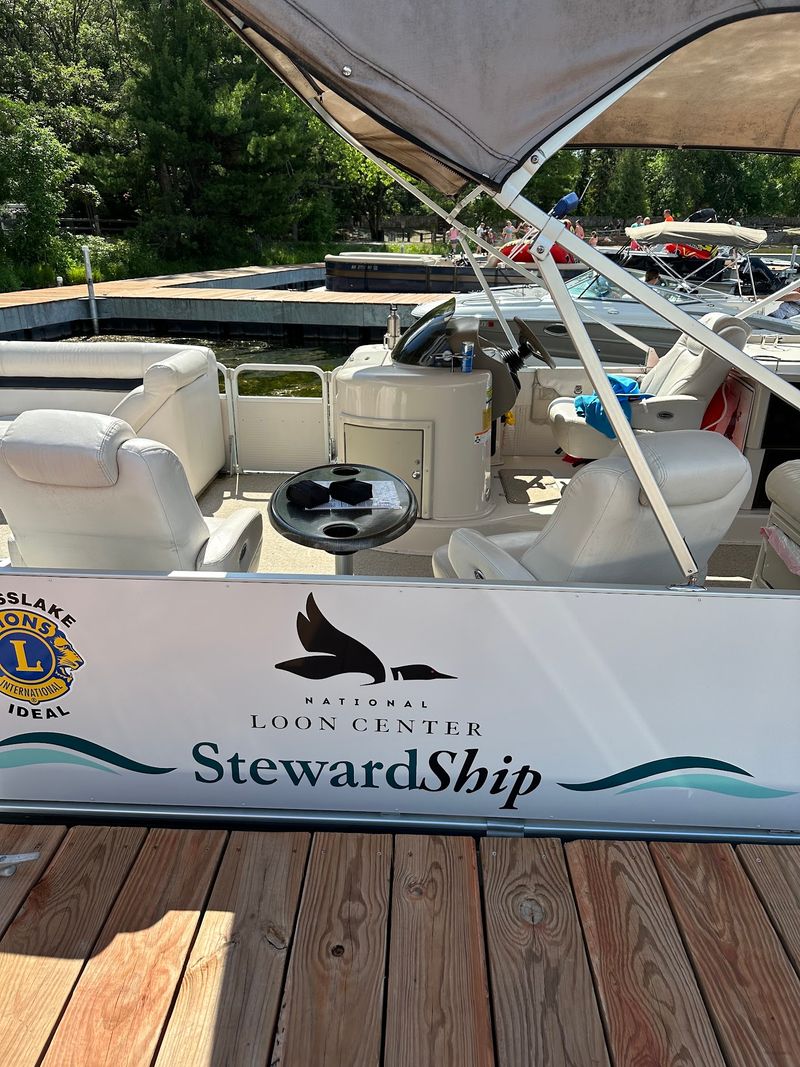
The centerpiece of the National Loon Center experience is a two-hour guided pontoon tour on Cross Lake, and it genuinely earns every bit of the excitement surrounding it. The boat is called The StewardShip, and it carries visitors out onto the open water where wild loons actually live and feed.
Guides on board are deeply knowledgeable about loon behavior, biology, and conservation. They help you spot loons, identify adults from juveniles, and understand what you are watching in real time.
On some outings, visitors have counted more than 20 loons in a single trip. You might see fuzzy chicks swimming close to their parents, adolescents testing their wings, or a fully mature adult in its striking black-and-white breeding plumage.
Binoculars are available on board, so you do not need to bring your own. This tour alone is worth the trip to Crosslake.
Spotting Loonlets Up Close on the Water
Baby loons are called loonlets, and seeing them in the wild is one of those genuinely rare experiences that most people never get the chance to have. On the pontoon tour, there is a real possibility you will spot these tiny, fuzzy chicks riding on their parent’s back or paddling close behind them.
Loon parents are fiercely protective, and watching that parental behavior play out on open water gives you a whole new appreciation for these birds. The guides explain the stages of loon development as you watch, making the whole thing feel like a live nature documentary.
Loonlets are only visible during certain parts of the season, which is one reason the tour feels different depending on when you visit. Families with children tend to absolutely love this part of the outing.
Seeing a baby loon in person is the kind of moment that genuinely sticks with you.
The Haunting Call That Makes Loons Unforgettable
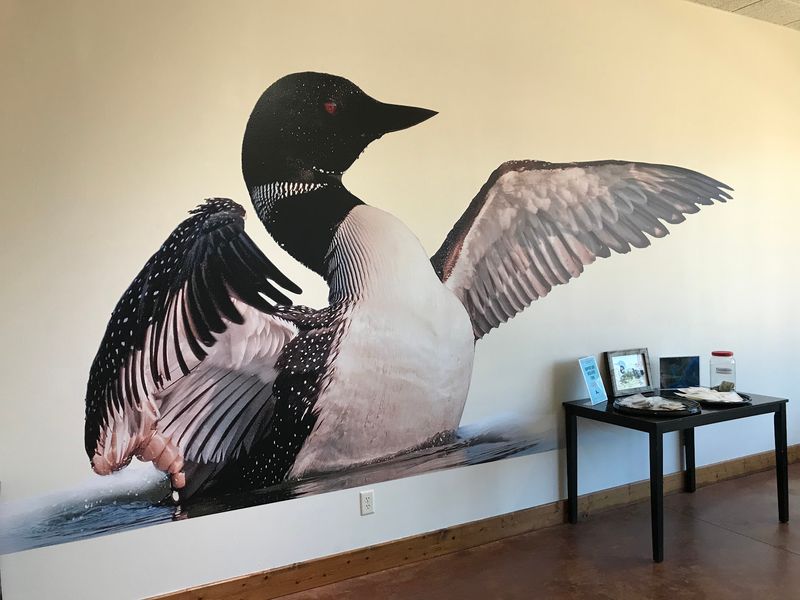
Anyone who has spent time near a Minnesota lake has probably heard it, that long, wavering call that seems to come from somewhere ancient. The loon’s call is one of the most recognized sounds in North American wildlife, and hearing it explained by a knowledgeable guide completely changes how you experience it.
On the tour, guides point out the difference between calls. The wail, the tremolo, the yodel, each one means something specific and is used in different social situations.
Only male loons produce the yodel, which is a territorial call unique to each individual bird.
Hearing a male loon call across the water while you are sitting quietly on a pontoon boat is genuinely one of those moments that makes you stop talking and just listen. The guides give you the context to understand what you are hearing, which makes the whole experience feel richer and more personal.
Watching Eagles Alongside the Loons
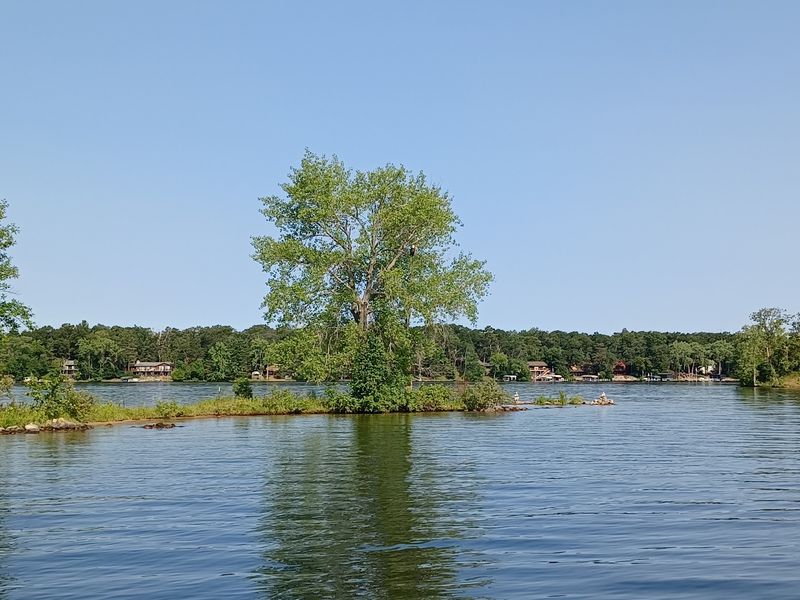
The loon tour does not limit itself strictly to loons, and that turns out to be a welcome surprise. Cross Lake’s shoreline and small islands support a variety of wildlife, and visitors have spotted bald eagles perched in trees along the route.
On one documented outing, a pair of eagles sat together on a small island the boat passed near, close enough for a clear, unhurried look. That kind of wildlife sighting on top of everything else makes the two-hour tour feel genuinely full and worth every minute.
Minnesota’s lake country is rich with bird life, and the guides are good at pointing out what is around you beyond just the loons. The combination of loon education and unexpected wildlife encounters gives the tour a spontaneous quality that keeps you engaged the entire time.
You never quite know what you might see around the next bend of the lake.
The Loon Sculptures Outside the Center
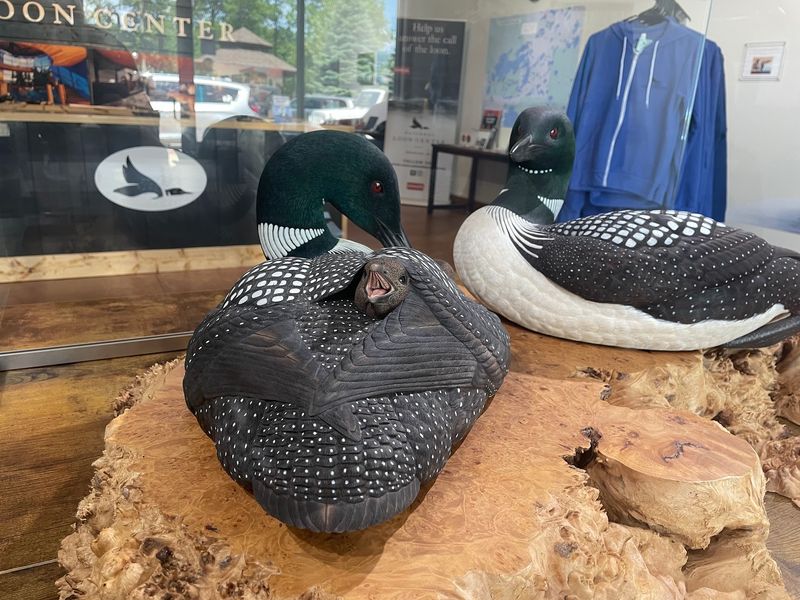
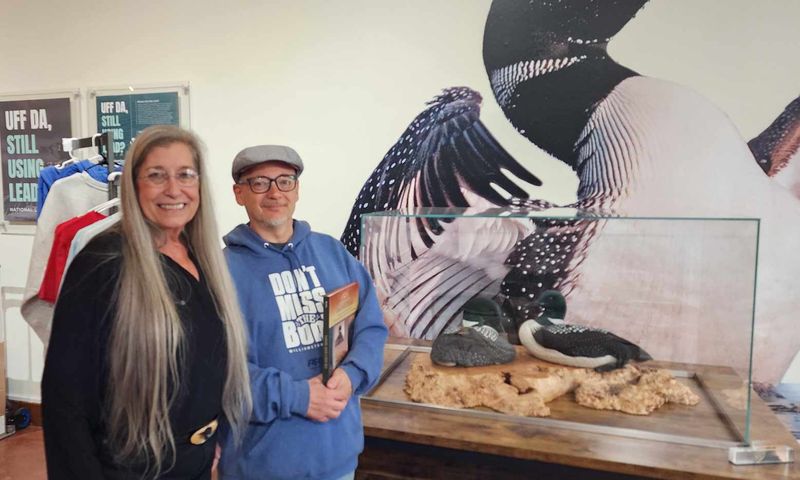
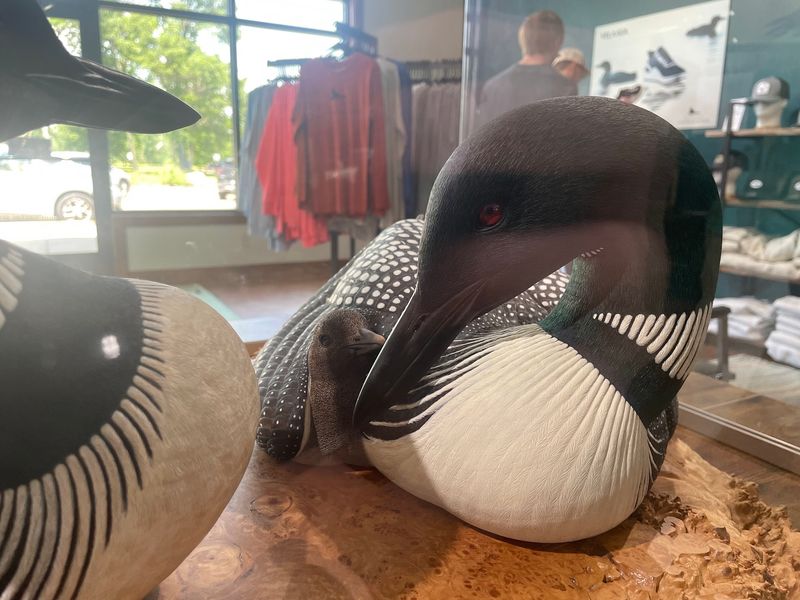
Not everyone who visits the National Loon Center makes it onto the pontoon tour, and the outdoor sculptures give those visitors something genuinely worth stopping for. On display near the entrance are life-size sculptures of two adult common loons alongside two chicks, crafted with striking realism and detail.
These are available for public viewing at no charge, which makes them a great option if you are passing through Crosslake and want a quick but meaningful stop. The sculptures capture the elegant posture and distinctive markings of the common loon in a way that photographs rarely do.
They are also a wonderful opportunity for families to get a close-up look at the bird’s scale and physical features before or after learning about them inside. The detail in the feathering alone is enough to make you pause and look carefully.
Local artists contributed to these works, and the craftsmanship shows in every angle.
What You Can Learn Inside the Visitor Center
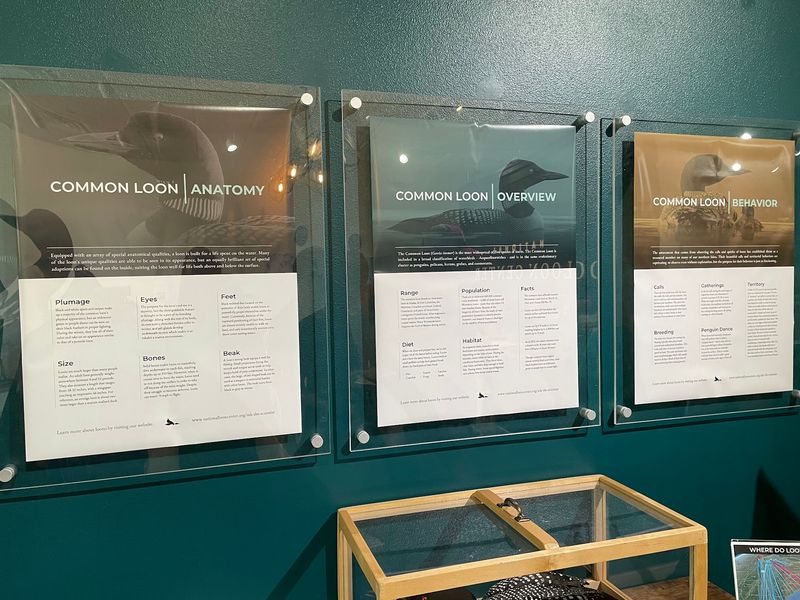
The interior of The Nest is compact but packed with purpose. Educational materials cover loon biology, behavior, migration routes, and the specific threats loons face in Minnesota’s lake environments.
It is the kind of place where curious visitors of any age can spend time genuinely learning something new.
The exhibits are designed to be accessible, so you do not need a science background to follow along. Kids find it engaging, and adults often leave surprised by how much they did not know about a bird they thought was familiar.
The center also serves as a hub for the scientific data collection the organization conducts across the region. Understanding that real research happens here, and that your visit supports it, adds a layer of meaning to the stop.
This is not just a gift shop with some posters on the wall. There is genuine educational substance behind the mission of this small but focused organization.
The Merchandise That Actually Means Something
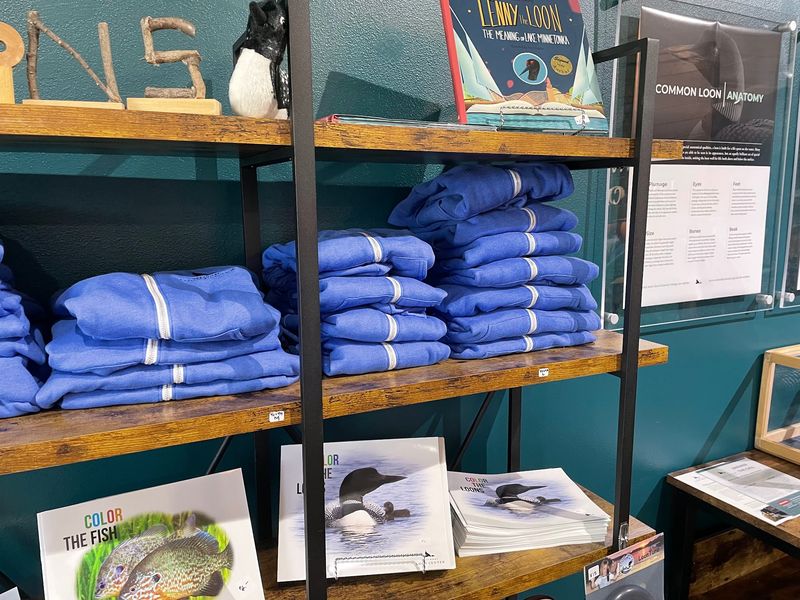
Gift shops at nature centers can feel like an afterthought, but the merchandise at The Nest is directly tied to the organization’s mission. Every purchase contributes to funding loon research, education programs, and conservation efforts across the region.
The selection leans into loon themes in a way that feels genuine rather than kitschy. You will find items that make thoughtful gifts for nature lovers, birding enthusiasts, or anyone who has a connection to Minnesota’s lake culture.
Buying something here carries a little more weight than a typical souvenir purchase. You are essentially becoming a small part of the conservation effort just by picking up a book or a piece of apparel.
For visitors who care about wildlife but cannot volunteer their time, shopping here is an easy and satisfying way to contribute. It is one of those rare instances where buying something actually feels like doing something good.
Why Cross Lake Is the Perfect Setting
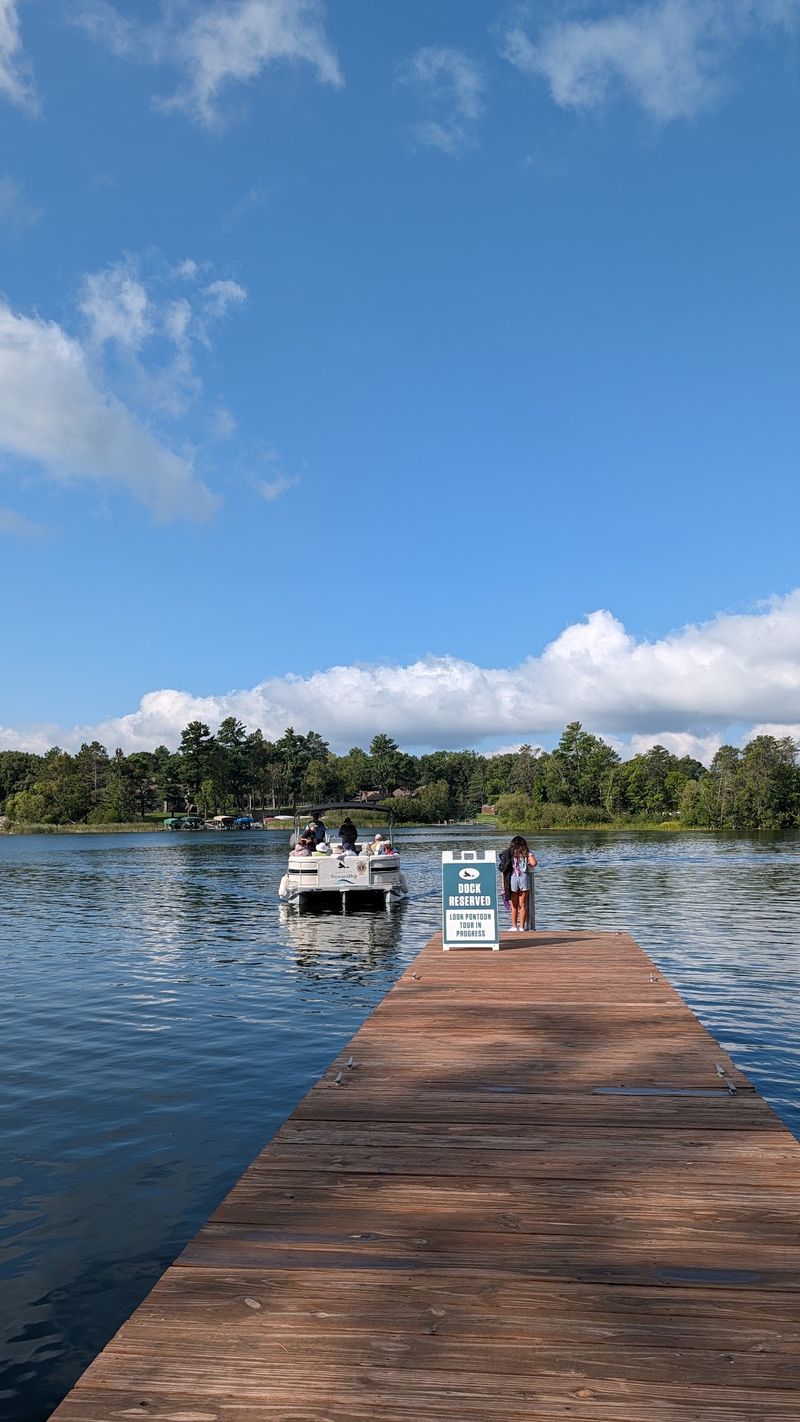
Cross Lake is not just a backdrop for the pontoon tour. It is a genuinely important loon habitat, and the organization chose this location deliberately.
The lake’s size, water clarity, and fish populations make it an ideal environment for loons to nest and raise young successfully.
Loons require clean, undisturbed water to thrive, and Cross Lake provides that in a way that many heavily developed Minnesota lakes no longer can. Seeing loons here feels authentic because they truly belong here, not because they have been introduced or managed for tourism purposes.
The surrounding forested shoreline and small islands add to the sense that you are in genuine wilderness even though the town of Crosslake is right nearby. That contrast, wild water just minutes from a small town center, is part of what makes this experience feel accessible without feeling manufactured.
The lake does a lot of the storytelling on its own.
How Loon Conservation Actually Works
One of the things the National Loon Center does well is explain conservation in plain, practical terms. The organization collects scientific data on loon populations, tracks mortality causes, monitors nesting success, and studies how environmental changes affect loon behavior over time.
This kind of long-term data collection is genuinely important for understanding whether loon populations are stable, growing, or declining. Without it, wildlife managers are essentially working without a clear picture of what is actually happening on the ground.
Hearing the guides explain this work during the boat tour makes the research feel real and urgent rather than abstract. You start to understand that loons face specific, documented threats including habitat loss, water quality changes, and human disturbance during nesting season.
Knowing that the center is actively working on these issues makes the visit feel meaningful in a way that goes well beyond a pleasant morning on the water.
A Visit That Works for All Ages
The pontoon tour and the visitor center together create an experience that genuinely works for a wide range of ages. Young children are captivated by the baby loons and the close-up encounters with wildlife.
Older kids appreciate the science and the real binoculars they get to use on the water.
Adults, including those who grew up around Minnesota lakes and thought they already knew loons, consistently leave with new information and a fresh sense of appreciation for the bird. The guides pitch their explanations at a level that is clear without being condescending, which is harder to do than it sounds.
Grandparents visiting with grandchildren often find this kind of shared nature experience especially meaningful. There is something about watching wildlife together, quietly, out on the water, that creates a memory that lasts.
The tour moves at a relaxed pace, so no one feels rushed or left behind at any point.
Visiting Hours and What to Know Before You Go
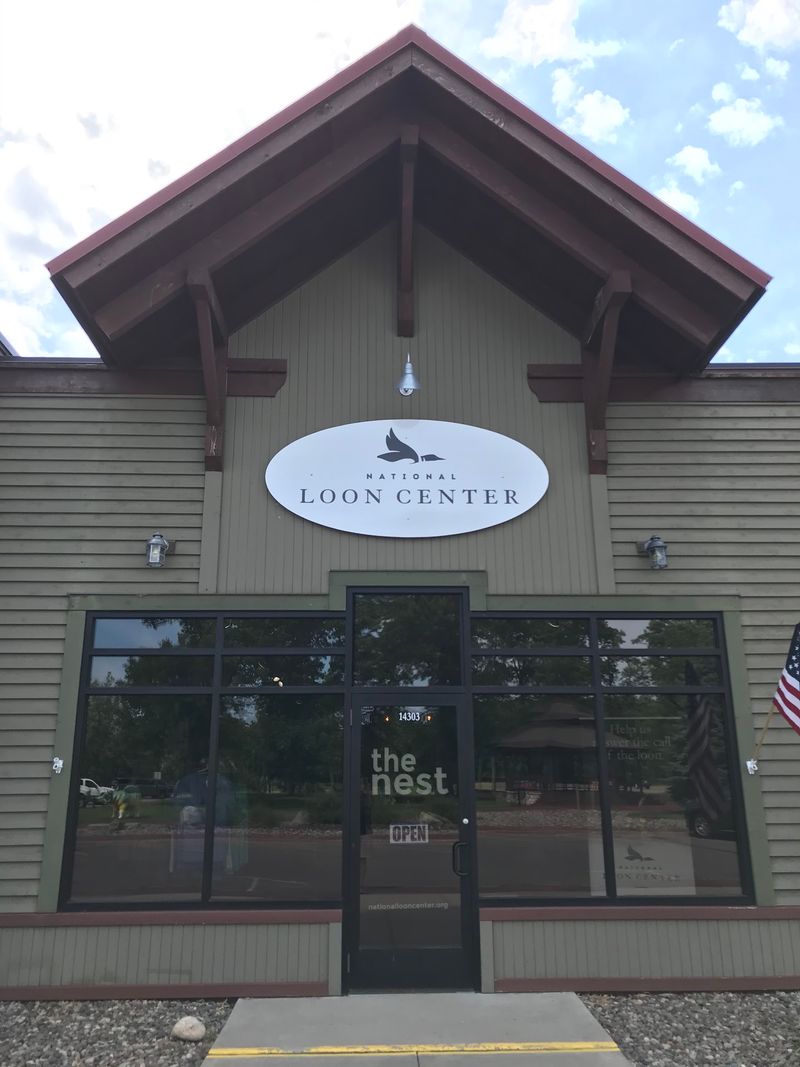
The Nest is open Monday through Saturday from 10 AM to 4 PM and is closed on Sundays. That schedule gives you a solid window for planning a visit, especially if you are spending a few days in the Crosslake area and want to work the pontoon tour into your itinerary.
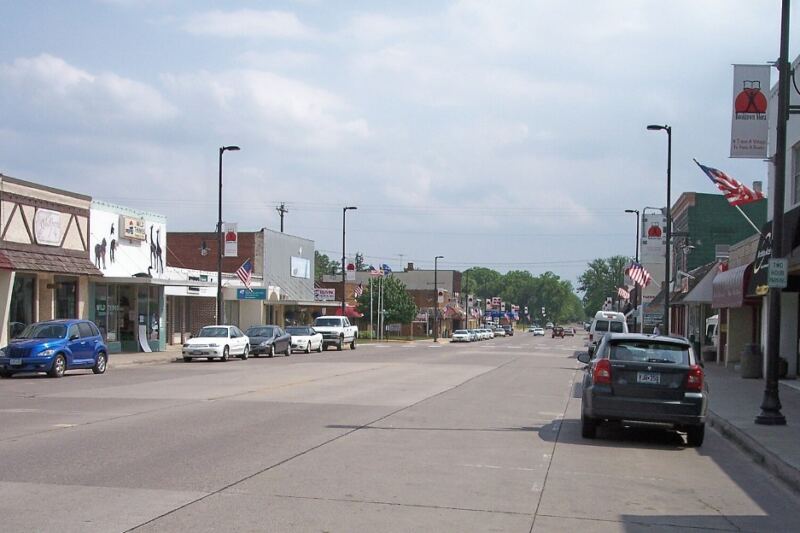
The center is located in Crosslake’s Town Square area, near Rafferty’s restaurant, which makes it easy to find and pair with other stops in town. Parking is manageable, and the location is approachable without requiring any special gear or preparation.
For the pontoon tour specifically, it is smart to check availability in advance since spots can fill up during peak summer season. The website at nationallooncenter.org has current information on tour scheduling and what to expect.
Arriving a little early gives you time to explore the visitor center and the outdoor sculptures before heading out on the water.
A Growing Organization With Big Plans
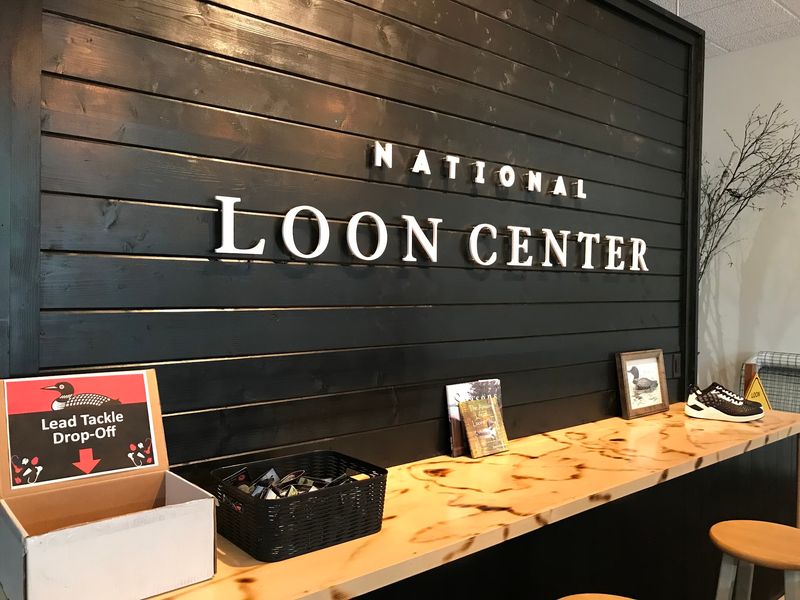
The National Loon Center is not standing still. Visitors and community members have noted that a larger, expanded facility is in the works, which suggests the organization is growing in both ambition and community support.
The current space at The Nest serves its purpose well, but a bigger building will allow the center to expand its educational programming and host more visitors.
That kind of growth is a sign that the mission is resonating. Local support, visitor engagement, and ongoing scientific work have all contributed to building momentum for the center’s future.
Visiting now, before the expansion is complete, gives you a chance to see the organization in an earlier, more intimate stage of its development. There is something genuinely exciting about supporting a place that is clearly on an upward trajectory.
Coming back after the new facility opens will be a completely different experience, and that is a reason to plan a return visit already.
The Broader Importance of Loon Research in Minnesota
Minnesota is known as the Land of 10,000 Lakes, and the common loon is the state bird. That connection runs deep in Minnesota’s cultural identity, but the actual scientific understanding of loon populations has historically been limited without dedicated research efforts.
Organizations like the National Loon Center fill a critical gap by conducting and compiling data that state and federal wildlife agencies can actually use. Tracking where loons nest, how many chicks survive each season, and what factors contribute to nesting failure gives conservationists real tools to work with.
Minnesota’s loon population faces ongoing pressure from recreational lake use, lead fishing tackle, and changing water conditions. The center’s work helps quantify those pressures and advocate for evidence-based protections.
Visiting the center connects you to that larger story in a way that a simple trip to the lake never could. You leave understanding that loon conservation is an active, ongoing effort that genuinely needs public awareness and support.
Why Crosslake Is Worth the Trip on Its Own
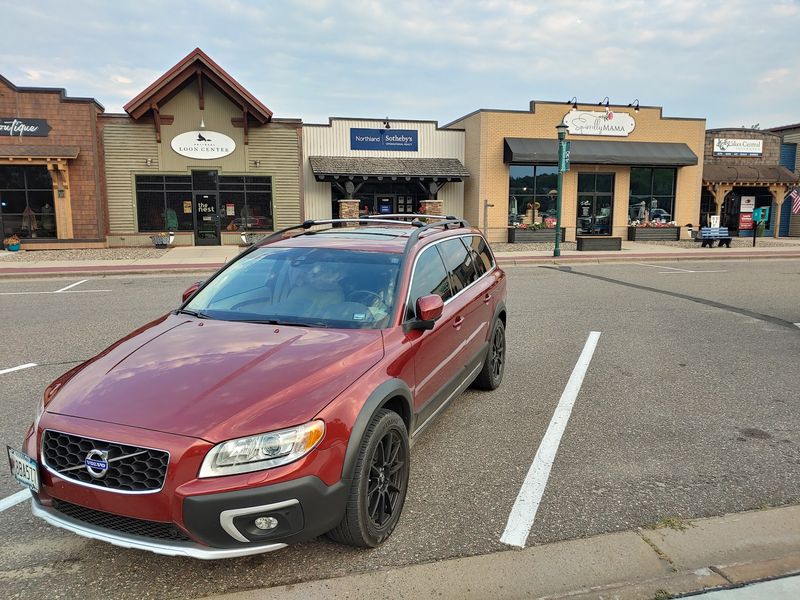
Crosslake itself is the kind of small Minnesota town that rewards slow exploration. Town Square has local shops, dining options, and a relaxed atmosphere that feels genuinely unhurried.
The National Loon Center sits right in that mix, making it easy to combine your visit with a broader afternoon in town.
The surrounding chain of lakes draws visitors throughout the summer, and the area has a well-established character as a lake community without feeling overcrowded or over-developed. There is a real sense of place here that goes beyond just the scenery.
Pairing a morning pontoon tour with lunch at a nearby spot and a browse through the local shops makes for a full, satisfying day without requiring a packed schedule. Crosslake is roughly two hours north of the Twin Cities, which puts it within easy reach for a weekend trip.
The Loon Center gives you a reason to go there that you probably did not have before reading this.
Share this story