There is a place in southern Minnesota where a one-year-old and a ten-year-old can spend an entire afternoon together and both leave completely worn out. Kids climb through a towering tree fort, splash around an outdoor water play area, and dig into hands-on exhibits that feel more like adventures than lessons.
Families regularly show up at opening and still find things they missed by closing time. The Children’s Museum of Southern Minnesota in Mankato has quietly become one of the most genuinely fun places for young kids in the entire region.
The Climbing Tree Fort That Steals the Show
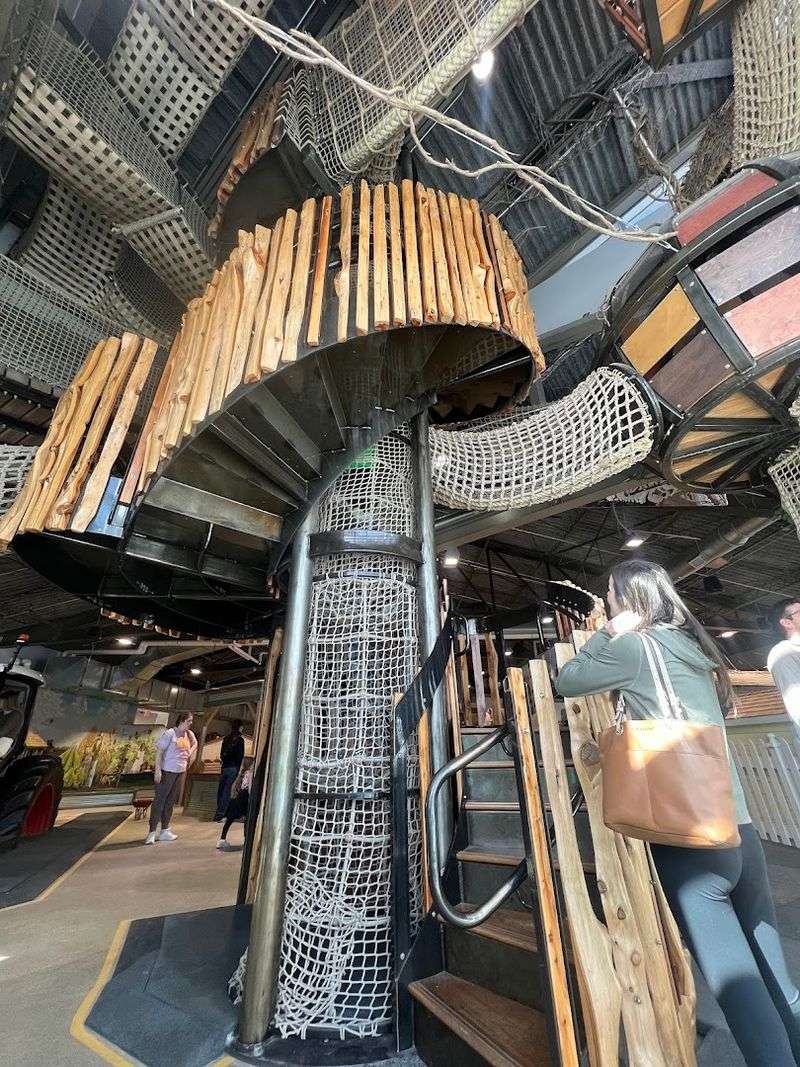
Ask any kid who has visited what their favorite part was, and the answer almost always comes back the same: the climbing tree fort. This multi-level structure is the kind of thing that makes children forget about screens, snacks, and everything else the moment they spot it.
The fort features rope netting, tunnels, and platforms that challenge kids physically while giving them the freedom to move at their own pace. Younger children can navigate the lower sections while older kids push themselves higher up.
Parents tend to plant themselves nearby with a good view, watching their kids problem-solve their way through each level. What makes this structure stand out is how it encourages confidence.
Kids who hesitate at the bottom eventually make it to the top, and the look on their faces when they do is genuinely priceless. It is the kind of moment families talk about on the drive home.
Water Works Outdoor Play Area
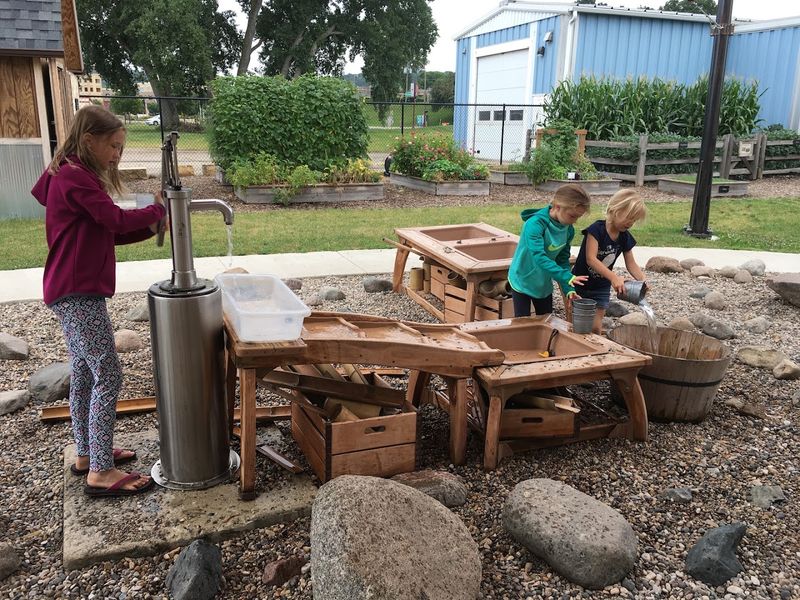
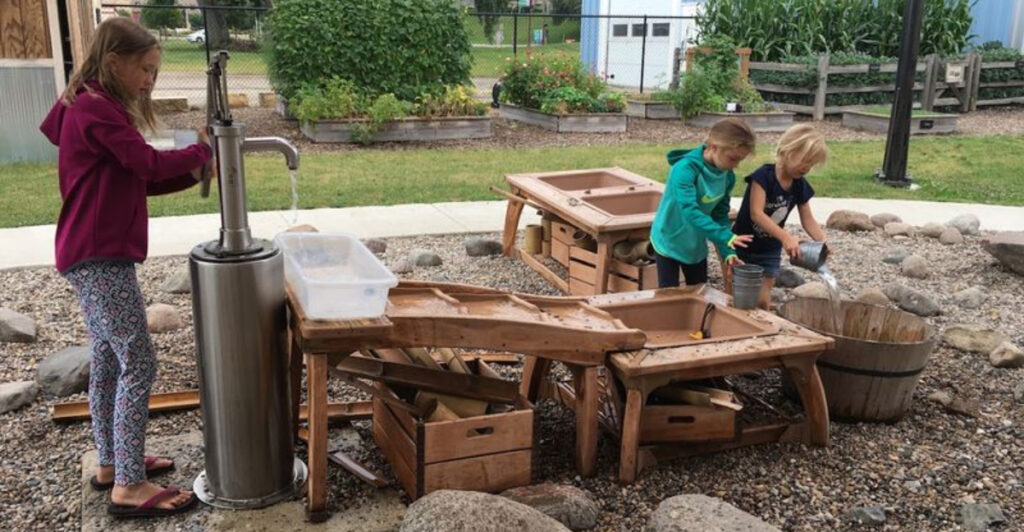
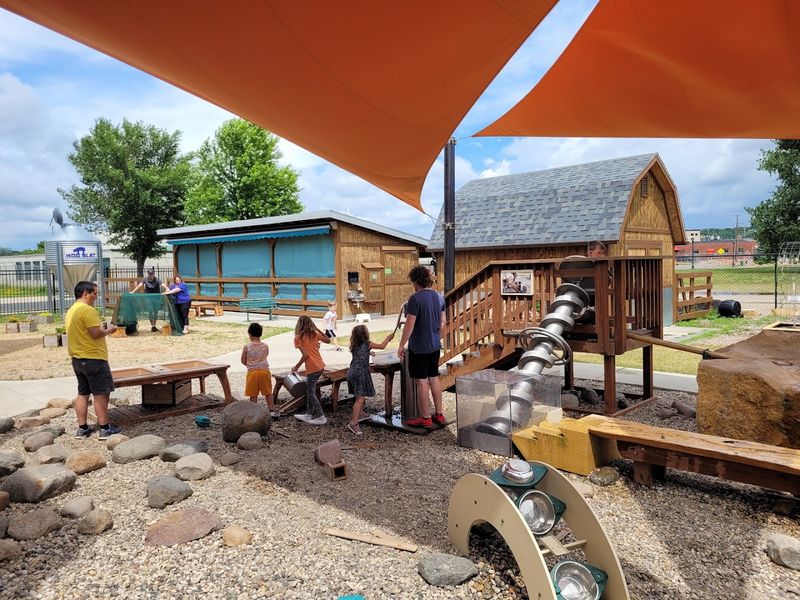
On a warm day, the outdoor Water Works area turns into the most popular spot in the entire museum. Kids wade in, splash around, and manipulate water channels with a focus and joy that is hard to manufacture anywhere else.
Parents are wise to pack a change of clothes, because dry children do not stay that way for long once they discover this area. The setup encourages experimentation, letting kids figure out how water moves and flows through different structures.
There is something wonderfully simple about watching a child completely absorbed in water play. No instructions needed, no rules beyond basic safety, just pure curiosity driving every splash and pour.
The Water Works area connects physical play with early science concepts in a way that feels completely natural. On a hot summer visit, this spot alone is worth the trip to Mankato.
Where You Can Actually Find This Place
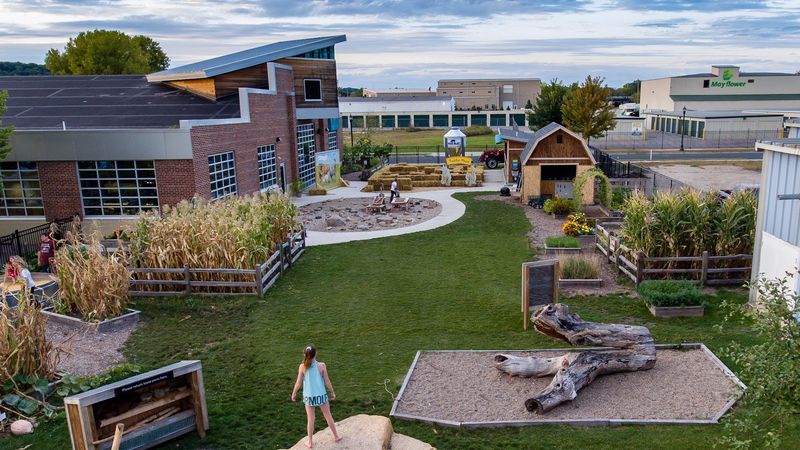
The Children’s Museum of Southern Minnesota sits at 224 Lamm Street in Mankato, Minnesota. It is a modern, spacious building that does not look like a typical children’s museum from the outside, which makes the interior all the more surprising when you walk through the doors.
The museum is open Tuesday through Sunday, with extended evening hours on Thursdays until 7 PM. That Thursday evening slot is particularly popular with working families who cannot always make it during the day.
Parking is free, which is a genuinely nice detail that removes one more stress from a family outing. The building is clean, well-organized, and clearly maintained with care.
First-time visitors often comment on how much larger the experience feels compared to what the footprint suggests from the outside. Everything about the layout is designed to maximize movement and discovery, which becomes obvious the moment kids start running.
STEM and Construction Exhibits Built for Curious Hands
Not every museum can pull off a STEM exhibit that genuinely excites kids rather than feeling like a classroom assignment. The construction and building activities here manage to do exactly that, blending creativity with basic engineering concepts in ways that feel like pure play.
Foam building blocks, construction-themed play spaces, and hands-on challenges give kids the chance to build, knock down, and build again without any pressure to get it right. The process is the whole point.
Older kids tend to get competitive with themselves, stacking higher or building faster with each attempt. Younger children just enjoy the sensory experience of moving large soft pieces around.
Either way, the exhibit holds attention for a surprisingly long time. Parents who work in construction or engineering often find themselves just as absorbed as their kids, quietly offering tips while pretending not to be completely invested in the outcome.
Agriculture Exhibits That Connect Kids to Where Food Comes From
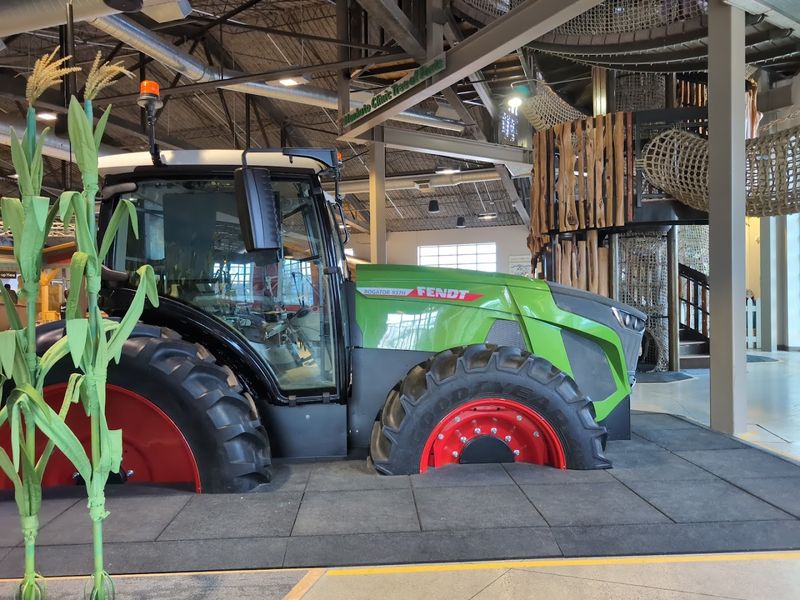
Southern Minnesota is farm country, and the museum leans into that identity with agriculture-themed exhibits that feel genuinely rooted in the region. Kids can interact with farm setups, explore crop-related activities, and get a tactile sense of where food actually comes from before it reaches a grocery store shelf.
One reviewer memorably described watching a child scoop what looked like brown patties from behind a toy cow while another kid played doctor nearby. That kind of imaginative, layered play is exactly what these exhibits are built to inspire.
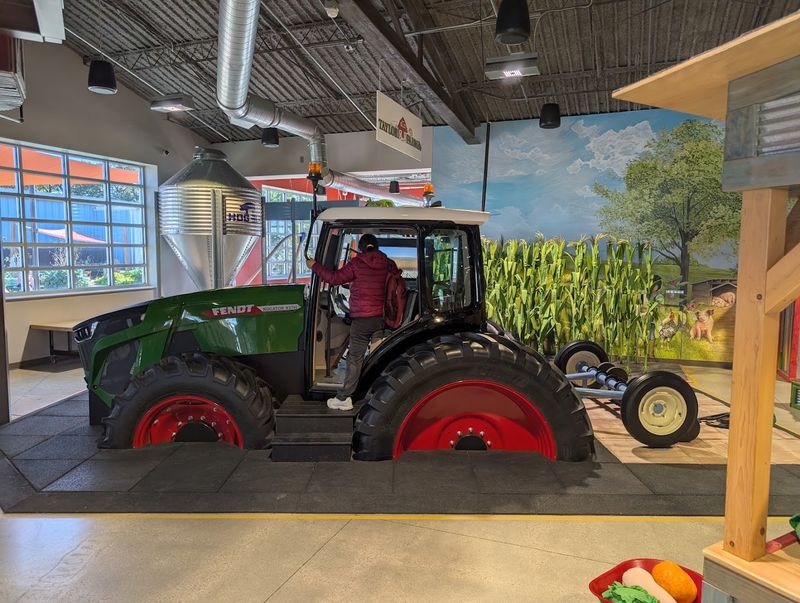
The tractor simulator is a particular crowd-pleaser, drawing in kids and parents alike. Adults who grew up around farming often light up at these exhibits just as much as the children do.
For city kids visiting for the first time, the agriculture section offers a genuine window into a world they rarely encounter, presented in a way that is hands-on, funny, and surprisingly memorable.
Dramatic Play Spaces That Spark Imagination

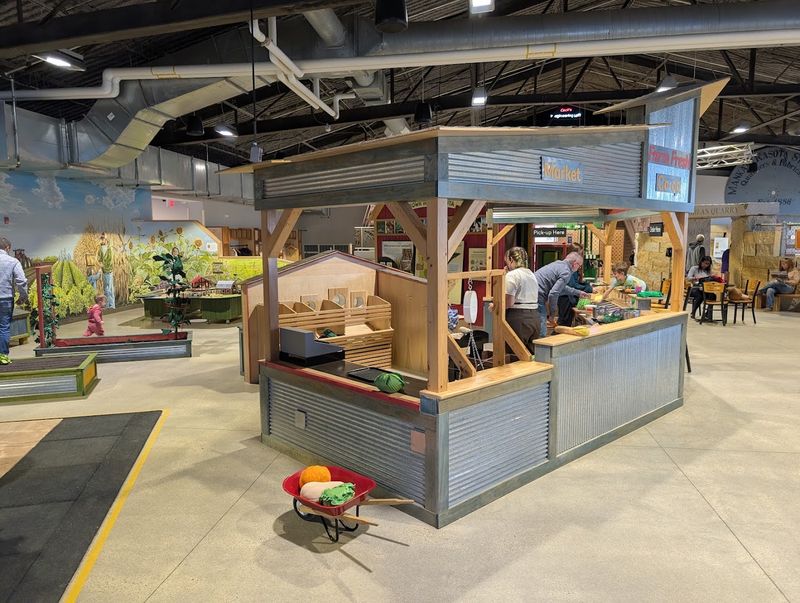
The dramatic play areas at this museum are genuinely well-designed, going beyond simple dress-up corners to create full environments where kids can inhabit different roles. There is a medical play space where kids diagnose patients, a co-op grocery setup, and other scenarios that mirror real-world situations children are curious about.
What makes these spaces work is how seamlessly kids shift between roles. One minute a child is the doctor, the next they are the patient, and five minutes later they have wandered over to stock shelves at the co-op.
The fluidity of that kind of play is exactly what developmental experts point to as valuable for young children.
Parents watching from nearby often find themselves laughing quietly at the elaborate storylines kids create entirely on their own. The dramatic play areas require no instructions and no setup.
Kids arrive, look around, and immediately know what to do. That instinctive engagement says everything about how well these spaces are designed.
The Quarry Exhibit Kids Keep Coming Back To
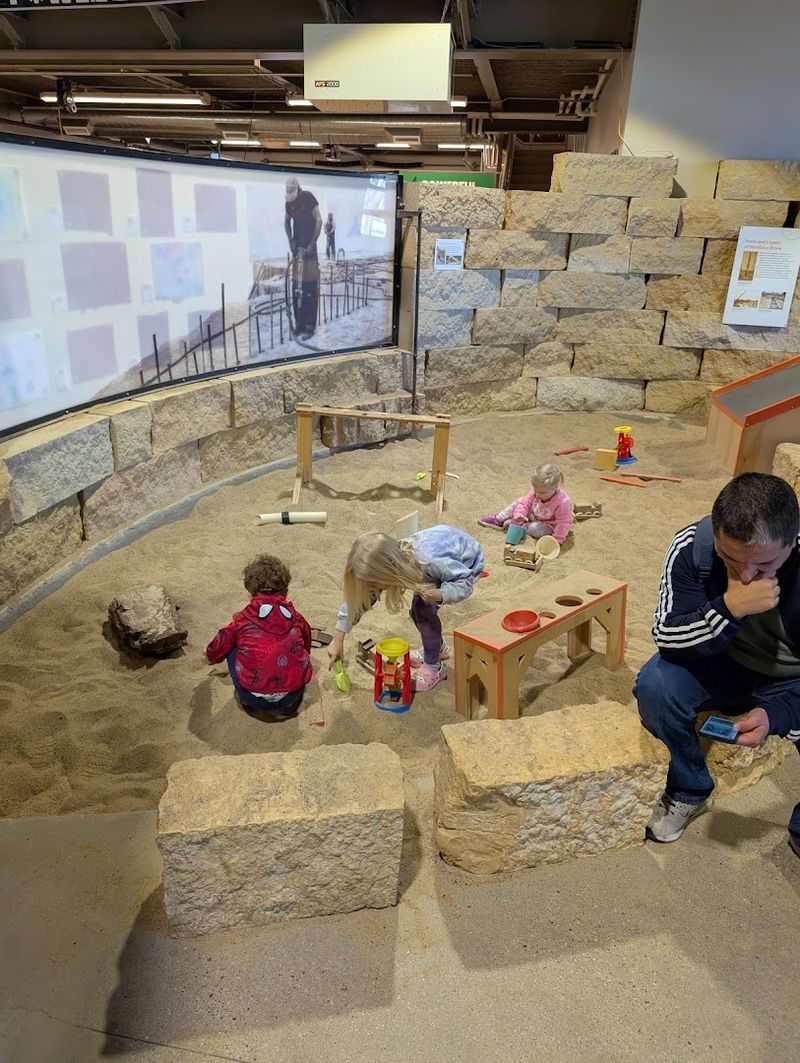
The quarry exhibit has a dedicated fan base among repeat visitors, and it is easy to understand why. There is something deeply satisfying about digging, sifting, and uncovering things in a space designed to encourage exactly that kind of tactile exploration.
Kids get genuinely absorbed in the process, losing track of time in a way that only happens when an activity perfectly matches a child’s natural curiosity. The quarry setup connects loosely to geology and earth science concepts, though most kids are far too busy having fun to notice they are learning anything.
Parents who have visited multiple times mention the quarry as one of the exhibits that holds up across repeated visits. The activity feels fresh each time because the experience is driven entirely by the child’s own imagination and energy.
Families with kids who love digging in the backyard will find this exhibit particularly hard to pull their children away from when it is time to leave.
Dakota Language and Cultural Representation
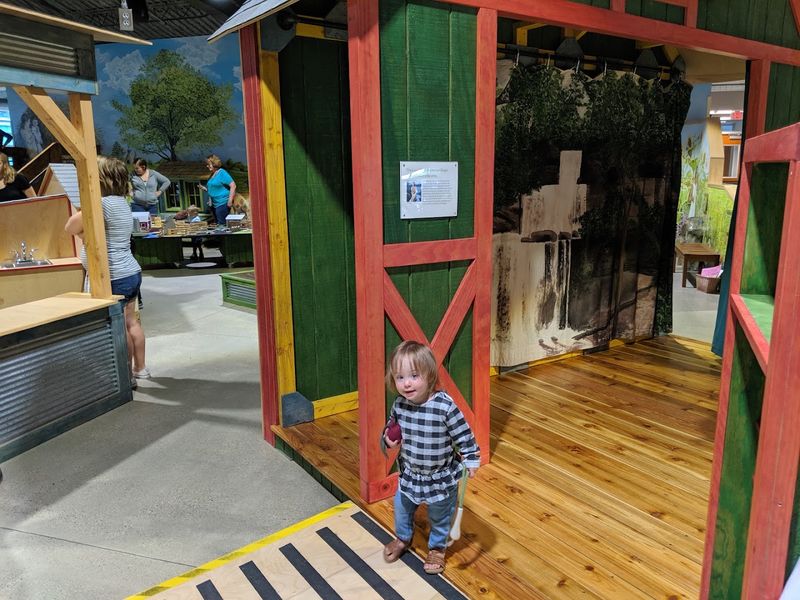
One of the most meaningful and quietly powerful elements of this museum is its intentional inclusion of the Dakota language. Visitors who know the history of the region recognize immediately how significant it is to see Dakota words and cultural elements woven into the museum’s environment.
One family who visited with grandchildren ranging in age from two to nine specifically mentioned hearing the voice of Gwen Westerman, a Dakota poet and scholar, as the most moving part of their visit. That kind of cultural authenticity is not something you stumble across in many children’s museums.
The inclusion feels respectful and purposeful rather than decorative, which makes a real difference. It gives children from Dakota communities a chance to see their heritage reflected in a public space, and it gives all other children an early, natural introduction to the Indigenous history of the land they live on.
That is a meaningful thing to offer young visitors.
How Long Families Actually Stay
The honest answer to how long a visit takes is: longer than you plan for. Families consistently report spending three to six hours at the museum, and many note that their kids still did not get through every exhibit by the time they left.
That kind of staying power is genuinely rare. Most family attractions hit a wall around the two-hour mark when kids start getting restless or bored.
This museum seems to sidestep that wall almost entirely, largely because the exhibits are active, varied, and physically engaging enough to hold attention through natural energy cycles.
The practical advice from experienced visitors is simple: arrive early, pack snacks, dress kids in clothes you do not mind getting dirty, and plan for a longer visit than you think you need. Families who treat it as a half-day outing tend to have the best experience.
Rushing through does not do the place justice.
Membership Value That Actually Makes Sense
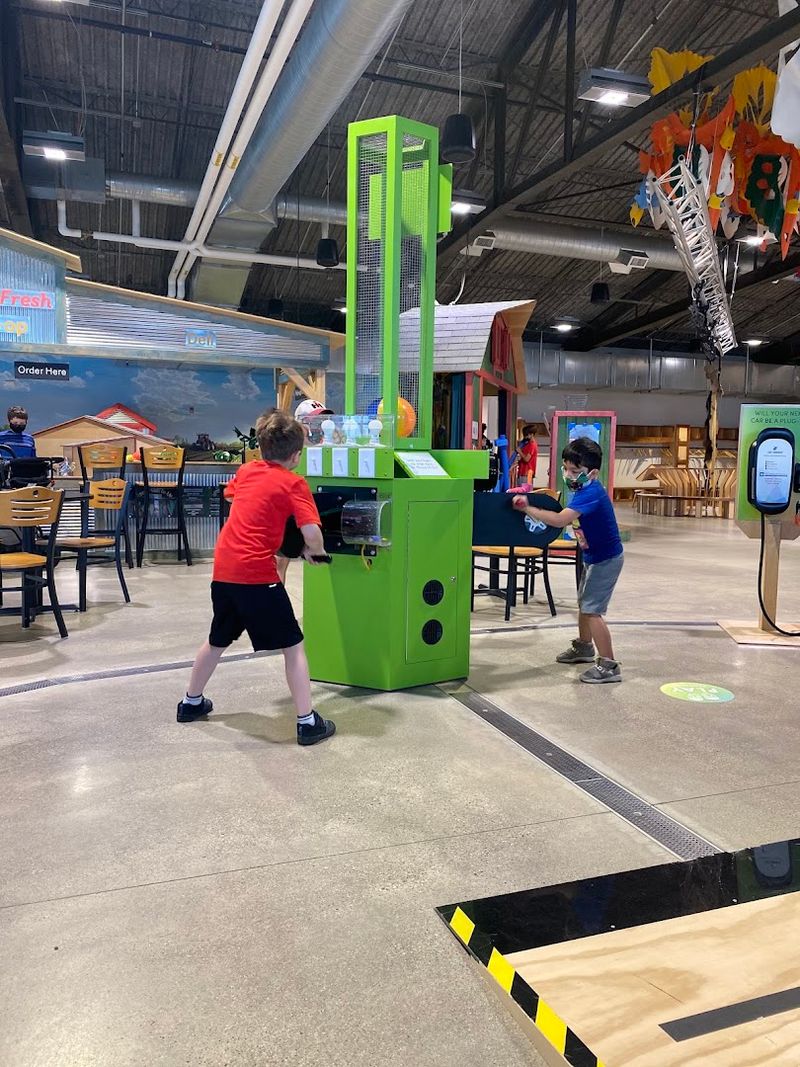
A lot of museums offer memberships, but the value calculation here is unusually favorable. Families who visit more than twice in a year find that a membership pays for itself quickly, and the museum’s habit of rotating and refreshing exhibits gives repeat visitors a genuine reason to return.
Multiple families have mentioned visiting three days in a row during school breaks and still finding new things to explore. That kind of content depth is what makes a membership feel like a smart investment rather than an optimistic gamble.
The museum is open Tuesday through Sunday, which gives member families plenty of scheduling flexibility throughout the year. Thursday evening hours until 7 PM add an especially useful option for families during the school year when daytime visits are harder to arrange.
For grandparents who want a reliable, engaging activity to share with grandchildren of different ages, a membership here is one of the better gifts you can give.
Age Range That Actually Works for Everyone
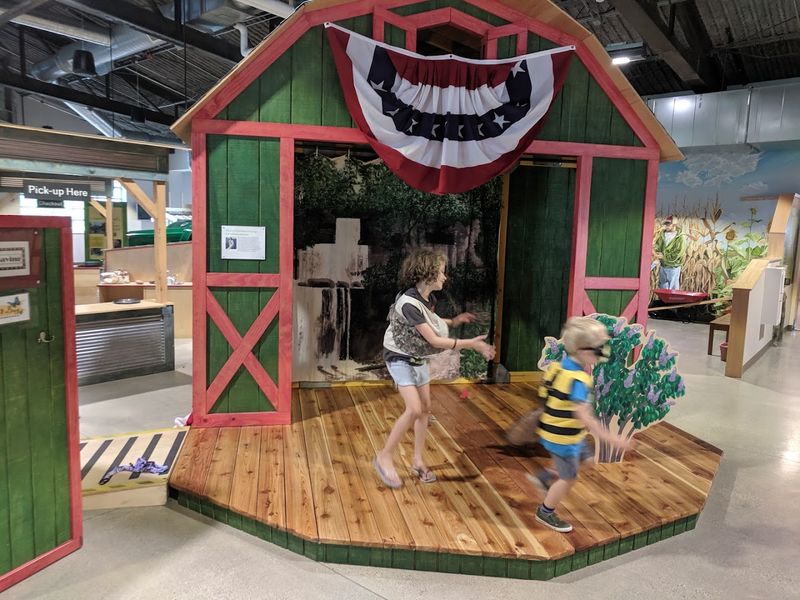
One of the trickier parts of planning a family outing is finding an activity that genuinely works for a wide spread of ages. This museum handles that challenge better than most, with exhibits that engage children from infancy through around age ten without leaving anyone behind.
Babies and toddlers have sensory-rich spaces designed for their developmental stage. Kids in the five-to-eight range tend to be in their absolute element here, moving freely between climbing, building, and dramatic play.
Older kids around nine or ten find enough physical challenge and complexity to stay genuinely interested.
Families with multiple kids at different ages often split up naturally, each child gravitating toward what suits them best, then regrouping to share what they found. Grandparents visiting with a wide range of grandchildren consistently report that everyone found something they loved.
That multi-age compatibility is one of the museum’s most underrated strengths.
Netting Obstacle Course and Sensory Play
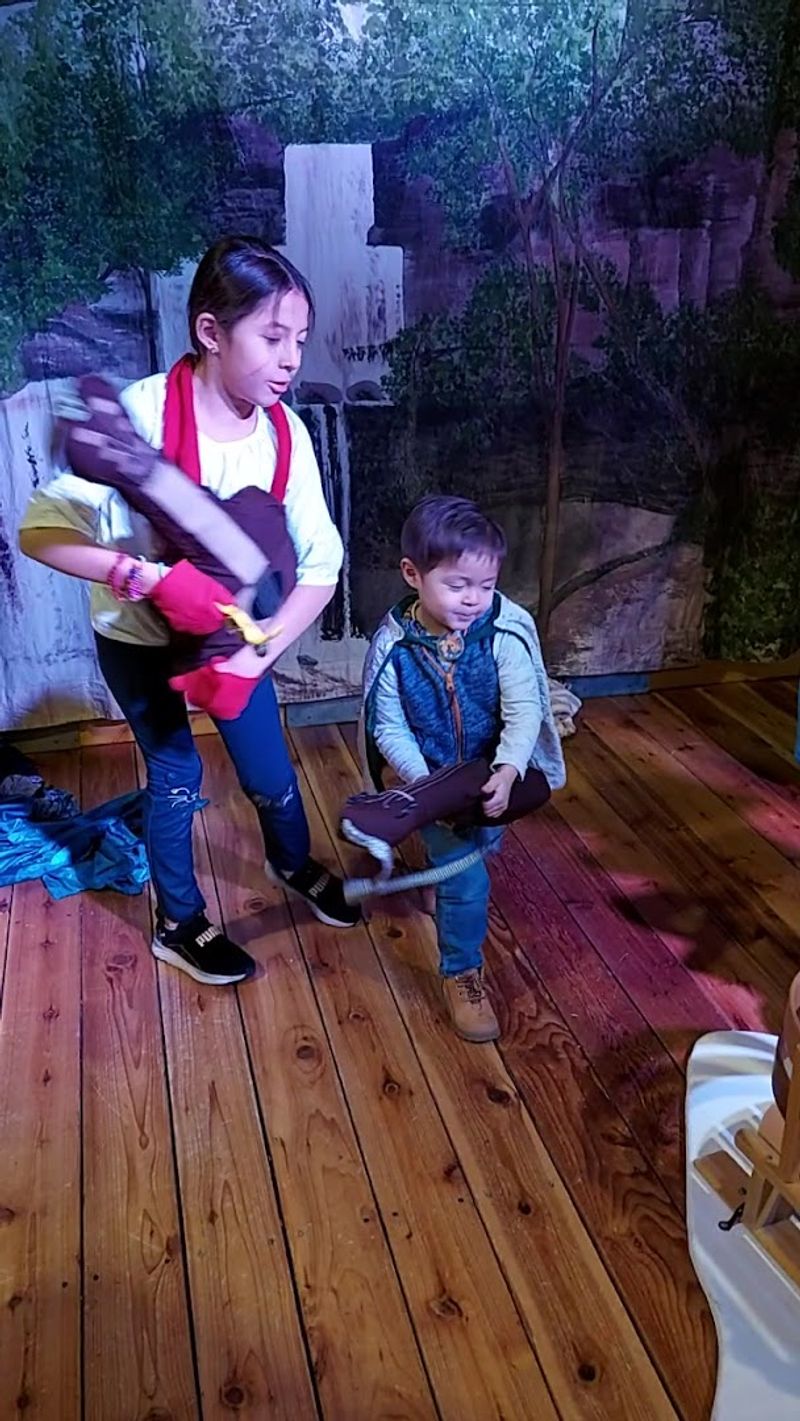
Beyond the tree fort, the museum offers a netting obstacle course that gives kids a different kind of physical challenge. Crawling, climbing, and navigating through rope netting requires coordination and problem-solving in equal measure, and kids take to it with an enthusiasm that is fun to watch.
The sensory play elements scattered throughout the museum add another layer of engagement for children who process the world through touch and texture. Play sand areas, foam blocks, and tactile surfaces give kids multiple ways to interact with their environment beyond just looking at things.
Sensory-rich environments are particularly valuable for children who benefit from movement-based learning, and the museum seems to understand that intuitively. The variety of physical experiences available means that kids who get bored easily rarely run out of new things to try.
There is always another texture to feel, another structure to climb, or another challenge to tackle just around the next corner.
Cleanliness and Organization That Parents Notice
Parents notice when a children’s space is clean and when it is not. The Children’s Museum of Southern Minnesota earns consistent praise for how well-maintained it is, which matters more than it might sound when you are managing small children in a shared public space.
Bathrooms are described as clean across multiple visits by different families over several years. Exhibits are kept organized and stocked.
The overall environment feels cared for rather than worn down, which is a genuine achievement for a space that sees heavy use from energetic young visitors every single day.
Free parking removes one more logistical headache from the visit. The building also has a free EV charger available, which is a small but appreciated detail for families driving electric vehicles.
Little conveniences like that add up and contribute to the feeling that the museum is genuinely designed with visitor comfort in mind, not just the exhibits themselves.
What Makes This Museum Worth the Drive to Mankato
Southern Minnesota does not always get credit for the quality of its family attractions, but this museum makes a strong case for putting Mankato on the map. The combination of physical play, cultural depth, imaginative spaces, and rotating exhibits creates an experience that holds up across multiple visits and multiple years of a child’s life.
Families drive in from surrounding communities and find the trip worth it. The museum sits in a region where outdoor options are limited during winter months, making it an especially valuable resource from October through April when families need reliable indoor activities that do not involve a screen.
What this museum ultimately offers is time. Time for kids to move freely, think creatively, and engage with the world at their own pace.
That is harder to find than it sounds, and it is the real reason families keep coming back. Mankato is closer than you might think, and this museum is worth every mile of the drive.
Share this story