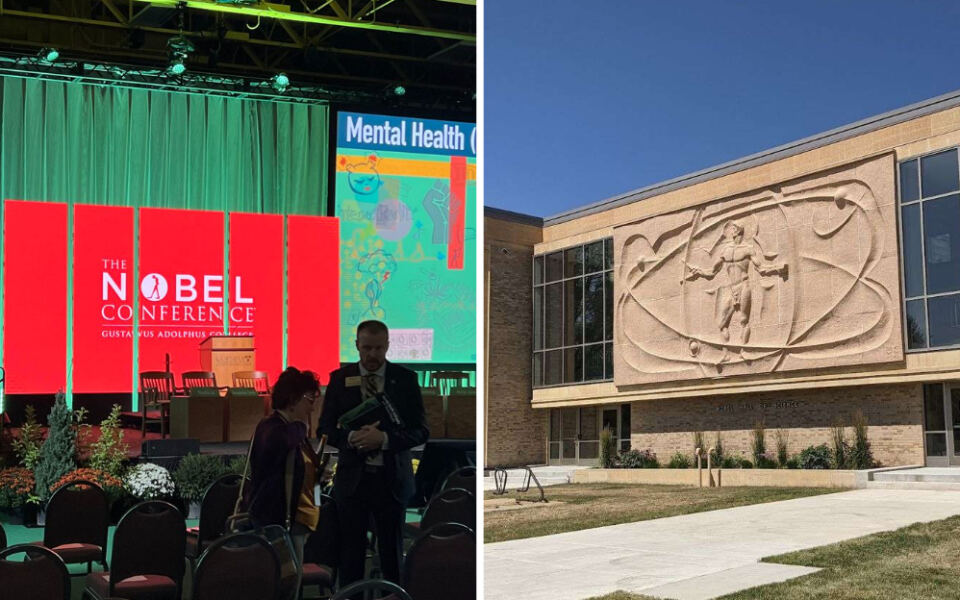
Most college campuses have a claim to fame, but very few can say they once hosted 26 Nobel Prize winners under the same roof on the same day. That is exactly what happened at a small liberal arts college tucked into the rolling landscape of southern Minnesota.
Every year since 1963, this school has organized an event that draws some of the brightest scientific minds on the planet to a town most Americans have never heard of. The Nobel Conference at Gustavus Adolphus College is one of the most remarkable academic traditions in the country, and it deserves far more attention than it gets.
The Nobel Conference That Started It All
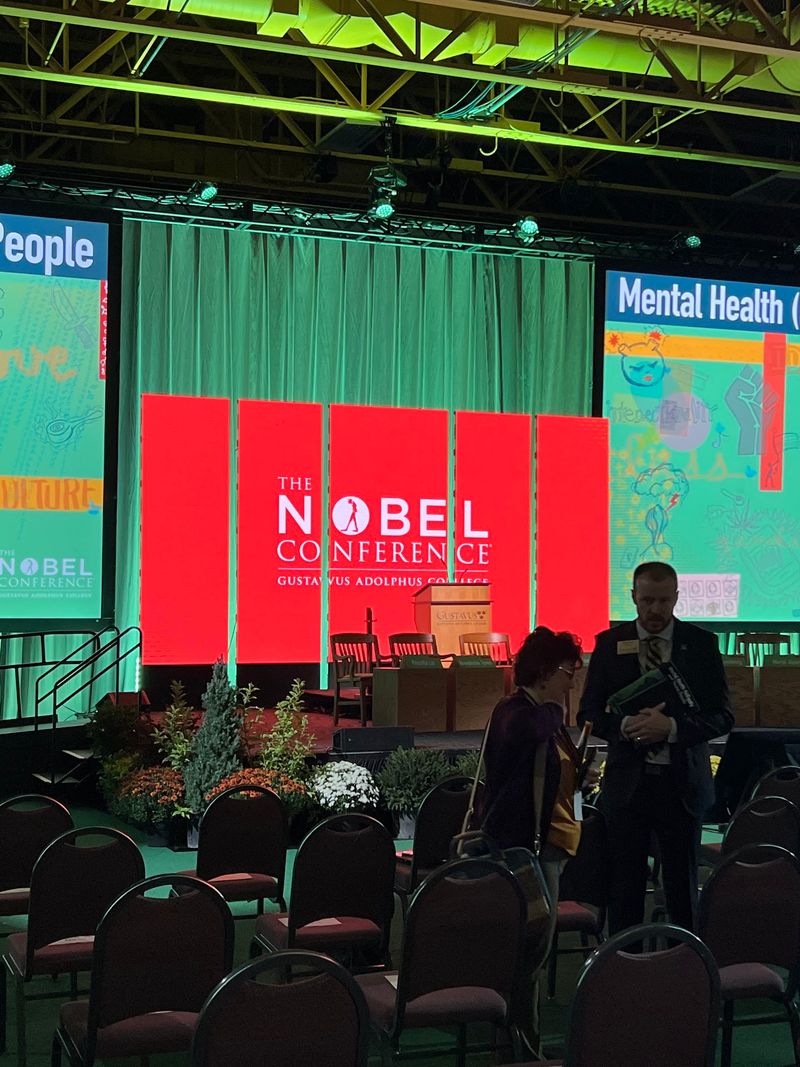
Back in 1963, Gustavus Adolphus College made a bold move. The school received a charter from the Nobel Foundation in Sweden, making it one of the few institutions outside of Scandinavia officially authorized to use the Nobel name for a public conference.
The first Nobel Conference was held in 1965, and it brought together some of the most celebrated scientific thinkers of the time. What started as a single gathering quickly became an annual tradition that the college has maintained for decades.
Each year, the conference focuses on a single pressing scientific or social topic, drawing Nobel laureates and leading experts to speak before thousands of attendees. The event is free and open to the public, which makes it even more extraordinary.
A small Minnesota college offering world-class intellectual access to anyone willing to show up is something genuinely worth celebrating.
Where Exactly This College Calls Home
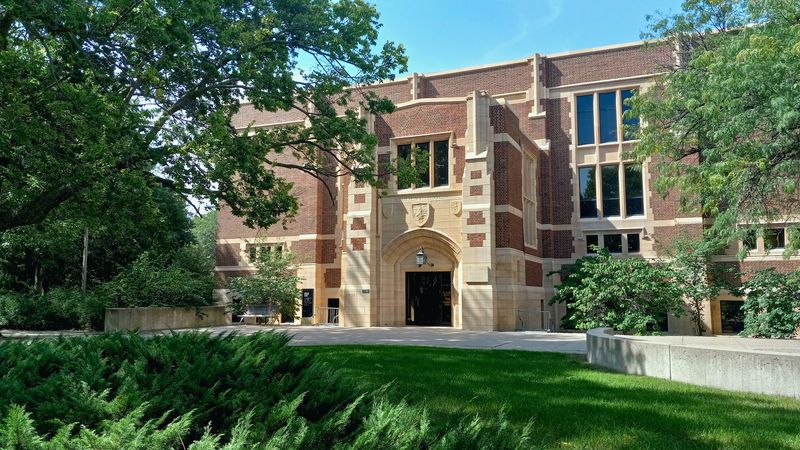
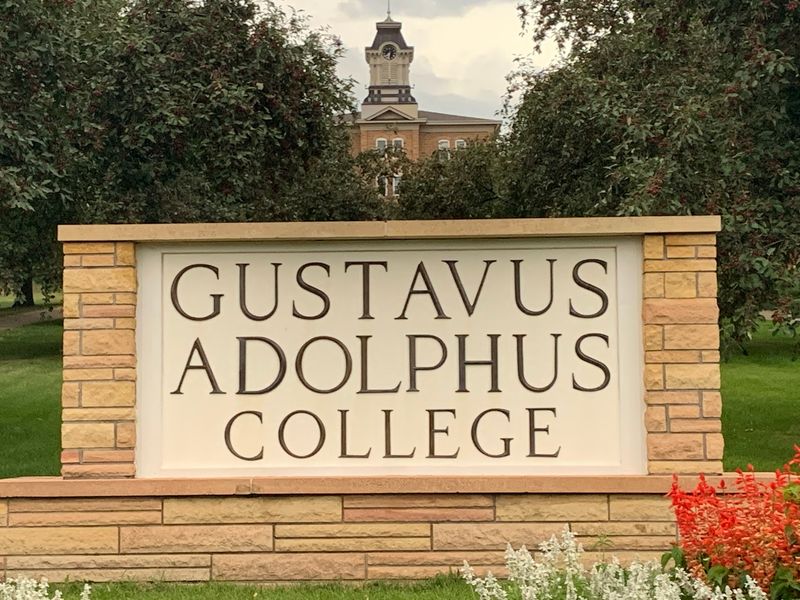
Gustavus Adolphus College sits at 800 W College Ave, St Peter, Minnesota, United States. The campus is set in a quiet college town that sits along the Minnesota River valley in Nicollet County.
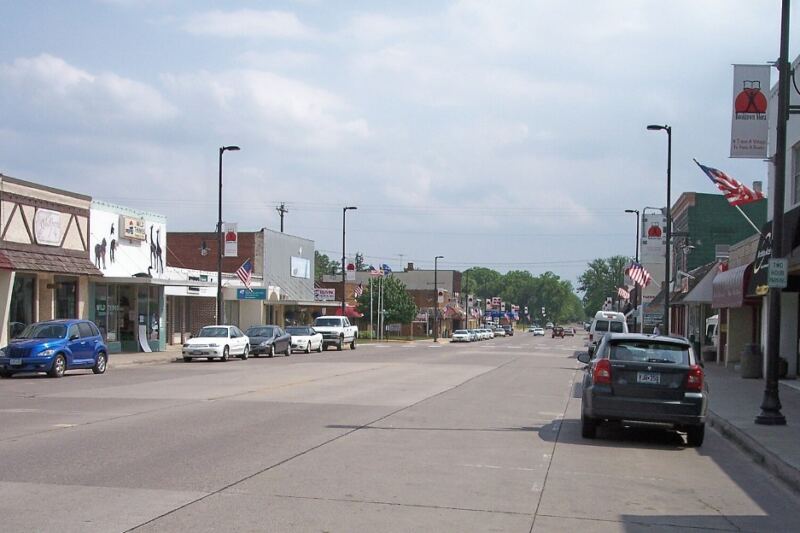
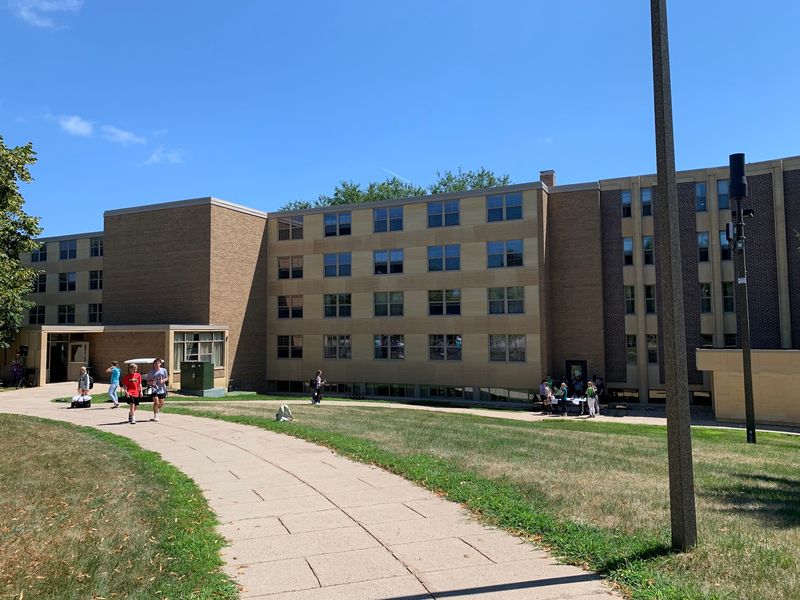
St. Peter is a modest, walkable town with a population of around 12,000 people, and the college is very much the heart of it. The campus grounds are well maintained, with green lawns and mature trees that make it feel both peaceful and purposeful.
The location is close enough to Mankato for students who want access to a larger city, and Minneapolis is reachable within about 75 minutes by car. That balance between small-town calm and regional connectivity is something many students and visitors appreciate.
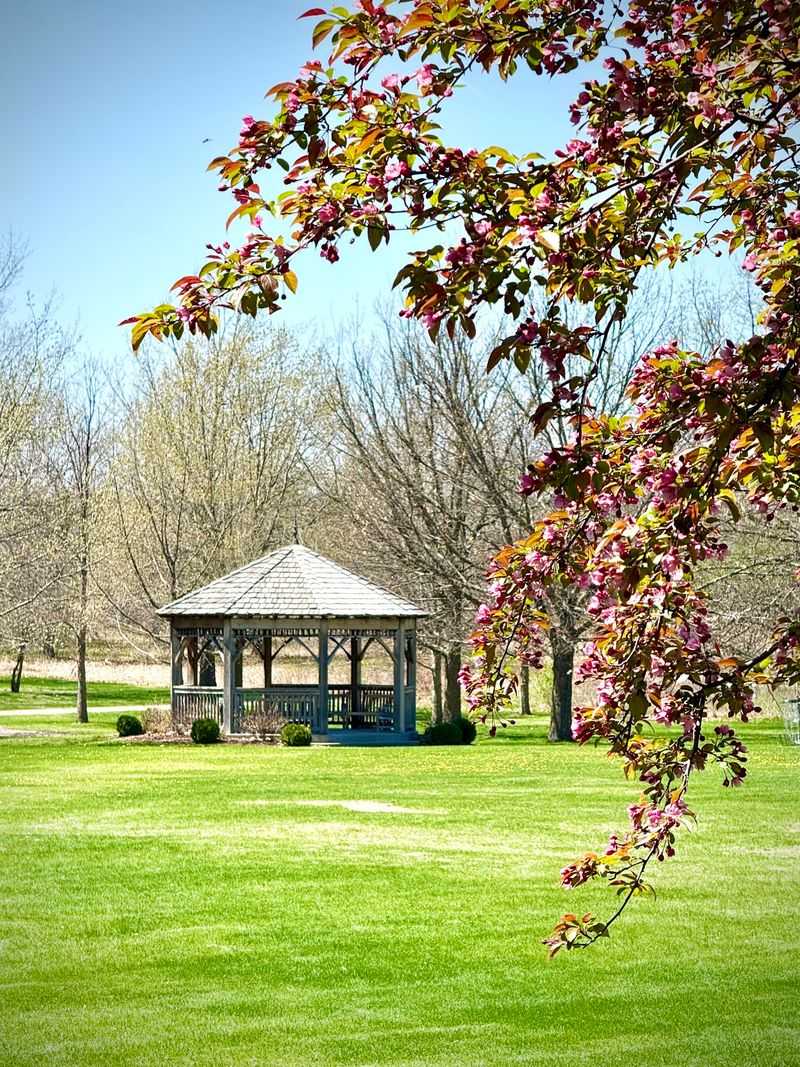
The campus itself has a welcoming, open layout that rewards a slow walk between buildings, especially when the flowering trees bloom around mid-May.
The Record-Breaking Day With 26 Nobel Laureates
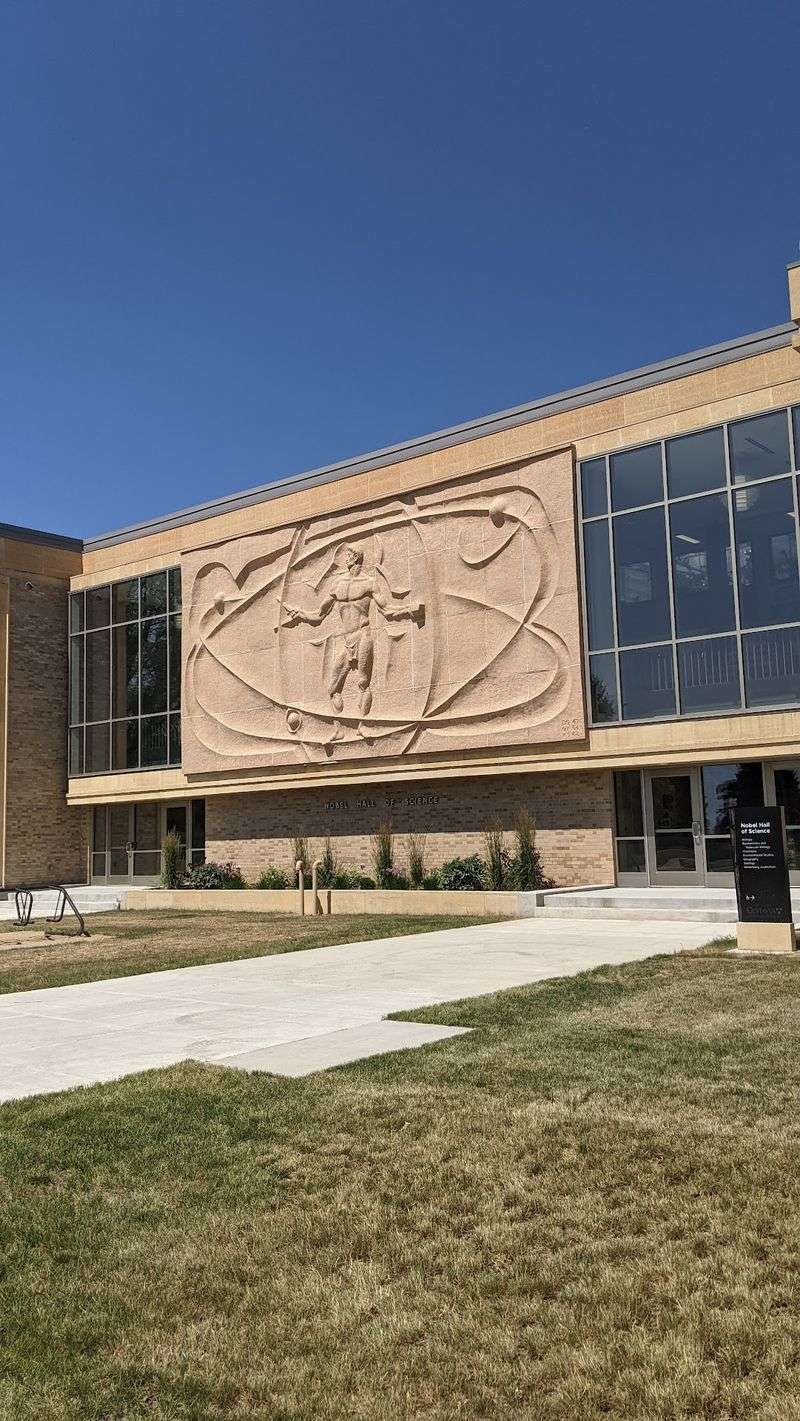
The moment that truly set Gustavus Adolphus College apart from virtually every other college in the world came during a single Nobel Conference when 26 Nobel Prize winners attended at the same time. That gathering remains one of the largest concentrations of Nobel laureates ever assembled at a single academic institution.
To put that in perspective, most universities spend decades trying to attract even one or two laureates to their campus. Gustavus managed to bring 26 of them together for one focused intellectual event in a town of roughly 12,000 people.
The achievement speaks to the reputation the conference had already built within the global scientific community. Word had spread that this small Lutheran college in Minnesota was doing something serious, and the world’s top scientific minds responded.
That kind of credibility is not bought. It is earned through years of careful, committed academic work.
A Lutheran College With Deep Scandinavian Roots
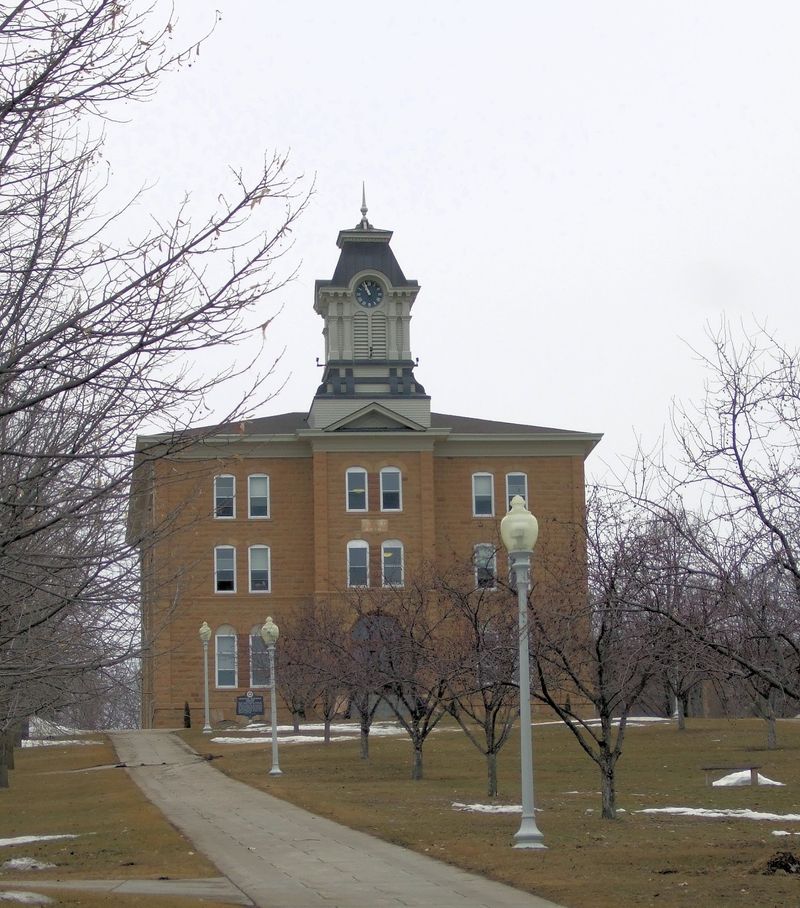
Gustavus Adolphus College was founded in 1862 by Swedish Lutheran immigrants, and that heritage still runs through the culture of the campus today. The college is named after King Gustavus Adolphus of Sweden, a 17th-century monarch celebrated in Scandinavian history.
The Swedish Lutheran tradition emphasized both faith and rigorous learning, and that dual commitment shaped the college from its earliest years. Even as the campus has grown and diversified over more than 160 years, the connection to its Scandinavian founding identity remains visible in campus traditions, architecture, and community values.
The college is affiliated with the Evangelical Lutheran Church in America, and that affiliation influences the campus culture in ways that feel genuine rather than ceremonial. There is a strong emphasis on service, community engagement, and ethical reasoning alongside academic achievement.
That combination gives the college a character that sets it apart from many comparable liberal arts institutions.
Christ Chapel and the Music That Fills It
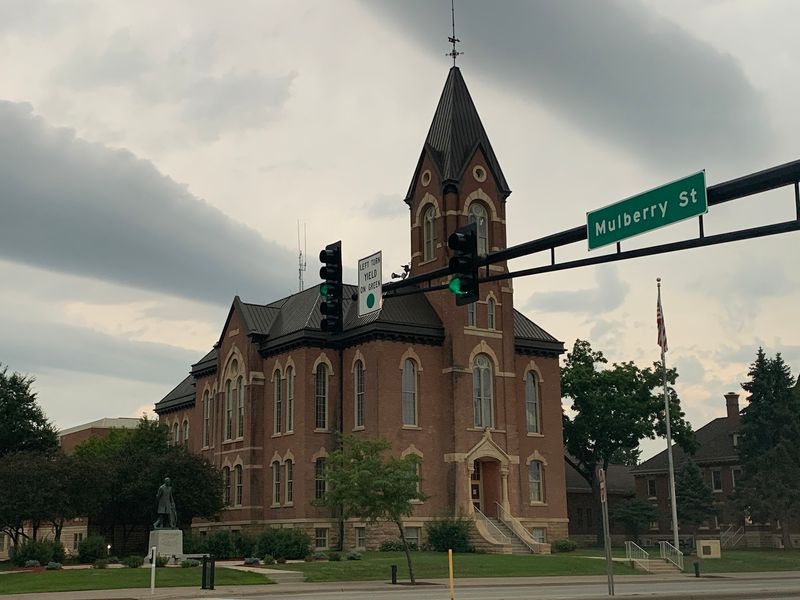
Christ Chapel is one of the most striking spaces on the Gustavus Adolphus campus. The building hosts everything from regular worship services to large-scale choral and orchestral performances that draw audiences from across the region.
The chapel’s acoustics are well suited for live music, and the Christmas concert held there each year has become a beloved tradition. Attendees describe the orchestral and vocal performances as genuinely moving, with sound that carries clearly even to seats near the back of the large space.
The chapel does get cold during winter events, which is simply part of the Minnesota experience. But the warmth of the music tends to make up for it.
Performances at Christ Chapel represent the kind of cultural offering that makes a small college town feel much larger than it actually is. For anyone visiting the campus, the chapel is worth a stop even outside of performance season.
How the Nobel Conference Actually Works
The Nobel Conference at Gustavus Adolphus College is not a typical academic symposium. Each year, the organizing committee selects a single theme, often tied to a major question in science, medicine, or society, and then assembles a group of Nobel laureates and leading researchers to address it from multiple angles.
Presentations are designed to be accessible to a general audience, not just specialists. That philosophy reflects the college’s belief that important scientific conversations should not be locked behind academic paywalls or limited to university insiders.
The conference typically spans two days and draws thousands of attendees, including students from across Minnesota and beyond. High school teachers and their classes are among the regular participants, which gives young people direct access to some of the most accomplished scientists alive.
That kind of exposure at an early age can shape an entire career. The conference has addressed topics ranging from genetics to cosmology to brain science over the decades.
The Campus Landscape Through the Seasons
One of the quieter pleasures of visiting the Gustavus Adolphus campus is watching how dramatically it changes with the seasons. Minnesota’s four-season climate means the campus looks and feels completely different depending on when you arrive.
Spring is arguably the most photogenic time to visit. Around mid-May, flowering trees across campus burst into bloom, creating the kind of scenery that makes people stop walking just to look.
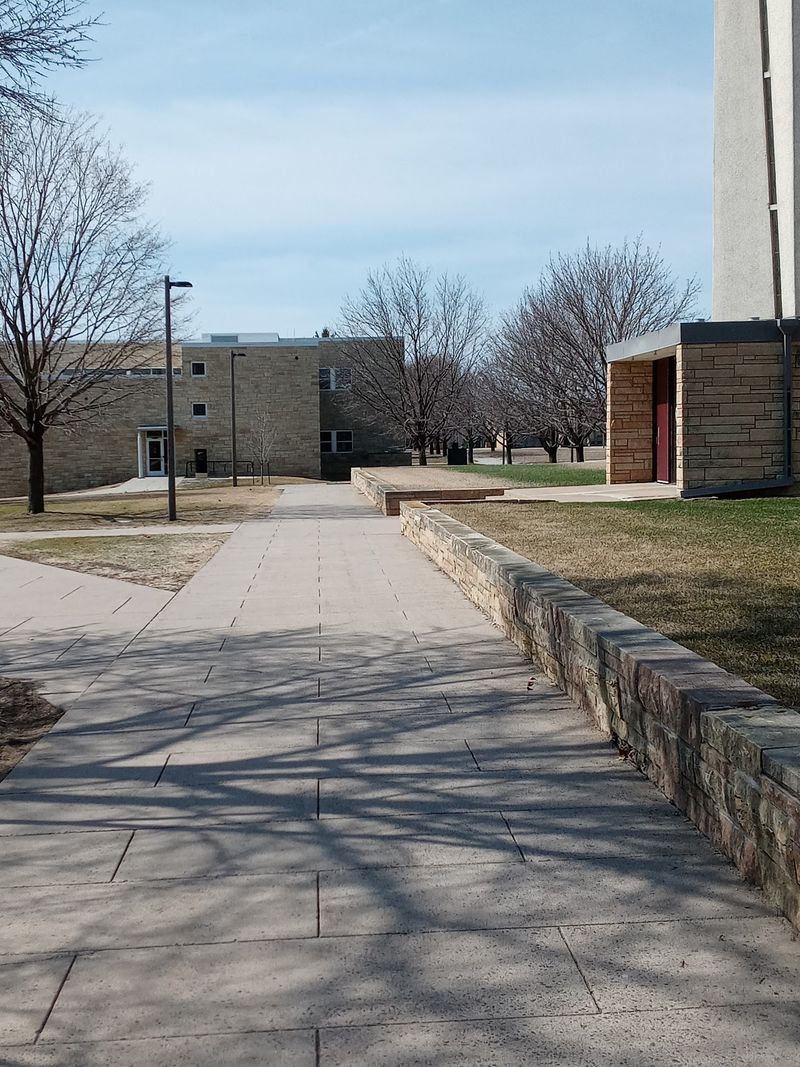
The grounds crew keeps the lawns and pathways in excellent condition, which makes a campus walk genuinely enjoyable.
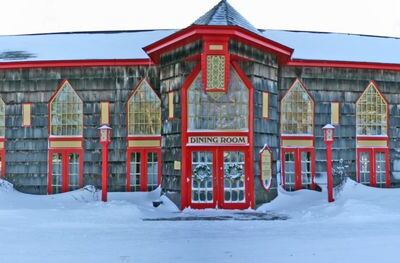
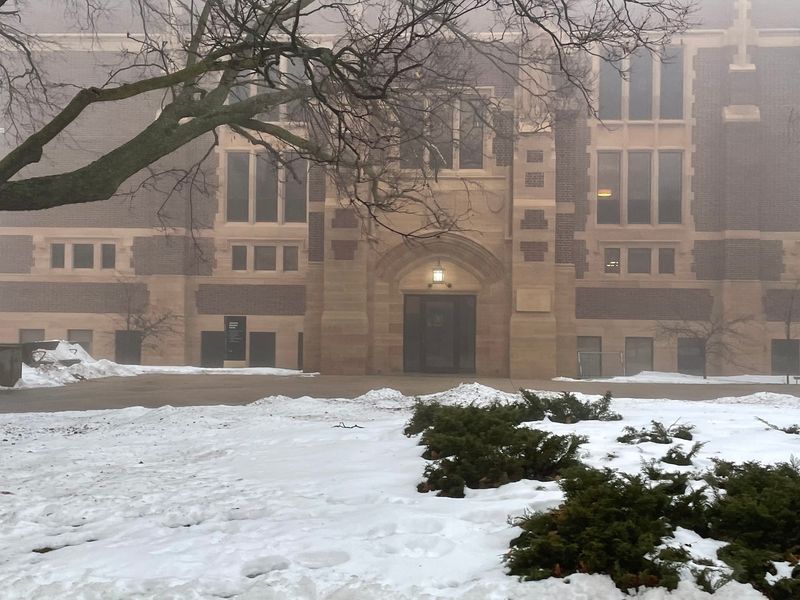
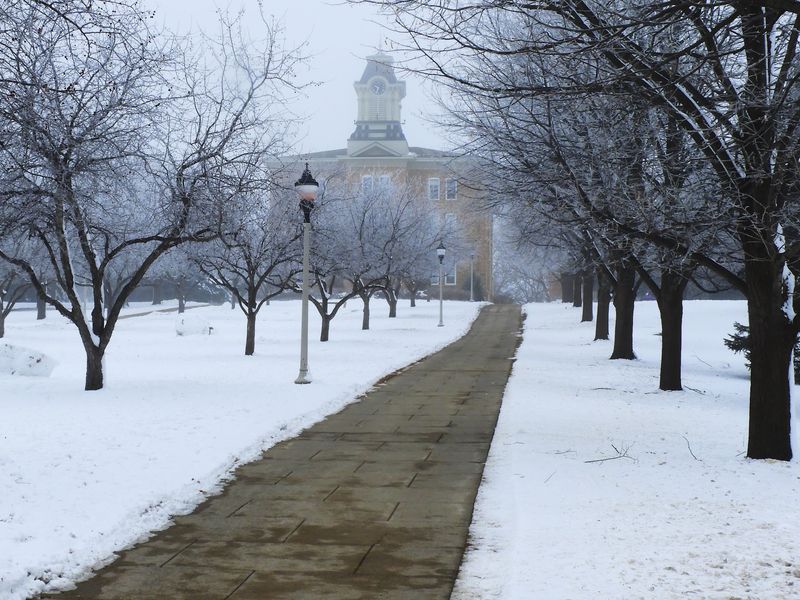
Fall brings its own appeal, with the tree canopy turning shades of amber and red across the open green spaces. Winter transforms the campus into something quieter and more reflective, with snow settling over the buildings and pathways.
Each season offers a different reason to spend time on the grounds, and longtime visitors often say they have a personal favorite time of year to return.
Small Classes and the Teaching Philosophy Behind Them
One of the most consistent things people say about Gustavus Adolphus College is that the class sizes make a real difference. Professors here are known for being genuinely accessible, which is not something every college can honestly claim.
In a small class, there is nowhere to hide, but there is also no reason to. Students who might get lost in a lecture hall of 300 people find that their questions actually get answered here.
Faculty members take time to help students identify career-building opportunities and navigate academic decisions, which can be the difference between a degree and a direction.
That close relationship between students and professors is one of the defining features of a liberal arts education done well. The college’s relatively small enrollment supports that model in a practical way.
For students who learn best through conversation and direct feedback rather than passive listening, this kind of environment tends to produce strong results.
Athletics and the Lund Center
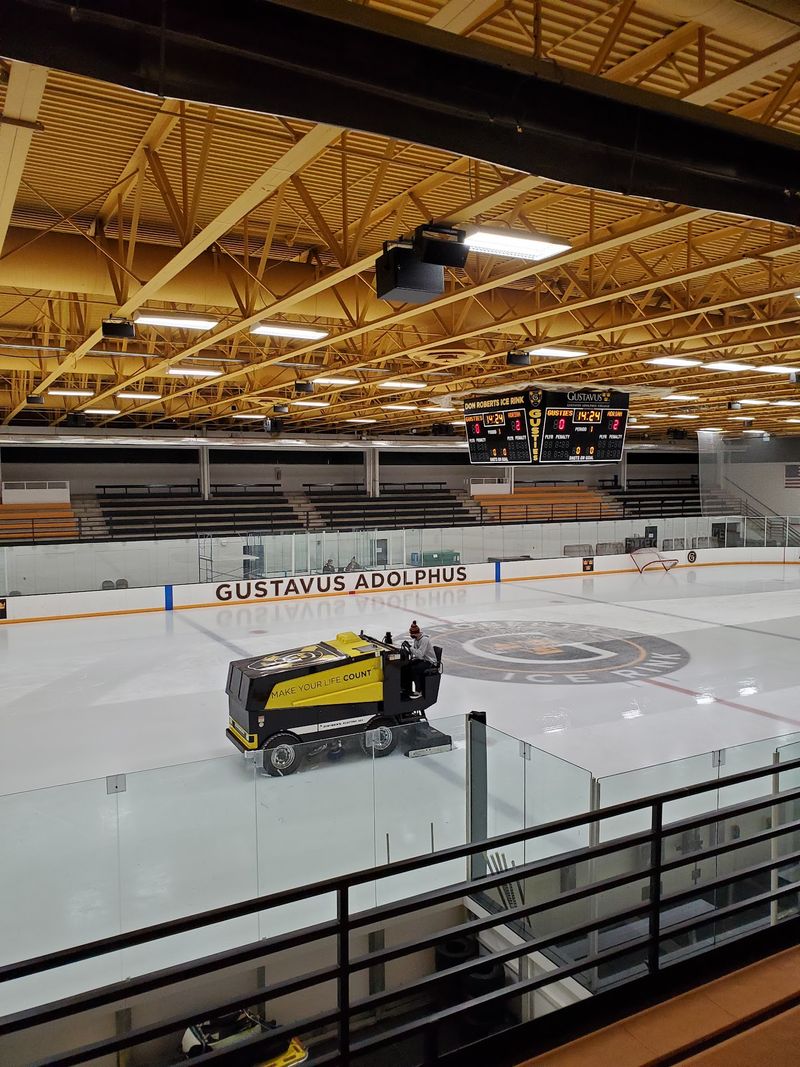
Gustavus Adolphus College competes in NCAA Division III athletics, and the campus facilities reflect a serious commitment to student athletes. The Lund Center is the college’s main athletics complex, and it has earned a reputation as one of the better facilities in its division.
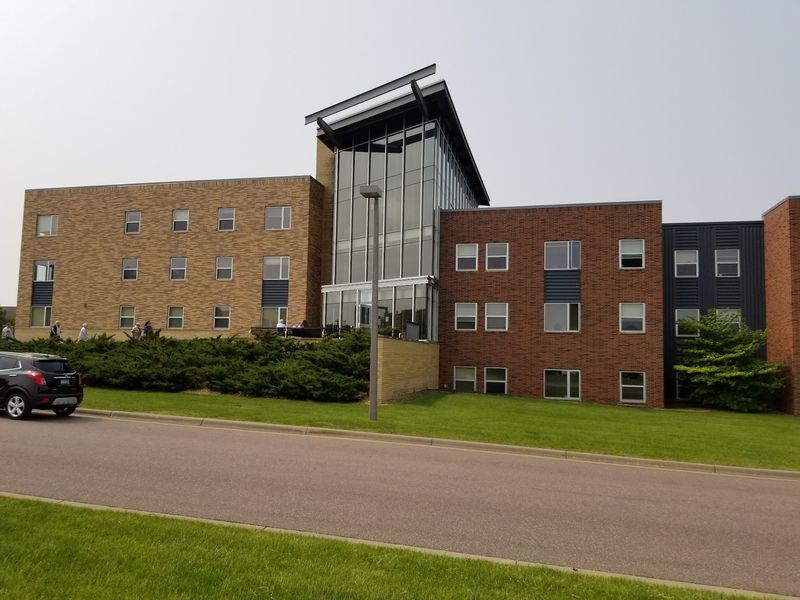
The arena hosts hockey, and watching a college hockey game in Minnesota carries a specific kind of regional energy that is hard to replicate anywhere else. The building is modern and well-equipped, offering a noticeably different experience from the older parts of campus.
Student athletes at Gustavus benefit from being in an environment where academics come first but athletics are still taken seriously. Division III sports do not offer athletic scholarships, which means every player on the field or ice is there because they genuinely want to be.
That tends to produce a different kind of team culture, one built on commitment rather than obligation.
The Role of Community in Campus Life
Community is a word that gets used loosely at a lot of colleges, but at Gustavus Adolphus it seems to mean something specific. The campus size creates conditions where people actually recognize each other, which changes how daily life on campus feels.
Students have access to a range of clubs, organizations, and activities that keep campus life active beyond the classroom. The college also has a strong tradition of study abroad programs, giving students the chance to connect their small-campus experience to a much wider world.
Social life on campus is genuine and varied. There are performance events, athletic competitions, and organized activities that bring different parts of the student body together regularly.
That sense of shared experience tends to create lasting friendships and networks that extend well beyond graduation. Many alumni describe their time at Gustavus as formative not just academically, but socially and personally in ways that stayed with them.
What Sets This College Apart From Larger Minnesota Schools
Minnesota has no shortage of higher education options, from large state research universities to community colleges spread across the region. What Gustavus Adolphus offers is a deliberately different experience, one centered on close academic relationships and a strong sense of institutional identity.
At a large university, it is entirely possible to complete four years without ever having a real conversation with a faculty member outside of office hours. That rarely happens at Gustavus, where the structure of the college actively encourages ongoing dialogue between students and professors.
The Nobel Conference alone gives Gustavus a profile that most small colleges simply cannot match. Hosting one of the world’s premier scientific gatherings year after year has built a reputation that reaches far beyond Minnesota.
For students who want rigorous academics in an environment that actually knows their name, Gustavus occupies a specific and valuable space in the Minnesota higher education landscape.
The Science Programs Behind the Nobel Tradition
It would be easy to assume that the Nobel Conference is just a prestigious event the college hosts without any deeper connection to its academic core. That assumption would be wrong.
Gustavus Adolphus has long maintained strong science programs, particularly in biology, chemistry, and physics.
The college’s commitment to undergraduate research is genuine. Students in the sciences have opportunities to work alongside faculty on real research projects, not just observe from a distance.
That hands-on approach to scientific education aligns naturally with the values the Nobel Conference promotes.
Bringing Nobel laureates to campus every year also has a practical effect on science students. Hearing directly from people who have made landmark discoveries in their fields is the kind of motivation that textbooks cannot replicate.
Many Gustavus science graduates have gone on to strong careers in medicine, research, and academia, and the culture of intellectual seriousness on campus plays a clear role in those outcomes.
St. Peter as a College Town
St. Peter, Minnesota is the kind of town that grows on you gradually. It is not flashy, and it does not try to be.
What it offers instead is a calm, manageable environment where a college student can actually focus without the constant noise of a big city.
The town has local shops, restaurants, and services that support daily life comfortably. The Minnesota River runs nearby, and the surrounding landscape gives the area a natural quality that feels restorative rather than isolating.
Mankato is just a short drive away for anyone wanting a larger selection of restaurants or entertainment options. That proximity to a mid-sized city is something Gustavus students and their families often mention as a practical plus.
St. Peter itself has a quiet charm that suits the pace of a liberal arts education well, and many students who arrive skeptical of small-town life end up genuinely fond of it by graduation.
Art and Culture Woven Into the Curriculum
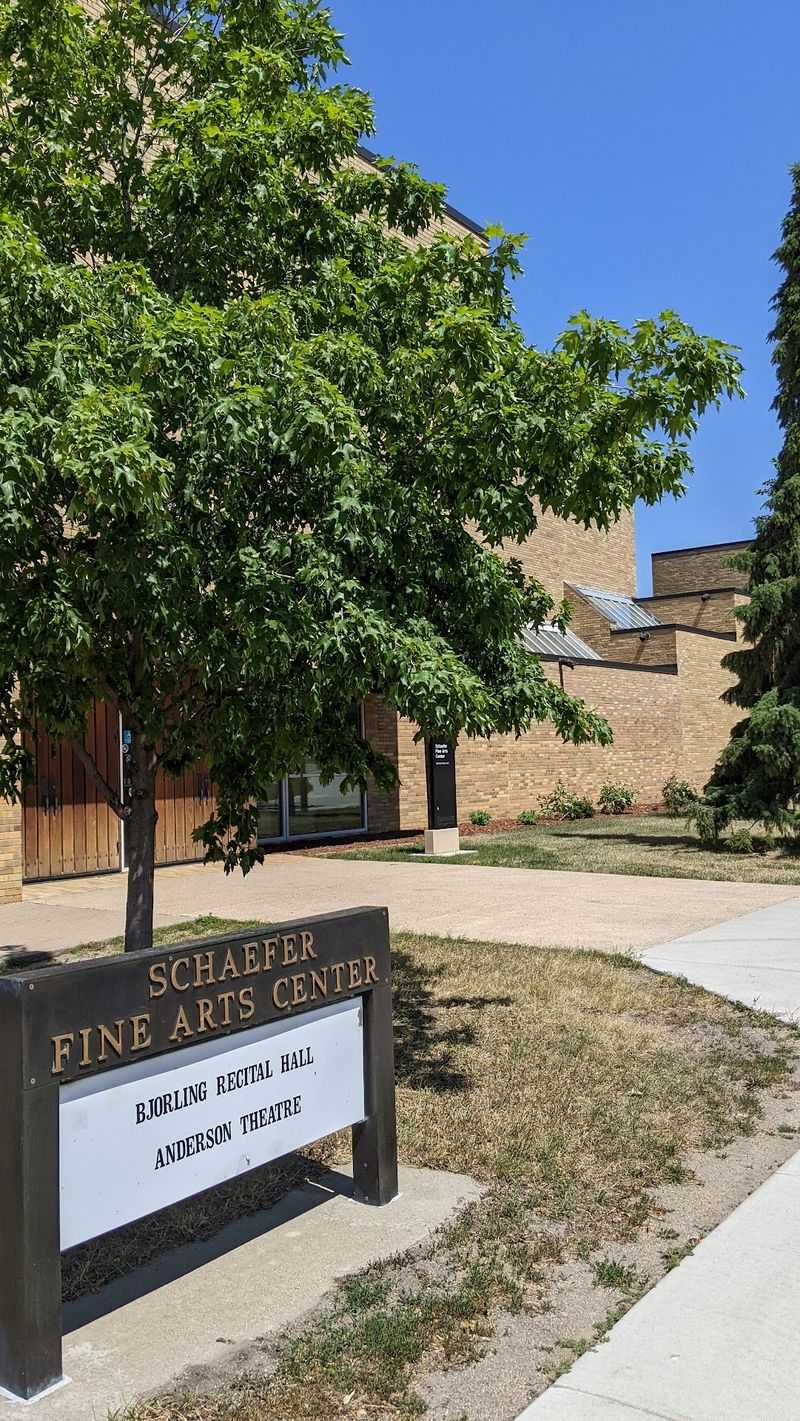
A liberal arts education at Gustavus Adolphus is not confined to lecture halls and laboratories. The college has a strong tradition of integrating art, music, and cultural programming into the broader academic experience.
The campus supports visual arts through gallery spaces where student and visiting artists exhibit work throughout the academic year. Music is particularly prominent, with ensembles, choirs, and orchestral groups performing regularly in Christ Chapel and other venues.
These performances are open to the broader community, which strengthens the connection between the college and the town around it.
For students who come from backgrounds where art was treated as secondary to more practical subjects, Gustavus can be a genuine revelation. The college treats creative and cultural engagement as part of what it means to be an educated person, not as an extracurricular afterthought.
That philosophy produces graduates who are more well-rounded and, frankly, more interesting to talk to.
Why This College Keeps Drawing People Back
There is something about Gustavus Adolphus College that seems to create lasting loyalty. Alumni return for reunions, parents recommend it to friends, and the Nobel Conference keeps drawing new audiences every year.
That kind of sustained connection is not accidental.
The college has built something that is genuinely hard to replicate: a small, tight-knit academic community with an outsized reputation in the scientific world, set in a landscape that rewards quiet reflection and serious study. That combination appeals to a specific kind of person, and those people tend to carry the experience with them long after graduation.
Visiting the campus, even as an outsider, gives you a sense of what that loyalty is about. The grounds are welcoming, the atmosphere is purposeful without being tense, and the Nobel Conference reminds you that serious intellectual work can happen anywhere, including a town of 12,000 people in southern Minnesota.
Share this story