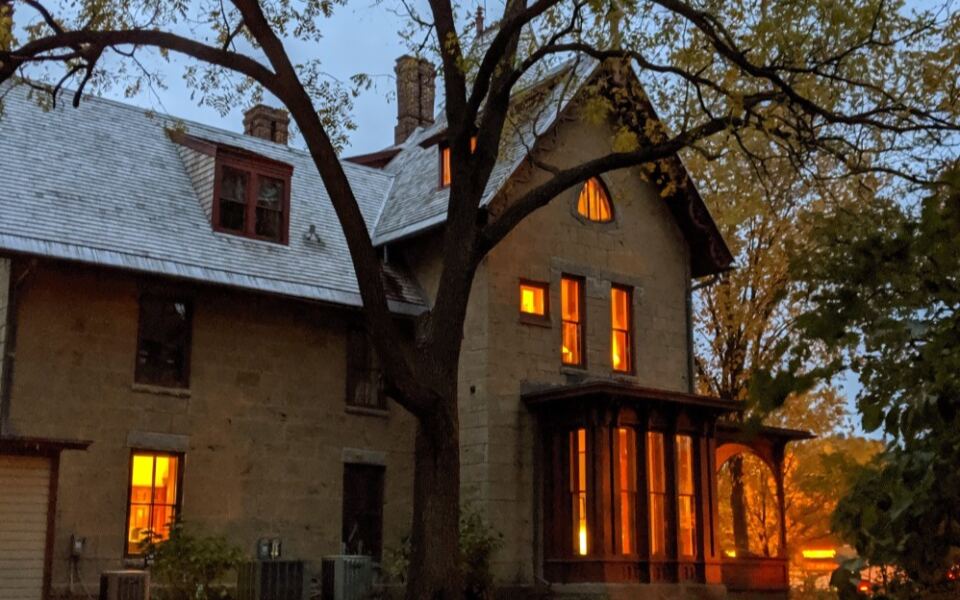
There is a house in a quiet Minnesota river town that stops people in their tracks the moment they see it. The steep rooflines, pointed arches, and dark wood trim give it the kind of presence you expect from the pages of a 19th-century novel, not a real street corner in the American Midwest.
Built during the Civil War era, this Gothic Revival mansion has survived more than 150 years with its original character largely intact. Once you learn the story of the family who built it and the remarkable man behind its creation, you will wonder why this place is not talked about far more widely.
The First Glimpse That Stops You Cold
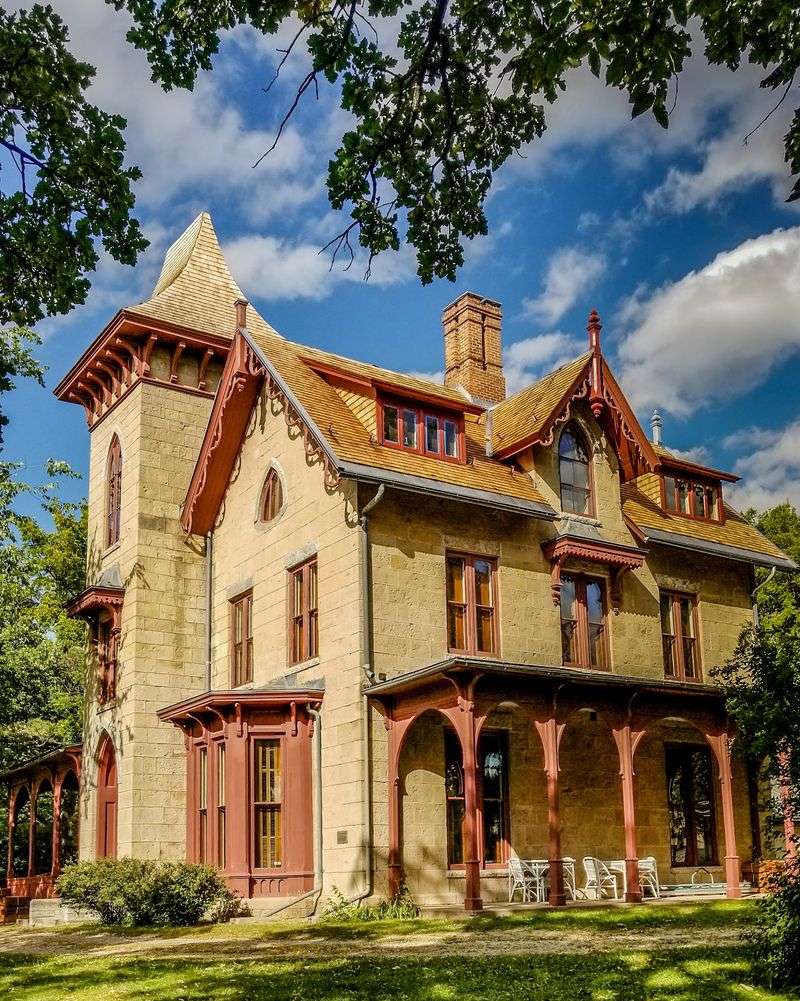
Some buildings announce themselves quietly. The LeDuc Historic Estate in Hastings, Minnesota does the opposite.
The moment you turn onto Vermillion Street and spot those steep Gothic rooflines rising above the tree line, something shifts in your brain, because this does not look like a typical Midwest house.
The pointed gables, the decorative woodwork, and the vertical proportions all signal that whoever built this place had a very specific vision in mind. It is the kind of exterior that makes you slow your car down instinctively.
The estate sits at 1629 Vermillion St, Hastings, MN 55033, United States, and it is managed by the Dakota County Historical Society.
What surprises most first-time visitors is how complete the property feels. The main house, the outbuildings, and the surrounding grounds all work together to create one coherent historic picture that is genuinely rare to find in this condition.
William LeDuc and the Man Behind the Mansion
William Gates LeDuc was not an ordinary man, and his house reflects that clearly. He served as a Union officer during the Civil War, later became the United States Commissioner of Agriculture under President Rutherford B.
Hayes, and was deeply involved in the development of early Minnesota.
He had the kind of resume that fills entire history books, yet his home in Hastings remains relatively unknown outside the region. That gap between his historical significance and his current name recognition is one of the more puzzling things about this estate.
LeDuc chose the Gothic Revival style deliberately. The architectural movement was fashionable among educated Americans of the mid-1800s who associated pointed arches and vertical lines with virtue and moral seriousness.
For a man with LeDuc’s ambitions and beliefs, the style was a natural fit. The house was essentially a statement of identity built in wood and stone.
Gothic Revival Architecture Up Close
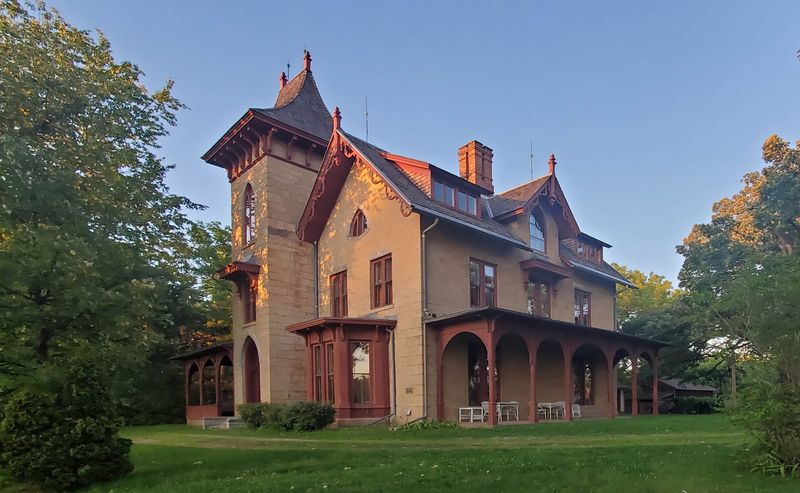
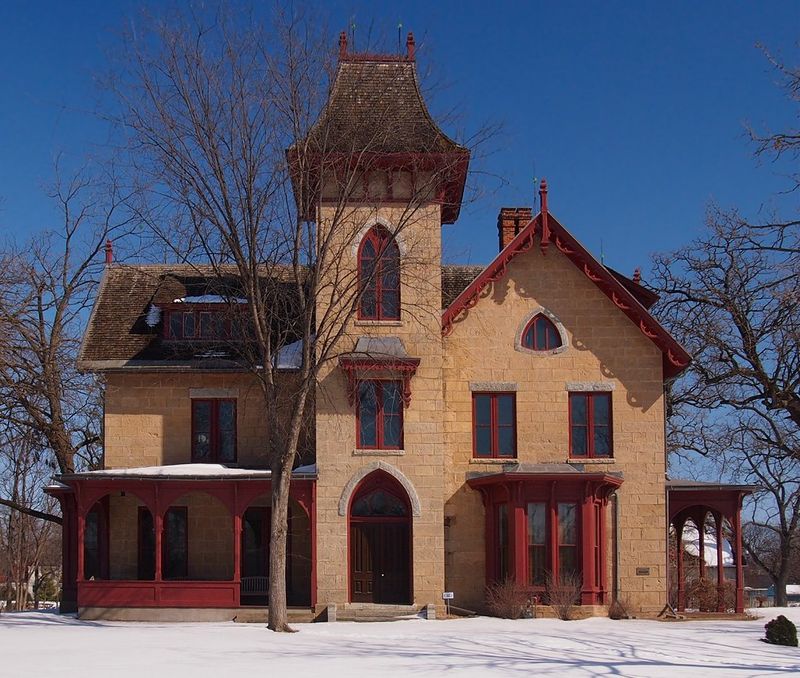
Gothic Revival architecture in the United States peaked in popularity during the mid-1800s, and the LeDuc mansion is one of the finest surviving examples in Minnesota. The style borrows heavily from medieval European church architecture, translating stone cathedral features into wood construction suited for American homes.
At the LeDuc estate, you can see those influences clearly in the steeply pitched rooflines, the pointed dormers, and the decorative bargeboard trim along the eaves. Up close, the craftsmanship is genuinely impressive.
Carpenters working in this period did not have power tools, and the precision of the decorative woodwork reflects serious skill.
The vertical emphasis of the design makes the house feel taller than it actually is, which was intentional. Gothic Revival architects believed that drawing the eye upward created a sense of aspiration.
Standing in front of the LeDuc mansion, that effect still works perfectly more than 150 years later.
Original Furnishings That Survived the Decades
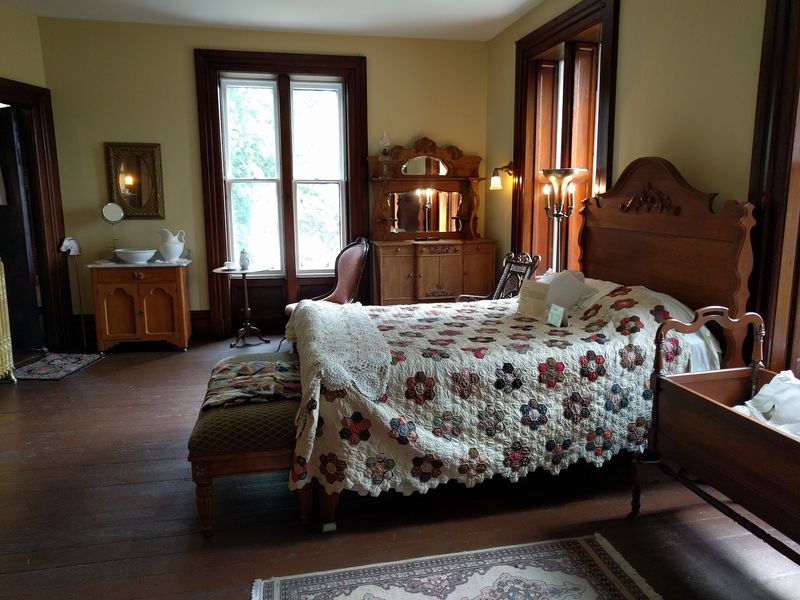
One of the most remarkable things about the LeDuc estate is how much of the original interior has survived. Many historic homes have been stripped of their furnishings over generations, leaving visitors to imagine what life once looked like inside.
That is not the case here.
The rooms contain period-appropriate furnishings that help visitors genuinely picture daily life in the 1800s rather than simply reading about it on a placard. The combination of original architectural details and authentic period objects creates an atmosphere that feels lived-in rather than staged.
Walking through the rooms, you notice small details that larger, more famous historic homes sometimes lose in the effort to impress. There is a human scale to the LeDuc interior that keeps the experience grounded.
This was a real family home, and the furnishings reflect that reality rather than presenting an idealized version of 19th-century domestic life.
The Guided Tour Experience
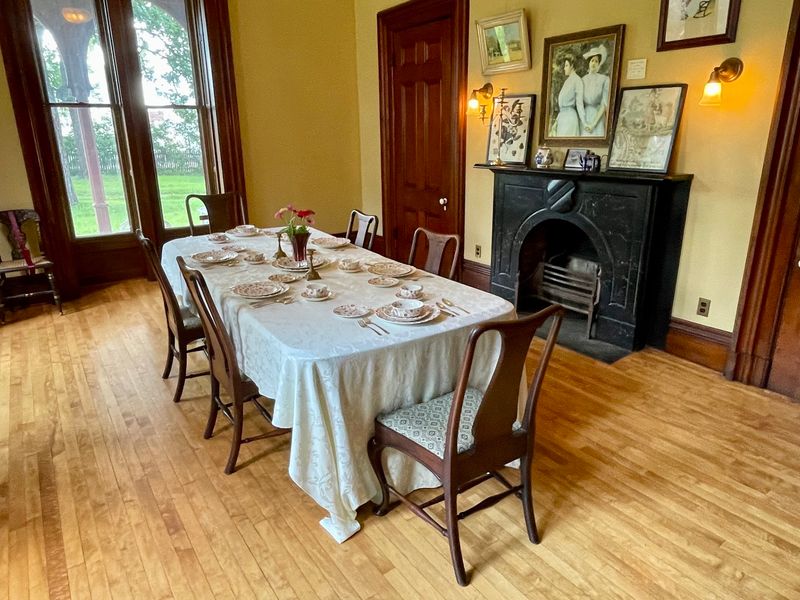
The guided tour at the LeDuc estate is genuinely one of the better historic home tours I have taken anywhere in the Midwest. The guides bring the LeDuc family story to life in a way that feels personal rather than recited, covering the history of the house, the family, and the broader era with real depth and enthusiasm.
Tours run Thursday through Sunday from 10:00 am to 4:00 pm, which gives visitors a reasonable window to plan a visit. The length of the tour hits a sweet spot, long enough to feel satisfying without overstaying its welcome.
What sets this tour apart is the emphasis on storytelling over facts alone. Guides connect the LeDuc family’s experiences to larger national events, which helps visitors understand why this particular house and this particular family mattered beyond Hastings city limits.
That context makes the whole experience land differently than a standard room-by-room walkthrough.
The Introductory Film With a Surprising Twist
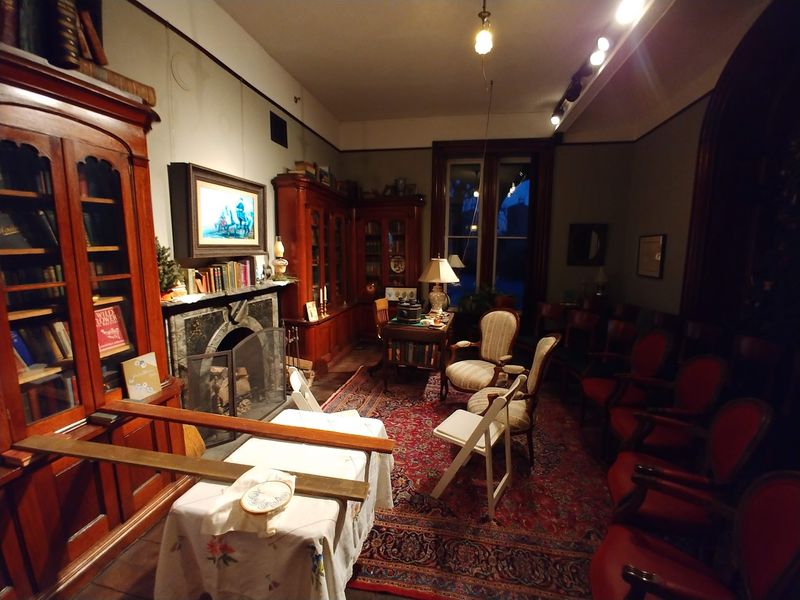
Before the room-by-room tour begins, visitors watch a short introductory film about the LeDuc family and the estate’s history. On the surface, that sounds like a fairly standard museum experience.
The execution, however, is anything but standard.
The room lighting during the film is animated to shift and respond to the story being told on screen. It is a subtle effect, but it creates an atmosphere that pulls you into the narrative in a way that a static screening room never could.
The first time the lighting changes, you do a quick double-take to make sure you noticed what you think you noticed.
It is a clever use of a simple technique, and it reflects a broader commitment at the LeDuc estate to making history feel present rather than distant. The film itself is well-produced and genuinely informative, setting up the tour that follows with enough context to make every room more meaningful.
The Outbuildings Hidden Behind the Main House
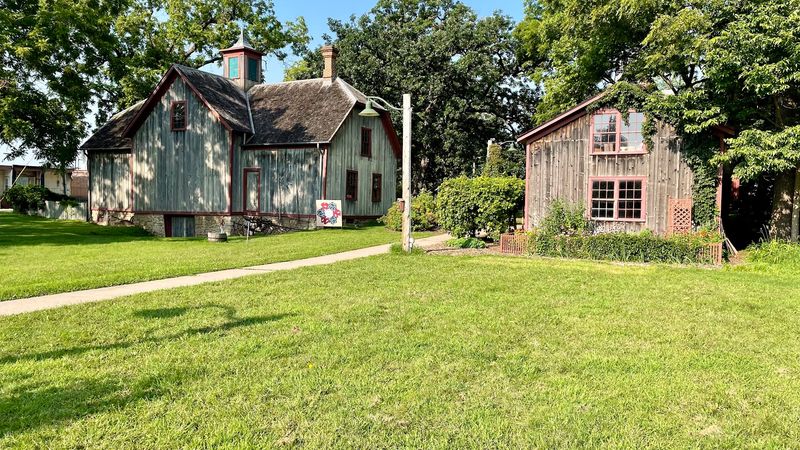
Most visitors focus their attention on the main mansion, which is understandable given how striking it is. The outbuildings behind the house, however, deserve equal attention and are easy to overlook if nobody points you toward them.
The grounds behind the estate include historic structures that round out the picture of 19th-century domestic life considerably. A working farm in the 1800s required far more than a main house, and the LeDuc property reflects that reality in a way that many preserved historic homes do not bother to maintain.
The outbuildings give the estate a completeness that you rarely find at properties of this age. Exploring them adds a different dimension to the visit, shifting the focus from the refined interior world of the mansion to the practical, working side of life that kept the whole property functioning.
Budget extra time to wander the full grounds rather than rushing back to the parking area after the main tour ends.
The Chickens That Everyone Remembers

Of all the things I expected to remember about a Gothic Revival mansion tour, the chickens were not high on my list. And yet here we are.
The LeDuc estate keeps chickens on the property, and they have developed a genuinely devoted following among visitors.
Multiple people who tour the estate mention the chickens unprompted when describing their experience, which tells you something about how charming they actually are in person. They roam the grounds near the outbuildings with an air of complete confidence, as if they are fully aware that they are part of the attraction.
There is something unexpectedly delightful about rounding the corner of a 160-year-old Gothic mansion and finding a small flock of chickens going about their day. It breaks the formality of the historic home experience in the best possible way and gives younger visitors something to genuinely get excited about beyond the architecture and furnishings.
The Civil War Connection That Runs Deep
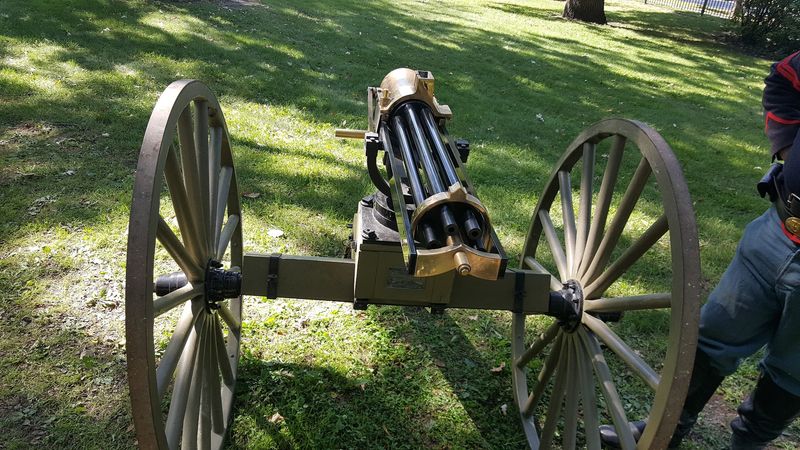
William LeDuc’s connection to the Civil War was not peripheral. He served in the Union Army and was present at significant moments in the conflict, which gives the LeDuc estate a direct link to one of the most consequential periods in American history.
The estate hosts a Civil War reenactment weekend each September that draws history enthusiasts from the broader region. Watching reenactors in period uniforms move across the grounds of a house that was actually standing during the Civil War creates a layered experience that purely indoor museum exhibits rarely achieve.
The reenactment event transforms the grounds into something closer to a living history classroom than a standard weekend festival. For families with children who are studying the Civil War period in school, the timing of a mid-September visit to Hastings is worth planning around.
The combination of the estate tour and the reenactment makes for a full and genuinely educational day.
Seasonal Events That Change the Atmosphere
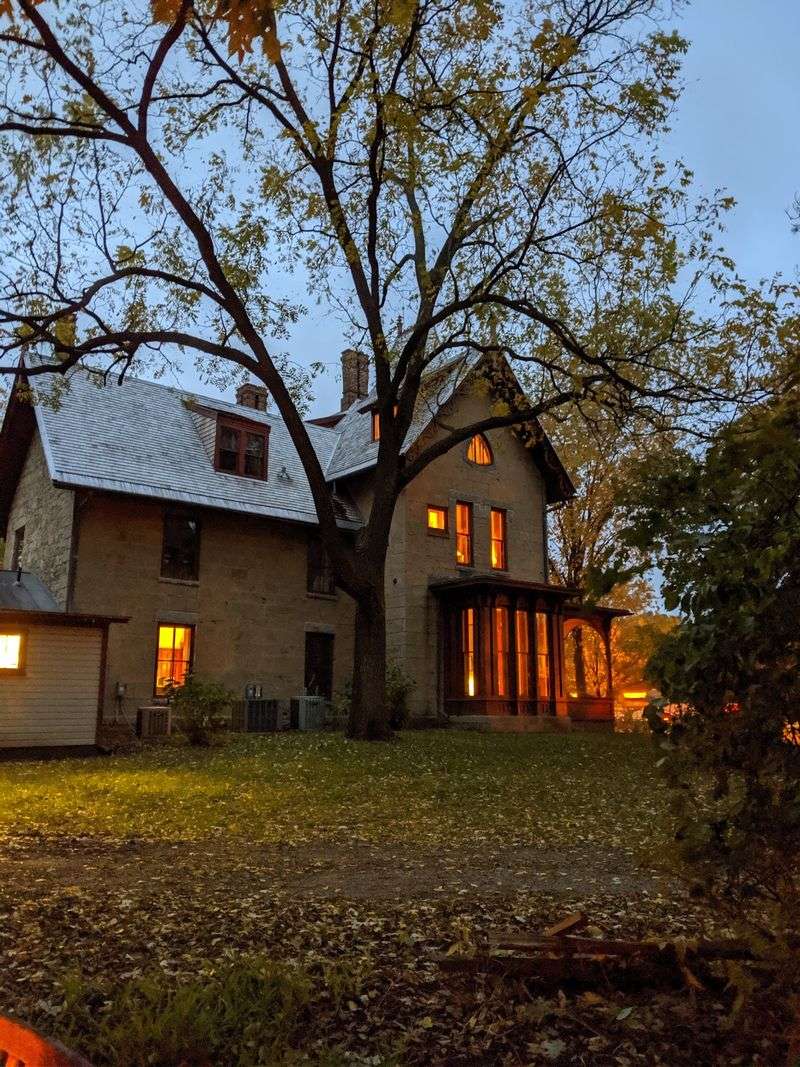
The LeDuc estate is not a place that closes its doors after the summer tourist season and waits quietly for spring. The property hosts a rotating calendar of events throughout the year that give regular visitors a reason to return and experience the estate in a completely different light.
The candlelit Halloween tour is one of the more popular seasonal offerings. A Gothic Revival mansion lit by candlelight during October is exactly as atmospheric as that description suggests, and the experience draws visitors who might not typically seek out historic home tours during the rest of the year.
The estate has also hosted outdoor concerts on the grounds, including bluegrass performances that pair surprisingly well with the pastoral setting behind the main house. Tea events have been offered as well, giving the property a genuinely varied event calendar that reflects the different ways the LeDuc family themselves would have used their home and grounds throughout the seasons.
The Gift Shop and the Books Worth Buying
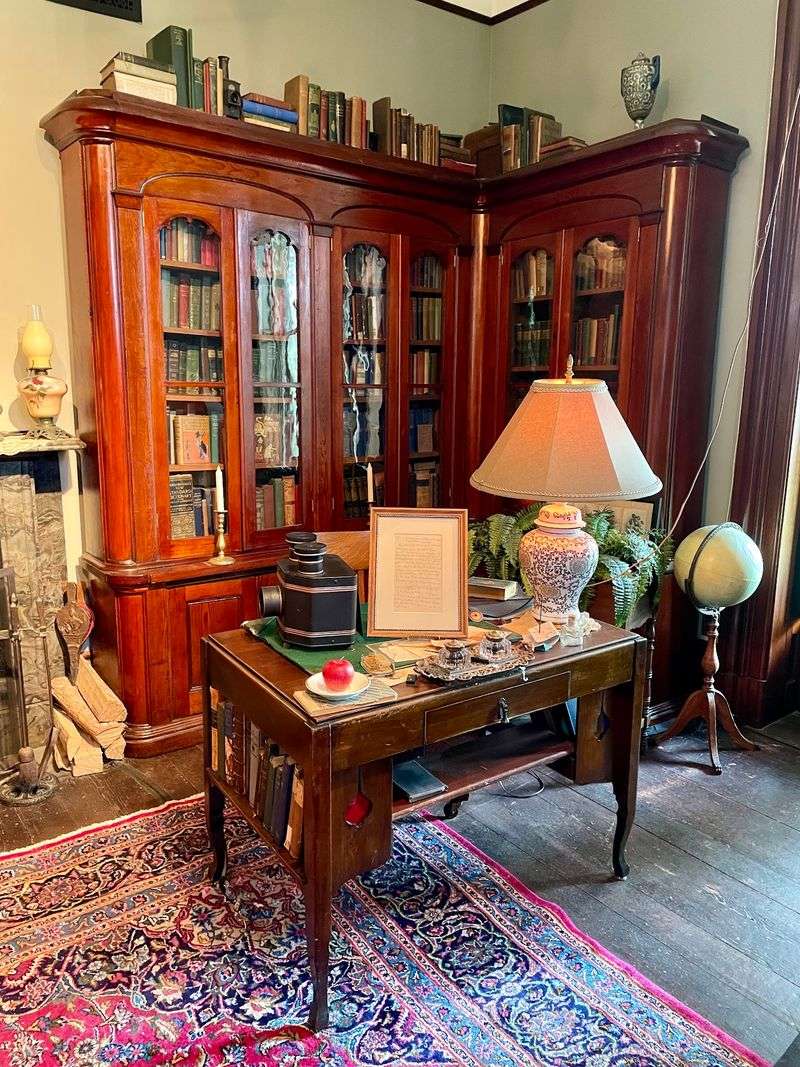
The gift shop at the LeDuc estate is small but well-curated, which is exactly what a gift shop at a historic property should be. The selection leans toward books about Minnesota history, the LeDuc family, and the broader Civil War period, making it easy to leave with something that extends the experience beyond the tour itself.
History-focused gift shops often feel like afterthoughts, stocked with generic items that could have come from any museum anywhere. The LeDuc shop avoids that trap by keeping its selection tight and relevant.
The books available there are the kind you actually read rather than place on a shelf as decoration.
If you have any interest in Minnesota history or 19th-century American domestic life, budget a few extra minutes for the shop before you leave. The prices are reasonable, and finding a well-chosen regional history book at a site this closely connected to the subject matter is a genuinely satisfying way to end a visit.
The Paranormal Side That Some Visitors Seek Out
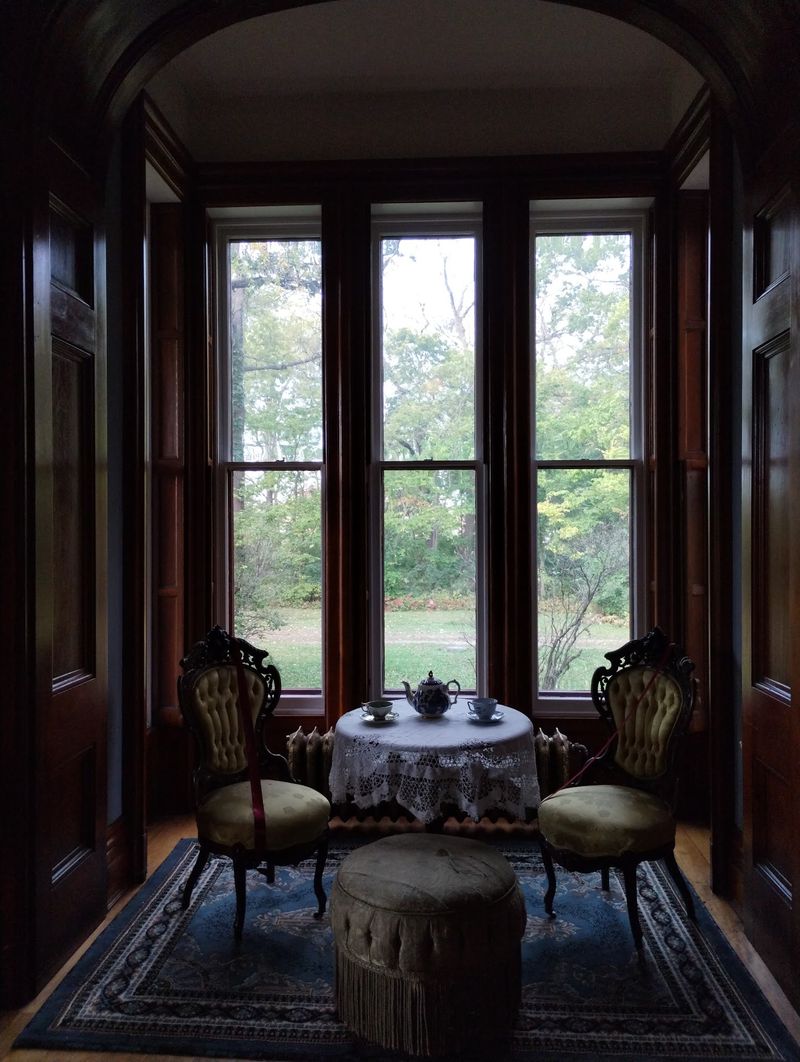
Gothic architecture and ghost stories have traveled together for centuries, so it should not surprise anyone that the LeDuc estate has attracted paranormal investigators over the years. The combination of age, dramatic architecture, and layered family history makes the property a natural draw for people interested in that particular kind of exploration.
Visitors who have participated in paranormal investigation events at the estate report hearing unexplained sounds and voices during their time inside the mansion. Whether you take those accounts at face value or simply enjoy them as part of the estate’s atmospheric character, they add another layer to the LeDuc story.
The Gothic Revival style was partly inspired by Romantic-era fascination with the mysterious and the medieval, so there is something fitting about the fact that this particular house continues to inspire that same sense of wonder and unease more than 150 years after it was built. The architecture does half the work on its own.
The Grounds in Every Season
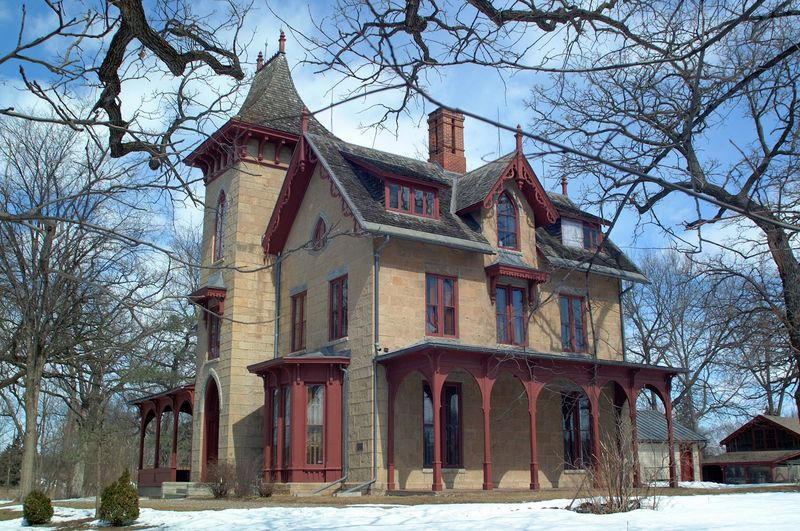
The grounds surrounding the LeDuc estate are maintained with evident care, and they reward visitors who take time to walk them rather than heading straight inside and back out again. The mature trees and open lawn areas create a setting that changes character noticeably across different seasons.
A visit in early fall is particularly rewarding. The combination of turning leaves and Gothic architecture creates a visual atmosphere that feels almost theatrical without any artificial effort.
The property looks like it was designed specifically to be photographed in October, even though it was built more than a century before photography became widely accessible to ordinary visitors.
Spring visits offer their own appeal as the grounds come back to life after a Minnesota winter. The contrast between the formal severity of the Gothic architecture and the soft new growth of the surrounding landscape creates a surprisingly pleasant tension that makes the property feel alive in a way that mid-summer visits sometimes do not.
Why the Admission Price Feels Like a Bargain
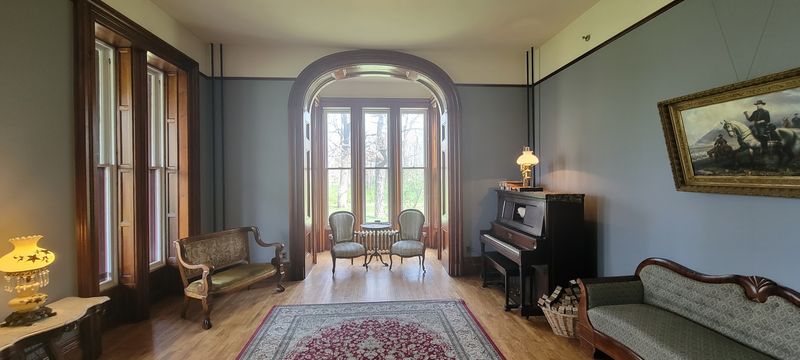
Historic home tours can sometimes feel expensive relative to the experience delivered, especially when the property has been significantly altered or the exhibits feel thin. The LeDuc estate sits at the opposite end of that spectrum.
At approximately ten dollars for a guided tour, the value proposition is straightforward.
You receive a knowledgeable guided tour, access to the introductory film with its atmospheric lighting effects, time to explore the full grounds including the outbuildings, and the opportunity to visit the gift shop. That is a full afternoon of genuinely engaging history for a price that undercuts most comparable experiences in the region.
The affordability also makes it easy to visit more than once, which is worth considering given the seasonal events calendar. Returning for the Halloween candlelit tour after an initial summer visit gives you two completely different experiences of the same property, and the second visit almost always reveals details you missed the first time through.
Planning Your Visit to Hastings
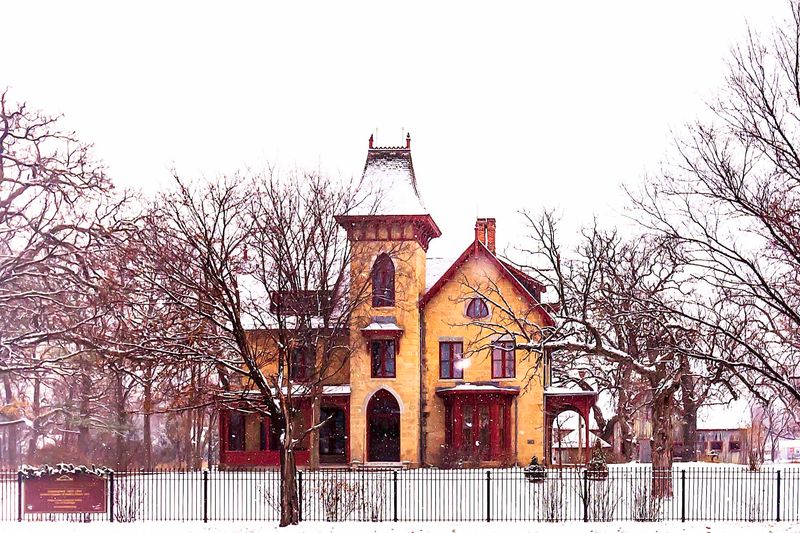
Hastings sits along the Mississippi River about 25 miles southeast of the Twin Cities, making it a very manageable day trip from Minneapolis or St. Paul. The drive is pleasant and the town itself has enough character to justify arriving a little early and walking around before your tour begins.
The LeDuc Historic Estate is open Thursday through Sunday from 10:00 am to 4:00 pm, so mid-week travelers will need to plan accordingly. Arriving closer to the opening time gives you the best chance of a smaller group tour, which allows more time for questions and a more personal experience with the guide.
Hastings has a compact historic downtown worth exploring after your visit to the estate. The town’s location on the river gives it a natural beauty that complements the historic character of the LeDuc property, and combining the two makes for a full and satisfying day well outside the usual Twin Cities tourist circuit.
Share this story