Somewhere in east-central Minnesota, archaeologists once dug through the earth and found the buried outline of a fur trading post that most people had completely forgotten about. What they uncovered led to one of the most fascinating reconstruction projects in the state’s history.
The site was rebuilt using original documents and archaeological evidence, bringing an early 1800s world back to life in remarkable detail. That place is Snake River Fur Post, and the story behind how it came to exist a second time is worth every mile of the drive.
How Archaeologists Put This Place Back on the Map
Before Snake River Fur Post became a place you could walk through and explore, it was essentially invisible. The original structure had long since vanished, and the land gave no obvious clues about what had once stood there.
Then archaeologists began digging, and the ground told a completely different story.
Evidence of the original post’s layout was recovered through careful excavation. Using those findings alongside historical documents from the North West Company, researchers were able to piece together what the structure actually looked like.
That combination of physical evidence and written records made an accurate reconstruction possible.
The rebuilt post at 12551 Voyageur Lane in Pine City, Minnesota, managed by the Minnesota Historical Society, opened to give visitors a tangible connection to a chapter of history that had nearly disappeared entirely. Few reconstructed sites in the Midwest can point to that kind of archaeological foundation.
The North West Company and the Winter of 1804
The original Snake River Fur Post operated during a remarkably specific window of time. The North West Company, a major fur trading enterprise based out of Montreal, established the post for the winter season of 1804 to 1805.
That single season is what the entire reconstruction is based on.
The post served as a place where company traders could exchange goods with Ojibwe people from the surrounding region. Beaver pelts were the primary currency of the trade, driven by an enormous demand for beaver-felt hats in Europe at the time.
That fashion trend, as fleeting as it turned out to be, fueled an entire industry across North America.
Understanding that context makes walking through the reconstructed post genuinely eye-opening. You start to realize how global forces, including European fashion, directly shaped what was happening in a small corner of Minnesota more than two centuries ago.
What the Reconstructed Fort Actually Looks Like
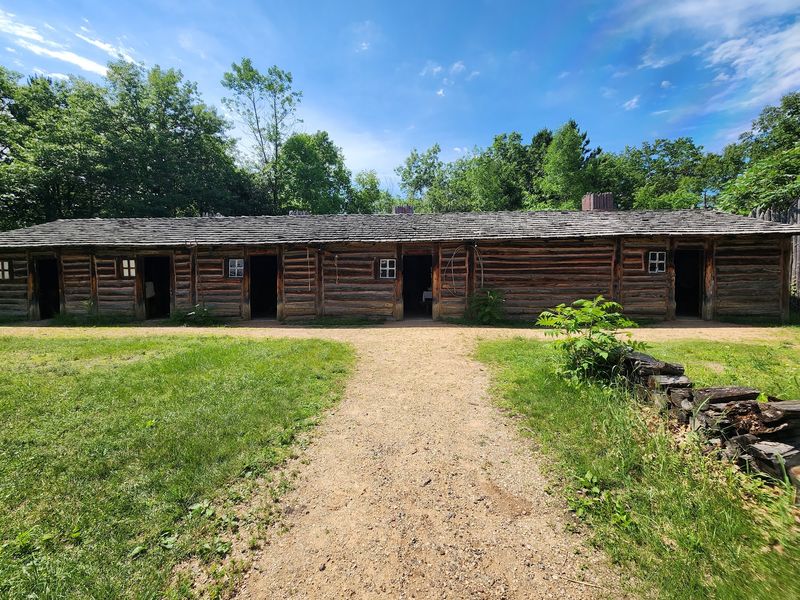
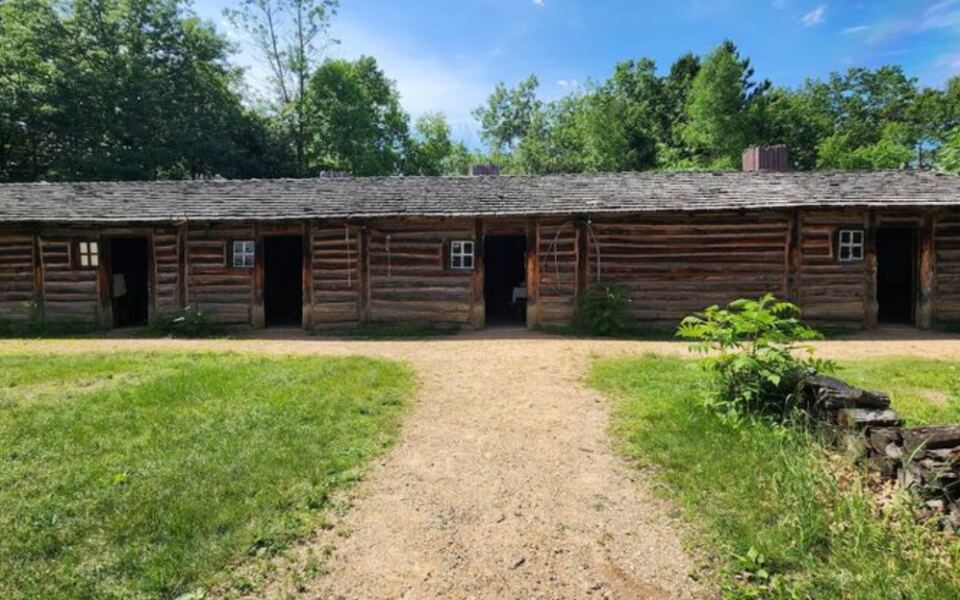
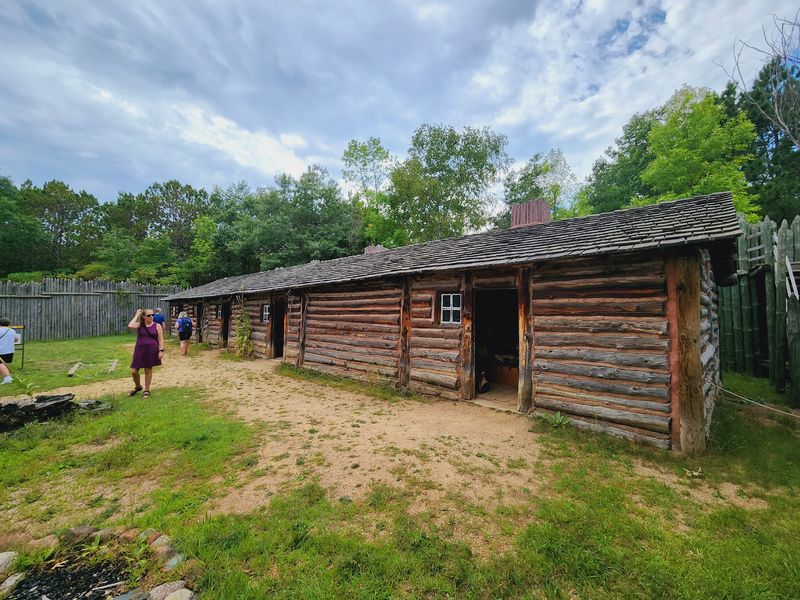
Walking up to the reconstructed fort for the first time, you get a genuine sense of how compact and purposeful the original structure must have been. The log buildings are built to reflect the scale and layout that the archaeological record and historical documents suggested.
Nothing here feels padded or exaggerated for dramatic effect.
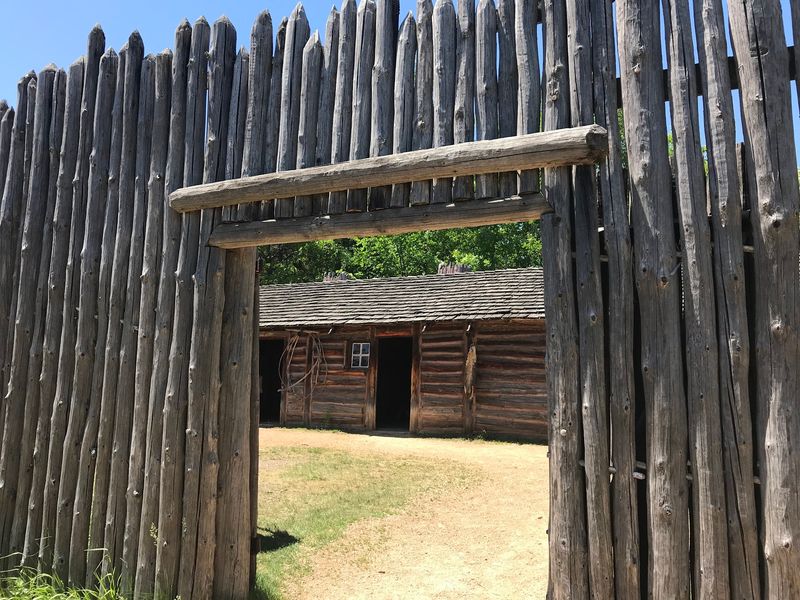
The palisade walls give the post a distinct character. Inside, the structures reflect the working reality of a seasonal trading operation rather than a permanent settlement.
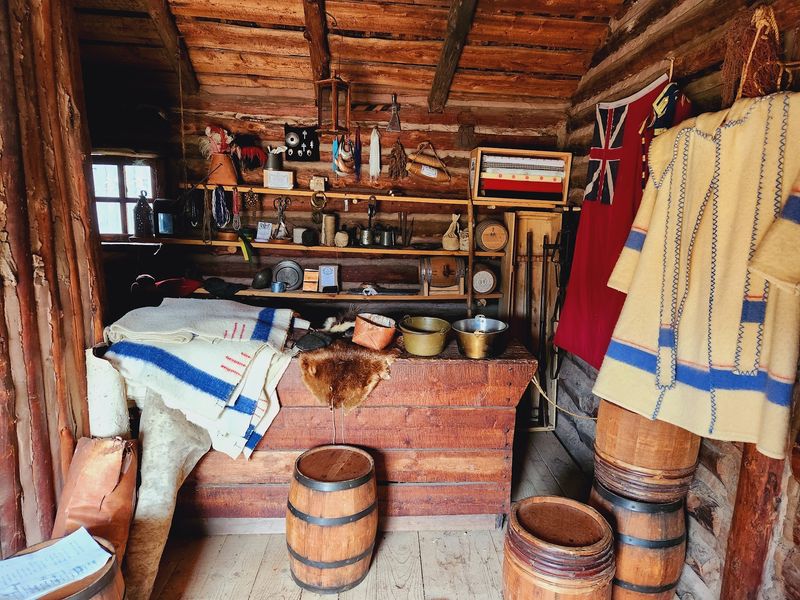
Period-specific items fill the space, giving you a clear picture of daily life during that single winter season in 1804.
What stands out most is how deliberate every detail feels. This is not a rough approximation.
The reconstruction was guided by real evidence, which gives the fort an authenticity that you can actually feel when you are standing inside it. That credibility is rare and worth noticing.
The Visitor Center and Its Hands-On Artifacts
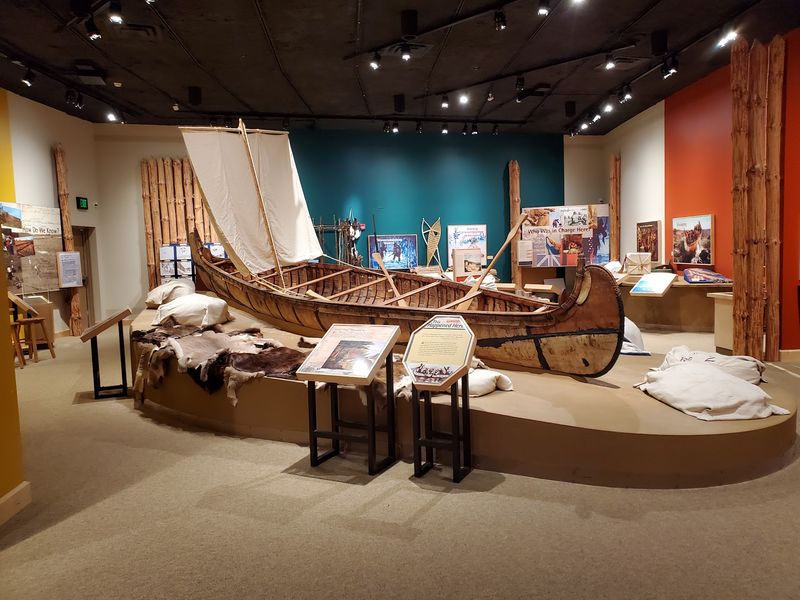
Before making the short walk out to the fort itself, most visitors spend time in the visitor center, and that time is genuinely well spent. The space holds a solid collection of artifacts connected to the fur trade era, and what makes it different from many museum displays is that visitors have been encouraged to actually touch many of the items on exhibit.
That hands-on approach changes the experience completely. Handling a beaver pelt or a period trade item makes the history feel immediate rather than distant.
Kids especially respond to that kind of engagement in a way that reading a placard simply cannot produce.
The exhibits also do a careful job of explaining the relationship between the North West Company traders and the Ojibwe people of the region. That context matters, and the visitor center presents it with honesty and depth rather than glossing over the complexity of those interactions.
Guided Tours That Actually Bring History to Life
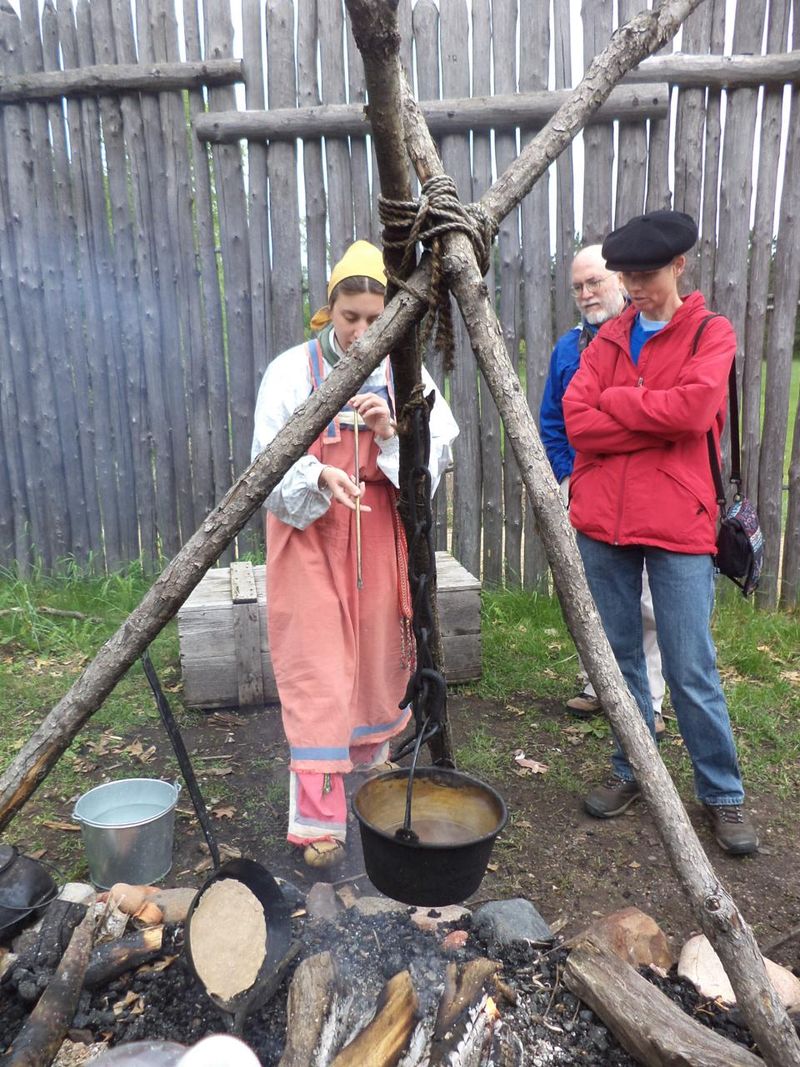
One of the most consistent things people mention after visiting is how much the guided tour added to their experience. The guides here have a reputation for genuine expertise, and that shows in how they handle questions.
Rather than rushing through a script, they tend to pause, let visitors think, and then explain in a way that actually sticks.
Tours cover the daily routines of the traders who wintered at the post, the goods that changed hands, and the broader world that made the fur trade so economically powerful for a period of time. The story about beaver-felt hats and how that single fashion trend drove so much of early North American exploration is one detail that tends to genuinely surprise visitors.
Groups visiting with children have found the format especially effective. The combination of a walkable outdoor fort and an engaging guide keeps attention in a way that a purely indoor museum rarely manages to do.
The Ojibwe Connection and the Fur Trade Relationship
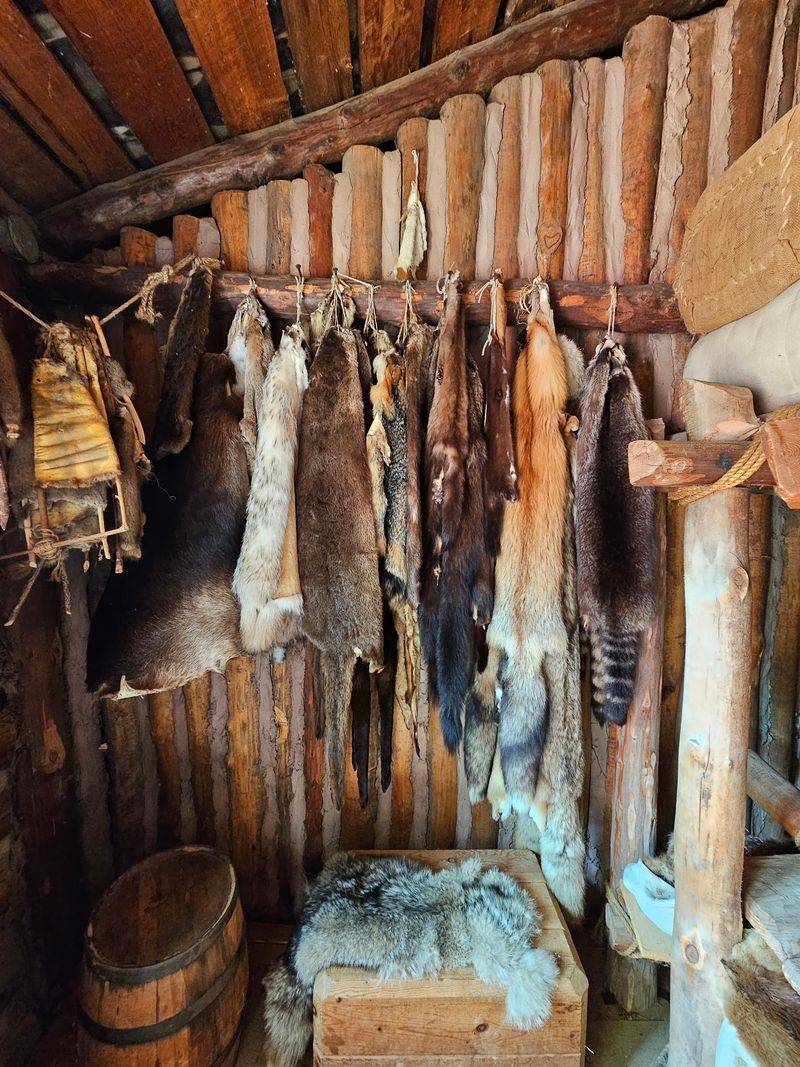
The fur trade was never a one-sided story, and Snake River Fur Post does not present it that way. The Ojibwe people of the Snake River region were active participants in the trade, not passive bystanders.
Their knowledge of the land, their trapping skills, and their existing trade networks made the entire enterprise possible.
The post served as a meeting point where two very different worlds conducted business. Trade goods brought by the North West Company, including cloth, metal tools, and other manufactured items, were exchanged for beaver pelts and other furs that the Ojibwe brought to the post.
Understanding that exchange, and the broader relationship it represented, adds real weight to a visit here. The site presents that history thoughtfully, acknowledging both the economic importance of the trade and the lasting effects it had on Indigenous communities across the region.
That honesty makes the experience more meaningful.
Short Trails Along the Snake River and Meadow
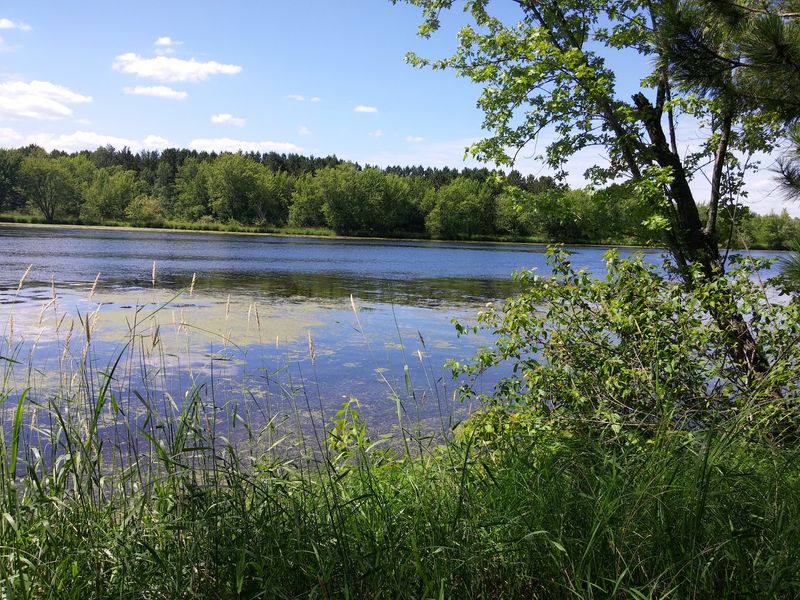
The site is not just about buildings and exhibits. A couple of short trails extend from the main area, offering a quiet walk near the Snake River and out into a meadow section of the property.
Those trails add a layer to the visit that purely indoor sites cannot offer.
The river setting is genuinely pretty. Walking along the water with the knowledge that traders and Ojibwe people once used this same river corridor as a travel route gives the landscape a different kind of meaning.
Geography shaped history here in very direct ways, and the trails help you feel that connection.
The meadow trail offers a chance to breathe and let the experience settle. After spending time in the visitor center and the fort, a short walk through open Minnesota countryside feels like a natural transition.
Snowshoeing has also been available during winter months, making the site worth considering across multiple seasons.
Why This Site Works So Well for School Groups and Families
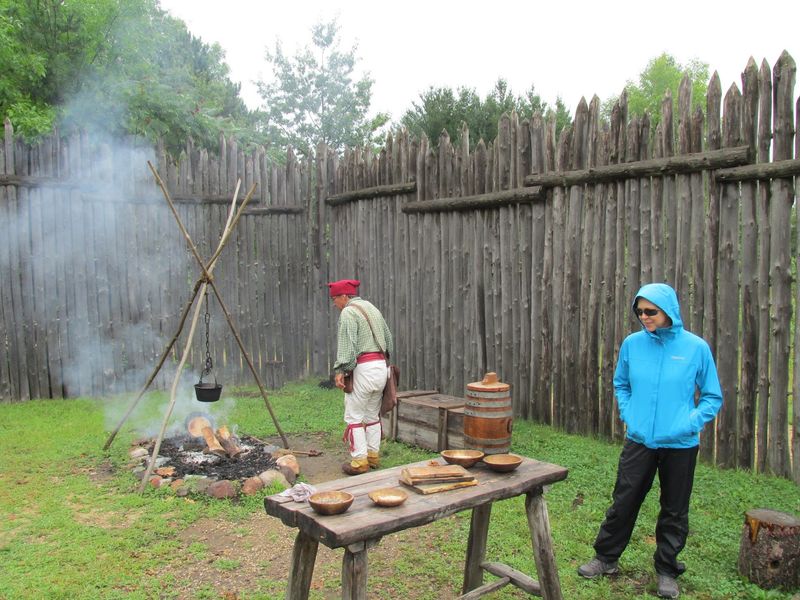
Field trips to Snake River Fur Post have been a regular part of the Minnesota school experience for many years. The combination of hands-on artifacts, a walkable outdoor fort, and knowledgeable guides creates a format that works exceptionally well for younger visitors who learn best through direct experience.
Parents who have brought their own children outside of organized school trips tend to echo the same sentiment. The site holds attention across a wide age range, which is genuinely useful for families with kids at different stages.
A twelve-year-old and a younger sibling can both find something to engage with here.
The guided tour structure is flexible enough to accommodate questions and curiosity in real time, which prevents the glazed-over look that sometimes settles onto young faces in more traditional museum settings. The pacing feels natural, and the outdoor portions keep energy levels from dropping at the wrong moment.
The Beaver Hat Fashion Trend That Fueled an Entire Industry
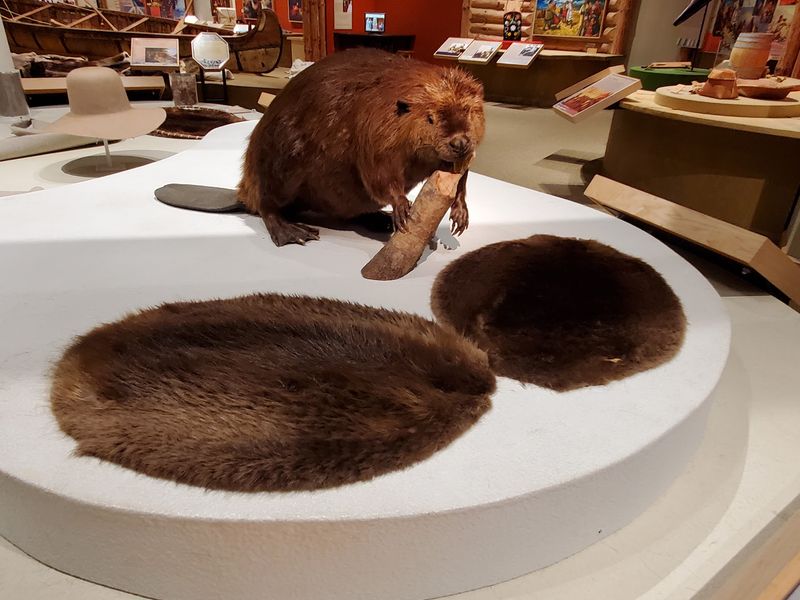
One of the most unexpectedly fascinating parts of a visit here is learning about the beaver-felt hat. For a stretch of time in European fashion, a hat made from processed beaver fur was the ultimate status symbol.
Demand for those hats was so strong that it drove fur traders deeper and deeper into North America searching for new beaver populations.
That single fashion preference had consequences that rippled across an entire continent. It shaped exploration routes, trading relationships, and the establishment of posts exactly like the one at Snake River.
When the fashion eventually shifted and beaver-felt hats fell out of favor, the fur trade collapsed with surprising speed.
Hearing that story told well, in the context of a place where it actually played out, hits differently than reading it in a textbook. It is one of those history moments that makes you stop and think about how strange and fragile the forces shaping the past really were.
Planning Your Visit and What to Expect Today
Snake River Fur Post is a Minnesota Historical Society site, which means Minnesota Historical Society members can enter using their membership pass. The site is located on Voyageur Lane in Pine City, and visitors coming from the Twin Cities or heading north on Interstate 35 will spot signs directing them toward the site.
Recent visitor accounts have noted that the site has experienced some maintenance challenges, so checking the Minnesota Historical Society website at mnhs.org/furpost before making a long drive is genuinely the smart move. Conditions and operating status can change, and the official site is the most reliable source for current information.
When the site is fully operational, plan for at least an hour and a half to two hours to take in the visitor center, the guided tour, the reconstructed fort, and one of the short trails. That time goes quickly, and most visitors leave wishing they had allowed a little more of it.
Share this story