There is a lake just outside the Twin Cities where the water sparkles on calm summer mornings and the shoreline feels like it belongs in a storybook. But beneath the beauty, there is a legend so strange and so old that it has followed this place for well over a century.
People have been coming here not just for the views, but because something about this lake pulls you in and does not let go. Once you learn the story behind the name, you will never look at the water the same way again.
The Legend Behind the Name
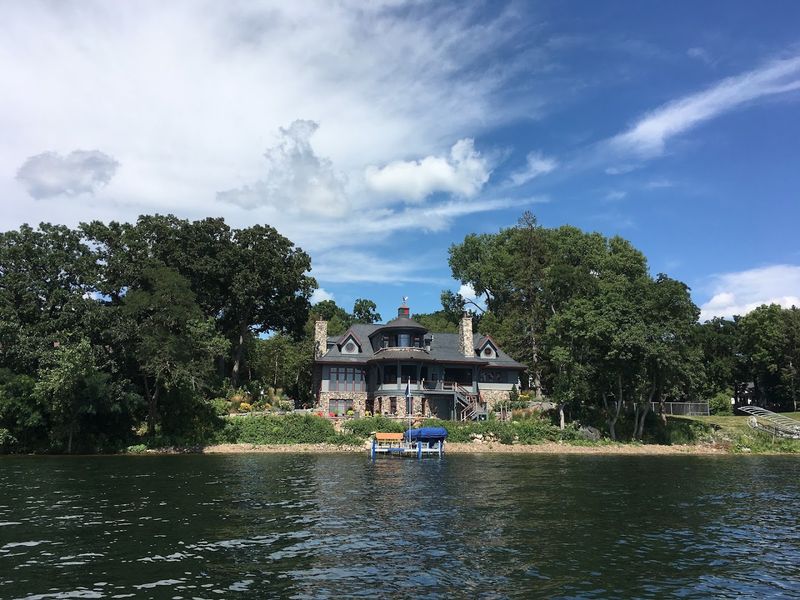
Long before resort hotels and sailboats dotted the shoreline, this lake carried a name rooted in Ojibwe and Dakota tradition. The name “White Bear Lake” comes from a Native American legend about a young warrior and his bride who were attacked by a massive white bear near the water’s edge.
According to the story, the warrior fought the bear to protect his love, and both the warrior and the bear fell into the lake. The white bear was said to have occasionally reappeared on the surface, which only deepened the legend over time.
This story was passed down through generations and eventually caught the attention of early European settlers, who kept the name alive. Today, the legend is considered one of the most distinctive pieces of local folklore in the entire Minneapolis-Saint Paul metropolitan area.
It gives the lake a personality that goes well beyond its postcard-worthy scenery.
Where Exactly You Will Find It
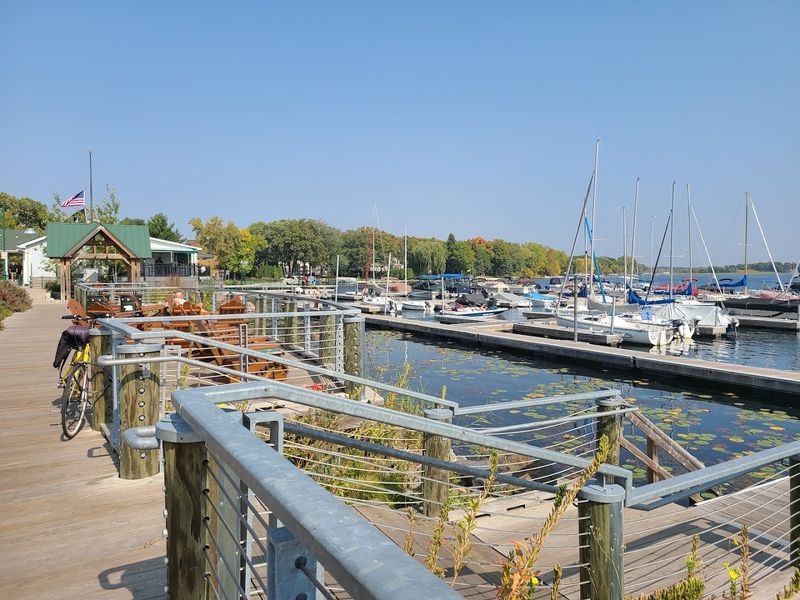
White Bear Lake is a city in Ramsey County, Minnesota, located just northeast of Saint Paul. The address for the city’s main hub is in White Bear Township, MN, United States, and it sits along the shores of one of the largest lakes in the entire Minneapolis-Saint Paul metro area.
The lake itself covers roughly 2,400 acres, making it a serious body of water rather than a quiet little pond. Its size means there is room for everything from competitive sailing regattas to lazy afternoon paddleboarding.
Getting here from downtown Saint Paul takes about 20 minutes by car, which makes it genuinely accessible for a day trip or a full weekend stay. The surrounding city has its own identity, with a walkable downtown, local shops, and waterfront dining that gives it a resort-town feel without being hours away from the city.
A Waterfront That Actually Delivers
Some lakes promise stunning views and then leave you staring at a weedy bank with a chain-link fence. White Bear Lake is not that lake.
The waterfront here is genuinely beautiful, with open water views stretching far enough that you feel like you are somewhere much farther from the city than you actually are.
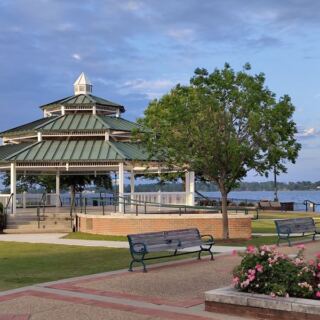
The public beach at Matoska Park is one of the most popular spots along the shore. Families spread out on the sandy beach while kids wade into the clear, calm water.
The park has a relaxed, unhurried atmosphere that makes it easy to spend an entire afternoon there without checking your phone.
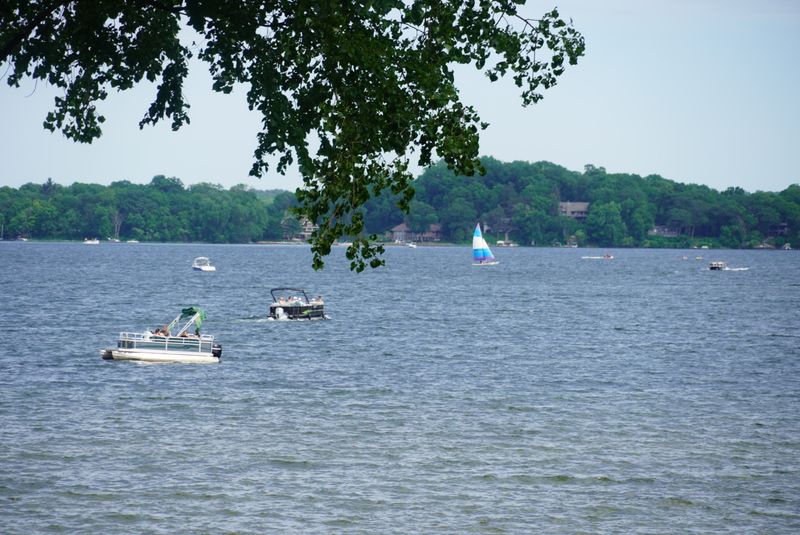
On weekends, the shoreline fills with sailboats, kayaks, and the occasional pontoon cruising past at a friendly pace. There is a rhythm to the waterfront that feels genuinely Minnesotan, comfortable and unpretentious, with just enough activity to keep things interesting.
Sailing Capital of the Midwest
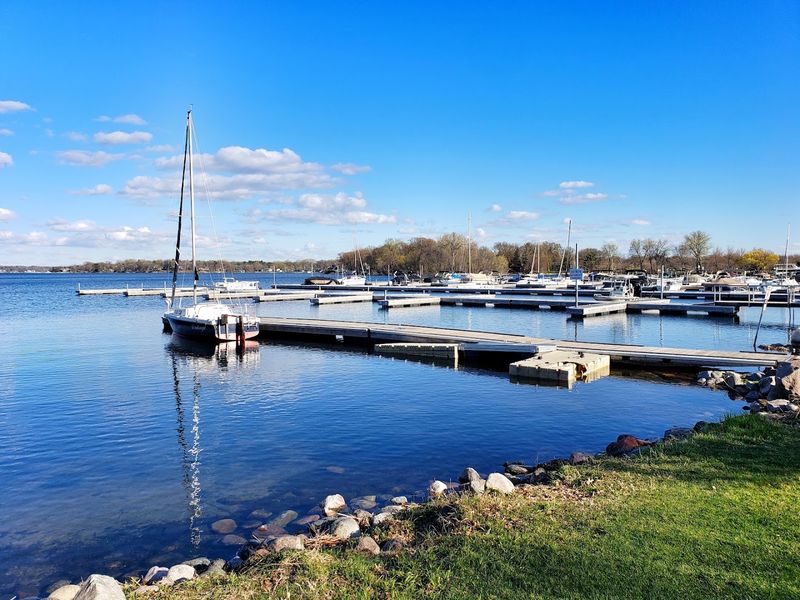
White Bear Lake has a sailing reputation that stretches well beyond Minnesota. The White Bear Yacht Club, founded in 1895, is one of the oldest yacht clubs in the Midwest and has been hosting competitive sailing events for well over a century.
On summer weekends, the lake transforms into a floating spectacle of white sails cutting across the blue water. Regattas draw sailors from across the region, and the competition level is serious enough that experienced sailors treat this lake with genuine respect.
What makes sailing here so appealing is the lake’s size and the wind patterns that develop reliably during the warmer months. Beginners can take lessons through local programs, while veteran sailors find the conditions challenging enough to stay engaged.
Whether you are watching from the shore or out on the water yourself, a sailing day at White Bear Lake is something you remember for a long time.
The Downtown That Surprises You
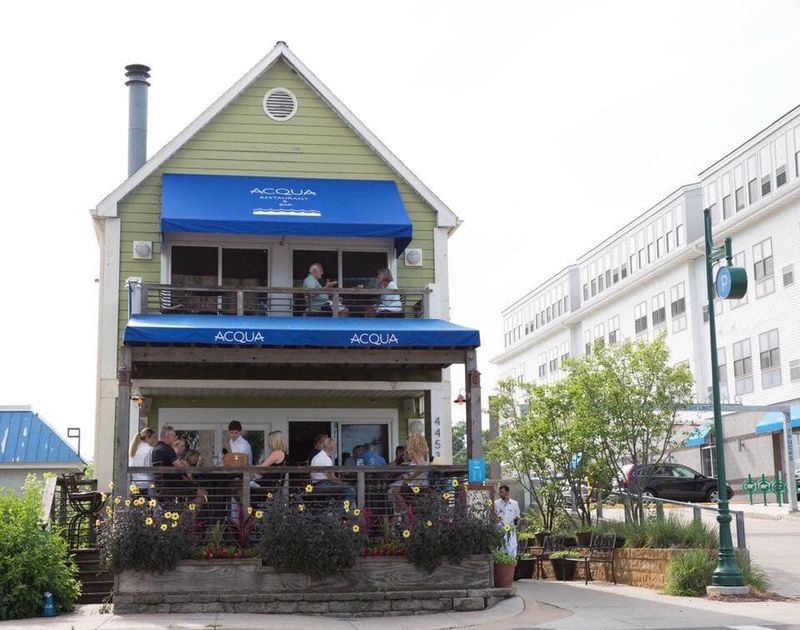
Most people come to White Bear Lake for the water, but the downtown area ends up being one of the highlights of the visit. The main street has a genuine small-town character, with locally owned shops, cafes, and restaurants filling storefronts that have been part of the community for decades.
You can browse antique shops, pick up handmade gifts, or sit down for a meal at a restaurant where the owner is likely to stop by your table. The pace is slower here than in the city, and that slowness feels intentional rather than sleepy.
On summer evenings, the sidewalks fill with people enjoying the warm air and the easy proximity to the lake just a short walk away. The downtown has managed to hold onto its character even as the Twin Cities metro has grown around it, which is no small achievement for a lakeside community this close to a major metropolitan area.
Winter on the Lake Is a Whole Different Story
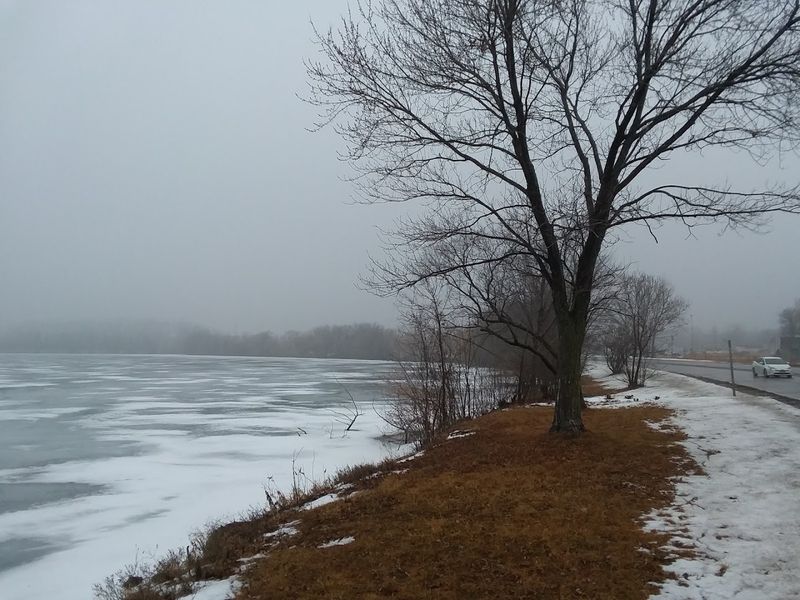
Minnesota winters are not for the faint of heart, and White Bear Lake leans into that fact with enthusiasm. When the lake freezes over, it becomes one of the most active ice fishing destinations in the state.
Colorful ice fishing houses pop up across the frozen surface, creating a small temporary village that only exists for a few months each year.
Ice fishing here has deep local roots. Families have been drilling holes in this lake for generations, pulling up walleye, northern pike, and perch while sitting inside heated shelters with thermoses of hot coffee.
It is a tradition that outsiders find fascinating and locals consider perfectly normal.
Beyond fishing, the frozen lake draws ice skaters, cross-country skiers, and even snowkiters who use the wide-open surface to pick up speed. The lake in winter has an entirely different energy than summer, quieter in some ways but no less alive with activity.
The Historic Resort Era That Shaped the Town
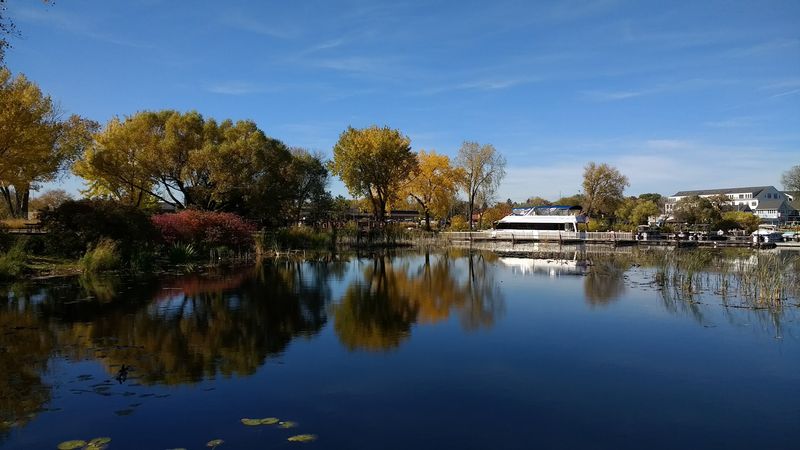
There was a time when White Bear Lake was the premier summer resort destination for wealthy Twin Cities families. During the late 1800s and early 1900s, grand hotels and summer cottages lined the shore, and rail service from Saint Paul made the lake easily accessible for weekend getaways.
Families from Minneapolis and Saint Paul would spend entire summers here, and the social scene was lively enough to rival any resort town of the era. That history left a mark on the community that you can still feel today in the architecture of some older homes and in the deep pride locals take in the lake’s past.
The resort era eventually faded as automobiles made more distant destinations accessible, but White Bear Lake never lost its appeal as a place worth traveling to. That legacy of hospitality and lakeside living is woven into the identity of the town in ways that are hard to fully explain but easy to feel.
Wildlife You Did Not Expect This Close to the City
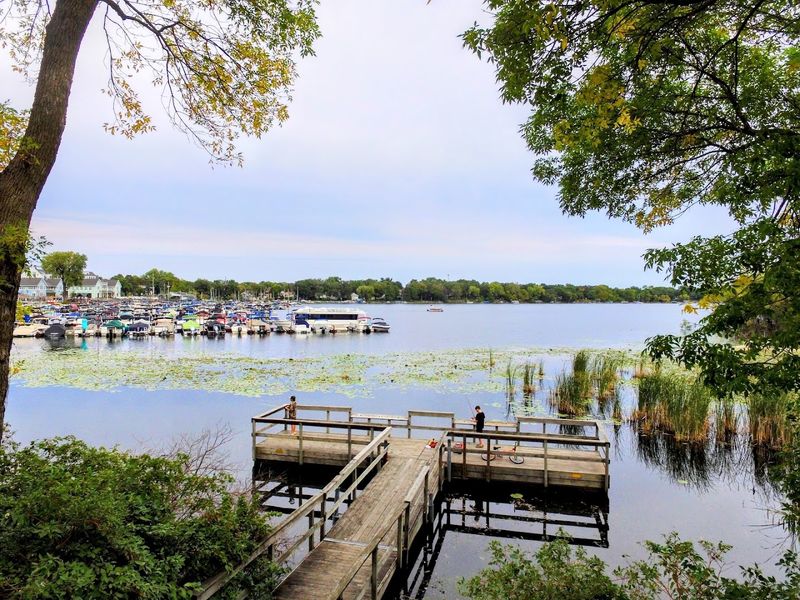
For a lake surrounded by suburban neighborhoods, White Bear Lake supports a surprisingly rich variety of wildlife. Great blue herons are a common sight along the shoreline, standing perfectly still in the shallows while they wait for fish to swim within reach.
Bald eagles have also been spotted soaring above the lake, which never gets old no matter how many times you see it.
The lake and its surrounding wetlands provide habitat for waterfowl including mallards, Canada geese, and various diving ducks during migration season. Turtles sun themselves on logs near the quieter edges of the lake, and muskrats build their lodges in the marshy areas along the shore.
Seeing this much wildlife this close to a major metro area feels genuinely surprising. It is a reminder that Minnesota takes its natural resources seriously, and that even a well-loved recreational lake can still function as a healthy ecosystem when the community cares for it properly.
Paddling and Kayaking the Open Water
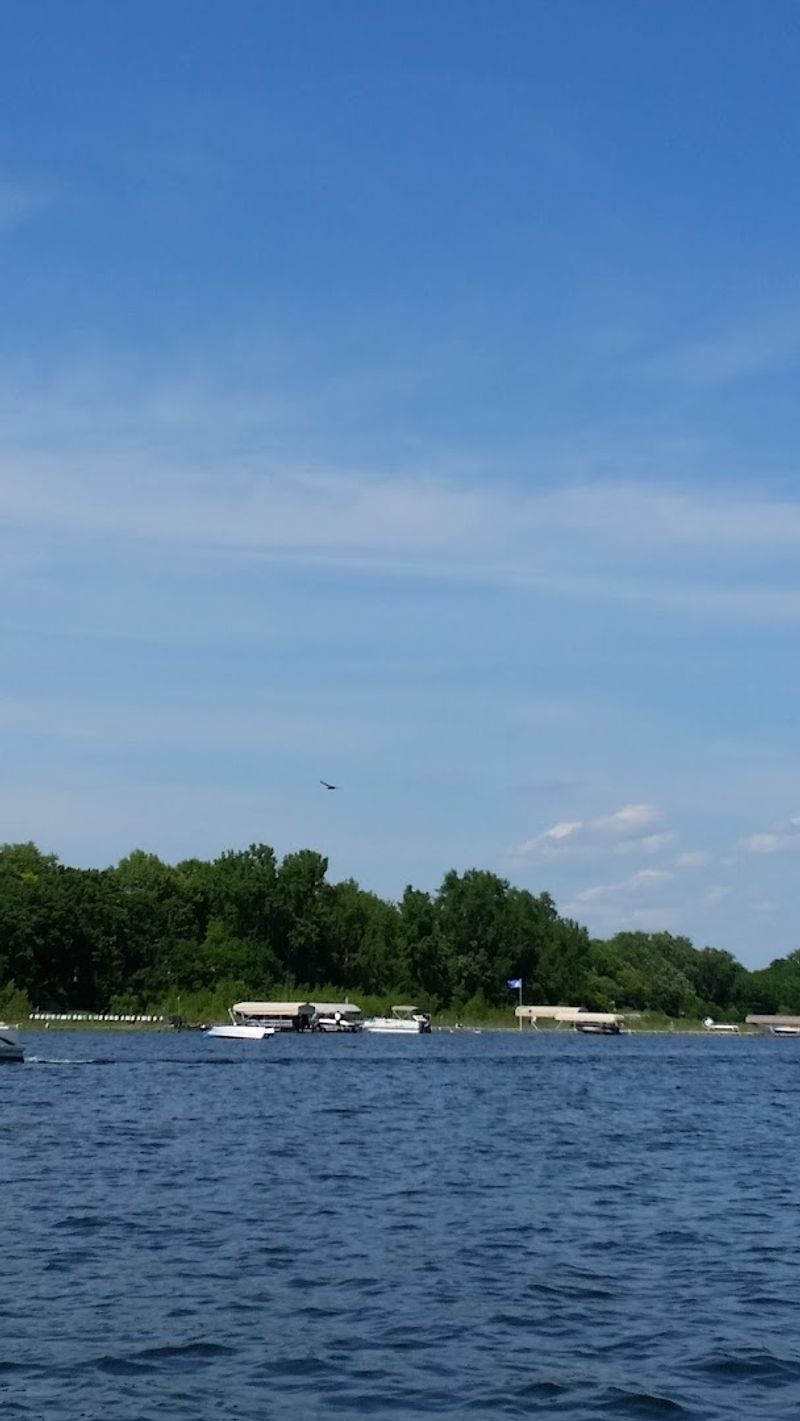
Getting out on the water does not require a sailboat or a motorized vessel. Kayaking and canoeing on White Bear Lake offer a completely different perspective on the shoreline, one that is quieter, slower, and surprisingly meditative.
You can launch from public access points and spend hours exploring the edges of the lake at your own pace.
The lake is large enough that you can cover serious distance, but calm enough on most mornings that even newer paddlers feel comfortable. Early morning paddles are especially rewarding when the surface is glassy and the only sounds are birds calling from the tree line.
Paddleboard rentals have also become popular in recent years, giving visitors another low-key way to enjoy the water without any prior experience. There is something about being out on this lake at a slow pace that makes the legend of the white bear feel a little more real, and a little closer than it did from the shore.
Parks and Green Spaces Worth Exploring
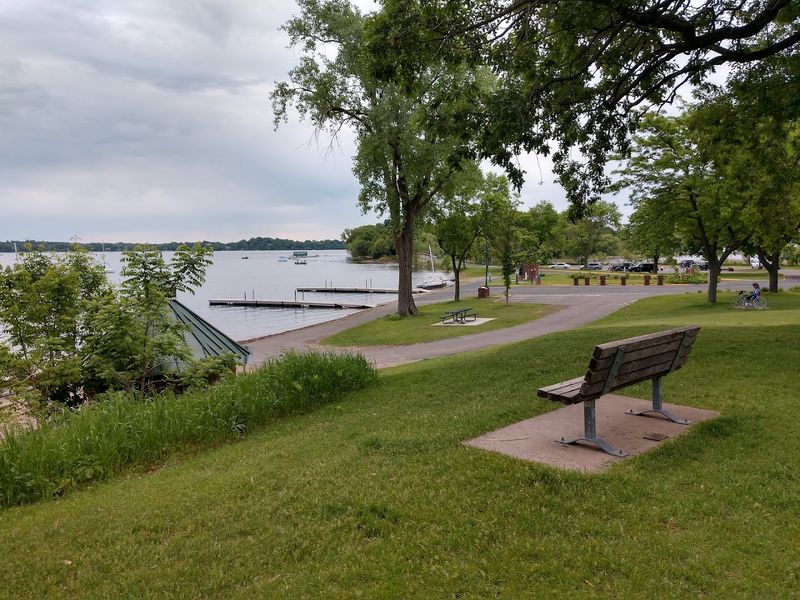
White Bear Lake has several parks that make spending time outdoors here genuinely enjoyable. Matoska Park is the most well-known, offering beach access, picnic areas, and open green space right along the water.
It draws a steady crowd on warm days, but rarely feels overcrowded in the way that more famous lakefront parks sometimes do.
The parks here tend to have a relaxed, neighborhood feel rather than a polished tourist-attraction vibe. You are just as likely to see local families playing catch as you are to see visitors taking photos of the lake.
That mix of locals and newcomers gives the parks a welcoming, unpretentious energy.
Trails and walking paths connect several of the green spaces around the lake, making it possible to explore the shoreline on foot without needing to drive between stops. For a community of its size, White Bear Lake has done a thoughtful job of keeping the waterfront accessible and genuinely pleasant to use.
Local Dining Worth the Drive
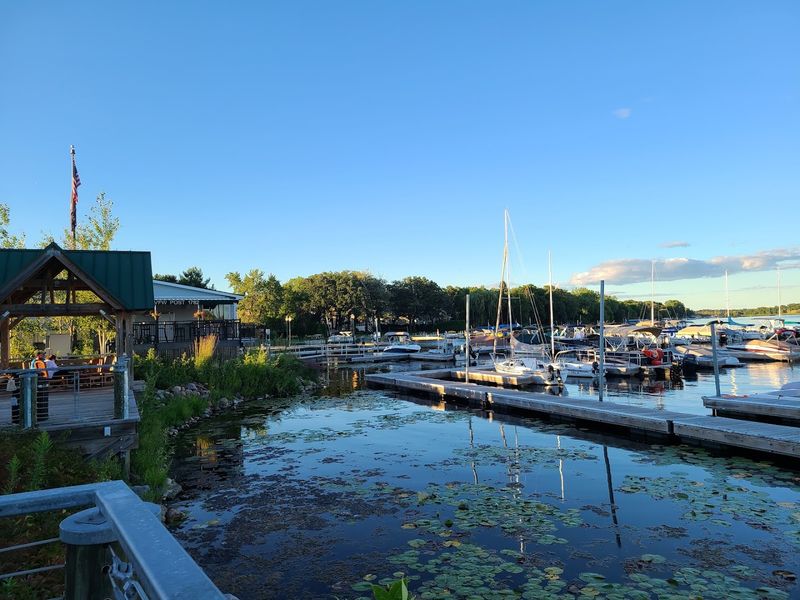
The dining scene in White Bear Lake punches above its weight for a city of its size. Local restaurants serve everything from classic Minnesota comfort food to more adventurous menus that would feel at home in a much larger city.
The waterfront proximity adds an atmosphere that chain restaurants simply cannot replicate.
Several spots near the downtown area have become gathering places for both locals and visitors, serving food that reflects the community’s Midwestern roots while keeping things fresh enough to stay interesting. Weekend brunch spots tend to fill up quickly, so arriving early or on a weekday gives you a better experience.
Eating here feels like part of the overall visit rather than just a practical necessity. The combination of good food, a relaxed pace, and the knowledge that you are just a short walk from one of Minnesota’s most storied lakes makes even a simple meal feel like a small occasion worth savoring.
Why This Lake Keeps Drawing People Back
Some places are worth visiting once, and some places earn a permanent spot on your regular rotation. White Bear Lake belongs firmly in the second category.
The combination of natural beauty, deep local history, and genuine community character gives it a pull that is hard to explain until you have experienced it yourself.
The lake looks different depending on the season and the time of day. A summer morning paddle feels nothing like a winter afternoon watching ice fishers set up their shelters.
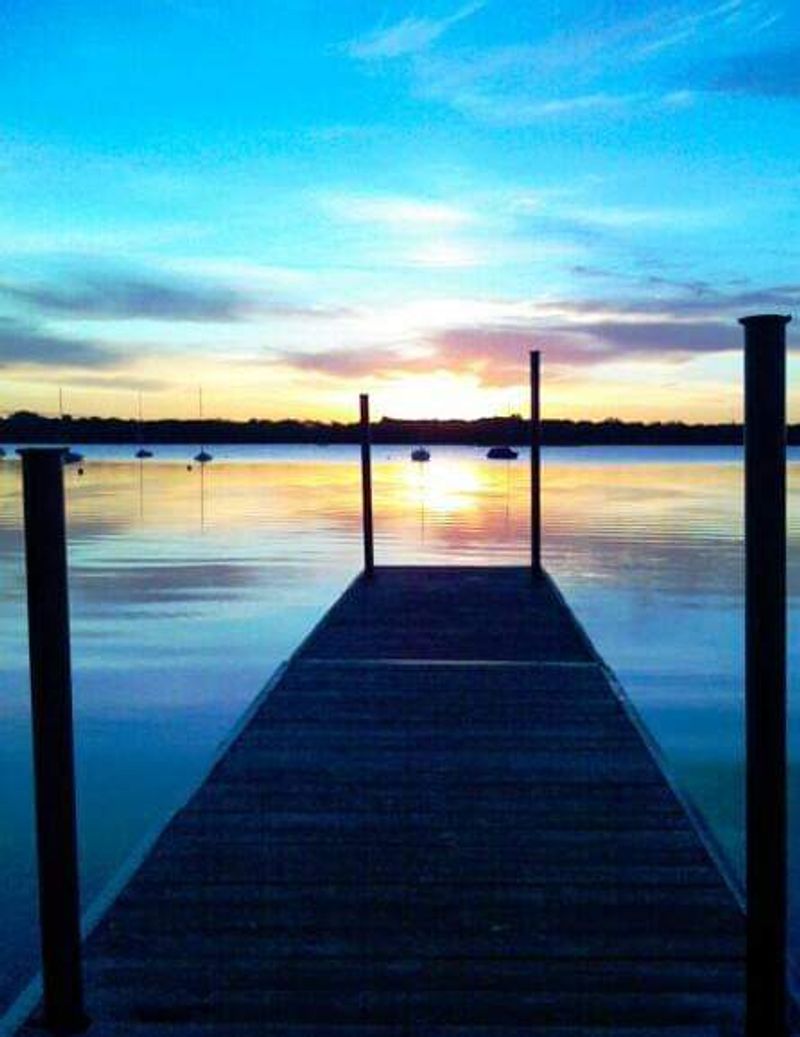
A sunset from the shoreline in late August is the kind of thing you find yourself thinking about months later when you are back in the middle of ordinary life.
The legend of the white bear is still there, quietly attached to every ripple on the surface. It is not the reason most people come back, but it adds a layer of mystery that makes the lake feel like more than just a beautiful body of water sitting near a major American city.
Share this story