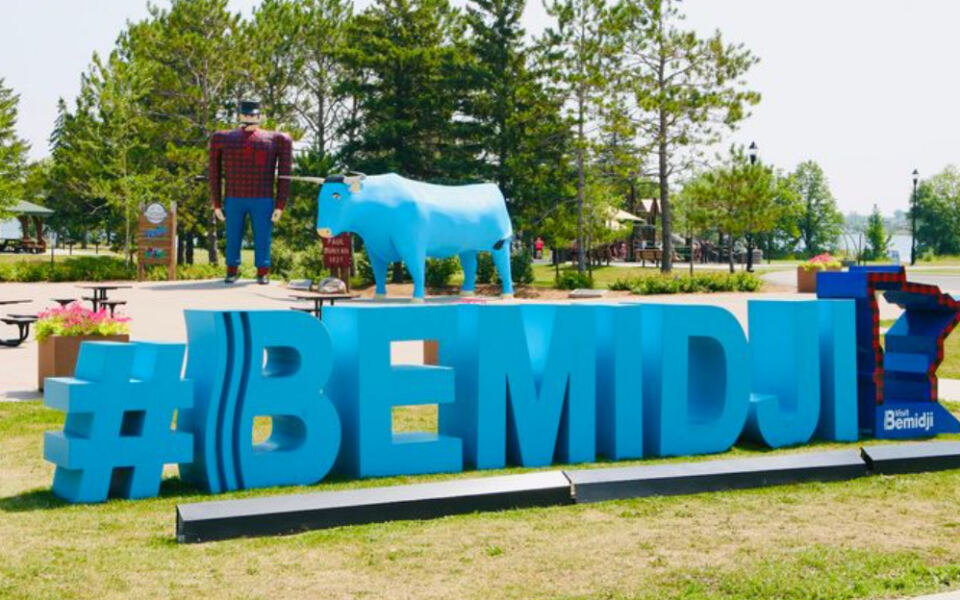
There is a town in northern Minnesota where two enormous figures have stood watch over a lakeshore since 1937, becoming so iconic that they appear on the city’s official seal. One is a massive lumberjack with a bright red shirt and an axe over his shoulder.
The other is his giant blue ox. Travelers have been pulling over to stare, photograph, and stand beside them for nearly 90 years, and the story behind this quirky lakeside city is far more layered than most visitors ever expect.
The Statues That Started It All
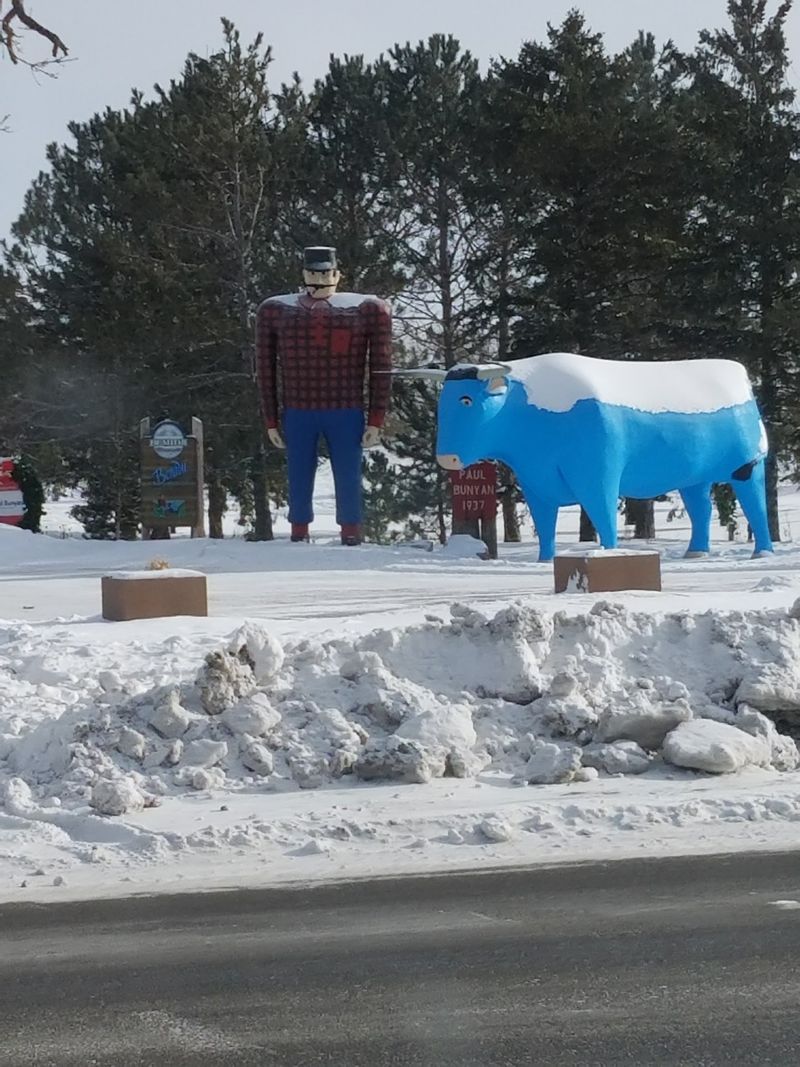
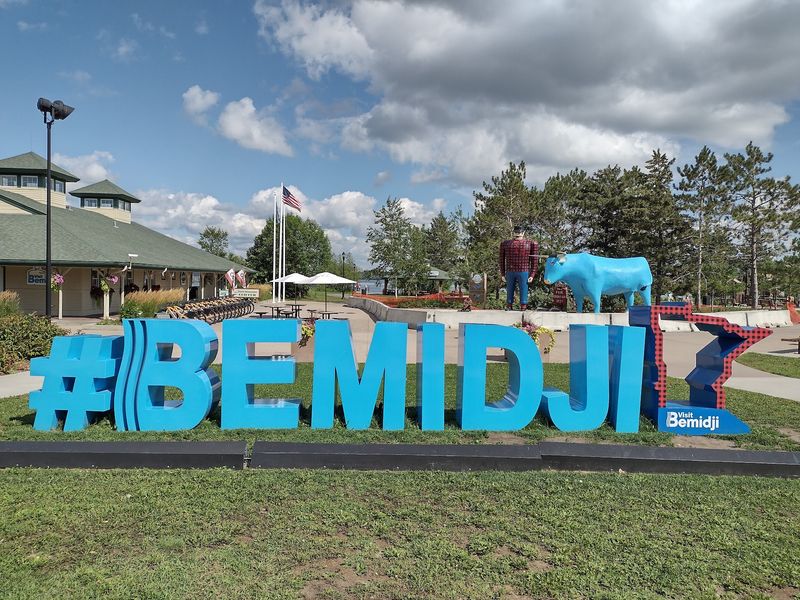
Few roadside attractions in America carry the historical weight of the Paul Bunyan and Babe the Blue Ox statues in Bemidji, Minnesota. Built in 1937, these concrete figures are widely recognized as some of the oldest remaining roadside statues in the entire country.
Paul stands roughly 18 feet tall, painted with a red plaid shirt and holding an axe. Babe, his legendary companion, stands beside him in vivid blue.
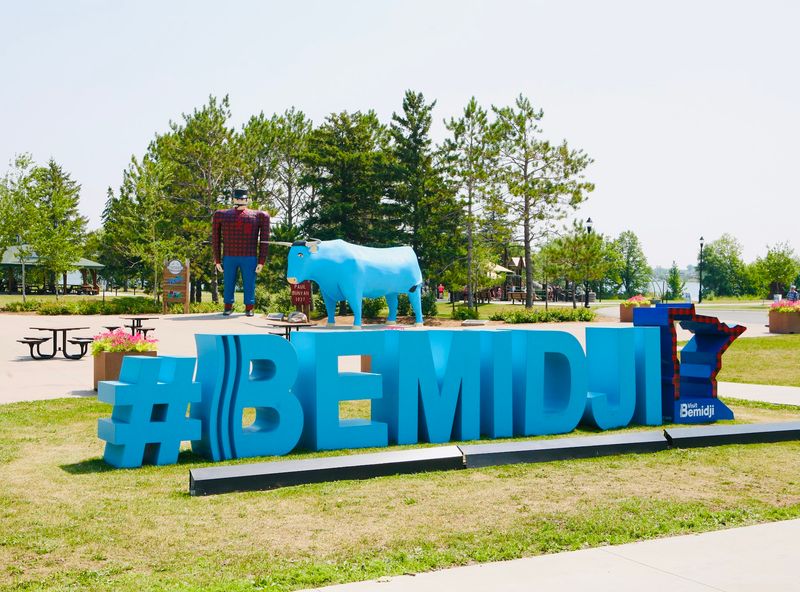
The pair sit along the shore of Lake Bemidji, framing one of the most photographed spots in the state.
What makes them truly special is not just their size but their age. They were created for a local winter carnival and simply never left.
For nearly nine decades, generations of families have lined up for the same photo in the same spot, creating a thread of shared memory that stretches across almost a century.
Where Bemidji Sits on the Map
Bemidji, Minnesota sits at 47.4716 degrees north, placing it deep in the heart of Minnesota’s lake country. The city serves as the county seat of Beltrami County and holds a population of roughly 15,770 as of 2025, making it the largest commercial hub between Grand Forks, North Dakota, and Duluth, Minnesota.
That geographic position matters more than it sounds. For anyone traveling through northern Minnesota, Bemidji functions as the region’s central gathering point.
It offers services, culture, dining, and entertainment that smaller surrounding communities simply cannot match.
The city wraps around the southern shore of Lake Bemidji, a glacially formed lake that gives the town much of its character. The downtown area sits close enough to the water that you can walk from a restaurant to the lakeshore in minutes.
That closeness to nature while still being a functioning city is one of Bemidji’s most practical and appealing qualities.
Lake Bemidji and the Mississippi River Connection
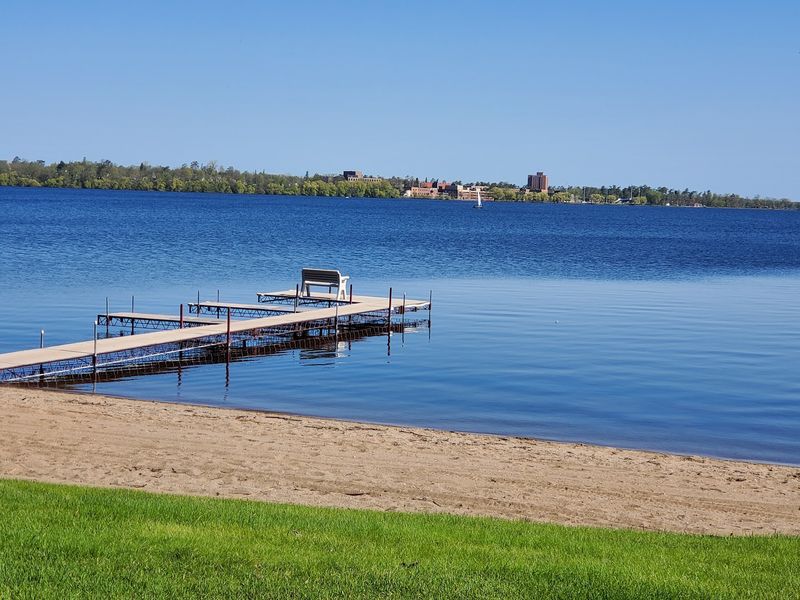
Lake Bemidji holds a distinction that surprises most first-time visitors. The Mississippi River flows directly through it.
The river enters the lake from the south and exits from the east, meaning that when you stand on the lakeshore, you are looking at water that is technically part of one of North America’s most famous river systems.
The headwaters of the Mississippi begin at Lake Itasca, just southwest of Bemidji, and the river passes through Lake Bemidji early in its journey southward toward the Gulf of Mexico. That connection gives the lake an almost mythological quality for people who love American geography and history.
Paddlers occasionally make the trip down the river from Lake Itasca through Bemidji as part of longer canoe journeys. The lake itself covers roughly 6,765 acres and offers fishing, kayaking, and swimming throughout the warmer months, drawing visitors who want quiet time on the water.
A City With Deep Ojibwe Roots
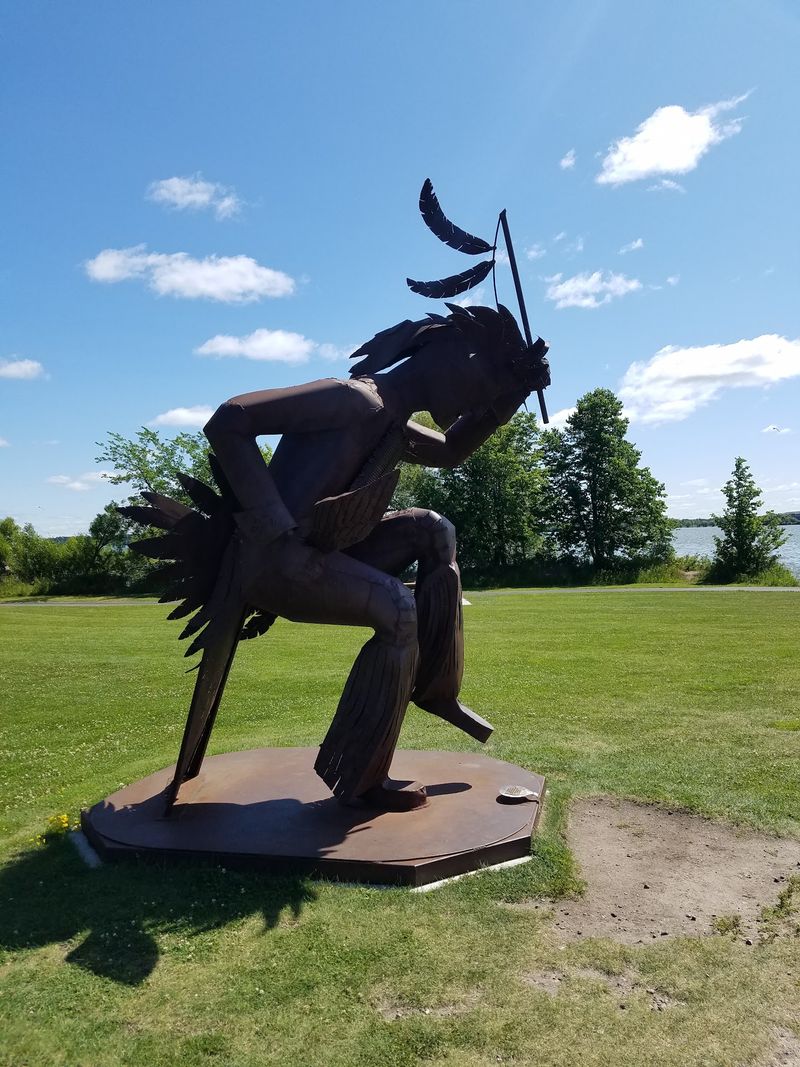
The name Bemidji itself comes from the Ojibwe language. It is derived from a phrase meaning “the lake with crossing waters” or sometimes translated as “the river crossing through the lake,” both references to the Mississippi River’s passage through Lake Bemidji.
The Ojibwe people, specifically the Leech Lake Band of Ojibwe and the Red Lake Band of Chippewa, have deep historical and cultural ties to this region. Their presence in the area long predates the city’s founding in the late 1800s, and that heritage continues to shape Bemidji’s cultural identity today.
Several cultural events and educational programs in the region work to preserve and share Ojibwe traditions with both residents and visitors. Bemidji State University has also been involved in programs honoring Indigenous culture and history.
Understanding that layer of history adds real depth to any visit and helps travelers see the landscape through a different, older perspective.
Bemidji State University and the Town’s Academic Energy
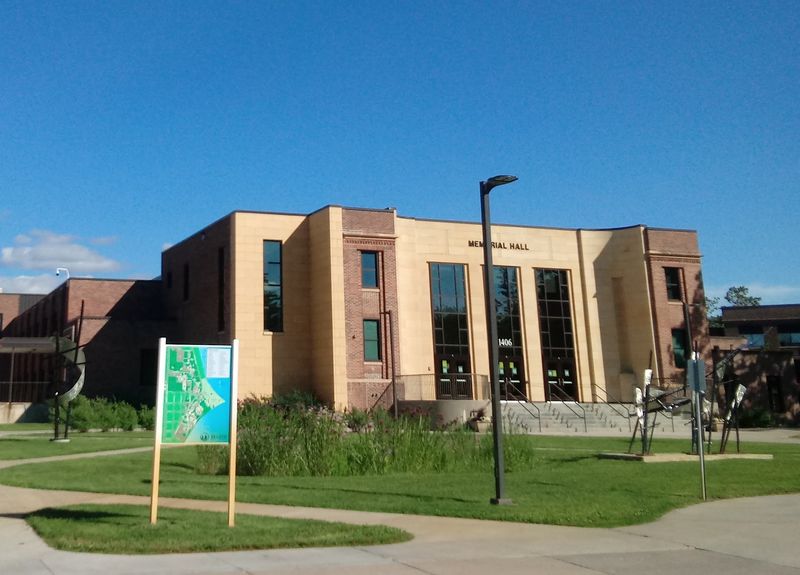
A university changes the personality of a town. Bemidji State University, founded in 1919, sits on the northern shore of Lake Bemidji and brings a consistent flow of students, faculty, and academic events into the community year-round.
The university offers programs ranging from education and nursing to business and the arts. Its presence helps sustain local businesses, cultural venues, and community events that might otherwise struggle in a city of Bemidji’s size.
The campus itself is worth a short walk. It sits close to the lake, and the combination of academic buildings, open green spaces, and water views creates an atmosphere that feels both purposeful and relaxed.
During the school year, the campus adds a younger energy to the city that balances nicely with the quieter, nature-focused pace of the surrounding area. For visitors, the university also means access to performing arts events, lectures, and cultural programming throughout the year.
The Logging History That Shaped the Region
Paul Bunyan is not just a mascot here by accident. Bemidji grew directly from the logging industry that tore through northern Minnesota’s vast pine forests in the late 1800s and early 1900s.
The region was once covered in old-growth white and red pines, and timber companies moved aggressively through the area, establishing camps and mills as they went.
Bemidji became a hub for that industry. The railroad arrived, making it easier to move lumber south to markets.
The city’s early economy depended almost entirely on what could be harvested from the surrounding forests.
By the time logging slowed, the landscape had changed dramatically. What replaced the industry was a slower, tourism-driven economy built around the lakes, rivers, and forests that remained.
The Paul Bunyan statue, built just as that logging era was fading from memory, served as a kind of tribute to the workers and the industry that had built the town in the first place.
Four Seasons of Outdoor Recreation
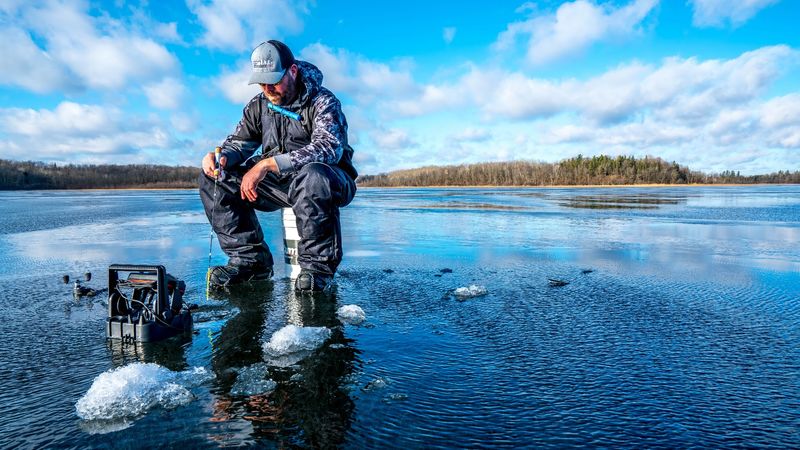
Bemidji does not slow down when the temperature drops. The city has built a reputation as a year-round outdoor destination, and the winter months are actually among the most active for recreation in the area.
Cross-country skiing, snowshoeing, ice fishing, and snowmobiling are all popular winter activities, with trails and frozen lakes providing ample space for each. The region’s consistent snowfall makes it reliable for winter sports enthusiasts who want predictable conditions.
Summer brings an entirely different set of activities. Fishing for walleye, northern pike, and bass draws anglers from across the Midwest.
Swimming, kayaking, and paddleboarding on Lake Bemidji are popular with families. Hiking and cycling trails wind through the surrounding landscape, connecting the city to quieter natural areas just outside town.
The shift between seasons feels dramatic here, and each one offers a genuinely different experience rather than just a warmer or cooler version of the same thing.
The Waterfront and Downtown Walking Experience
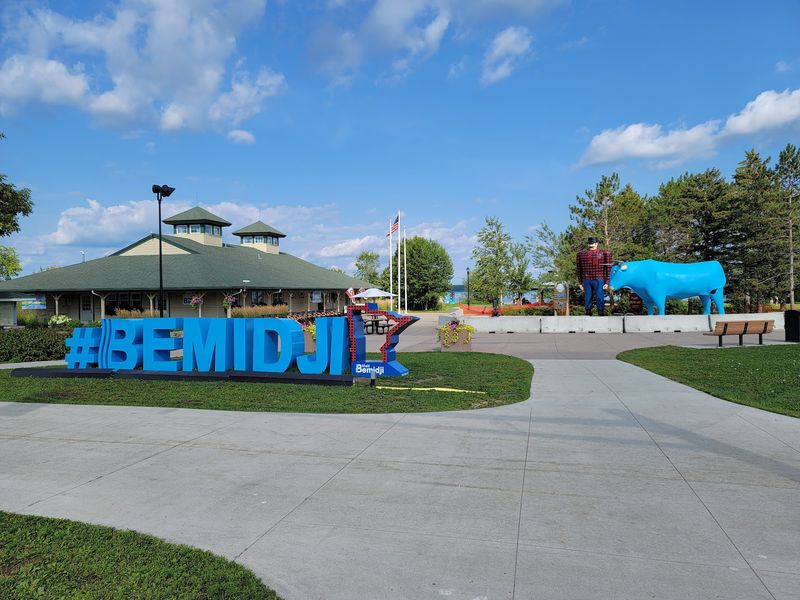
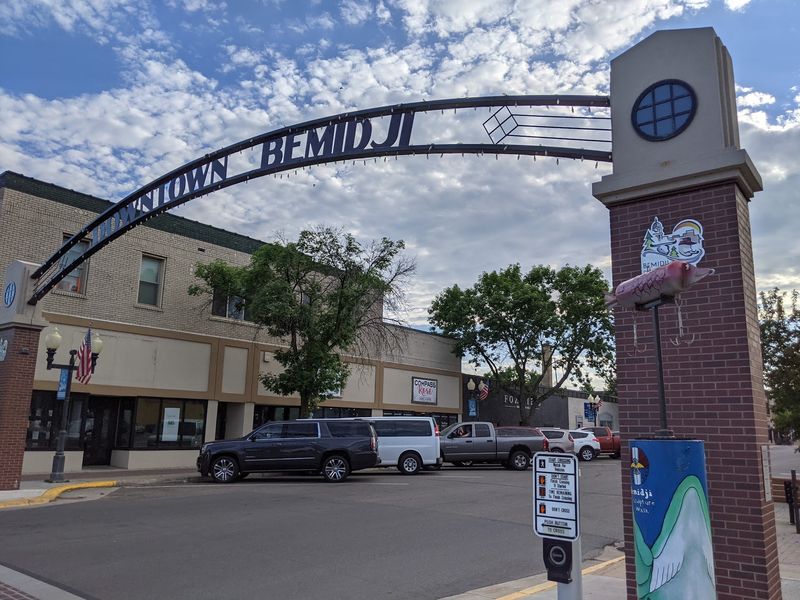
One of the simplest pleasures in Bemidji is the walk along the Lake Bemidji waterfront near downtown. The area around the Paul Bunyan statues connects to a broader park and shoreline path that draws both locals and visitors throughout the warmer months.
The downtown itself is compact and walkable, with locally owned shops, cafes, and restaurants within easy reach of the water. That combination of a functioning small-city downtown paired with immediate lake access is genuinely rare and makes Bemidji feel like a place that has figured something out that larger cities struggle to replicate.
Benches along the shoreline face the lake, and on calm evenings the reflections across the water are worth stopping for. The area around the statues gets busy during peak summer weekends, but even then it retains a relaxed, unhurried pace.
Mornings are especially quiet and make for a pleasant start to any day spent exploring the city.
Headwaters of the Mississippi Nearby
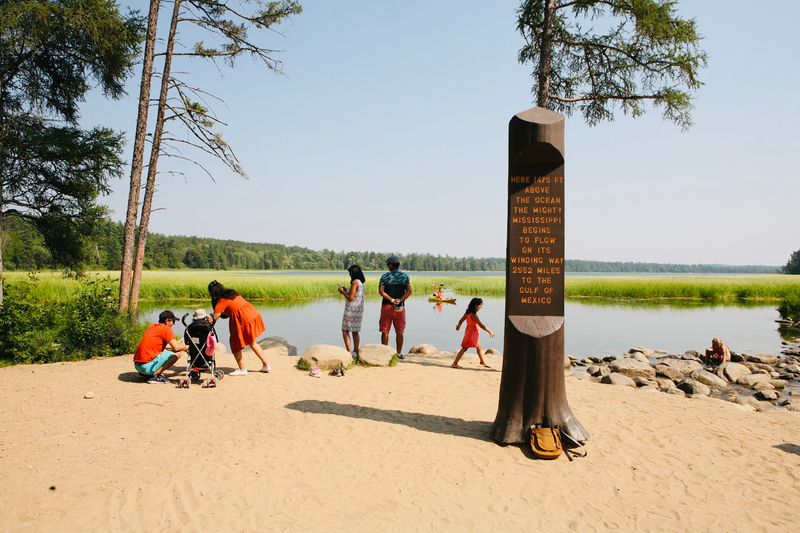
About 35 miles southwest of Bemidji sits one of Minnesota’s most visited state parks, and it holds one of the most genuinely surprising natural features in the entire country. Lake Itasca State Park is the official source of the Mississippi River, and visitors can actually walk across the river’s headwaters on stepping stones.
The river at that point is only about 20 feet wide and ankle-deep, making it almost impossible to believe this trickle eventually becomes one of the world’s great waterways. The park itself is Minnesota’s oldest state park, established in 1891, and contains old-growth forests, hiking trails, and a rich variety of wildlife.
Bemidji serves as the natural base camp for a trip to Itasca. Many travelers spend a day at the park and return to Bemidji in the evening, taking advantage of the city’s lodging, dining, and that reliable lakeshore atmosphere.
The two destinations complement each other well.
The Paul Bunyan Trail
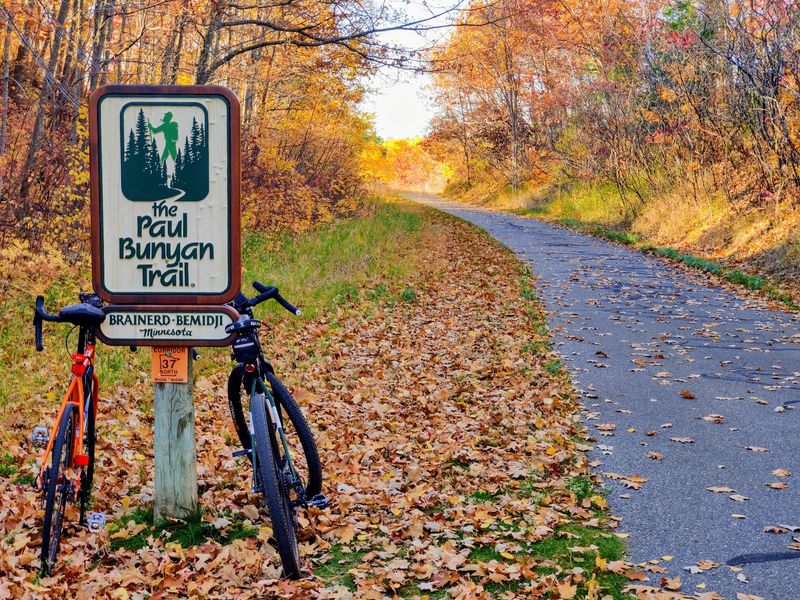
The Paul Bunyan State Trail stretches roughly 120 miles through north-central Minnesota, and Bemidji sits along its route. The trail is one of the longest paved recreational trails in the state, running through forests, wetlands, and small towns as it winds through the region.
Cyclists, inline skaters, and walkers use the trail during summer, while snowmobilers take it over in winter. The surface and length make it appealing for both casual riders looking for a short ride and more serious cyclists planning longer multi-day trips through the area.
The trail’s name ties directly into the Paul Bunyan mythology that Bemidji has long embraced. Several communities along the route have leaned into that same folklore branding, creating a loose thematic corridor through northern Minnesota.
For visitors to Bemidji who want to experience the surrounding landscape beyond the lakeshore, the trail offers one of the most accessible and scenic ways to do exactly that.
Art and Culture in a Small Northern City

Bemidji punches above its weight when it comes to arts and culture. The city supports a lively local arts community that includes galleries, public art installations, and a performing arts scene that benefits from the university’s presence and a population that values creative expression.
The Headwaters Music and Arts Festival is one of the city’s most celebrated annual events, drawing musicians and artists to Bemidji for a multi-day celebration. The festival has grown into a regional gathering that brings visitors from well outside the immediate area.
Public art appears throughout the downtown area, and local galleries feature work by northern Minnesota artists whose pieces often reflect the landscape, seasons, and cultural heritage of the region. For a city of roughly 15,000 people, the range and quality of cultural programming is genuinely impressive.
Travelers who associate small northern towns only with outdoor recreation often leave Bemidji surprised by how much creative life thrives here.
Winter Carnival and Cold Weather Traditions
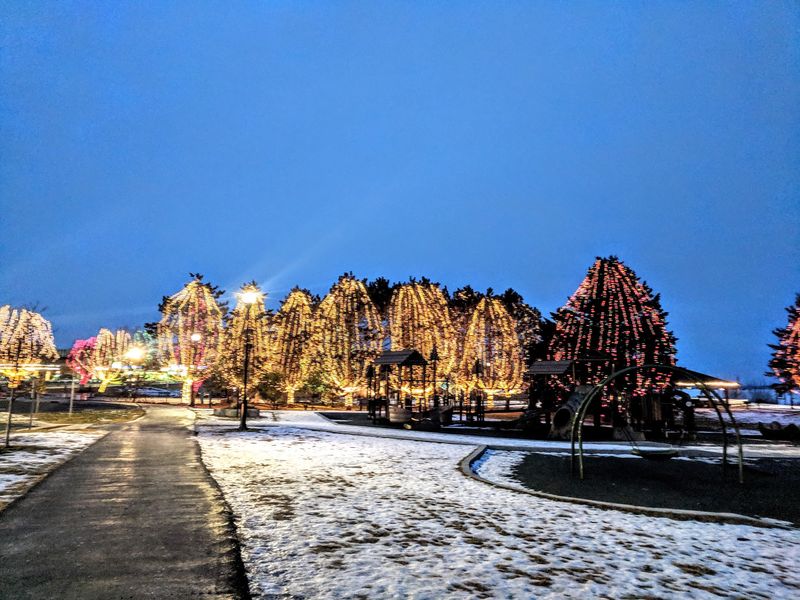
Northern Minnesota winters are serious, and Bemidji has never tried to pretend otherwise. Instead, the city leans into the cold with community events and traditions that turn winter into something to look forward to rather than endure.
Polar Daze is one of the city’s winter celebrations, bringing residents and visitors together for outdoor activities and community gatherings during the coldest months. The spirit behind these events reflects something genuine about how people in northern climates build community around shared experience rather than retreat from the season.
Ice fishing on Lake Bemidji is a winter institution. On cold weekends, the lake fills with ice fishing houses, creating a temporary village on the frozen water.
It is one of those distinctly Midwestern winter scenes that feels completely normal to locals and completely extraordinary to anyone visiting from a warmer part of the country. Witnessing it once tends to stay with you for a long time.
The City Seal and a Legacy of Folklore
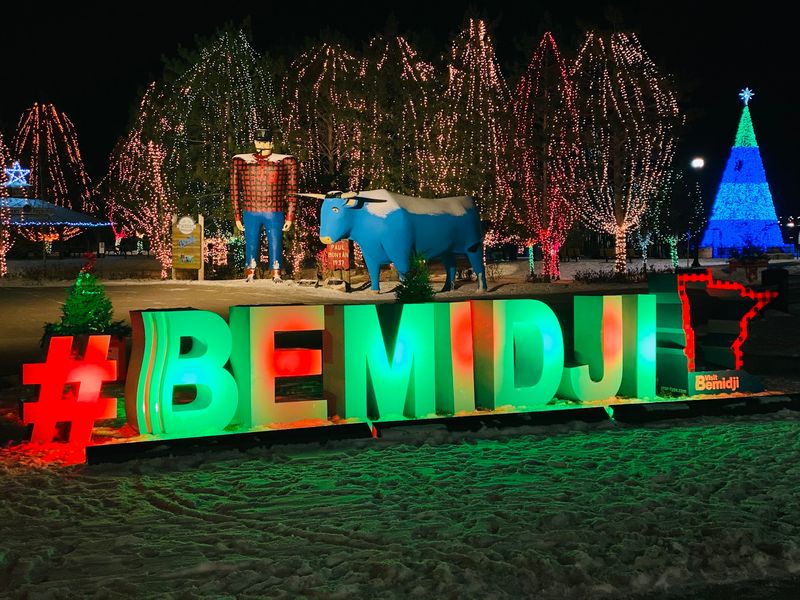
Not many American cities put a giant lumberjack and a blue ox on their official seal, but Bemidji does. That choice says something meaningful about how the city sees itself and how seriously it takes the folklore that has been woven into its identity for nearly 90 years.
Paul Bunyan is an American folk hero whose exact origins are debated by historians, but Bemidji staked its claim early and held on. The 1937 statues predate most other Paul Bunyan monuments across the country, giving Bemidji a legitimate argument for being the home base of the legend.
That commitment to a piece of folk mythology is not just charming, it is smart. The statues have appeared in magazines, road trip guides, and social media feeds for decades, keeping Bemidji in conversations far beyond northern Minnesota.
What started as a carnival decoration became one of the most recognized roadside landmarks in the entire Midwest.
Why Travelers Keep Coming Back
There is a particular kind of American town that earns repeat visitors not by being flashy but by being genuinely itself. Bemidji fits that description well.
The lakes are real, the history is layered, the outdoor access is immediate, and the folklore is old enough to feel earned rather than manufactured.
Families return because the lake activities change with the seasons and children grow into different versions of the same trip. Anglers return because the fishing in the region remains consistently productive.
Road trippers return because Bemidji sits at a natural crossroads for exploring the broader north woods of Minnesota.
The Paul Bunyan statues are the hook that pulls people in for the first visit. But the lake, the trails, the university energy, the Indigenous heritage, and the honest small-city atmosphere are what bring people back.
That combination, built over nearly 90 years, is not something that happens by accident or by marketing alone.
Share this story