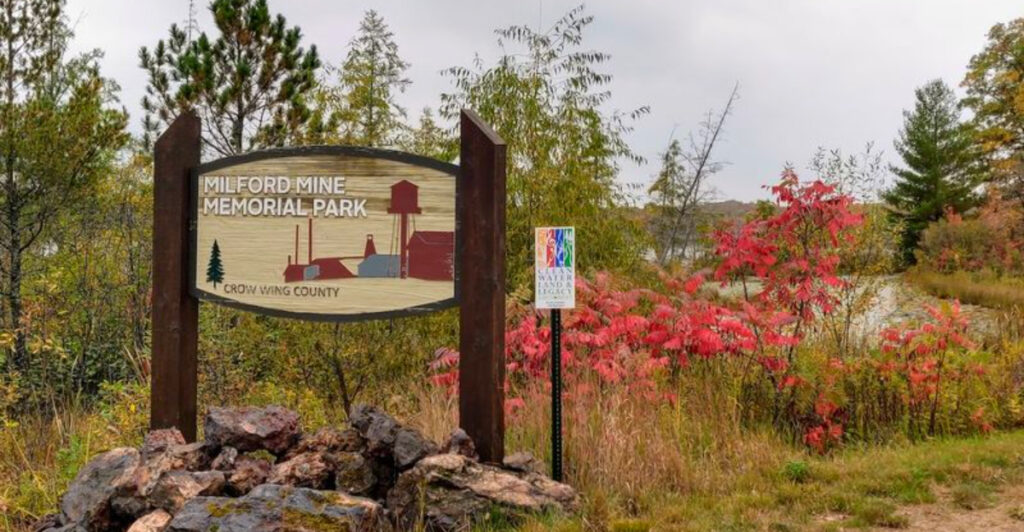
On a cold February morning in 1924, floodwaters broke through the walls of an underground mine in central Minnesota, and 41 men never came back up. That single event became the deadliest mining disaster in Minnesota history, and for decades, most people outside the region had no idea it ever happened.
Today, a thoughtfully built memorial park stands on that very ground, turning a place of tragedy into a quiet, deeply moving outdoor experience. The trails, the boardwalk, the interpretive signs, and the natural beauty surrounding the site make this one of the most unexpectedly powerful stops in the entire state.
The Story Behind the Disaster
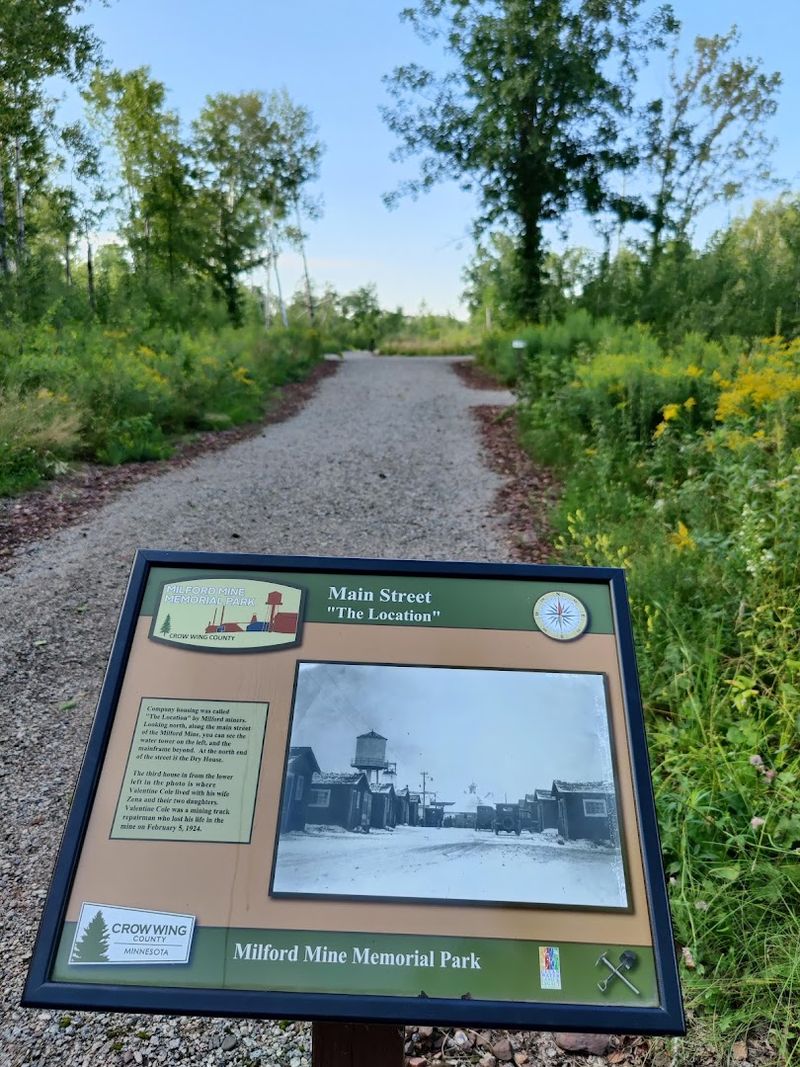
Most people who visit this park arrive knowing very little about what actually happened here. On February 5, 1924, the Milford Mine was actively operating when an underground wall gave way, allowing water from a nearby lake to rush into the mine tunnels at terrifying speed.
Forty-one miners lost their lives that day, making it the single deadliest mining event in Minnesota’s recorded history. Only seven men survived.
The disaster sent shockwaves through the tight-knit immigrant communities of central Minnesota, where most of the miners had come from Europe searching for steady work and a better life for their families.
What makes the story even more striking is how little national attention it received at the time. Understanding this history before you walk the trails makes every interpretive sign feel deeply personal rather than simply informational.
Where the Park Is Located
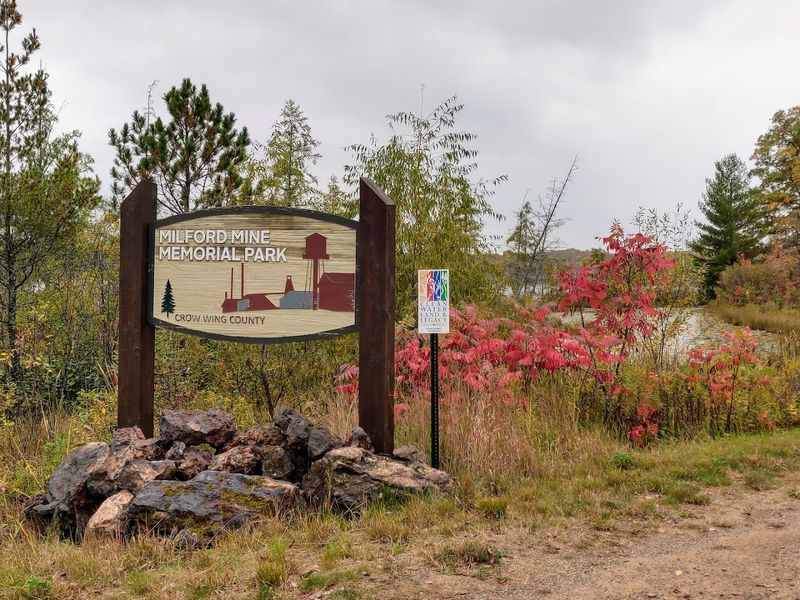
Milford Mine Memorial Park sits in Crow Wing County near Crosby, Minnesota 56441, in the heart of north-central Minnesota’s lake country. The park is managed by Crow Wing County and is open 24 hours a day, every day of the year.
Getting there feels like a genuine escape from the noise of daily life. The surrounding landscape is classic northern Minnesota, full of mixed forest, wetlands, and quiet lake views that stretch out in every direction.
The area around Crosby and Ironton was once a booming iron ore mining region, and the land still carries traces of that industrial past alongside its natural beauty.
There is no admission fee to enter the park, and parking is plentiful. Whether you are coming from Brainerd or passing through on a longer road trip, the park is easy to reach and well worth building into your route.
The Interpretive Trail System
The trails here are what set this park apart from a standard county nature walk. As you move through the forested paths, a series of interpretive signs tells the story of the Milford Mine in carefully organized chapters, covering everything from daily mining life to the events of February 5, 1924.
The trail system is easy enough for young children and older adults alike. One visitor noted that a two-year-old walked nearly the entire route, which tells you everything about how approachable the terrain is.
That said, the content along the way is rich enough to keep adults fully engaged for well over an hour.
Each sign is weatherproof and clearly written, placed at logical points where the surrounding landscape reinforces the story being told. You are not just reading history here.
You are standing in it, which changes everything about how the information lands.
The Boardwalk Over the Wetlands
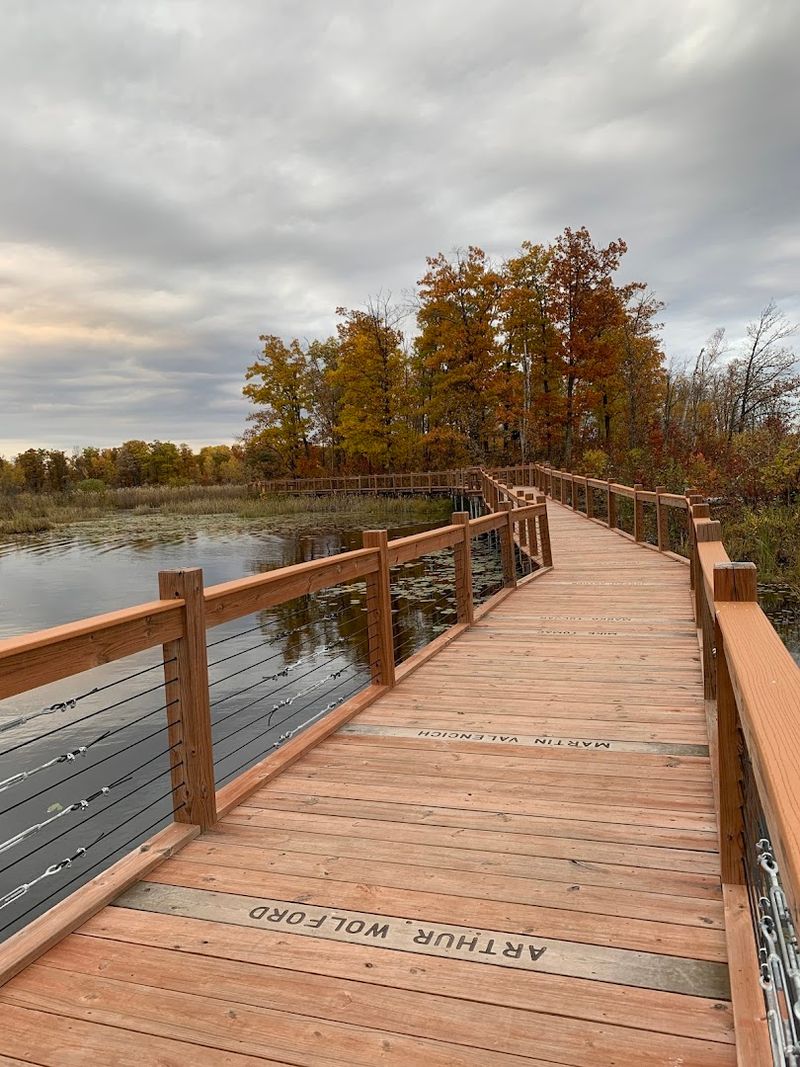
One of the most visually striking features of the park is the boardwalk that extends out over the wetland area near the lake. Walking it feels almost meditative, with open water on both sides and the sounds of birds filling the air around you.
The boardwalk is well-constructed and maintained, giving visitors a close-up view of the wetland ecosystem without disturbing it. Birders in particular seem to love this section of the park.
Loons, herons, and a variety of waterfowl use the area regularly, and on calm mornings, the reflections on the water are genuinely beautiful.
The contrast between the natural serenity of the boardwalk and the weight of the history you carry from the trail makes this spot feel unexpectedly emotional. It is the kind of place where you naturally slow down, take a breath, and let the surroundings do the talking for a few quiet minutes.
Physical Remnants of the Mining Era
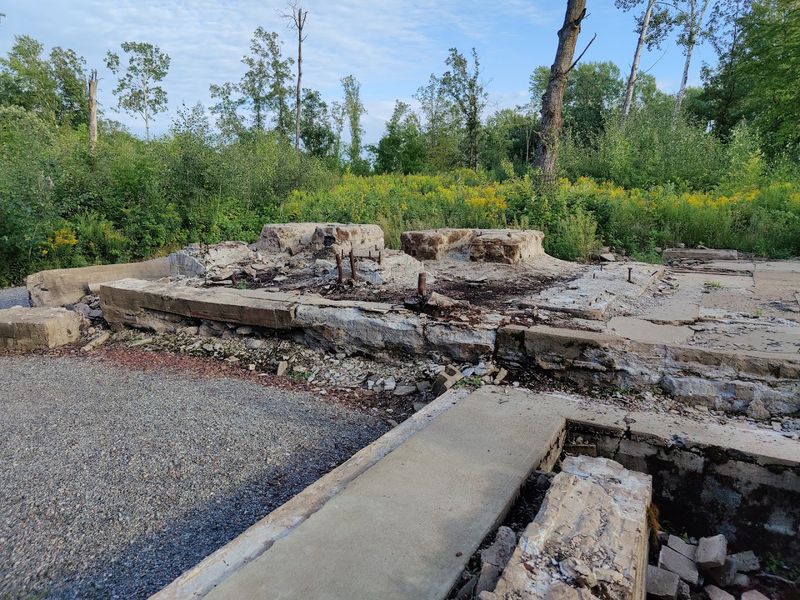
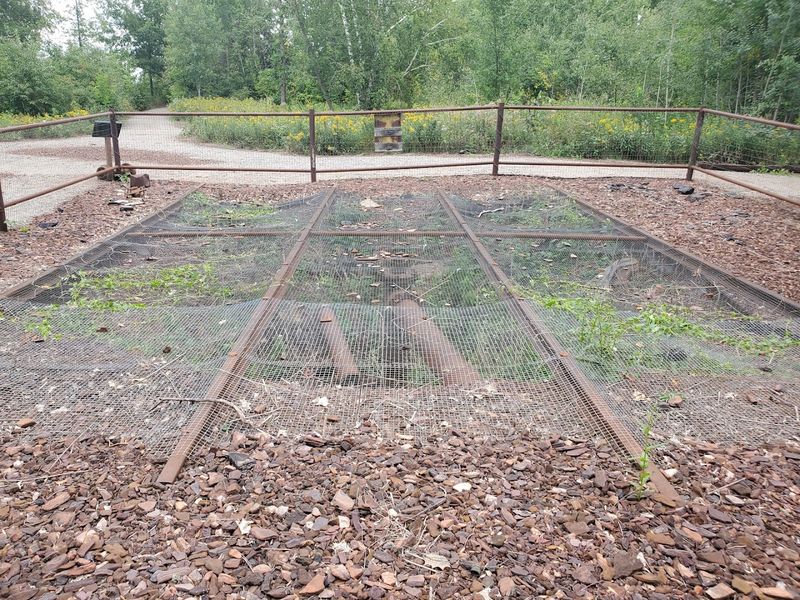
One thing that surprised me during my visit was how much physical evidence of the mining operation still exists on the grounds. Former building foundations, scattered structural remnants, and landscape features shaped by decades of industrial activity are visible throughout the trail route.
These are not reconstructed displays. They are actual leftovers from the era, sitting in place exactly where they were left when mining operations eventually wound down.
That authenticity gives the park a texture that no museum exhibit could fully replicate.
Seeing a crumbling concrete foundation half-swallowed by forest growth while reading about the men who worked nearby creates a specific kind of connection to the past. The park does not overdress these remnants with excessive signage.
It trusts visitors to feel the weight of what they are looking at, which turns out to be the right call every single time.
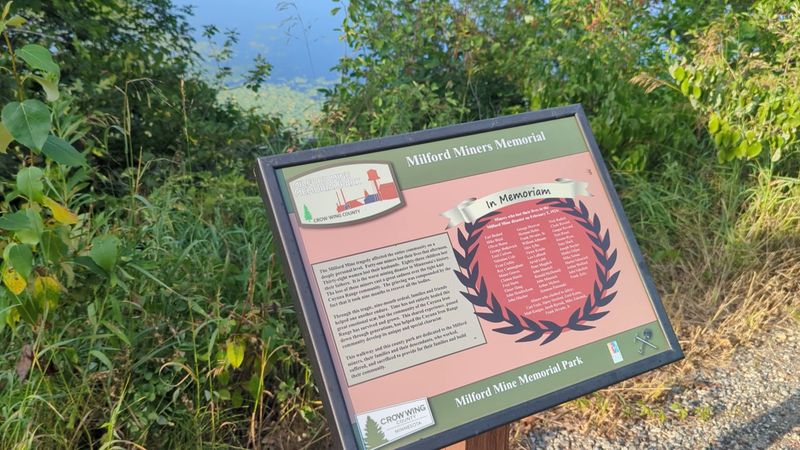
How the Memorial Honors the 41 Miners
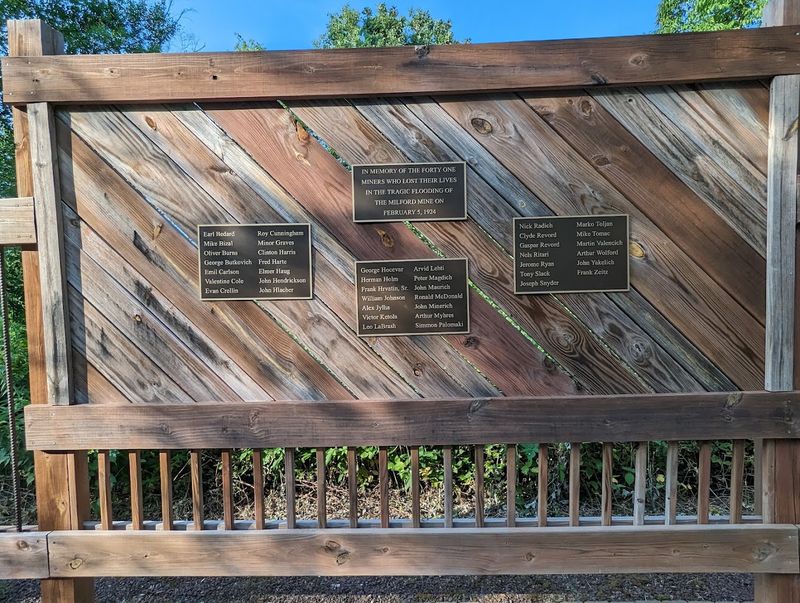
The park does something rare and genuinely moving by treating the miners as individuals rather than statistics. Signage throughout the site humanizes the victims by sharing details about who they were, where they came from, and what their lives looked like before that February morning.
Most of the men who worked the Milford Mine were immigrants, many from Finland, Slovenia, and other parts of Europe. They had come to Minnesota for the same reasons millions of others came to America: opportunity, stability, and a chance to provide for their families.
Reading their stories in the context of the landscape where they worked gives those names and faces a weight that sticks with you long after you leave.
The memorial design respects both the grief of the event and the resilience of the community that survived it, striking a balance that feels thoughtful rather than heavy-handed.
Wildlife and Birdwatching Opportunities
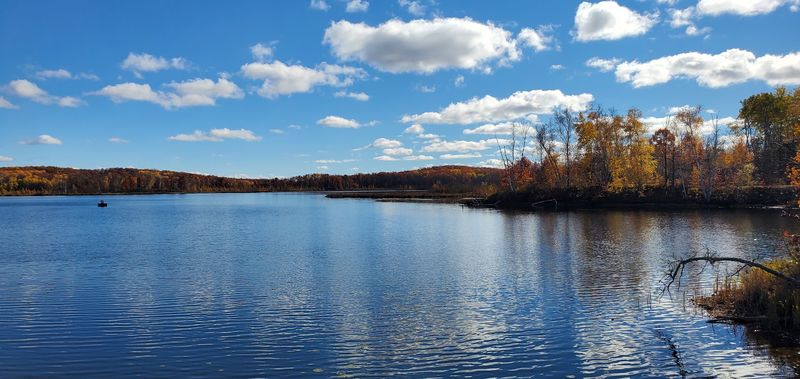
For anyone who enjoys wildlife, this park delivers far more than you might expect from a memorial site. The combination of forested trails, open wetlands, and lake access creates ideal habitat for a wide variety of birds and animals.
Loons are a consistent presence on the water, and their calls carry across the lake in a way that is unmistakably Minnesota. Herons, ducks, and various songbirds are common sightings along the boardwalk and trail edges.
The park has been described by birders as a genuine paradise, and after spending time along the wetland sections, that assessment feels completely fair.
Deer are also frequently spotted in the wooded areas, especially during early morning and evening hours. The park’s natural diversity makes it worth visiting multiple times throughout the year, as the wildlife activity shifts dramatically with the seasons.
Fall, in particular, brings a completely different energy to the landscape.
Fall Colors and Seasonal Beauty
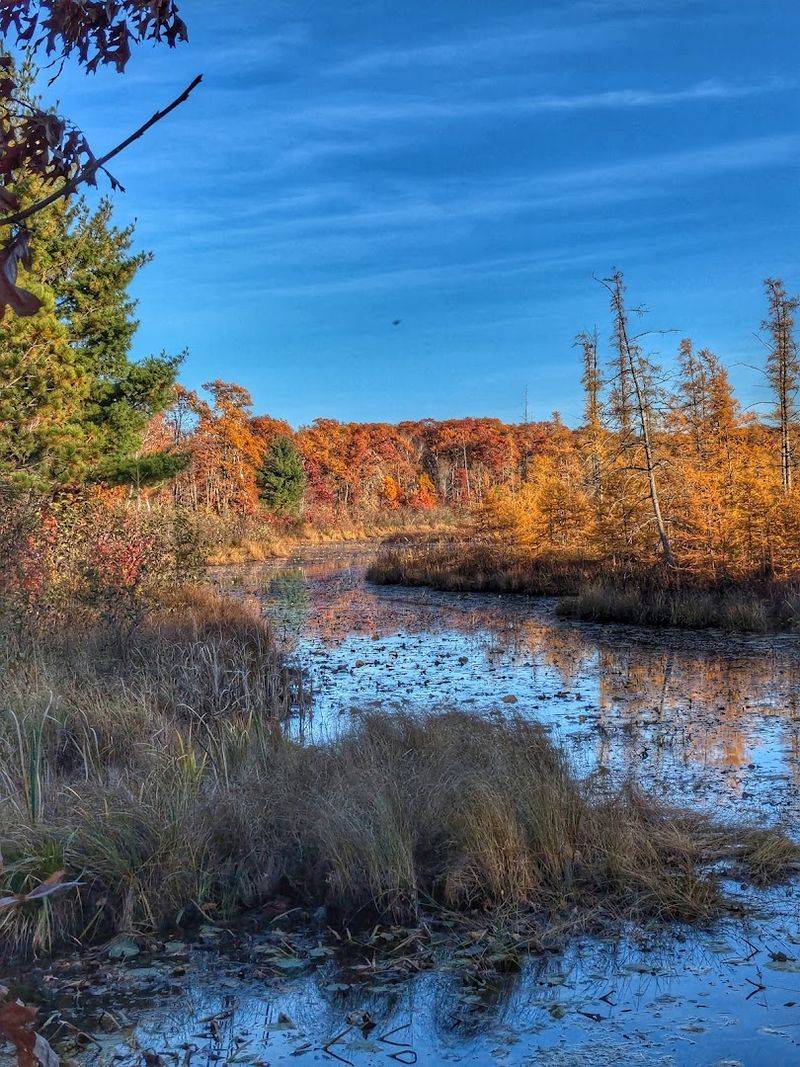
Several visitors have specifically mentioned the fall colors at this park, and after seeing photos taken in October, it is easy to understand why. The mix of birch, aspen, maple, and pine that surrounds the trails creates a layered color display that peaks beautifully in mid to late autumn.
The lake views during fall add another dimension entirely. When the orange and gold foliage reflects off the still water, the visual effect is the kind of thing that makes people stop mid-trail and just stand there for a moment.
It is genuinely that good.
Spring and summer bring their own rewards, with wildflowers along the trail edges and the full chorus of wetland birds returning to the boardwalk area. Even winter visits have their appeal for those who enjoy a quiet, snow-covered landscape.
Each season reveals something different about a place that already has plenty to offer year-round.
Picnic Areas and Lakeside Access
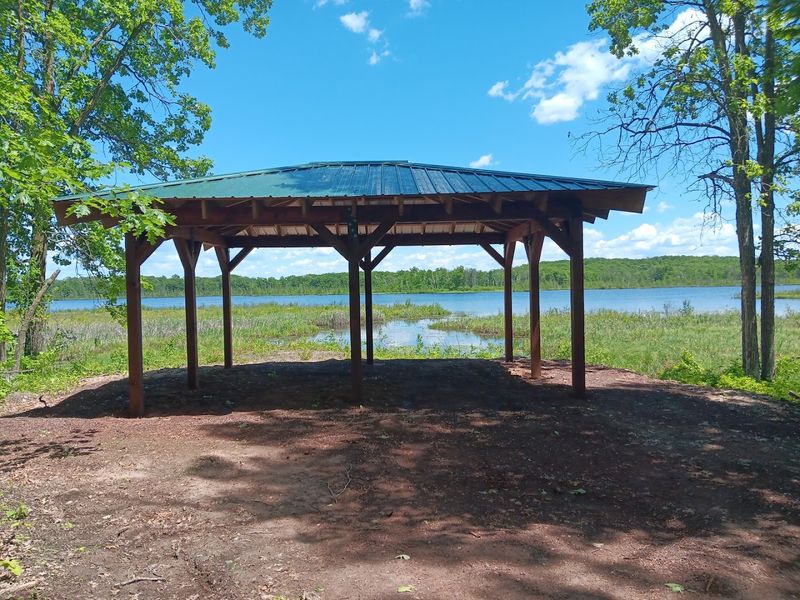
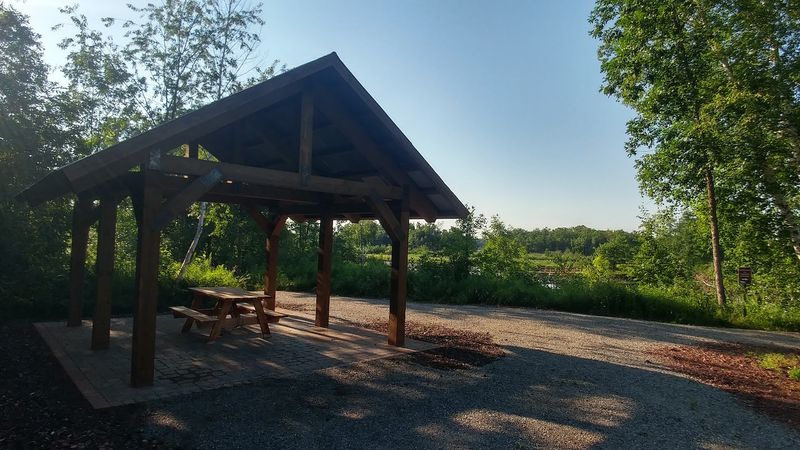
The park is not purely a solemn memorial experience. There are picnic areas and pavilions on the property that give families a comfortable place to gather, eat, and spend time together outdoors.
The pavilions are well-maintained and the surrounding views make any meal feel more relaxed than it would at an ordinary roadside stop.
Lake access is also available for those who want to get out on the water. Canoe launches and fishing piers give anglers and paddlers a convenient entry point, and the lake itself is known for good fishing.
That combination of history, trails, and recreational access is what makes the park genuinely useful for a wide range of visitors.
Parking is plentiful near the picnic areas, so larger groups and families with gear do not have to worry about logistics. The park is dog-friendly as well, which is a detail that regular trail walkers tend to appreciate more than almost anything else.
The Immigrant Mining Community of Central Minnesota
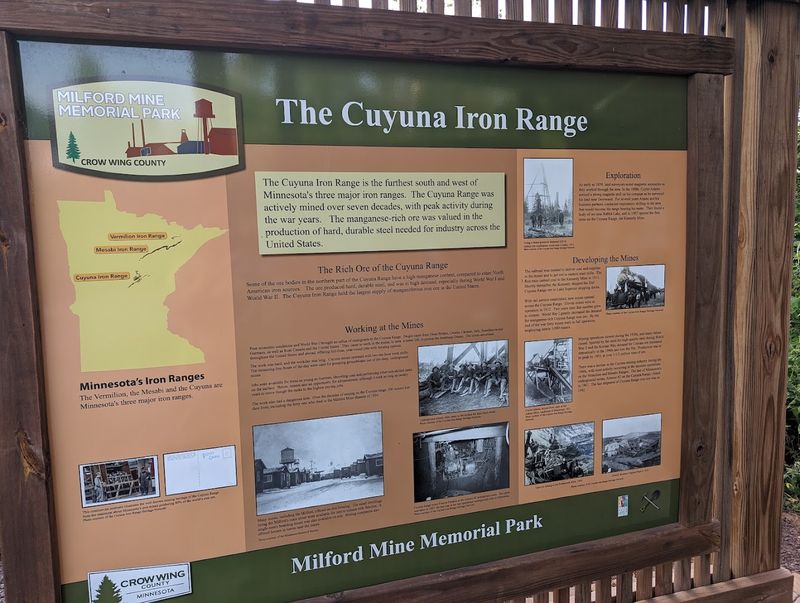
To fully appreciate what this park represents, it helps to understand the broader community that surrounded the Milford Mine in 1924. Central Minnesota’s iron range was largely built by immigrant labor, with Finnish, Slovenian, Croatian, and Italian families settling in towns like Crosby and Ironton to work the mines.
These were close communities where everyone knew each other. When the disaster struck, the loss rippled through entire neighborhoods simultaneously.
Families who had left Europe for a safer, more stable life found themselves grieving together in the cold Minnesota winter.
The park’s interpretive signage touches on this cultural context in a way that enriches the entire experience. You begin to understand the disaster not just as a workplace accident but as a community-defining event that shaped the identity of the region for generations.
That deeper layer of meaning is what transforms a pleasant nature walk into something genuinely unforgettable.
Practical Tips for Your Visit
A few practical notes can make your visit smoother and more enjoyable. The trails are easy and relatively flat, so standard walking shoes are fine for most conditions.
That said, if you visit during or after rain, the boardwalk and some trail sections near the wetlands can be damp, so waterproof footwear is a smart choice in wet seasons.
Bug spray is worth bringing during summer months. The wetland areas are beautiful, but the deer flies and mosquitoes that come with them are not.
Visitors who mention this detail consistently recommend it, and it is the kind of thing that can genuinely affect your comfort level if you forget.
The park is open 24 hours a day, which means early morning visits are an option for those who want the trails and boardwalk completely to themselves. Sunrise over the lake with loons calling in the distance is a hard combination to beat in northern Minnesota.
Why This Park Deserves a Place on Your Minnesota Itinerary
There are plenty of parks in Minnesota that offer beautiful scenery and easy trails. What makes this one different is the way it layers genuine historical weight onto a naturally stunning outdoor setting.
You come away from a visit here knowing something real about the people who shaped this region, and that knowledge changes how you see the landscape around you.
The park has been consistently improved over the years, with new infrastructure and updated displays added on a regular basis. That ongoing investment reflects how seriously Crow Wing County takes its responsibility to preserve and share this story.
For anyone traveling through central Minnesota, this is exactly the kind of stop that turns a road trip into something more meaningful. It costs nothing to visit, takes about an hour to explore thoroughly, and leaves a lasting impression that most paid attractions struggle to match.
That combination is genuinely rare, and worth your time.
Share this story