Most people know the name Charles Lindbergh as the man who flew solo across the Atlantic Ocean in 1927, but far fewer know where his story actually began. Long before the world-famous flight, a young boy was growing up along the Mississippi River in central Minnesota, spending summers on a quiet farm that shaped everything about who he would become.
That boyhood home still stands today, and it holds more surprises than most visitors expect. The Charles Lindbergh House and Museum in Little Falls, Minnesota, connects one of aviation’s most defining moments to a very real and very human childhood.
The Boyhood Home That Started It All
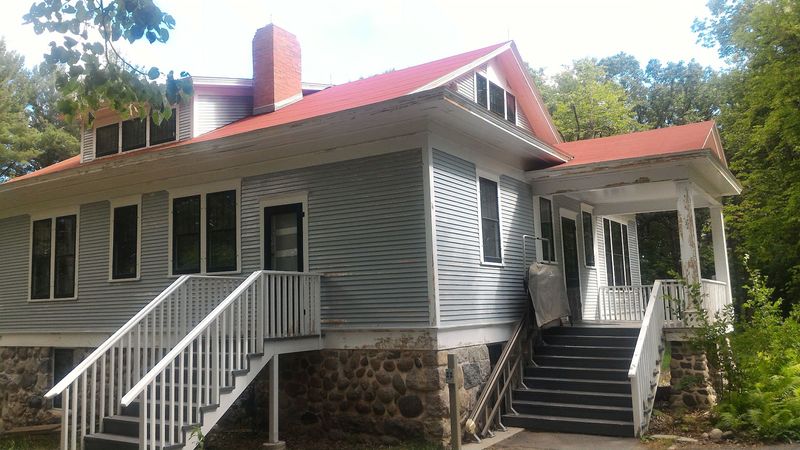
There is something quietly remarkable about standing in front of a house knowing that one of history’s most celebrated aviators once ran through its rooms as a child. The Charles Lindbergh House, located at 1620 Lindbergh Dr S, Little Falls, MN 56345, United States, is the preserved boyhood home where Charles A.
Lindbergh spent his summers growing up.
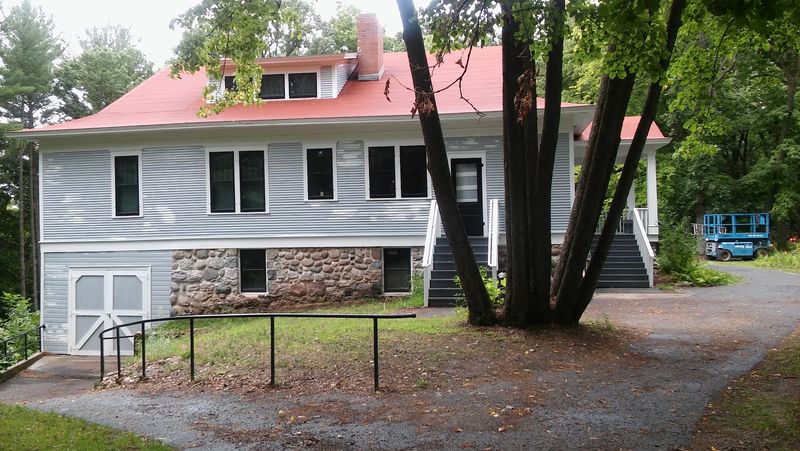
Built in 1906, the wooden farmhouse sits on a property that borders the Mississippi River, giving it a setting that feels both peaceful and timeless. The house itself is modest, which makes it all the more fascinating.
You would never guess from its size that it belonged to the family of a man who would one day capture the attention of the entire world. That contrast between ordinary beginnings and extraordinary achievement is exactly what makes this place so worth visiting.
Who Was Charles Lindbergh Before the Fame
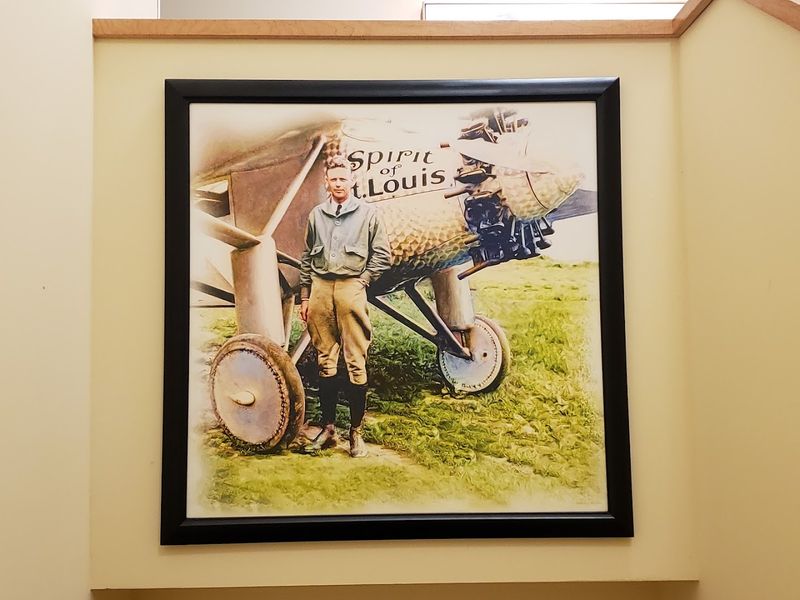
Charles Augustus Lindbergh was born on February 4, 1902, and grew up splitting time between Washington D.C., where his father served as a congressman, and this family property in Little Falls. His father, Charles Lindbergh Sr., was a strong-willed politician who believed deeply in self-reliance and critical thinking.
Those values shaped young Charles in ways that would later define his approach to aviation. He was mechanically curious from an early age, fascinated by engines, machinery, and the natural world around the farm.
Visitors who learn about his childhood here often leave with a fuller picture of who he was beyond the famous flight. The museum does an excellent job of presenting Lindbergh not just as a legend, but as a real person with a real upbringing that influenced every major decision he ever made.
The 1927 Transatlantic Flight That Changed Everything
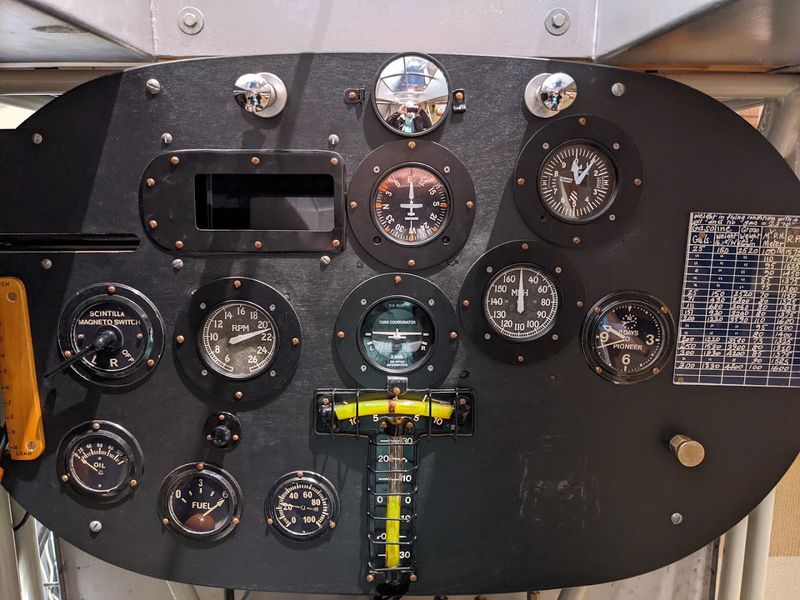
On May 20 and 21, 1927, Charles Lindbergh completed the first solo nonstop transatlantic flight, traveling from New York to Paris in his single-engine monoplane called the Spirit of St. Louis. The flight covered approximately 3,600 miles and took about 33 and a half hours.
The achievement made him an instant global celebrity and fundamentally changed how the world thought about aviation’s possibilities. What the museum helps visitors understand is how the discipline and resourcefulness he developed during his Minnesota childhood contributed directly to that moment.
Seeing the place where he grew up adds an entirely new layer of meaning to the famous flight. The connection between the quiet farmhouse on the Mississippi and the roaring crowds in Paris feels almost impossible, yet the museum makes that bridge feel completely believable and deeply personal.
What the Museum Exhibits Actually Cover
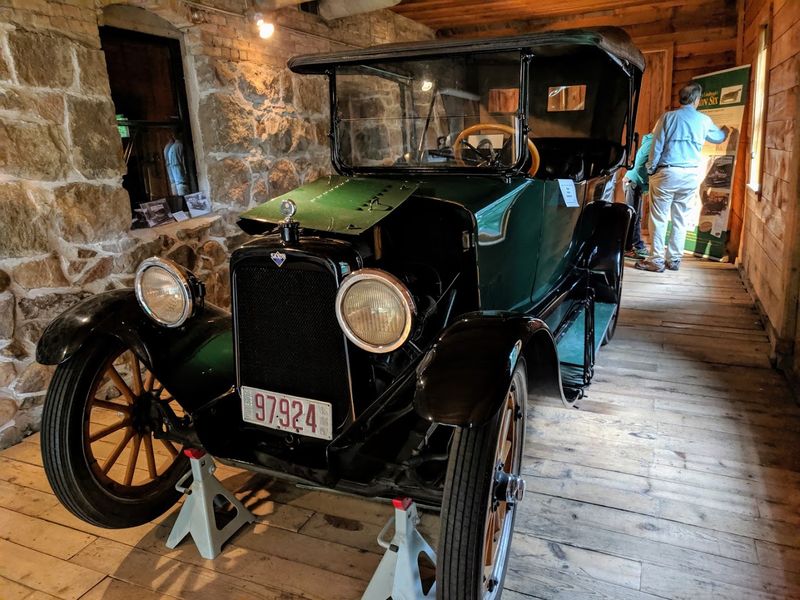
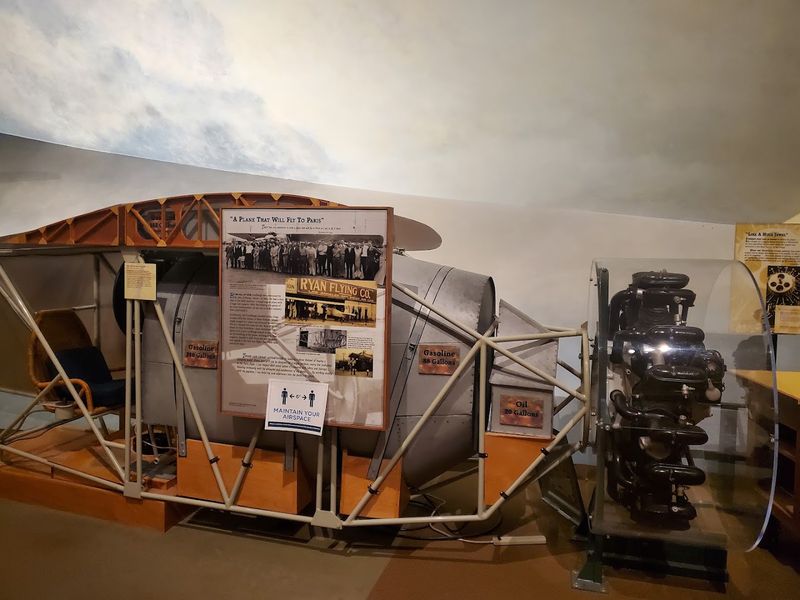
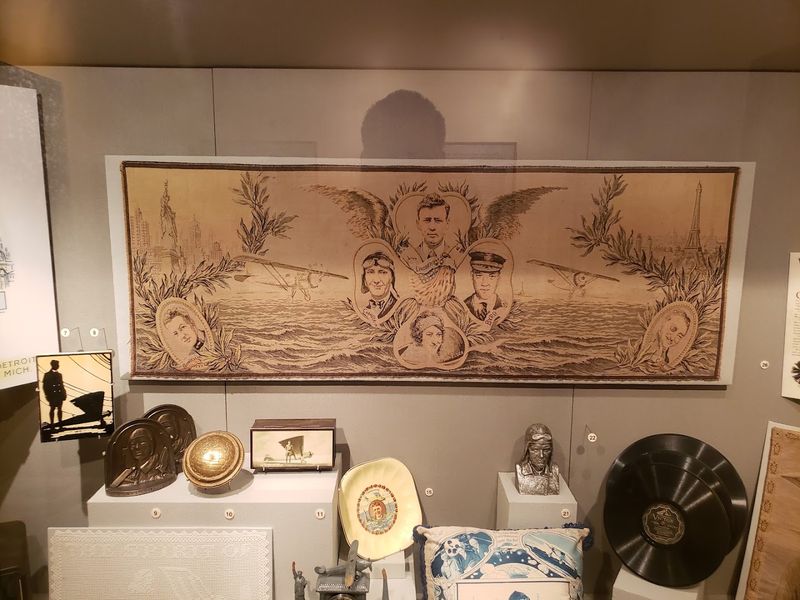
The museum building near the historic house contains exhibits that go well beyond aviation. Visitors encounter detailed displays about Lindbergh’s full life, including his childhood years, his father’s political career, his early flying experiences, and the cultural impact of the 1927 flight.
The exhibits also address more complex chapters of his biography, giving visitors a thoughtful and honest look at a multidimensional historical figure. Artifacts, photographs, and interpretive panels work together to build a narrative that feels complete rather than selective.
One thing that consistently surprises first-time visitors is how much the museum covers outside of the transatlantic flight itself. Many people arrive expecting a straightforward aviation exhibit and leave having learned far more about Lindbergh the man, his family, his beliefs, and his lasting influence on American history and culture.
The Guided House Tour Experience
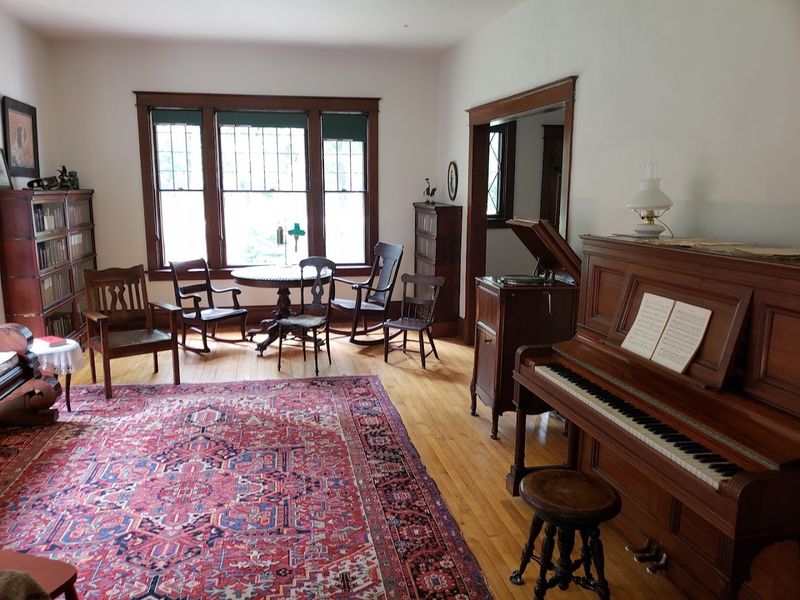
Taking the guided tour of the Lindbergh house is genuinely one of the more memorable things you can do at this site. Knowledgeable guides walk visitors through the preserved rooms, pointing out original family belongings, architectural details, and stories that never make it into textbooks.
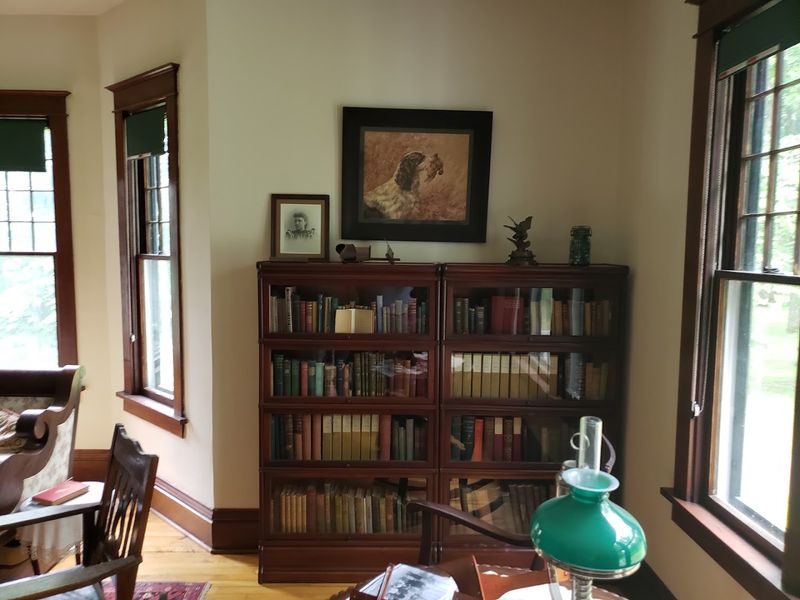
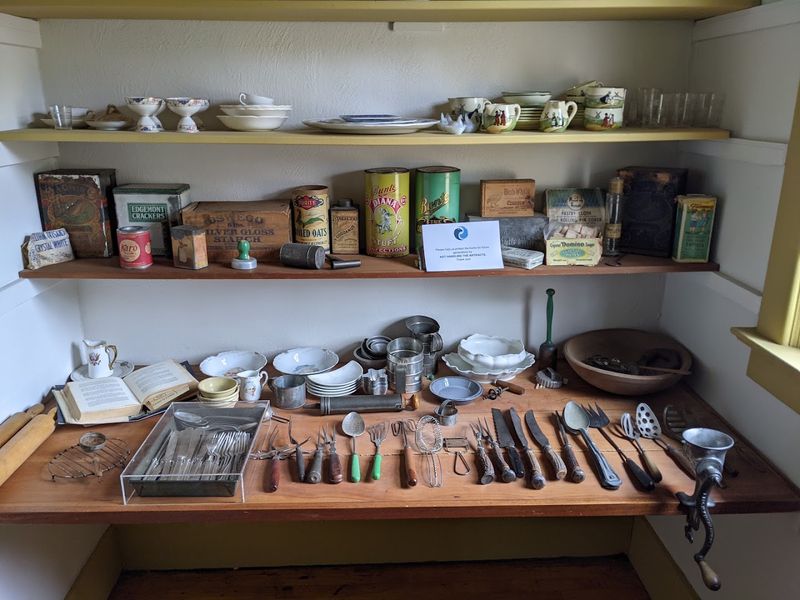
The house has been carefully maintained to reflect what it looked like during the years the Lindbergh family lived there. Original furniture, personal items, and the layout of the rooms all contribute to a sense that time has barely moved.
One visitor’s seven-year-old son reportedly lit up when he discovered how much he had in common with young Charles, which says a lot about how effectively the tour connects history to real human experience. Tours have historically run approximately 45 minutes and offer details that are simply not available through self-guided exploration alone.
The Mississippi River Setting and Surrounding Grounds

The property sits right along the Mississippi River, and the natural setting is genuinely beautiful. Tall trees, open grassy areas, and the sound of the river nearby create an atmosphere that feels far removed from the noise of everyday life.
Trails on the grounds are open daily from dawn until dusk, free of charge, even during periods when the museum and house are not offering staffed programming. Interpretive signage along the paths provides historical context for visitors exploring at their own pace.
Across the road from the main site, a park occupies land that once served as part of the Lindbergh family’s working farm. Walking that land gives you a tangible sense of the rural environment that surrounded young Charles during his formative years, making the whole visit feel grounded in something genuinely real.
Charles Lindbergh Sr. and the Political Legacy
Not everyone realizes that Charles Lindbergh’s father was a significant political figure in his own right. Charles Lindbergh Sr. served as a U.S.
Representative from Minnesota and was known for his outspoken views, particularly his opposition to American involvement in World War I.
The elder Lindbergh’s independent thinking and willingness to stand against popular opinion left a strong impression on his son. The museum addresses this family dynamic in a way that adds real depth to the story of how the famous aviator developed his character and worldview.
Understanding the father helps explain a great deal about the son. The political and intellectual atmosphere of the Lindbergh household was anything but ordinary, and visitors who pay attention to this part of the story come away with a much richer understanding of what shaped one of the twentieth century’s most complex American figures.
Kid-Friendly History Done Right
History museums sometimes struggle to hold children’s attention, but multiple visitors have noted that younger guests genuinely enjoy the experience here. The tour guides have a real talent for connecting historical details to things kids can relate to, making the past feel relevant rather than distant.
Young visitors have explored the house and encountered original toys that belonged to Charles as a child, sparking immediate curiosity about how different and similar daily life was over a century ago. School groups have visited regularly over the years, and the site has welcomed chaperones who ended up being just as captivated as the students.
For families traveling through central Minnesota, this is the kind of stop that generates genuine conversation in the car afterward. That is a harder thing to achieve than most people realize, and this site manages it consistently.
Artifacts and Personal Objects From the Lindbergh Family
One of the most quietly powerful aspects of visiting the Lindbergh house is encountering actual objects that belonged to the family. An antique piano that once sat in the family home has been preserved on-site, and at least one young visitor was invited to play a few notes during a guided tour, creating a spontaneous moment of connection across more than a century.
Seeing real belongings rather than replicas changes how you experience a historic site. There is a tangible difference between reading about someone’s childhood and standing next to the actual furniture they once used.
The preservation level at the house has impressed many visitors over the years. The attention to detail in maintaining the property reflects a genuine commitment to keeping this piece of Minnesota and American history as authentic and accessible as possible for future generations.
The Minnesota Historical Society Connection
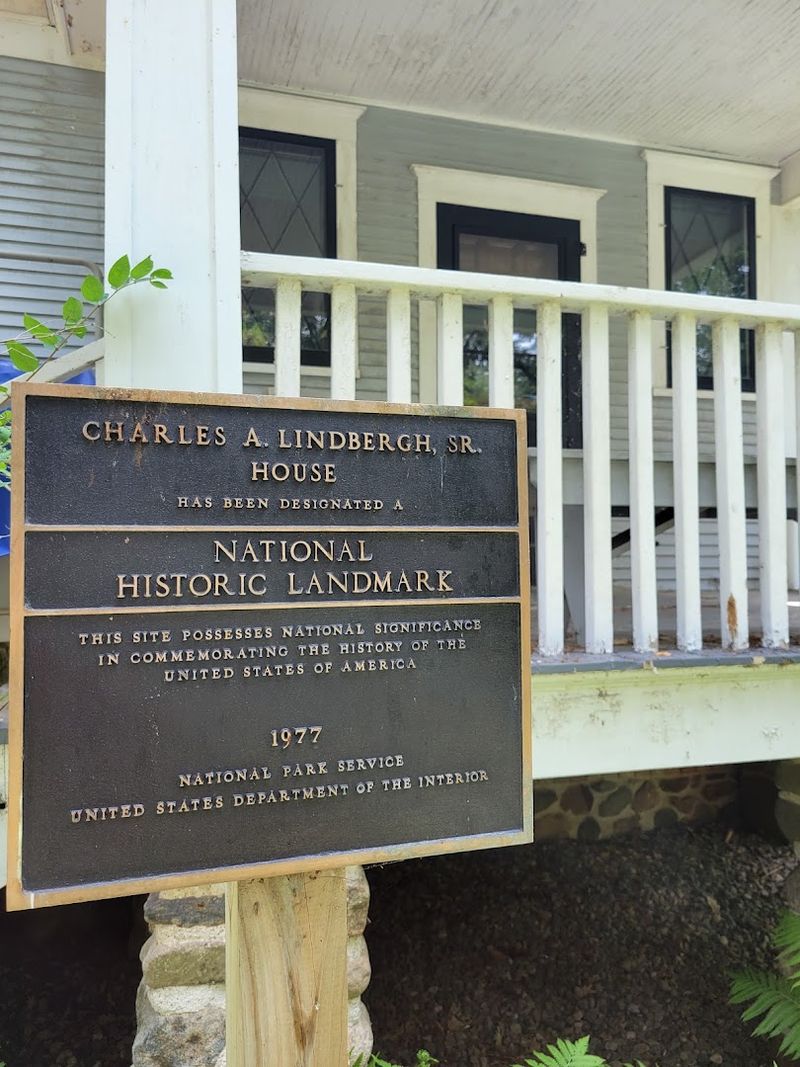
The Charles Lindbergh House and Museum is operated by the Minnesota Historical Society, an organization that manages historic sites across the state. A membership with the Minnesota Historical Society grants access to multiple destinations, making it a practical investment for anyone planning to explore more of Minnesota’s past.
The Society’s involvement means the site benefits from professional preservation standards and educational programming that goes beyond what a typical local museum might offer. Virtual programming has also been developed to extend the reach of the site’s educational content.
Recent changes have shifted the visitor experience toward outdoor and self-guided exploration while indoor programming and staffing are adjusted. The grounds remain open daily, and interpretive signage continues to offer historical context for visitors who arrive outside of scheduled programming windows.
What Visitors Often Overlook About the Property
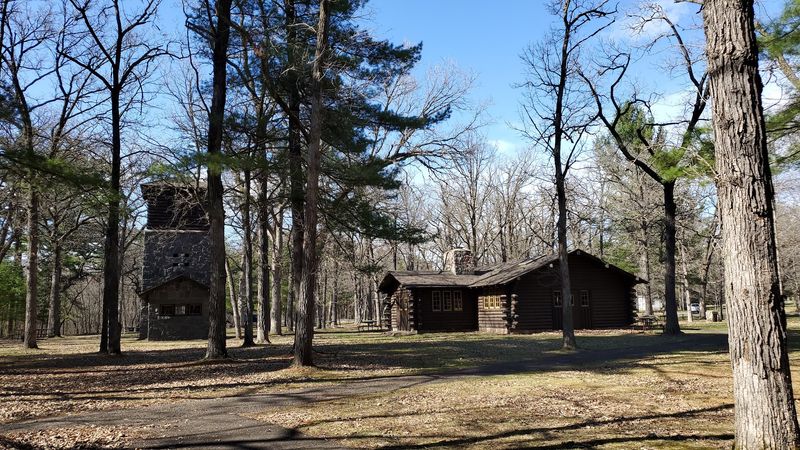
Most visitors focus on the house and museum, but the property itself rewards slower exploration. The land across the road from the main site was once working farmland belonging to the Lindbergh family, and walking it gives you a different perspective on the scale and character of their life in Little Falls.
The riverside trail system offers a peaceful way to absorb the setting at your own pace. The combination of natural scenery and historical context makes the grounds feel like more than just a backdrop for the buildings.
Visitors who take time to simply walk the property and read the interpretive signage often come away with details they would have missed on a faster tour. Some of the most interesting historical context on the site is found outdoors rather than inside the walls of the house or museum building.
Planning Your Visit and Current Site Status
Before making the drive to Little Falls, checking the current status of the site is genuinely important. Recent visitor feedback and official responses from the Minnesota Historical Society confirm that the house and museum have not been offering daily staffed programming, with the focus shifting to outdoor and self-guided experiences.
The grounds are open daily from dawn until dusk at no charge, and interpretive signage provides historical information throughout the property. Occasional programming and virtual events have continued to be offered, so checking the official website at mnhs.org/lindbergh before visiting is the most reliable way to get accurate, up-to-date information.
Arriving without checking ahead has frustrated some visitors who expected the full indoor experience. A quick look at the site online before your trip ensures you can plan accordingly and get the most out of what is currently available.
Why This Place Feels Different From Other Aviation Museums
Most aviation museums focus on aircraft, technology, and speed records. This site takes a completely different approach by anchoring the story of flight to a specific human life and a specific piece of land.
There are no massive hangars or rows of aircraft here. Instead, there is a modest farmhouse, a stretch of riverbank, and a collection of objects and stories that explain how a boy from rural Minnesota developed the qualities that made him capable of attempting something no one had ever done before.
That intimacy is what sets this place apart. Visitors who arrive expecting a traditional aviation exhibit sometimes need a moment to adjust, but those who lean into the personal and biographical nature of the experience consistently find it more affecting than they anticipated.
The human scale of the site is its greatest strength.
The Lasting Cultural Impact of Lindbergh’s Achievement
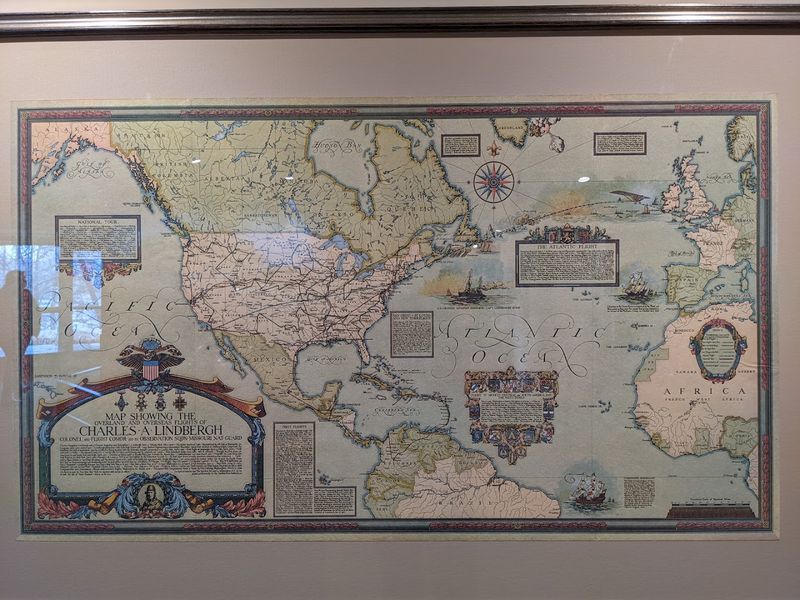
When Lindbergh landed in Paris on May 21, 1927, the reaction was unlike almost anything the modern world had seen. Crowds numbering in the tens of thousands met him at Le Bourget airfield, and his return to the United States was marked by enormous public celebrations.
The flight did not just prove that transatlantic aviation was possible. It fundamentally changed public confidence in air travel and helped accelerate the development of commercial aviation in the years that followed.
The museum places this cultural impact in clear context, helping visitors understand why the moment mattered beyond the personal achievement. Lindbergh became a symbol of American ingenuity and individual determination at a moment when the country was hungry for exactly that kind of story, and the museum captures that mood with genuine historical care.
A Central Minnesota Stop Worth Making Time For

Little Falls sits along the Mississippi River in central Minnesota, and the Lindbergh site fits naturally into a broader exploration of the region. The town itself has a quiet, unhurried character that complements the reflective mood of visiting a historic site like this one.
Travelers passing through on their way to other parts of Minnesota often find that this stop becomes one of the highlights of their trip, even when they had not planned to spend much time there. The combination of natural scenery, genuine history, and the personal story of someone who genuinely changed the world gives the visit a weight that is hard to find elsewhere.
Whether you are a history enthusiast, an aviation fan, or simply someone who appreciates a good story told well, the Lindbergh site in Little Falls offers something that stays with you long after you leave.
Share this story