There is a museum in southern Minnesota where visitors walk past a larger-than-life blue can, learn how a single product helped feed soldiers during World War II, and leave with a tote bag shaped like a tin of processed meat. The whole experience is completely free.
What started as a humble canned good in 1937 has grown into a full-blown cultural institution, and the town that makes it has built an entire museum to prove just how seriously they take that legacy. Whether you already love the stuff or have spent your whole life avoiding it, this place will genuinely surprise you.
The Story Behind the Museum’s Hometown
Austin, Minnesota is not the kind of town most people plan a road trip around. With a population of around 25,000, it sits quietly in Mower County near the Iowa border, surrounded by flat farmland and winding rivers.
But this small city carries a big name in food history. The Hormel Foods Corporation was founded here in 1891, and it never left.
That loyalty between a company and its hometown created something rare: a community that genuinely takes pride in a canned product.
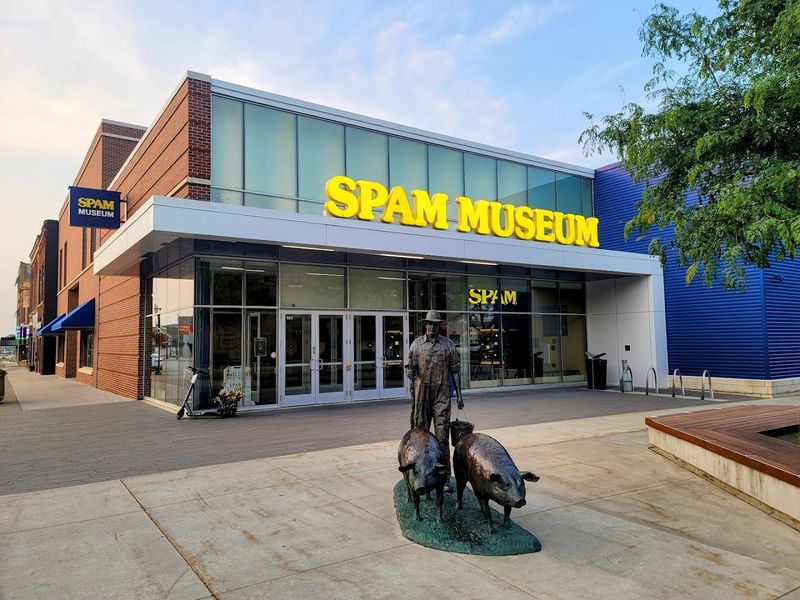
The SPAM® Museum, located at 101 3rd Ave NE, Austin, MN 55912, sits right in the heart of downtown. The building is easy to spot, colorful, and surprisingly large for a town this size.
Locals treat it like a landmark, and visitors who stumble upon it almost always say the same thing: they had no idea this place existed.
How SPAM Got Its Start in 1937
The year was 1937, and Jay Hormel was looking for a way to use a cut of pork that most processors were throwing away. The result was a shelf-stable, affordable canned meat that required no refrigeration and had a surprisingly long shelf life.
The name came from a naming contest, and the winning entry has been debated ever since. Most food historians believe it is a combination of “spiced” and “ham,” though the company has never officially confirmed the exact origin.
What nobody debated was the product’s usefulness. At a time when refrigeration was not common in every American home, SPAM offered something genuinely practical.
The museum walks visitors through this origin story with photographs, original packaging, and period-accurate displays that bring the late 1930s back to life in a way that feels more like storytelling than a history lesson.
World War II and the Can That Fed a Generation
Few products have a wartime story as significant as SPAM. During World War II, the U.S. military relied on canned goods that could survive long transport without spoiling.
SPAM fit that need perfectly, and it was shipped to Allied forces across multiple continents.
Soviet leader Nikita Khrushchev reportedly credited SPAM with helping keep Soviet troops fed during the war. That is a remarkable claim for a product born in a small Minnesota town.
The museum dedicates considerable space to this chapter, with artifacts, photographs, and timeline displays that connect a humble can of pork to one of the most significant periods in modern history.
For many visitors, this section is the most unexpectedly moving part of the museum. Seeing how something so ordinary played such a large role in wartime logistics adds a layer of respect for the product that most people simply do not walk in with.
The Global Reach of a Minnesota-Made Product
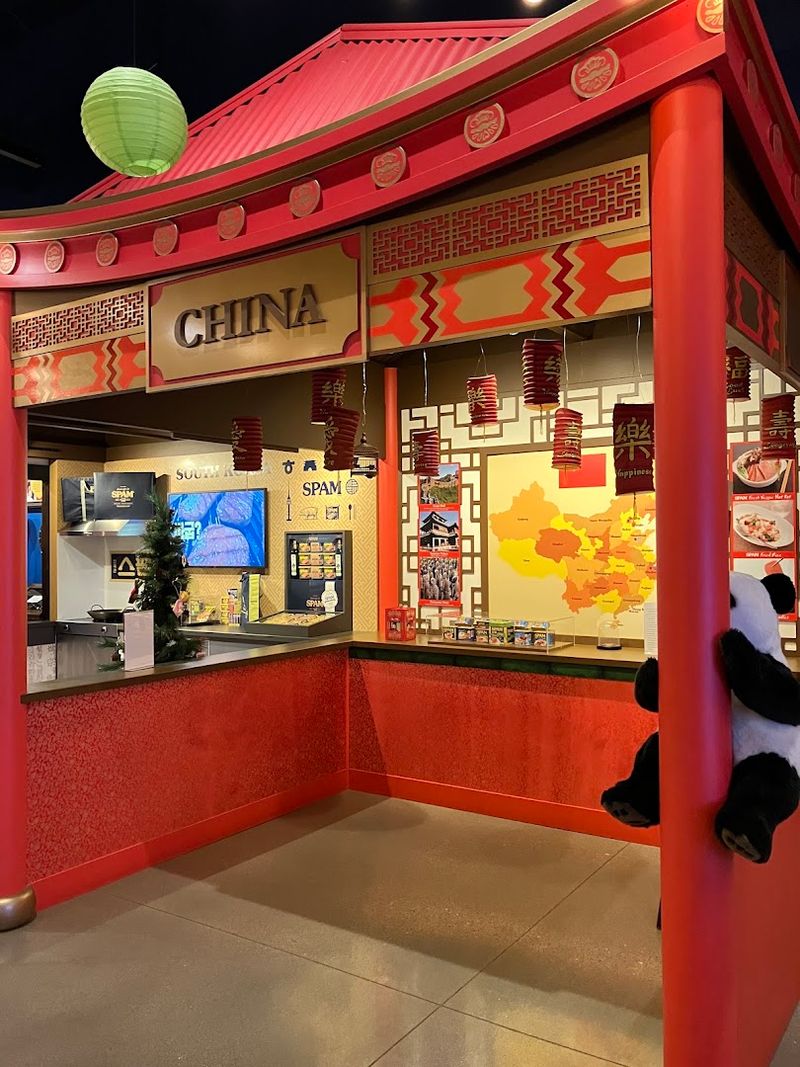
Most Americans think of SPAM as a pantry staple, something you keep around but rarely celebrate. In other parts of the world, that attitude is completely reversed.
South Korea is one of the largest consumers of SPAM globally, where gift sets of the canned meat are a popular holiday tradition.
The Philippines, Japan, Guam, and Hawaii all have deep cultural connections to SPAM, often incorporating it into beloved local dishes. In Hawaii, SPAM musubi, a rice and SPAM snack wrapped in seaweed, is practically a state food.
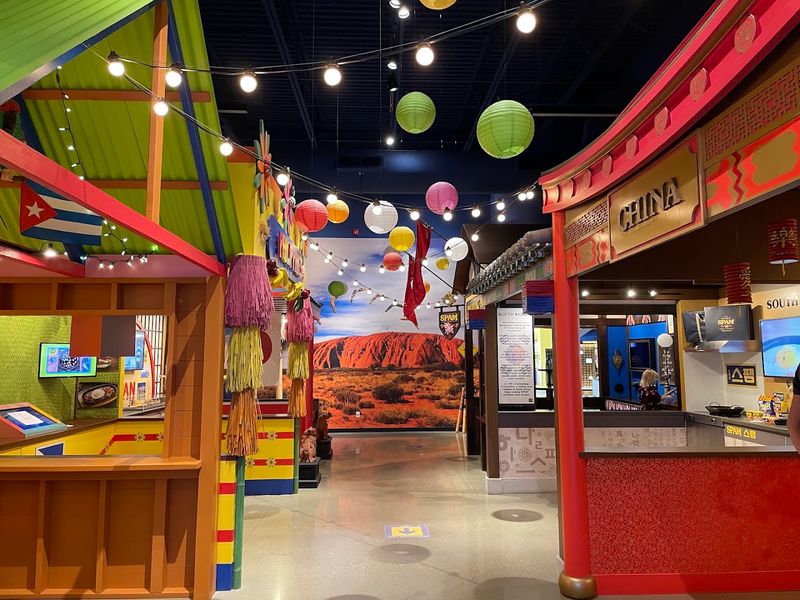
The museum’s international section showcases this global love affair with colorful displays of foreign packaging, regional flavors, and cultural context that most visitors find genuinely fascinating. One review noted that reading about other countries’ enthusiasm for SPAM was one of the most memorable parts of the visit.
The variety of packaging alone is worth a few extra minutes of browsing.
The Flavor Wall That Will Genuinely Surprise You
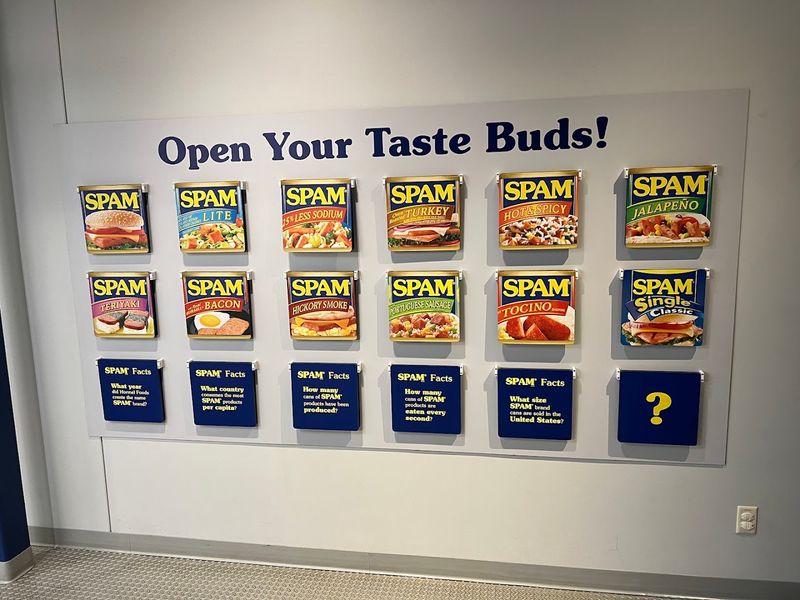
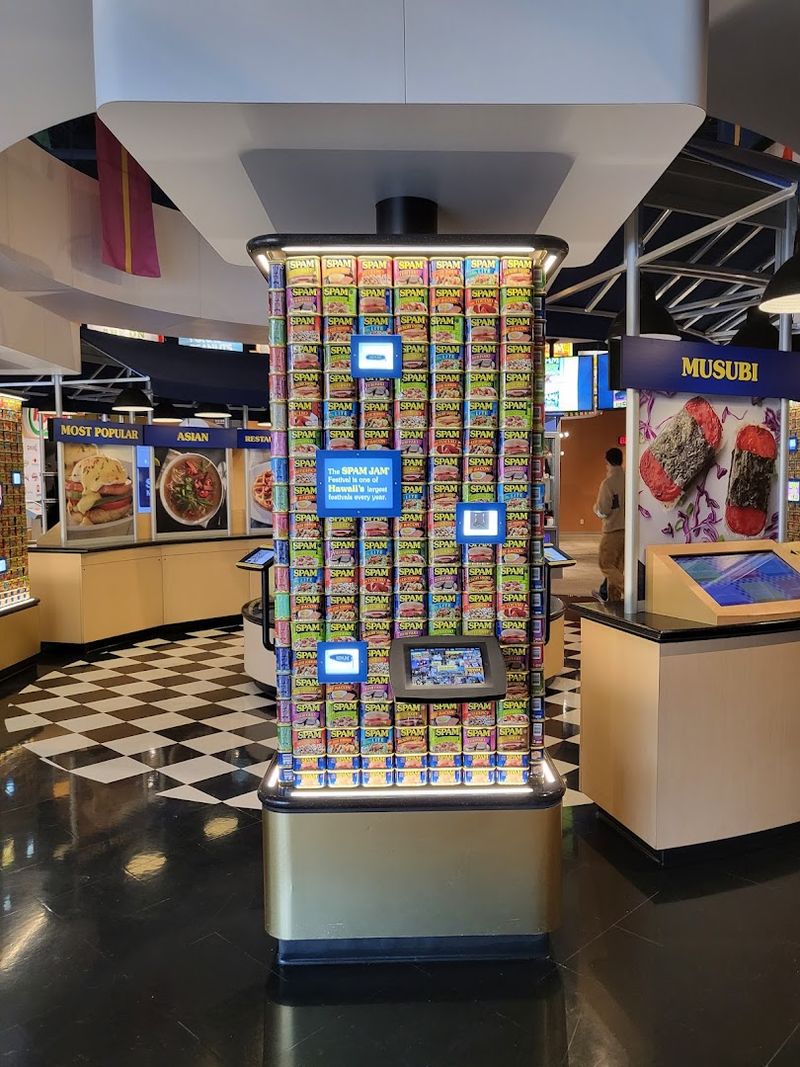
Most people know the classic blue can. Fewer people know that SPAM comes in a remarkable number of flavors, and the museum puts them all on display in a way that is hard to forget.
There is SPAM with bacon, SPAM with jalapenos, SPAM lite, SPAM with black pepper, and varieties that are specific to certain international markets. The display is organized and colorful, and it has a way of stopping visitors mid-step just to count how many versions actually exist.
The museum also stocks many of these varieties in its gift shop, which means you can walk out with a can of something you have never tried before. For visitors who grew up only knowing one version of SPAM, this part of the museum tends to spark genuine curiosity.
It reframes the product from a single pantry item into something with real range and regional personality.
The Canning Exhibit Kids Absolutely Love
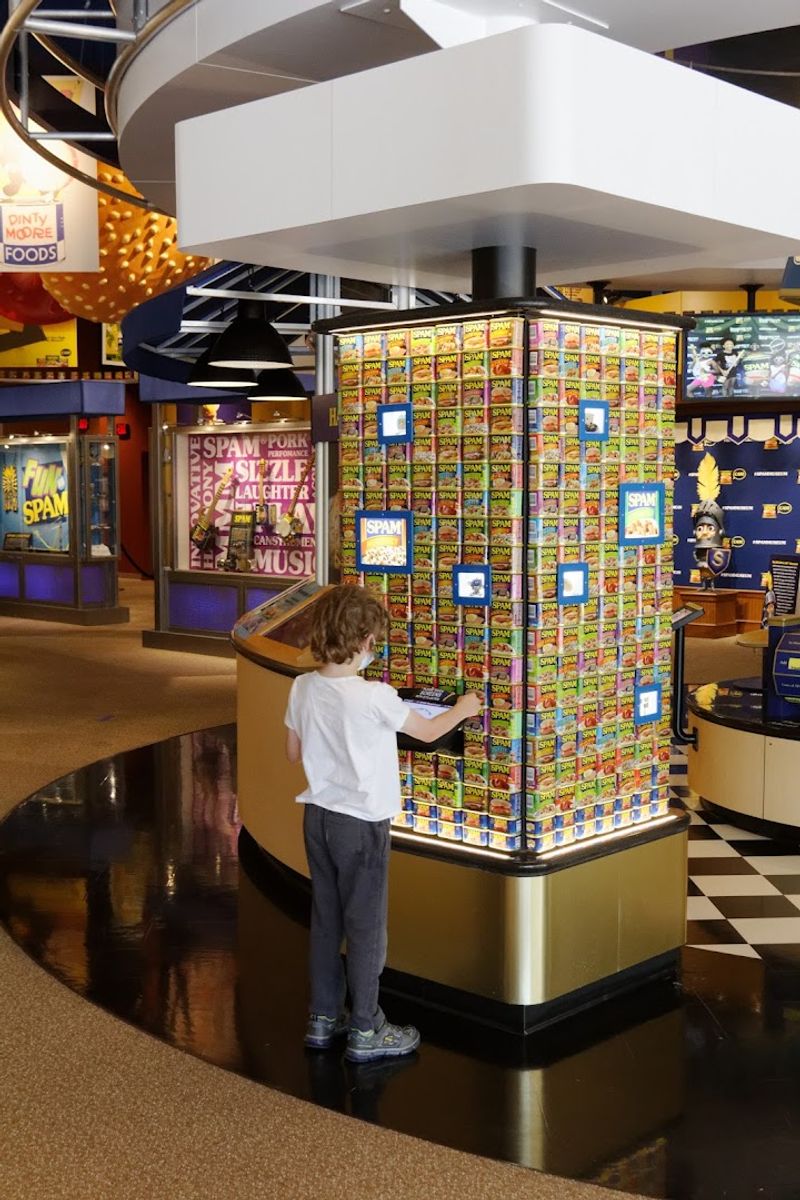
One of the most talked-about spots in the museum is the interactive canning exhibit, where younger visitors get to experience what it feels like to “can” SPAM. The activity is hands-on, playful, and genuinely well-designed for children.
Kids can pretend to assemble miniature cans, press buttons, and go through a simplified version of the production process. It is the kind of exhibit that keeps younger visitors engaged while giving parents a chance to read the surrounding displays without distraction.
Multiple families have mentioned this station as a highlight, with children asking to go back for a second round. There is also a dedicated children’s play kitchen area nearby, which adds another layer of kid-friendly appeal.
The museum clearly put thought into making the experience work for visitors of all ages, and this exhibit is one of the clearest examples of that effort paying off in a real, observable way.
Free Admission and What That Actually Means for Visitors
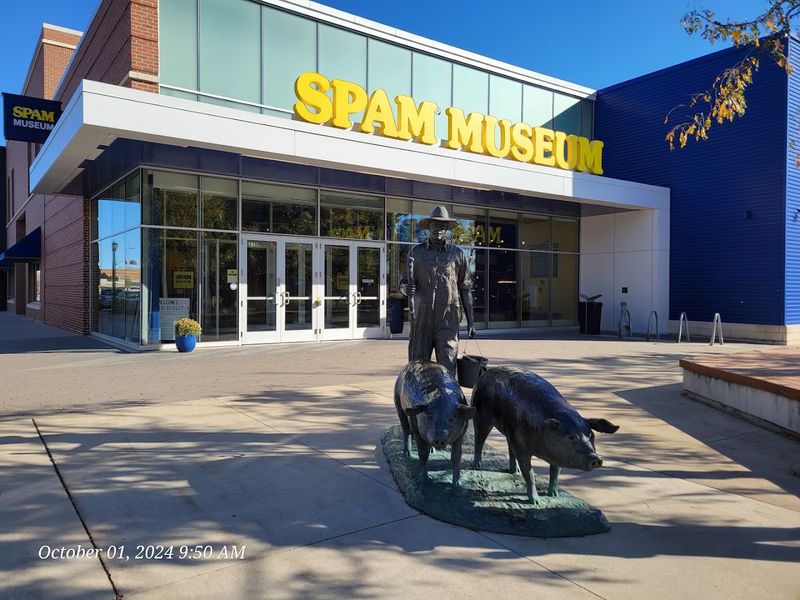
The museum charges absolutely nothing to walk through the front door. That fact alone makes it one of the more unusual attractions in Minnesota, especially given the quality and size of the exhibits inside.
Free admission changes the way visitors approach the experience. There is no pressure to rush through or feel like you need to justify the ticket price.
People linger, read every panel, try the interactive screens, and generally take their time in a way that paid attractions rarely encourage.
The museum is open most days of the week, with hours generally running from 9 AM to 5 PM Monday through Saturday and 10 AM to 4 PM on Sundays. Those hours give visitors plenty of flexibility for a road trip stop or a planned day out.
The only cost most people end up paying is in the gift shop, and that part is entirely voluntary, though reportedly very tempting.
Spamples: The In-Museum Sampling Experience
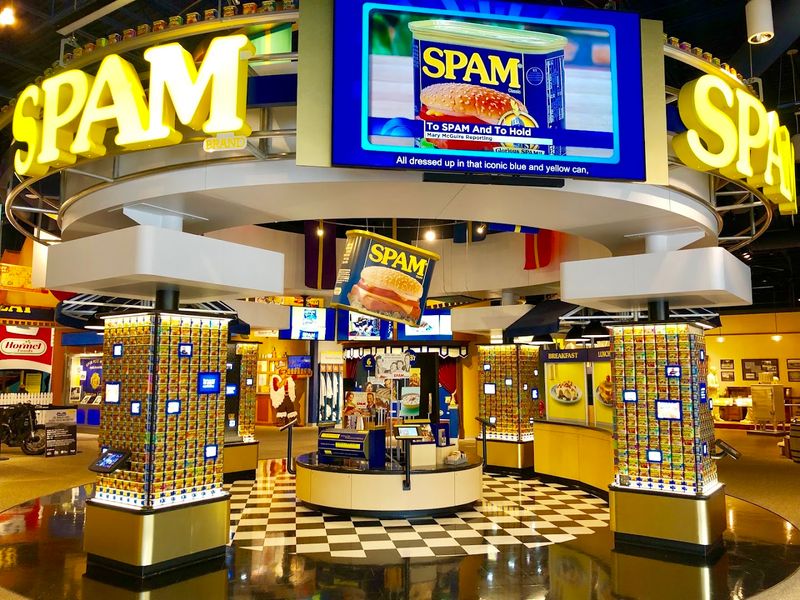
Walking through the exhibits, you might notice someone moving between the display cases with a tray of small samples. These are the Spamples, and they are one of the most talked-about parts of the entire museum visit.
Staff members carry trays of SPAM served on pretzel sticks, offering bite-sized tastes of different flavors as visitors explore. Smoked SPAM, maple SPAM, and other varieties have all been offered this way.
For people who have never tried SPAM before, or who have not tasted it in years, the samples are a low-pressure way to give it a fair shot.
The presentation is casual and friendly, and it adds a sensory layer to what could otherwise be a purely visual experience. More than one visitor has admitted to being converted, or at least pleasantly surprised, after trying a flavor they would never have picked off a grocery store shelf on their own.
The Reconstructed Grocery Store That Takes You Back in Time
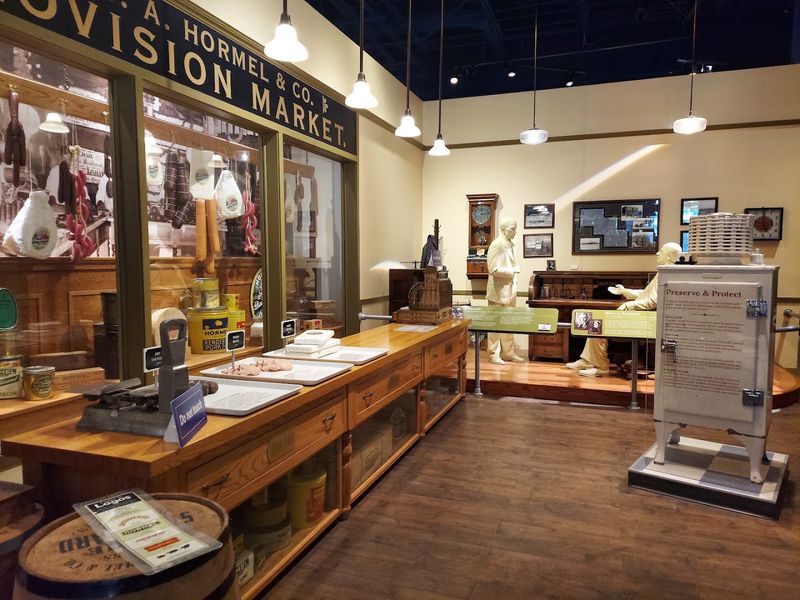
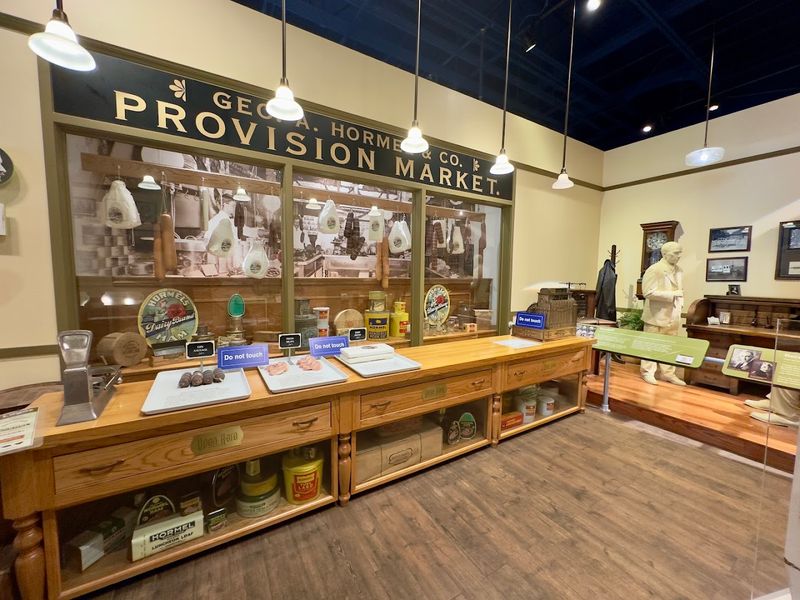
One of the most visually striking exhibits in the museum is a reconstruction of an old American grocery store. The shelves are stocked with period-accurate products, the signage reflects mid-20th century design, and the whole setup creates a strong sense of stepping back in time.
This kind of immersive display does something that a flat photograph or a text panel cannot. It gives visitors a physical sense of the era when SPAM first appeared on shelves and what grocery shopping actually looked like before modern supermarkets took over.
The attention to detail in this exhibit is notable. Product labels, shelf arrangements, and the overall color palette all reflect careful research into what American grocery stores looked like during SPAM’s early decades.
For visitors who enjoy social history as much as food history, this section of the museum delivers something genuinely worth slowing down for and taking in carefully.
The Gift Shop That Rivals the Museum Itself
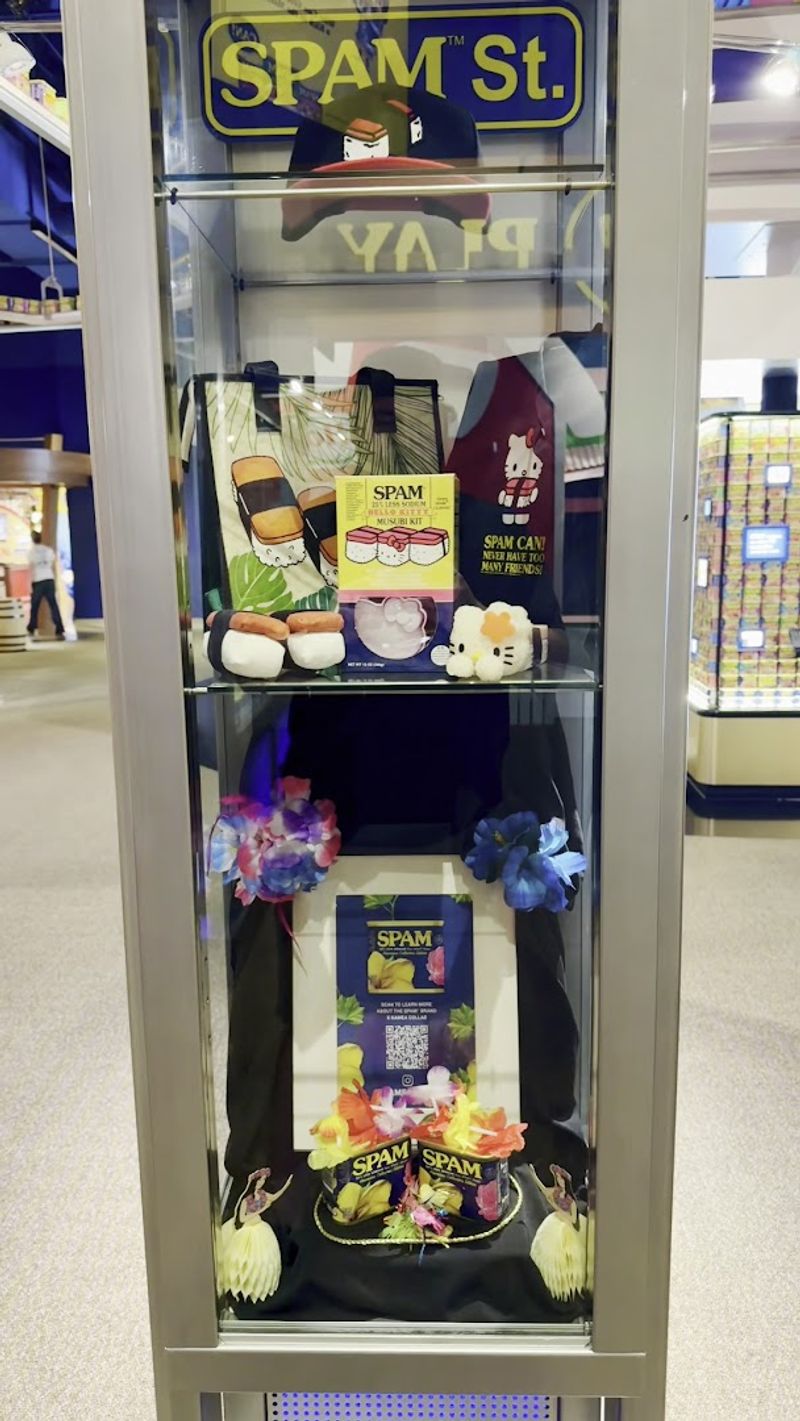
The gift shop at the SPAM Museum has developed a reputation of its own. Visitors who initially plan to browse for five minutes routinely spend far longer than expected, and many walk out with more than they intended to buy.
The selection covers a wide range of SPAM-branded merchandise: t-shirts, hats, tote bags, mugs, plush toys, keychains, and novelty items that lean hard into the product’s quirky cultural status. There is also a smashed penny machine, which is a detail that collectors specifically appreciate.
Perhaps most usefully, the gift shop stocks actual cans of SPAM in flavors that are difficult to find in standard grocery stores. That makes it a practical stop for anyone curious about a specific variety they spotted in the flavor wall exhibit.
The shop is also an excellent source of genuinely funny gifts, the kind that land well at white elephant exchanges and surprise even the most skeptical recipients.
SPAMbassadors and the Guided Tour Option
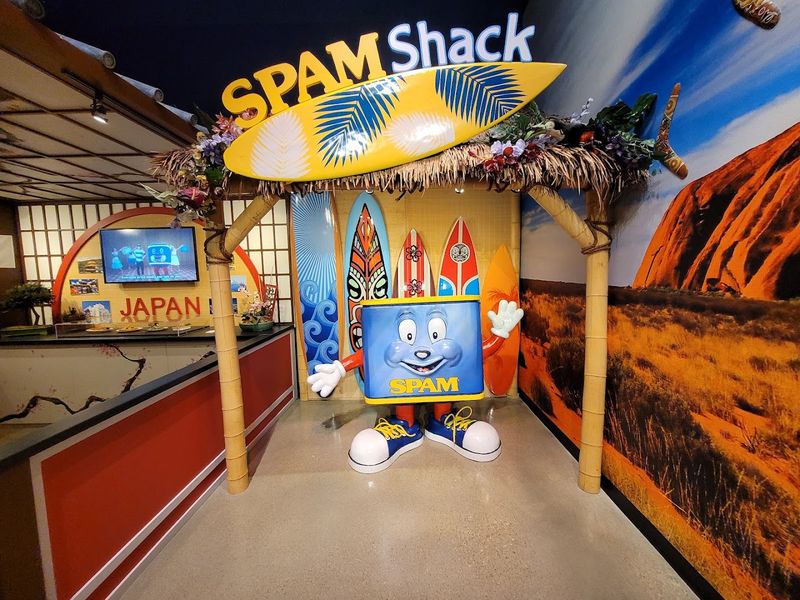
The museum’s volunteer and staff guides go by a name that fits the brand perfectly: SPAMbassadors. These are knowledgeable, enthusiastic people who genuinely enjoy sharing the history and quirks of the product with visitors of all backgrounds.
Guided tours are available for those who want a more structured experience. One visitor who arranged a tour for a birthday celebration described it as a highlight of the trip, noting that the SPAMbassador leading the group was full of interesting facts and happy to answer even the most unexpected questions.
The tours add real depth to a visit. While the exhibits are engaging on their own, having someone walk you through the context, point out details you might have missed, and share behind-the-scenes information makes the experience feel more personal and memorable.
Reaching out to the museum ahead of your visit to arrange a tour is worth the small effort it takes.
Interactive Screens, Quizzes, and Trivia Throughout the Exhibits
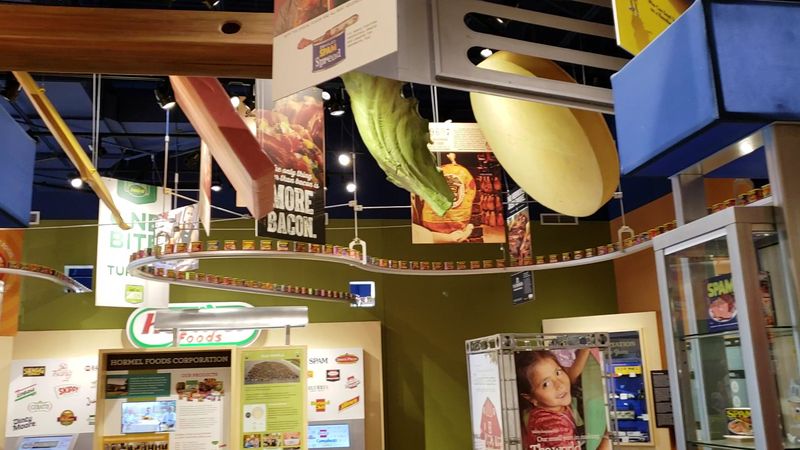
Spread throughout the museum are interactive touchscreen stations that invite visitors to test their SPAM knowledge, take personality quizzes, and explore trivia about the product’s history and global presence. The screens are positioned at a lower height, making them accessible for children and wheelchair users alike.
The quizzes are genuinely entertaining, the kind that spark friendly competition between travel companions or get kids fully absorbed for longer than most museum activities manage. One popular feature asks visitors to find out which SPAM flavor best matches their personality, a lighthearted touch that keeps the mood fun without sacrificing the educational content nearby.
These digital stations do more than entertain. They reinforce what visitors are seeing in the physical exhibits, creating a layered experience that works for different learning styles.
The combination of hands-on, visual, and digital elements is one of the reasons the museum feels more substantial than its footprint might suggest at first glance.
The Hormel Company Legacy Behind the Brand
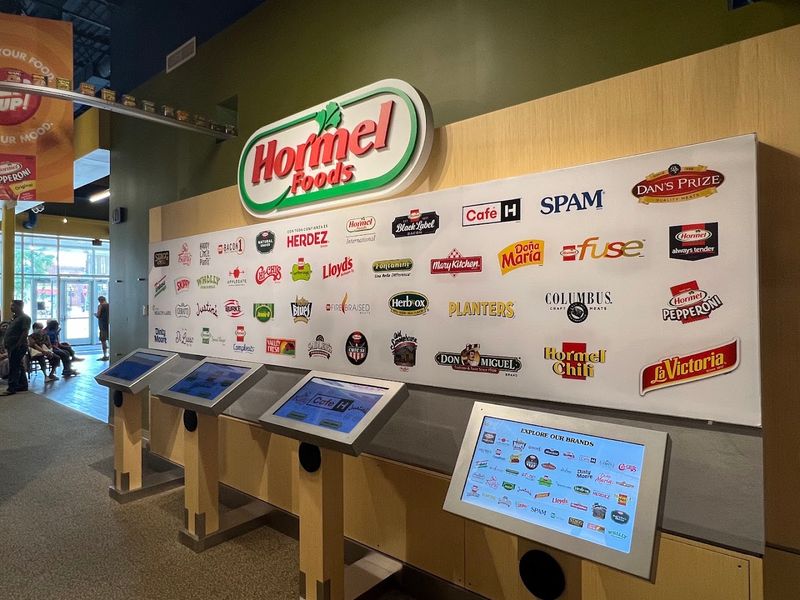
SPAM is the product most people associate with Hormel, but the company’s history stretches back much further and covers far more ground. George A.
Hormel founded the company in Austin in 1891, and it grew steadily through the early 20th century before SPAM changed everything in 1937.
The museum touches on the broader Hormel story, including the company’s role in Austin’s economic development and its continued presence in the community more than a century after its founding. Several visitors have noted that learning about the Hormel family’s history added unexpected depth to what they assumed would be a lighthearted novelty stop.
The foundation that Hormel established has also contributed significantly to charitable causes in Minnesota and beyond, a detail that rounds out the company’s story in a meaningful way. Understanding the brand behind the can makes the SPAM Museum feel less like a marketing exercise and more like a genuine community history.
Practical Tips for Planning Your Visit
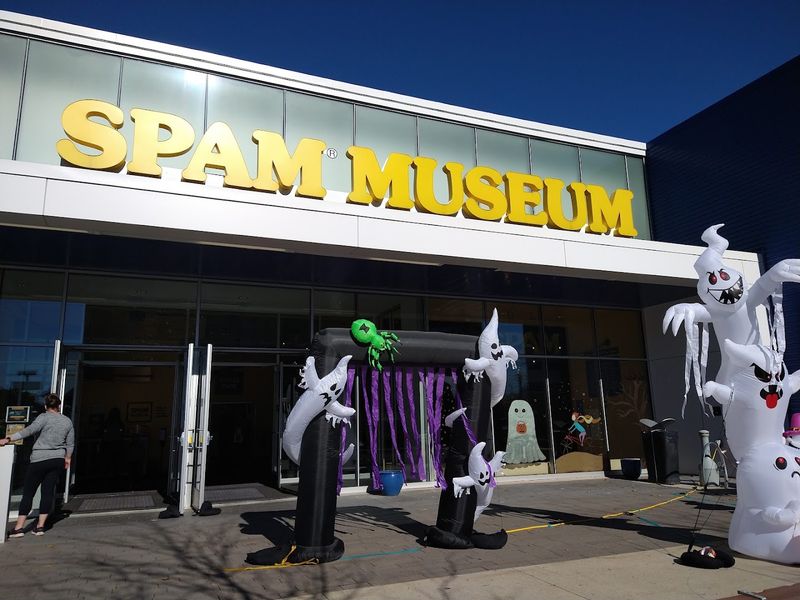
The museum is located in downtown Austin, and parking is generally easy to find nearby. The lot directly behind the building is small, but there is additional street and surface parking in the surrounding area without meters or fees.
A typical visit runs between 30 minutes and an hour, though visitors who take their time with the interactive stations, join a tour, or spend a while in the gift shop can stretch that comfortably to 90 minutes. The entire museum is on one level, which makes it fully accessible for strollers and wheelchairs.
Bus parking is available to the east of the building, which makes the museum a reasonable stop for group tours or organized road trips. The free admission policy removes any financial hesitation about adding it to an itinerary.
Arriving with a little extra time built in is the best approach, because most visitors end up staying longer than they originally planned.
Why This Museum Works as a Road Trip Stop
Austin sits along Interstate 90 in southern Minnesota, making it a natural stop for anyone driving between the Twin Cities and destinations further east or west. The museum adds a specific reason to pull off the highway rather than just passing through.
Road trips thrive on unexpected stops, and the SPAM Museum delivers exactly that kind of experience. It is free, accessible, genuinely educational, and unusual enough to become one of those stories people tell when they get home.
The combination of history, interactivity, samples, and a well-stocked gift shop covers multiple types of travelers in one location.
For families, the children’s play area and hands-on exhibits keep younger visitors engaged. For history enthusiasts, the World War II and origin story sections offer real substance.
For people who simply want a quirky cultural experience, the whole building qualifies. Few road trip stops manage to satisfy that many different kinds of curiosity under one roof without charging a single dollar for entry.
Share this story