There is a place in northern Minnesota where you can actually climb up into the cab of a massive mining shovel and look out over the landscape the way an operator once did. The machines here are not behind ropes or glass cases.
They are right there, close enough to touch, big enough to make you feel very small. This is the kind of museum that makes you forget you were ever tired from the drive, because the moment you step onto the grounds, you want to see everything.
Where the Giant Machines Live Outside
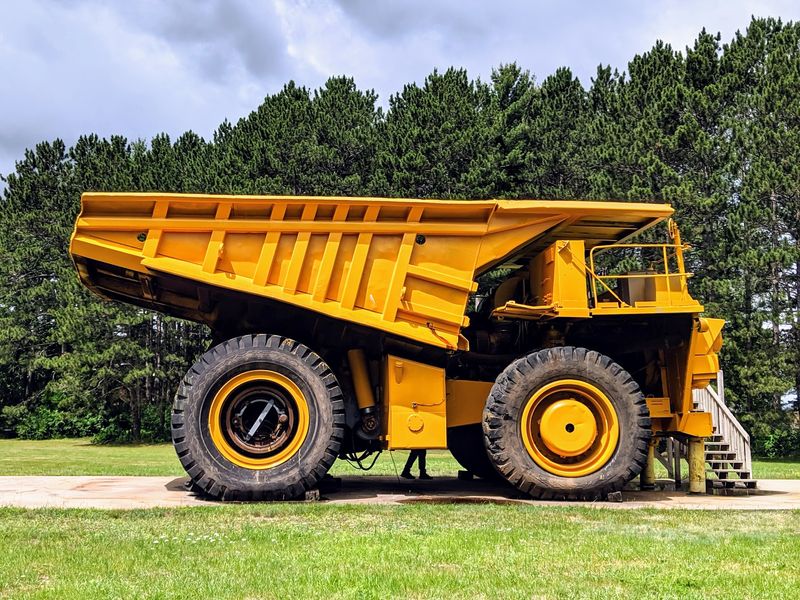
The outdoor grounds at the Minnesota Museum of Mining, located at 701 W Lake St in Chisholm, Minnesota, are where most visitors stop dead in their tracks. The sheer size of the equipment parked across the property is genuinely hard to process until you are standing next to it.
Enormous dump trucks, draglines, and shovels that once worked the iron ore pits of Minnesota’s Iron Range sit here in rows, waiting to be explored. These are not replicas or scaled-down models.
They are the real machines, hauled in from active mining sites across the region.
What makes this outdoor collection remarkable is that visitors are encouraged to climb up, sit inside cabs, and get a real sense of what operating this equipment felt like. Most people spend a good chunk of their visit just out here, moving from one machine to the next.
The Steam Shovel That Helped Dig the Panama Canal
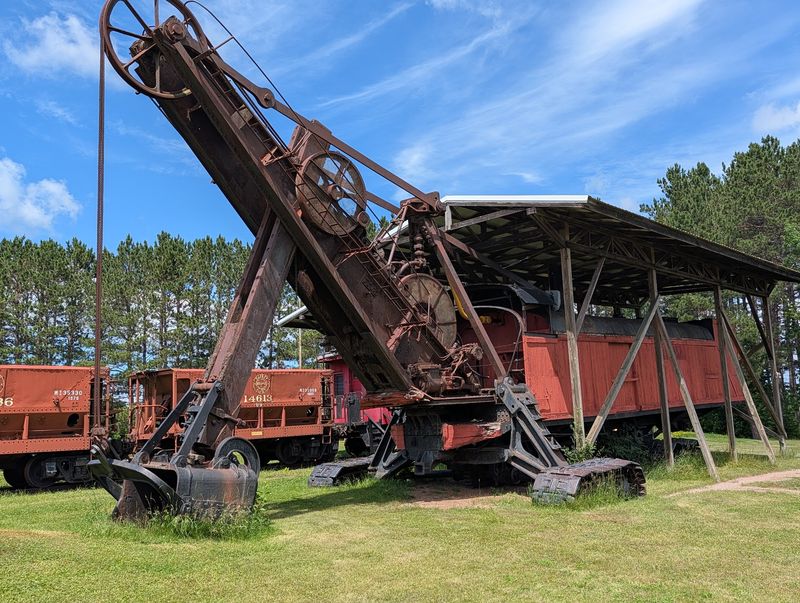
One of the most jaw-dropping pieces of equipment on the grounds is a historic steam shovel prototype similar to those used during the construction of the Panama Canal. That single fact alone is enough to make a person stop and stare for a while.
Seeing a machine with that kind of history sitting right in front of you, accessible and real, carries a weight that no photograph fully captures. The sheer mechanical complexity of these early shovels, all gears and cables and riveted steel, tells the story of an era when brute engineering solved impossible problems.
Visitors who take a moment to study the machine up close often find themselves reading every nearby information panel. The connection between Minnesota’s Iron Range and some of the most ambitious construction projects in world history is not something most people expect to find on a museum lawn in Chisholm.
Climbing Into the Cab of a Mining Truck
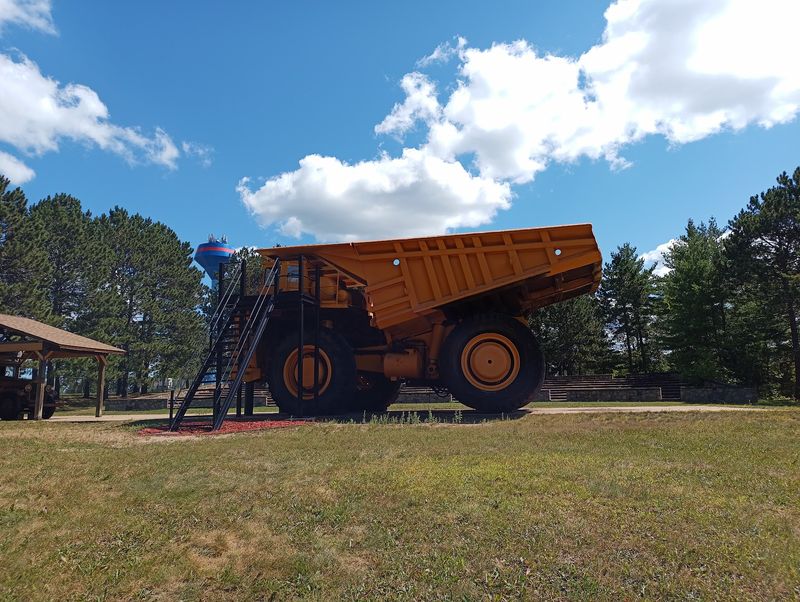
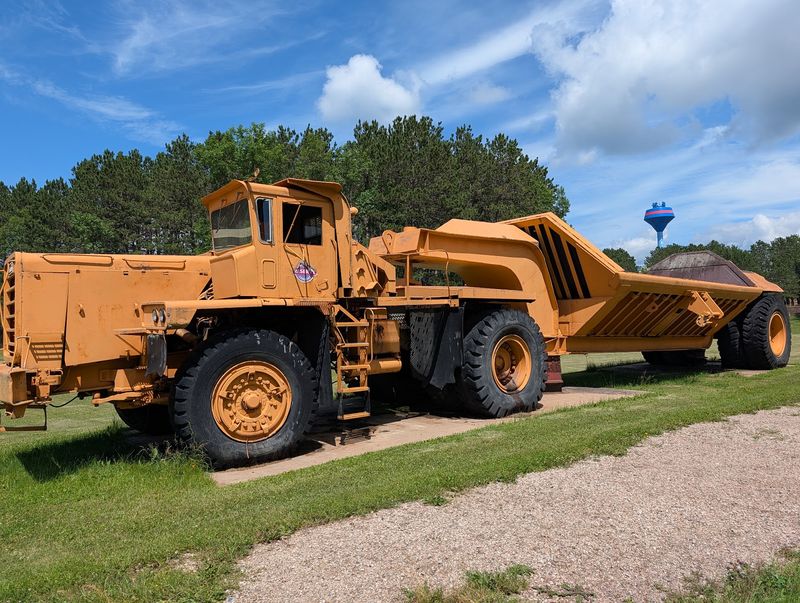
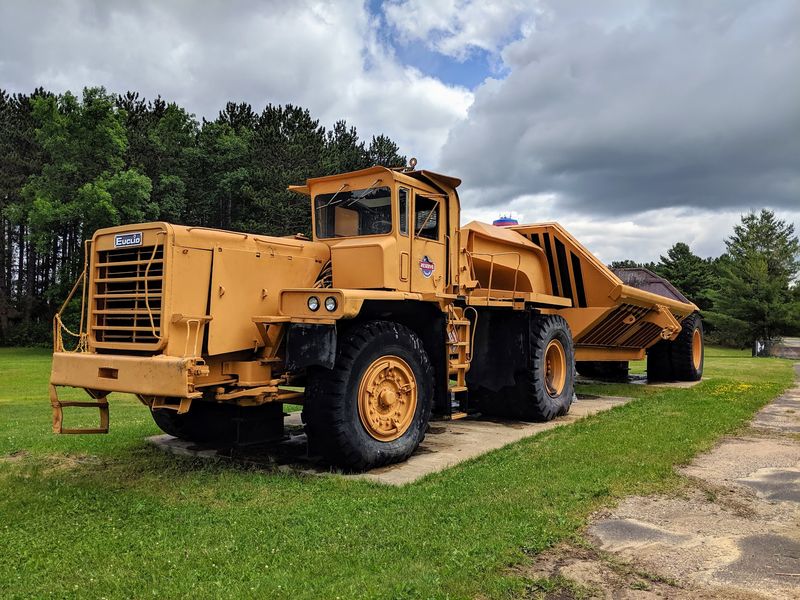
Getting up into the cab of one of the museum’s giant mining trucks is the moment most visitors talk about long after they leave. The ladders are steep, the cab sits high above the ground, and once you are up there, the view gives you an immediate appreciation for what these operators dealt with every shift.
Kids absolutely love this part. There is something about being physically inside a machine that books and videos simply cannot replicate.
Adults tend to linger up there just as long, leaning out to look down at the tires, which are taller than most people.
The museum’s owner response to one visitor review said it perfectly: seeing a live person in the cab helps indicate the scale of the equipment. That scale is something you truly have to experience in person.
No photo does it justice, though visitors try anyway.
The Underground Mine Experience
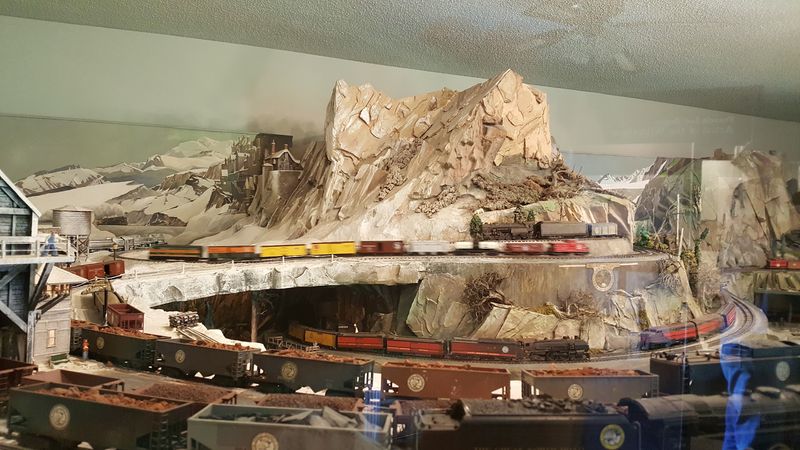
Not everything at this museum involves massive machines under an open sky. One of the most memorable indoor features is a simulated underground mine that gives visitors a feel for what working below the surface actually looked like.
The exhibit walks you through the environment miners encountered daily, from the tight passages to the tools and lighting they relied on. It is educational in the best possible way, meaning it feels more like exploration than a classroom lesson.
You come away with a genuine respect for the people who worked these mines.
Underground mining was a completely different world compared to the open-pit operations that eventually dominated the Iron Range. This exhibit helps visitors understand why the shift to open-pit methods changed everything for the region.
Spending time in this section before heading back outside to the big equipment gives the whole visit a satisfying sense of context and history.
The Historic Steam Locomotive and Caboose
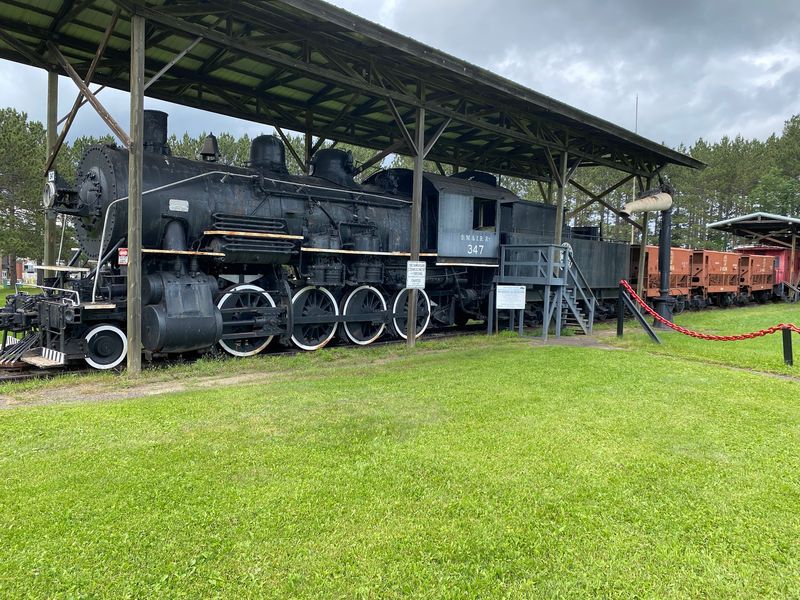
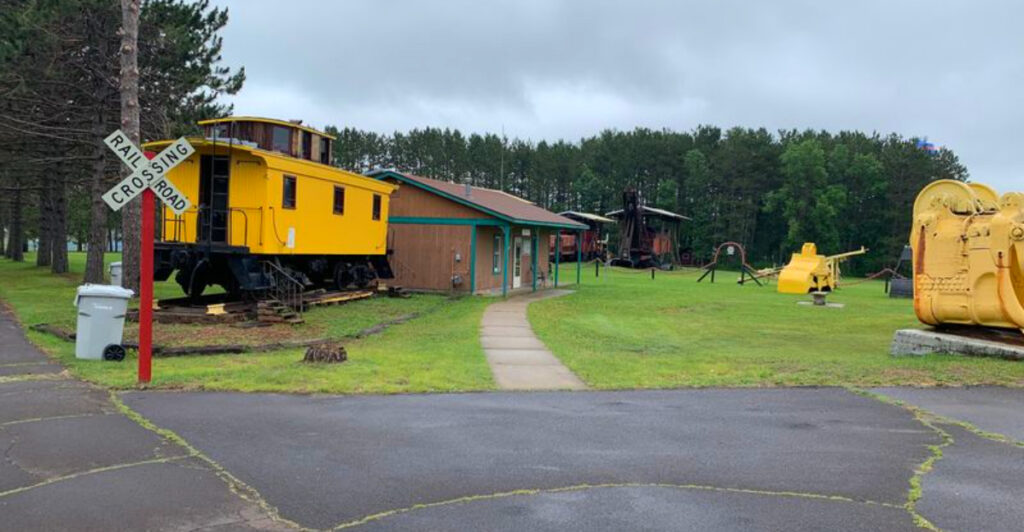
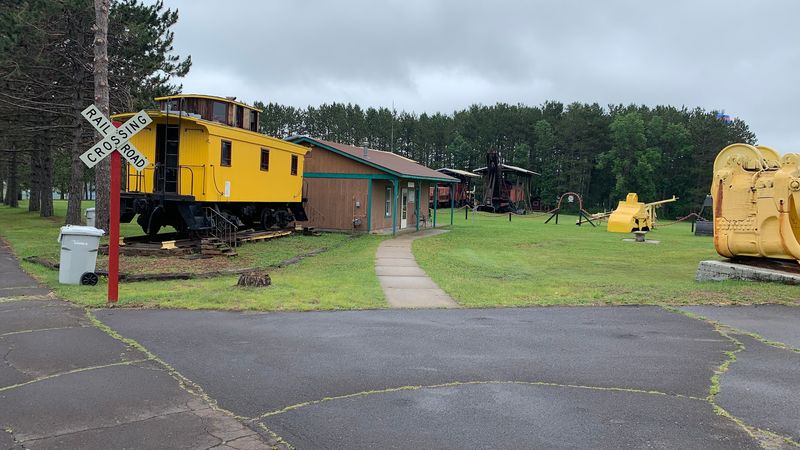
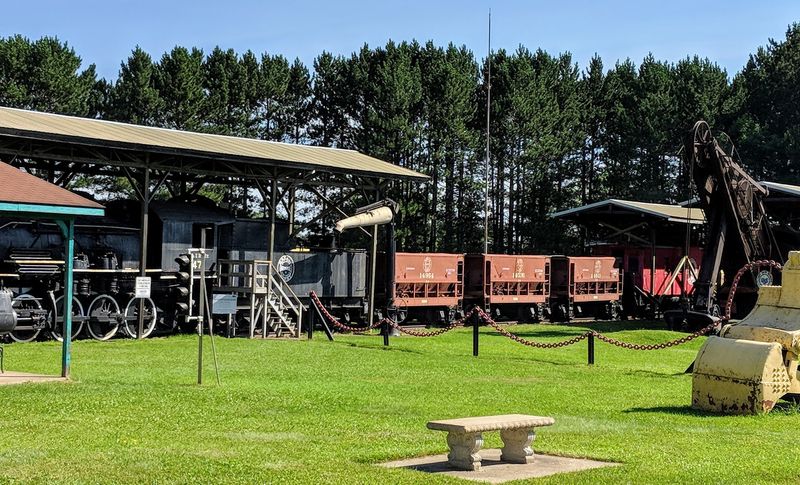
Trains played a massive role in the Iron Range’s mining story, and the museum makes sure that connection is front and center. A historic steam locomotive and a classic caboose sit on the grounds, and visitors are free to climb aboard both.
Walking through the caboose is a surprisingly personal experience. The interior details, the bunks, the small stove, the windows looking out at the surrounding landscape, paint a clear picture of the workers who spent long hours riding the rails between mines and processing facilities.
Getting inside the locomotive cab is a different kind of thrill. The controls, the gauges, and the general enormity of the engine give you a sense of the power these machines generated.
Trains were the lifeline of the Iron Range for decades, and standing inside one of these preserved engines makes that history feel immediate rather than distant. Railroad fans will want extra time here.
Indoor Exhibits Covering Mining Life and History
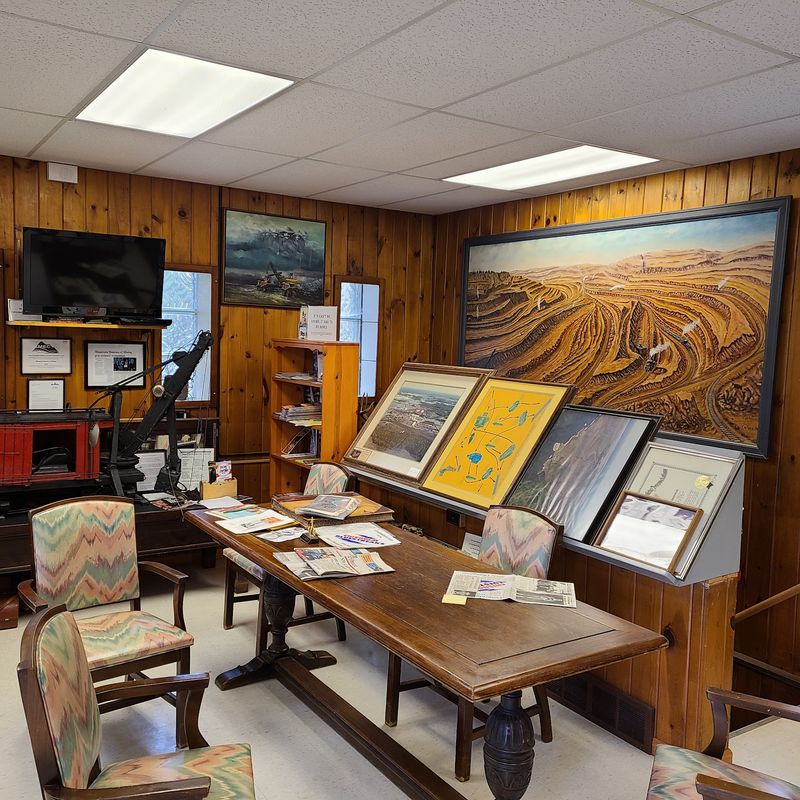
The indoor buildings hold a rich collection of artifacts that fill in the human side of the mining story. Antique telephones, typewriters, hand tools, and everyday objects from mining-era households line the display cases, creating a portrait of what life looked like for the families who built their lives around the industry.
These exhibits work well because they balance the industrial with the personal. You see the massive equipment outside, then come indoors and find the smaller objects that remind you real people operated all of it, lived near it, and built communities around it.
That combination gives the visit real emotional depth.
Informative panels and photographs throughout the buildings help connect the artifacts to specific moments in Iron Range history. Volunteers at the museum are knowledgeable and happy to share additional context.
One visitor noted that a volunteer named Carol filled them in on mining history in a way that became a vacation highlight.
What the Iron Range Meant to Minnesota
Minnesota’s Iron Range is one of the most significant mining regions in American history. The iron ore pulled from this part of the state fed steel mills across the country and played a direct role in building everything from railroads to warships.
The museum puts that contribution into clear perspective.
Chisholm sits at the heart of this region, and the museum does a solid job of explaining why the Iron Range mattered not just locally but nationally. Visitors who arrive without much background knowledge leave with a genuine understanding of how deeply this industry shaped the country.
The exhibits trace the industry from its earliest days through the evolution of technology and labor practices. Seeing that progression laid out chronologically helps visitors understand why the machines outside grew so dramatically in size over the decades.
The Iron Range story is bigger than most people realize, and this museum tells it honestly.
A Hands-On Museum That Welcomes All Ages
The phrase “hands-on museum” gets used a lot, but this place genuinely earns it. Visitors are not just looking at things through glass.
They are touching, climbing, sitting, and exploring in a way that most museums simply do not allow.
Families with kids of various ages tend to do well here. Younger children are thrilled by the sheer size of the trucks and machinery.
Older kids and teenagers find the underground mine and locomotive exhibits more engaging. Adults, meanwhile, often end up being the ones who need to be pulled away from the steam shovel.
Multiple visitors have noted spending between one and four hours on the grounds, which says something about how much there is to see. The museum is laid out in a way that lets you move at your own pace, doubling back to things that caught your eye without feeling rushed or lost.
The Scale of the Equipment Up Close
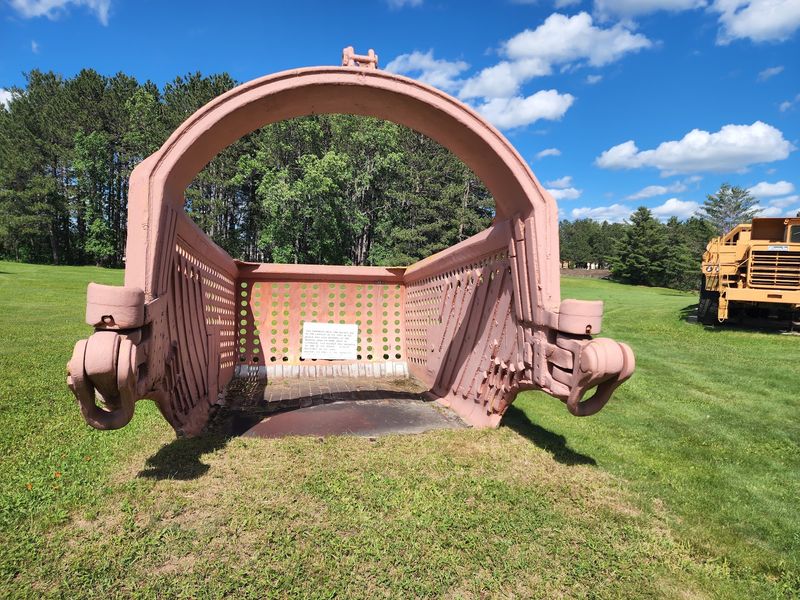
Reading that a mining shovel is large is one thing. Standing next to the bucket and realizing it could fit a small car inside it is another thing entirely.
The equipment at this museum has a way of recalibrating your sense of scale in a matter of seconds.
The tires on the dump trucks are a favorite reference point for visitors trying to communicate the size in photos. Even full-grown adults look small standing next to them.
That visual contrast is part of what makes the museum so memorable, because your brain keeps trying to make sense of proportions that feel almost cartoonishly large.
What is easy to forget is that these machines were not novelties. They were working tools, operated by skilled people every single day under demanding conditions.
The scale stops being just impressive once you start thinking about the human beings who ran this equipment through Minnesota winters.
An Introductory Video That Sets the Stage
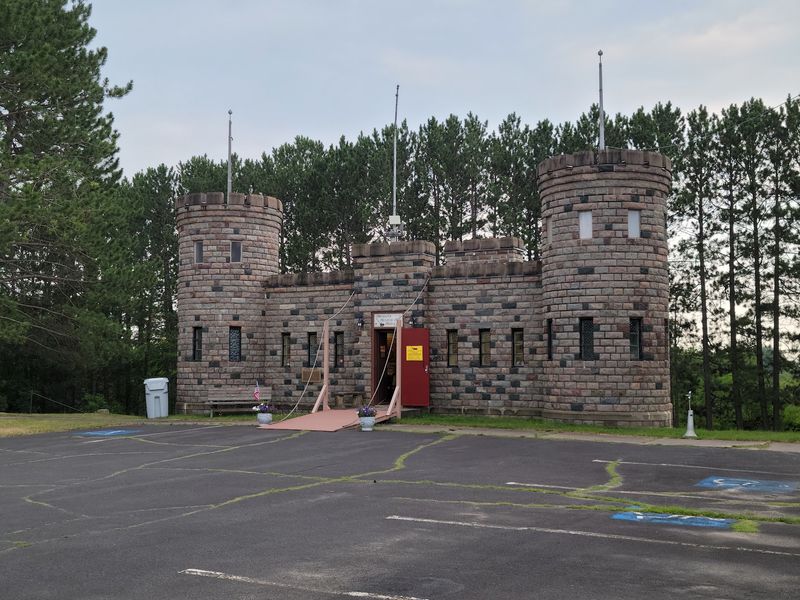
Before heading out to explore the grounds, visitors have the option of watching an introductory video that covers the basics of Iron Range mining history. It is a smart way to start the visit, especially for those who arrive without much background knowledge about the industry.
The video gives context that makes everything else on the grounds more meaningful. When you understand why the machines evolved the way they did, and what the ore being pulled from the ground was actually used for, the equipment stops being just big metal objects and starts telling a real story.
Several visitors have mentioned that the combination of the video and the outdoor exhibits creates a well-rounded experience that feels genuinely educational without being dry or slow. Starting inside and then moving out to the machinery has a natural flow that works well for groups with mixed levels of interest in mining history.
Affordable Admission and Souvenir Shopping
For a museum with this much to offer, the admission price has consistently surprised visitors in a good way. At around eight dollars per adult at the time of some recent visits, the value relative to the experience is hard to argue with.
Families can spend a full afternoon here without feeling like they overpaid.
The gift shop carries a selection of souvenirs that lean into the mining theme, giving visitors a chance to bring something home that actually connects to what they just saw. Mining-related memorabilia, local items, and other small keepsakes make the shop worth a browse before heading out.
The museum runs on admissions and grants, which means every ticket purchase directly supports the preservation of the equipment and buildings on the grounds. Knowing that helps put the admission cost in a different light.
You are not just buying a ticket. You are helping keep a genuinely rare collection intact and accessible.
Planning Your Visit to Chisholm
The museum is open Monday through Saturday from 9 AM to 5 PM, and on Sundays from 1 to 5 PM. That Sunday afternoon opening is worth keeping in mind if you are building a weekend itinerary around the Iron Range, since many visitors pair this stop with other nearby attractions in Chisholm and the surrounding area.
The grounds are easy to navigate, and the layout makes it simple to get in and out without any confusion. Parking is accessible, and the property itself is well maintained.
Plan for at least ninety minutes if you want to see both the outdoor equipment and the indoor exhibits without feeling rushed.
Chisholm itself has more to offer nearby, including a mining overlook on the northwest side of town that visitors have recommended as a natural complement to the museum visit. Combining both gives you a fuller picture of just how dramatically the Iron Range landscape was shaped by decades of ore extraction.
Share this story