There is a small wooden church standing in eastern Minnesota that has not changed much since Swedish immigrants built it in 1856. Most people drive right past it without knowing it exists, but those who stop find themselves stepping into one of the most carefully preserved pieces of Scandinavian-American history in the entire Midwest.
The church is just one piece of a larger open-air museum that tells the story of the thousands of Swedes who left everything behind to start new lives in Minnesota. Once you see what has been saved here, you will wonder how a place this remarkable stayed off your radar for so long.
A Living Piece of Swedish-American History
Before most people have ever heard of Scandia, Minnesota, this small town was already writing one of the most compelling immigration stories in the American Midwest. Gammelgården Museum, located at 20880 Olinda Trail N, Scandia, MN 55073, preserves the legacy of Swedish immigrants who arrived here during the mid-1800s.
The name Gammelgården translates roughly to “the old farm” in Swedish, which perfectly captures what this place is all about. It is not a reconstructed village built for tourism.
These are real structures that real families lived in, worked in, and worshipped in.
The museum sits on a beautiful stretch of land about 45 minutes north of the Twin Cities, just north of Stillwater. That combination of accessibility and authenticity makes it a genuinely rare find in the region.
The 1856 Church That Started It All
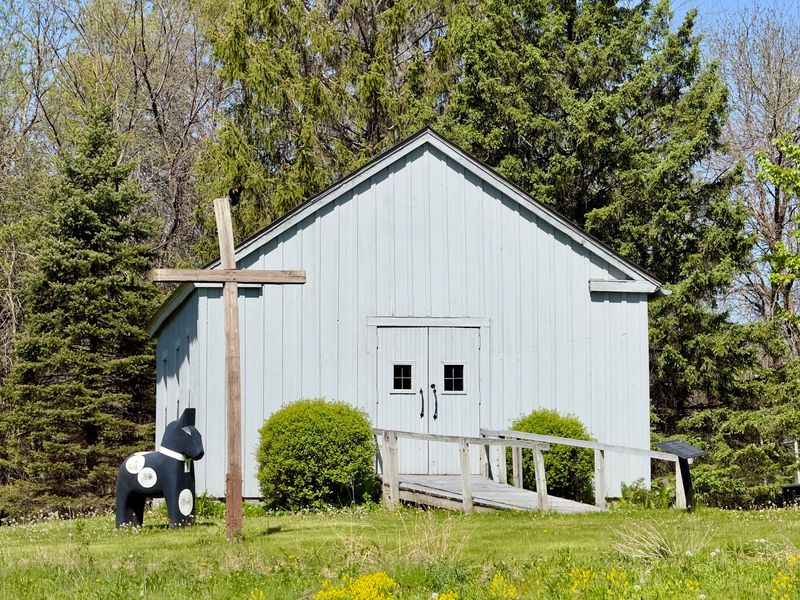
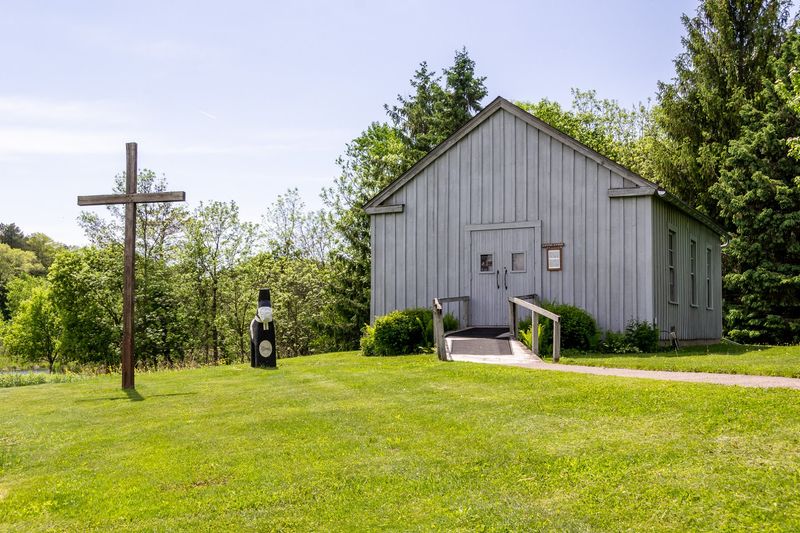
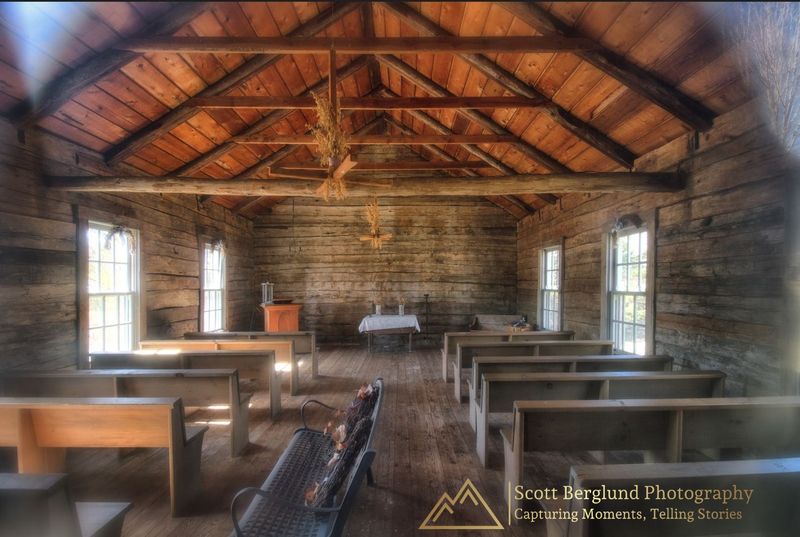
The oldest and most striking structure on the museum grounds is the Elim Lutheran Church, a tiny wooden building constructed in 1856 by Swedish immigrants who had just arrived in the area. It seats only a small number of people, and walking inside feels like time has completely stopped.
The interior is plain and honest, with simple wooden pews and natural light filtering through narrow windows. There is no ornamentation here, just the quiet dignity of a community that built something lasting with very little.
What makes this church so moving is knowing that the people who built it had crossed an ocean, learned a new language, and were starting over completely. Yet they still found a way to construct a place of worship within just a few years of arriving.
That kind of determination is hard to fully absorb standing in such a small, quiet room.
What the Grounds Look Like When You Arrive
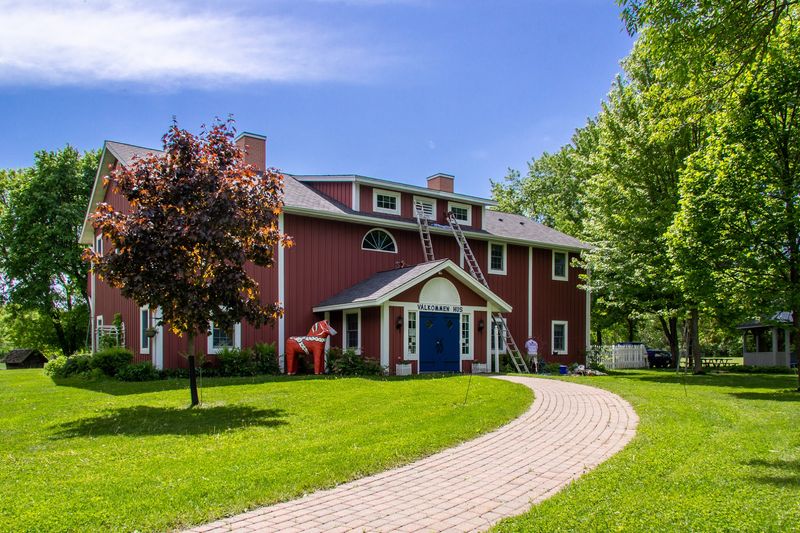
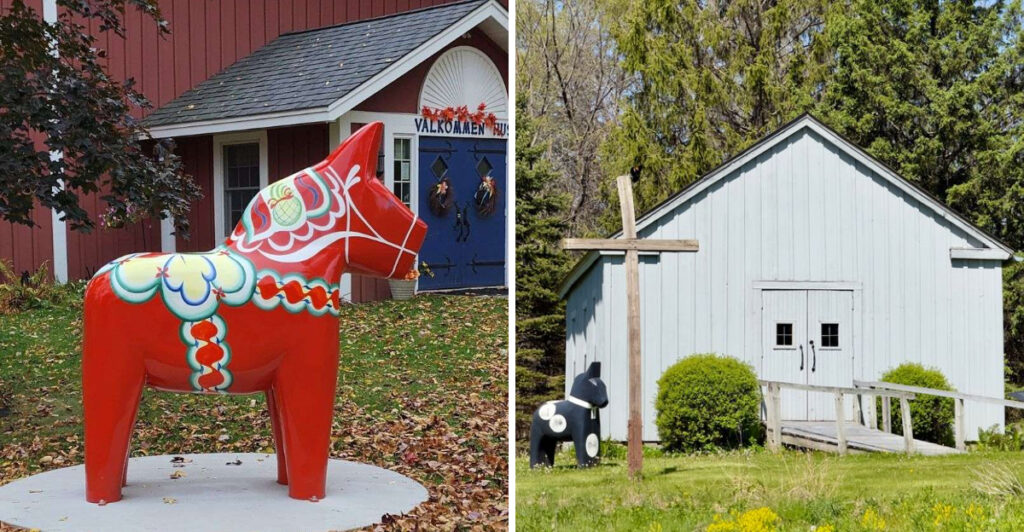
The first thing you notice when you pull up to Gammelgården is the large, painted Dala horses standing outside the welcome house. Each one is decorated in a different artistic style, and together they create a colorful, welcoming entrance that immediately signals this is not your typical museum experience.
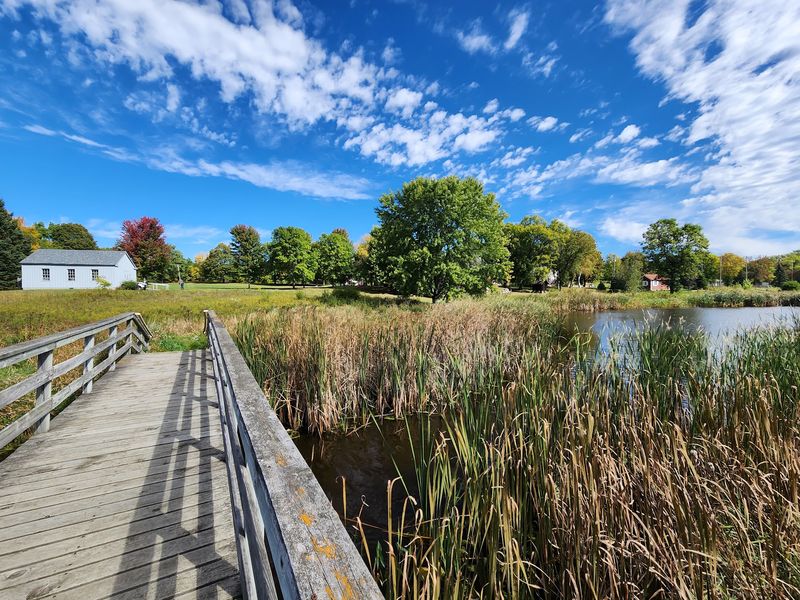
The grounds spread out naturally, with historic outbuildings scattered across the landscape in a way that feels organic rather than staged. Walking the property, you get a genuine sense of what a 19th-century Swedish farmstead might have looked like in rural Minnesota.
There is also a playground tucked behind the welcome house, which makes the space genuinely family-friendly without feeling forced. The combination of open green space, historic structures, and artistic touches makes the grounds worth exploring even before you step inside a single building.
It is the kind of place that rewards slow, unhurried walking.
The Welcome House and What It Holds Inside
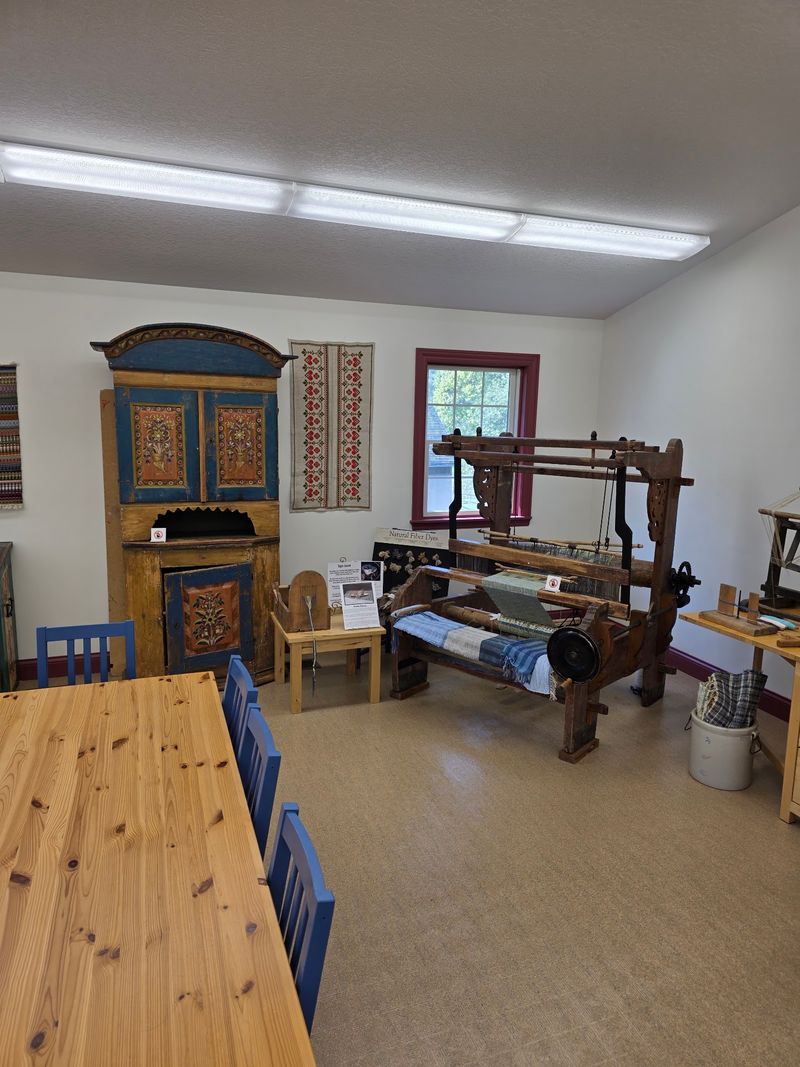
Many visitors are surprised by the welcome house. From the outside it fits the historic setting, but inside it is a thoughtfully designed two-story building with an elevator, multiple clean restrooms, and a genuinely well-stocked collection of Swedish-language books for all reading levels, including children.
The upper floor serves as both a museum space and a classroom area where community events and craft workshops occasionally take place. The layout is open and easy to navigate, which makes it comfortable for older visitors and families with young children alike.
There is also a children’s play area on the main floor that gives younger visitors a place to stay engaged while adults explore the exhibits. The whole building manages to feel welcoming and modern without clashing with the historic atmosphere surrounding it.
It sets a thoughtful tone for everything else you are about to see on the grounds.
Guided Tours That Actually Teach You Something
The guided tours at Gammelgården are one of the best reasons to plan your visit around the museum’s open hours rather than just stopping by for a walk. Tour guides dress in period-appropriate clothing and lead groups through four of the historic outbuildings on the property.
Each guide brings genuine knowledge and enthusiasm to the experience. They explain not just what each building was used for, but the specific challenges Swedish immigrants faced when they arrived in Minnesota with almost nothing and had to build entire communities from scratch.
A clever detail that makes the tours especially good for families is the use of small keys placed inside each outbuilding. Each key corresponds to a unique fact about that particular building, giving children a hands-on way to remember what they learned.
Tours are priced at around $10, which goes directly toward keeping the museum running and the buildings maintained.
Historic Outbuildings and What They Reveal
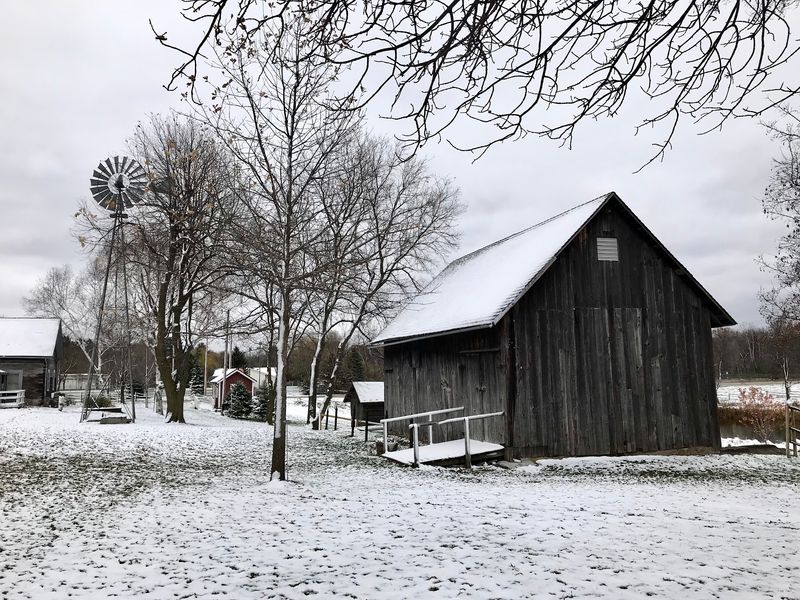
Beyond the church, Gammelgården preserves several other historic outbuildings that together paint a full picture of daily immigrant life. Each structure served a specific purpose, from storage and farming to domestic work, and the variety of buildings shows just how self-sufficient these early communities had to be.
Placards posted at each building are written in both English and Swedish, which adds an authentic cultural layer to the experience. Visitors who read Swedish get a slightly different perspective, and even those who do not will appreciate the bilingual effort as a nod to the community’s roots.
One of the outbuildings was under renovation at the time of recent visits, which is actually a good sign. It shows the museum is actively working to preserve and restore rather than simply maintain what already exists.
The care put into each structure is visible up close, and it makes the whole collection feel genuinely respected rather than just displayed.
The Story of Swedish Immigration to Minnesota
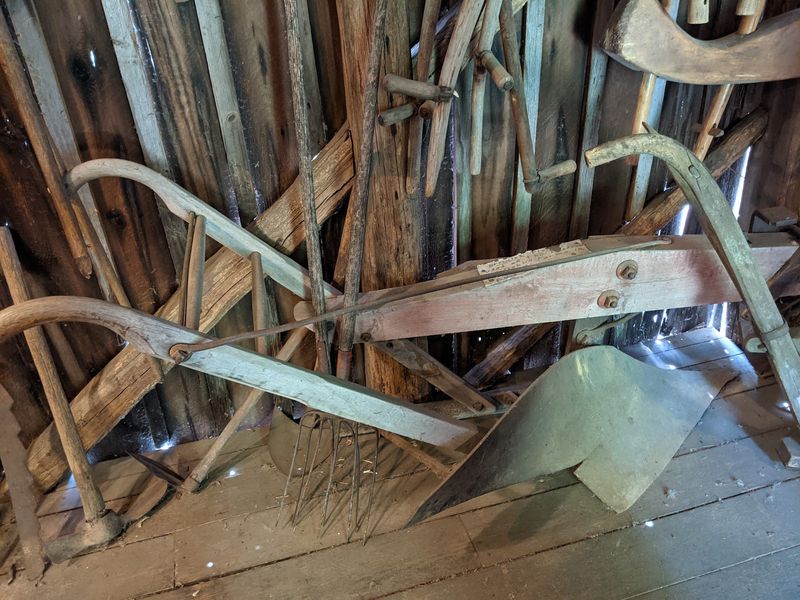
Over one million Swedes emigrated from their home country during the 19th century, and a significant number of them settled in Minnesota. Gammelgården exists specifically to tell that story in a way that feels personal rather than textbook-dry.
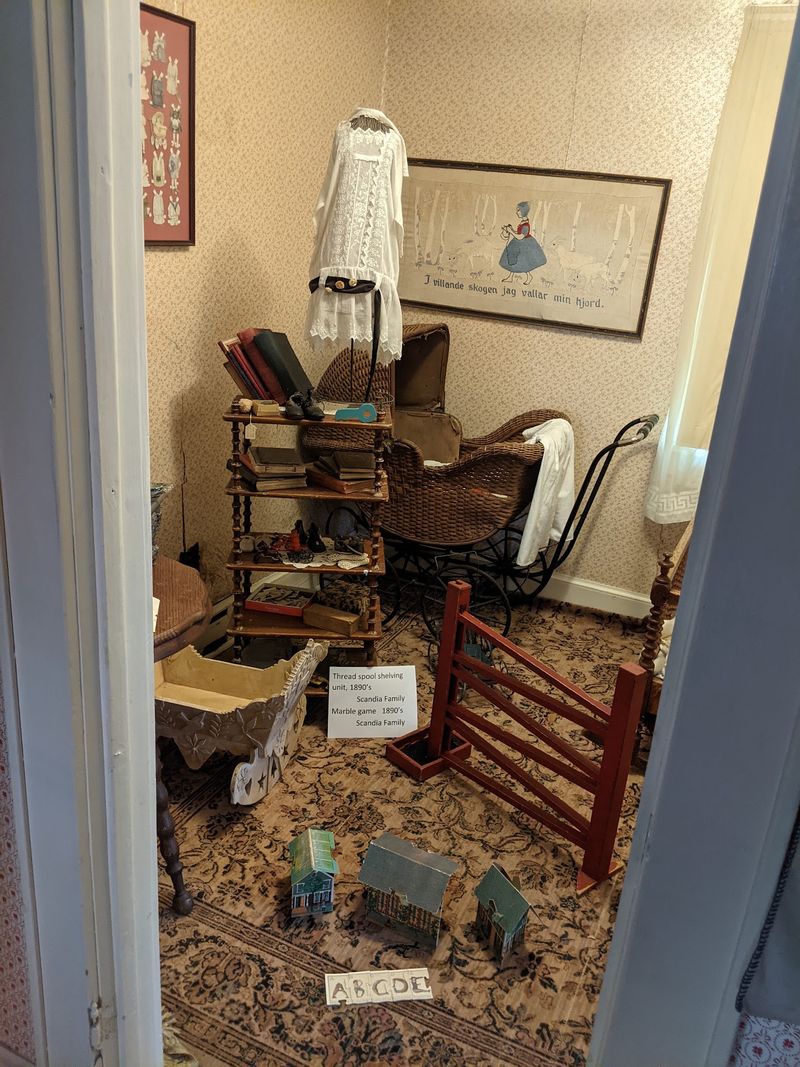
The exhibits inside the welcome house use artifacts, photographs, and detailed historical context to walk visitors through the conditions that pushed so many Swedes to leave and what they found when they arrived. It is a story of hardship, resilience, and community-building that still resonates today.
Visitors who have Swedish heritage themselves often find the experience especially moving. Seeing the tools, clothing, and personal items that immigrants actually used makes the history tangible in a way that written accounts alone cannot achieve.
Even visitors with no Swedish background tend to leave with a much deeper appreciation for what immigrant communities built in early Minnesota. The story here is universal in the best possible way.
The St. Lucia Sunrise Service in the Old Church
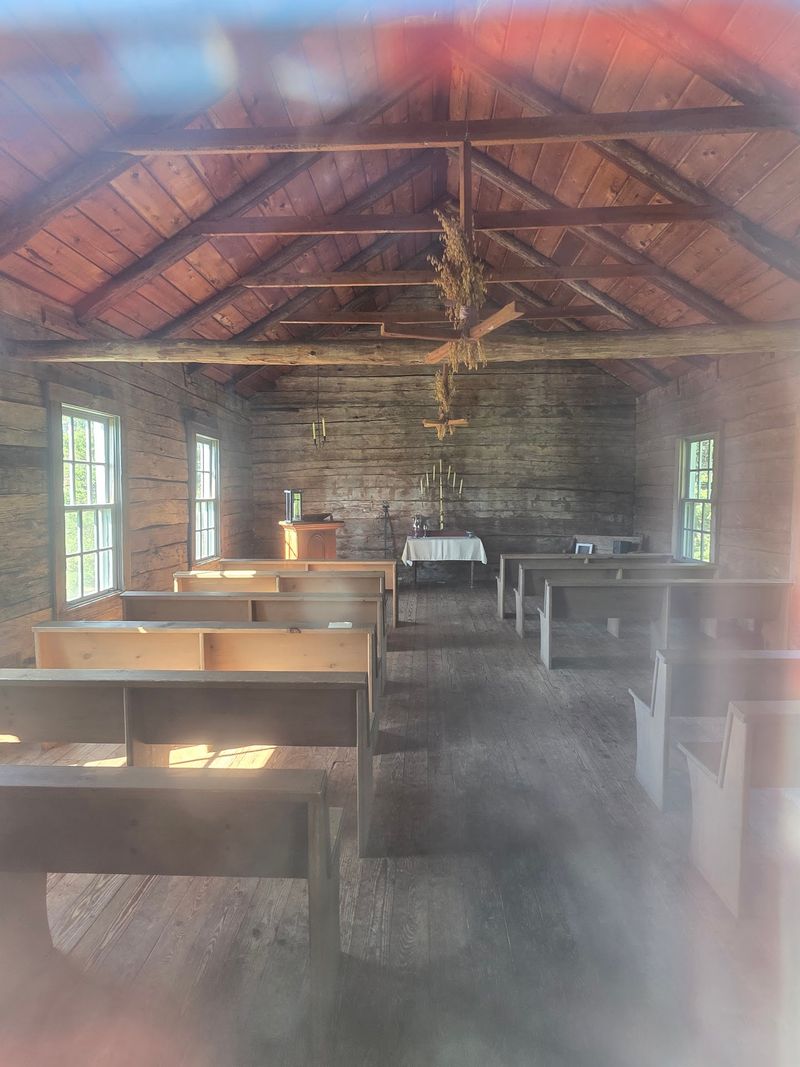
One of the most memorable events tied to Gammelgården happens inside that tiny 1856 church on St. Lucia’s Day. The sunrise service held there draws visitors who want to experience a Swedish Advent tradition in one of the most historically appropriate settings imaginable.
Attending a candlelit service inside a church that Swedish immigrants built over 165 years ago is the kind of experience that is genuinely hard to replicate anywhere else in the country. The combination of the season, the setting, and the tradition creates something that feels both intimate and significant.
After the service, warm coffee and seasonal treats are available, which makes the early morning gathering feel like a true community event rather than a formal ceremony. Those who have attended describe it as one of the most memorable mornings they have spent in Minnesota.
It is the kind of tradition that keeps people coming back year after year without needing much convincing.
The Colorful Dala Horses Outside
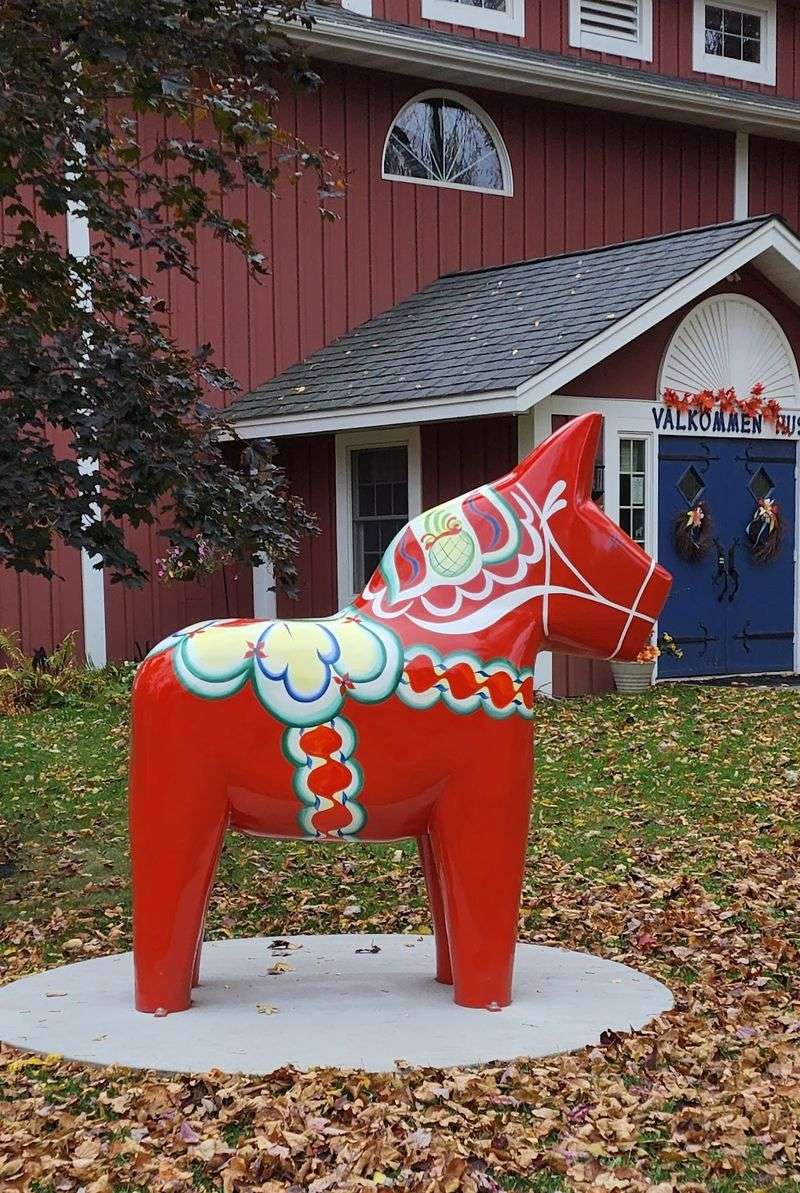
Swedish culture has produced many iconic symbols, but few are as immediately recognizable as the Dala horse. At Gammelgården, large versions of these painted wooden horses are displayed outside the welcome house, and each one is decorated in a completely different artistic style.
Some are traditional in their design, featuring the bold reds and blues that most people associate with the classic Dala horse. Others lean into more contemporary or abstract interpretations, which makes the collection feel like a small outdoor art installation as much as a cultural display.
Walking past each one and comparing the designs is a surprisingly engaging activity, and it sparks genuine curiosity about the tradition behind the symbol. The Dala horse originated in the Dalarna region of Sweden and has been a folk art staple for centuries.
Seeing so many versions in one place gives visitors a fun, accessible entry point into Swedish artistic heritage before they even begin the formal museum experience.
A Gift Shop Worth Browsing Slowly
The gift shop at Gammelgården is genuinely worth setting aside time for. It is not the kind of gift shop filled with generic souvenirs that could have come from anywhere.
The items here are carefully chosen and reflect the museum’s Swedish heritage in meaningful ways.
Hand-painted items are among the most popular finds, and they make for gifts that actually have a story behind them. There are also Swedish-themed books, seasonal decorations, and smaller items that work well as stocking stuffers or thoughtful keepsakes for anyone with Scandinavian roots.
The shop is staffed by people who genuinely know the inventory and enjoy talking about the pieces. That personal touch makes browsing feel more like a conversation than a transaction.
Whether you are shopping for someone specific or just looking for something to remember the visit by, the selection here tends to surprise people in the best way. Plan to spend more time than you expect.
Midsummer Festival and Seasonal Events
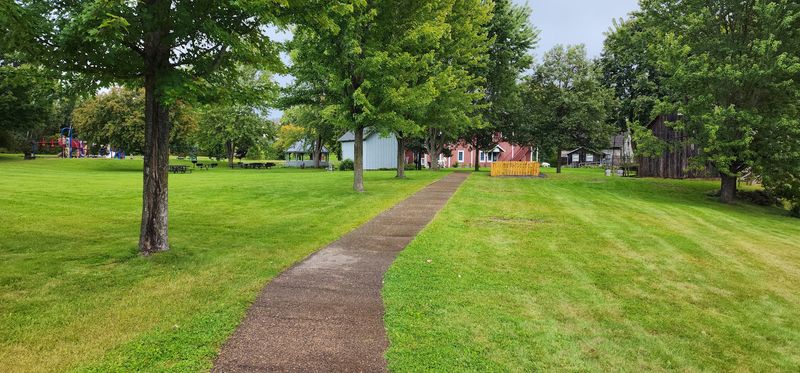
Gammelgården hosts seasonal events throughout its open season that draw visitors well beyond the usual museum crowd. The Midsummer Festival is one of the most popular, celebrating a Swedish tradition that marks the height of summer with music, dancing, and community gathering.
Midsummer is one of the most important holidays in Swedish culture, so experiencing a version of it at a museum dedicated to Swedish-American heritage adds a layer of authenticity that is hard to find elsewhere. The outdoor setting makes the celebration feel especially fitting.
Other events happen on a more regular basis throughout the open season, and the museum’s calendar tends to include community craft events and music performances on the grounds. Checking the museum’s website before visiting is a smart move, because arriving on an event day turns a good visit into a great one.
The grounds come alive in a completely different way when the community gathers there together.
Photography Opportunities Across the Grounds
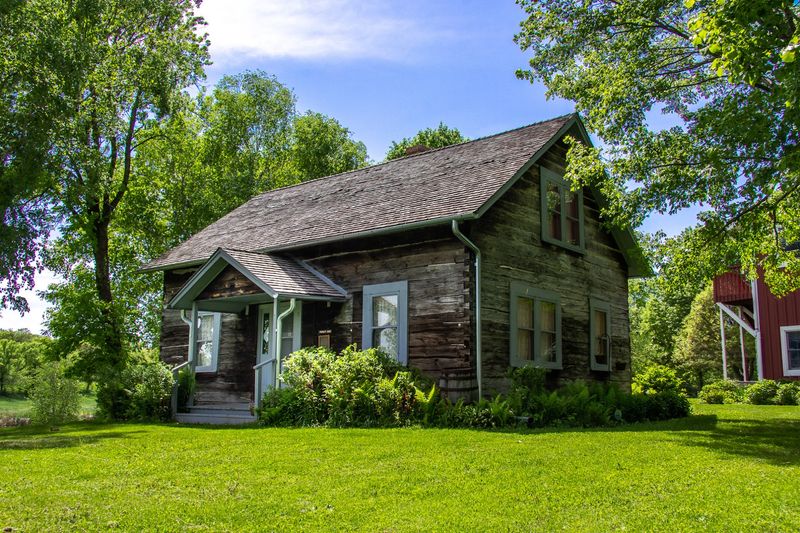
Few places in the Twin Cities region offer the combination of historic architecture, cultural art, and natural landscape that Gammelgården provides for photography. The grounds have been used for engagement photos and family portraits precisely because the setting is so visually layered and rich.
Early morning visits, when the light is soft and the crowds are thin, offer some of the best shooting conditions. The weathered wood of the historic buildings catches warm light beautifully, and the painted Dala horses add bold color against the green landscape.
Even visitors who are not serious photographers tend to take far more photos here than they expected. The variety of subjects, from the tiny church to the outbuildings to the folk art installations, means there is always something interesting in the frame.
Bringing a camera is a genuine recommendation rather than a throwaway suggestion. The grounds reward visual curiosity at every turn.
Visiting During Off-Season Hours
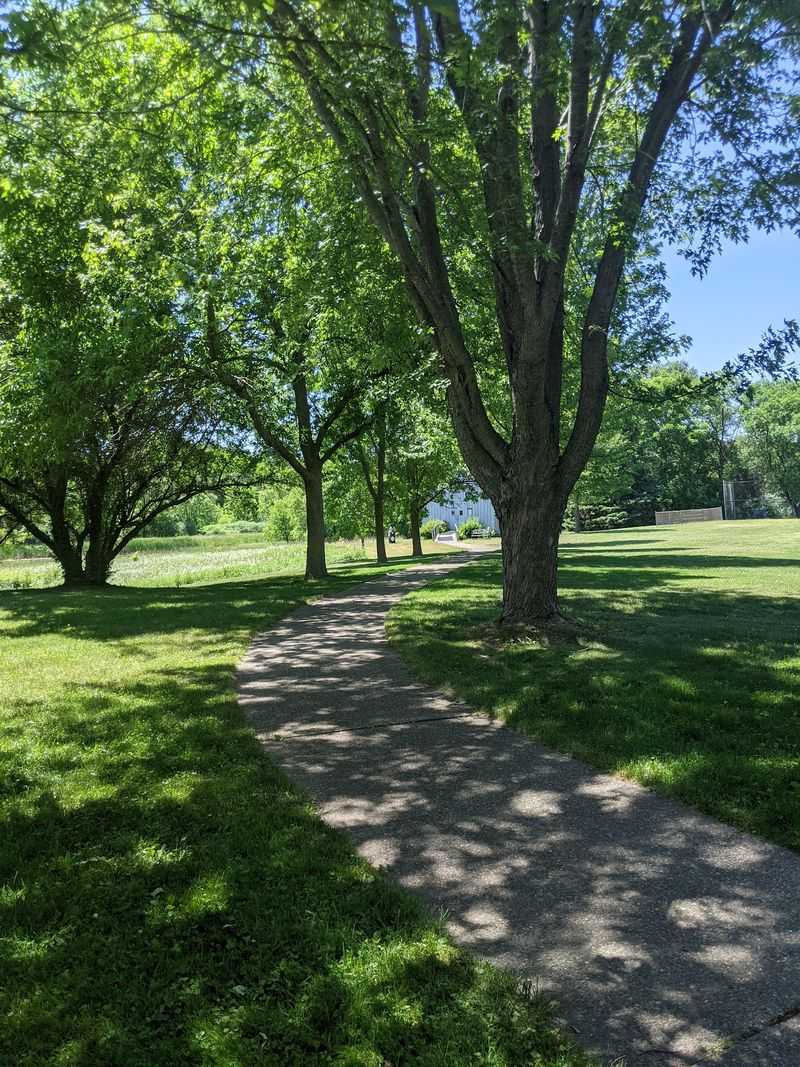
Not everyone can make it to Gammelgården during its regular open hours, which run Wednesday through Saturday from 10 AM to 4 PM and Sundays from 1 to 4 PM. The good news is that the grounds themselves offer plenty to explore even when the buildings are closed.
Bilingual placards posted at each historic structure explain the purpose and history of every building, so a self-guided walk around the property is genuinely informative. The Dala horses are always visible, and the landscape itself is worth the drive on a clear day.
That said, visiting during open hours and catching a guided tour is the full experience, and it is significantly richer than a walk-around-only visit. The interior details of the buildings, the costumed guides, and the interactive elements inside are what make Gammelgården stand apart from similar historic sites.
If you can plan around the schedule, it is absolutely worth the extra coordination.
Why This Museum Matters to Swedish Americans
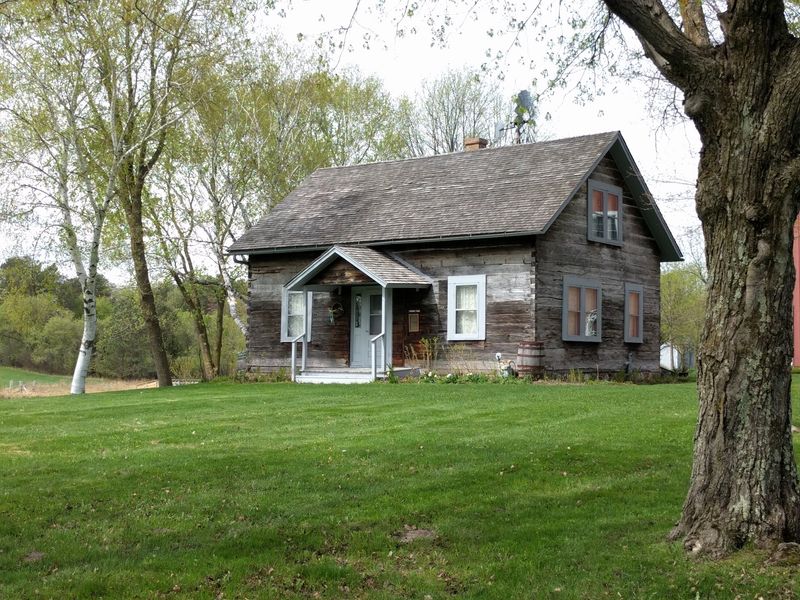
For people with Swedish heritage, Gammelgården is not just a museum. It is a direct connection to ancestors who made one of the most difficult decisions a person can make: leaving home permanently for an uncertain future in a foreign country.
Visitors who have actually traveled from Sweden to see the museum have described the experience as deeply meaningful. Seeing how their cultural traditions, building styles, and community values were transplanted and preserved in rural Minnesota gives the emigration story a human face that history books rarely manage to provide.
Even for visitors without Swedish roots, the museum offers something valuable. The immigrant experience it documents is not uniquely Swedish.
It is a story about courage, adaptation, and the human instinct to build community wherever you land. Gammelgården tells that story with honesty and care, and that is exactly why it resonates so broadly with people who visit from all kinds of backgrounds.
Planning Your Visit to Scandia
Scandia sits in Washington County in eastern Minnesota, roughly 45 minutes north of the Twin Cities and just north of Stillwater. The drive itself is pleasant, with rolling countryside and small-town scenery that sets the mood well before you arrive at the museum.
Gammelgården is open Wednesday through Saturday from 10 AM to 4 PM and on Sundays from 1 to 4 PM. The museum is closed on Mondays and Tuesdays, so planning around those days is important.
Checking the museum’s official website before your visit is always a smart step, especially if you are hoping to catch a specific event or guided tour.
The grounds are well-suited for a picnic, and the surrounding area offers additional reasons to spend a full afternoon in Scandia. Bringing the whole family, including young children, works well here because the space has enough variety to keep everyone engaged from arrival to departure.
Share this story