Most museums in small towns feel like an afterthought, a few dusty cases pushed against a wall with handwritten labels nobody reads. But there is one museum in southern Minnesota that completely rewrites that expectation.
Every corner holds something that makes you stop and think, “How did I not know this story existed?” From prehistoric Native American artifacts to a surprisingly famous carnival ride with deep local roots, this place holds the kind of history that most counties let slip away forever.
Where the Forgotten Stories Live
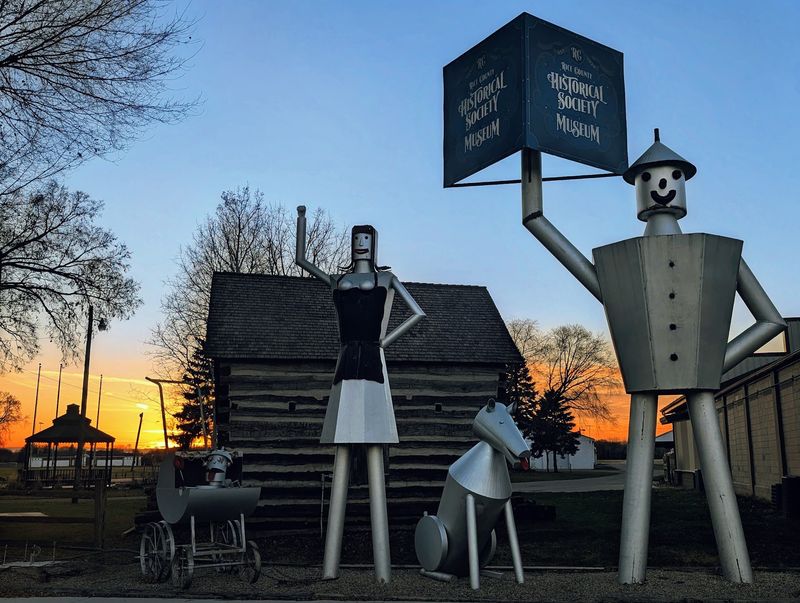
Some buildings quietly announce that something important lives inside them. The Rice County Historical Society, located at 1814 2nd Ave NW, Faribault, Minnesota 55021, United States, is one of those buildings.
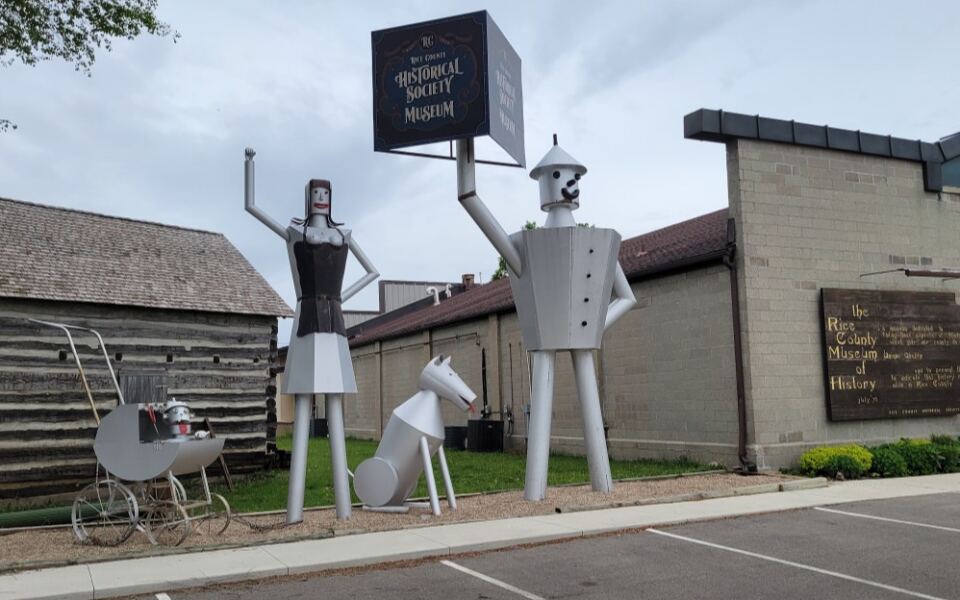
Sculptures greet you before you even reach the front door, and that detail alone tells you this place takes its role seriously.
The museum serves as the official keeper of Rice County’s collective memory, preserving artifacts, archives, documents, and stories that would otherwise vanish entirely. Rice County has a layered past that stretches back thousands of years, and this institution holds much of that evidence.
Open most weekdays and Saturday mornings, the museum welcomes a wide mix of visitors, from school groups to genealogy researchers to curious travelers passing through southern Minnesota. The energy inside feels active rather than frozen in time.
Prehistoric Artifacts That Reframe the Region’s Timeline
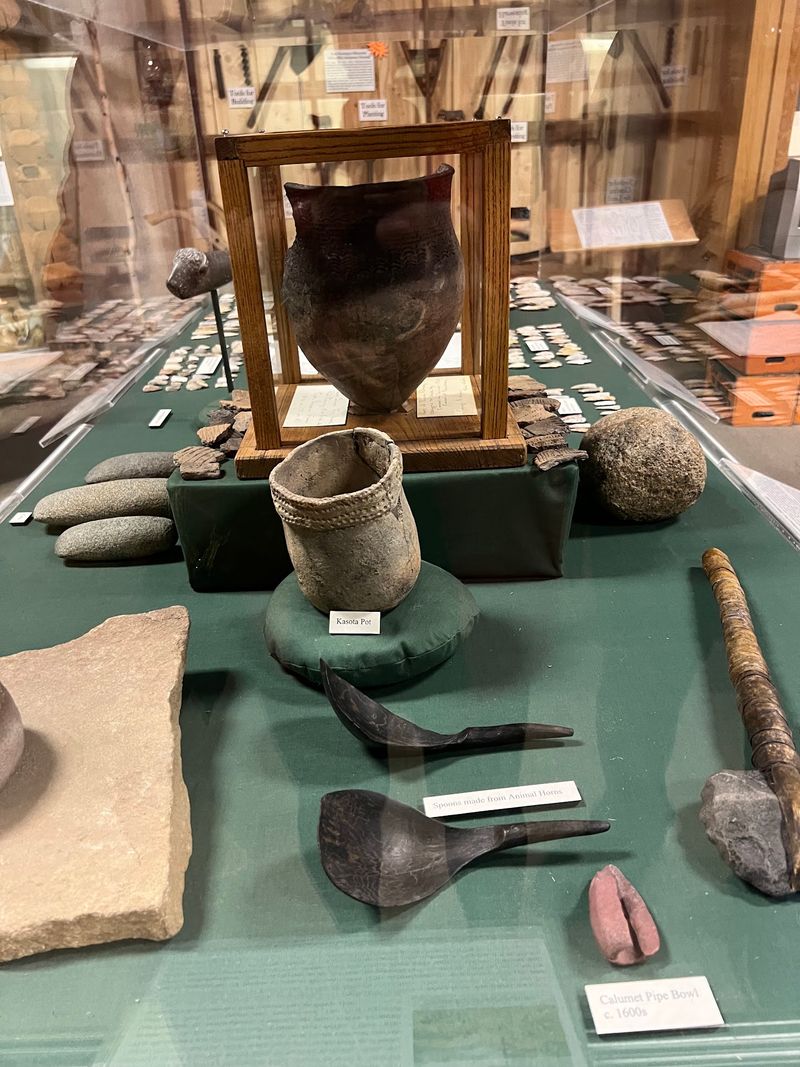
Long before European settlers arrived in what is now Rice County, Indigenous peoples built complex lives across this landscape. The museum holds a remarkable collection of prehistoric Native American artifacts that physically connect visitors to those earlier chapters of the region’s story.
Holding your gaze over arrowheads, tools, and ceremonial objects that are genuinely ancient puts the more recent layers of county history into sharp perspective. These objects were not manufactured for display.
They were used by real people who knew this land intimately.
Several visitors have described the artifact collection as the single most surprising part of the museum experience, and it is easy to understand why. Most people arrive expecting pioneer-era history and instead find themselves face to face with evidence of human activity stretching back thousands of years.
That unexpected depth is part of what makes this museum genuinely worth the drive.
The Tilt-A-Whirl Exhibit That Stops Everyone Cold
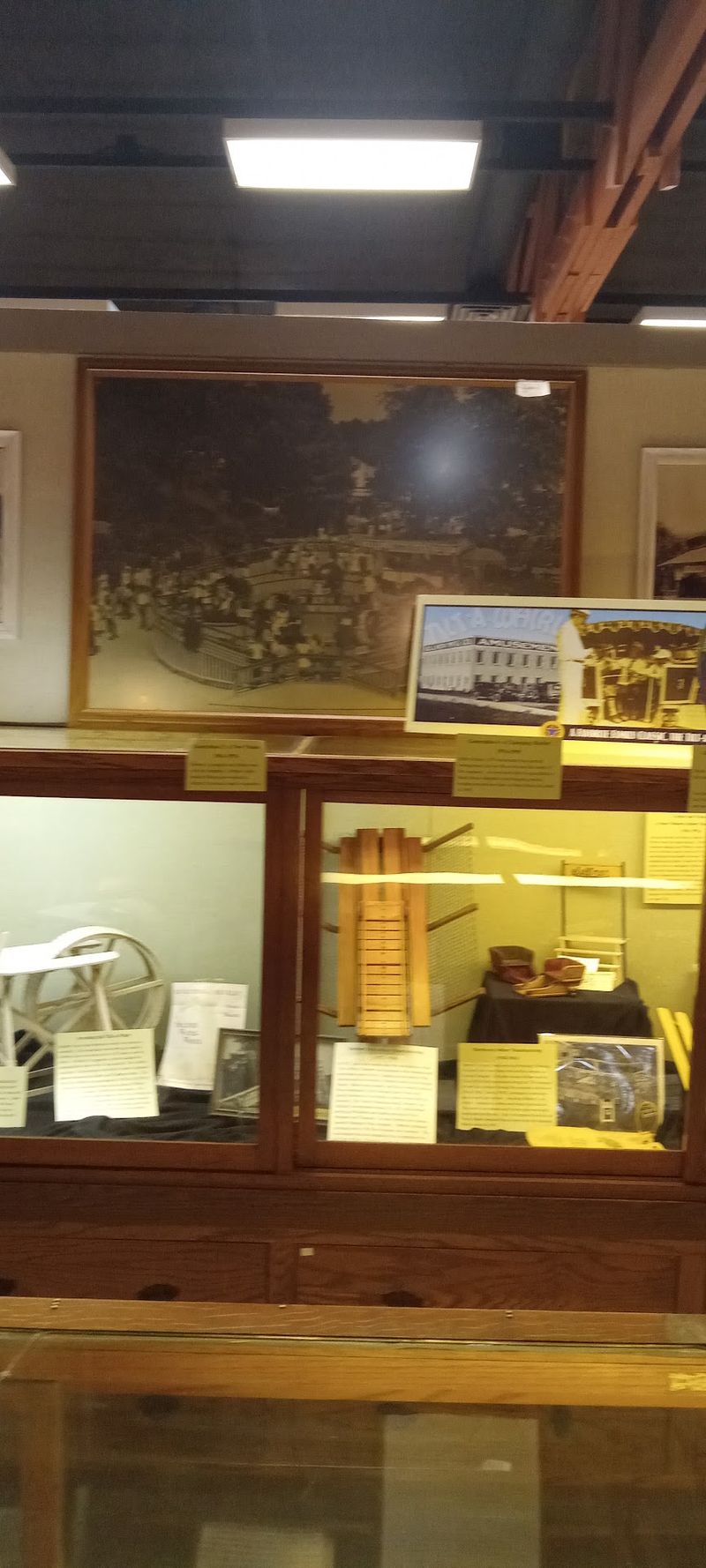
Of all the exhibits inside the museum, one catches nearly every visitor off guard. The Tilt-A-Whirl, that spinning carnival staple found at fairs and amusement parks across the country, was actually invented in Faribault, Minnesota.
The museum honors that remarkable local origin with a dedicated exhibit that traces the ride’s history back to its roots in Rice County.
Herbert Sellner created the Tilt-A-Whirl in 1926, and the Sellner Manufacturing Company built the rides right there in Faribault for decades. Seeing the exhibit reframes something most people assume is just generic Americana into a point of genuine local pride.
The display draws reactions ranging from disbelief to outright delight. It is the kind of exhibit that makes you want to call someone and share the news immediately.
A carnival ride with a verifiable Minnesota birthplace is exactly the type of story this museum was built to protect.
A Living Archive for Family Researchers

Genealogy research can feel like searching for a needle in a field of haystacks. The Rice County Historical Society archive changes that experience significantly for anyone tracing family roots in southern Minnesota.
The staff in the archives area have been described by multiple visitors as genuinely knowledgeable and eager to help, which makes a meaningful difference when you are trying to piece together someone’s life from fragments.
The collection includes historical documents, photographs, records, and materials that simply do not exist in digitized form anywhere else. For families with Rice County connections, this archive can fill gaps that no online database ever could.
One visitor came specifically to research ancestors and left with information they had spent years trying to find. That kind of outcome is not accidental.
The museum treats its research function as seriously as its exhibit function, which sets it apart from many smaller regional institutions.
Exhibits Built to Teach, Not Just Display
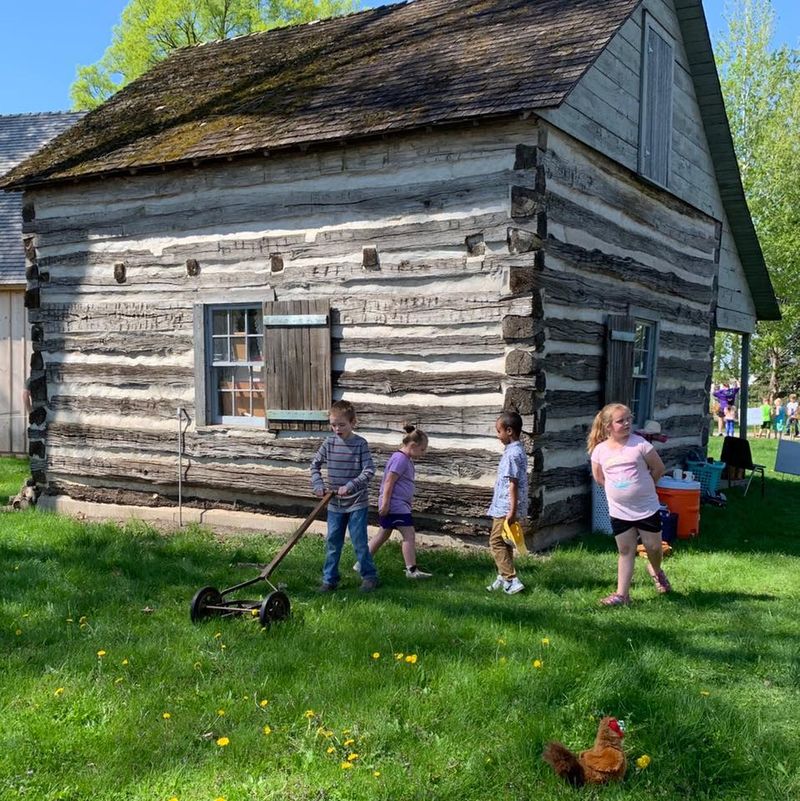
A lot of museums treat children as an afterthought, designing everything at adult eye level and adult reading comprehension. The Rice County Historical Society takes a different approach.
The museum has hosted school groups and set up interactive stations that teach younger visitors how daily life actually worked in the 1800s, using hands-on activities rather than passive observation.
First graders have worked through stations demonstrating pioneer-era tasks, and the engagement level in those moments is visibly high. When kids can touch, try, and interact with history rather than just read about it, the lessons tend to stick.
The museum also welcomes visits during the Rice County Fair, connecting the institution to one of the region’s most beloved annual traditions. That kind of community integration keeps the museum feeling relevant rather than relic-like.
History taught this well tends to stay with a person for a very long time.
Why Seniors and Students Visit at the Same Time
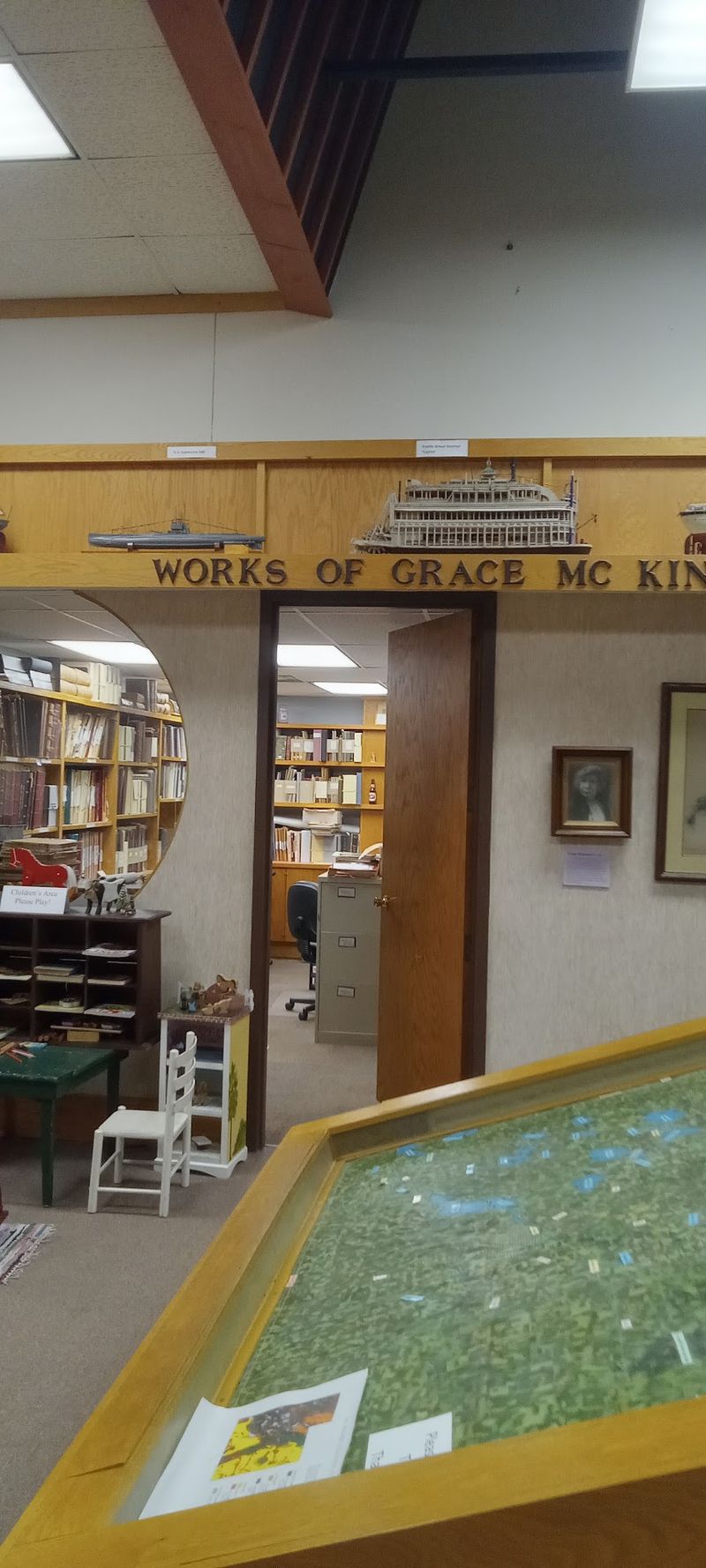
One of the more unexpected sights inside the museum is the generational mix of visitors. On any given day, you might walk in to find a student group from a local school sharing the space with residents from an assisted living community, both groups genuinely engaged with the same exhibits.
That overlap is not coincidental. The museum actively serves the wider Faribault community, and its programming reflects that intention.
Watching a teenager and an eighty-year-old pause at the same display case and start a conversation about what they are seeing is the kind of moment that reminds you what local history institutions are actually for.
The energy in those moments feels genuinely alive rather than ceremonial. Volunteers working on collection projects in the background add another layer of community investment.
The museum is not a static place. It is a working, breathing institution that keeps growing.
Sculptures Worth Stopping For Even From the Sidewalk
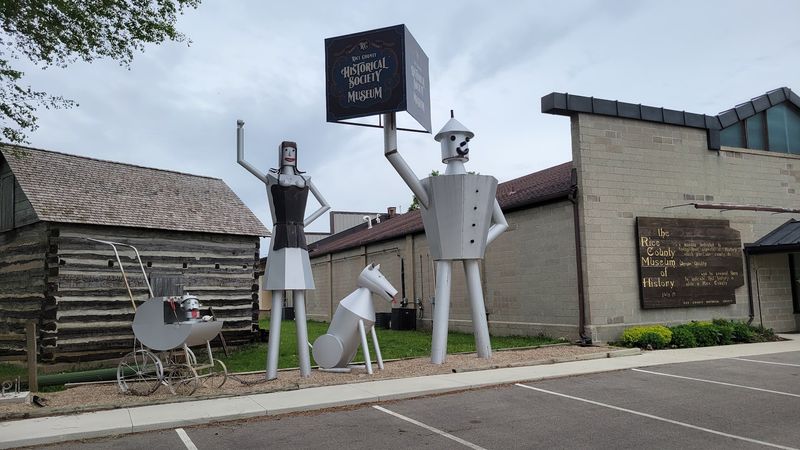
Not everyone who passes the Rice County Historical Society makes it inside on the first visit. The outdoor sculptures near the entrance are striking enough that at least one visitor awarded the museum five stars based on those exterior pieces alone, fully intending to return for a proper visit later.
That kind of curb appeal is rare for a regional historical society. Most focus their resources entirely on interior collections, which makes sense, but the museum’s decision to extend its presence to the outside of the building signals something about its overall commitment to presentation and community engagement.
The sculptures serve as a quiet invitation, a visual reason to slow down and take notice even if you are just driving past. For a museum that holds so many overlooked stories, making itself visible from the street feels like an appropriate and well-earned choice.
The Books, Souvenirs, and Local Materials Worth Taking Home
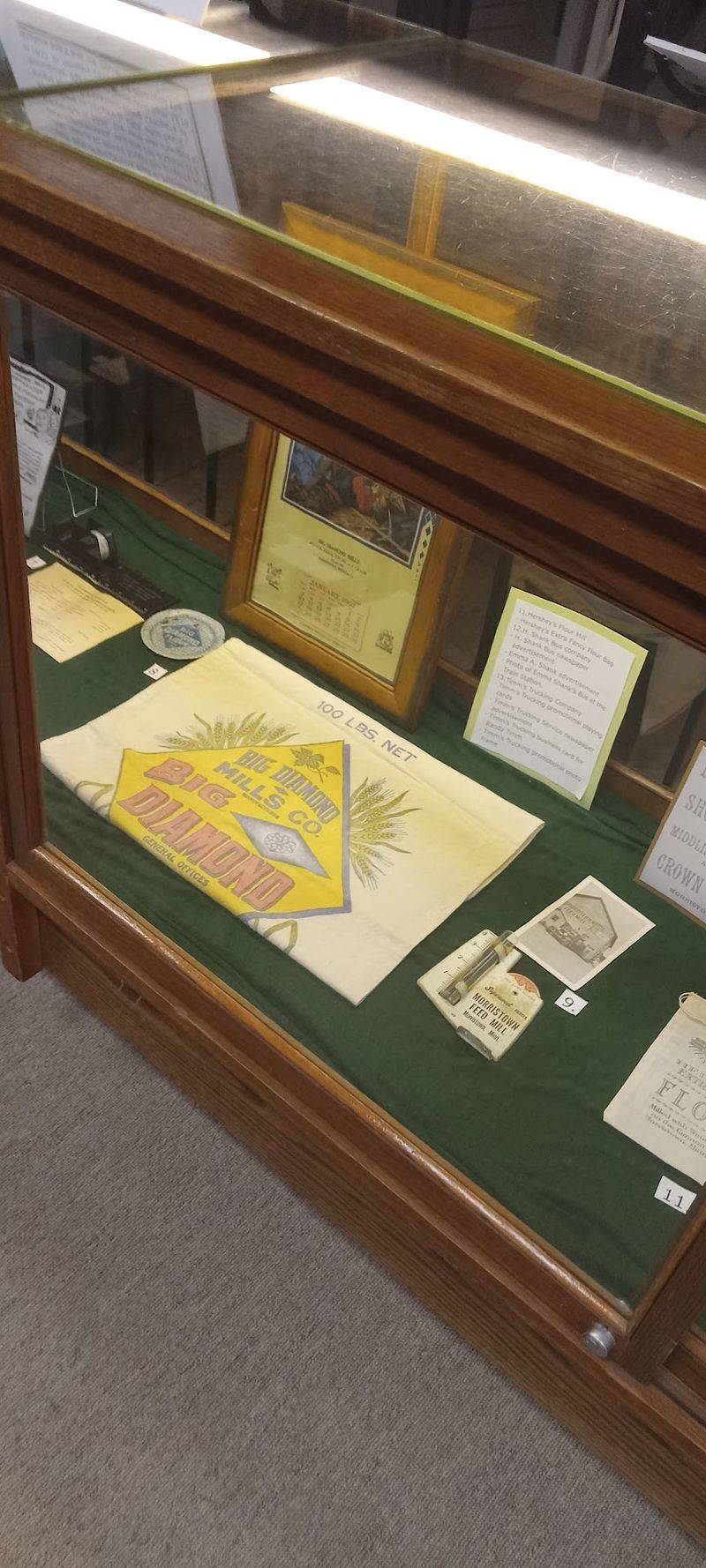
Not every museum gift area is worth a second look, but the Rice County Historical Society keeps a selection of books and souvenirs that reflect the depth of the institution rather than generic tourist merchandise. Local history titles available for purchase give visitors a way to continue their exploration long after they leave the building.
For anyone who gets pulled into the exhibits and wants to learn more about a specific era, family, or event in Rice County’s past, having access to curated regional publications right there on-site is genuinely useful. These are not mass-produced titles you can find at any bookstore.
The souvenirs also tend to carry more meaning than the usual refrigerator magnets and keychains. When a memento connects directly to a story you just spent an hour learning about, it becomes something you actually want to keep.
That is a small but meaningful difference.
How the Exhibits Are Actually Organized
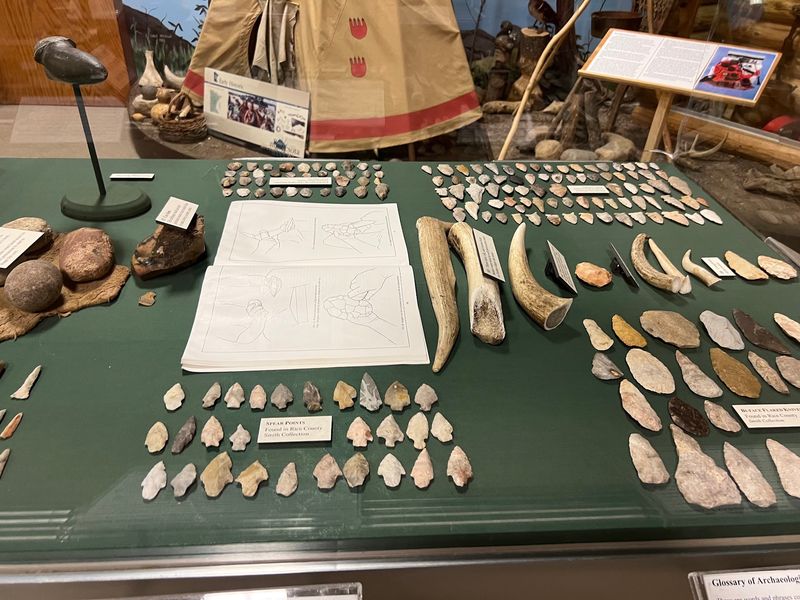
Regional museums sometimes suffer from information overload, cramming too much into too little space without enough context. The Rice County Historical Society avoids that trap with displays described by visitors as well-thought-out and clearly explained.
The exhibits do not just show objects. They give those objects a framework that makes the history legible.
Each display area connects artifacts to the broader story of Rice County in a way that builds understanding progressively. You leave one section knowing enough to make the next one more meaningful.
That kind of curatorial intention takes real effort and reflects a serious approach to public education.
The physical space itself is described as comfortable and well-maintained, which matters more than people often acknowledge. A museum that feels pleasant to move through encourages longer visits and deeper engagement.
The organization here earns that extra time without you even realizing it is happening.
Something New Every Single Visit
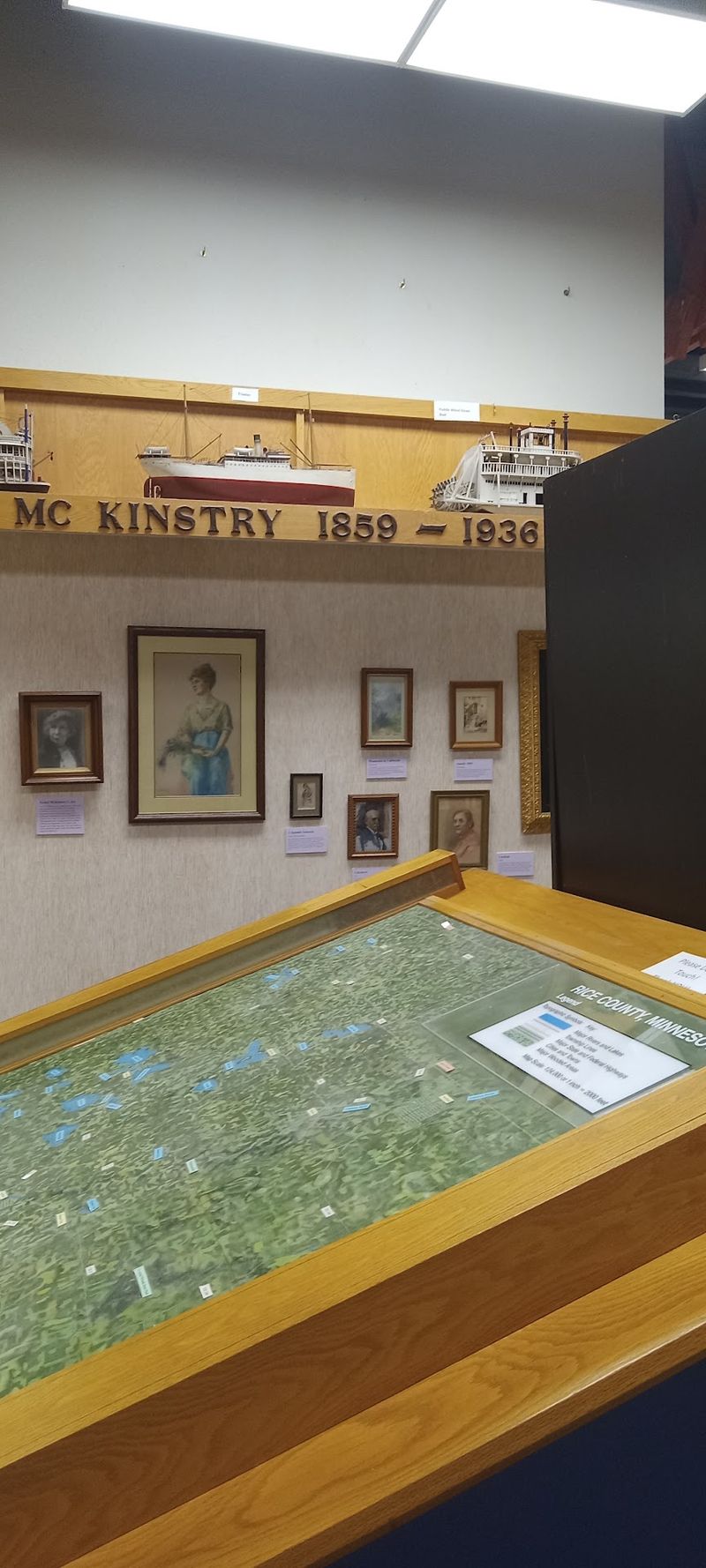
One of the quieter achievements of the Rice County Historical Society is that regular visitors consistently report discovering something new each time they return. That is not an accident.
A museum that keeps revealing new details across multiple visits has built its collection and its layout with genuine depth.
Part of what drives that ongoing discovery is the active volunteer presence working on collections projects in the background. New materials are continually being processed, catalogued, and integrated into the broader collection.
The museum is not a finished product. It is an ongoing effort.
For local residents who have been visiting since childhood, that sense of continued discovery creates a relationship with the institution rather than just a memory of a single trip. That loyalty speaks to something the museum has built over time, a reputation for being genuinely worth returning to rather than simply worth visiting once.
Connecting the County Fair to County History
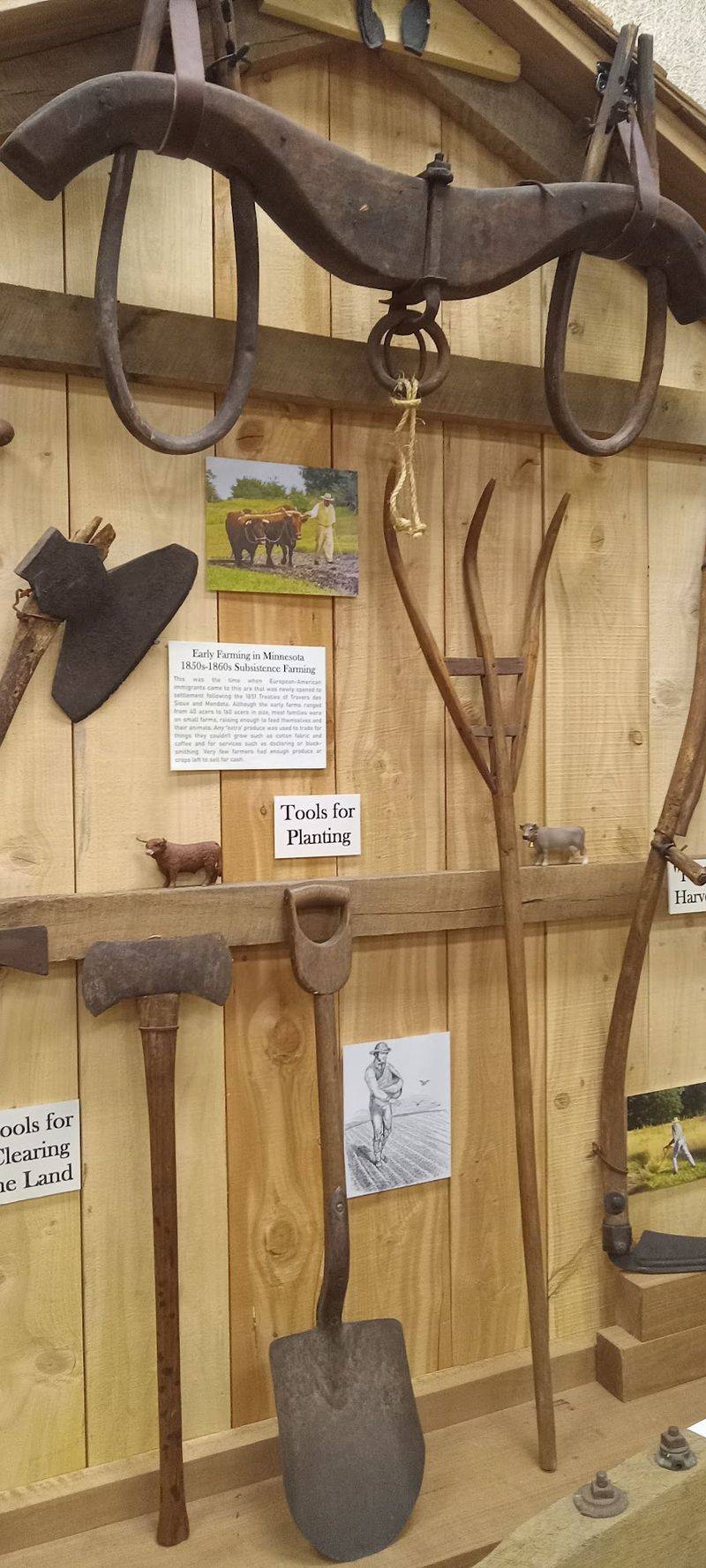
The Rice County Fair is one of those events that draws the whole region together each year, and the Historical Society has built a connection to that tradition by welcoming visitors during the fair period. That timing is smart.
People already in a celebratory, community-minded mood are primed to engage with the stories that explain how Rice County became what it is today.
Setting up interactive educational stations during the fair for younger visitors creates an entry point for families who might not have sought out a museum visit on their own. Once inside, those families often end up staying longer than they planned because the exhibits hold genuine interest across age groups.
Tying the museum’s programming to a beloved community event keeps the institution from feeling separate from everyday Rice County life. History and community celebration turn out to be a natural combination when the presentation is done right.
Planning Your Visit to Faribault’s Best-Kept Historical Secret
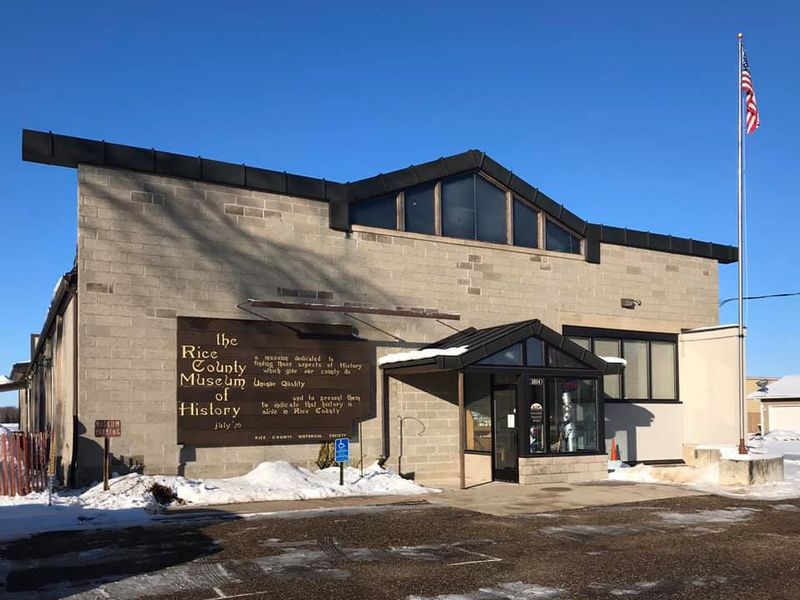
The museum is open Monday through Friday from 10 am to 5 pm and Saturday from 10 am to 2 pm, making a weekday morning visit one of the quietest and most relaxed ways to experience everything the collection has to offer. Saturday mornings work well for weekend travelers passing through southern Minnesota.
Faribault itself sits in a part of Minnesota that rewards slow travel. The surrounding area carries its own layers of history and natural character that pair well with a museum visit.
Spending a few hours at the Historical Society and then exploring the broader region makes for a satisfying full day.
For anyone who cares about local history, family research, or simply finding places that feel genuinely authentic rather than manufactured for tourism, the Rice County Historical Society delivers on every count. The stories here were almost lost.
They are worth your time.
Share this story