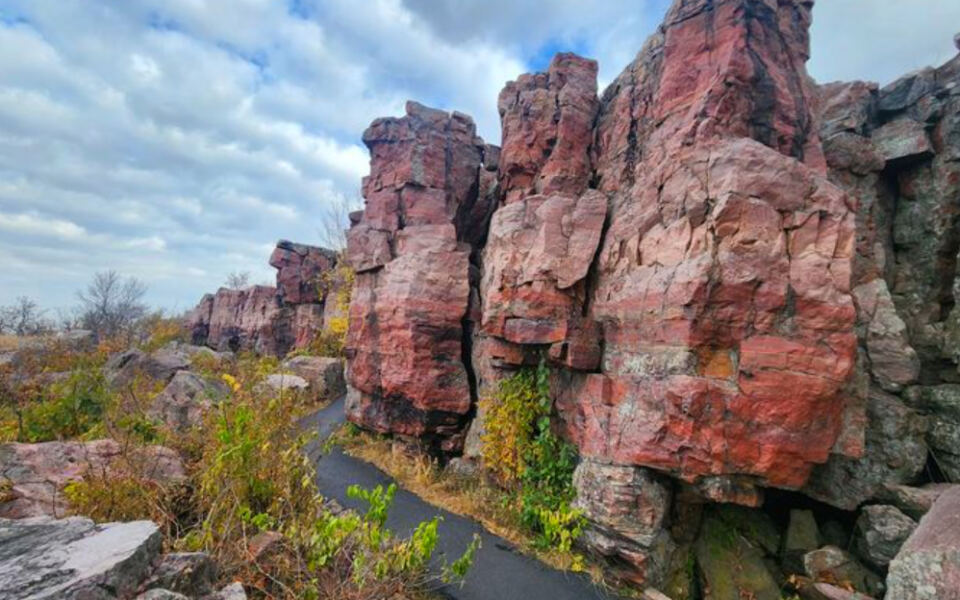
Somewhere in the southwestern corner of Minnesota, a quiet stretch of red stone and open prairie holds one of the most spiritually significant landscapes in North America. People have been coming to this place for centuries, not just to visit, but to quarry a rare reddish stone used to carve ceremonial pipes that carry deep cultural meaning for many Indigenous nations.
The fact that this quarrying tradition is still actively practiced today makes this site unlike almost any other federally protected land in the country. Once you learn what happens here, you will wonder why it took you this long to hear about it.
A Place Where Ancient Tradition Meets Protected Land
Most national monuments freeze history in place. Pipestone National Monument in Pipestone, Minnesota does something far more remarkable: it keeps history alive.
Located at 36 Reservation Ave, Pipestone, MN 56164, this site is managed by the National Park Service and protects the sacred pipestone quarries that Indigenous peoples have used for generations.
What makes this place genuinely different is that enrolled members of federally recognized tribes still have the legal right to quarry the stone here today. This is not a museum recreation or a demonstration for tourists.
Real people come here to extract real stone for real ceremonial purposes.
The monument sits on the edge of the Great Plains, where the land opens wide and the sky feels enormous. That combination of living tradition, federal protection, and raw natural beauty creates an atmosphere that is hard to find anywhere else in the United States.
The Red Stone That Connects Nations
The stone at the center of this monument is called catlinite, named after the artist George Catlin, who visited the site in 1836 and documented it for a wider audience. It is a soft, reddish-pink argillite found in very few places on Earth, and the deposit here in southwestern Minnesota is among the most significant known sources.
For countless generations, Indigenous peoples from many different nations traveled great distances to quarry this stone. The pipes carved from catlinite are used in ceremonies, diplomacy, prayer, and healing.
The stone itself is considered sacred, not just the objects made from it.
One of the things that struck me when I first read about this place was that the quarries were considered neutral ground. Tribes that might otherwise be in conflict would set aside hostilities to come here.
That fact alone says everything about how deeply this stone is valued.
The Circle Trail and What You See Along It
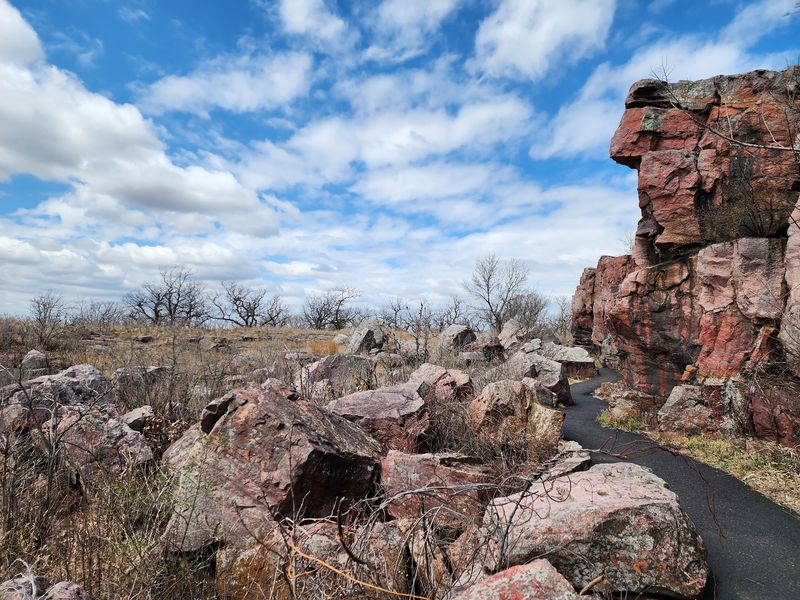
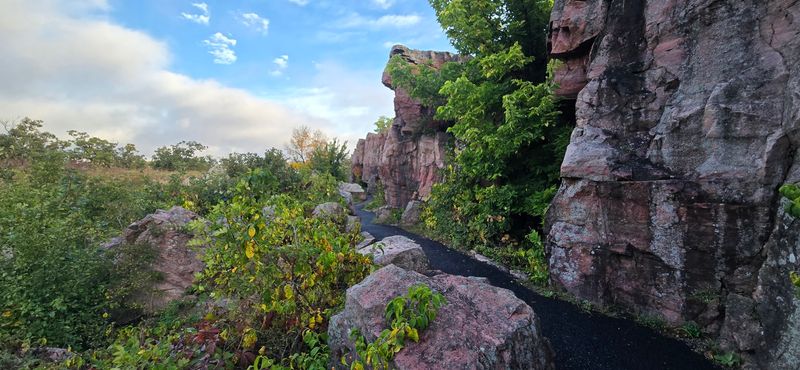
The main walking path at the monument is called the Circle Trail, and it covers roughly 1.5 miles total. The trail is paved and mostly flat, making it accessible for a wide range of visitors.
Even so, a few side areas near the waterfall involve some uneven terrain, so wearing sturdy shoes is a smart move.
Walking the loop, you pass through open prairie, along exposed quartzite ledges, and beside a small but genuinely beautiful waterfall tucked into the landscape. The waterfall feels almost unexpected given how flat the surrounding terrain is.
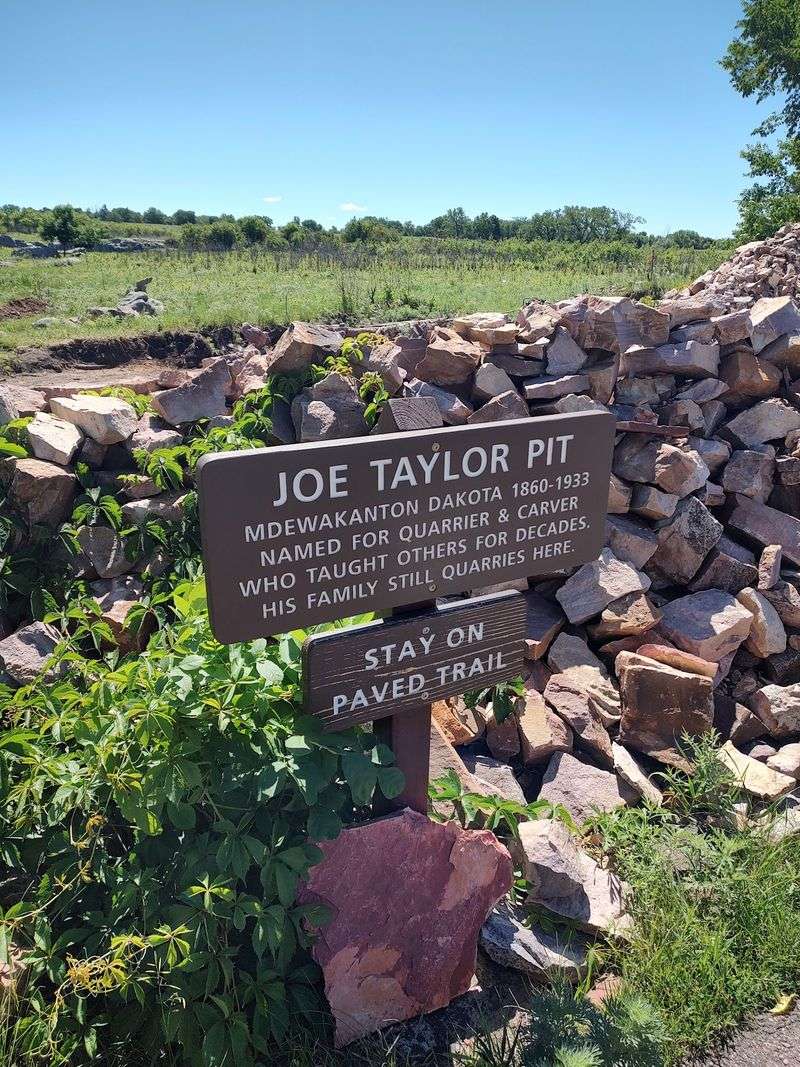
Visitors also pass active quarry sites, where you may actually see people working the stone.
The trail signage is thoughtful and informative without being overwhelming. You get enough context to understand what you are looking at without feeling like you are reading a textbook.
The whole loop takes about an hour at a relaxed pace.
Watching the Waterfall That Most People Do Not Expect
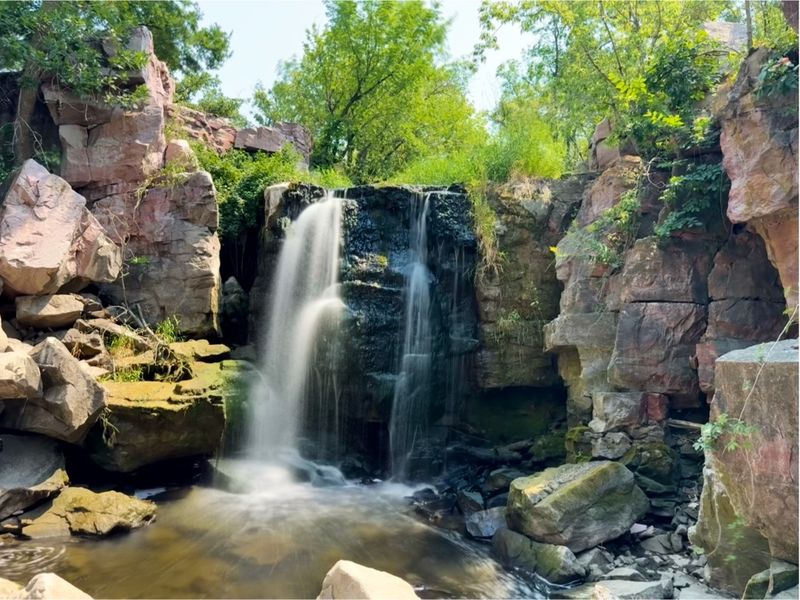
Nobody told me there was a waterfall here. That detail tends to catch visitors off guard, and it caught me off guard too when I first read about it.
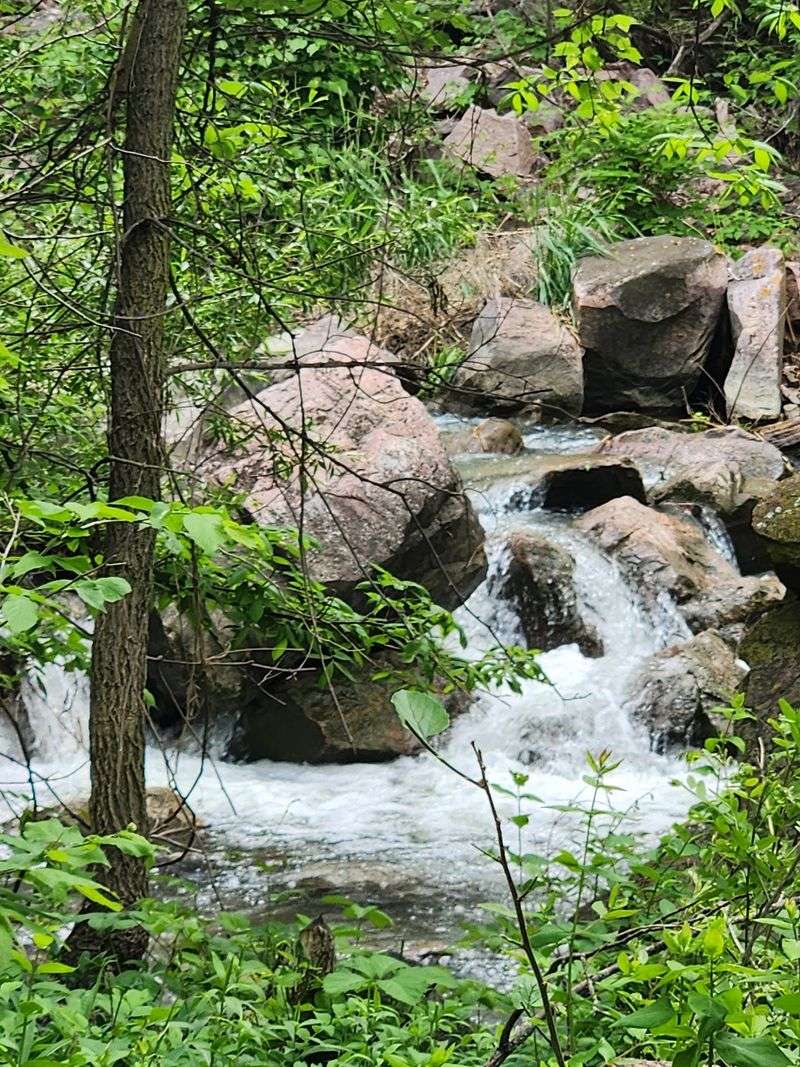
Pipestone Creek flows through the monument and drops over exposed quartzite, creating a waterfall that feels genuinely scenic against the backdrop of red stone and prairie grass.
The waterfall is not massive, but it has real presence. The sound of moving water in the middle of such a quiet, open landscape adds something to the experience that is hard to put into words.
Several visitors described it as unexpectedly majestic, and that tracks with what the setting actually delivers.
One practical note: the water here is not safe for drinking, so admire it from a distance. The area around the falls can also get slippery, which is worth keeping in mind if you are visiting with younger kids or anyone who needs extra footing stability.
The Quartzite Cliffs and the Faces in the Rock
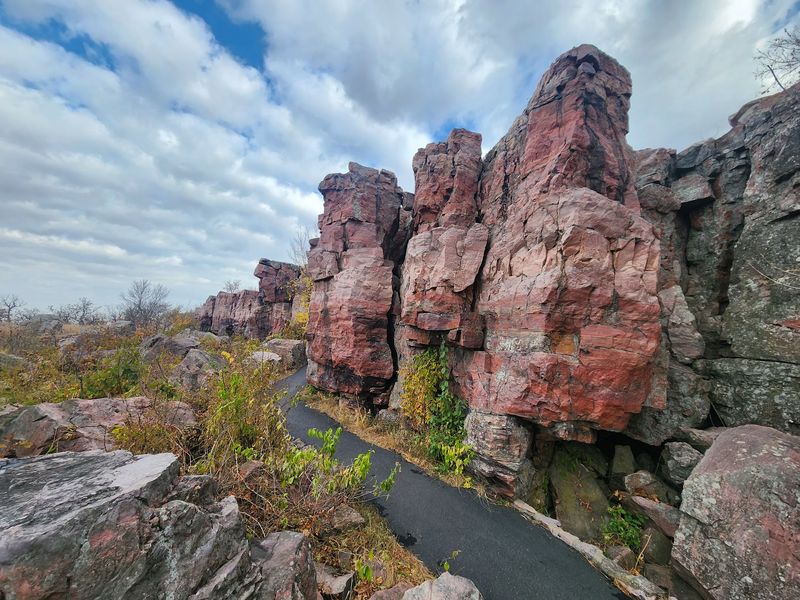
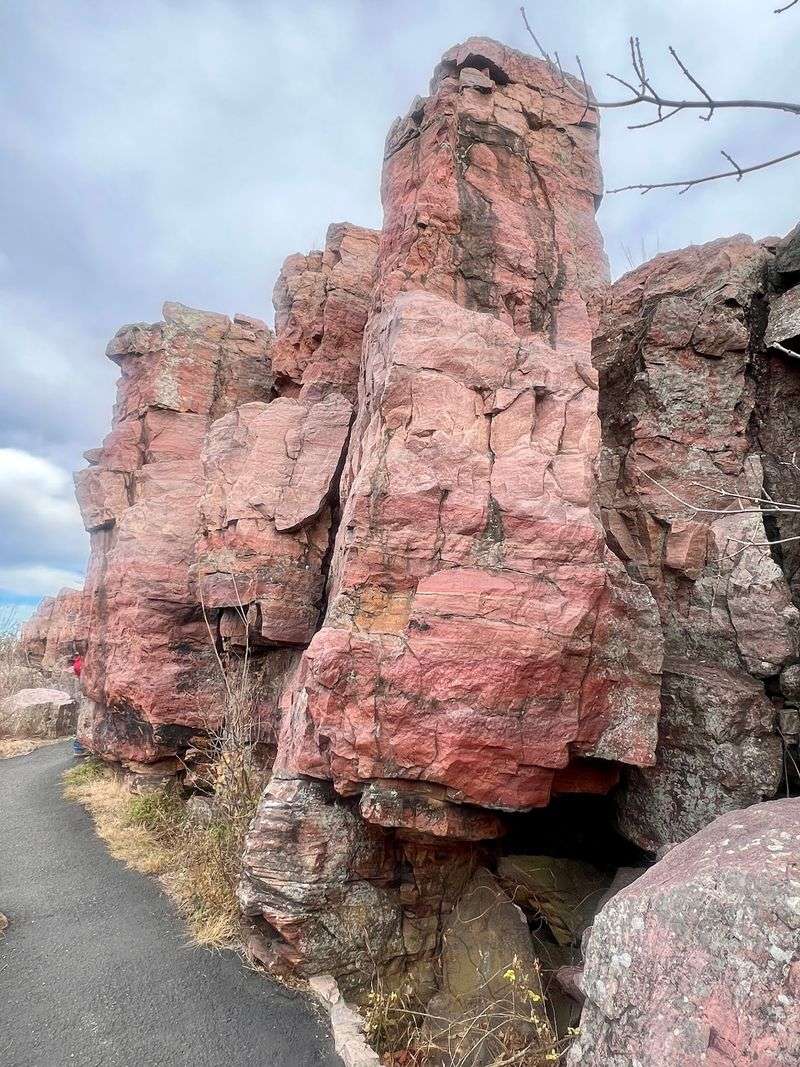
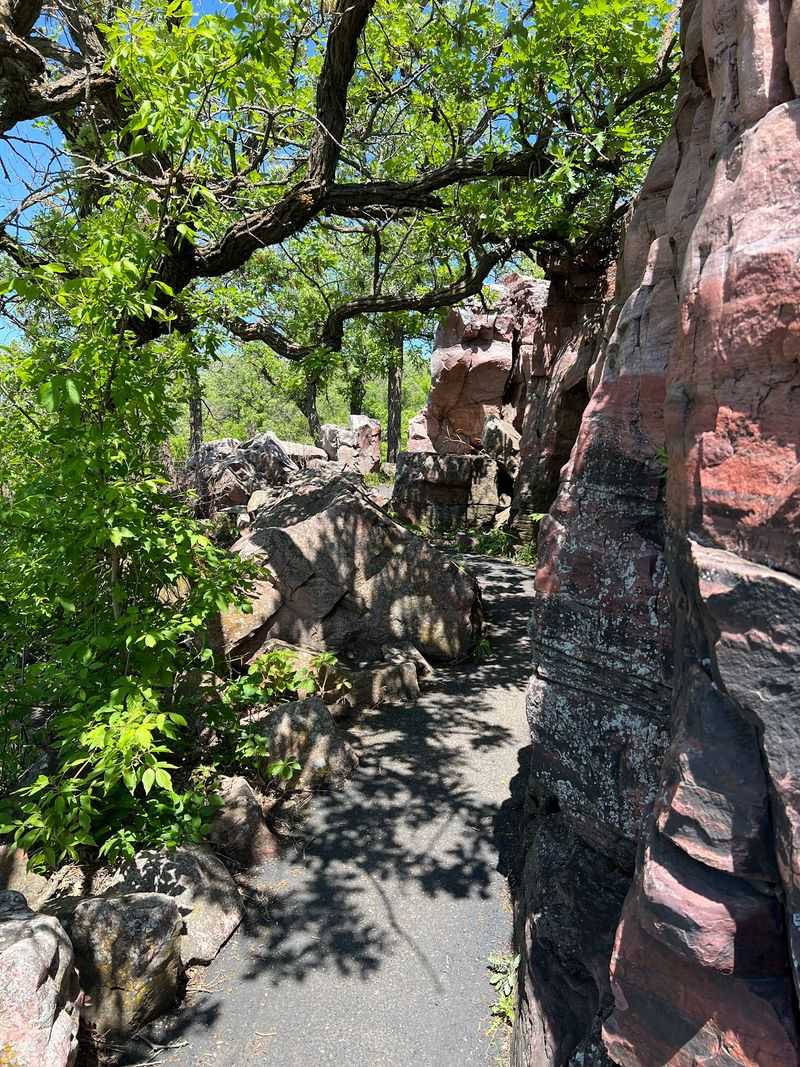
Rising above the trail, the Sioux quartzite cliffs are one of the most visually striking features of the monument. These ancient rock walls glow with deep shades of pink and red, and the layered formations tell a geological story that goes back hundreds of millions of years.
Standing beside them feels genuinely humbling.
One detail that surprises many first-time visitors is the presence of carved faces in the rock. These are not modern additions.
They are part of the long human history at this site and serve as a quiet reminder that people have been connecting with this landscape for an extraordinarily long time.
The cliffs also create natural shade along parts of the trail, which is welcome during warmer months. There is a long sunny stretch on the loop where a hat and water bottle make a real difference.
The combination of geology, history, and light makes the cliff section genuinely worth slowing down for.
Active Quarrying Still Happening Today
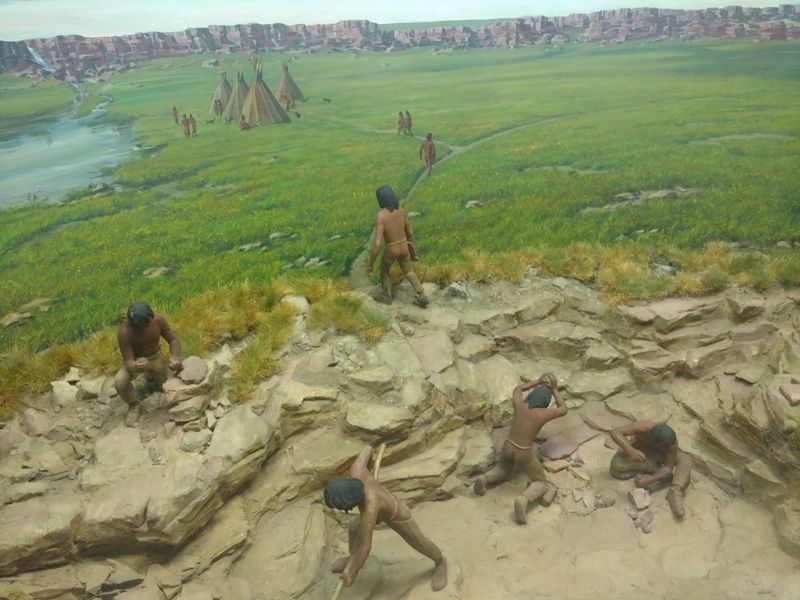
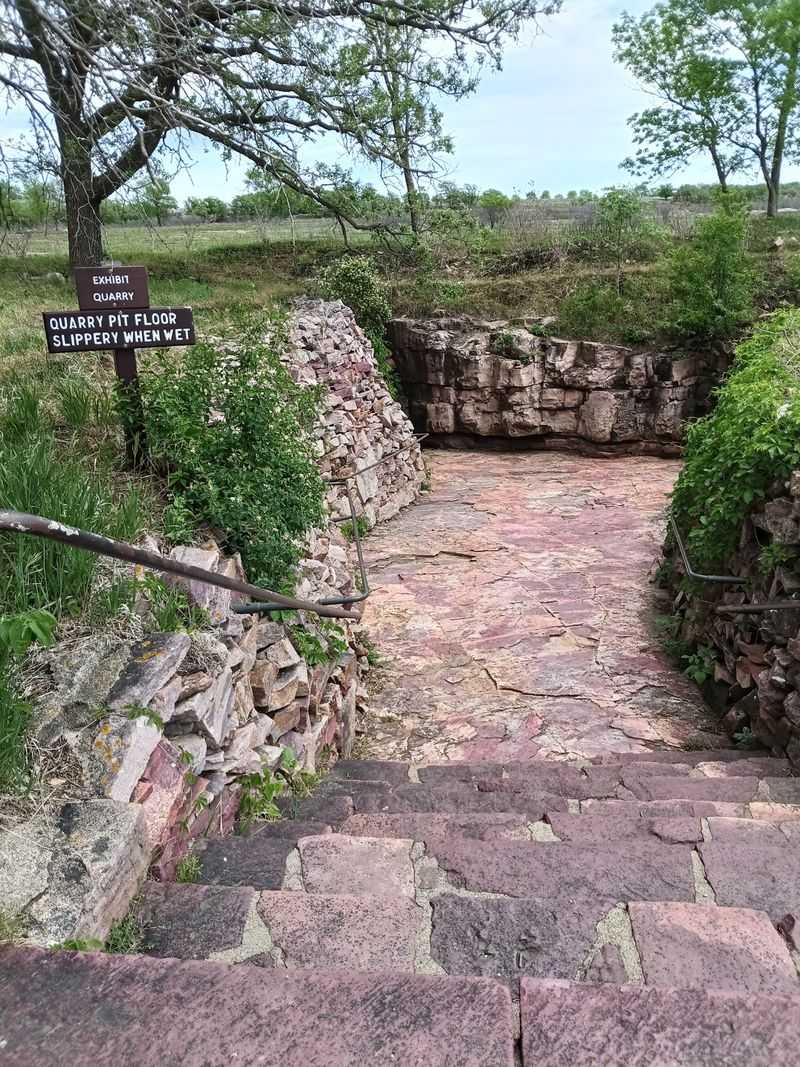
This is the detail that sets Pipestone National Monument apart from almost every other site in the National Park System. The quarrying of catlinite here is not a historical reenactment.
Enrolled members of federally recognized tribes hold the legal right to quarry the stone, and they exercise that right regularly.
During my research on this place, multiple visitors mentioned watching people actively dig at the quarry sites during their visit. The work is physical and deliberate.
Quarriers remove layers of harder quartzite to reach the softer catlinite below, a process that requires both knowledge and effort.
Seeing this happen in real time changes the way you think about the monument. This is not a place where something used to happen.
It is a place where something is still happening, right now, as it has for centuries. That continuity is remarkable and worth traveling to witness firsthand.
The Visitor Center and What It Offers
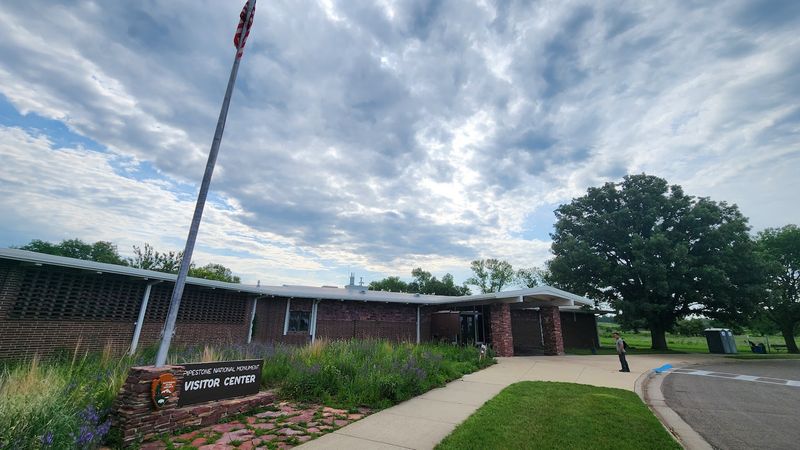
The visitor center at Pipestone National Monument is free to enter, well air-conditioned on hot days, and genuinely informative. It features exhibits on the history of the quarries, the cultural significance of the pipes, and the many Indigenous nations connected to this site.
A short film provides helpful context before you head out on the trail.
One of the highlights inside the center is the opportunity to watch artisans working with pipestone. Carvers are often present and willing to talk about their work, the stone, and the traditions behind pipe making.
These conversations add a layer of understanding that no exhibit panel can fully replicate.
The visitor center is open daily from 8:30 AM to 4:30 PM. Parking is free, and there is no entry fee for the monument itself.
The National Park Service passport stamp is kept in a case outside the building, so you can get it even when the center is closed.
Pipe Carving Demonstrations Inside the Monument
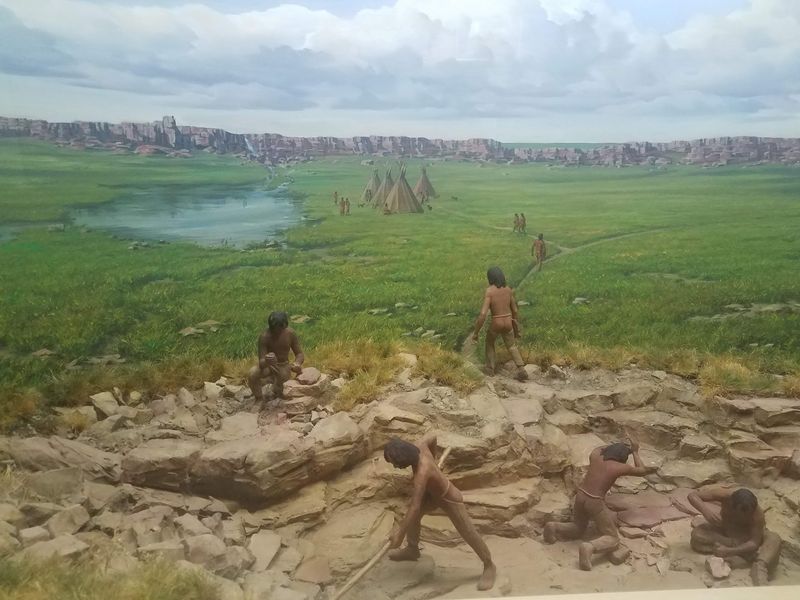
Watching someone carve a pipe from catlinite is a genuinely absorbing experience. The stone is soft enough to work with hand tools, and skilled carvers shape it into pipes, figures, and other items with a precision that comes from years of practice and cultural knowledge passed down through generations.
The carvers present at the monument are not performers. They are artists and tradition keepers who happen to be working in a space where visitors can observe and ask questions.
Many are happy to explain the meaning behind different pipe shapes or the specific techniques used to work the stone without cracking it.
The gift shop also sells handmade items crafted from pipestone by Indigenous artists. Each piece comes with information about the artist, which adds meaningful context to anything you might bring home.
Buying directly here supports the artisans and the living tradition this monument was created to protect.
Prairie Wildlife Along the Trail
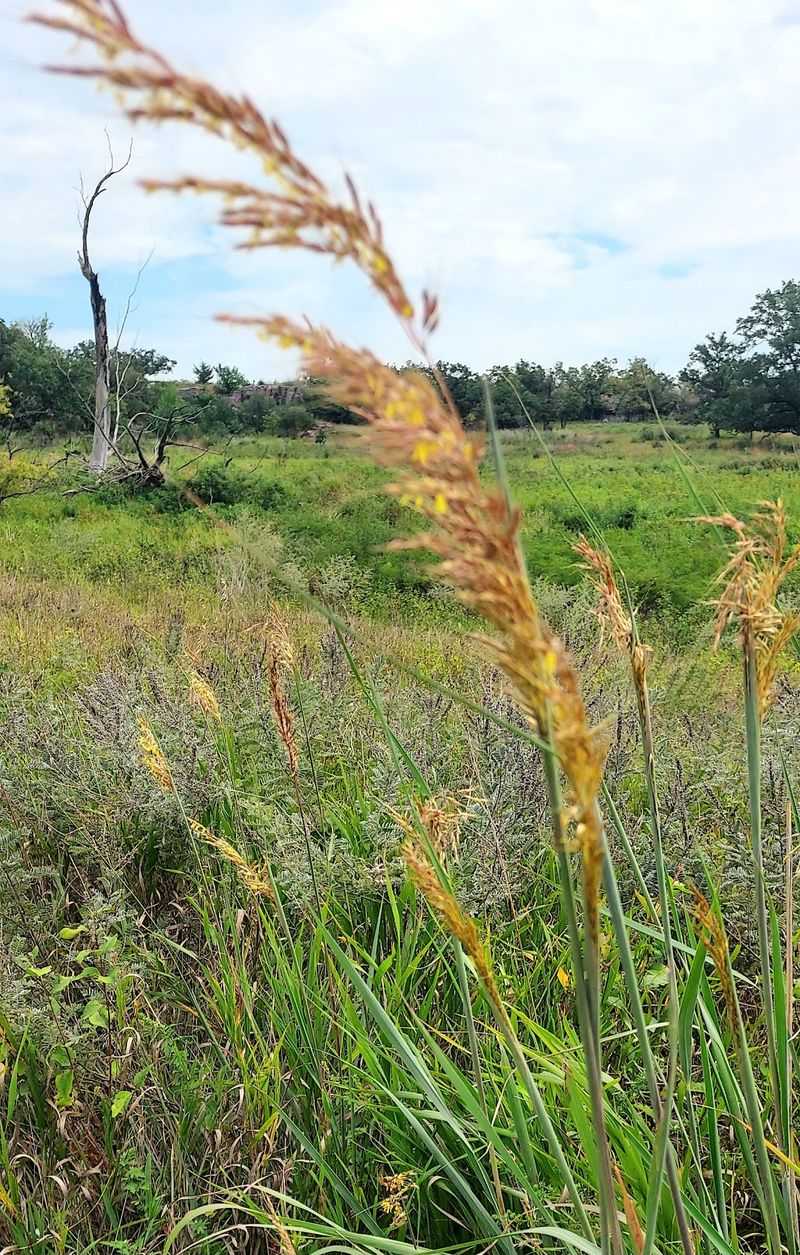
The prairie surrounding the quarries is alive with wildlife, and the trail puts you right in the middle of it. Visitors regularly spot white-tailed deer, ring-necked pheasants, wild turkeys, ground squirrels, ducks, and hawks.
The open landscape makes sightings easy, especially in the early morning when animals are most active.
Binoculars are worth bringing. The flat terrain and wide sightlines let you scan across the prairie in a way that rewards patience.
One visitor mentioned watching prairie wildlife from the visitor center parking lot with binoculars over morning coffee, and that sounds like an excellent way to start a visit.
The plant life along the trail is also worth paying attention to. The prairie ecosystem here supports native grasses and flowering plants that are noticeably different from the surrounding agricultural landscape.
Rangers and exhibit signage help identify what you are looking at, which makes the walk feel educational without being dry.
The Sacred Offerings Tied to the Trees
One of the quieter but most meaningful things you notice while walking the trail is the presence of offerings tied to trees near the quarry area. These small bundles and prayer ties are left by Indigenous visitors as part of ongoing spiritual practice.
They are not decorations, and they are not meant to be touched or moved.
Seeing these offerings in person reframes the entire experience. This is not a preserved ruin.
This is an active sacred site where people still come to pray, quarry, carve, and connect with traditions that have survived enormous historical pressure. The offerings are a visible, tangible sign of that continuity.
The National Park Service asks visitors to respect these items and the broader spiritual nature of the site. Most people instinctively understand this once they are standing in the space.
There is a stillness here that encourages a more thoughtful, slower kind of attention than you might bring to a typical park visit.
The History Behind Federal Protection of the Quarries
Pipestone National Monument was established in 1937, but the effort to protect these quarries had been building long before that. The site was formally set aside to preserve both the geological resource and the cultural rights of Indigenous peoples to continue quarrying the stone.
That dual purpose made it unusual among federal land designations from the start.
The history of this place is layered and complicated. European settlers and the U.S. government restricted Indigenous access to the quarries for extended periods, which makes the current legal protection of quarrying rights a significant outcome.
The monument represents both a preservation effort and a partial restoration of access that had been disrupted.
Understanding that history makes a visit here feel more substantial than a typical park stop. The land itself carries the weight of what happened here, and the exhibits in the visitor center do a solid job of laying that history out honestly and clearly.
The Junior Ranger Program for Young Visitors
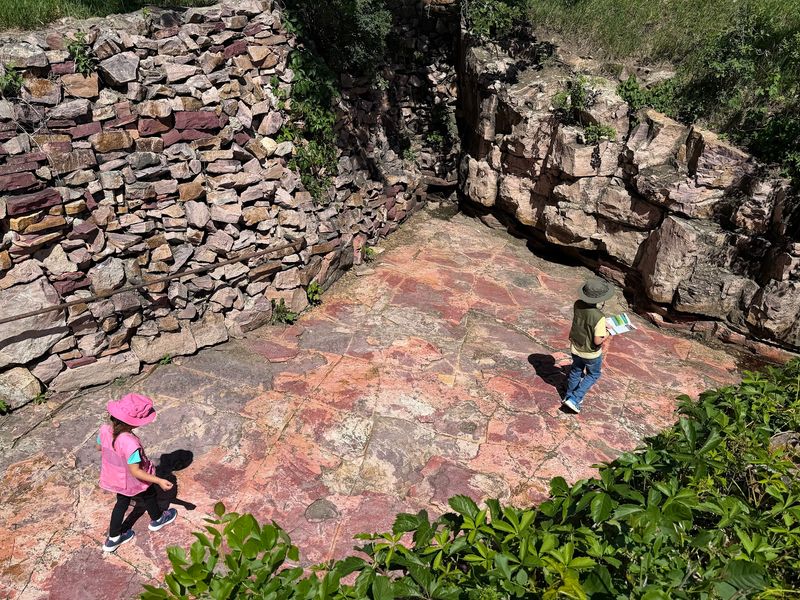
Families with kids will find the Junior Ranger program here to be one of the better versions of it available anywhere in the National Park System. The booklets are designed for multiple age levels, so younger children and older kids can both find activities that feel appropriate and genuinely engaging rather than frustratingly simple or confusingly advanced.
Rangers at the monument take the program seriously. One ranger, mentioned warmly by several visitors, was noted for spending real time with children, asking them about their trip and talking through what they observed on the trail.
That kind of personal attention makes the program memorable rather than just a badge collection exercise.
The combination of the trail, the exhibits, the carving demonstrations, and the Junior Ranger activities gives families a full visit that holds attention for kids of different ages. Most families reported finishing everything in about an hour to an hour and a half.
Practical Tips for Planning Your Visit
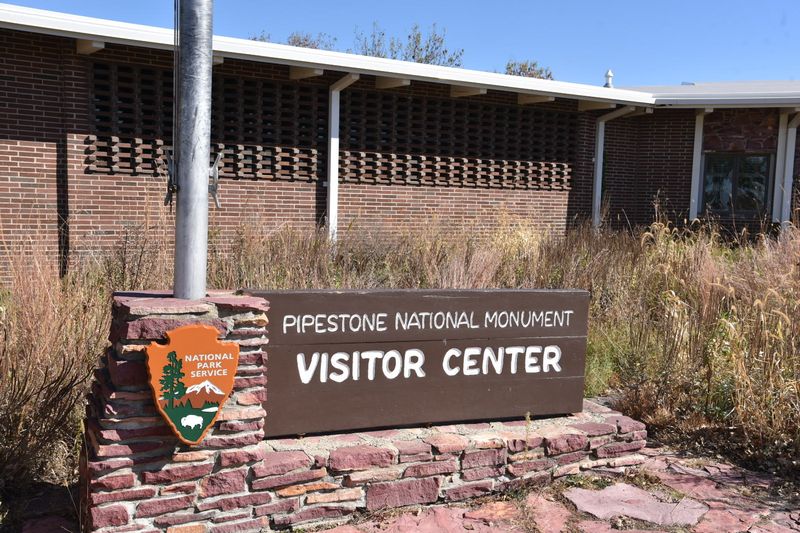
A few practical details make a real difference at this site. The visitor center is open daily from 8:30 AM to 4:30 PM.
There is no entry fee and no parking charge, which is a genuine rarity for a federally managed site. The trails are open 24 hours a day, and restrooms are available around the clock as well.
The paved trail is mostly flat and suitable for most visitors, though a few sections near the waterfall involve steps or uneven ground. Anyone with significant mobility limitations may want to skip those side paths while still enjoying most of the loop.
Bring water and a hat for the sunny stretch of the trail, especially in summer.
Cell service is available at the site. The monument is located about 30 miles from the interstate, but visitors consistently report that the drive is worth it.
Arriving on a weekday morning tends to mean a quieter, more peaceful experience overall.
The Surrounding Town of Pipestone
The town of Pipestone itself is worth a look before or after visiting the monument. The downtown area features buildings constructed from the same Sioux quartzite found at the monument, giving the streetscape a warm, rosy-red appearance that feels cohesive and distinctive.
The stone connects the town visually to the landscape that defines the region.
Pipestone is a small community, but it has a genuine character that comes through in its architecture and local pride in the monument. Several shops and small businesses operate near the downtown area, and the town serves as a practical base if you are spending more than a few hours in the area.
The broader southwestern Minnesota landscape is flat and open in a way that takes some getting used to if you are coming from somewhere with more varied terrain. But that openness has its own appeal, especially at sunrise or sunset when the light hits the red stone and the sky turns remarkable colors.
Why This Place Stays With You After You Leave
There are national parks and monuments you visit once and remember fondly. Then there are places that change the way you think about something, and Pipestone falls firmly into the second category.
The combination of living tradition, geological rarity, and honest history creates an experience that does not fade quickly from memory.
What lingers most is the awareness that this is not a place frozen in amber. People still come here to quarry stone for the same reasons their ancestors did.
That continuity across centuries, in a country where so many Indigenous traditions were actively suppressed, is something worth sitting with for a while.
Whether you come for the trail, the waterfall, the carving demonstrations, or simply the quiet of the prairie, you leave with more than you arrived with. That is the best thing a place can do, and Pipestone National Monument does it consistently and without fanfare.
Share this story