There is a place on the far northeastern tip of Minnesota where the 1790s feel genuinely alive. Log walls, costumed interpreters, and the smell of a wood fire take you back to a time when this rugged shoreline buzzed with canoes, traders, and Indigenous peoples forging one of North America’s most important commercial networks.
Most visitors drive right past without realizing what is waiting just off the road. Grand Portage National Monument is one of those rare places that rewards curiosity with a surprisingly deep and moving experience.
A Living Reconstruction That Puts You Inside History
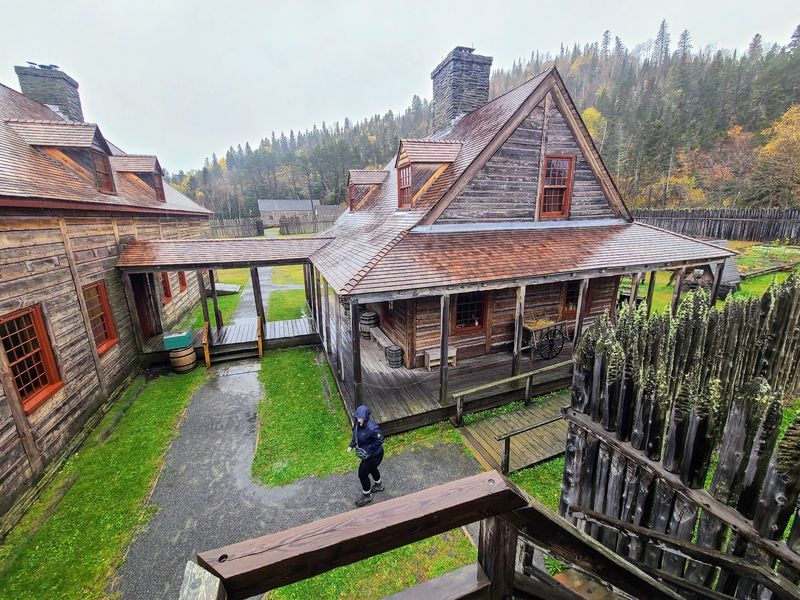
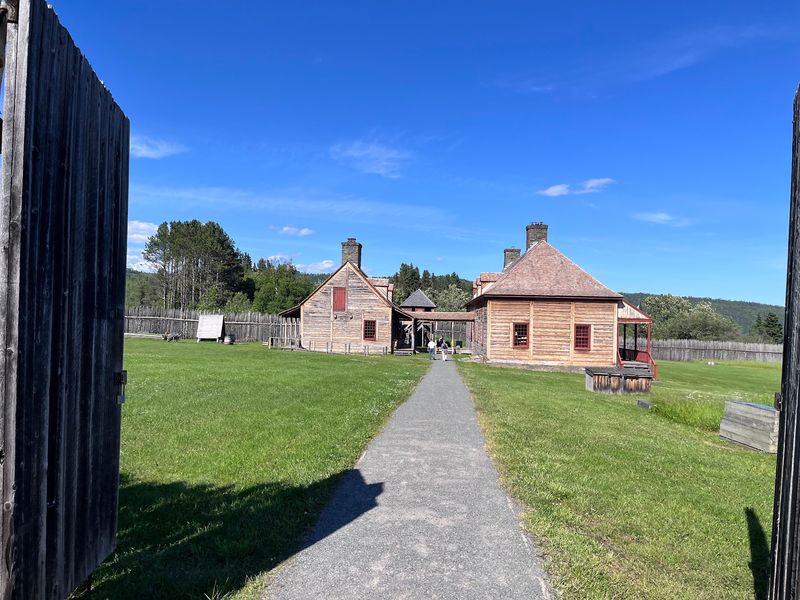
Most history museums keep you behind velvet ropes. Grand Portage National Monument takes a completely different approach, inviting visitors to walk directly inside a life-sized reconstruction of the North West Company’s fur trade depot as it appeared in the 1790s.
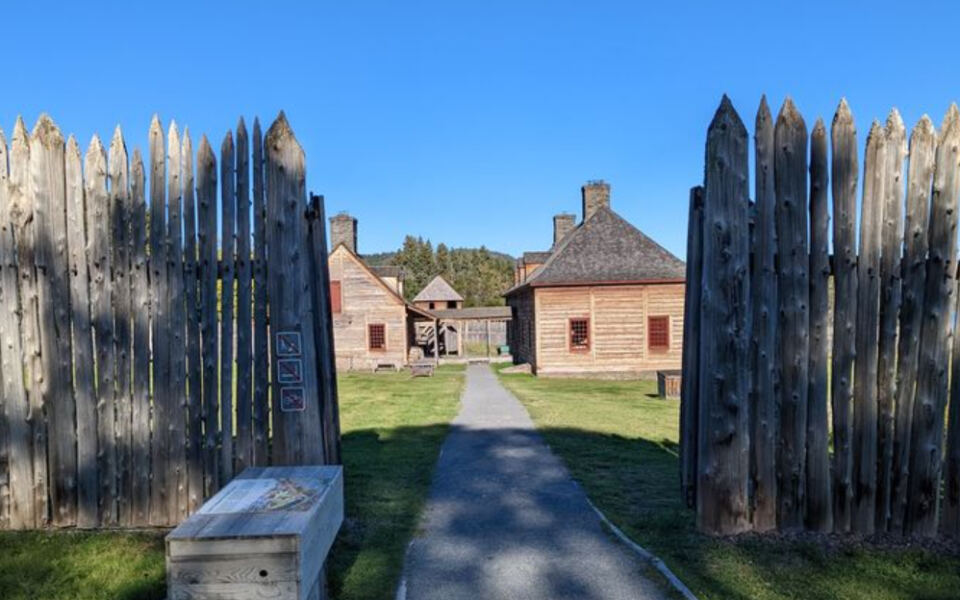
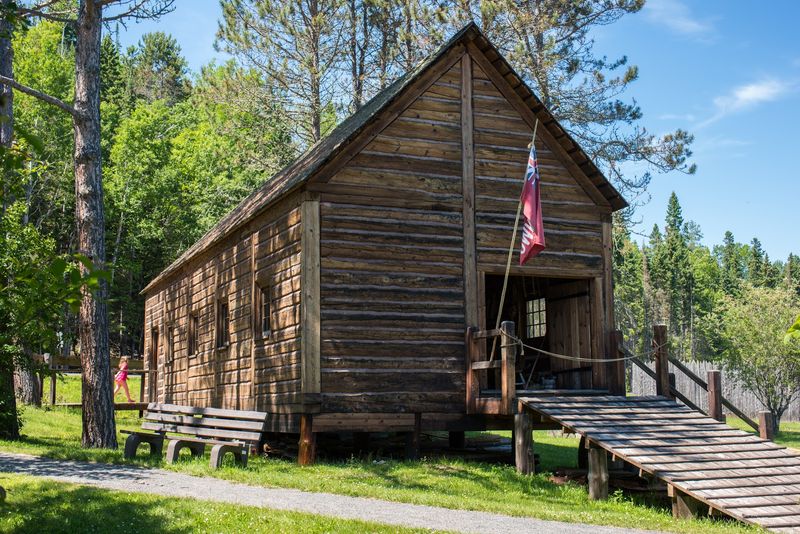
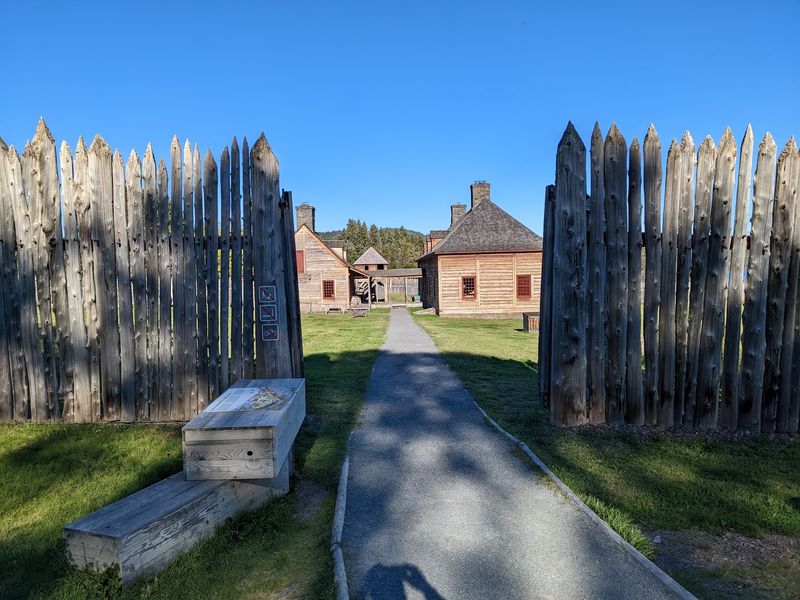
The stockade walls are made of hand-hewn timber. The buildings inside, including the Great Hall and kitchen, are furnished and staffed by interpreters in period clothing who actually demonstrate tasks from that era.
You can stand where real traders, voyageurs, and Anishinaabe people once gathered every summer for the annual Rendezvous. The reconstruction is based on careful historical and archaeological research, making it one of the most authentic recreations of a fur trade post in the United States.
Visitors consistently say it feels less like a museum and more like a time portal.
Where Exactly You Will Find This Place
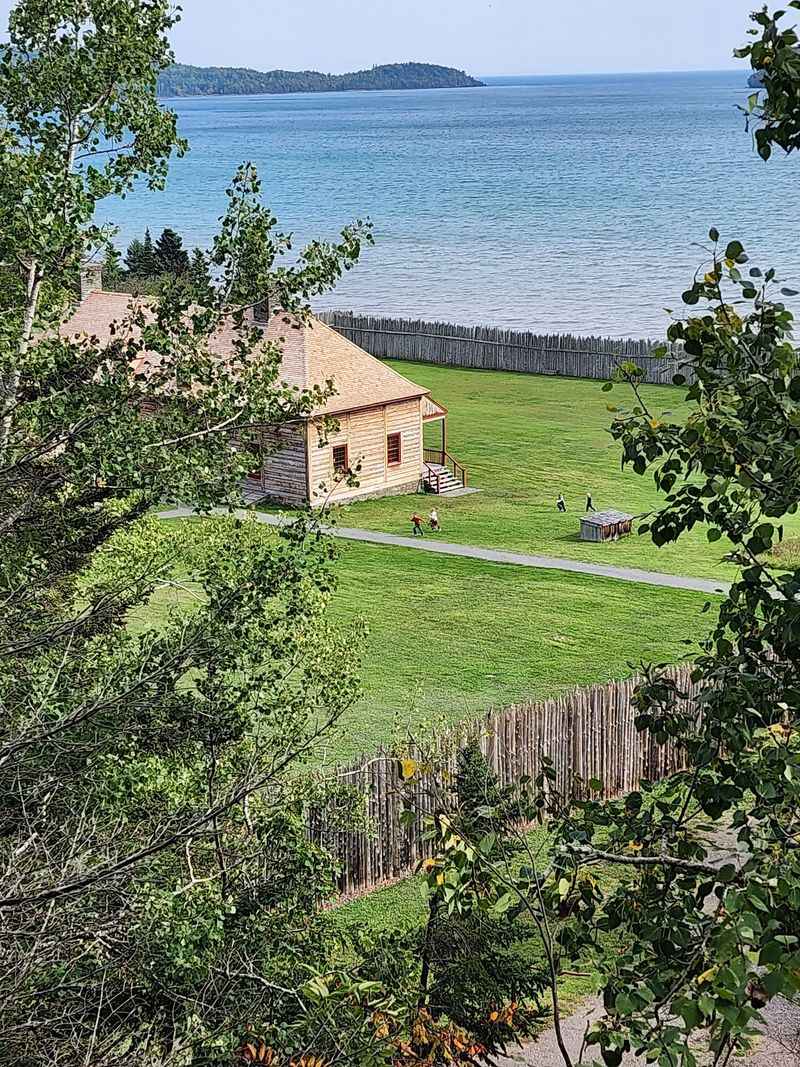
Grand Portage National Monument sits at 170 Mile Creek Road, Grand Portage, Minnesota 55605, right at the northeastern tip of the state near the Canadian border. The location itself is part of the story.
This remote stretch of Lake Superior’s North Shore was chosen by the North West Company in the late 1700s because it offered access to inland waterways stretching deep into the continent’s fur-rich interior. The monument is open daily from 9 AM to 5 PM, and admission is free, though donations are warmly welcomed.
Getting here takes some commitment. The drive along Minnesota’s Highway 61 hugs the Lake Superior shoreline for miles, offering dramatic water views before you arrive.
That drive alone feels like preparation for stepping into a world that most Americans have never encountered. Plan to spend at least two to three hours exploring once you arrive.
The Annual Rendezvous That Once Defined This Spot
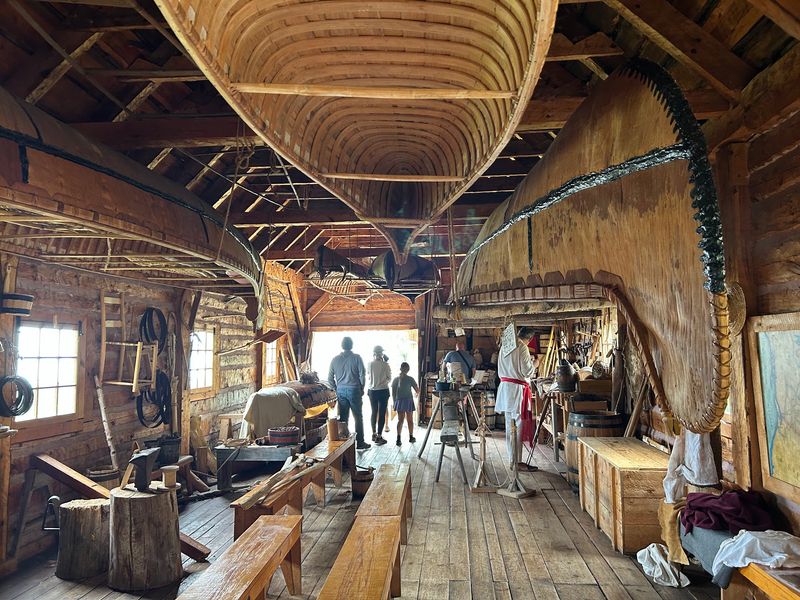
Every summer during the late 1700s and early 1800s, this remote point on Lake Superior transformed into one of the busiest commercial hubs in North America. The annual Rendezvous brought together hundreds of voyageurs paddling birchbark canoes from Montreal with inland traders arriving from as far as the Rocky Mountains.
The North West Company used Grand Portage as its central depot for nearly two decades. Furs arrived from the interior, trade goods were distributed, and business deals were struck in the Great Hall over meals that would have fed dozens at once.
The energy of that gathering is almost hard to believe when you stand in the quiet forest today.
The monument honors that history not just with signs and displays but with an annual Heritage Days celebration that recreates the Rendezvous atmosphere with period demonstrations, traditional crafts, and cultural performances from the local Ojibwe community.
The Anishinaabe Story That Belongs At The Center
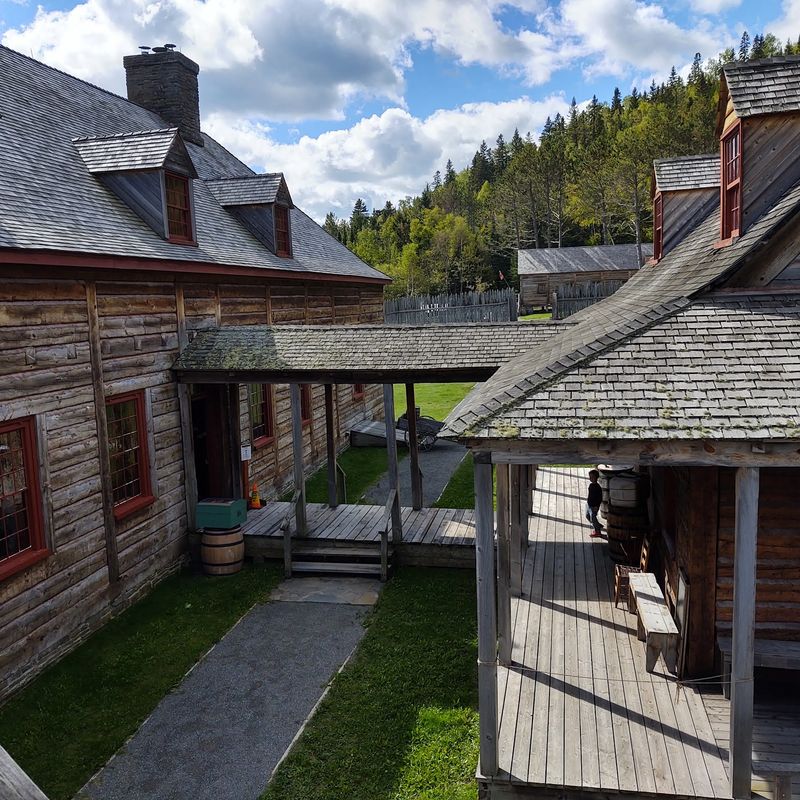
One of the most meaningful aspects of Grand Portage National Monument is how seriously it treats the Anishinaabe, also known as the Ojibwe, as central figures rather than background characters. The fur trade could not have functioned without Indigenous knowledge, labor, and diplomacy.
The monument is managed as a partnership between the National Park Service and the Grand Portage Band of Lake Superior Chippewa, whose reservation surrounds the site. That relationship shapes everything from the exhibits to the language used in interpretive programs.
Visitors learn that the Anishinaabe were not simply trading partners but the original stewards of this land and waterway system. The portage trail itself, the 8.5-mile route that gives the monument its name, was an ancient Anishinaabe path long before European traders arrived.
Hearing that story told with nuance and respect makes the visit feel genuinely different from a standard history park.
The Great Hall That Once Hosted Feasts and Deals
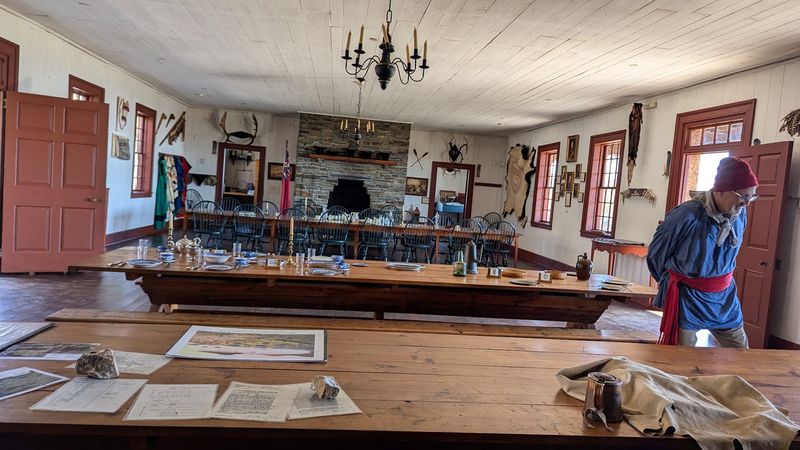
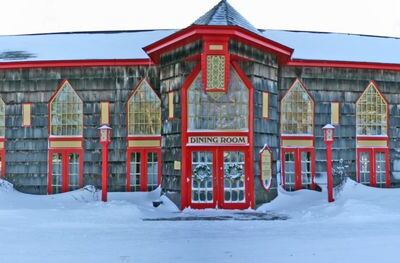
The Great Hall is the crown jewel of the reconstructed depot. This large, timber-framed building served as the dining hall, meeting room, and social hub for North West Company partners and their guests during the annual summer gathering.
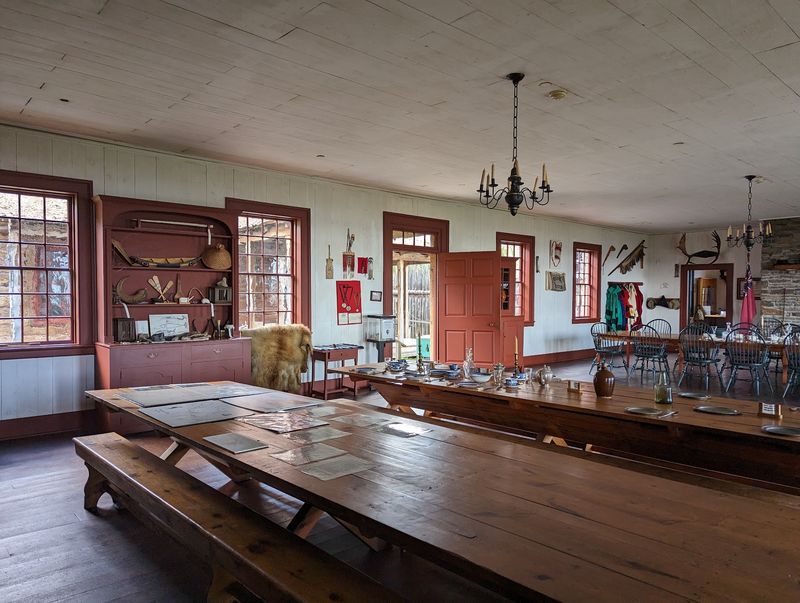
Walking inside, you notice the long wooden tables, the stone fireplace, and the low ceilings that would have made the room feel warm and crowded during a Rendezvous feast. Interpreters in period dress are often present to explain how meals were prepared, what foods were served, and how the company hierarchy played out at the dinner table.
The level of detail inside the Great Hall is impressive. The furnishings are based on historical records and inventories from the era, giving the space an authenticity that is rare in living history sites.
Standing at that long table, it is genuinely easy to picture the room full of traders arguing prices over a candlelit dinner.
Period-Dressed Interpreters Who Bring the 1790s to Life
The interpreters at Grand Portage are a genuine highlight. These are not people simply handing out brochures.
They are dressed in historically accurate 1790s clothing and actively demonstrating tasks that would have been everyday life at the depot, from cooking historical recipes to explaining how trade goods were weighed and sorted.
One visitor described watching an interpreter bake cookies using historical methods inside the actual kitchen building. That kind of hands-on demonstration turns abstract history into something you can smell, watch, and almost taste.
The interpreters field questions with real knowledge and enthusiasm, drawing on historical research rather than memorized scripts.
Children respond especially well to this format. Rather than reading plaques, kids get to ask questions of a real person who answers in character or steps out of character to explain context.
That balance between entertainment and education is something Grand Portage handles better than most living history sites.
The Visitor Center and Its Surprisingly Rich Exhibits
Before heading down to the reconstructed depot, most visitors stop at the visitor center, and it is worth taking your time there. The exhibits cover the full arc of history at Grand Portage, from the ancient Anishinaabe occupation through the fur trade era and into the present day of the Grand Portage Band.
The displays are compact but thoughtful. Artifacts, maps, and interpretive panels are arranged in a way that tells a coherent story without overwhelming you.
There is also a theater room where a short film provides context for everything you are about to see outside.
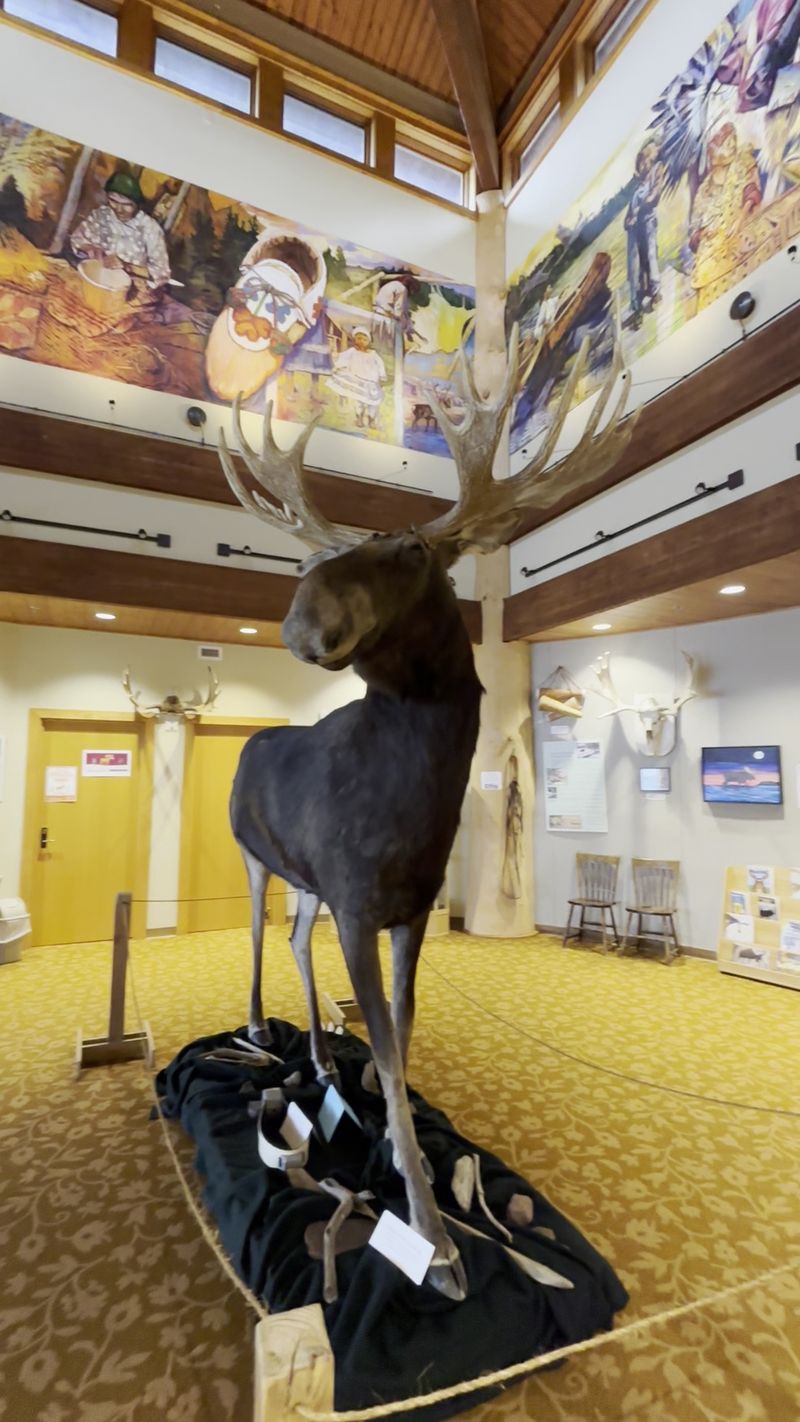
A second-floor gallery dedicated to moose is a quirky and genuinely interesting bonus. Moose are native to this region and have a complicated relationship with the northern Minnesota ecosystem.
The exhibit explains their biology, behavior, and the challenges they face today. It is an unexpected addition that visitors consistently mention as a favorite detail.
The 8.5-Mile Grand Portage Trail and Its Ancient Roots
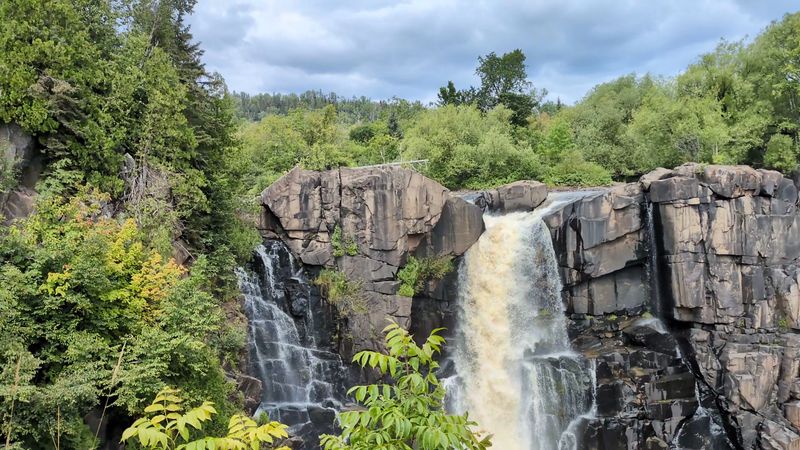
The trail that gives this monument its name is not just a scenic walk. It is an ancient travel corridor that Indigenous peoples used for generations before European traders ever arrived on the continent.
The 8.5-mile Grand Portage Trail bypasses the unnavigable lower section of the Pigeon River, connecting Lake Superior to the interior waterway system.
Voyageurs carrying 90-pound packs of trade goods walked this trail repeatedly during each Rendezvous season. The physical demand was staggering, and the trail’s rugged terrain makes that sacrifice feel real when you hike even a portion of it today.
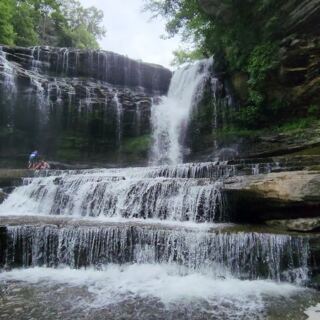
The trail passes through boreal forest and offers access to the impressive High Falls of the Pigeon River, which ranks among the tallest waterfalls in Minnesota. Hikers who complete the full route experience something genuinely close to what those 18th-century travelers encountered, minus the crushing load on their backs.
Lake Superior Views That Make the Setting Unforgettable
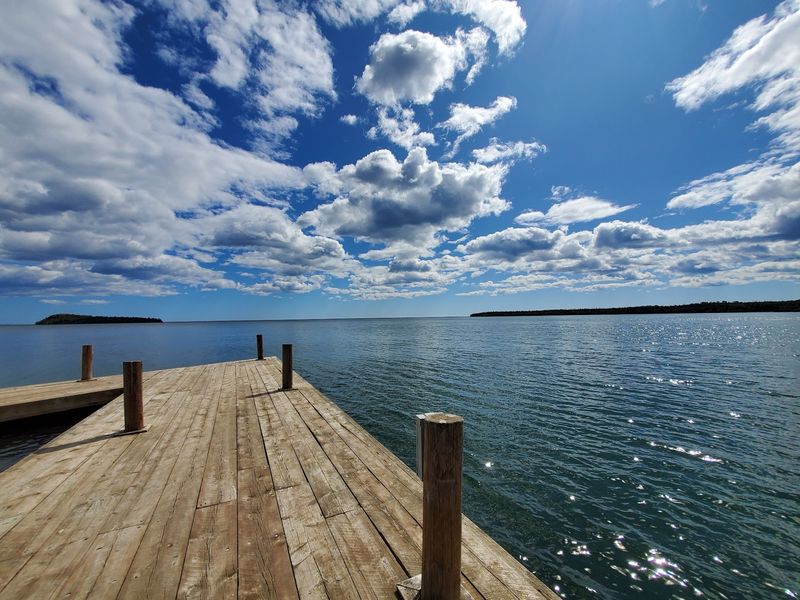
The physical setting of Grand Portage National Monument is genuinely stunning. The reconstructed depot sits near the shoreline of Grand Portage Bay, with Lake Superior stretching out to the horizon in shades of steel blue and deep green.
On a clear day, the water looks almost oceanic.
A wooden dock extends into the bay, and visitors often walk out to the end just to stand above the lake and take in the scale of it. That same view greeted voyageurs arriving by canoe after weeks of paddling from Montreal.
The lake was both highway and obstacle, beautiful and dangerous in equal measure.
Wildflowers bloom along the shoreline path during summer, adding color to an already picturesque scene. Several visitors have noted that even on a day when the buildings are closed, the lake views alone justify the drive.
That is saying something for a destination this far north.
The Junior Ranger Program That Hooks Young Visitors
Families with kids have a particularly good reason to stop at Grand Portage. The Junior Ranger program gives children a structured way to engage with the site through a workbook full of activities, observations, and questions that guide them through the exhibits and the outdoor areas.
After completing the workbook, kids return to the visitor center to be sworn in as Junior Rangers in a small ceremony that multiple families have described as genuinely moving. The enthusiasm of the volunteers who run this program is evident, and children leave with both a badge and a real sense of accomplishment.
The program works especially well here because the site offers so many tactile and visual experiences to support the activities. Rather than just reading about fur trade history, kids get to observe demonstrations, walk through reconstructed buildings, and connect with interpreters who make the past feel relevant and exciting rather than distant and dry.
Free Admission That Makes It Accessible to Everyone
One detail that surprises many first-time visitors is that Grand Portage National Monument charges no admission fee. Entry is completely free, which makes it an exceptional value for families, road-trippers, and anyone exploring Minnesota’s North Shore on a budget.
Donations are accepted and genuinely appreciated, as they help support ongoing preservation and programming at the site. The gift shop offers a solid selection of books, souvenirs, and locally relevant items for those who want to take something home.
Visitors can also get their National Parks Passport books stamped here, which is a small but satisfying ritual for dedicated park enthusiasts. The combination of free admission, rich programming, and a spectacular natural setting makes Grand Portage one of the best value stops anywhere along the Lake Superior shoreline.
It is the kind of place that feels like a well-kept secret even though it is right off the highway.
The Moose Gallery That Surprises Nearly Everyone
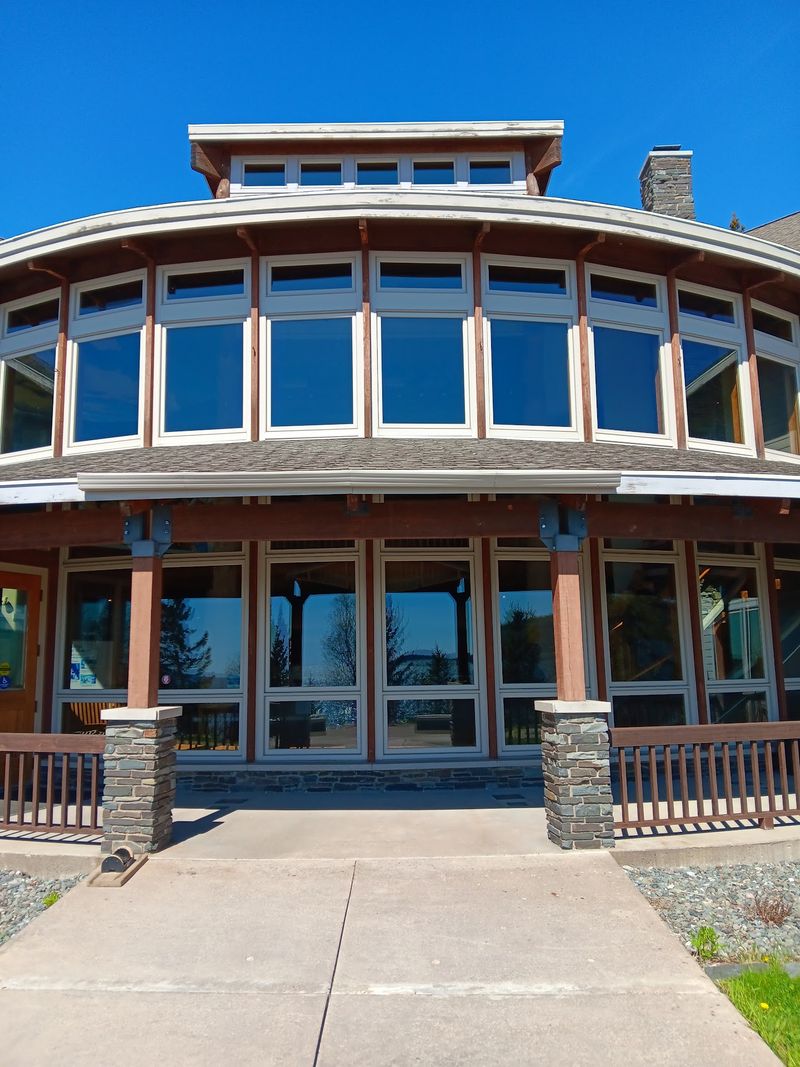
Nobody expects to find a dedicated moose gallery inside a fur trade monument, but that is exactly what waits on the second floor of the visitor center. The exhibit focuses on the moose population of northern Minnesota, their ecological role, and the pressures they face in a changing environment.
A full moose mount is the centerpiece, giving visitors a genuine sense of just how large these animals are. Surrounding displays explain moose behavior, habitat, and the complex relationship between moose populations and climate shifts affecting the boreal forest region.
It sounds like an odd addition until you realize that moose have been part of this landscape for thousands of years, deeply woven into both Anishinaabe culture and the ecology of the North Shore. The gallery adds a layer of natural history to a site already rich in human history, rounding out the visit in a way that makes Grand Portage feel more complete than most national monuments its size.
The Loop Trail Behind the Depot and Its Quiet Beauty
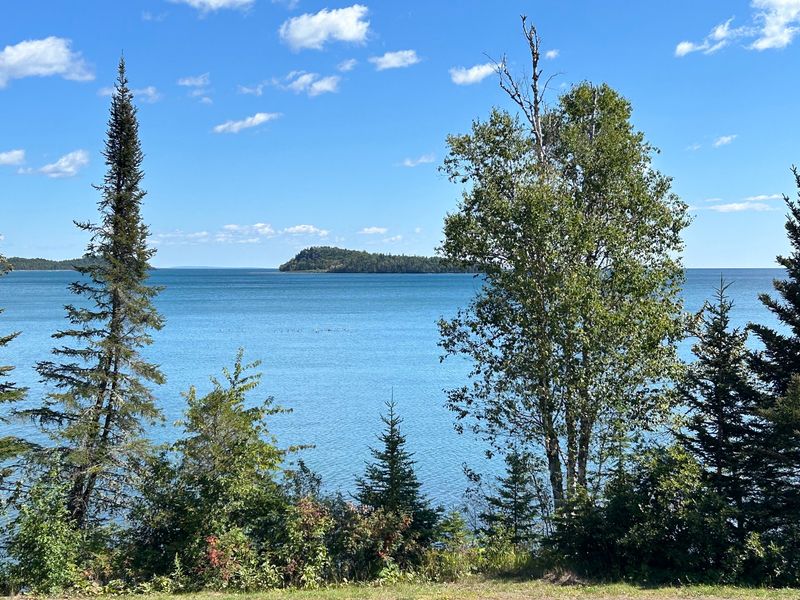
Beyond the reconstructed stockade, a loop trail winds through the woods and along the shoreline, offering a quieter way to experience the landscape surrounding the depot. The trail is short enough for most visitors to complete without much effort, but scenic enough to feel like a genuine reward.
Wildflowers line the path during summer months, and the tree canopy provides welcome shade on warmer days. The trail offers several spots where Lake Superior comes into view through the trees, framing the water in a way that feels almost painterly.
This is also a good place to simply slow down and think about the history beneath your feet. The same shoreline path was walked by voyageurs, Anishinaabe traders, and North West Company clerks for decades.
The forest has changed, but the lake has not, and standing quietly beside it connects you to that long chain of human presence in a way that no exhibit can fully replicate.
The Introductory Film That Sets the Stage Perfectly
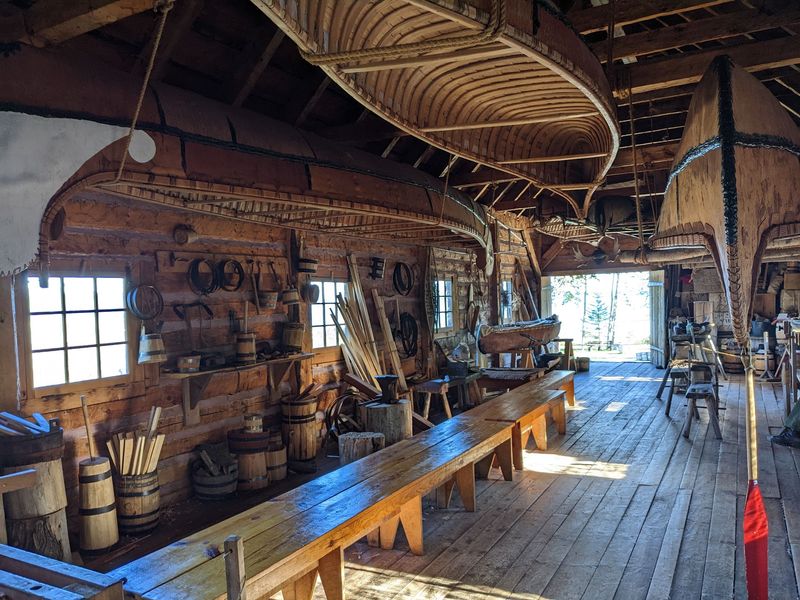
Before stepping outside to explore the grounds, there is a 20-minute film shown in the visitor center theater that does an excellent job of laying out the full context of Grand Portage’s history. Visitors who skip it often wish they had watched it first.
The film covers the Anishinaabe heritage of the region, the rise of the fur trade, the role of the North West Company, and the significance of the portage trail itself. It is well-produced and manages to be genuinely engaging rather than the dry educational video you might expect from a federal site.
Several visitors have described it as one of the best introductory films they have seen at any national park or monument. Watching it first means that everything you encounter outside, from the stockade walls to the interpreter demonstrations, carries more meaning.
That context transforms a pleasant walk into a fully immersive historical experience.
Why This Monument Rewards a Return Visit
Grand Portage National Monument is one of those places that feels different depending on when you visit. The summer months bring living history demonstrations, the full Junior Ranger program, and the lush green backdrop of the boreal forest in peak condition.
Heritage Days in August adds an entirely different layer of activity and cultural celebration.
Visiting in the shoulder seasons offers a quieter, more contemplative experience. The crowds thin, the light changes, and the lake takes on moods that summer visitors never see.
The trail through the forest looks completely different in autumn color or under an early frost.
The combination of Indigenous heritage, fur trade history, natural scenery, and thoughtful programming makes this monument genuinely hard to exhaust in a single visit. Most people who stop here once end up planning a return trip, often with friends or family members they want to share it with.
That kind of loyalty says more than any rating ever could.
Share this story