There is a boardwalk in the middle of a Twin Cities suburb that floats directly over open water, carrying you through a living marsh with turtles surfacing below and herons standing perfectly still just a few feet away. Most people drive past it every day without knowing it exists.
Tucked inside the city of Richfield, this nature center packs an extraordinary amount of wild Minnesota into a surprisingly compact space. From the moment you step onto that floating boardwalk, the city noise fades and something quieter takes over.
A Nature Center Hidden Inside a Busy Suburb
Right in the middle of Richfield, Minnesota, one of the most densely developed suburbs in the Twin Cities, sits a stretch of wetland and woodland that genuinely feels like it belongs somewhere far north of the city. Wood Lake Nature Center, located at 6710 Lake Shore Dr S, Richfield, MN 55423, manages to create a sense of real wilderness within minutes of busy commercial streets.
The contrast hits you quickly. You park the car, walk a short path, and suddenly the sounds shift.
Traffic softens. Birds get louder.
The air smells different.
This is not a manicured city park with trimmed hedges and paved sidewalks everywhere. The landscape here is raw in the best way, with cattail marshes, open water, wooded corridors, and muddy edges that remind you nature was here long before the suburb grew up around it.
The Floating Boardwalk That Starts It All
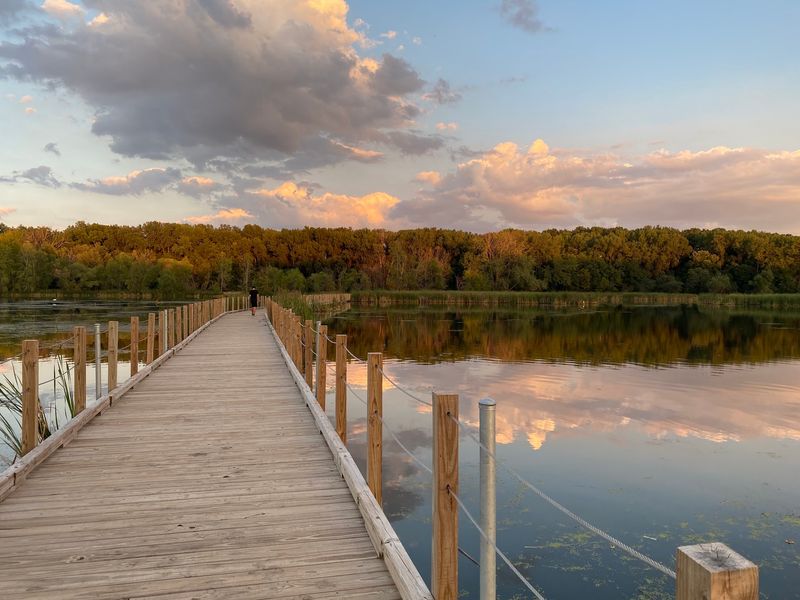
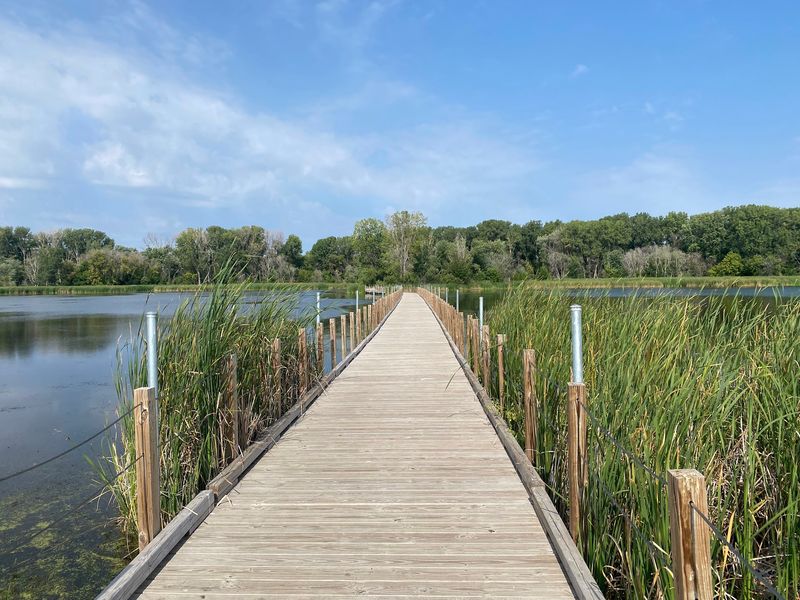
The floating boardwalk is the reason most first-time visitors come back. It stretches out over the open water of Wood Lake, sitting directly on the surface rather than elevated above it.
The slight movement underfoot as you walk reminds you constantly that you are standing on water.
Looking down through the gaps, you can spot snapping turtles moving slowly along the bottom. On calm mornings, the water reflects the sky so clearly that the walk feels almost dreamlike.
The boardwalk takes you to the center of the marsh, surrounded on all sides by open water and wetland vegetation. There are no buildings visible from the middle.
No parking lots. No signs of the suburb.
Just marsh grass, open sky, and whatever wildlife happens to be out that day. That sense of complete immersion is rare inside any city, and it is genuinely worth the trip on its own.
What the Marsh Ecosystem Actually Looks Like Up Close
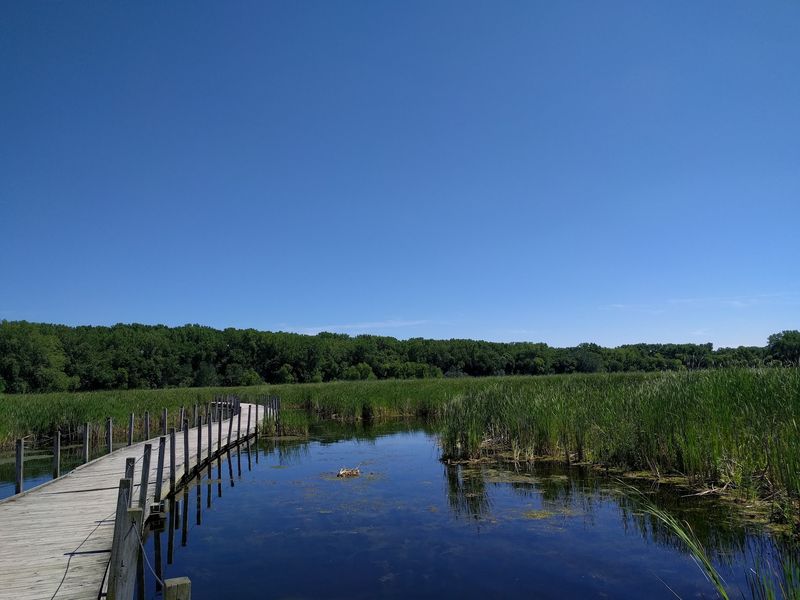
Walking the boardwalk through the marsh gives you a front-row seat to an ecosystem that most people only see from a distance or in a documentary. The marsh at Wood Lake is a working wetland, full of layered life operating at different speeds and depths.
Painted turtles sun themselves on half-submerged logs. Muskrats push through the cattails, leaving small V-shaped wakes behind them.
Red-winged blackbirds call from the reeds with that sharp, territorial sound that is almost synonymous with Minnesota summers.
The water itself is alive with activity if you slow down long enough to watch. Aquatic insects skim the surface.
Frogs drop into the shallows when you get too close. Lily pads stretch out across the calmer sections of the lake.
The marsh does not put on a performance for visitors. You simply show up and observe, which makes every sighting feel genuinely earned.
The Trail System Beyond the Boardwalk
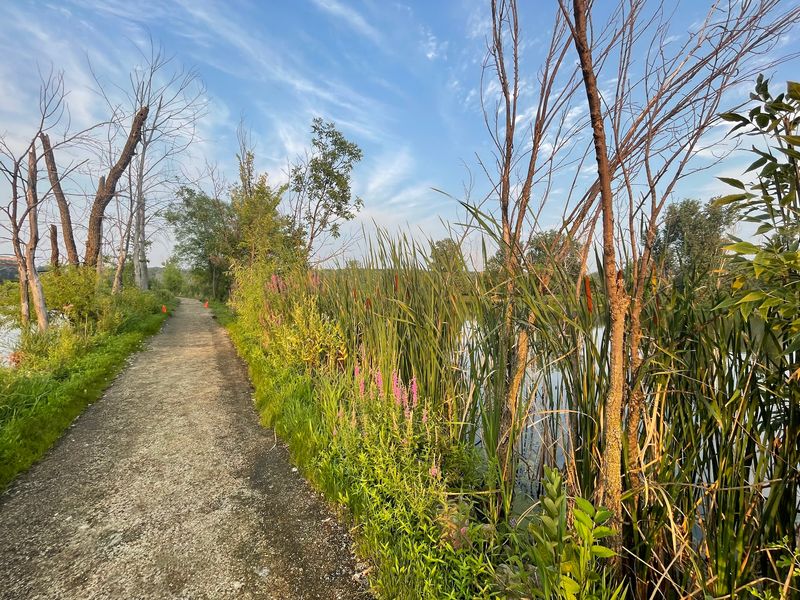
The boardwalk gets most of the attention, but the trail network surrounding it adds serious depth to any visit. Wood Lake Nature Center offers both paved and unpaved trail options, giving visitors a choice between an easy, accessible loop and a more rugged walk through heavier vegetation.
The longer loop stretches nearly two miles and passes through multiple habitat types, including open marsh edges, wooded sections with mature trees, and quieter pond areas that feel entirely separate from the main lake. Each section has its own mood and its own wildlife.
The shorter loop is well-suited for families with younger kids or anyone who wants a quicker walk without missing the highlights. Both routes are clearly marked and well-maintained.
One detail worth knowing is that some sections can get muddy after rain, so sturdy shoes are a smart call. The trails reward slow walkers who stop often more than those who rush through.
Birdwatching Opportunities That Surprise Even Experienced Birders
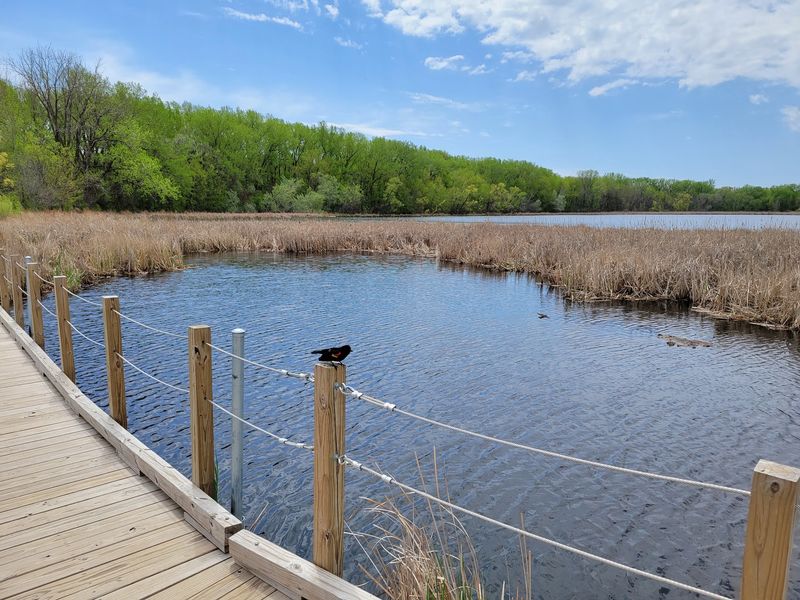
Wood Lake Nature Center has quietly built a reputation among Twin Cities birders as one of the most productive urban birding spots in the region. The variety of habitats packed into a relatively small area means a single visit can turn up an impressive list of species.
Egrets wade through the shallows with that slow, deliberate patience they are known for. Wood ducks appear in the calmer coves, especially earlier in the season.
Terns dive over the open water. Canada geese are almost always present and tend to be vocal about it.
During migration seasons, the diversity increases considerably. The marsh and open water attract waterfowl moving through the region, and the wooded sections pull in songbirds that need a rest stop.
Even visitors who do not consider themselves birders tend to leave with a longer mental list of birds than they expected, which is part of what makes this place stick in the memory.
Wildlife That Goes Well Beyond the Birds
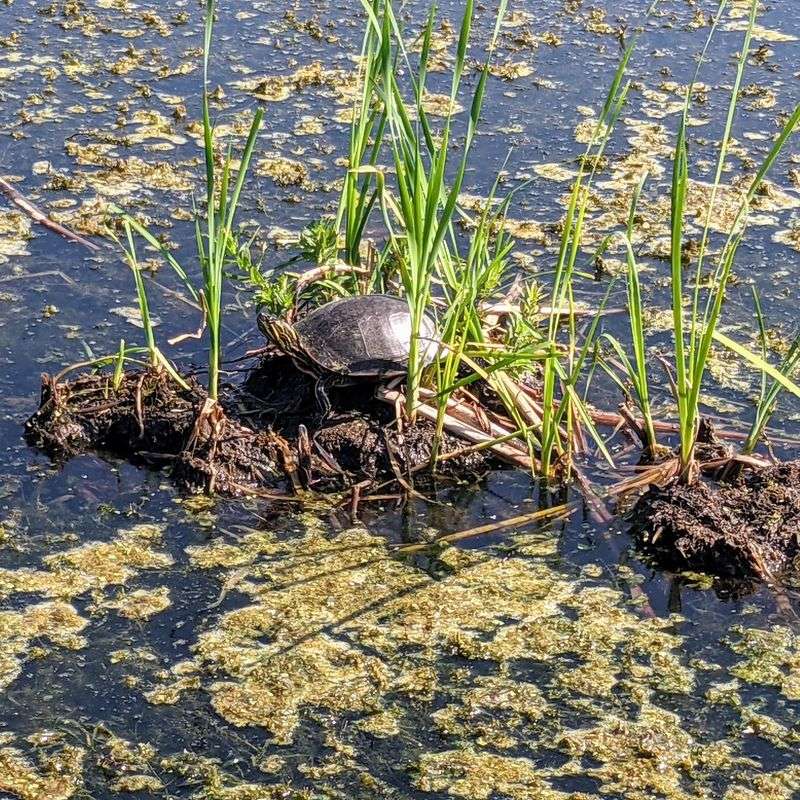
The birdlife here is impressive, but the mammals and reptiles are what tend to catch visitors off guard. Muskrats are almost guaranteed sightings near the marsh edges, moving through the water with surprising confidence.
Beavers have been spotted here as well, though they are less predictable.
White-tailed deer occasionally move through the wooded sections of the trail, particularly in the early morning and evening hours. Foxes have been seen on the property too, usually in the quieter corners away from the main paths.
Snapping turtles are a signature sighting at Wood Lake. The big ones are genuinely impressive up close, especially when spotted from the floating boardwalk.
Painted turtles are far more common and can be found on nearly every sunny log throughout the warmer months.
The variety here is real. This is not a place that teases wildlife sightings.
On most visits, you will encounter something worth stopping for.
The Nature Center Building and Indoor Exhibits
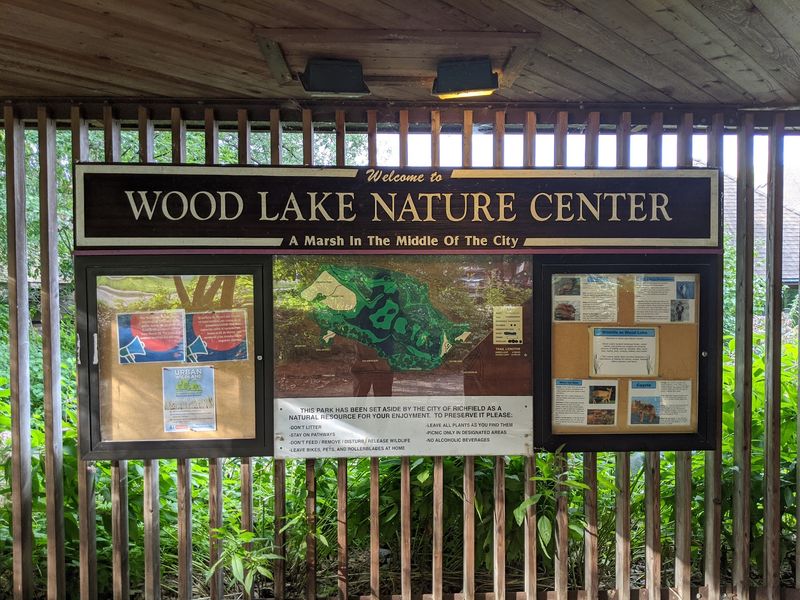
The nature center building adds a meaningful layer to the outdoor experience. Inside, visitors find educational exhibits focused on the local ecosystem, live animal displays, and interactive materials designed to help younger visitors understand what they are seeing outside on the trails.
There is an indoor viewing area where bird feeders positioned just outside the windows draw in local species year-round. Watching chickadees and woodpeckers up close from inside a warm building is a genuinely pleasant way to spend time, especially during colder months.
The building also has restrooms and water fountain access, which matters more than it sounds when you are planning a longer visit with kids.
As of mid-2025, the building is undergoing renovation, so it is worth checking the current status before visiting if indoor access is part of your plan. The trails and boardwalk remain accessible during the construction period.
Winter Visits and the Quieter Side of the Trails
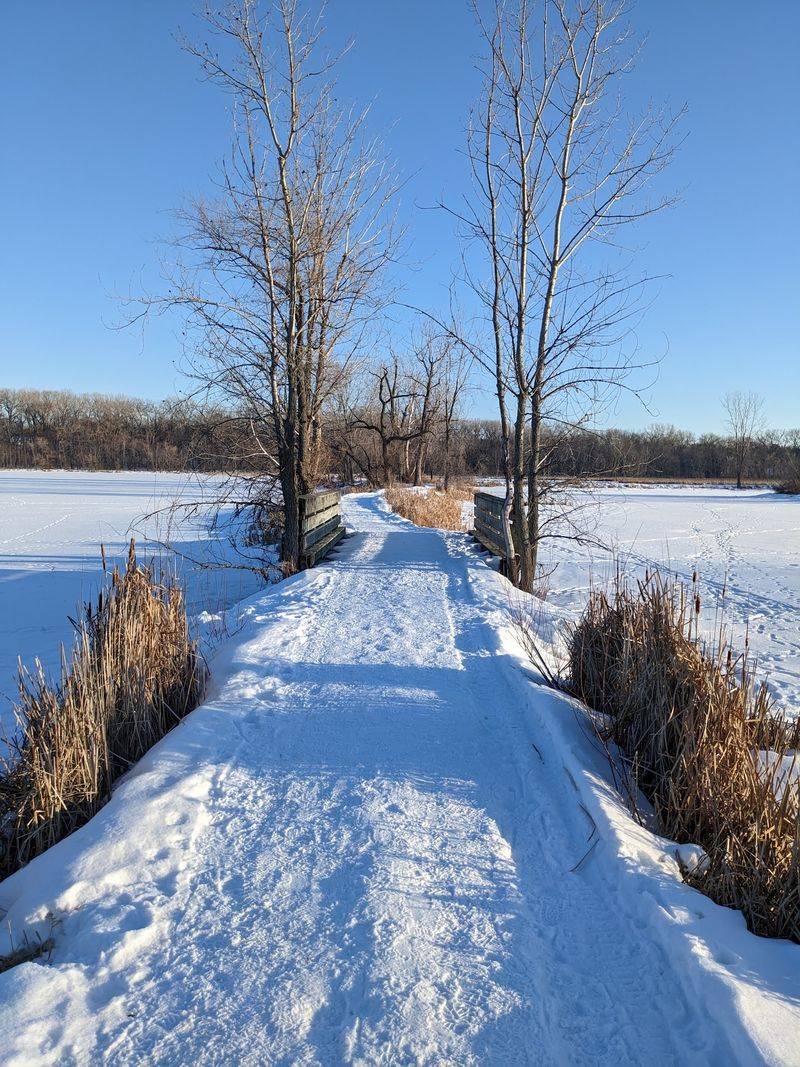
Most people assume a nature center built around a marsh is purely a warm-weather destination. Wood Lake proves that wrong quickly.
Winter visits here have a completely different energy, and for some regulars, it is their favorite season to come.
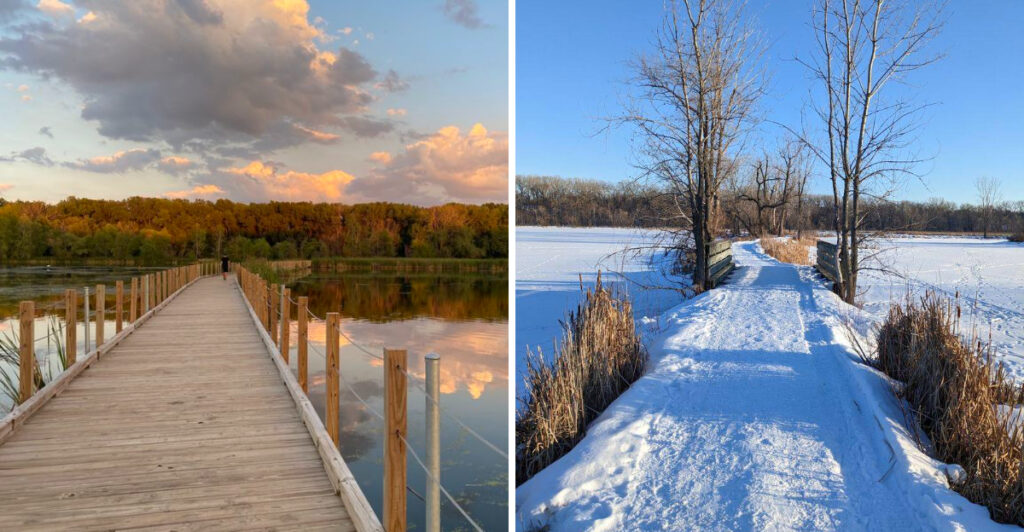
The trails take on a clean, quiet quality after snowfall. Bare trees open up sight lines that summer vegetation hides completely.
The frozen marsh reflects light differently, and the whole landscape feels stripped down to its essential shapes.
The nature center has historically offered snowshoe and cross-country ski rentals during winter months, making the longer trail loop accessible even after a heavy snow. The trails are used but not groomed, which gives the experience a natural, unmanicured feel that fits the setting perfectly.
Bird feeders near the building stay active through winter, drawing in species that are easier to observe when the leaves are gone. A cold morning walk here has a meditative quality that is hard to replicate elsewhere in the city.
Sunrise and Sunset at the Marsh
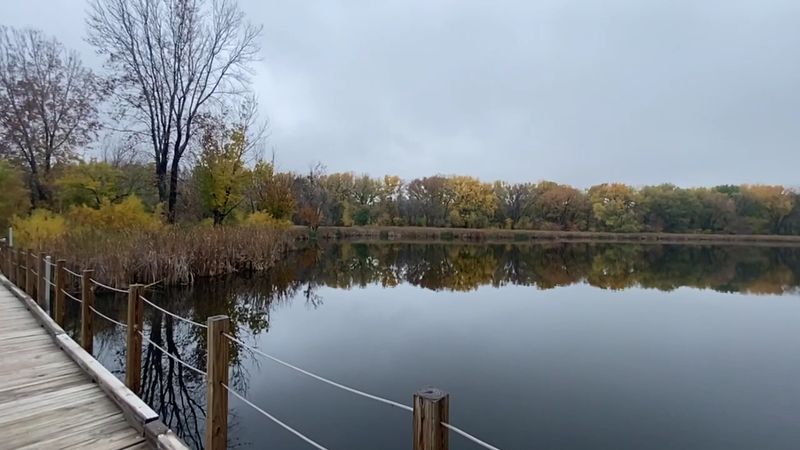
The park opens at 5 AM every day of the week, which is not an accident. Early morning at Wood Lake is a different world.
The light comes in low across the open water, turning the marsh gold and pink depending on the cloud cover. Birds are loudest in that first hour after dawn, and the trails are nearly empty.
Sunset visits have their own appeal. The western exposure over the open water creates long reflection shots that photographers return for repeatedly.
Geese move across the sky in formation. The cattails go silhouette.
The whole scene slows down in a way that feels almost deliberate.
The park stays open until 11 PM, which means evening walks are genuinely on the table. After dark, the sounds change entirely.
Frogs take over. The marsh hums.
Whether you come at first light or just before the stars appear, the timing shapes the experience in ways that a midday visit simply cannot replicate.
Family Visits and What Kids Actually Notice Here
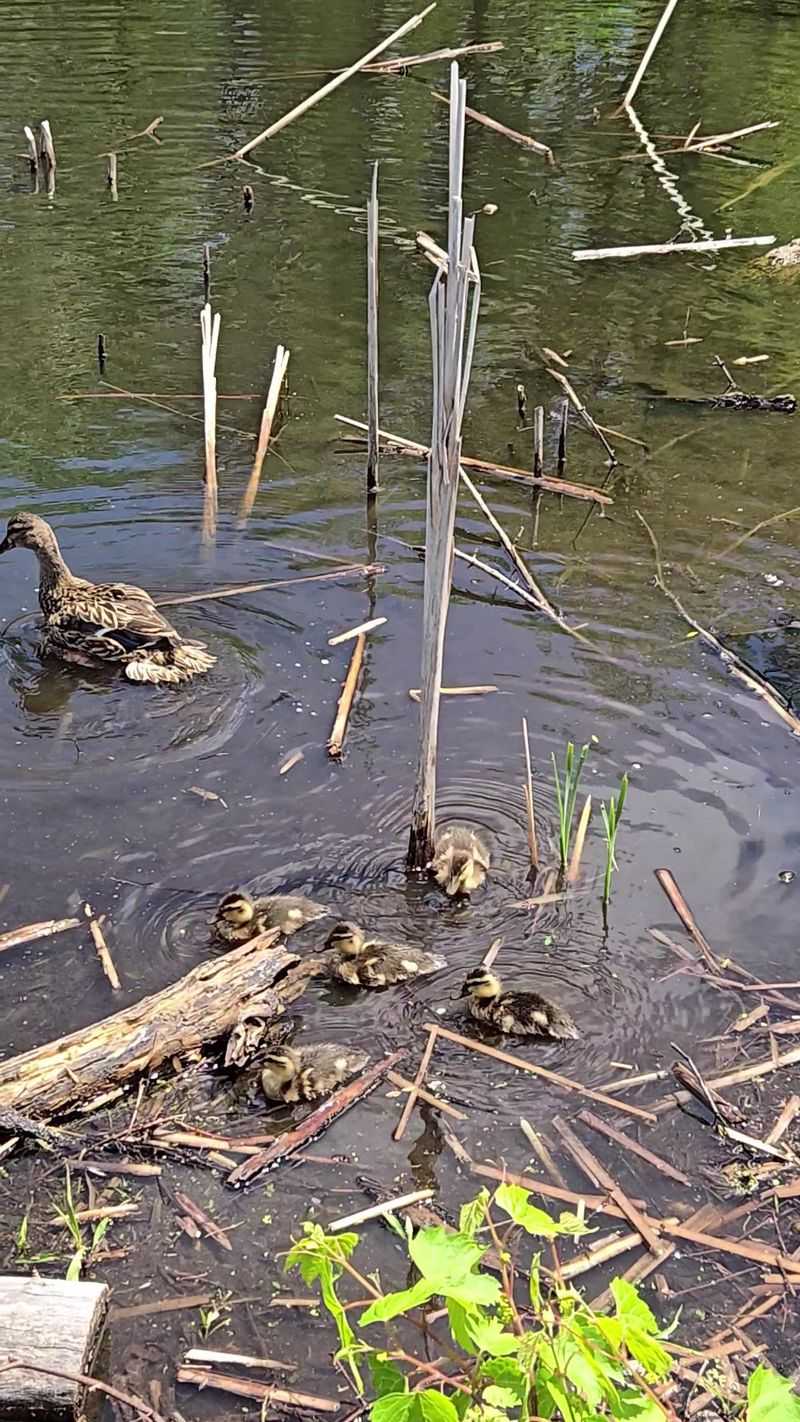
Kids respond to Wood Lake in a way that is hard to manufacture with structured programming. The boardwalk alone tends to hold their attention for a long time.
The movement underfoot, the turtles below, the ducks that paddle past without concern for visitors, all of it lands differently for a child than for an adult.
There is a small play area along the trail that uses natural materials, giving younger visitors a physical outlet between wildlife sightings. The wooded sections have fallen branches and natural features that kids tend to turn into forts and exploration zones on their own.
The trails are manageable for most ages, though the longer loop requires solid footwear and some patience from smaller walkers. The shorter loop covers the highlights without overwhelming anyone.
Parents who bring kids here regularly report that the unpredictability of wildlife sightings is what keeps children genuinely engaged. Every visit feels different, which makes it easy to come back.
Seasonal Changes That Make Every Visit Feel New
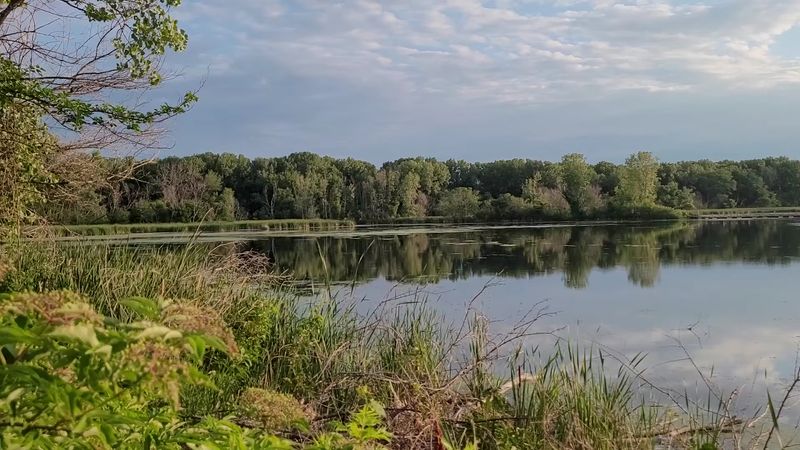
One of the things that keeps regular visitors returning throughout the year is how dramatically the landscape shifts with each season. Spring brings newly hatched ducklings following their mothers through the shallows, fresh green growth pushing up through last year’s dead cattails, and a burst of bird activity that peaks during migration.
Summer fills the marsh with dense vegetation and insect life, and the boardwalk becomes a corridor through tall reeds and open water simultaneously. The heat brings out turtles in numbers, and the late afternoon light over the lake is consistently worth stopping for.
Fall strips things back gradually. The colors shift.
Migratory birds pass through again heading south. The trails quiet down on weekday mornings.
Winter, as mentioned, offers its own rewards. The point is that Wood Lake does not have a single best time to visit.
Each season makes a genuine case for itself, which is not something every local park can honestly claim.
Practical Tips for Getting the Most Out of Your Visit
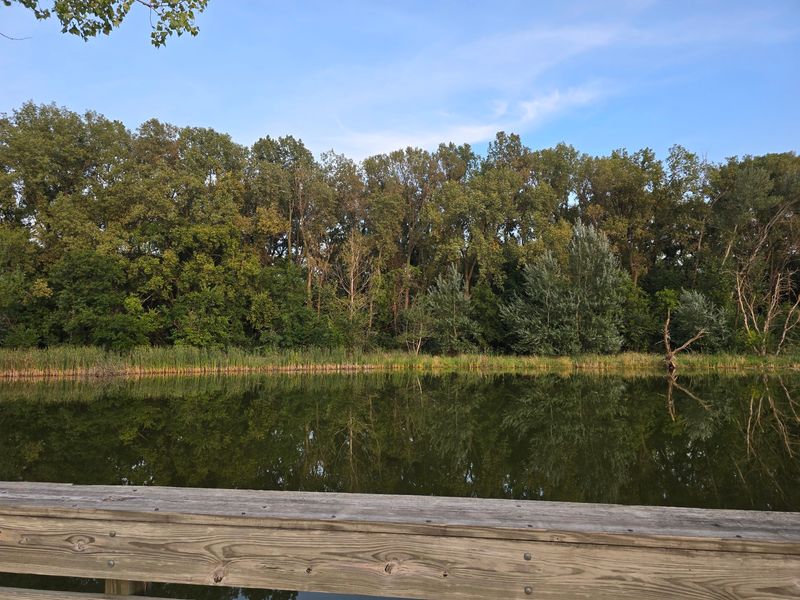
A few practical details make a real difference at Wood Lake. The trails include both paved and unpaved sections, so footwear matters.
Sneakers work fine on dry days, but anything after rain calls for something with grip and waterproofing. The marsh edges can get soft quickly.
Binoculars are worth bringing if you have them. The open water sections of the boardwalk put birds and wildlife at a distance that rewards magnification.
Even a basic pair changes the experience noticeably.
The parking lot is small, and the park draws steady local traffic on weekends. Arriving early solves that problem neatly and adds the bonus of quieter trails and better wildlife activity.
Dogs are not permitted on the trails, which is a deliberate choice to protect the wildlife. Bug spray is a reasonable consideration in summer, especially near the marsh edges in the evening.
The park is free to access, making it one of the most accessible natural spaces in the entire Twin Cities metro.
Share this story