Walk down Cedar Avenue on a warm afternoon and you might hear Somali music drifting from a storefront, catch the aroma of spiced tea from a nearby cafe, and watch children in colorful clothing dart past murals painted in bold, vivid hues. This corner of Minneapolis tells a story that most people outside Minnesota have never heard.
It is a neighborhood where East African culture has taken deep root in the American Midwest, creating something genuinely unlike anywhere else in the country. Once a hub for Scandinavian immigrants and later a magnet for student activists, this place has reinvented itself more than once, and today it stands as one of the most culturally rich and fascinating urban neighborhoods in the entire United States.
The Neighborhood That Became Little Mogadishu
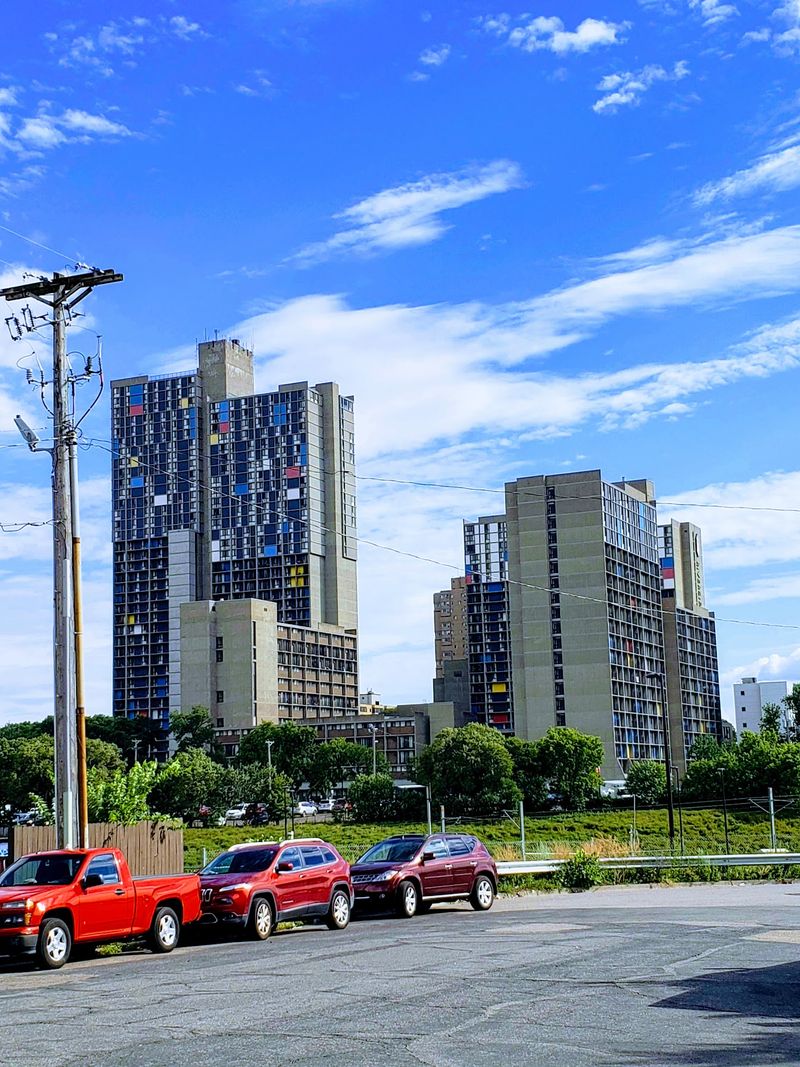
Cedar-Riverside sits in the heart of Minneapolis, Minnesota, bordered by the Mississippi River to the north and east, Interstate 94 to the south, and Hiawatha Avenue and Interstate 35W to the west. The neighborhood is also commonly called the West Bank, a name locals use interchangeably with Riverside.
What makes it remarkable is a transformation that unfolded over decades. Beginning in the 1990s, Somali refugees arrived in Minneapolis in significant numbers, and Cedar-Riverside became their cultural center.
The neighborhood earned the nickname Little Mogadishu, a reference to Somalia’s capital city.
Today, Cedar Avenue is lined with Somali restaurants, grocery stores, money transfer shops, and clothing boutiques. The concentration of East African businesses and residents here is one of the largest outside of Africa itself, making this a genuinely singular place in the American urban landscape.
A History Older Than the Somali Community
Long before the East African community arrived, Cedar-Riverside had already lived several lives. Scandinavian immigrants, particularly Norwegians and Swedes, settled the area in the late 1800s and early 1900s, drawn by proximity to the University of Minnesota and the labor opportunities along the river.
By the 1960s and 1970s, the neighborhood had become a magnet for counterculture activists, artists, and students. It was known for political organizing, folk music venues, and a rebellious creative energy that set it apart from the rest of the city.
Urban renewal projects during that era threatened to demolish large sections of Cedar-Riverside, but community resistance helped preserve much of the neighborhood’s character. That history of fighting for survival has shaped the neighborhood’s identity in ways that still feel present when you walk its streets today.
What Cedar Avenue Looks and Feels Like Today
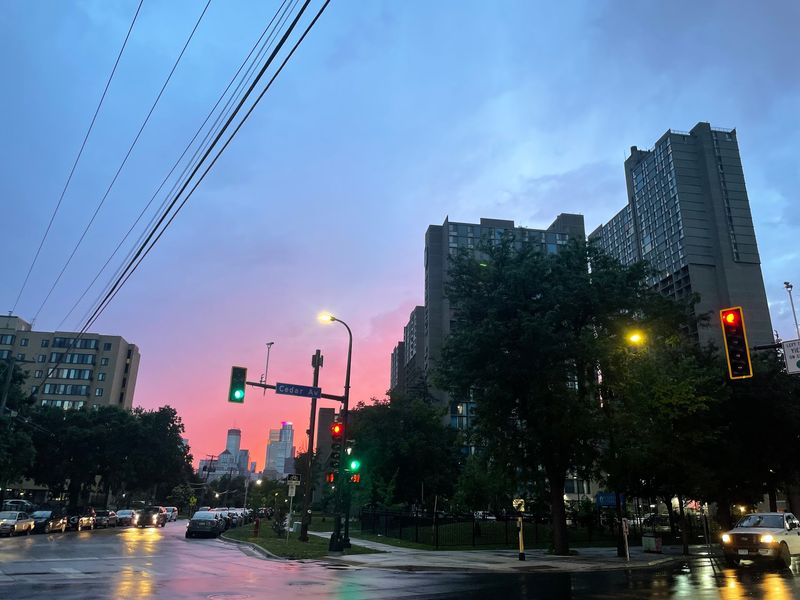
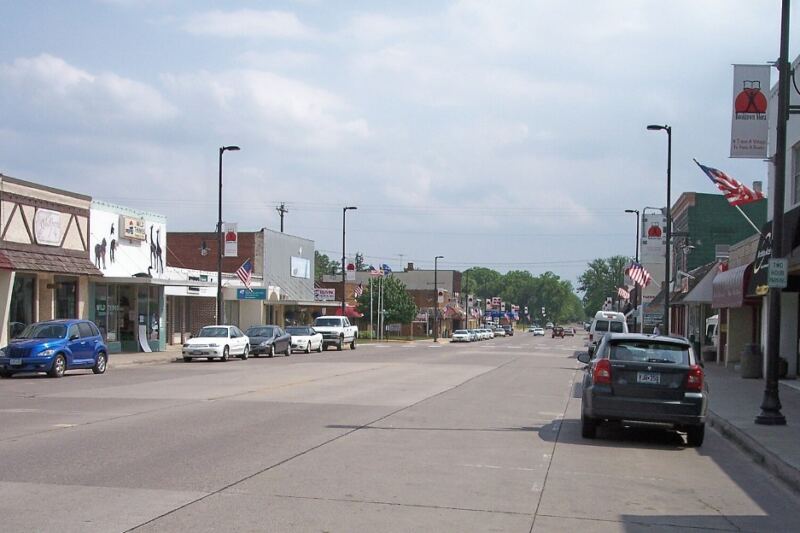
Cedar Avenue is the main commercial artery of Cedar-Riverside, and spending even an hour walking it gives you a clear sense of how layered this neighborhood really is. Somali-owned businesses dominate most of the storefronts, with hand-painted signs in both Somali and English marking groceries, clothing shops, and restaurants.
The sidewalks stay active throughout the day. Elders sit outside cafes drinking shaah, which is a spiced Somali tea.
Young people move between the University of Minnesota campus nearby and the neighborhood’s gathering spots. Street vendors occasionally set up near the busier intersections.
What strikes you immediately is that this does not feel like a tourist attraction. It feels like a functioning, living community going about its daily life.
That authenticity is exactly what makes Cedar Avenue one of the most compelling streets to walk in all of Minneapolis.
The Food Scene That Deserves Its Own Spotlight
The food in Cedar-Riverside is reason enough to make the trip. Somali cuisine is not widely known across the United States, which makes this neighborhood a rare opportunity to experience it in an authentic setting.
The staple dish is often rice served alongside tender goat or beef, seasoned with a blend of spices that reflects East African and South Asian culinary influences.
Flatbreads like canjeero, which resembles a spongy crepe, appear alongside stews and are used to scoop up sauces. Many restaurants also serve sambuusa, a fried pastry filled with spiced meat or vegetables that makes for a perfect quick bite.
The cafes along Cedar Avenue serve strong, cardamom-spiced tea that locals treat as both a social ritual and a daily necessity. Sitting down with a cup of shaah in one of these spots is one of the most relaxed and genuinely warm experiences the neighborhood offers.
The Role of the Brian Coyle Community Center
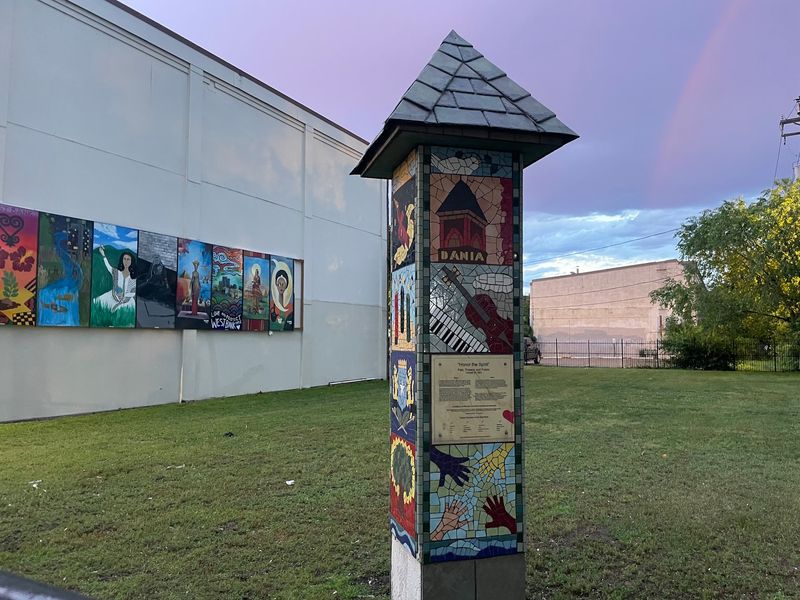
The Brian Coyle Community Center on Riverside Avenue has been a cornerstone of community life in Cedar-Riverside for decades. Named after a Minneapolis city council member who championed the neighborhood, the center serves as a gathering place, resource hub, and safe space for residents of all ages.
Programs at the center have historically focused on youth development, adult education, and support services for new immigrants navigating life in the United States. For many Somali families arriving in Minneapolis with limited resources, the center provided a critical first point of connection.
The building itself is not architecturally flashy, but its importance to Cedar-Riverside cannot be overstated. Community events, cultural celebrations, and neighborhood meetings regularly take place there.
For anyone wanting to understand how Cedar-Riverside functions as a community rather than just a commercial strip, the Brian Coyle Center tells that story clearly.
The University of Minnesota’s Presence Next Door
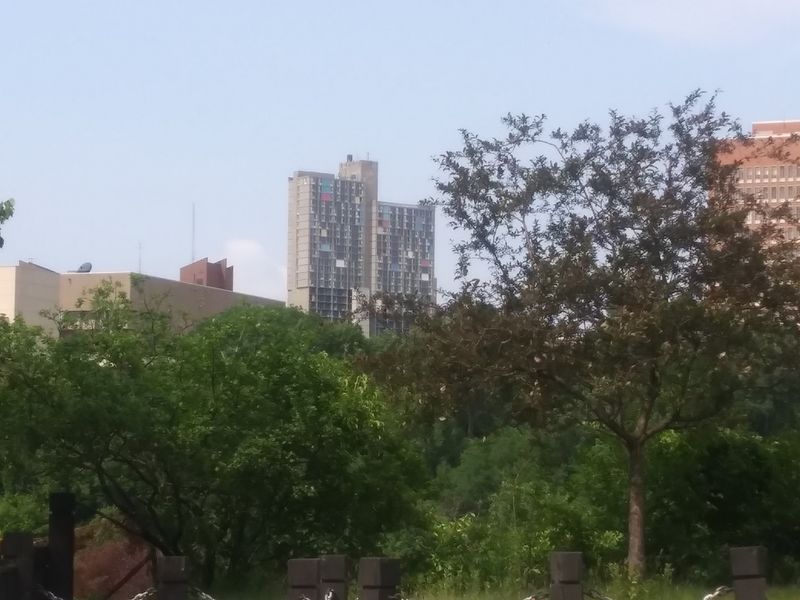
Cedar-Riverside sits immediately adjacent to the West Bank campus of the University of Minnesota, and that proximity shapes the neighborhood in tangible ways. Students have been part of the fabric of this area for generations, first as part of the 1960s counterculture scene and now as a steady presence that keeps the neighborhood energized and diverse.
The university’s Rarig Center and other campus buildings sit just steps from Cedar Avenue, meaning the foot traffic here blends Somali community members with college students, professors, and staff on any given day. That mix of cultures and generations creates a dynamic that feels unlike most urban neighborhoods.
Several businesses along Cedar Avenue cater to both communities simultaneously, offering spaces where a Somali elder and a college freshman might share the same room without either feeling out of place. That kind of organic coexistence is genuinely rare and worth noticing.
Murals and Street Art That Tell Real Stories
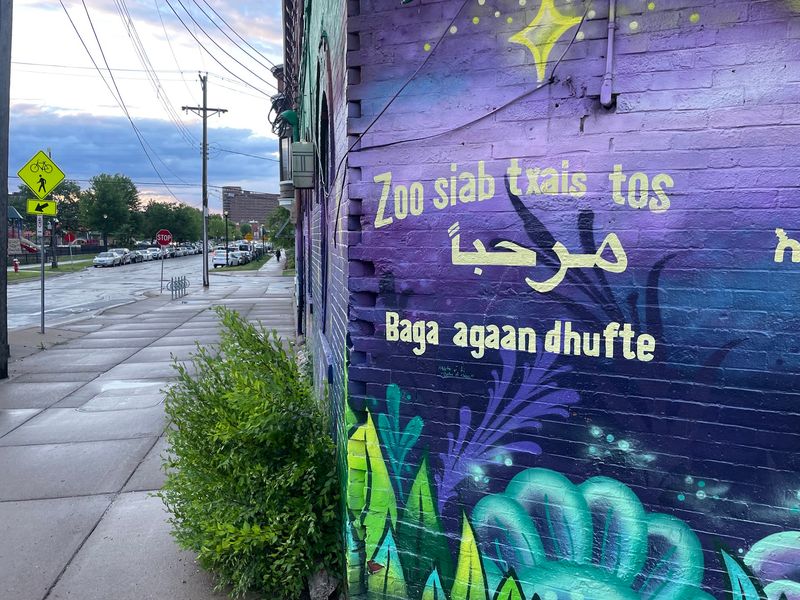
The walls of Cedar-Riverside speak. Murals appear throughout the neighborhood, many of them commissioned by community organizations or painted by local artists with deep ties to the area.
The imagery ranges from portraits of community elders to abstract celebrations of Somali cultural heritage.
One thing that stands out about these murals is that they are not decorative afterthoughts. They feel intentional and specific, referencing real histories, real people, and real struggles that the community has lived through.
Walking past them with even a basic understanding of Somali history adds layers of meaning to what you are seeing.
Street art has long been part of Cedar-Riverside’s identity, stretching back to the activist art of the 1970s. The current wave of murals connects that tradition to the present, making the neighborhood’s walls a visual timeline of everything this corner of Minneapolis has been and continues to become.
The Significance of Somali Cultural Celebrations
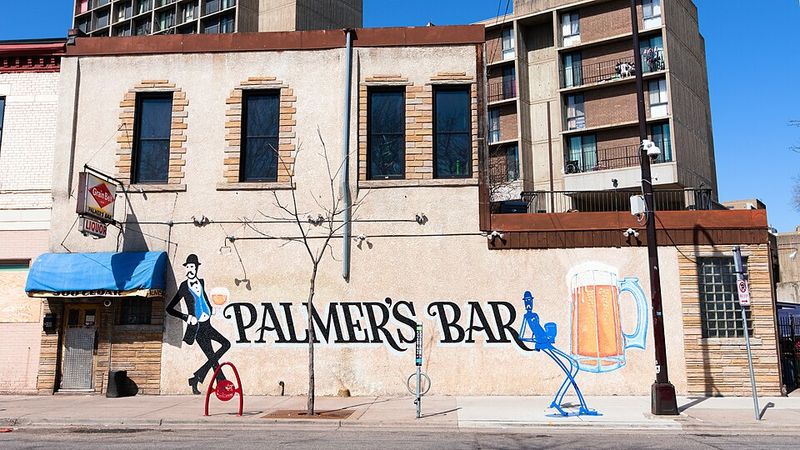
Throughout the year, Cedar-Riverside comes alive with cultural events that reflect the Somali community’s traditions and identity. Eid celebrations draw large crowds to the neighborhood, with families dressed in traditional garments filling the streets and restaurants seeing some of their busiest days of the year.
These are not events staged for outside visitors. They are genuine community observances that happen to be visible to anyone walking through the neighborhood at the right time.
That distinction matters because it means what you witness feels real rather than performed.
Somali Independence Day is another occasion that brings energy to Cedar Avenue, with music, gatherings, and a visible pride that reflects how strongly this community has maintained its cultural identity even while building new lives in Minnesota. Witnessing any of these celebrations, even briefly, gives you a perspective on Cedar-Riverside that no restaurant meal or mural can fully provide on its own.
How Cedar-Riverside Compares to Other Immigrant Neighborhoods
Many American cities have ethnic enclaves where immigrant communities have clustered and built businesses, but Cedar-Riverside stands out for a specific reason. The concentration of Somali culture here is dense enough that the neighborhood genuinely functions as a cultural anchor for East African communities across the entire Upper Midwest.
Somali families from Wisconsin, Iowa, and the Dakotas travel to Cedar-Riverside specifically to shop, eat, and connect with community. The neighborhood serves a regional function that goes well beyond its physical boundaries, which are actually quite compact.
That regional pull is something you can feel when you visit. The energy here is not that of a quiet ethnic neighborhood slowly fading into the broader city.
Cedar-Riverside feels active, intentional, and growing, with new businesses opening and younger generations of Somali Americans building careers and raising families within a few blocks of where their parents first arrived.
The Riverside Plaza Towers and Their Unusual History
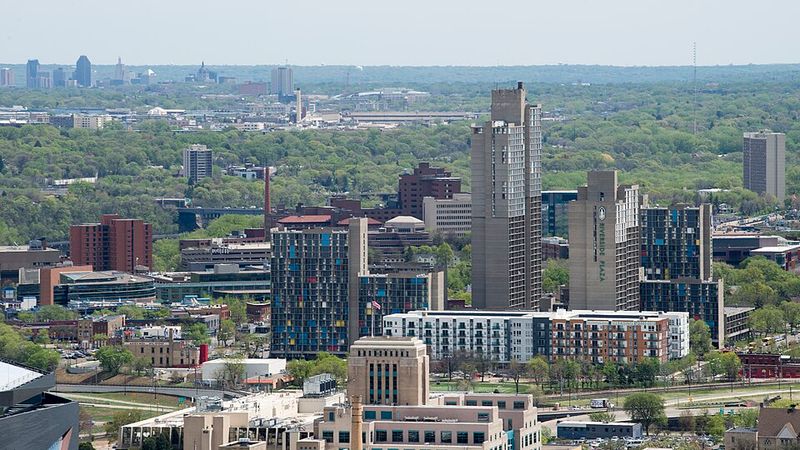
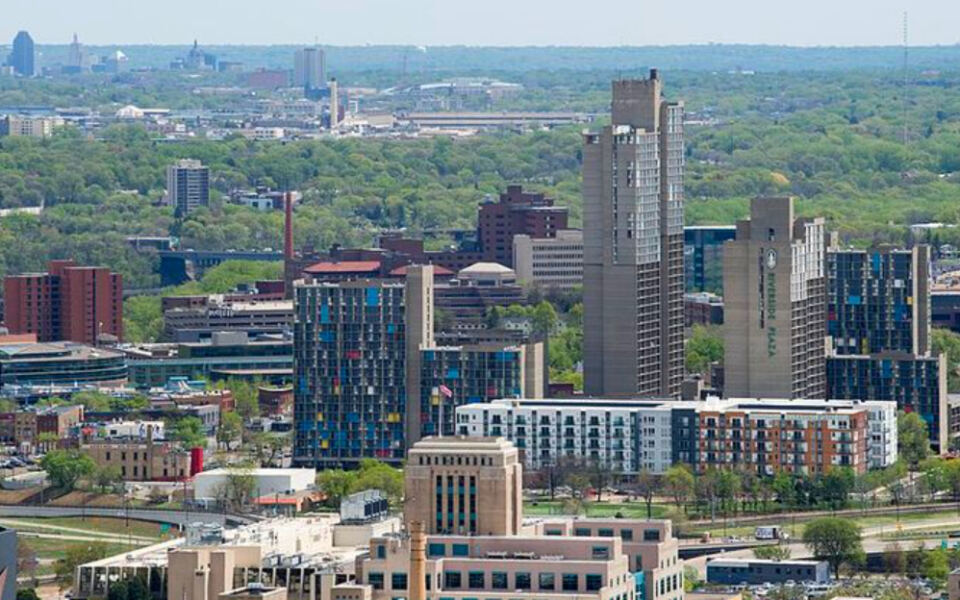
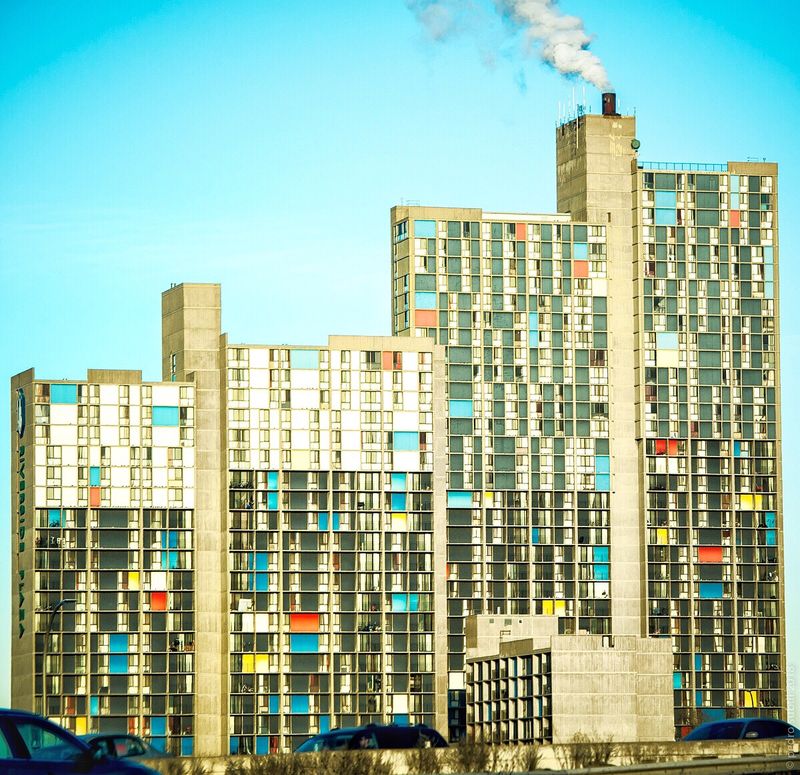
Standing above the neighborhood are the Riverside Plaza towers, a cluster of high-rise apartment buildings that have housed Cedar-Riverside’s low-income and immigrant residents for decades. The buildings are hard to miss, their concrete facades painted in bold geometric colors that make them look more like modernist art installations than apartment complexes.
Originally developed in the 1970s as part of an ambitious urban renewal project, Riverside Plaza was designed by architect Ralph Rapson and intended to be a much larger development before community opposition scaled it back. Today it remains one of the most densely populated residential complexes in Minnesota.
A significant portion of the residents are Somali refugees and their families, making Riverside Plaza both a literal and symbolic home base for the community. The towers are sometimes called the Ellis Island of the Midwest, a nod to their role as a first home for thousands of newly arrived families.
Shopping for East African Goods in the Heart of Minneapolis
The grocery stores along Cedar Avenue carry products that you genuinely cannot find in a standard American supermarket. Bags of imported rice varieties, jars of spice blends, halal meats, and East African pantry staples fill the shelves in shops that feel more like specialized import stores than corner markets.
Several shops also sell traditional Somali clothing, including garbasaar scarves and dirac dresses in fabrics that range from simple cotton to elaborately embroidered silk. Browsing these stores is a sensory experience on its own, with textures, colors, and scents that feel entirely distinct from anything else in the city.
For visitors who enjoy cooking, picking up a few spice blends or specialty ingredients from Cedar-Riverside’s markets is a practical way to bring a piece of the neighborhood home. The shopkeepers are generally happy to explain unfamiliar products to curious customers who ask respectfully.
What the Mississippi River Adds to the Experience
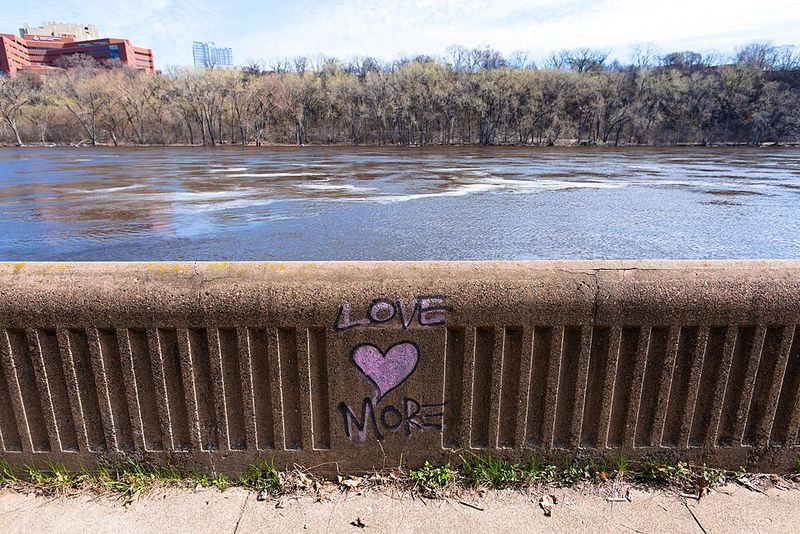
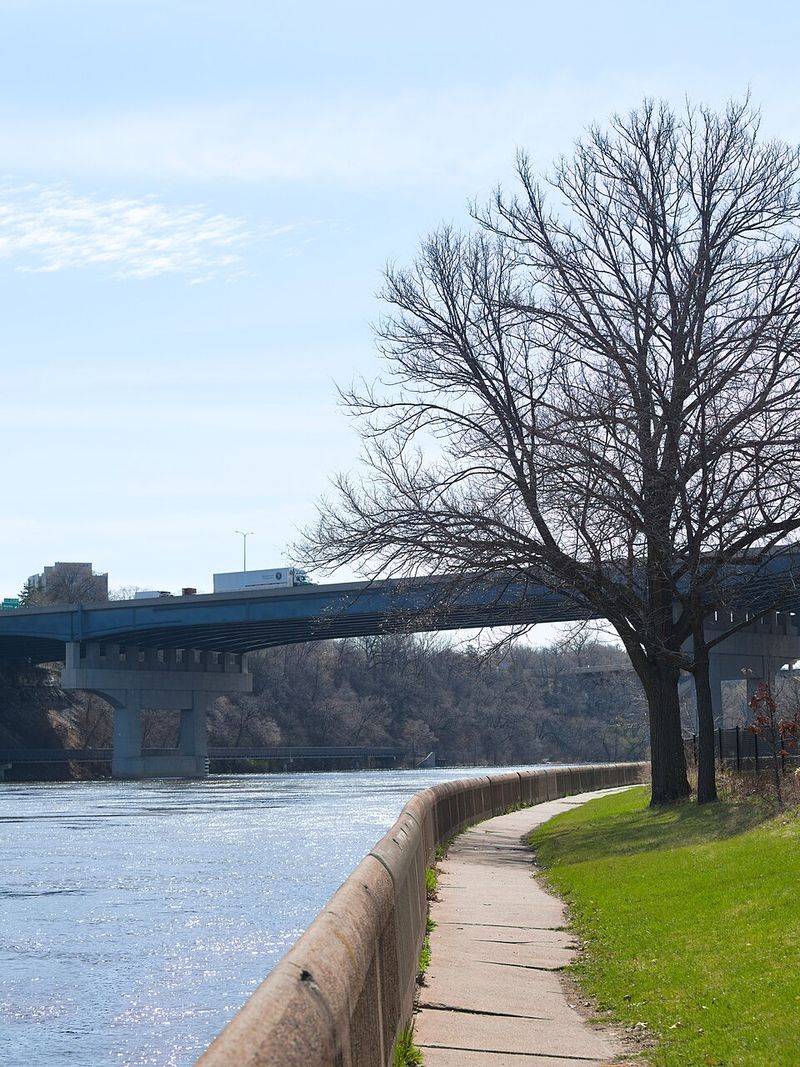
The Mississippi River forms the northern and eastern boundary of Cedar-Riverside, and its presence adds a natural dimension to a neighborhood that is primarily known for its urban and cultural character. The West Bank of the river here offers walking paths and green spaces that provide a quiet contrast to the busy energy of Cedar Avenue.
On warmer days, residents use the riverbank for walks, picnics, and informal gatherings. The views across the water toward the University of Minnesota’s main campus and the Minneapolis skyline are genuinely striking, especially in the early morning or late afternoon when the light falls across the river at low angles.
The proximity to the river also means Cedar-Riverside sits at a natural crossroads of the city, connected to downtown Minneapolis by bridges and trails that make it easy to visit as part of a broader exploration of the Twin Cities waterfront.
Practical Tips for Visiting Cedar-Riverside
Cedar-Riverside is easy to reach from anywhere in Minneapolis. The Green Line light rail stops directly in the neighborhood at the Cedar-Riverside Station, making a car unnecessary if you are coming from downtown or the airport.
The walk from the station to the main commercial strip on Cedar Avenue takes only a few minutes.
The best time to visit for maximum activity is midday on a weekday or Saturday morning, when the restaurants and shops are fully open and the streets are at their most lively. Many businesses observe Friday prayer times, so planning around early Friday afternoons can help you avoid finding some shops temporarily closed.
Approach the neighborhood with genuine curiosity and respect. Cedar-Riverside is a real residential community, not a tourist district, and visitors who arrive with that understanding tend to have far more meaningful and memorable experiences than those treating it as a backdrop for photos.
Share this story