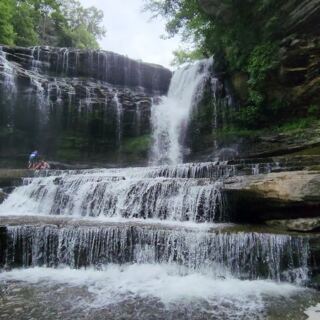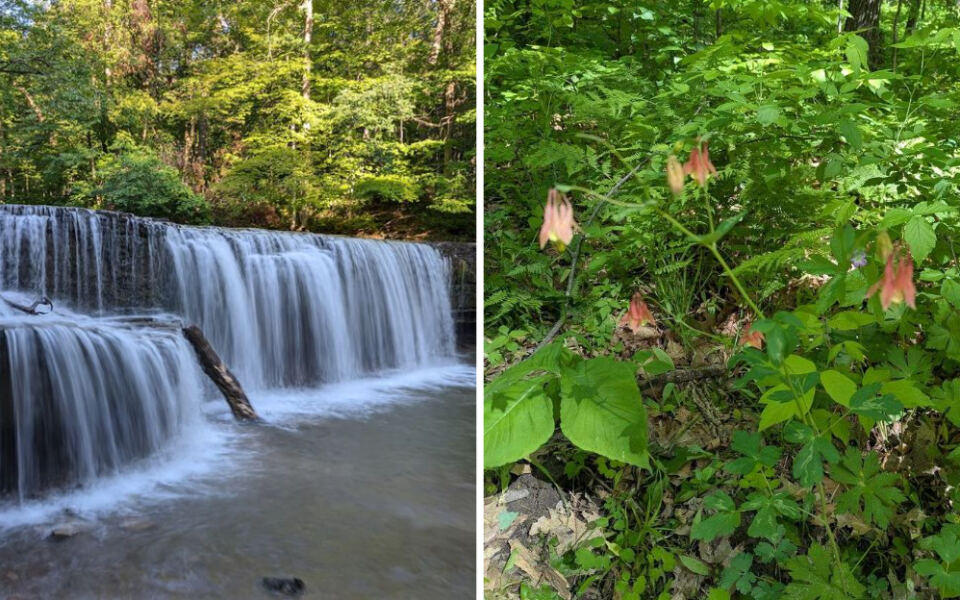
Somewhere in the rolling farmland of southern Minnesota, a stretch of ancient hardwood forest holds two secrets that most people have never heard about. One is a waterfall tucked so quietly into a limestone ravine that it feels like the woods are keeping it to themselves.
The other is a wildflower so rare it grows in only three counties in Minnesota and nowhere else on the entire planet. That combination alone is enough to make any curious traveler stop everything and start planning a trip.
A Forest That Survived When Most Others Did Not
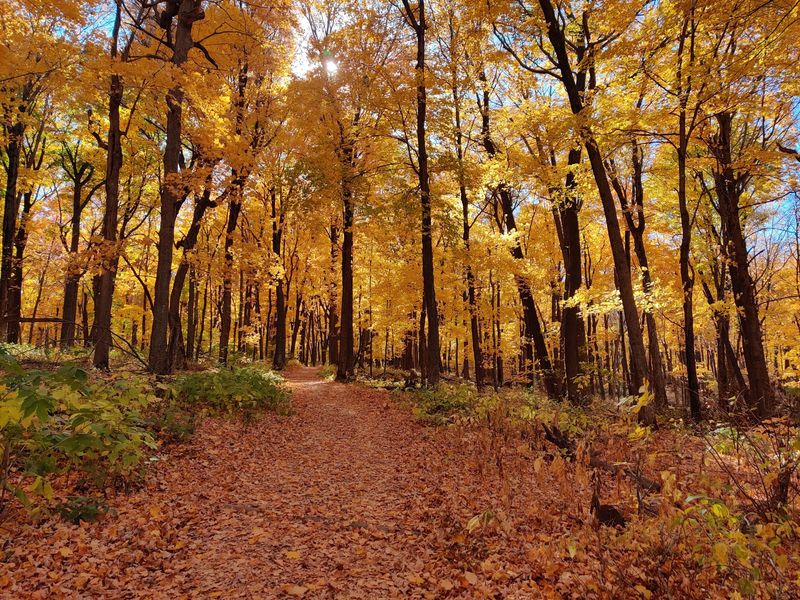
Most of southern Minnesota was converted to farmland long ago, which makes this particular patch of woods feel almost miraculous. The forest at the heart of this park is part of what was once a vast hardwood landscape called the Big Woods, a band of maple, basswood, and elm that stretched across central Minnesota before European settlement.
Nerstrand Big Woods State Park, located at 9700 170th St E, Nerstrand, MN 55053, protects one of the last remaining remnants of that original forest. Walking beneath the canopy here, you get a real sense of what the land looked like before the plows arrived.
The trees are tall and dense, and the understory stays cool even on warm days. It is the kind of forest that rewards slow walking and quiet attention.
Every step feels like a small act of time travel.
Hidden Falls and the Trail That Leads You There
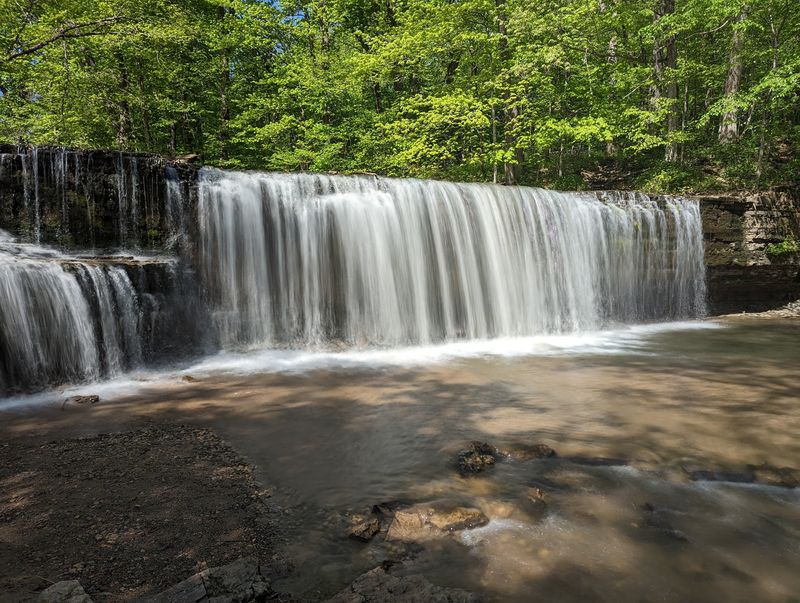
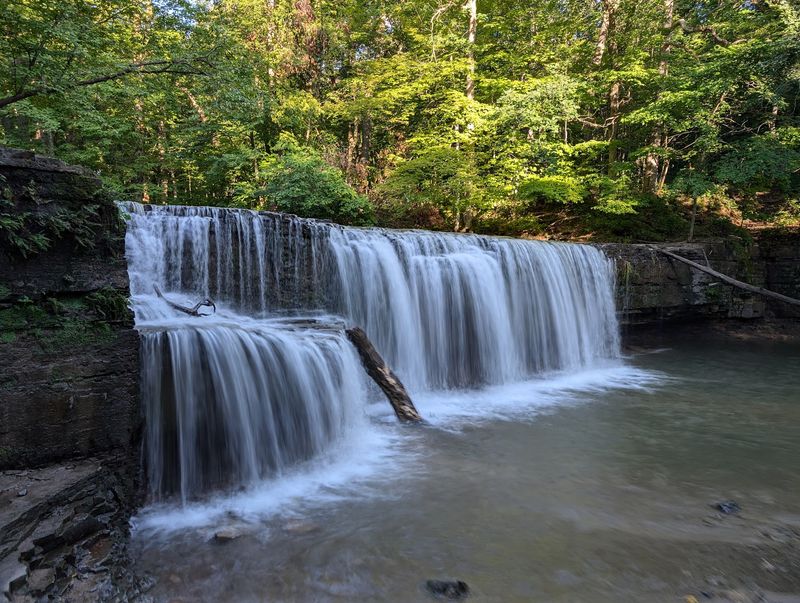
Hidden Falls is the destination most visitors come for, and the name does a good job of setting expectations. The waterfall sits at the bottom of a wooded ravine carved by Prairie Creek, and you have to earn it a little before you see it.
The trail drops through the trees, crosses the creek, and then delivers you to the falls almost without warning.
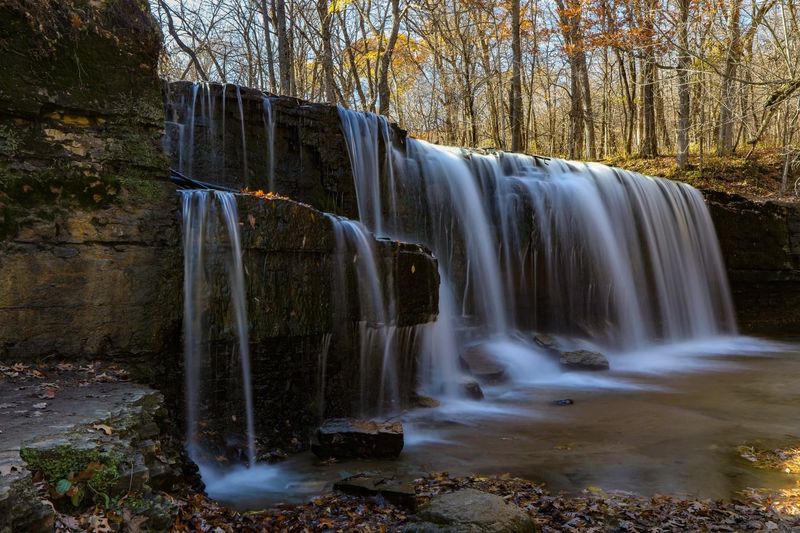
The waterfall flows over a limestone ledge and drops into a shallow pool below. Its size depends heavily on recent rainfall, so spring visits after snowmelt or rain tend to offer the most dramatic flow.
In summer, the pool becomes a cool wading spot that kids absolutely love.
There are two route options to reach the falls, a shorter path and a longer loop through the forest. Both are worth doing if you have the time and energy for it.
The Wildflower That Grows Nowhere Else on Earth
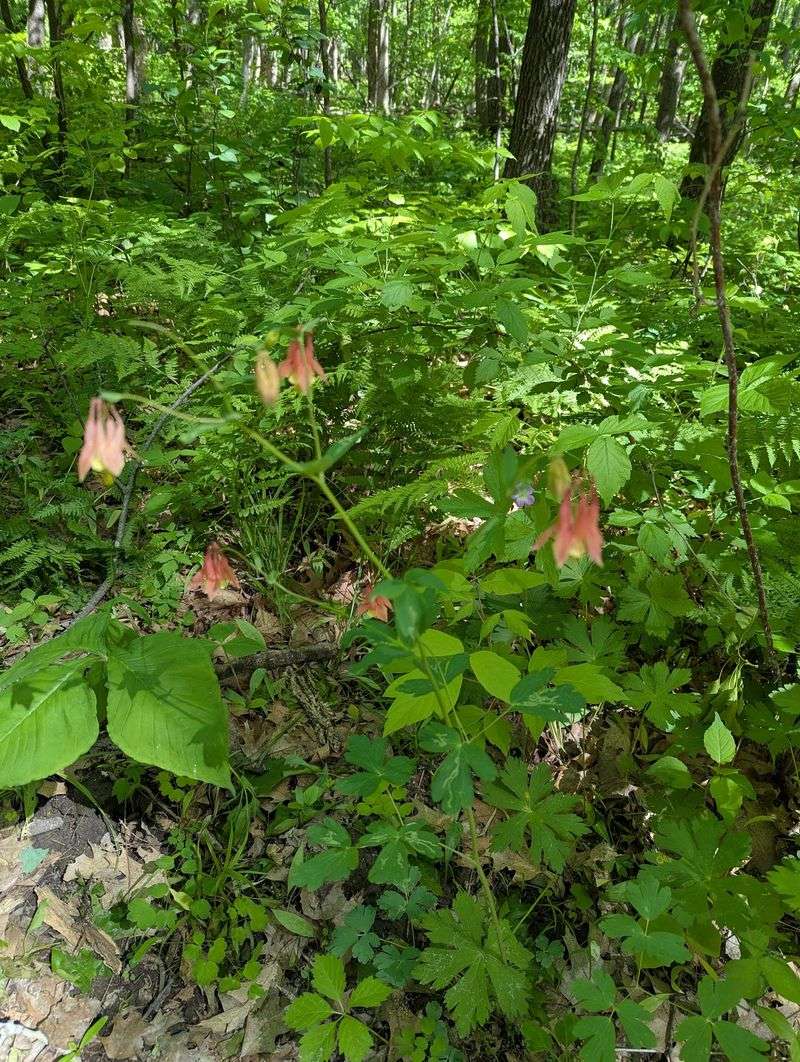
Here is the detail that genuinely stopped me in my tracks when I first learned about it. The park is home to the dwarf trout lily, a small wildflower that exists in only three counties in Minnesota and has never been found growing anywhere else in the world.
That is not an exaggeration or a local legend. It is a verified botanical fact.
The plant blooms in early spring, producing tiny yellow flowers close to the ground among mottled leaves. Roped-off sections along certain trails protect the areas where it grows, keeping foot traffic away from the fragile colonies.
Seeing those ropes and the small signs explaining what they protect gives the whole park a different feeling. You are not just hiking through a pretty forest.
You are walking past something genuinely irreplaceable, and that awareness changes how you move through the space.
Eleven Miles of Trails With Something Different Around Every Bend
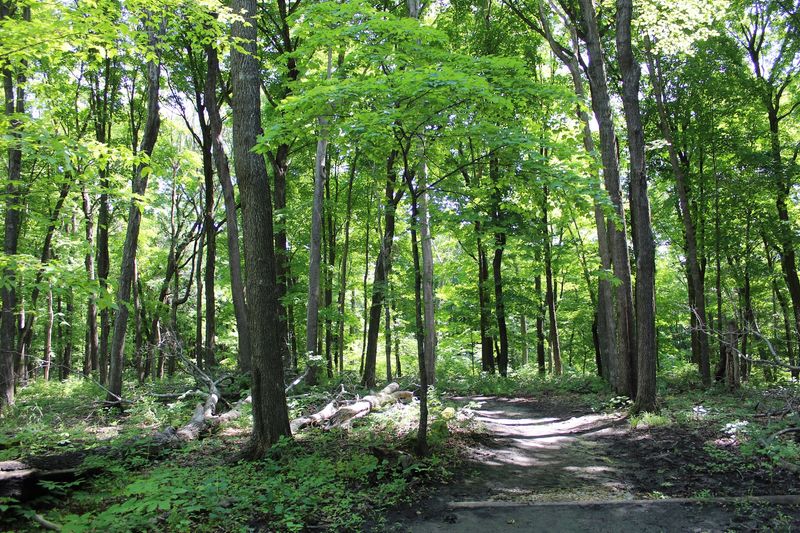
The park offers around eleven miles of hiking trails, which is more than most casual visitors expect from a park this size. The network covers both sides of Prairie Creek, with the northern and southern trail systems offering noticeably different terrain and views.
Some sections move through open woodland with long sightlines between the trees. Others drop into creek valleys where the light changes and the air feels cooler.
Trail intersections are clearly signed, so navigation is straightforward even without a paper map in hand.
One thing worth knowing is that tree roots cross the path in several spots, so paying attention to your footing matters more than it would on a paved surface. The elevation changes throughout the park give your legs a real workout without ever becoming genuinely difficult.
Most hikers with a moderate fitness level will handle the trails comfortably.
Spring Is the Season That Changes Everything
Every season brings something worth seeing at this park, but spring operates on a different level entirely. The combination of snowmelt, spring rains, and warming temperatures transforms the forest floor into a living tapestry of wildflowers.
Trillium, bloodroot, and hepatica appear before the tree canopy fills in and shades the ground.
The waterfall also runs strongest in spring, with Prairie Creek carrying enough water to give Hidden Falls genuine drama. That timing window does not last forever, and the park gets noticeably busier on spring weekends, particularly around popular holidays.
Weekday visits in April and May offer the best of both worlds: peak wildflower season with far fewer people on the trails. Early morning light filtering through bare branches onto a carpet of blooming wildflowers is one of those sights that genuinely catches you off guard, even when you were expecting something beautiful.
What Winter Does to Hidden Falls
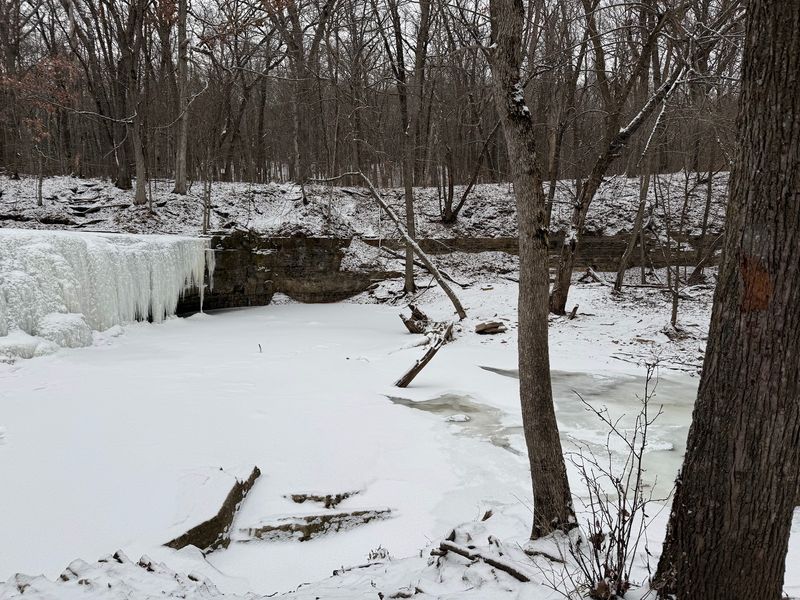
Most people think of waterfalls as a warm-weather attraction, but Hidden Falls in winter is something else entirely. When temperatures drop consistently, the falling water freezes into sculpted ice formations that cling to the limestone ledge and surrounding rock.
The whole scene turns quiet and otherworldly in a way that summer visits simply cannot match.
The trails remain open through winter, and the hardwood forest looks completely different without its leaves. Bare branches let you see the topography of the land in ways that summer foliage hides.
Deer tracks in the snow and the occasional call of a woodpecker become the main soundtrack.
Traction devices for your boots are a smart addition to your pack for winter hikes, particularly on sections near the creek where the ground can get slippery. The park sees far fewer visitors in winter, which means the falls are often yours alone.
Camping Under a Canopy of Old Trees
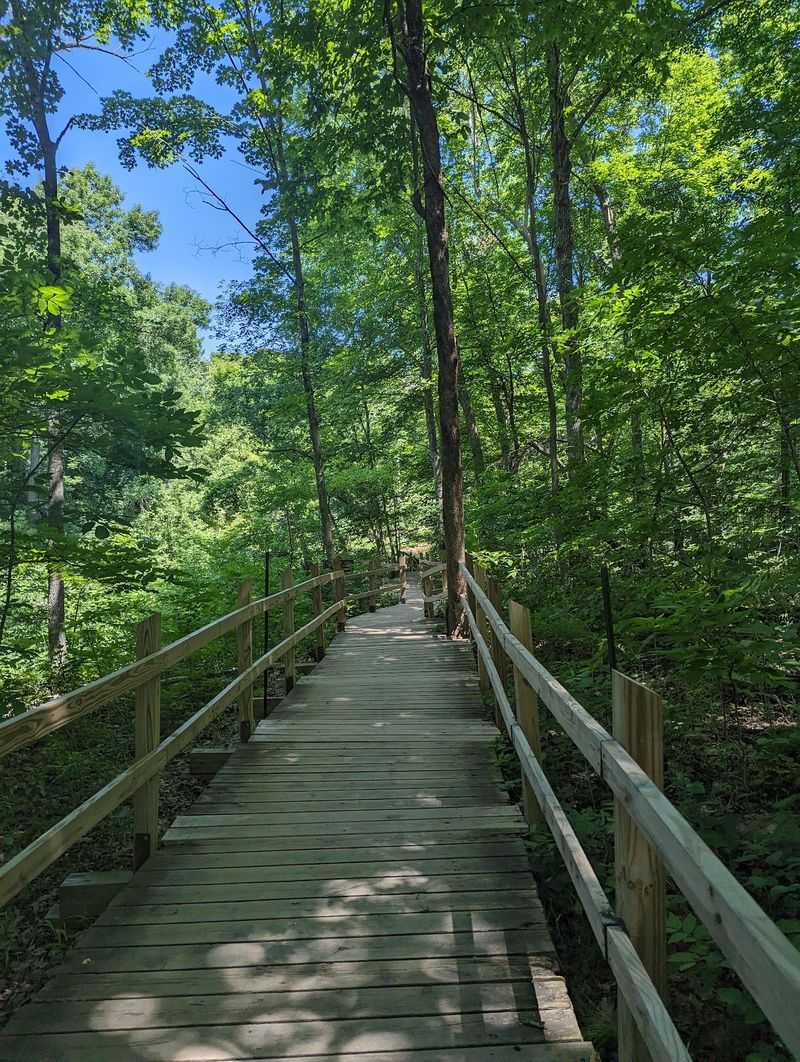
The campground at Nerstrand Big Woods sits within the forest, which immediately sets it apart from open-field campgrounds where you feel exposed to every neighbor and passing car. Sites are tucked among the trees, and the canopy provides shade that makes warm-weather camping genuinely comfortable.
The campground is on the smaller side, which keeps the atmosphere relaxed rather than chaotic. Tent sites come with large tent pads, and electric sites are available for those who need them.
The campground roads are unpaved and narrow, so campers with larger trailers should check site dimensions carefully before booking.
Reservations fill quickly on weekends and holidays, so planning ahead is simply necessary rather than optional. The ranger station is within walking distance, which makes picking up firewood easy.
Falling asleep to the sound of wind moving through old hardwood trees is a camping experience that is hard to replicate.
Prairie Creek and the Geology Beneath Your Feet
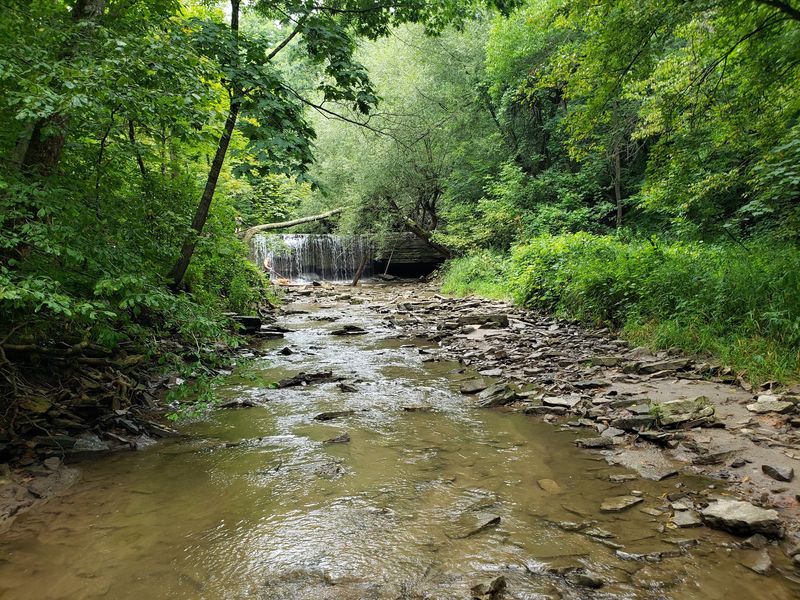
Prairie Creek is the quiet engine behind everything interesting at this park. The creek carved the ravine that holds Hidden Falls, and it continues shaping the landscape with every flood and drought cycle.
In dry conditions, the water runs shallow and clear over a rocky streambed. After significant rain, it transforms into something with real force and color.
The limestone bedrock exposed along the creek tells a story about ancient shallow seas that covered this region millions of years ago. Interpretive markers along the trails point out rock formations and explain the geological history in accessible language that does not require a science background to appreciate.
Wading in the creek on a warm summer day has become a tradition for many families who visit regularly. The water stays cool even in July, and the shallow sections near the falls are gentle enough for young children to splash around safely.
Birds, Deer, and the Wildlife That Calls This Forest Home
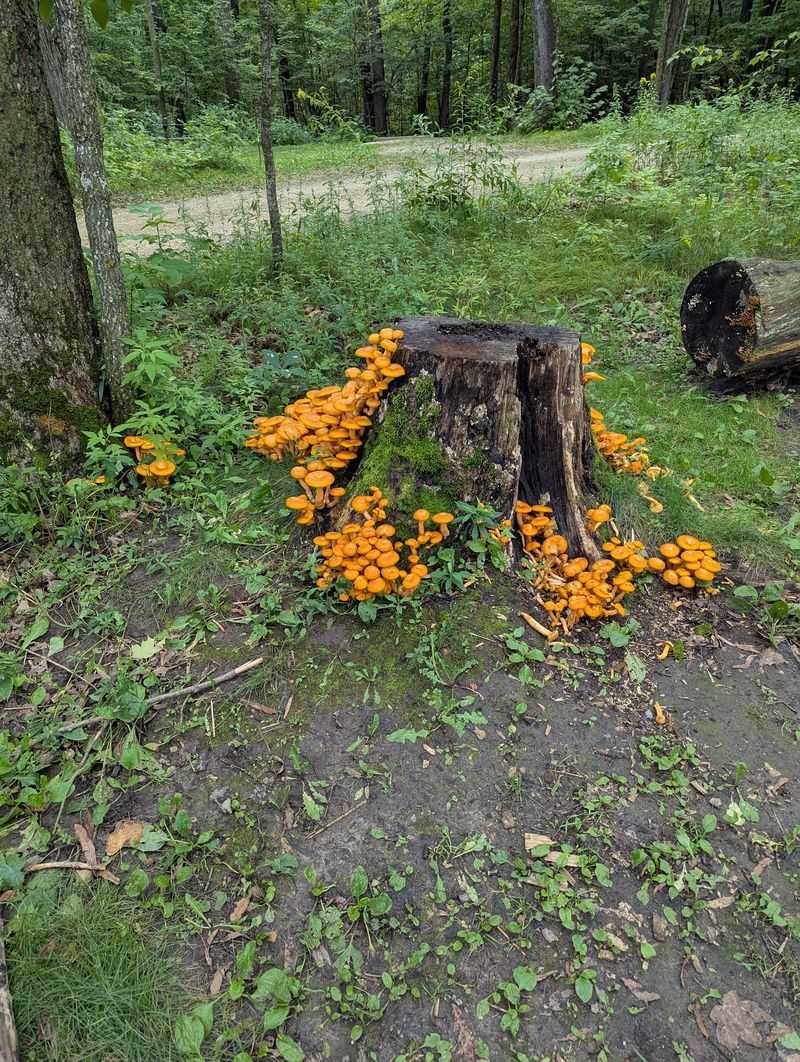
The intact hardwood forest supports a surprisingly diverse community of wildlife for a park of this size. White-tailed deer move through the trees at dawn and dusk, and spotting one on a quiet weekday morning feels like a small reward for arriving early.
Squirrels and chipmunks are constant companions on the trails throughout the warmer months.
The park draws birders who come specifically for the woodland species that thrive in mature hardwood habitat. Woodpeckers are reliably present, and the forest canopy hosts warblers during spring migration in numbers that can genuinely impress even experienced birders.
A beaver dam exists somewhere along the creek system, and the evidence of beaver activity adds an unexpected element to exploring the trail network. Mosquitoes vary significantly by season and recent rainfall, with some visitors reporting surprisingly few insects during their trips.
Early morning and late afternoon visits generally offer the best wildlife activity.
The Interpretive Trail and What It Teaches You
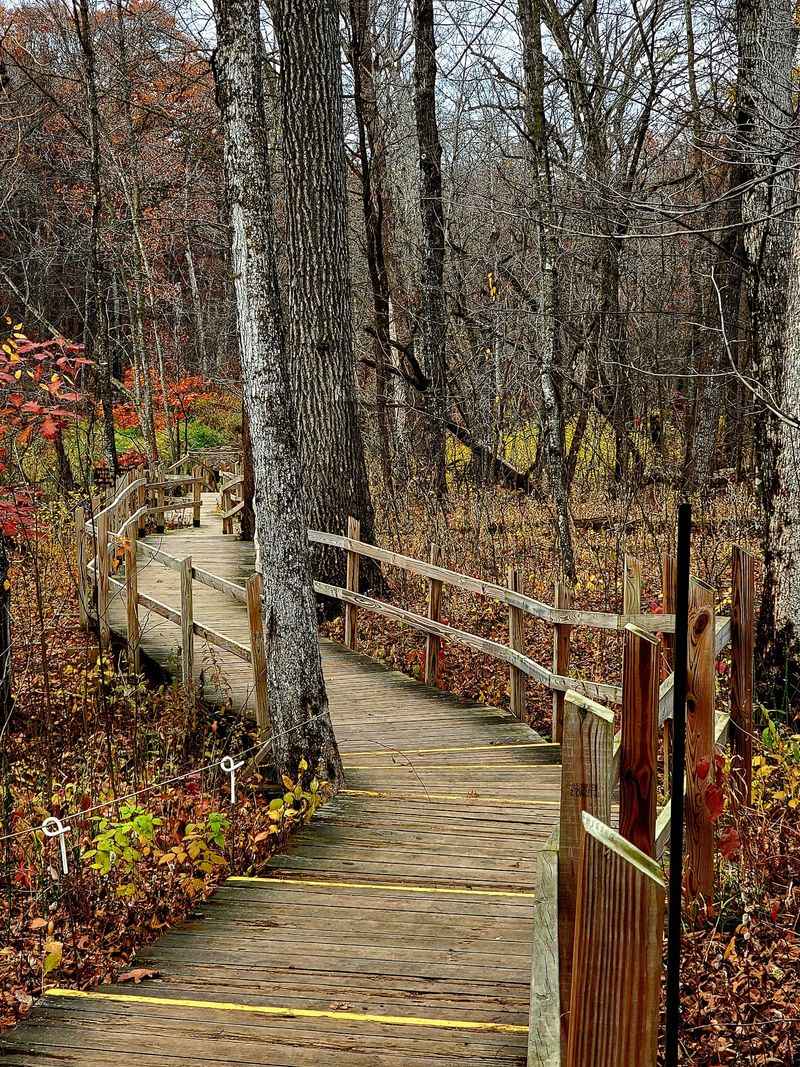
Not every park makes learning feel like part of the adventure, but the interpretive trail here manages it well. Markers placed along a designated route explain the ecology of the Big Woods forest, the history of the landscape, and the specific plants and trees you are walking among.
It turns an ordinary walk into something with genuine educational weight.
The information is written accessibly, which makes the trail a strong choice for families with school-age children. More than one visitor has noted that the park would make an outstanding field trip destination for students interested in biology, ecology, or Minnesota history.
Learning that a specific wildflower growing a few feet from the trail exists nowhere else on Earth, and then actually seeing it, is the kind of moment that sticks with a person long after the hike ends. That combination of information and direct experience is what makes the interpretive trail memorable.
Picnic Areas, Playgrounds, and Practical Visitor Details
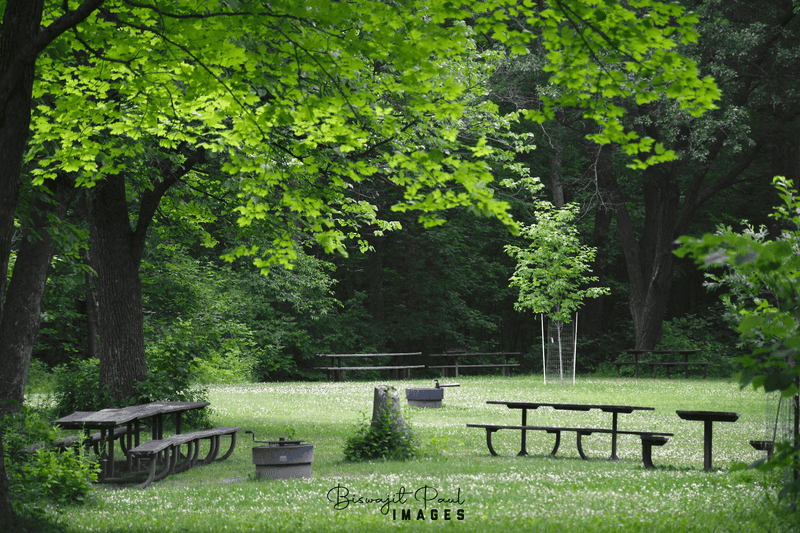
Practical amenities make a real difference when you are planning a full day outside, and this park covers the basics well. A picnic area with sheltered seating gives families a comfortable place to eat without fighting for a shady table.
The playground near the parking area keeps younger kids happy before and after the hike.
Restrooms at the park are clean and well maintained, which frequent visitors consistently appreciate. Water stations are available, so topping off a water bottle before heading out on the longer trails is easy.
Dogs are welcome on the trails as long as they are kept on a leash, making this a popular spot for hikers who bring their pets along.
A day pass is required for vehicle entry, and purchasing it online in advance is the smoothest option when the ranger station has limited hours. Parking is plentiful in two separate lots near the trailheads.
Why This Park Keeps Drawing People Back
Some parks check a single box and send you home satisfied. This one layers its appeal in ways that reward multiple visits across different seasons.
The waterfall changes character completely depending on rainfall and temperature. The wildflowers shift week by week through spring.
The forest looks entirely different in October than it does in May.
Regulars talk about the park the way people talk about a favorite book they keep returning to, finding something new each time. The combination of accessible trails, genuine natural rarity, and a setting that feels removed from the surrounding farmland creates an experience that is hard to replicate anywhere else in the region.
After a visit here, the southern Minnesota landscape starts to look different. You begin noticing where the forest used to be, and you appreciate more deeply why protecting what remains of the Big Woods matters so much.
Share this story