Most public pools smell like chlorine before you even walk through the gate. At one Minneapolis pool, that smell is completely absent, replaced by the fresh scent of native plants and clean water.
This public pool filters its water using biology instead of chemicals, making it one of the most unusual swimming spots in the entire country. If you have never heard of a biofiltered public pool, you are about to find out why this one has swimmers coming back every summer.
What Makes This Pool Unlike Any Other in North America
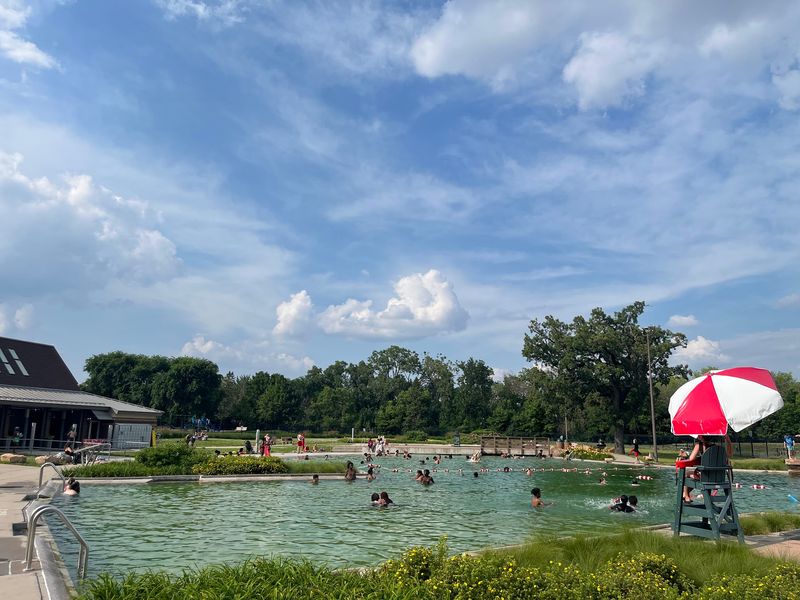
There are roughly 309,000 public swimming pools across the United States, and almost every single one relies on chlorine to keep the water safe. Then there is Webber Natural Swimming Pool in Minneapolis, Minnesota, which takes a completely different approach.
Located at 4330 Webber Pkwy, Minneapolis, MN 55412, this public pool uses a biological filtration system instead of chemicals. Plants, beneficial microorganisms, and natural processes work together to clean the water the same way a healthy lake cleans itself.
Visitors often describe the water as feeling more like a clean lake than a traditional pool. That comparison is actually pretty accurate.
The system has earned Webber recognition as the only biofiltered public pool in North America, a distinction that draws curious swimmers from well beyond the Twin Cities area every summer.
How the Plant-Based Filtration System Actually Works
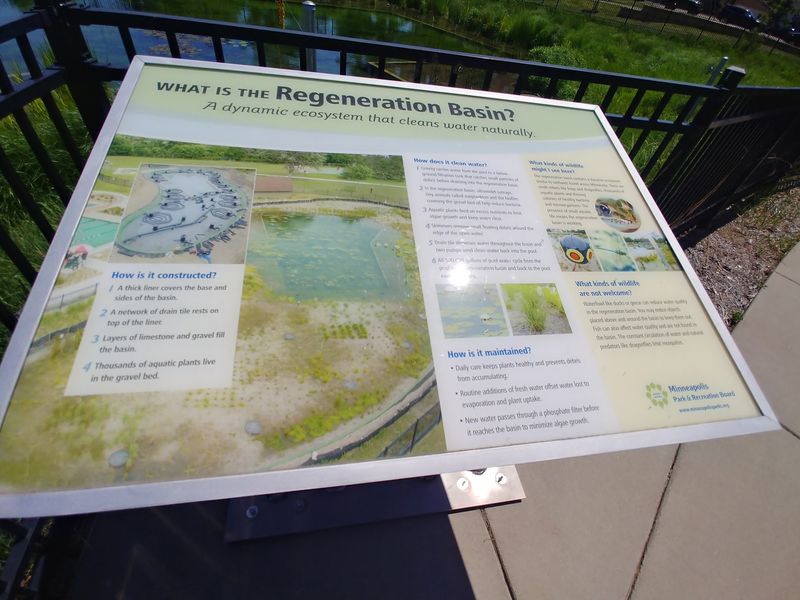
The concept behind Webber’s filtration system is rooted in natural ecology. Instead of adding chlorine to kill bacteria, the pool uses a regeneration zone filled with carefully selected aquatic plants and beneficial microbes that consume and neutralize harmful organisms naturally.
Water continuously circulates from the swimming area through this planted zone, where biological activity keeps it clean and balanced. The plants absorb nutrients that would otherwise feed algae or harmful bacteria, essentially doing the work that chemicals handle in conventional pools.
The result is water that feels noticeably softer on skin and hair. Regular swimmers often mention that they leave the pool without the dry, itchy feeling that chlorinated water can cause.
People with chemical sensitivities have specifically noted that Webber gives them a place to swim comfortably that most public pools simply cannot offer them.
The Pool Layout and All the Different Swimming Areas
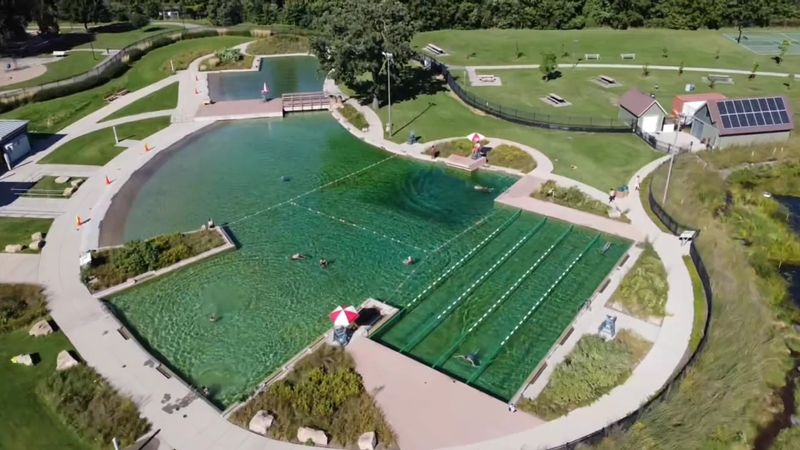
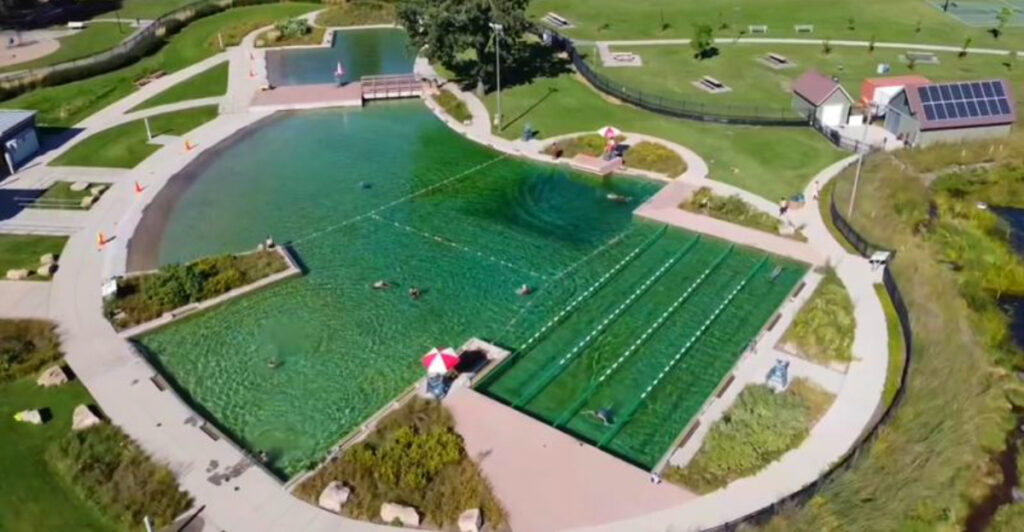
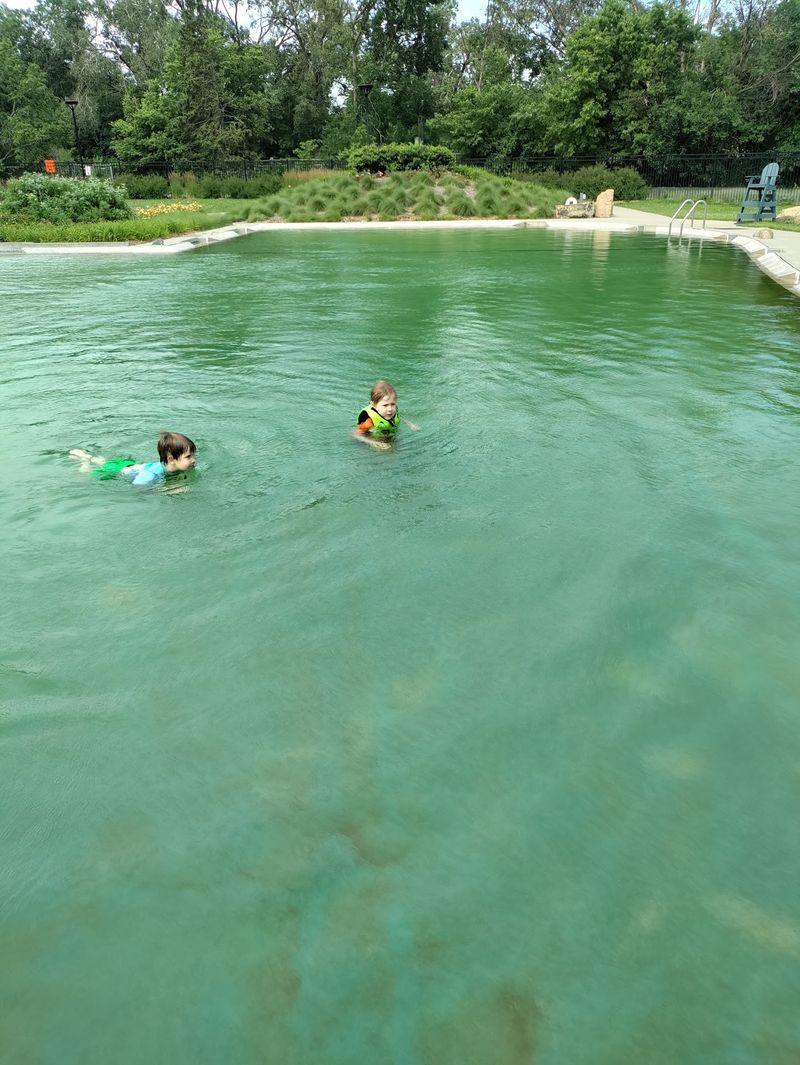
One of the first things visitors notice is how much variety the pool packs into a single facility. There is a zero-depth entry section that gradually deepens, making it accessible for young children and anyone who prefers a slow wade into cooler water.
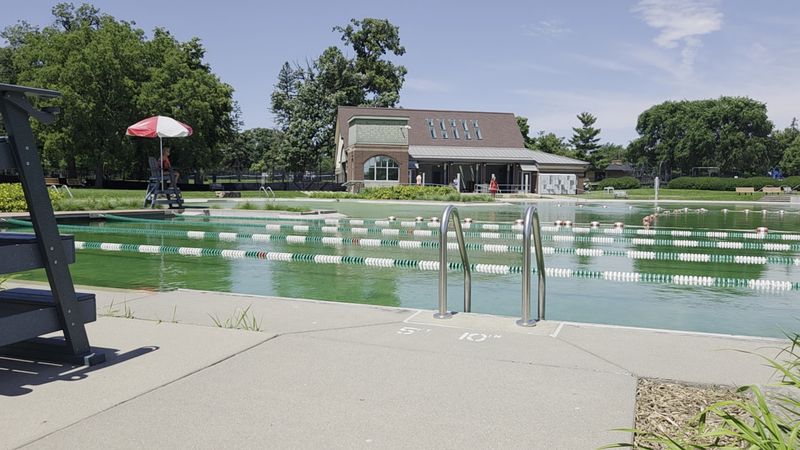
A separate lap pool with four lanes runs alongside the main swimming area, giving serious swimmers room to move without dodging families. On the other end of the pool, a dedicated jump and platform area offers a low platform for those who want to practice jumps without a traditional diving board.
The deep end in that section reaches approximately eleven feet.
A small bridge separates different zones, giving the whole space an almost park-like layout. Grassy areas surrounding the pool invite visitors to spread out blankets and chairs, turning a quick swim into a full afternoon outing in a genuinely pleasant outdoor setting.
Free Admission and What That Means for the Community
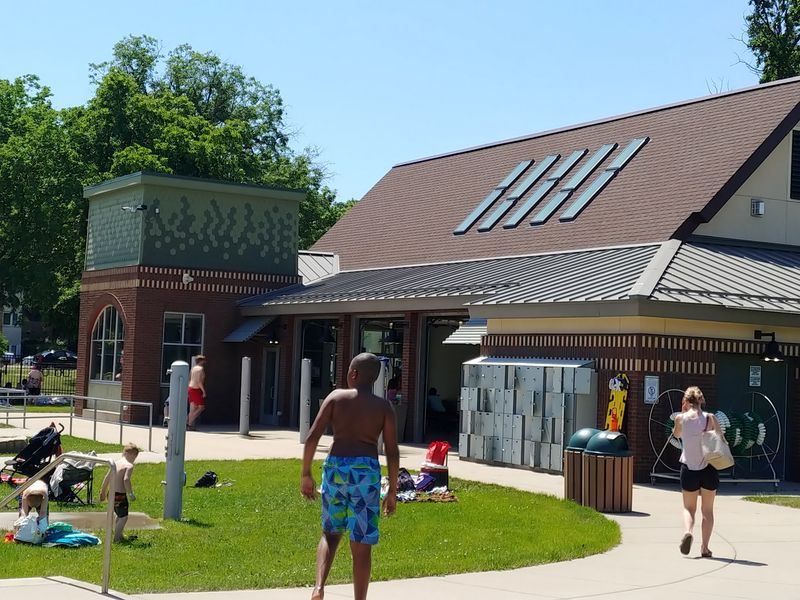
Free public swimming in a major American city is not something most people expect to find in the 21st century. Webber Natural Swimming Pool charges no admission, which makes it genuinely accessible to everyone in the surrounding North Minneapolis neighborhood and beyond.
Visitors simply check in at the front desk and receive a wristband before heading to the water. That straightforward process keeps things moving quickly, even on busy summer afternoons.
The pool draws a wide mix of families, lap swimmers, and casual visitors who just want to cool off without spending money.
The free admission policy reflects the Minneapolis Park and Recreation Board’s commitment to providing quality outdoor recreation to all residents. Watching kids from the neighborhood splash around alongside lap swimmers doing serious training gives the place an energy that feels genuinely community-driven rather than commercial.
That atmosphere alone is worth the trip.
The Native Plants and Wildlife That Surround the Pool
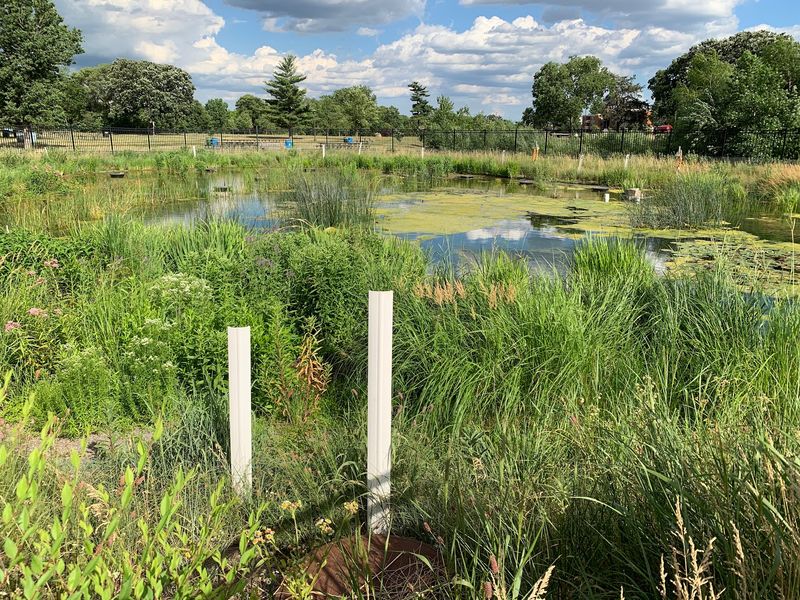
The vegetation around Webber is not just decorative. Native plants were specifically chosen to support the biological filtration process while also creating habitat for local wildlife.
On any given afternoon, visitors might spot butterflies moving between flowers or birds perched near the water’s edge.
The planted borders give the pool an almost meadow-like quality that most concrete swimming facilities completely lack. Tall grasses, flowering perennials, and aquatic plants frame the water in a way that feels more like a nature preserve than a city park amenity.
That natural environment does come with a few trade-offs. Because no chemicals are used, occasional aquatic creatures like small frogs or tadpoles may appear in or near the water.
For some visitors this is a delightful surprise, while others find it unexpected. Either way, it is a direct reminder that the water here is genuinely alive and functioning as a natural system.
Solar Panels and the Pool’s Commitment to Sustainability
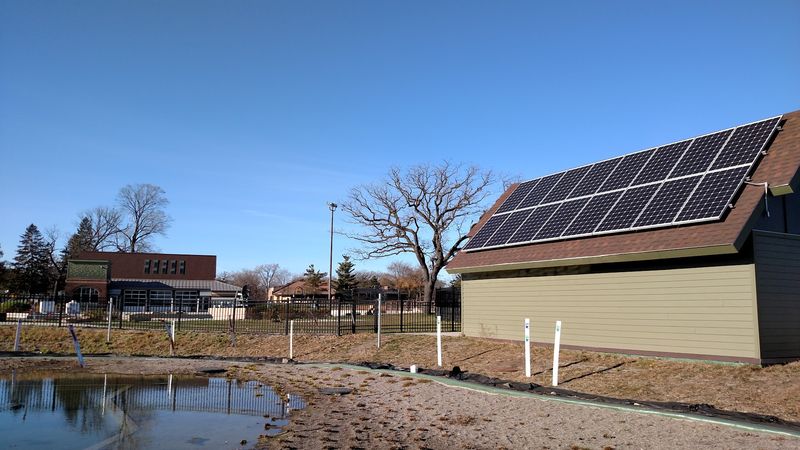
The plant-based water filtration is the most talked-about feature at Webber, but it is not the only environmentally conscious element at the facility. The pool also uses solar panels to help power its operations, reducing its reliance on conventional electricity sources.
Pairing solar energy with biological water filtration makes Webber one of the more comprehensively sustainable public swimming facilities in the country. The combination reflects a broader philosophy that public recreation spaces can operate with a lighter environmental footprint without sacrificing the quality of the visitor experience.
For visitors who care about sustainability, swimming at Webber carries a different kind of satisfaction. You are not just cooling off on a hot July afternoon.
You are using a facility that was thoughtfully designed to work with natural systems rather than against them. That context makes the swim feel a little more meaningful than a standard chlorinated pool visit ever could.
Water Quality Monitoring and When the Pool Closes
Because Webber relies on biological processes rather than chemical treatments, water quality requires careful and consistent monitoring. The Minneapolis Park and Recreation Board tests the water regularly throughout the swimming season to ensure it meets safety standards before opening each day.
Heavy rainfall can temporarily disrupt the biological balance of the pool, causing it to close for a few days while the natural system rebalances itself. Before visiting, checking the official Minneapolis Parks website is always a smart move, since closures can happen without much advance notice depending on weather conditions.
This is one meaningful difference between Webber and a standard chlorinated pool. A conventional pool can add more chemicals to address a problem quickly.
Webber’s system needs time to naturally correct itself, which reflects how biological processes work on their own schedule. Swimmers who understand this tend to appreciate the pool more rather than finding the occasional closure frustrating.
What to Expect When You Arrive for the First Time

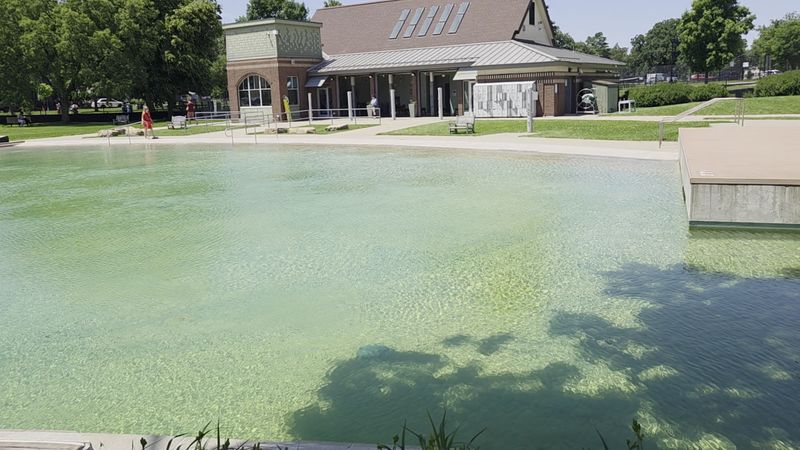
First-time visitors sometimes show up expecting something that looks like a conventional pool. The greenish tint of the water and the surrounding vegetation can catch people off guard at first glance.
The water is not murky in an unhealthy sense. The color comes naturally from the biological filtration system and aquatic plant life working as intended.
After checking in at the front desk and getting a wristband, visitors head toward the pool through a well-maintained grassy area. Outdoor shower stations are positioned near the entry, and rinsing off before entering the water is encouraged to help maintain the pH balance of the natural system.
Bringing your own padlock for the lockers is a good idea since none are provided. The facility has restrooms and changing areas, though they are fairly basic.
Packing light and planning to spend a few hours makes the most of the experience on a warm Minneapolis afternoon.
Pool Rules and What Swimmers Need to Know Before Going In
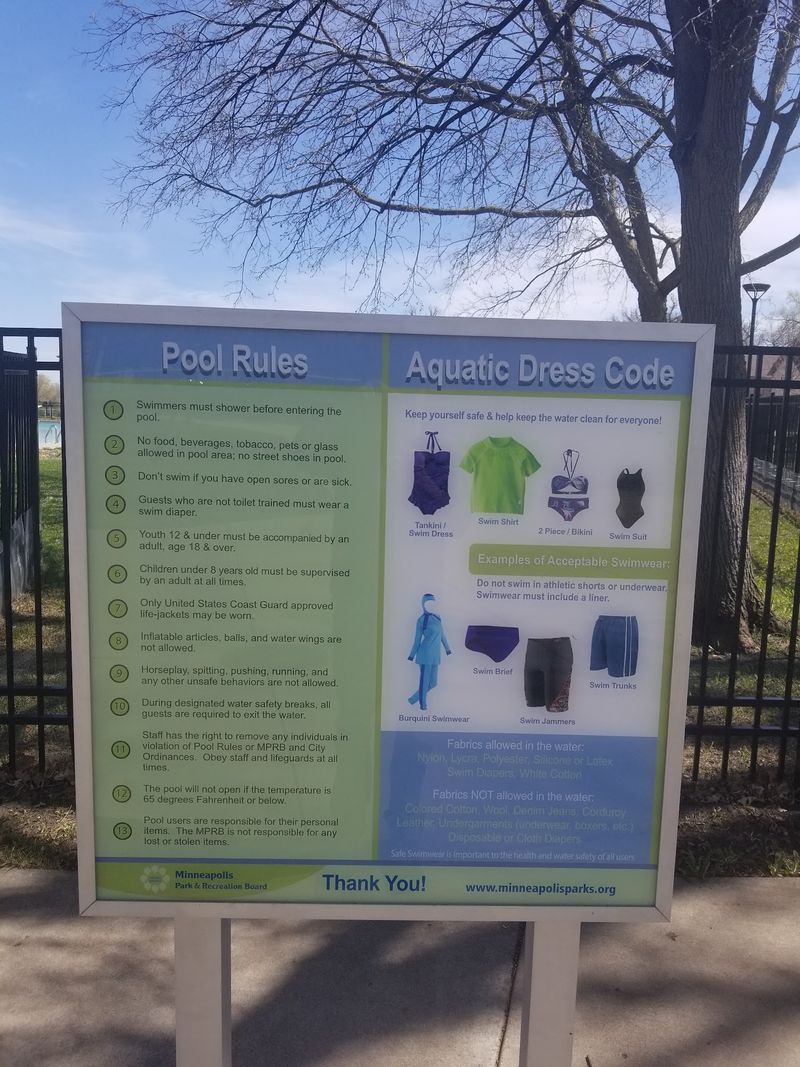
Webber has a fairly detailed set of rules compared to most public pools, and knowing them ahead of time saves a lot of frustration at the gate. Swimwear must meet specific standards, including having a proper liner.
Cotton clothing is not permitted in the water because it can affect water chemistry and filtration performance.
No food or beverages are allowed at the pool deck, and bottles should be left behind or stored away from the water. Sunscreen is also worth thinking about, since certain products can interfere with the biological balance of the water.
Safety breaks are called regularly throughout the day when all swimmers must exit the water for a short period. Lifeguards are attentive and present in good numbers throughout operating hours.
The rules exist specifically to protect the natural filtration system that makes Webber possible, so following them keeps the pool functioning well for everyone who visits.
Swimming Laps at a Pool That Feels Nothing Like a Gym
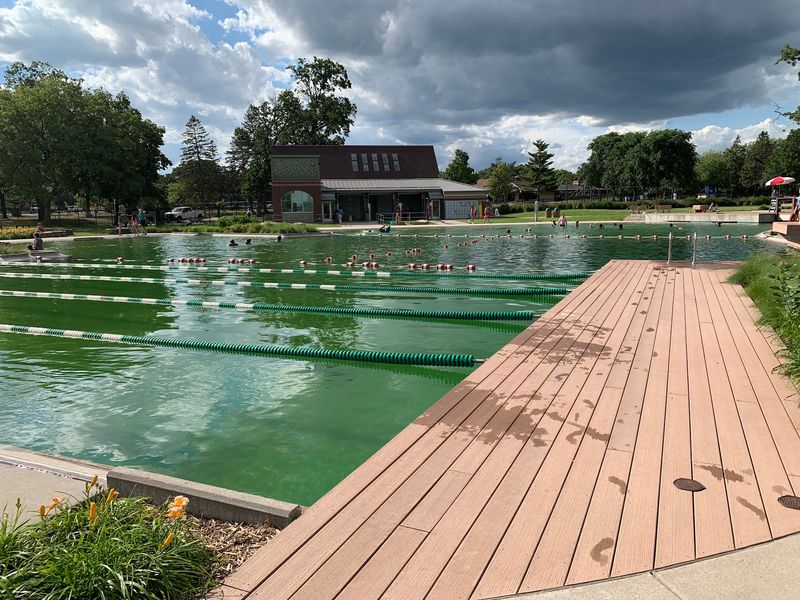
Lap swimming at Webber is a genuinely different experience from grinding through laps in a standard indoor pool. Four lane lines stretch across the lap area, giving swimmers dedicated space without feeling crowded.
The lanes are available most evenings without a long wait, especially on weekdays.
The water depth and length are suited for a solid workout, though the greenish tint of the water means visibility at the wall is reduced. Flip turns take some adjustment because the lane stripe on the bottom can be faint, and the walls have no markings to signal the turn.
Most regular lap swimmers adjust after a session or two.
Swimming outdoors under open sky, surrounded by native plantings and the sounds of a neighborhood park, makes the effort feel less like exercise and more like recreation. That shift in mindset is something a lot of regular visitors mention when they talk about why they keep coming back.
Why This Pool Is Easier on Skin and Hair
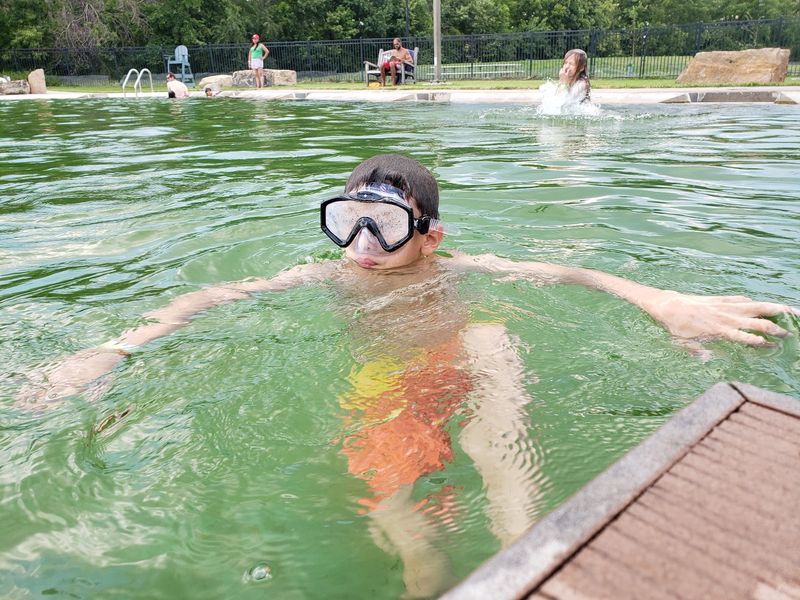
Chlorine is effective at keeping conventional pools sanitary, but it comes with well-known side effects. It dries out skin, strips natural oils from hair, irritates eyes, and leaves that unmistakable chemical smell that lingers long after a swim.
Webber eliminates all of that simply by not using it.
Swimmers with sensitive skin or conditions aggravated by chemical exposure often find Webber to be a revelation. The water feels noticeably softer, and the absence of chlorine means eyes stay comfortable even after a long session.
Hair does not take on that dry, brittle quality that chlorinated pools tend to cause over a summer of regular swimming.
For people who have avoided public pools for years because of chemical sensitivity, Webber represents something genuinely rare: a public swimming facility designed around natural processes that their bodies can tolerate comfortably. That accessibility is a big part of why the pool has developed such a loyal following in Minneapolis.
The History Behind Webber Pool and How It Came to Be
The land where Webber Natural Swimming Pool now sits has a long history as a community swimming destination in North Minneapolis. The original Webber Pool served generations of neighborhood families before the facility was eventually reimagined and rebuilt using a natural filtration concept.
The Minneapolis Park and Recreation Board made a bold decision when it chose to build a biofiltered pool rather than simply replacing the old facility with another conventional chlorinated pool. That choice positioned Minneapolis as a leader in public recreation innovation at a time when natural swimming pools were still largely unknown in the United States.
For longtime residents of North Minneapolis, the rebuilt pool carries a layer of nostalgia alongside its modern design. Some visitors who swam at the original pool as children now bring their own kids to the new one, continuing a neighborhood tradition that stretches back decades while swimming in water cleaned by plants rather than chemicals.
The Summer Season, Operating Hours, and When to Visit
Webber Natural Swimming Pool operates seasonally, typically opening in early June and running through Labor Day weekend. The pool is open Tuesday through Sunday from 1 PM to 7 PM, with Mondays reserved for maintenance and the system to rest and rebalance naturally.
The best time to visit for a quieter experience is a weekday afternoon in the earlier part of the season, before the summer heat peaks and school is fully out. Hot Thursdays and Fridays tend to draw solid crowds, but the pool is large enough that it rarely feels overwhelming compared to a typical city pool.
July is when Minneapolis summer heat makes Webber especially popular. Showing up closer to opening time on a hot weekday gives you the best shot at a lap lane and a good patch of grass for relaxing between swims.
Always check the Minneapolis Parks website before heading over in case of a weather-related closure.
Getting There and What the Surrounding Area Looks Like
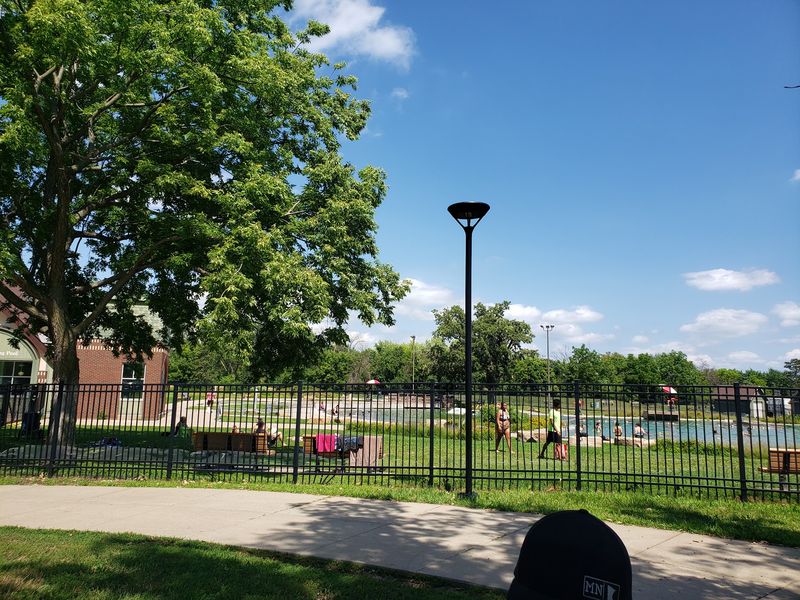
Webber Natural Swimming Pool sits along Webber Parkway in North Minneapolis, tucked into a park setting that feels removed from the busier parts of the city. The surrounding area is residential and green, with tree-lined streets and park land that gives the whole block a calm, unhurried quality on summer afternoons.
Street parking is available nearby, and a small lot serves the immediate facility. The pool is also accessible by bike, with good cycling infrastructure in the area making it a popular pedal-and-swim destination for Minneapolis residents who prefer not to drive.
The park grounds surrounding the pool offer additional space to spread out before or after swimming. Grassy open areas, benches, and the natural plantings around the pool create a setting that rewards visitors who take time to simply sit and enjoy the environment rather than rushing straight to the water and back to their cars.
Why Swimmers Keep Returning to This One-of-a-Kind Pool
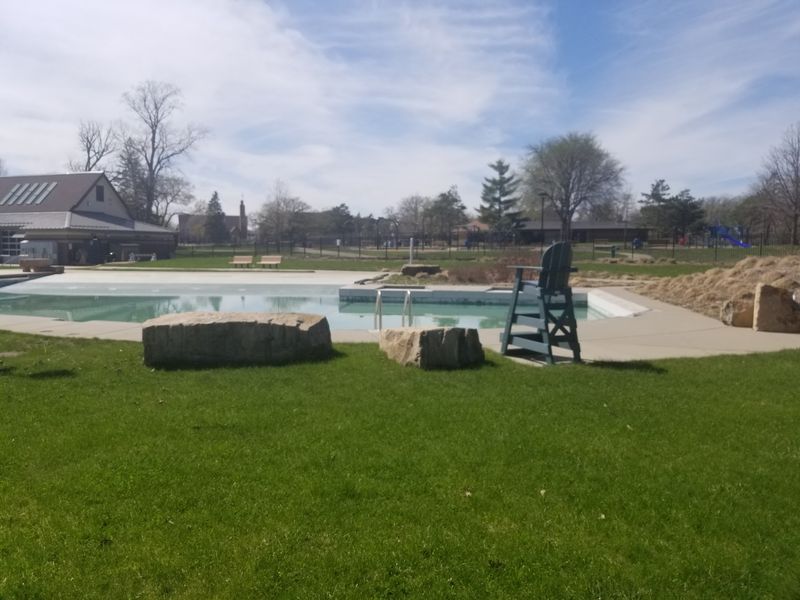
There is something about Webber that regular visitors struggle to fully explain to people who have never been. It is not just the lack of chlorine, though that matters.
It is not just the free admission, though that helps. The combination of natural water, outdoor setting, native plants, and genuine community atmosphere creates something that is genuinely hard to replicate.
Families return weekly through the summer. Lap swimmers build their training schedules around it.
Visitors who discover it while passing through Minneapolis often describe it as one of the more unexpected finds of their trip. The pool has a loyal, enthusiastic following that speaks to how well the concept works in practice.
Webber Natural Swimming Pool proves that a public facility can be innovative, sustainable, accessible, and beloved all at once. In a country full of identical chlorinated pools, finding one that cleans itself with plants feels like discovering something the rest of the world has not quite caught up to yet.
Share this story