There is a small city in Minnesota where the Mississippi River and the Vermillion River meet, and the St. Croix River flows nearby, creating a geography that shaped everything about the place, from its earliest settlers to its stunning blufftop views. Most people drive past it without stopping, which is honestly their loss.
The town has a jaw-dropping spiral bridge history, a downtown full of Victorian architecture, and riverfront parks that feel like they belong in a travel magazine. Once you learn what makes this place tick, you will want to clear your weekend calendar.
Where the Rivers Shape Everything
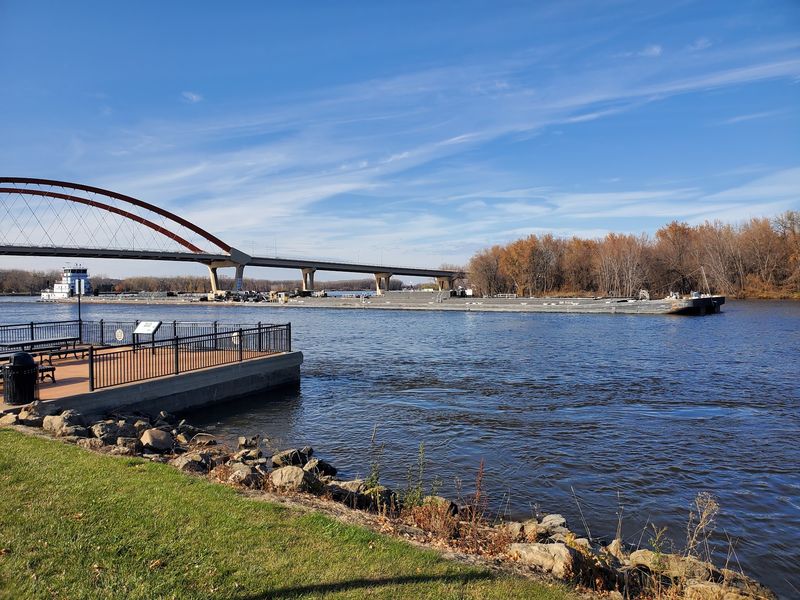
Few American cities can claim they sit where multiple major rivers converge, but Hastings, Minnesota pulls it off with quiet confidence. Located at 55033 in Dakota County, Minnesota, this city of about 22,000 people sits near the confluence of the Mississippi, Vermillion, and St. Croix rivers, a geographical fact that has defined its character for well over a century.
The rivers were not just pretty scenery. They were the reason settlers chose this spot, the reason industry took hold here, and the reason the downtown still faces the water today.
You can feel that connection everywhere you walk.
The bluffs rise dramatically above the Mississippi, giving the city an almost theatrical backdrop. Standing at the riverfront on a clear morning, with mist still sitting on the water, it is easy to understand why people have been drawn to this place for generations.
A Downtown That Refused to Be Forgotten
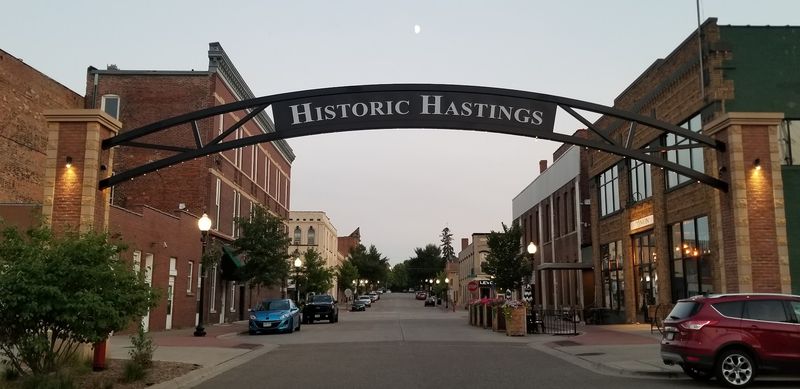
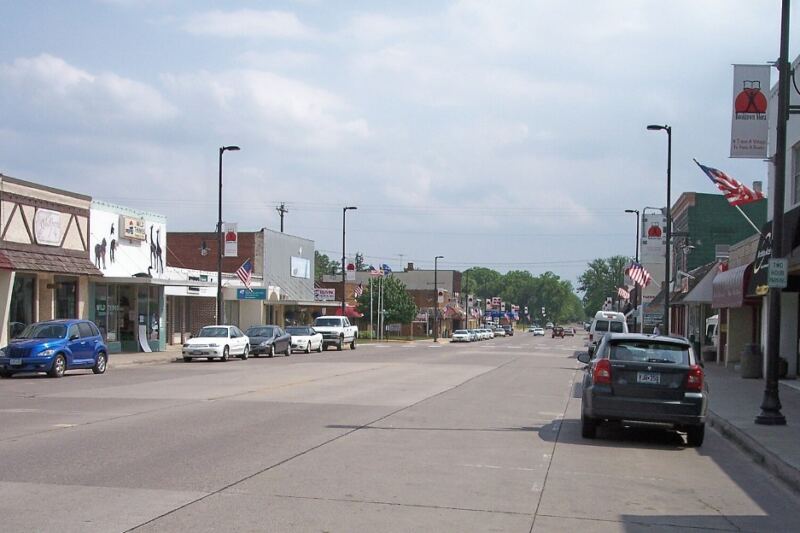
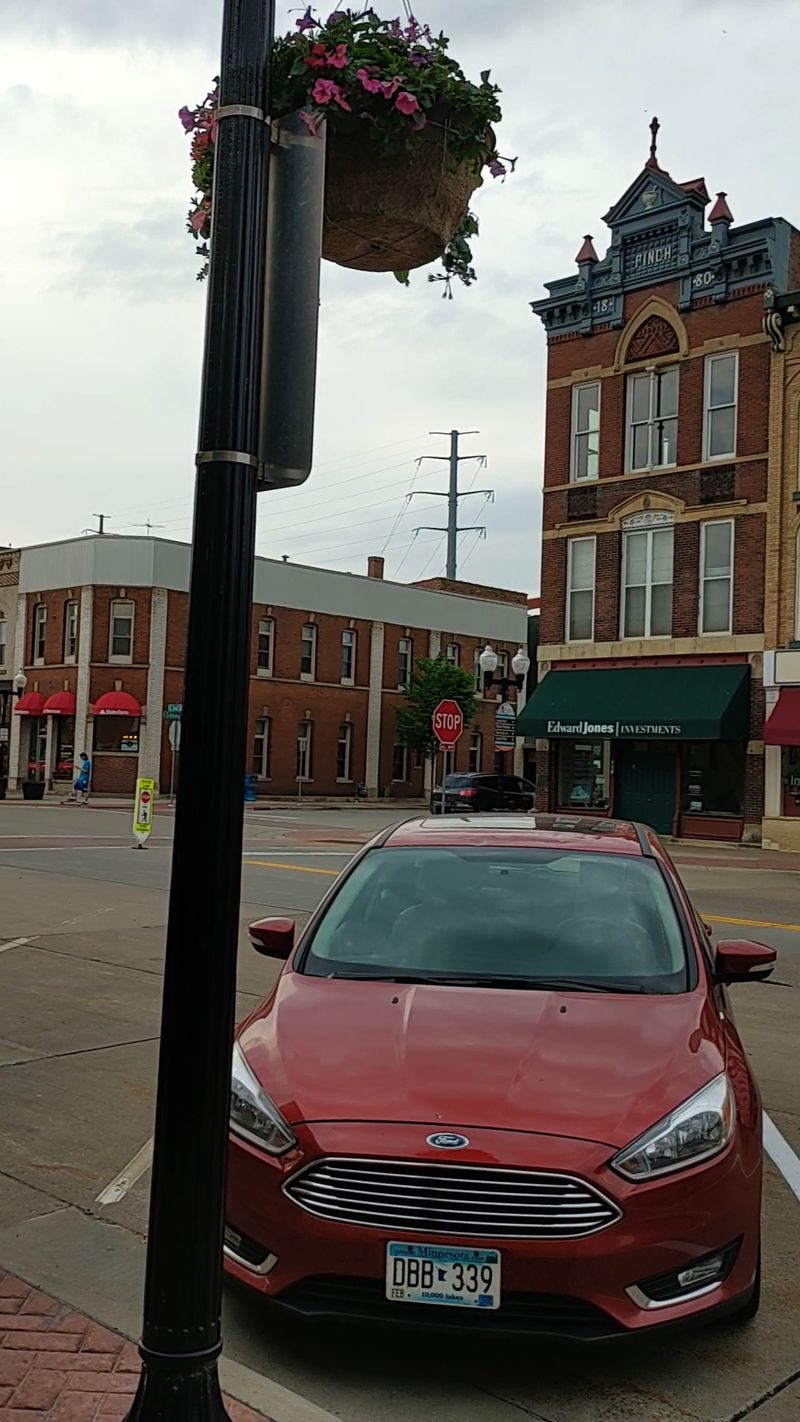
Downtown Hastings is one of those rare places where the 19th century did not get bulldozed to make room for parking lots. The historic district along Second Street is lined with well-preserved brick buildings, many dating back to the 1800s, and the overall effect is genuinely charming without feeling like a theme park.
Walking through here, you notice the details: ornate cornices, tall windows, and storefronts that still have their original bones. The city has worked hard to maintain this character, and it shows in every block.
Local shops, bakeries, and small restaurants fill these spaces, keeping the district alive and worth visiting. There is no single blockbuster attraction pulling people in.
Instead, the draw is the whole picture, a walkable, historically rich streetscape that rewards slow exploration. Hastings proves that preservation and livability can absolutely coexist in a small Midwestern city.
The Legendary Spiral Bridge Story
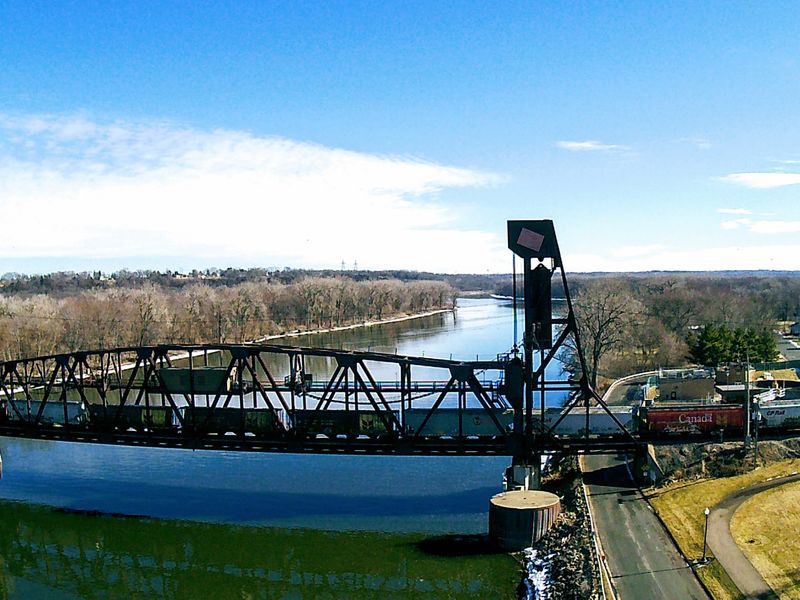
For decades, Hastings was famous for something that no longer exists but still gets talked about with genuine reverence. The Spiral Bridge, built in 1895, was an engineering curiosity that captured national attention.
Its approach road literally spiraled in a corkscrew pattern to bring vehicles down to river level, a solution born from the challenge of the bluff’s steep grade.
The bridge became a postcard icon and a point of local pride. People drove from surrounding counties just to cross it.
When it was replaced in 1951, the loss was felt deeply, and old photographs of it still circulate proudly among Hastings residents and history enthusiasts.
A replica model and historical information about the bridge can be found locally, keeping the memory alive for visitors who want to understand why this particular piece of infrastructure became such a beloved part of the city’s identity. It is a story worth knowing.
LeDuc Historic Estate and Its Surprising Scale
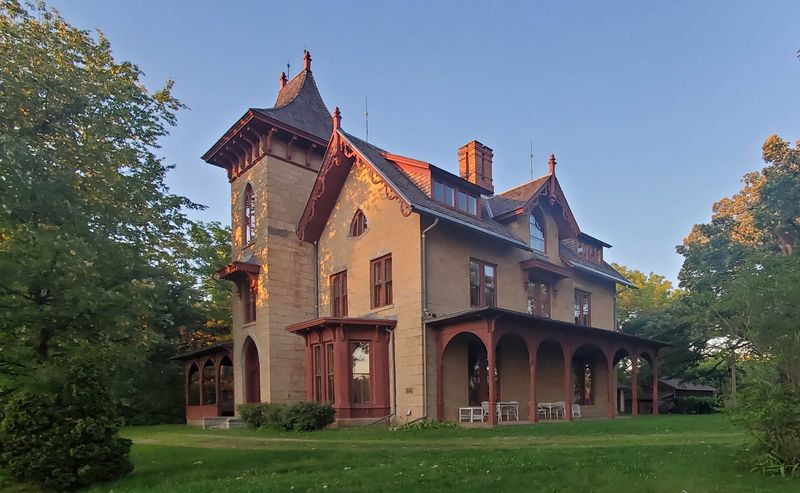
Not many small cities have a Gothic Revival mansion sitting on their edge, but Hastings does, and it is genuinely impressive. The LeDuc Historic Estate, located on Vermillion Street, is one of the best-preserved examples of Gothic Revival residential architecture in Minnesota.
The house was built in the 1860s for William LeDuc, a prominent figure in Minnesota’s early history who served as U.S. Commissioner of Agriculture under President Rutherford B.
Hayes.
The estate features original woodwork, period furnishings, and architectural details that feel almost theatrical in their craftsmanship. The grounds include mature trees and a sense of quiet grandeur that is rare to find in such an accessible setting.
Tours are available and worth booking ahead. Spending time here gives you a completely different window into what life looked like for Minnesota’s 19th-century elite, far removed from the log cabin narrative that dominates most frontier history storytelling.
Vermillion Falls: The Waterfall Most Visitors Miss
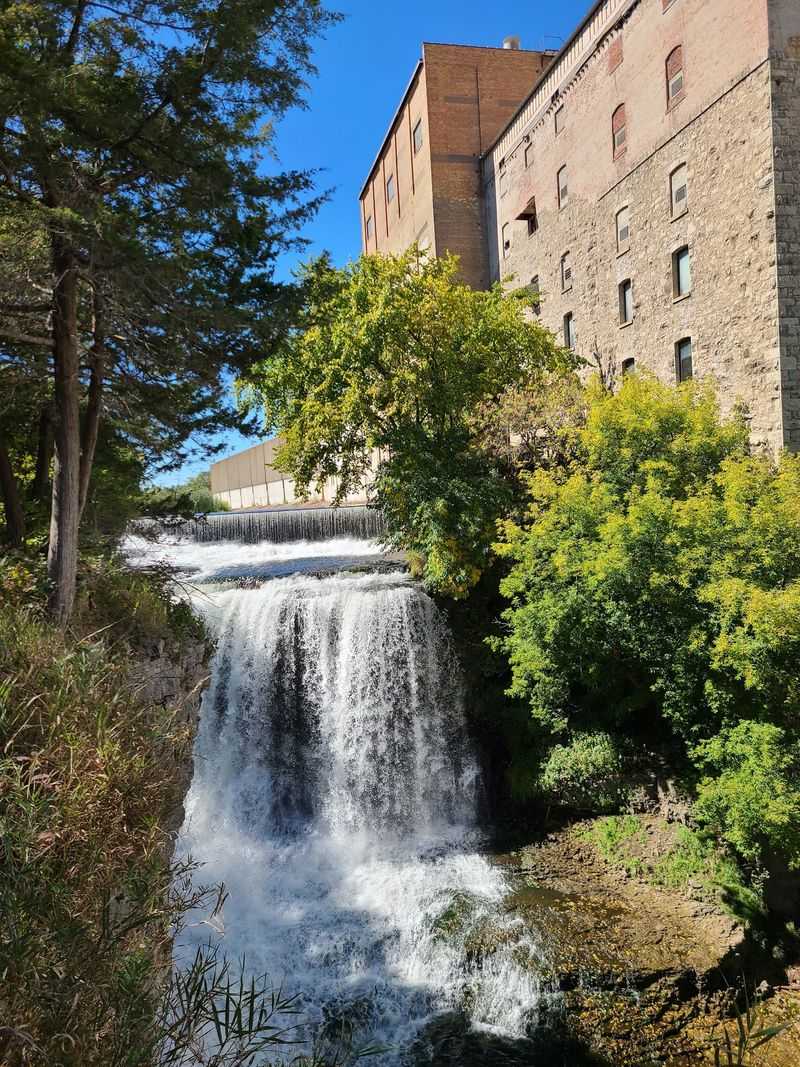
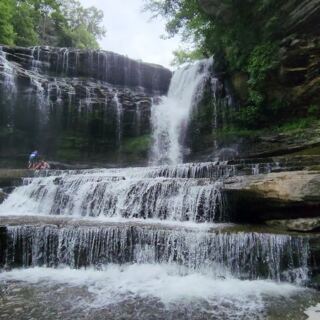
Right inside the city limits, the Vermillion River drops over a rocky ledge to create Vermillion Falls, one of the most underappreciated urban waterfalls in the entire state. The falls sit inside Vermillion Falls Park, a compact green space that feels almost secretive despite being easy to find.
The sound of the water hits you before you see the falls, which adds a nice element of anticipation as you walk the short path from the parking area. When the water is running strong in spring, the scene is legitimately dramatic, with white water churning over dark basalt rock.
There are viewing areas positioned close enough to feel the mist on a good day. Families with kids especially love this spot because it delivers a genuine natural spectacle without requiring any serious hiking.
It is the kind of place that makes you wonder why it is not more widely talked about outside the Twin Cities area.
Rivertown Days: The Festival That Brings Everyone Out
Every summer, Hastings throws a festival that genuinely reflects the personality of the town. Rivertown Days is a multi-day community celebration held along the riverfront, featuring live music, a parade, carnival rides, and fireworks over the Mississippi.
It has been a Hastings tradition for many years and draws visitors from across the region.
The festival has a relaxed, community-centered energy that feels different from the larger, more commercial events in the Twin Cities metro. People bring lawn chairs, kids run between food stands, and local organizations set up booths that give you a real sense of who lives here.
The fireworks finale, with the Mississippi as the backdrop, is the kind of moment that stays with you. Timing a visit to coincide with Rivertown Days gives you the full Hastings experience in a concentrated, high-energy package.
It is the social heartbeat of the city’s summer calendar.
Outdoor Recreation Along the Riverfront
The riverfront trail system in Hastings connects parks, scenic overlooks, and the downtown core in a way that makes getting outside genuinely easy. Whether you are on a bike or on foot, the paths along the Mississippi offer continuous views of the water and the bluffs across the river.
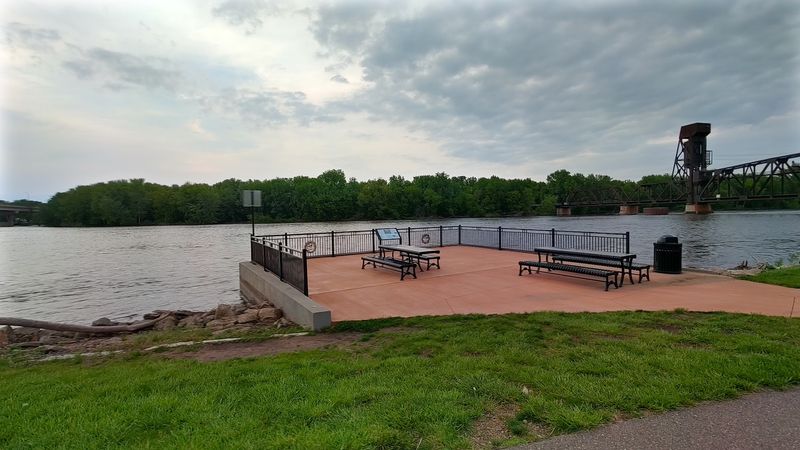
Levee Park, right downtown, is a popular gathering spot with picnic areas and direct river access. From there, trails extend in both directions, giving you options depending on how far you want to go and how much scenery you want to take in along the way.
Fishing is popular here too, with the confluence area offering access to several species common to the upper Mississippi. Kayakers and canoeists use the river regularly during warmer months.
The outdoor infrastructure in Hastings is genuinely well-developed for a city of its size, and it makes the riverfront feel like an asset the whole community actually uses.
The Architecture That Lines Residential Streets
Beyond the downtown commercial district, Hastings has entire residential blocks filled with 19th-century homes that would make a historic preservation architect weak at the knees. Queen Anne, Italianate, and Craftsman styles appear block after block in the older neighborhoods, many in excellent condition.
A self-guided walking tour of the historic residential areas is one of the best free activities in the city. You can pick up maps locally or find information through the city’s historical resources.
The variety of architectural styles reflects the prosperity that the river trade brought to Hastings during its peak commercial era.
What makes this especially satisfying is that these are not museum houses. People live in them, maintain their gardens, and paint their trim with obvious care.
The neighborhoods feel lived-in and loved, which is far more interesting than a perfectly curated historic district where everything feels frozen in time and slightly artificial.
Where Dakota County History Lives
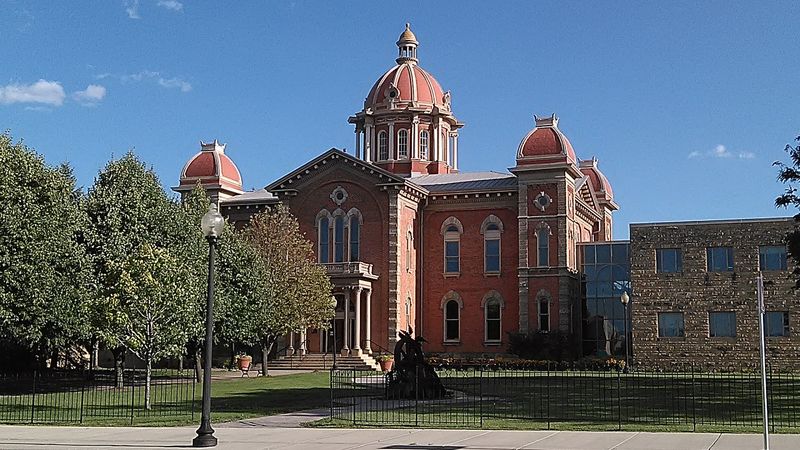
As the county seat of Dakota County, Hastings has long been a center of regional history, and that history is preserved and presented through local historical organizations and exhibits. The city’s past connects directly to the broader story of Minnesota’s development as a state, with early settlement, river commerce, and agricultural growth all playing major roles.
The Dakota County Historical Society maintains resources and collections that document life in the region from the earliest recorded periods through the 20th century. For anyone genuinely interested in understanding how this corner of Minnesota developed, the historical resources available here go well beyond what most small cities offer.
Local libraries and the county courthouse, an architecturally notable building in its own right, add to the sense that Hastings takes its role as a historical anchor seriously. History here is not just displayed on a wall.
It feels woven into the physical fabric of the city itself.
Hastings in Winter: A Different Kind of Beautiful
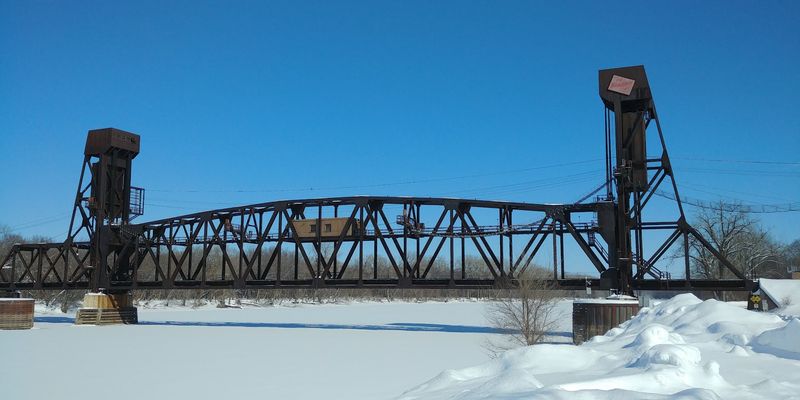
Most travel content about Hastings focuses on summer, which makes sense given the festivals and river activities. But visiting in winter reveals a completely different side of the city, one that is quieter, more introspective, and in its own way more visually striking.
The bluffs along the Mississippi take on a stark, dramatic quality when covered in snow, and the river itself, partially frozen or running dark and slow in cold weather, has a moody beauty that summer visitors never see. The historic downtown, strung with lights during the holiday season, feels genuinely warm and inviting against the cold.
Local restaurants and cafes see more foot traffic in winter as people seek warm spaces, and the slower pace of the season makes it easier to have real conversations with locals. Winter here is not something to endure.
For the right traveler, it is actually a reason to come.
The Bridge That Defines the Modern Skyline
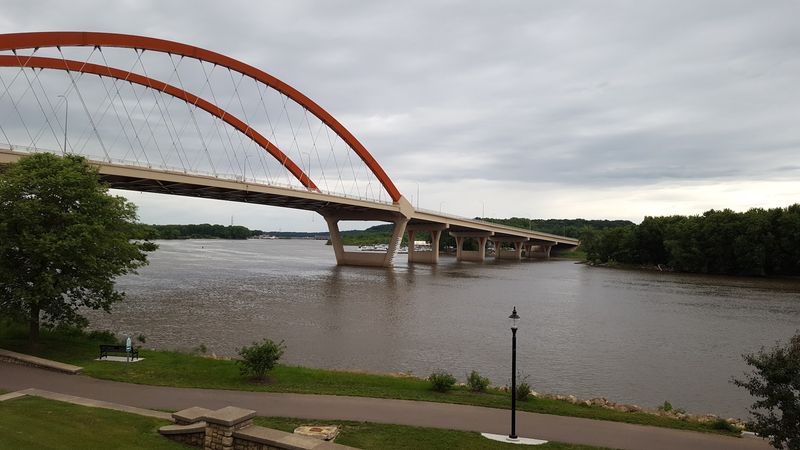
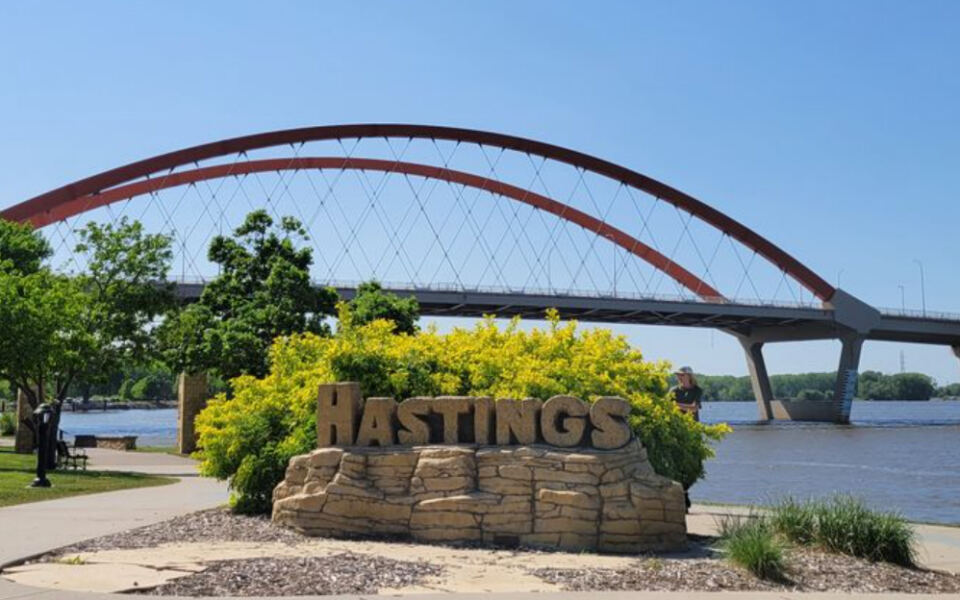
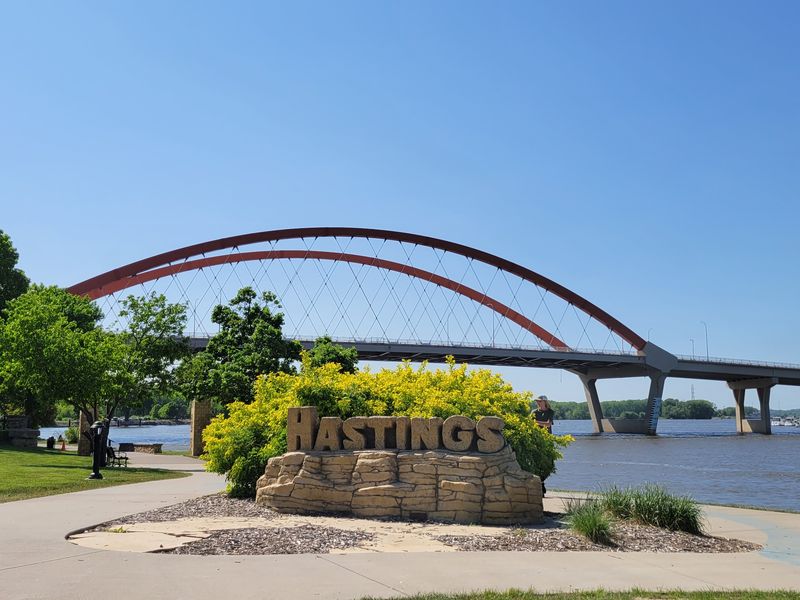
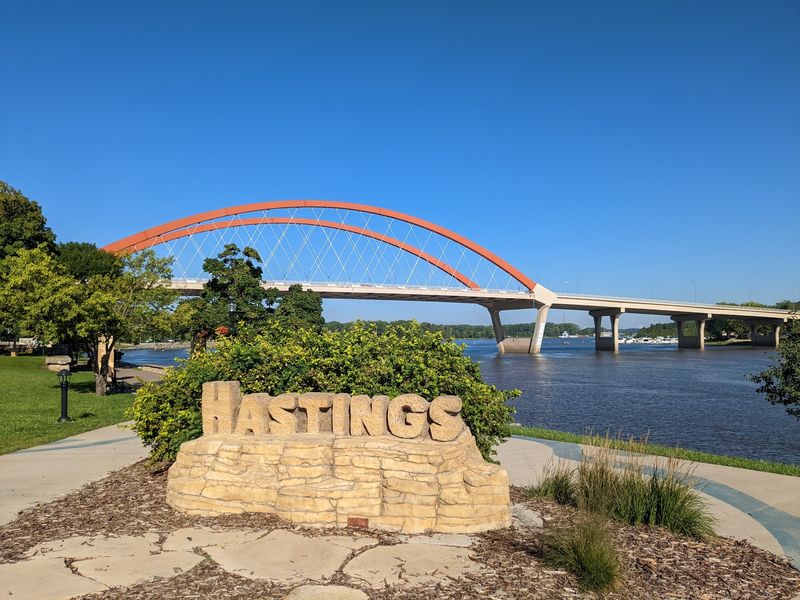
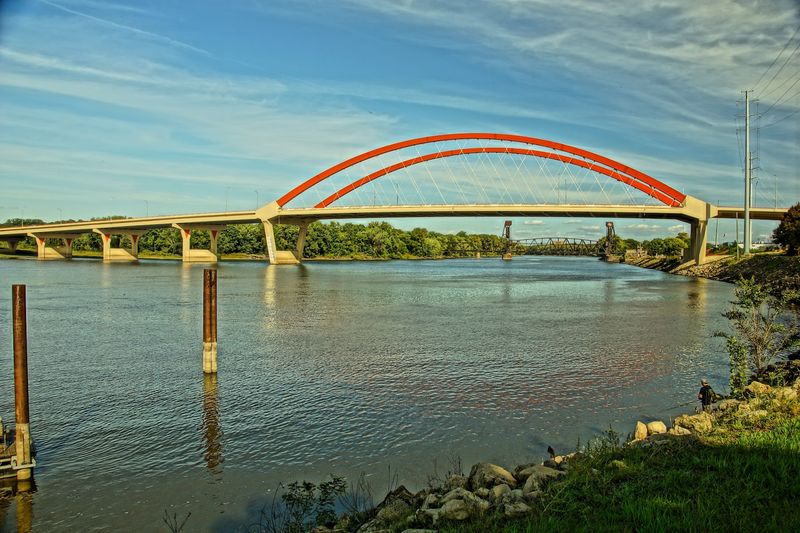
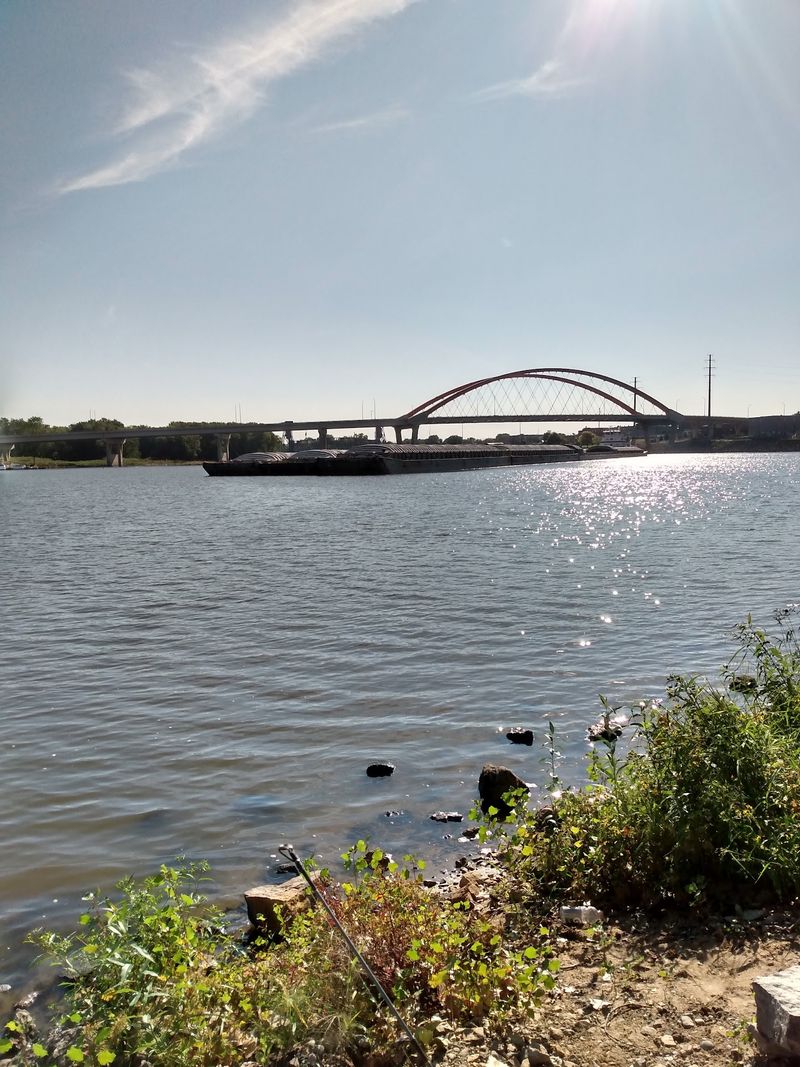
After the famous Spiral Bridge was retired in 1951, Hastings eventually got a new crossing that, while far less eccentric, still provides one of the better river views you can get from a moving vehicle in this part of Minnesota. Crossing the Mississippi here gives you a clear sightline up and down the river, with the bluffs framing the scene on both sides.
The bridge is functional in all the right ways, but it also serves as an arrival moment. Coming into Hastings from the south, crossing the river, and seeing the downtown and the bluffs ahead is a genuinely pleasing introduction to the city.
For photographers, the bridge and its surroundings offer multiple angles worth exploring, particularly at golden hour when the light hits the water and the limestone bluffs in ways that are hard to replicate. It is a reminder that even everyday infrastructure can carry its own kind of visual weight.
Local Food Worth Seeking Out
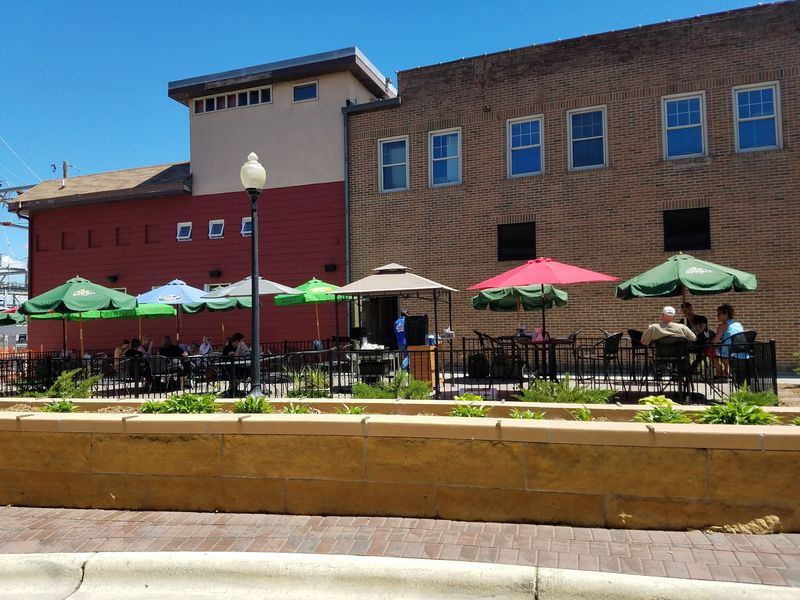
The dining scene in Hastings reflects the character of the city itself: unpretentious, rooted in local identity, and more interesting than first appearances suggest. The downtown area has a range of independently owned restaurants that lean into comfort food done well, with a few spots that take a more creative approach to regional ingredients.
Breakfast and lunch spots along the main commercial corridor draw steady local crowds, which is always a reliable sign that the food is worth your time. Weekend mornings especially have a lively, community feel as people fill up tables and catch up with neighbors.
The proximity to the river and surrounding farmland means that locally sourced ingredients are not hard to come by for restaurants that prioritize them. Hastings is not competing with Minneapolis for culinary attention, but it does not need to.
The food here serves the community first, and visitors who find it are better off for the discovery.
The Blufftop Views That Stop You Cold
Some of the best views in the greater Twin Cities region are sitting right outside Hastings, and a surprising number of people who live an hour away have never seen them. The bluffs above the Mississippi on the Hastings side rise sharply and offer wide, unobstructed views of the river valley that feel genuinely grand.
Access points vary, and some of the best vantage spots require a short walk through wooded areas, which makes the payoff feel earned. In fall, when the hardwoods turn orange and gold along the bluff faces, the color contrast against the dark river water is remarkable.
Spring and early summer bring their own rewards, with wildflowers appearing along the bluff edges and migratory birds moving through the valley. The bluffs are not a secret, exactly, but they remain dramatically undervisited relative to how spectacular they actually are.
That is Hastings in a nutshell, frankly.
Getting to Hastings and Planning Your Visit
Hastings sits about 25 miles southeast of downtown St. Paul, making it an easy day trip from the Twin Cities metro. Highway 61 runs directly through the city and connects it to the scenic river road corridor that follows the Mississippi both north and south, so there are good options for building a longer road trip around a Hastings stop.
The city is compact enough that most of the major attractions are reachable on foot or by bike once you park downtown. Weekends between late spring and early fall tend to offer the most activity, though the city is worth visiting year-round for different reasons.
Parking downtown is generally straightforward, and the riverfront areas have dedicated lots. Spending a full day here is easy if you mix the historic walking tour, a stop at Vermillion Falls, and time along the riverfront trail.
Half a day works too, but you will probably wish you had planned for more.
Why Hastings Stays With You After You Leave
There is something about Hastings that is difficult to fully explain until you have spent time there. It is not the single most dramatic destination in Minnesota.
There is no one landmark that towers above everything else and demands your attention. Instead, it works on you gradually, through accumulation.
The preserved architecture, the waterfall inside the city limits, the blufftop views, the river confluence, the festival energy in summer, the quiet dignity of winter along the water. Each piece adds to the whole in a way that makes the city feel genuinely complete.
Places like Hastings are becoming rarer as small cities either lose their character to development or lose their population entirely. Hastings has held on to what makes it interesting, and that is worth celebrating with an actual visit.
Once you have stood on the riverbank at sunset and watched the Mississippi go dark, you will understand exactly why people keep coming back.
Share this story