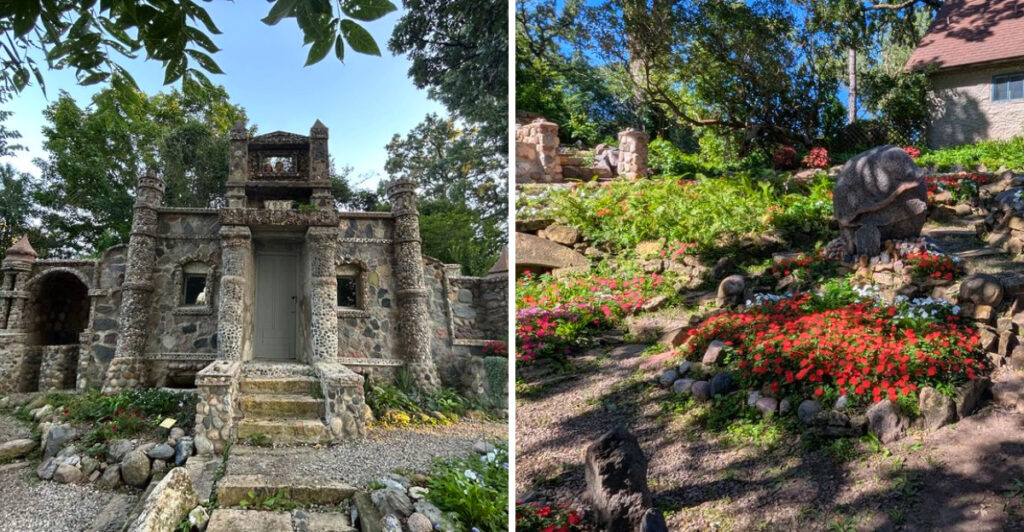
Somewhere in a quiet residential corner of southern Minnesota, there is a stone castle sitting in someone’s yard. Not a replica.
Not a theme park attraction. A real, hand-built castle made from thousands of carefully placed rocks, surrounded by winding stone pathways, arched bridges, and flowering gardens that look like they belong in another century.
The person who built it was not a professional architect or a trained mason. Yet what stands today is one of the most quietly spectacular folk art environments in the entire Midwest, and most people driving past on the interstate have absolutely no idea it exists.
The First Glimpse That Stops You in Your Tracks
Pulling up to the address on Itasca Road, your first instinct might be to double-check the directions. The property looks like a home.
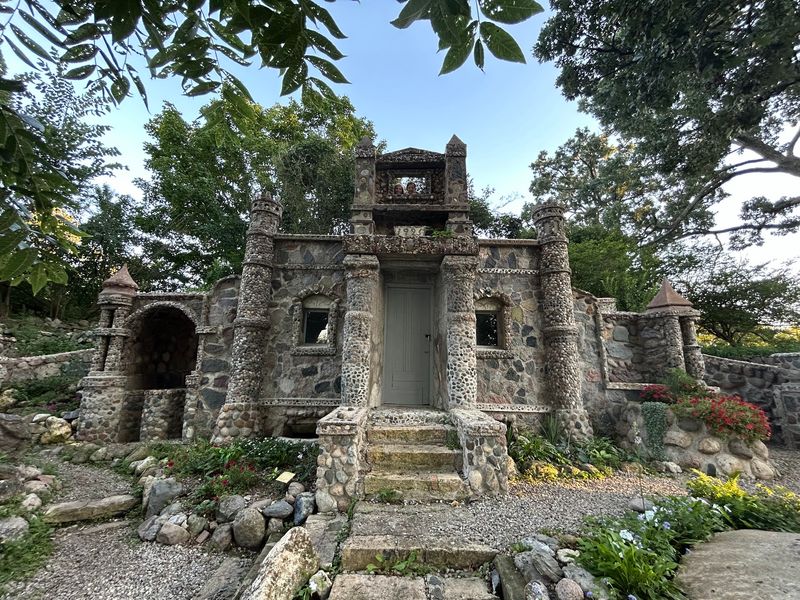
A real, lived-in home with a yard. Then your eyes drift to the side, and suddenly there it is, a miniature stone castle rising up from the ground like something a medieval architect dreamed up and then somehow placed in Minnesota.
The Itasca Rock Garden in Albert Lea, Minnesota, located at 2129 Itasca Rd, Albert Lea, MN 56007, is a folk art site built on private land that is open for public self-guided visits. The castle is not small.
It has turrets, archways, and stone walls that stand several feet high, all constructed by hand without heavy machinery.
That first glimpse is the moment most visitors understand they stumbled onto something genuinely rare.
The Story Behind the Man Who Built It All
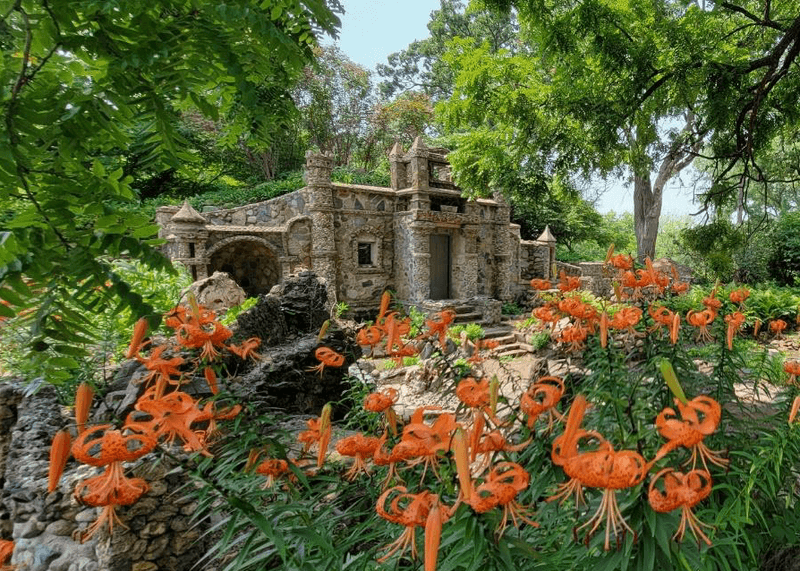
Every extraordinary place has a story, and this one is rooted in the determination of a single person who decided to build something beautiful from raw materials most people walk right past. The Itasca Rock Garden was created by a man who spent years hand-collecting stones and constructing the entire environment himself, piece by piece, in what was essentially his own backyard.
The labor involved is almost hard to grasp when you stand inside the garden. Every rock was placed with intention.
Every arch, every pathway, every raised wall required planning, physical effort, and a kind of patient creativity that most of us only wish we had.
The fact that one person built all of this, without a construction crew or modern equipment, is the detail that keeps visitors quietly amazed long after they have left the property.
What the Castle Actually Looks Like Up Close
From a distance, the castle reads as charming. Up close, it becomes genuinely impressive.
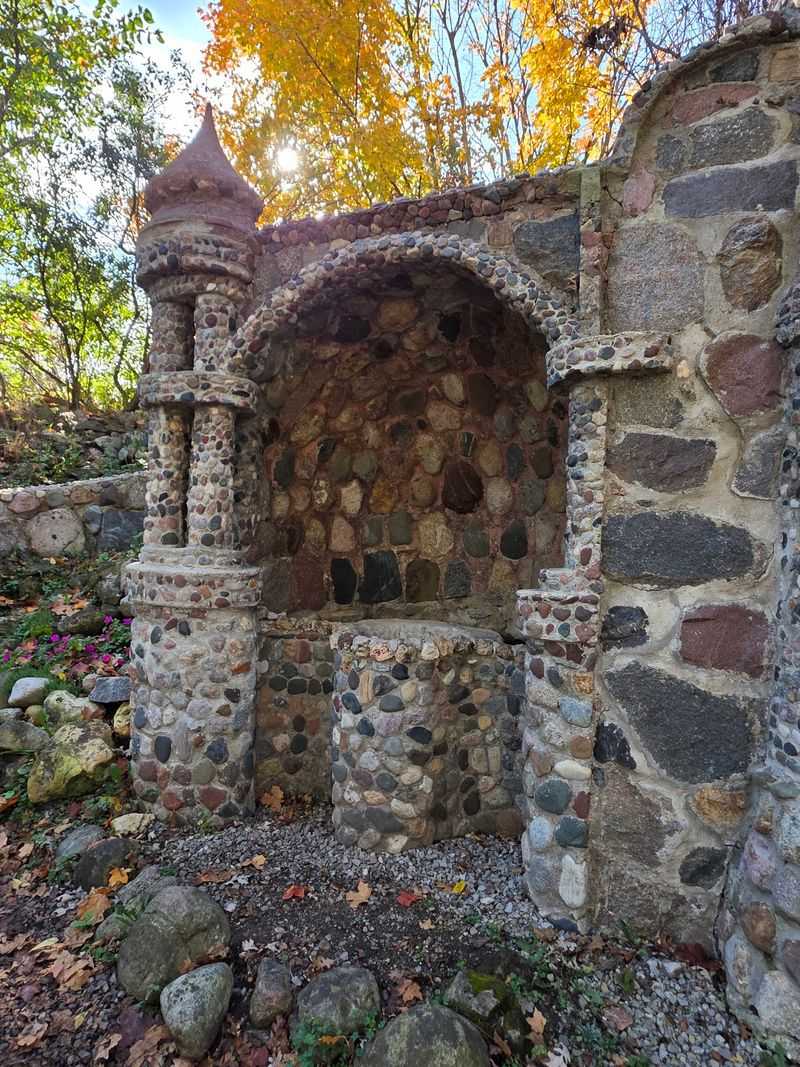
The stonework is tight and deliberate, with rocks of varying sizes fitted together in ways that suggest real structural knowledge. The turrets have depth.
The archways frame views of the garden beyond them. Climbing to the top gives you a full view of the surrounding landscape.
The castle is not decorative in a superficial way. It has weight and presence.
Running your hand along the exterior wall, you can feel the texture of dozens of different stone types all working together as one cohesive structure.
Children absolutely love climbing on it, and adults tend to stand quietly for a moment, trying to calculate how long something like this would take to build. The honest answer is years, and that reality makes the whole structure feel even more extraordinary.
The Winding Stone Pathways That Invite Exploration
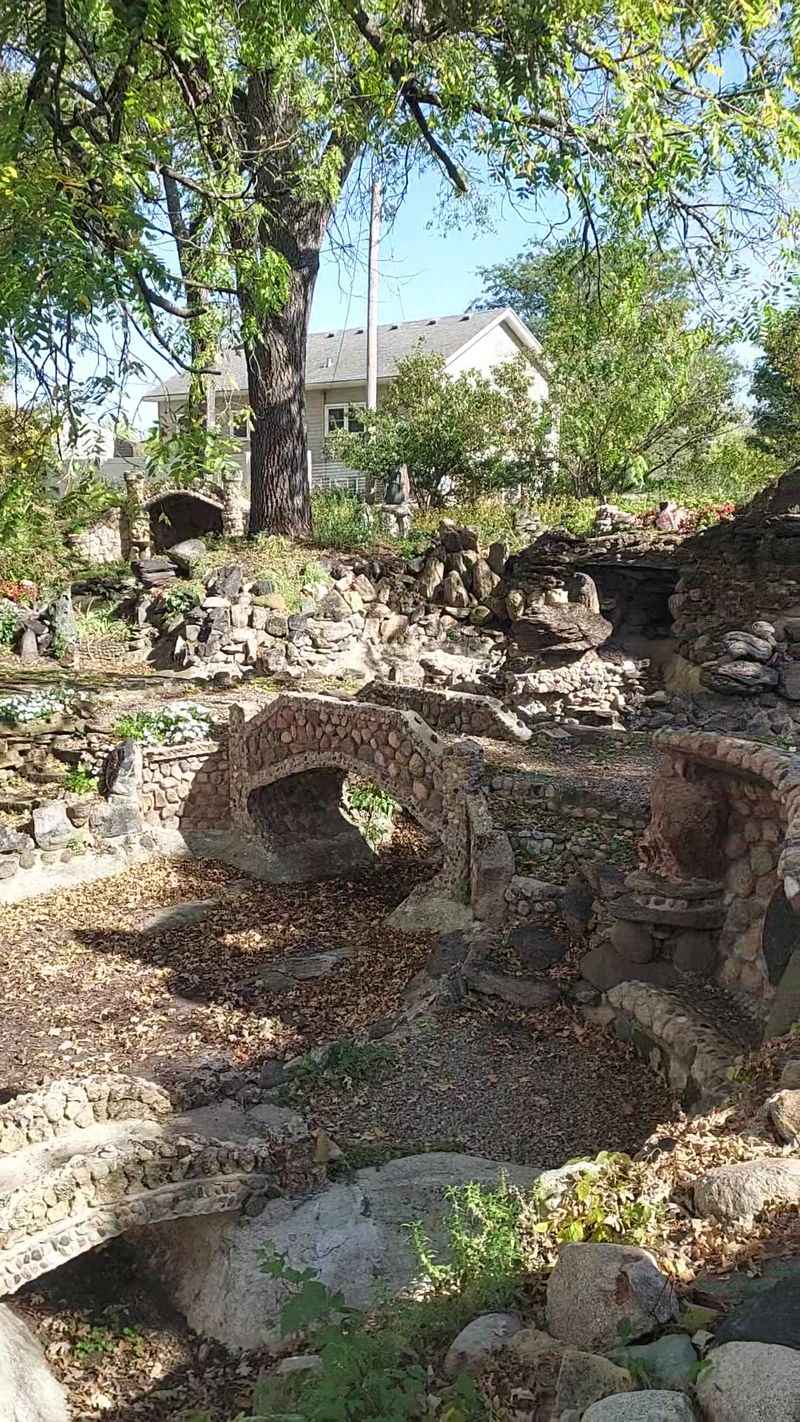
Beyond the castle, the garden unfolds through a series of narrow stone pathways that curve and connect throughout the property. Walking them feels unhurried in the best possible way.
Each turn reveals a new arrangement of rocks, a small sitting area, or a cluster of flowering plants growing up between the stones.
The paths are not perfectly smooth. The ground is uneven in places, and some sections require a bit of careful stepping, which actually adds to the character of the space.
This is not a manicured botanical garden with perfectly level walkways. It is something more personal and more interesting than that.
Families with young children should keep a close eye on little ones, since some stone edges are sharp and the terrain is irregular. Moving slowly through the pathways is genuinely the right pace for this kind of place.
Flowers, Plants, and the Living Parts of the Garden
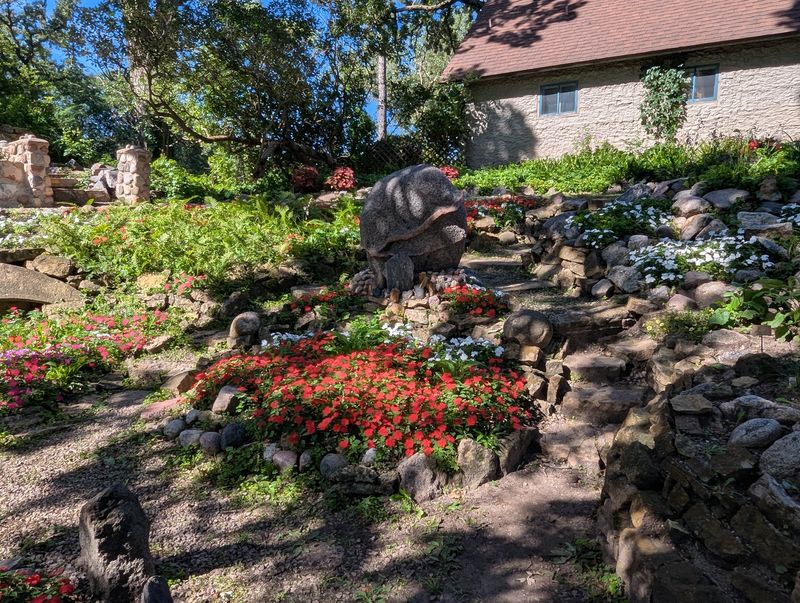
The Itasca Rock Garden is not only stone. Flowers grow everywhere throughout the property, tucked into gaps between rocks, lining the pathways, and filling the sitting areas with color.
There is a mix of annuals and perennials planted throughout, which means the garden looks different depending on when you visit.
Spring and summer visits reward you with full bloom conditions, when the flowers are at their most vibrant and the green plants fill in the spaces between the stonework. Visiting in early autumn means some of the color has faded, but the architecture of the stone structures becomes even more visible without the dense foliage surrounding it.
Several visitors have mentioned planning return trips specifically to see the garden in full bloom, which says a lot about how much the living elements contribute to the overall experience of the space.
The Quiet Sitting Areas Tucked Throughout the Property
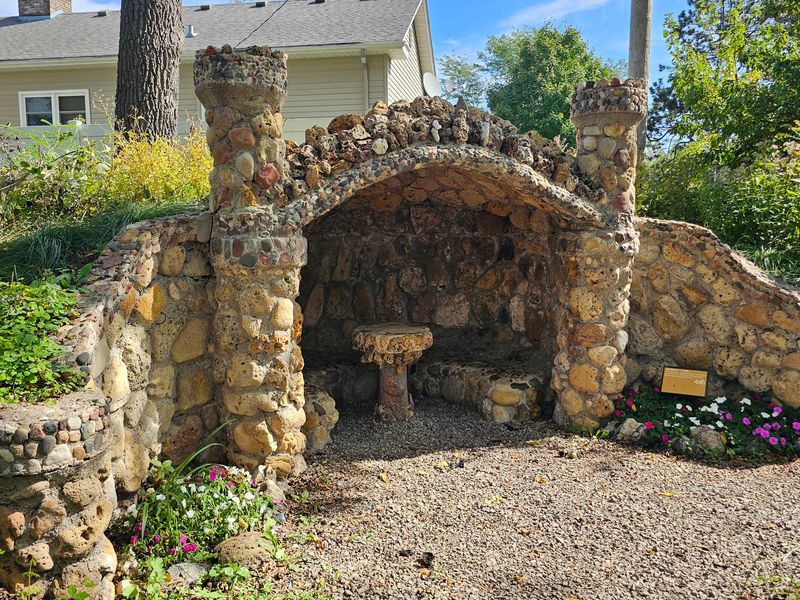
One of the most thoughtful details of the Itasca Rock Garden is that the builder created actual sitting areas throughout the property. These are not benches placed as an afterthought.
They are built into the stone architecture itself, positioned in spots where you can pause and take in the surrounding garden from a comfortable vantage point.
Couples and families tend to linger in these areas, talking quietly or simply sitting with the environment for a few minutes. The atmosphere in the garden is genuinely calm.
There are no speakers, no guided commentary playing overhead, and no crowds rushing you along. You set your own pace completely.
One couple who visited on their 32nd wedding anniversary described the sitting areas as a highlight of their visit, which captures exactly the kind of quiet, personal experience this garden offers to people who take the time to slow down.
The Dry Ponds and Why the Water Is Not Running
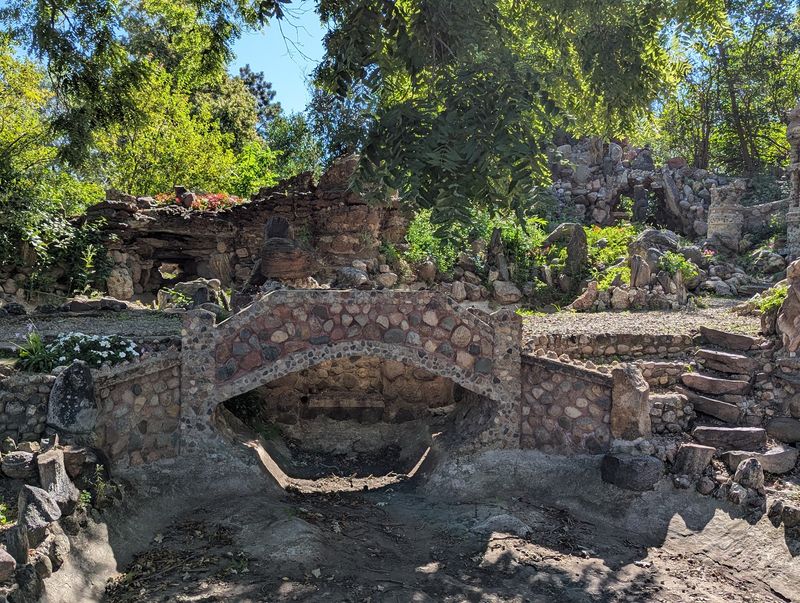
One question that comes up often among first-time visitors is why the ponds are empty. The garden includes beautifully constructed stone pond structures that look like they were designed to hold water, complete with detailed edges and thoughtful placement throughout the landscape.
The owner has explained directly that insurance requirements prevent the ponds from being filled. While many visitors arrive hoping to see koi fish and flowing water, the empty ponds still hold significant visual interest as stone constructions in their own right.
Understanding this ahead of time actually helps visitors appreciate what is there rather than focusing on what is not. The stonework around the ponds is just as detailed as the rest of the garden, and the dry basins give the space an almost ancient quality, like ruins of something that once held something precious.
The craftsmanship is visible regardless of whether water is present.
How the Self-Guided Visit Actually Works
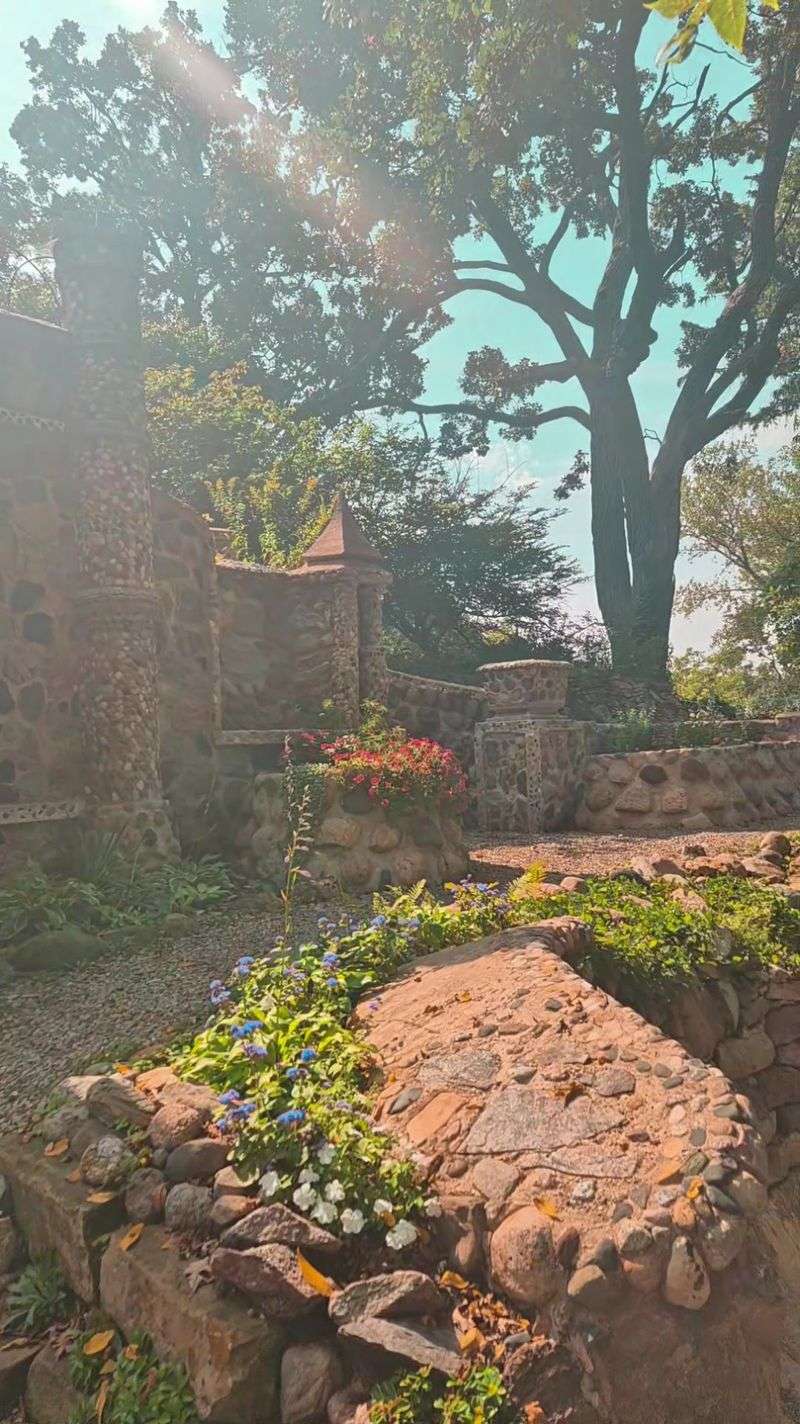
Visiting the Itasca Rock Garden is refreshingly uncomplicated. There is no ticket booth, no scheduled tour time, and no guide waiting to walk you through.
You arrive, read the signs posted around the property, and explore entirely at your own pace. The site operates on a free-will donation system, meaning there is no required admission fee.
A donation box is available on the property, and bringing cash is strongly encouraged. The garden is maintained through visitor generosity, and contributing what you can helps ensure the site stays open and cared for.
Signs posted throughout the garden explain the history and context of what you are looking at, which several visitors have found genuinely helpful for understanding the scope of the project. The self-guided format suits the quiet, contemplative character of the space perfectly, and most visits run between 15 and 45 minutes depending on how slowly you explore.
Visiting Hours and the Best Time to Go
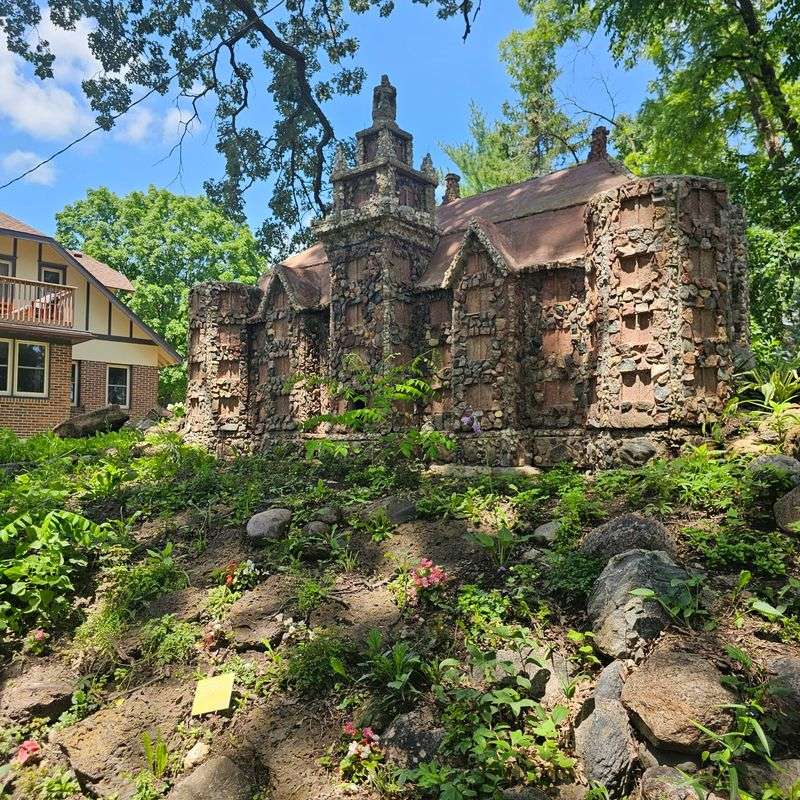
The Itasca Rock Garden is open every day of the week from 10 AM to 6 PM, which makes planning a visit straightforward no matter when you are passing through the area. The consistent daily hours are one of the more visitor-friendly aspects of the site.
Late spring through early summer tends to be the most rewarding time visually, when the perennial flowers are reaching their peak and the annual plantings have filled in throughout the garden. The stone structures look striking against lush green surroundings, and the light on a clear afternoon brings out the texture and color variation in the rocks.
Early morning visits on weekdays tend to be the quietest, giving you the garden almost entirely to yourself. If solitude and a slow, unhurried pace appeal to you, arriving shortly after the 10 AM opening on a Tuesday or Wednesday is a solid strategy.
What Makes This Place Different From Other Folk Art Sites
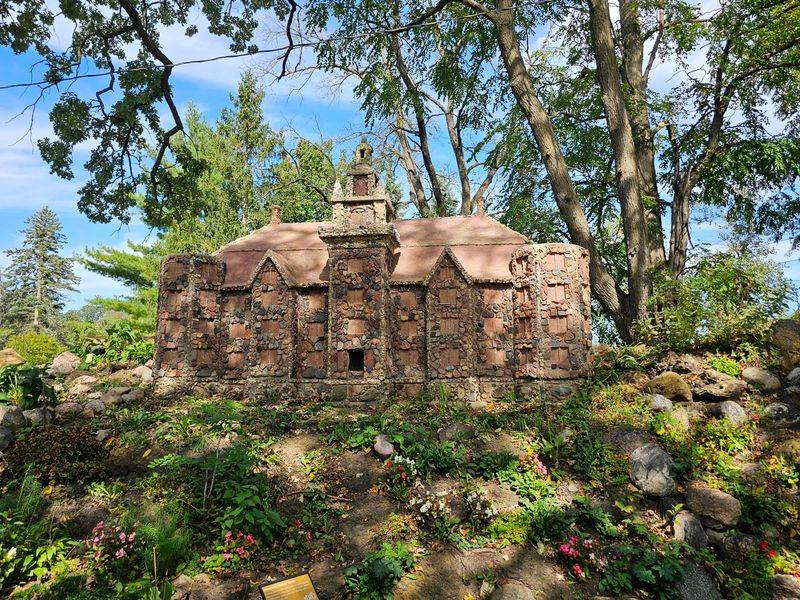
Folk art environments exist across the United States, but few combine the architectural ambition of a hand-built castle with the intimate scale of a private yard. Most folk art sites you encounter are either very large and museum-like or very small and easy to overlook.
The Itasca Rock Garden occupies an interesting middle ground.
The castle element is what separates it from a typical rock garden. Most rock gardens are flat, decorative arrangements.
This one has vertical height, structural complexity, and real architectural character built entirely from collected stones. That combination is genuinely unusual.
The personal scale of the property also makes the experience feel more intimate than a formal attraction. You are not walking through an institution.
You are walking through something a real person built with their own hands over years of dedicated work, and that human quality comes through in every detail of the place.
Why Families With Kids Tend to Love It
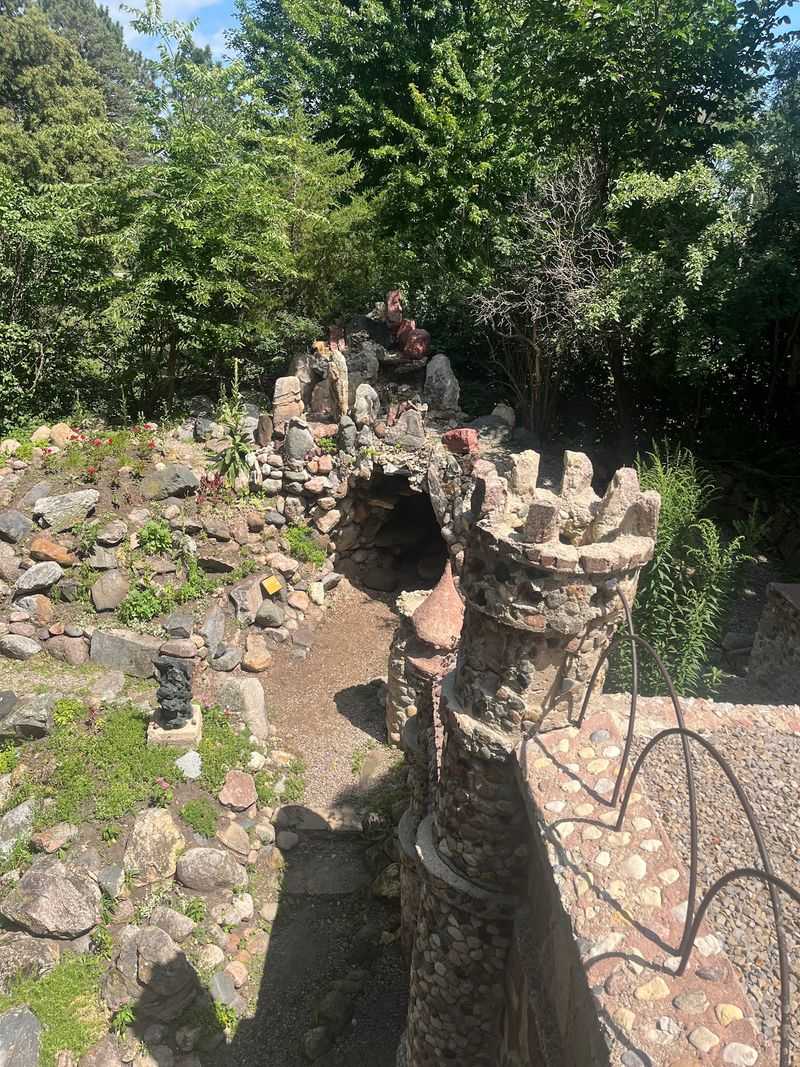
There is something about a real stone castle, even a small one, that captures a child’s imagination in a way that no photograph can fully prepare you for. Kids who visit the Itasca Rock Garden tend to run straight for the castle structure, eager to climb the steps and survey the garden from above.
The space rewards curious, exploratory energy. There are nooks to peer into, pathways to follow, and stone details to touch and examine.
For children who are used to looking at screens all day, the tactile, physical experience of exploring a real stone environment is genuinely refreshing.
Parents should keep the uneven terrain and sharp stone edges in mind and encourage calm walking rather than running. The garden is not childproofed in any formal sense, but with appropriate supervision, it offers a memorable and genuinely interactive outdoor experience that most kids talk about on the drive home.
The Airbnb Connection and Staying Overnight
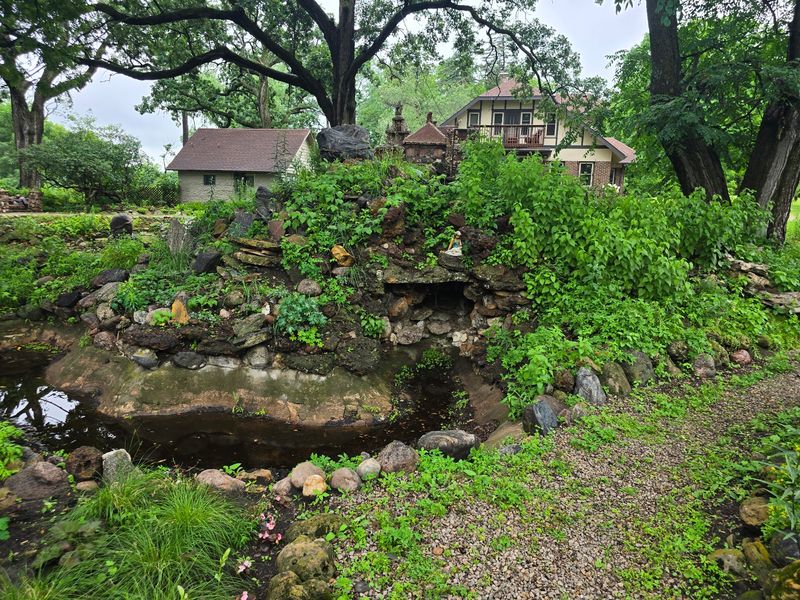
One detail that surprises many visitors is that the property associated with the Itasca Rock Garden is available to rent through Airbnb. Staying overnight on the property gives you a completely different experience from a quick daytime visit, including the opportunity to see the garden in the early morning light before other visitors arrive.
The idea of waking up and stepping outside to walk through the stone pathways with a cup of coffee, before anyone else is there, is genuinely appealing. Evening light on the stone castle has its own character as well, with shadows falling across the textured walls in ways that the midday sun does not produce.
For travelers who want to go beyond a 30-minute stop and actually spend time absorbing the atmosphere of the place, the overnight rental option transforms the Itasca Rock Garden from a roadside curiosity into a full travel experience.
How to Find It and Where to Park
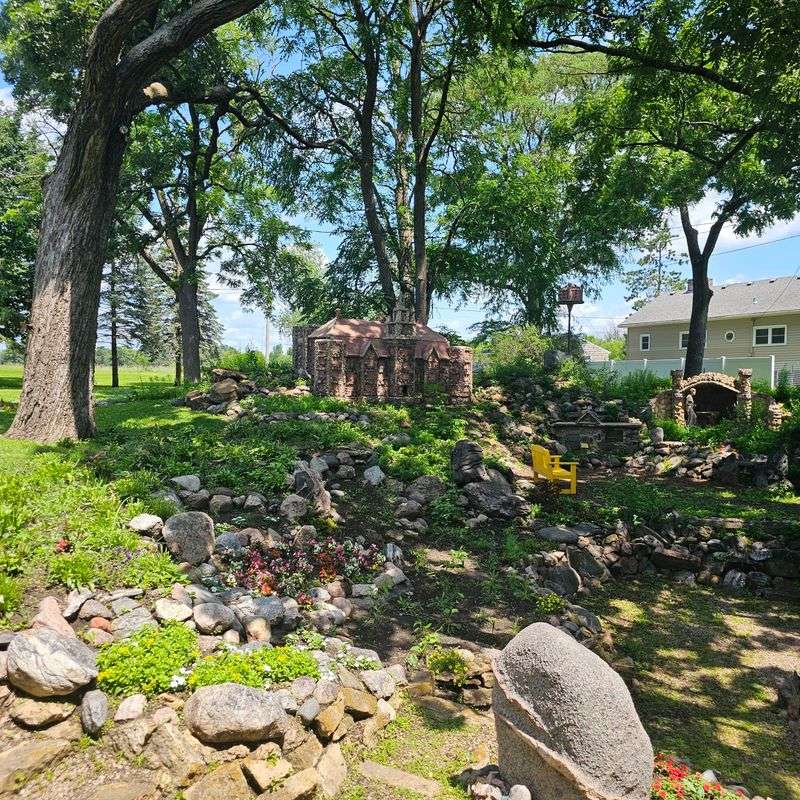
Finding the Itasca Rock Garden requires a little attention because the property sits in a residential area and does not announce itself with flashy signage visible from the main road. The address is 2129 Itasca Rd in Albert Lea, and plugging that directly into a navigation app is the most reliable approach.
Parking can feel slightly confusing on a first visit because the driveway and parking area are not immediately obvious. Signs on the property direct visitors to park in front of the house, which is the correct spot.
Following those signs rather than guessing will save you a few minutes of circling.
The garden is also a reasonable detour from Interstate 90, making it a natural stop for road trippers passing through southern Minnesota who want a quick stretch break that turns into something far more memorable than a gas station parking lot.
The Zen Quality That Keeps People Coming Back
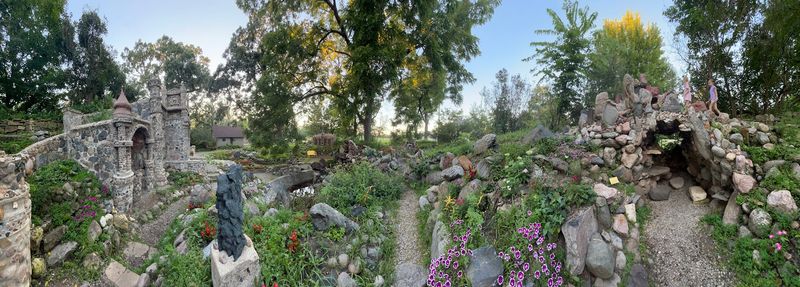
Several people who have visited the Itasca Rock Garden use words like calm, zen, and peaceful to describe the experience, and that quality is not accidental. The combination of stone, plants, and open sky creates an environment that genuinely encourages slower breathing and quieter thinking.
There is no background noise from speakers, no commercial activity happening nearby, and no pressure to move through the space at any particular speed. You set your own rhythm entirely, and the garden seems to accommodate whatever pace you bring to it.
People who visit once tend to think about returning. Not because they missed something the first time, but because the experience is the kind that reveals itself differently depending on your mood, the season, and who you bring with you.
That quality of a place that offers something new on every visit is genuinely rare and worth seeking out.
Why This Place Deserves Far More Attention Than It Gets
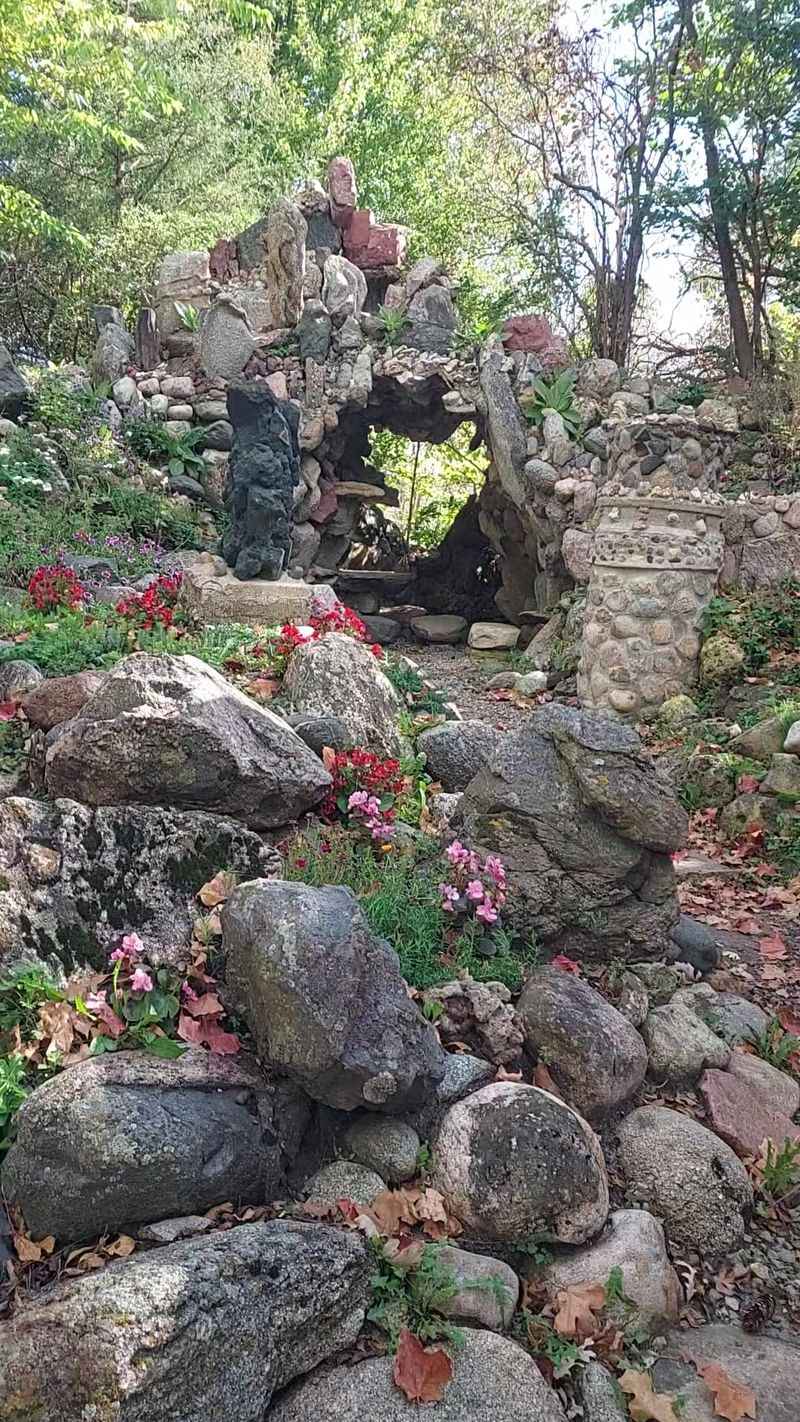
With fewer than 100 reviews online, the Itasca Rock Garden is one of those places that exists in a strange space between local knowledge and broader recognition. The people who find it tend to rate it highly and encourage others to visit.
But the overall awareness of the site remains surprisingly low given what it actually offers.
Part of that is geography. Albert Lea sits along Interstate 90 in southern Minnesota, and most travelers passing through are focused on getting somewhere else.
The garden does not have a billboard. It does not have a gift shop or a restaurant attached to it.
It simply exists, quietly extraordinary, on a residential road.
That underdog quality is part of what makes discovering it feel so satisfying. You are not visiting something that has been packaged and promoted.
You are finding something real, built by one person with stone and time, and that is worth a great deal.
Share this story