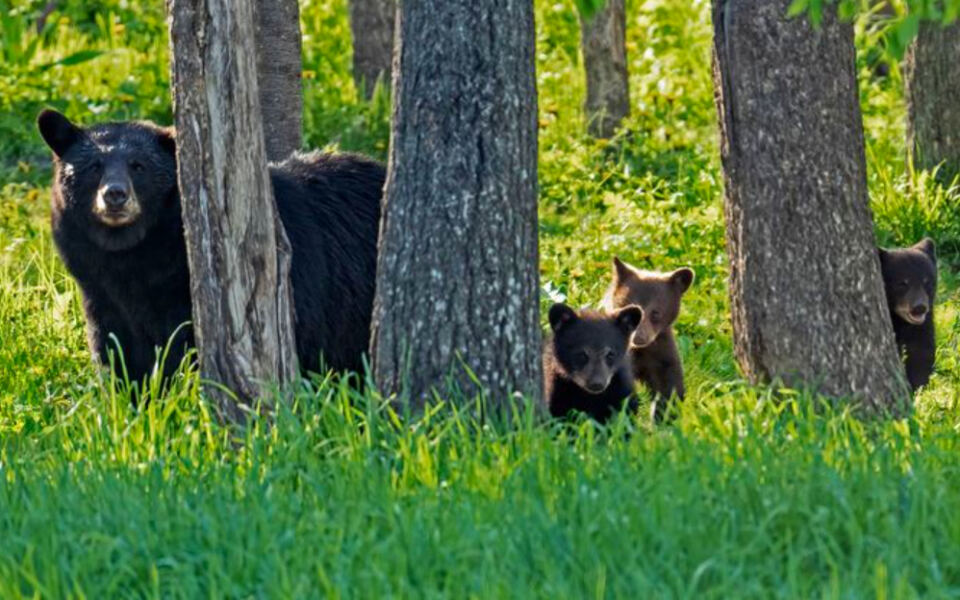
Most people have never stood on a wooden platform while dozens of wild black bears wandered freely just below their feet. Not behind glass, not in cages, just out in the open Minnesota forest doing exactly what bears do.
That is the kind of experience waiting for visitors at a one-of-a-kind wildlife sanctuary tucked deep in the northwoods. Once you know this place exists, it becomes very hard to stop thinking about it.
The Remarkable Story Behind the Sanctuary
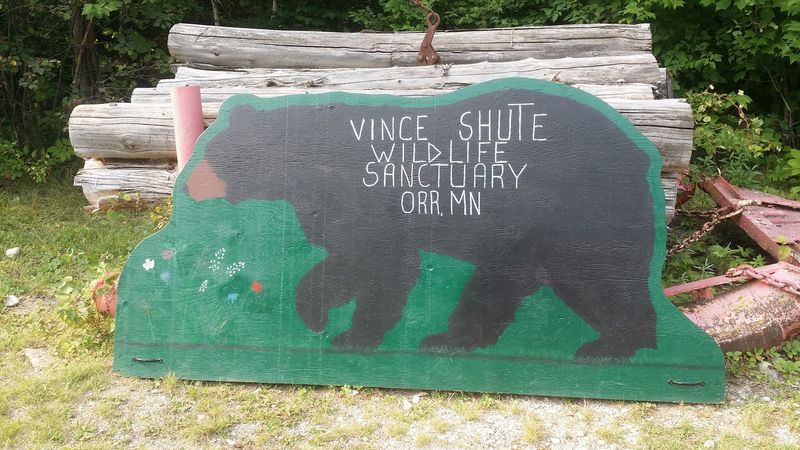
Long before it became one of Minnesota’s most talked-about wildlife experiences, this land was a logging camp. Vince Shute was a logger who, over time, developed a deep respect for the black bears that kept wandering onto his property near Orr, Minnesota.
Rather than chasing them off, he began feeding them. Word spread, and eventually the American Bear Association took over stewardship of the land to protect both the bears and the public.
The Vince Shute Wildlife Sanctuary, located at 12541 Nett Lake Rd, Orr, MN 55771, carries his name as a tribute to that unlikely bond between a rugged northwoods logger and the wild animals he chose to protect. That backstory adds a layer of meaning to every visit that most wildlife experiences simply cannot match.
What Makes This Place Unlike Any Other Bear Encounter
There are plenty of places across North America where you can see bears from a safe distance through binoculars or a car window. This is not that kind of place.
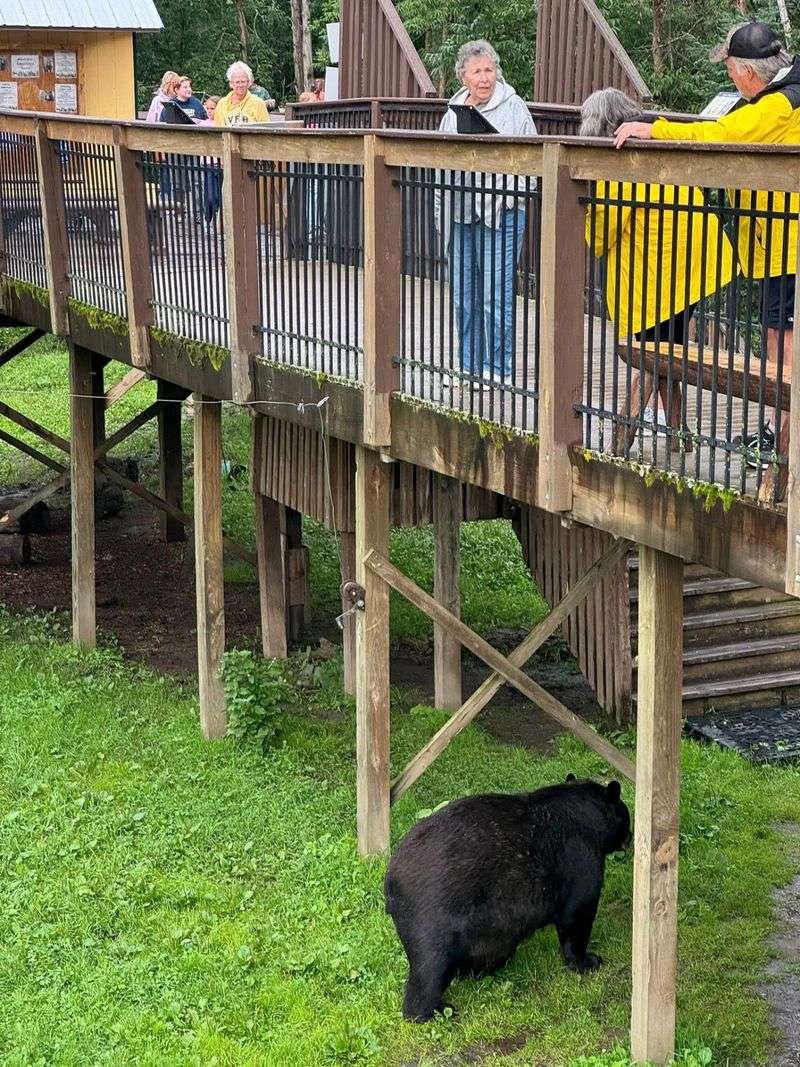
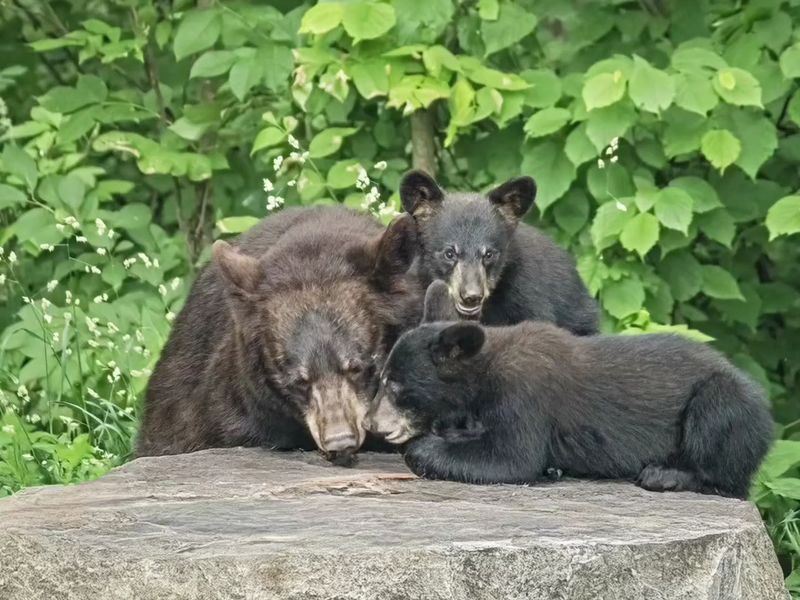
At the Vince Shute Wildlife Sanctuary, visitors stand on an elevated wooden observation boardwalk while wild black bears roam freely in the clearing below. Some bears lounge in the grass.
Others climb trees. A few wrestle with each other like they have no idea anyone is watching.
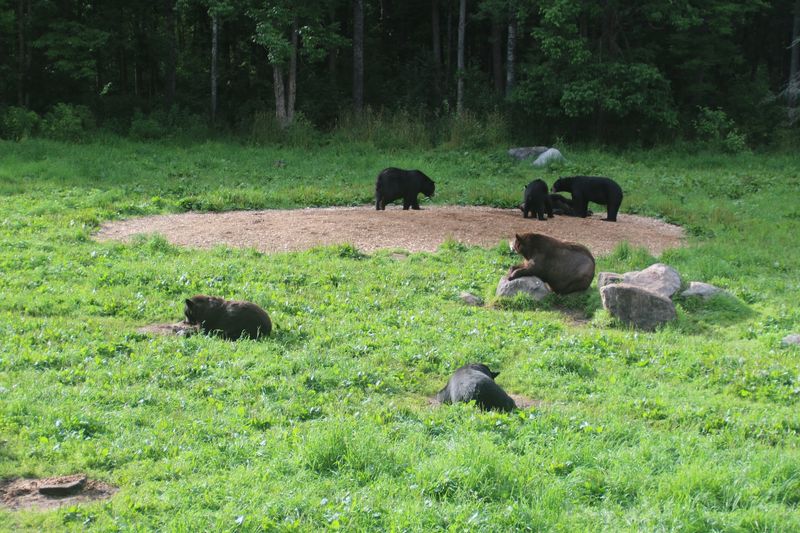
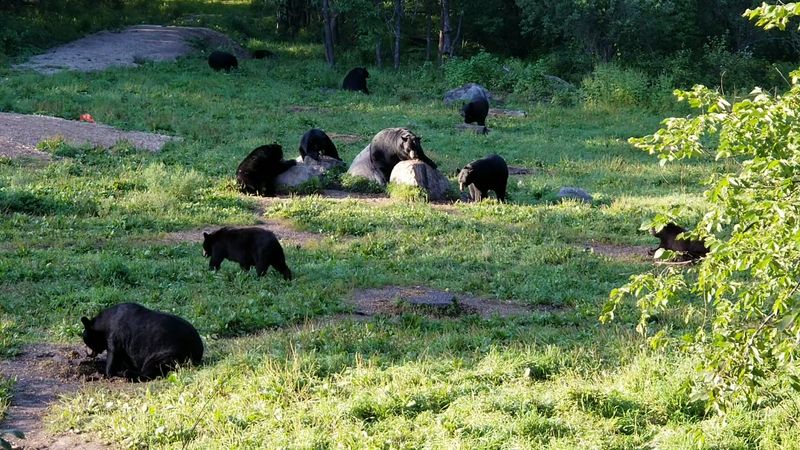
The sheer number of bears visible on any given evening is staggering. Visitors regularly report seeing 40 to 50 or more bears during a single session.
That density of wild bear activity in one open space is genuinely rare, and it creates a viewing experience that feels more like a wildlife documentary than a tourist attraction.
How the Evening Visit Works From Start to Finish
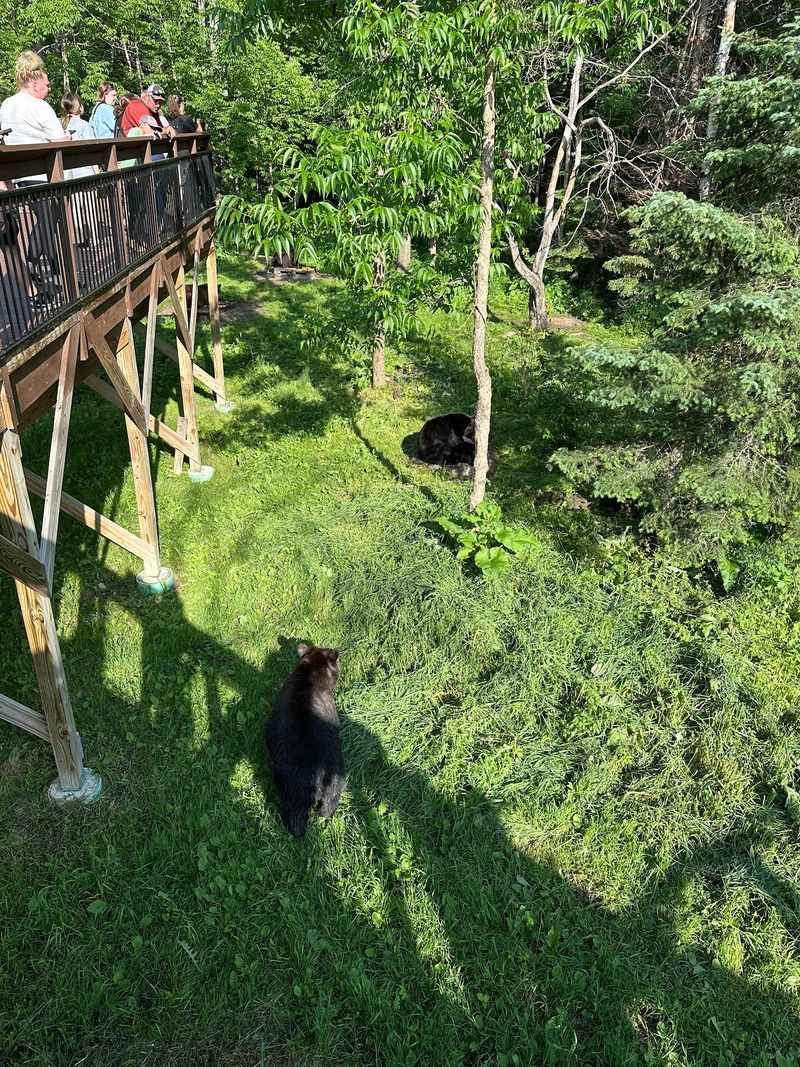
The sanctuary opens in the evening hours, which is intentional. Bears are naturally more active during those cooler parts of the day, so timing the visit around their schedule makes for a much richer experience.
Visitors park in a lot and then board a bus that carries them down a dirt road through the forest to the observation area. Along the way, guides share the history of the sanctuary, which sets the tone before you even see your first bear.
Once at the platform, you can walk along the boardwalk, listen to educational talks from knowledgeable interns, and watch the bears interact naturally below. The whole setup feels thoughtfully organized without feeling overly regimented.
Current operating hours run Tuesday through Saturday from 5 to 8 PM, so planning ahead is essential for making the trip work.
The Viewing Platform Experience Up Close
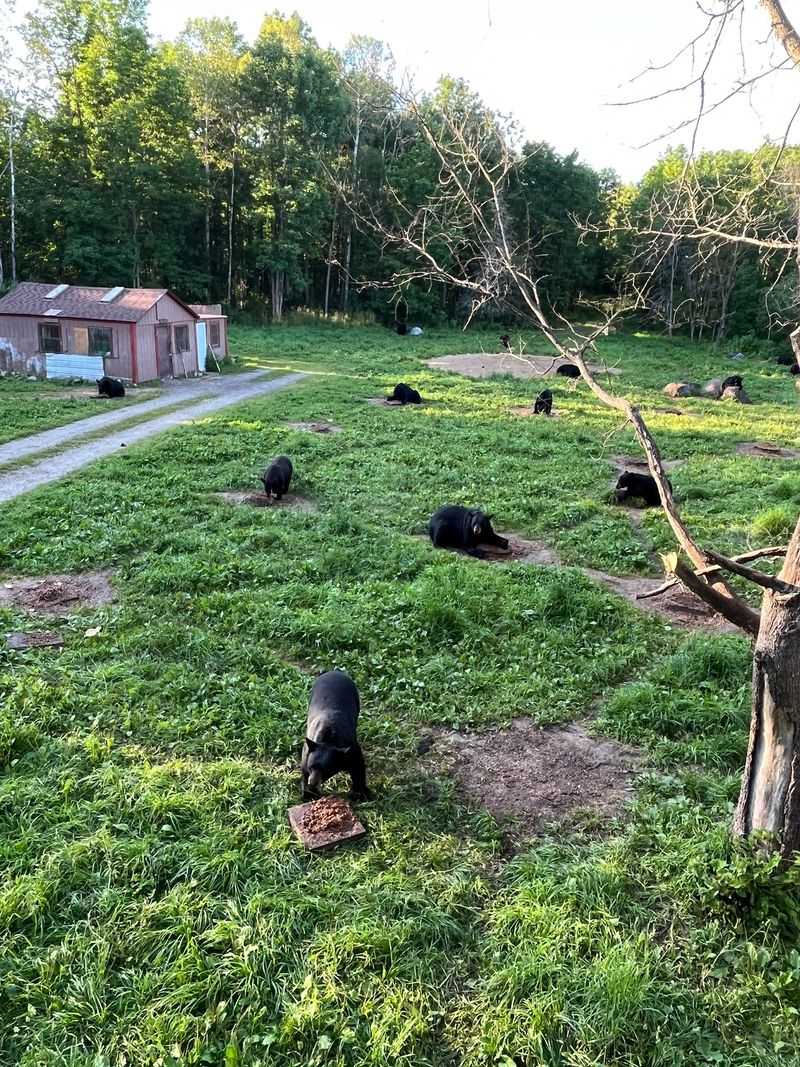
The first moment you step onto the observation boardwalk and look down, it takes a second for your brain to fully process what it is seeing. Bears are simply everywhere.
Some are directly below the platform. Others are visible across the clearing, moving in and out of the tree line at their own pace.
The platform is large enough that visitors can spread out and find good sightlines without feeling cramped.
There is something almost surreal about standing just a few feet above animals this large while they go about their evening routine completely unbothered by your presence. The elevation keeps everyone safe while still delivering a closeness to wildlife that most people have never experienced.
It genuinely feels like stepping into their world rather than watching from the outside looking in.
Bear Behavior You Can Watch in Real Time
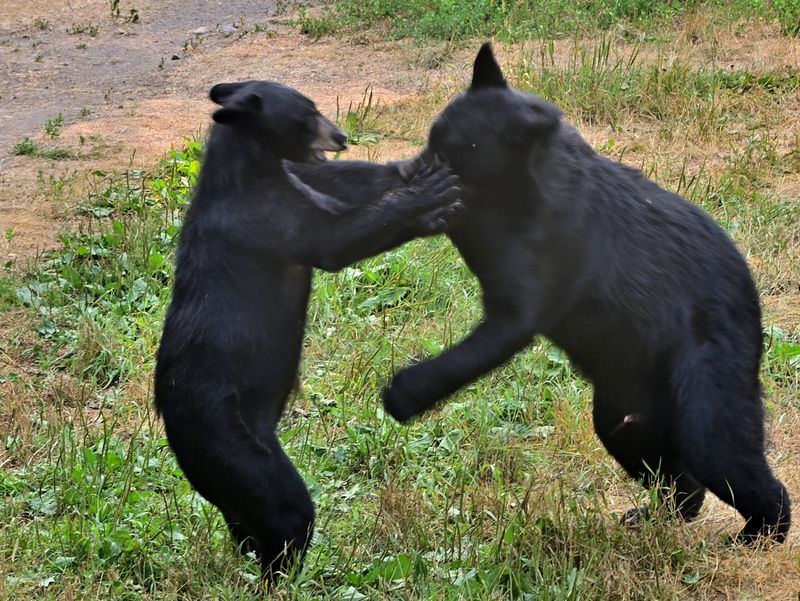
Watching bears in a zoo tells you very little about how they actually behave. Here, the behavior is completely authentic because these are genuinely wild animals following their own instincts.
You might see a large male establish dominance at a feeding station while smaller bears wait their turn. You might catch two young bears wrestling near the tree line, rolling around with a playfulness that is hard not to smile at.
Cubs scrambling up trees is a crowd favorite, and it happens regularly enough that most visitors get to witness it.
Bears also have distinct personalities that become obvious the longer you watch. Some are bold and confident.
Others are more cautious, hanging back until the coast is clear. Spending time observing these individual quirks turns the visit from a simple sightseeing stop into something that genuinely holds your attention from start to finish.
Cubs in the Trees and Why Everyone Loves Them
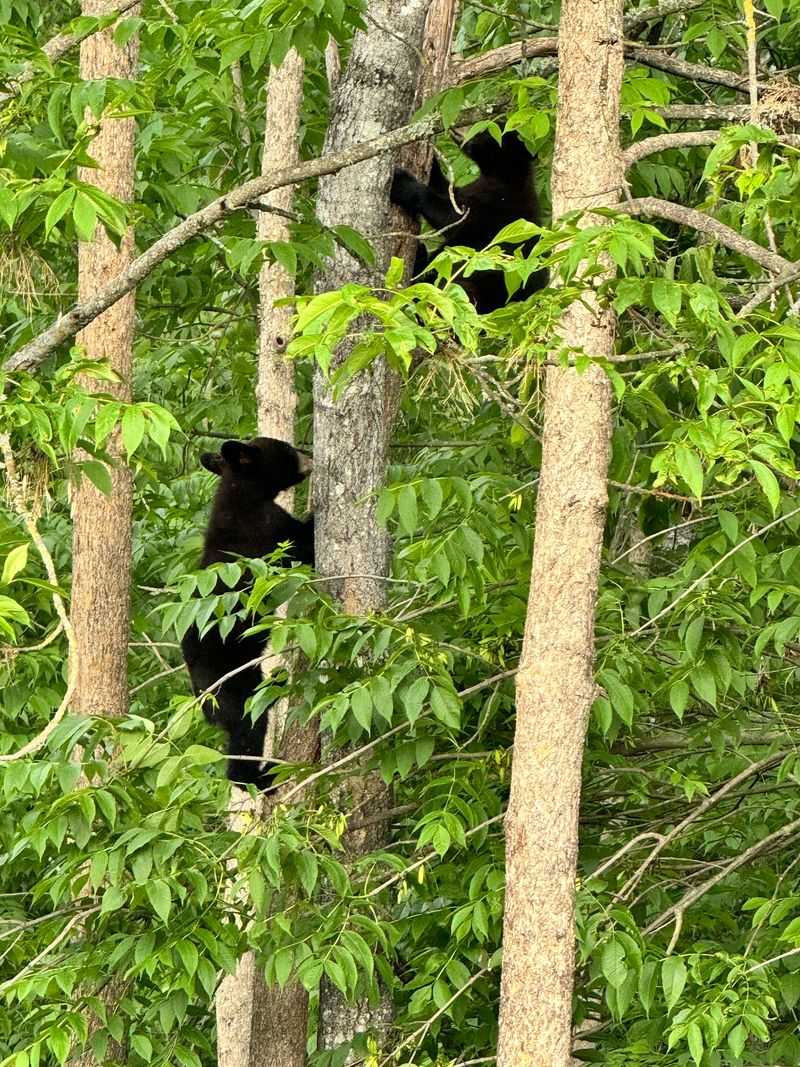
Ask anyone who has visited what their favorite moment was, and the answer is almost always the same: the cubs in the trees. There is something about watching a small, fuzzy bear cub scramble up a trunk with surprising speed that makes the whole crowd stop and stare.
Cubs use trees as a safety strategy. When adult bears get too close or things feel uncertain, the cubs head straight up.
From the observation platform, you get a front-row view of this behavior playing out naturally, which makes it feel like a genuine wildlife discovery rather than a staged moment.
Mother bears with cubs are particularly fascinating to watch because the dynamic between them shifts constantly. The cubs test boundaries, wander a little too far, and then sprint back when mom signals it is time to move.
It is genuinely entertaining and quietly educational at the same time.
The Educational Talks That Add Real Depth
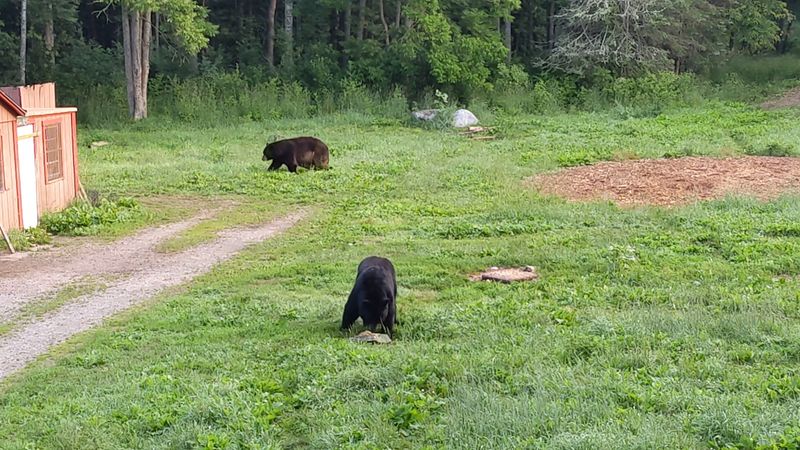
One of the things that sets this sanctuary apart from a standard wildlife viewing experience is the quality of the educational programming happening right there on the platform.
Interns and volunteers give multiple talks during each evening session, each one covering a different topic related to black bear biology, behavior, and conservation. What makes these talks particularly effective is that the speakers genuinely care about the subject.
They are not reading from a script. They are sharing knowledge that clearly excites them.
Visitors who might arrive thinking they already know a fair amount about bears tend to leave having learned things that genuinely surprised them. The talks cover everything from bear communication and social structure to how the sanctuary has evolved over the years.
Combining live animal observation with that level of real-time education makes the visit feel worth every minute of the drive to get there.
How the Sanctuary Keeps Both Bears and Visitors Safe
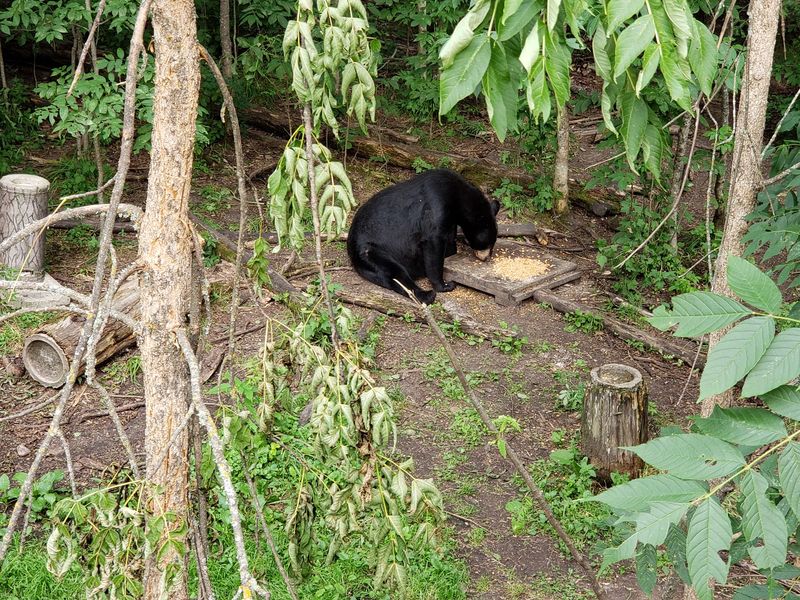
Safety is handled thoughtfully here, and it shows in every detail of how the visit is structured. The elevated boardwalk keeps visitors above the bears at all times, removing the risk of any direct contact while still delivering an incredibly close-up experience.
Visitors are asked to keep voices low and movements calm, which actually improves the viewing experience because it keeps the bears relaxed and behaving naturally. The bus ride in serves as a natural filter that keeps vehicle traffic away from the bears’ space, reducing stress on the animals and improving what visitors see.
The sanctuary has clearly put serious thought into building a system that protects wildlife first while still making the experience accessible and memorable for the public. That balance is harder to achieve than it looks, and the fact that it works so consistently is a real testament to how the operation has been developed over the years.
The Northwoods Setting That Surrounds the Experience
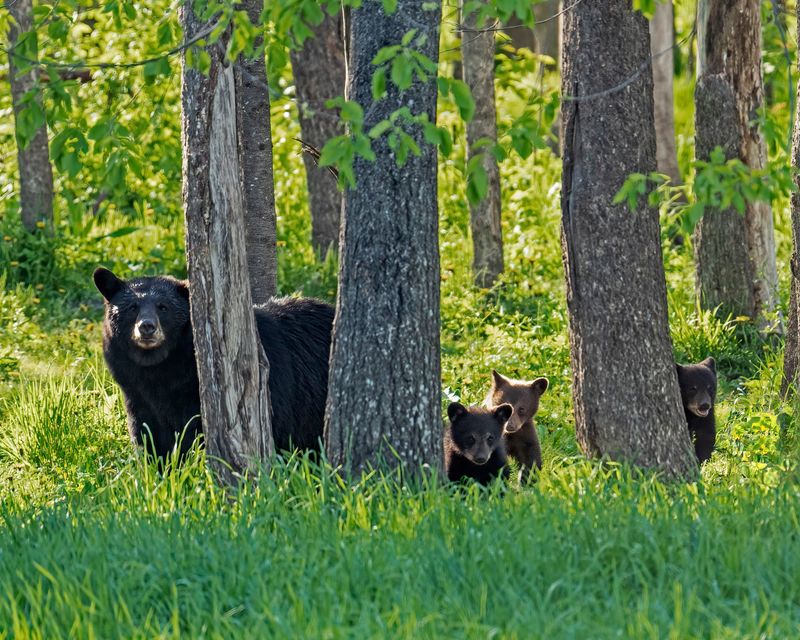
The sanctuary does not exist in isolation. It sits within the vast northwoods of Minnesota, and the landscape surrounding it is part of what makes the whole experience feel so immersive.
The drive to get there winds through thick forest, and the dirt road leading to the parking area feels appropriately remote. You get the sense that you are genuinely entering bear country rather than pulling into a managed tourist facility.
That setting matters because it frames everything you see on the platform differently. These bears are not far from home.
The forest they wander into and out of during your visit is the same forest that surrounds the property on all sides. On the bus ride back to the parking lot, it is not unusual to spot additional bears moving through the trees along the road, which feels like the perfect closing note on an evening well spent.
What to Expect When You First Arrive
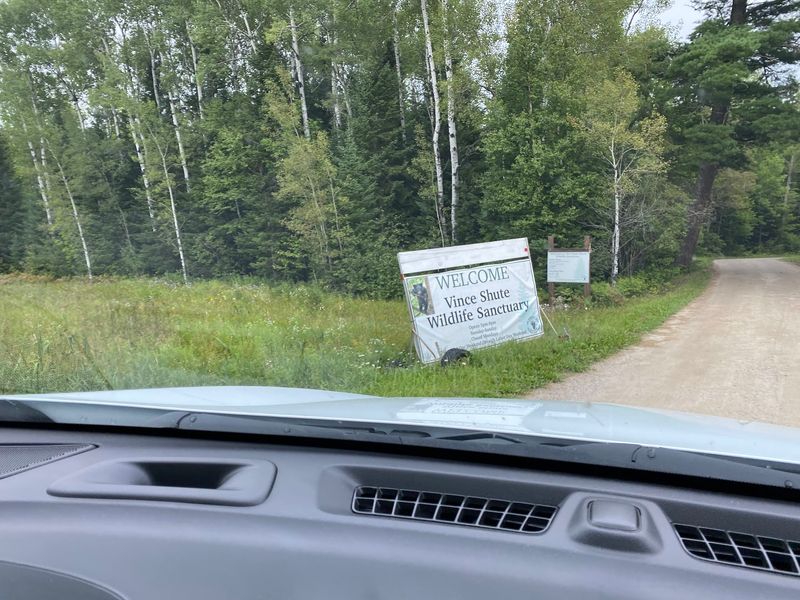
First-time visitors often mention that the arrival process is simpler and more low-key than they expected, which is actually a good thing. There is no sprawling entrance complex or long line of ticket booths.
You park, get your admission sorted, and wait for the bus that takes you to the observation area. The whole setup is relaxed and community-driven, which fits the character of the place perfectly.
Volunteers are present from the start and happy to answer questions while you wait.
One practical tip worth knowing: cell service in this area of northern Minnesota is limited, so having the correct address saved offline before you head out is genuinely important. More than a few visitors have mentioned getting turned around because the remote location does not cooperate with spotty navigation signals.
Getting there without a detour makes the evening feel even better from the start.
The Gift Shop and What You Can Take Home
After spending an evening watching bears, it makes sense that you would want something to remember it by. The gift shop at the sanctuary delivers on that front without feeling like a generic tourist trap.
The selection leans heavily into bear-themed items, which is exactly what you want after an experience like this. Books, apparel, and keepsakes related to black bears and wildlife conservation fill the shelves, and the pricing is described by most visitors as very reasonable for what you get.
Purchasing something from the gift shop also supports the sanctuary’s ongoing work, which adds a small but meaningful dimension to the transaction. Knowing that a portion of what you spend goes toward keeping this place running is a good feeling to carry home alongside whatever bear-themed item ends up in your bag.
It is a small way to stay connected to the experience after the drive home.
The Best Time to Visit for Maximum Bear Activity
Timing matters a lot when it comes to wildlife viewing, and the sanctuary’s evening hours are not arbitrary. Bears tend to be more active and more willing to move into open areas during the cooler parts of the day, which is exactly when the sanctuary is open.
Summer is the primary season for visits, and arriving closer to 7 PM seems to be a sweet spot that multiple visitors have pointed to for seeing the highest number of bears. One evening visit produced a count of more than 50 bears visible from the platform, which gives a sense of just how active things can get.
Weather and natural food availability in the surrounding forest can influence how many bears show up on any given night. But even on quieter evenings, the number of animals visible from the boardwalk tends to far exceed what most people expect when they first pull into the parking lot.
Why This Experience Resonates Long After You Leave
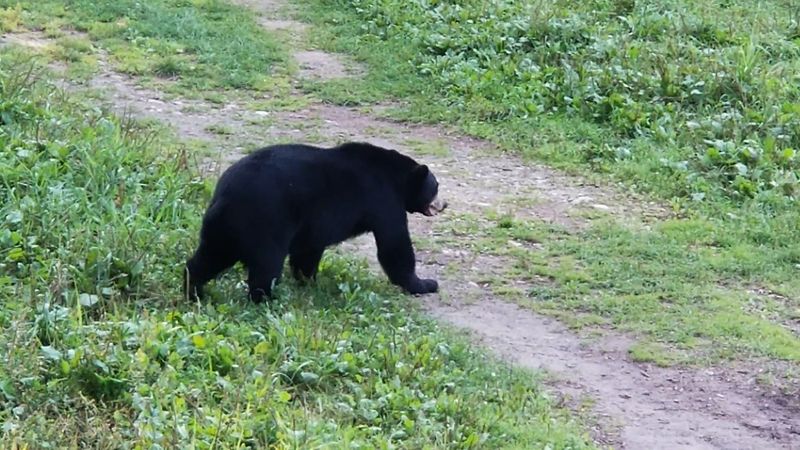
There is a specific kind of feeling that comes from watching wild animals in their natural environment without any barriers between you and the reality of what they are. It is quieting in a way that is hard to describe until you have felt it.
Standing on that platform and watching dozens of black bears go about their evening routine creates a perspective shift that sticks with you. These animals are powerful, intelligent, and entirely indifferent to the human audience watching from above.
That indifference is part of what makes it so compelling.
Visitors who have returned multiple times describe it as the kind of place that gets better the more you understand about bear behavior. Each visit layers new observations on top of the last.
That quality of building depth over repeated experiences is rare in wildlife tourism and is probably the strongest argument for making the trip more than once.
Conservation Values at the Heart of the Sanctuary
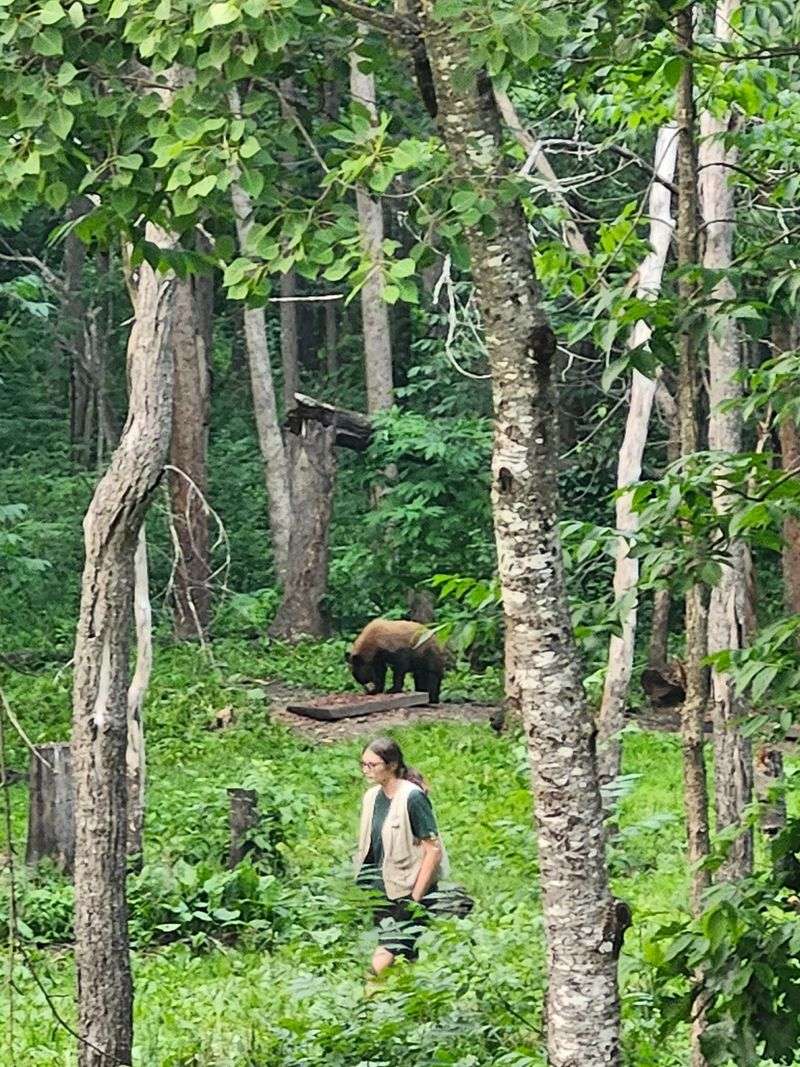
The sanctuary’s mission has always been rooted in education and conservation rather than entertainment alone. That distinction shapes everything about how the place is run and what visitors take away from the experience.
The American Bear Association, which oversees the sanctuary, has worked to shift the operation over time toward a model that prioritizes the long-term wellbeing of the bears. That has included gradually reducing supplemental feeding as part of an effort to allow the bears to rely more fully on natural food sources in the surrounding forest.
For visitors who care about the ethics of wildlife tourism, that commitment to responsible stewardship is genuinely reassuring. The sanctuary is not just a spectacle.
It is a functioning conservation effort that uses public engagement as a tool for building broader awareness and support for black bear populations across the region. That purpose gives every visit a weight that goes beyond the wow factor.
Exploring the Surrounding Area After Your Visit
The sanctuary sits in a part of Minnesota that rewards exploration beyond a single stop. The northwoods region around Orr is rich with lakes, forests, and a sense of genuine remoteness that has drawn outdoor enthusiasts for generations.
The drive to and from the sanctuary passes through landscapes that are worth slowing down for on their own. If you are making a longer trip of it, the region offers camping, fishing, and paddling options that pair naturally with an evening bear-watching session as the kind of day that is hard to top.
Nearby communities have small local restaurants and shops that reflect the character of the northwoods rather than trying to imitate somewhere else. After the sensory intensity of watching dozens of wild bears from a platform above a forest clearing, sitting down somewhere quiet and local to process the evening feels like exactly the right way to end the day.
Share this story