There is a state park in southern Minnesota where you can watch a massive bison walk directly in front of your car, then drive five minutes down the road to stand in front of a stunning double waterfall. Most people have never heard of it, which makes it one of the most surprisingly rewarding outdoor spots in the entire state.
The combination of wide-open prairie, cascading water, and a roaming bison herd in one compact park is genuinely hard to believe until you see it yourself. Once you do, you will wonder why you waited so long to make the trip.
Where Minneopa State Park Fits On The Map
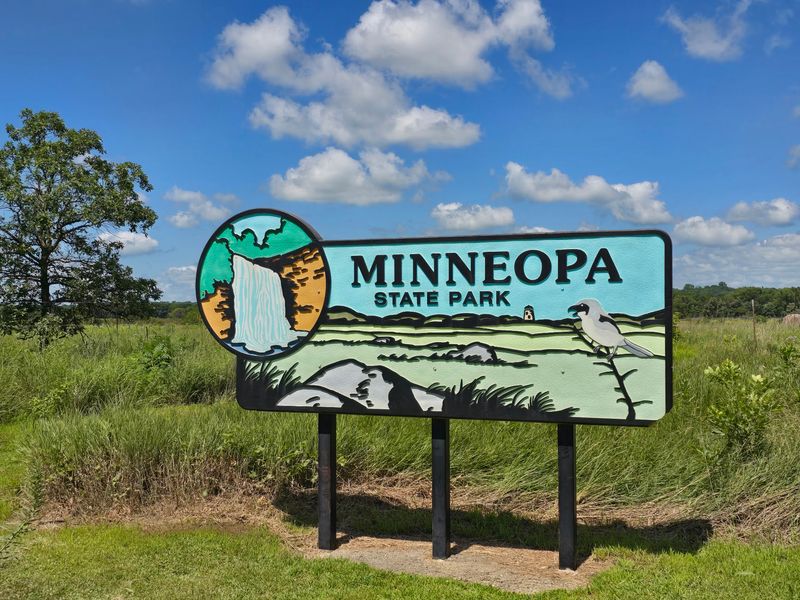
The park that pulls off this remarkable double act is Minneopa State Park, located at 54497 Gadwall Rd, Mankato, MN 56001, in the heart of southern Minnesota. Mankato itself sits about 85 miles southwest of Minneapolis, making this an easy day trip for the Twin Cities crowd and a local treasure for anyone already living in the region.
The park is divided into two distinct sections. One area contains the waterfall and hiking trails, while the other holds the bison range.
They are close enough that visiting both in a single afternoon is completely realistic.
A vehicle permit is required to enter, and purchasing one online before you arrive is strongly recommended since cell reception can be spotty near the entrance. The annual state park pass covers all Minnesota state parks and pays for itself quickly if you visit more than a few times per year.
The Double Waterfall That Surprises Everyone
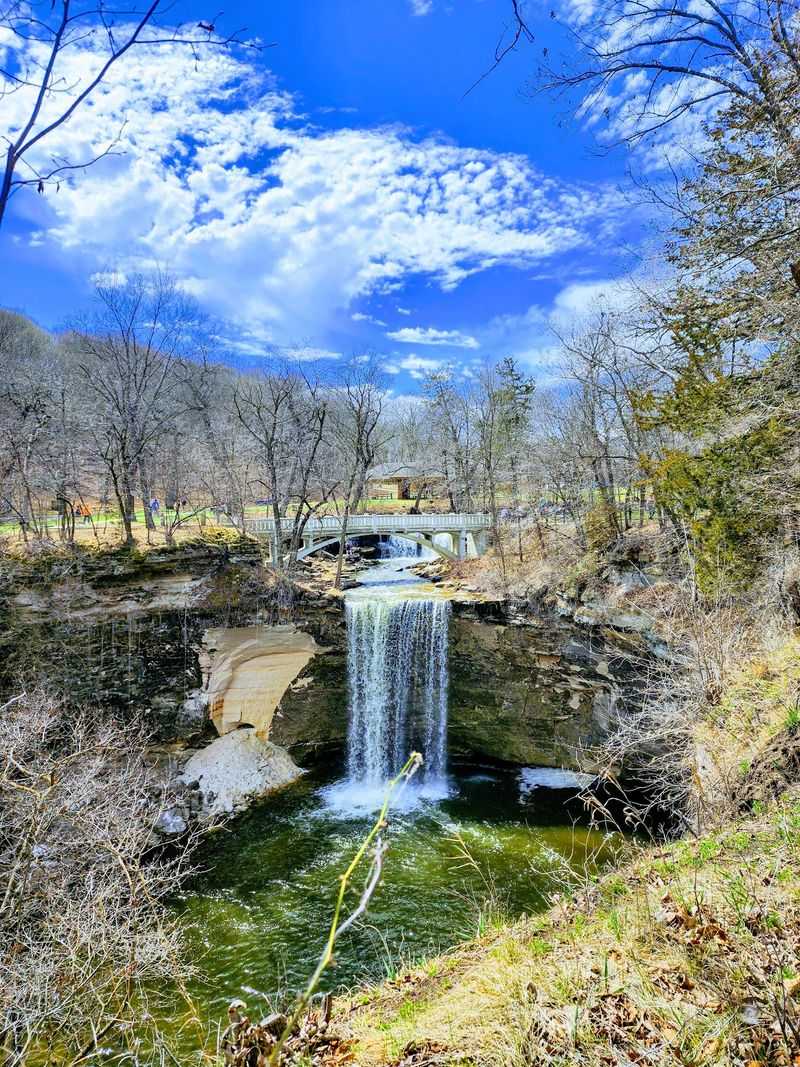
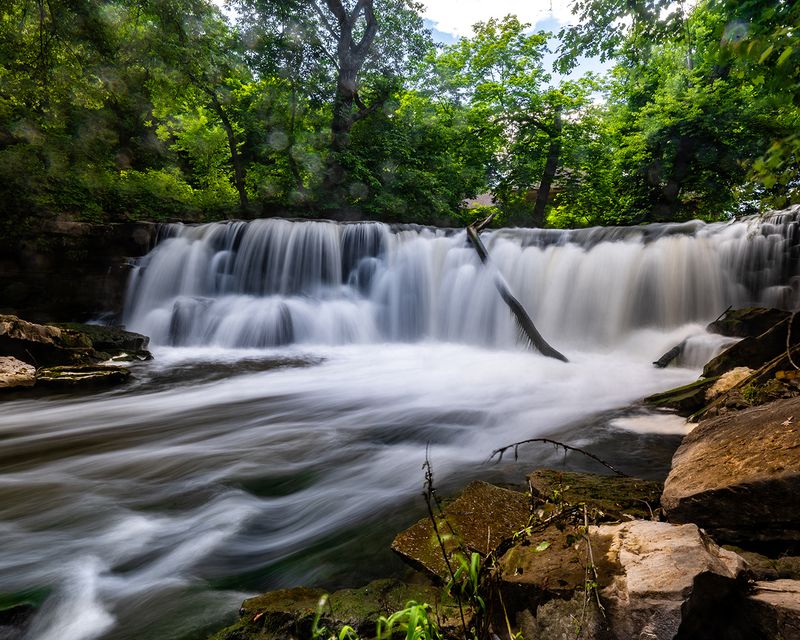
Most people show up expecting a modest trickle, and Minneopa Falls delivers something far more dramatic. The falls drop in two distinct tiers, creating a double waterfall that feels genuinely theatrical when water levels are high after spring rains or snowmelt.
The word “Minneopa” comes from the Dakota language and is believed to mean “water falling twice,” which is about as perfectly named as a waterfall can get. Standing at the overlook and watching water crash down both levels at once is one of those moments that makes you reach for your camera without even thinking about it.
The Falls Trail is a short and relatively flat walk that gets you close to the action. Some lower viewing paths have been closed at times for safety reasons, but the upper overlook still offers a clear and impressive view of both drops.
Bring good shoes either way.
Why the Bison Herd Here Is Such a Big Deal
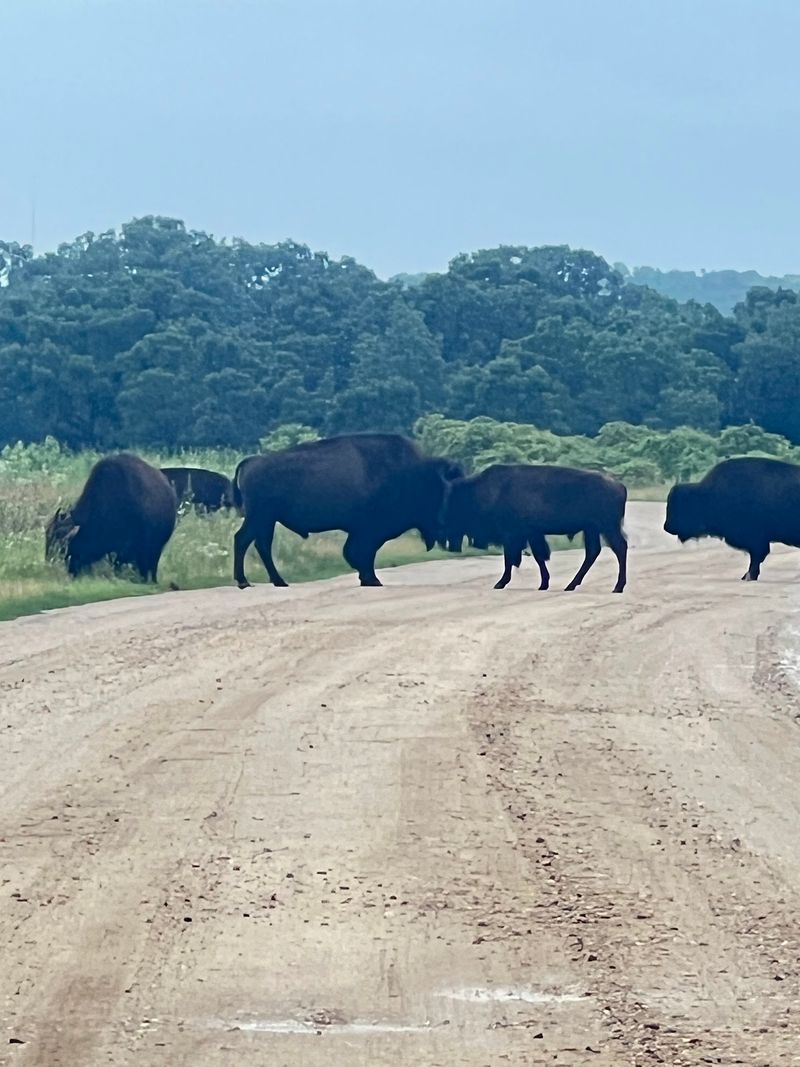
Bison once roamed across North America in enormous numbers, and their disappearance from the Minnesota landscape is a significant piece of history. The bison herd at Minneopa State Park represents a real conservation effort to bring these animals back to the prairies where they belong.
The herd has grown over the years, and seeing these massive animals grazing just a few feet from your car window is a genuinely humbling experience. They move slowly, they look prehistoric, and they are far larger in person than most people expect.
Park rangers and volunteer docents are often stationed near the bison range on weekends to answer questions and share information about the herd’s history. One visitor noted that a bison walked directly in front of their parked car, which is the kind of wildlife encounter that stays with you for years.
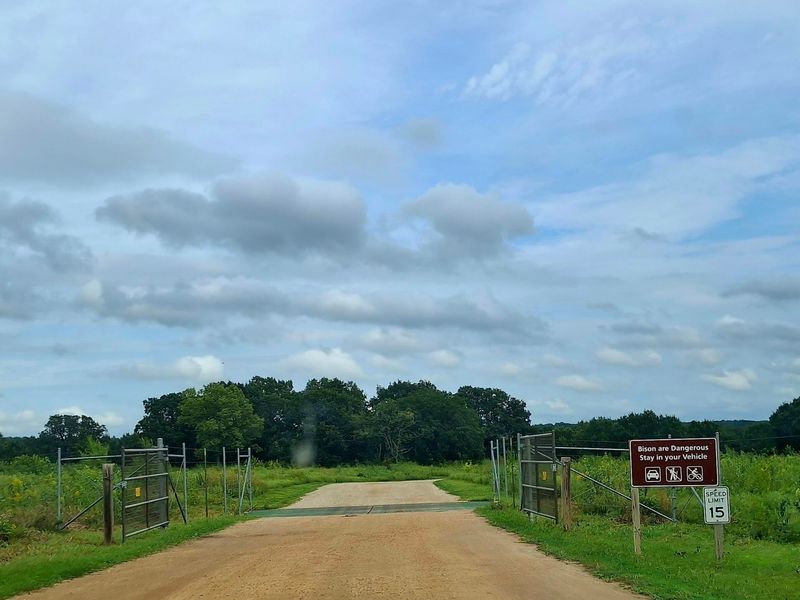
Always stay inside your vehicle during the drive.
How the Bison Drive Actually Works
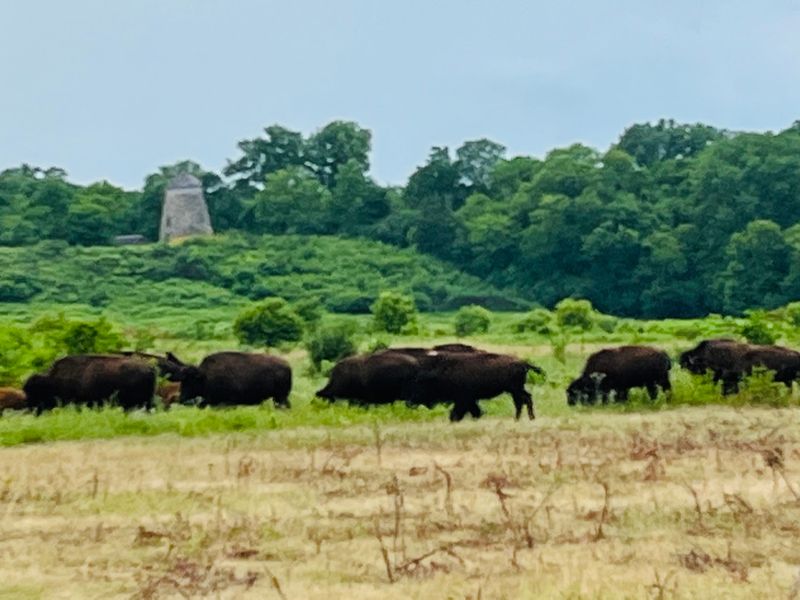
The Bison Drive at Minneopa is an auto tour, meaning you stay in your vehicle and drive slowly through the fenced bison range. There is no admission beyond the standard vehicle permit, and the experience is completely self-guided most of the time.
The route winds through open prairie where the herd roams freely within the enclosure. On some visits, the bison are right along the road.
On others, they may be farther out on the range and visible only from a distance. Coming back a second time on the same day has worked for some visitors who missed the herd on their first pass.
Sunday visits tend to be especially rewarding because volunteer Bison Ambassador Docents are often stationed near the Seppmann Mill overlook, ready to share detailed information about the animals. Kids especially love the drive, and parents tend to appreciate that the whole experience is contained and safe right from the car.
The Historic Seppmann Mill Standing Watch Over the Prairie
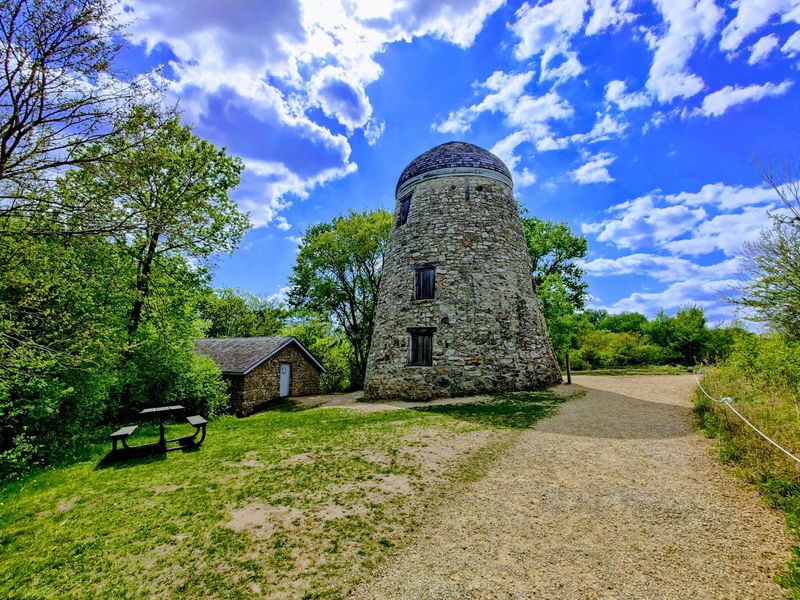
Tucked near the bison range is one of the most unexpected landmarks in the park: the Seppmann Mill, a historic stone windmill that has been standing on this Minnesota prairie for well over a century. Built in the 1860s by Friedrich Seppmann, it is one of the oldest and best-preserved windmills in the state.
The mill sits on a gentle rise that gives it a commanding view of the surrounding bison range, making it a fantastic spot to scan for the herd with binoculars. The combination of a 19th-century stone structure and a bison-dotted prairie stretching out behind it creates a scene that feels genuinely unique.
Volunteer docents sometimes gather near the mill on weekends with artifacts and information about the area’s history. Even if no one is there when you visit, the mill is worth a slow walk around.
It tells a quiet story about the settlers who once tried to farm this land.
Spring Visits and Baby Bison Season
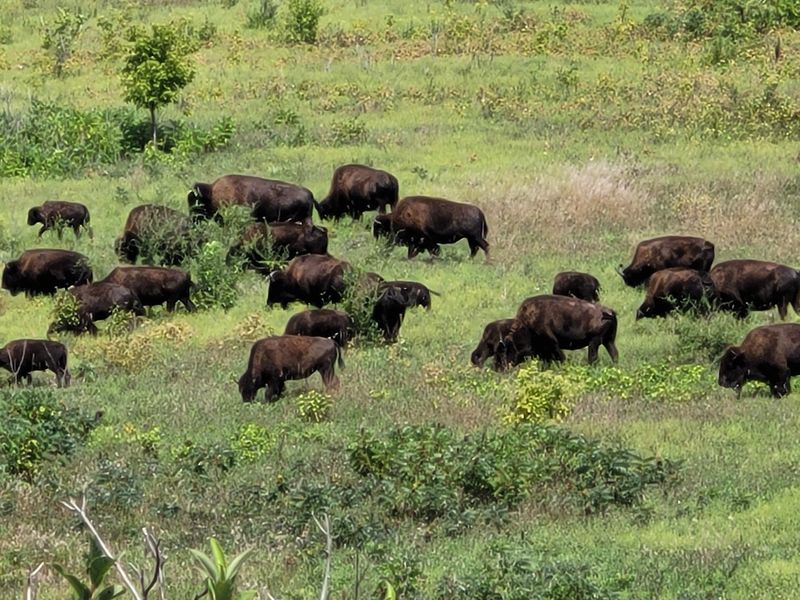
Timing a visit to Minneopa in late spring can turn an already great trip into something genuinely special. Spring is calving season, and the bison herd often has young calves roaming alongside their mothers across the prairie.
Baby bison are small, reddish-orange, and almost impossible not to photograph repeatedly.
Seeing a calf stay close to its massive mother while the rest of the herd grazes calmly nearby is one of those wildlife moments that feels almost too good to be real. Visitors who have timed their trips right during May have described the experience as a highlight of their entire year of outdoor adventures in Minnesota.
Beyond the bison, spring brings the park’s waterfall to life with snowmelt and rain runoff pushing strong water flow over both tiers of Minneopa Falls. The combination of a roaring double waterfall and newborn bison on the same afternoon is a hard experience to top anywhere in the state.
What the Falls Trail Hike Actually Feels Like
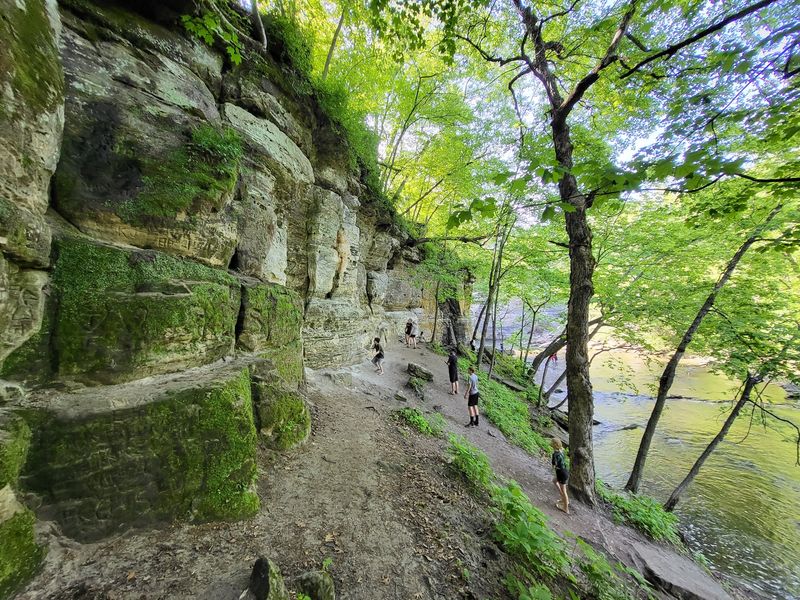
The Falls Trail at Minneopa is not a grueling backcountry slog. It is a short, mostly flat walk that almost anyone in reasonable shape can handle comfortably.
The trail winds through a mix of forest and open terrain before delivering you to the waterfall overlook.
Early mornings on this trail are particularly peaceful. The sound of the falls carries through the trees before you can even see the water, building a quiet sense of anticipation.
In late winter, the partially frozen falls have their own surreal beauty, with ice formations clinging to the rock walls while water still pushes through underneath.
Muddy or icy conditions after rain or freezing temperatures can make some sections slippery, so waterproof footwear is a smart call any time outside of summer. The hike is short enough that most visitors combine it with the bison drive and still have time left over for a picnic before heading home.
Picnic Areas and Family-Friendly Spaces
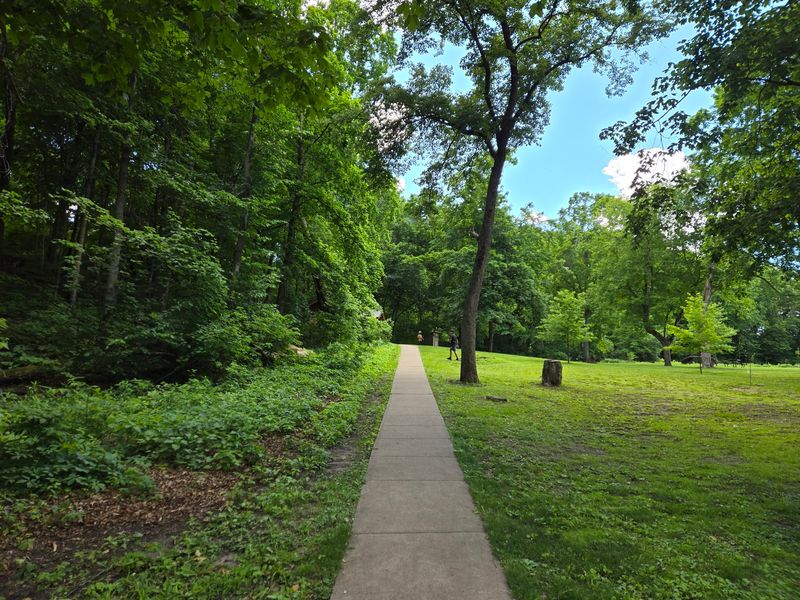
Minneopa State Park is genuinely set up for families. The picnic areas near the waterfall section are well maintained, shaded, and positioned close enough to the falls that you can still hear the water while you eat.
Clean restrooms are available near the falls area, which is something parents with young kids always appreciate more than they expect to.
The park’s layout makes it easy to spend a full day without feeling rushed. A morning hike to the falls, a midday picnic, and an afternoon bison drive fills out the hours naturally.
Kids who are old enough to understand what a bison is tend to talk about the drive for weeks afterward.
Dogs are welcome on the trails as long as they are kept on a leash. The park is not enormous, which actually works in its favor for families.
Everything is accessible, nothing feels overwhelming, and the combination of wildlife and waterfall gives everyone something to be genuinely excited about.
Camping Under the Trees at Minneopa
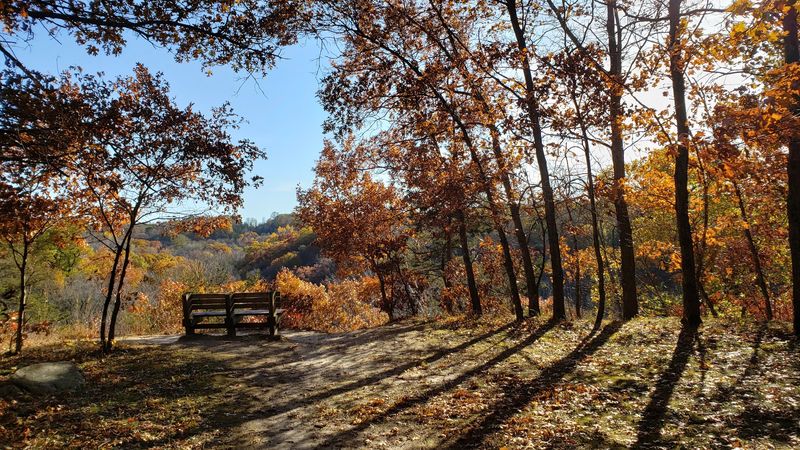
The campground at Minneopa State Park earns real praise from people who have tried multiple Minnesota state park campgrounds. Each site is separated from its neighbors by natural tree cover and brush, giving campers a sense of privacy that is harder to find at more crowded parks.
Fire pits at each site are generously sized, and firewood is available for purchase within the park. The even-numbered B sites are often noted for having the most seclusion, which is worth keeping in mind when booking.
Reservations can be made through the Minnesota DNR reservation system, and booking early is wise during summer weekends.
A few practical notes worth knowing: the park ranger office closes earlier on weekdays than on weekends, the campground and the ranger office are in separate sections of the park, and train noise from a distance can be noticeable at night. None of these are dealbreakers, but knowing ahead of time helps set accurate expectations for a comfortable stay.
Wildlife Beyond the Bison Herd
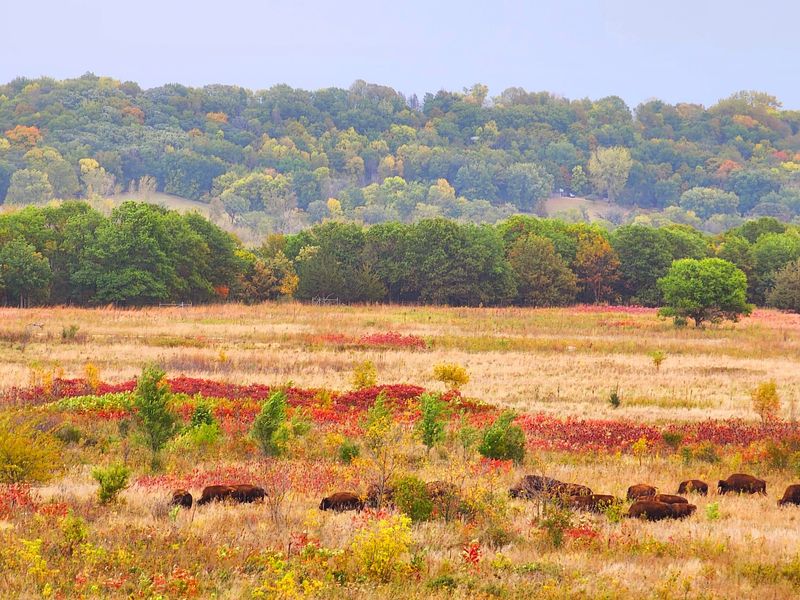
The bison get most of the attention at Minneopa, and fairly so, but the park supports a wider range of wildlife than many visitors realize before they arrive. The mix of prairie grassland, river corridor, and forested areas creates habitat for a variety of birds and smaller animals throughout the year.
Birdwatchers will find the park worth a dedicated visit. The open prairie sections near the bison range attract grassland bird species, while the wooded areas near the falls draw woodland species.
Early morning is the most productive time for birding, before foot traffic picks up and the trails get busy.
One visitor described the park as offering “a little bit of prairie and forest, river and falls, bison and birds” in a single outing, which captures the ecological variety pretty accurately. The diversity of habitats packed into a relatively compact park is one of the things that makes Minneopa feel bigger than its size suggests on a map.
Visiting in Winter and Late Fall
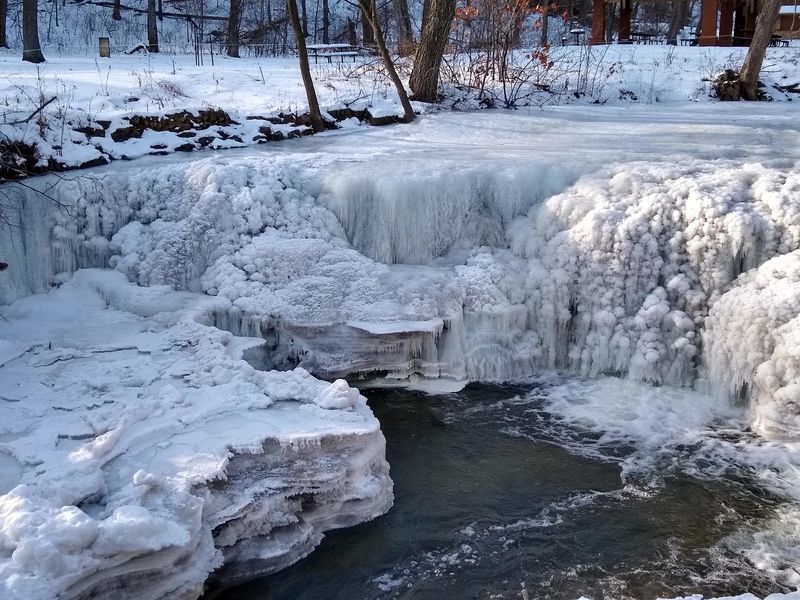
Winter visits to Minneopa are quieter, colder, and genuinely beautiful in a completely different way than summer trips. The trails see far fewer people, and the falls take on an icy character that feels almost otherworldly when temperatures have been low for several days.
A partially frozen Minneopa Falls, with sheets of ice clinging to the rock face and open water still tumbling through the middle, is a striking sight. The silence on the trail during a late-winter visit, with just the sound of moving water breaking through, is the kind of thing that makes people appreciate Minnesota winters more than they expected to.
The bison are visible year-round, and some visitors find the open prairie landscape even more dramatic in winter when the grass is dormant and the herd stands out clearly against the pale landscape. Dress in proper layers, wear waterproof boots, and treat the icy trail sections with appropriate caution.
Fall Colors and the Changing Landscape
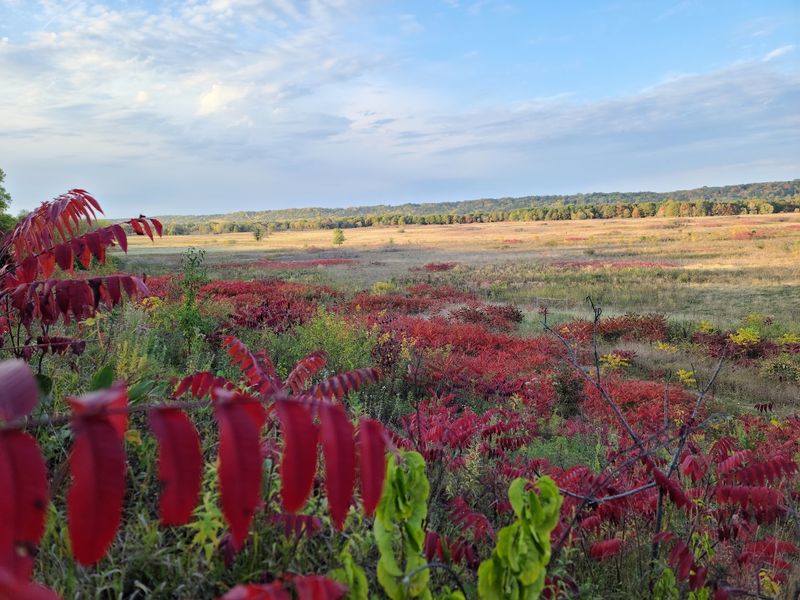
Autumn transforms Minneopa into something that looks like it belongs on a postcard. The trees surrounding the falls trail shift through orange, yellow, and red as September gives way to October, framing the waterfall in color that makes every photograph look effortless.
Even in years when drought reduces the water flow over the falls to a trickle, the surrounding foliage more than compensates. The bison range in fall has its own appeal, with the dry golden grass of the prairie contrasting against the dark bulk of the herd moving slowly across the landscape.
Fall weekday visits are particularly pleasant because the crowds that pack the park during summer weekends thin out considerably. The air is cooler, the light is softer in the afternoon, and the whole park takes on a calmer rhythm.
If you have flexibility in your schedule, a mid-October weekday visit to Minneopa is hard to argue against.
The Role of Volunteer Docents in the Park Experience
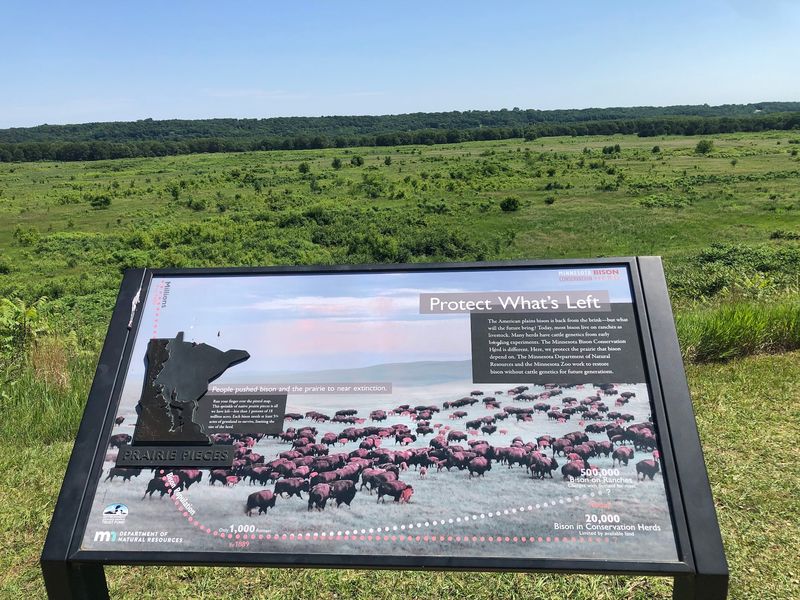
One of the quieter highlights of a Minneopa visit is the presence of volunteer docents who show up on weekends to share their knowledge with curious visitors. Near the Seppmann Mill overlook, Bison Ambassador Docents have been known to bring artifacts and spend real time answering questions about the herd’s background and behavior.
These volunteers bring a personal warmth to the park experience that no signage or brochure can replicate. They know the herd, they know the land, and they genuinely enjoy talking about both.
Chatting with one of them for even ten minutes can completely change how you look at the bison roaming in the distance.
Park rangers at Minneopa are also consistently described as approachable and helpful, particularly around the bison area where visitors often have questions about how close they can get and what the animals are likely to do. That human layer of knowledge makes the whole visit feel more meaningful and memorable.
Practical Tips for Getting the Most Out of Your Visit
A few logistical details can make the difference between a smooth visit and a frustrating one at Minneopa. Cell service near the park entrance is unreliable, so downloading your vehicle permit confirmation before leaving home is genuinely important.
Showing up without one and having no signal to retrieve it is an avoidable headache.
The park is split into two separate sections, and first-time visitors sometimes spend time looking for the ranger office in the wrong area. Signs help, but knowing in advance that the waterfall section and the bison range section are distinct areas with their own access points saves confusion on arrival.
The annual Minnesota State Parks vehicle permit is a strong value if you visit more than a couple of times per year. A single-day permit costs $7 per vehicle, while the annual pass covers all state parks in Minnesota for $35.
For anyone living near Mankato or planning multiple outdoor trips around the state, the math works out quickly.
Why Minneopa Keeps Drawing People Back Season After Season
Some parks are worth visiting once. Minneopa is the kind of place people return to repeatedly, and the reasons shift depending on the season.
Spring brings calves and rushing water. Summer offers full trails and long evenings.
Fall delivers color and quiet. Winter strips everything back to something raw and honest.
The park’s compact size actually works in its favor for repeat visitors. You can do the waterfall hike and the bison drive in a few hours, which makes it easy to fit into a weekend without it becoming the entire trip.
That accessibility keeps it in regular rotation for families and solo hikers alike.
For anyone exploring southern Minnesota, the area around Mankato has more to offer than most people realize, and Minneopa sits at the center of that. A double waterfall, a roaming bison herd, a historic stone windmill, and a well-maintained campground in one state park is a combination genuinely worth the drive from anywhere in Minnesota.
Share this story