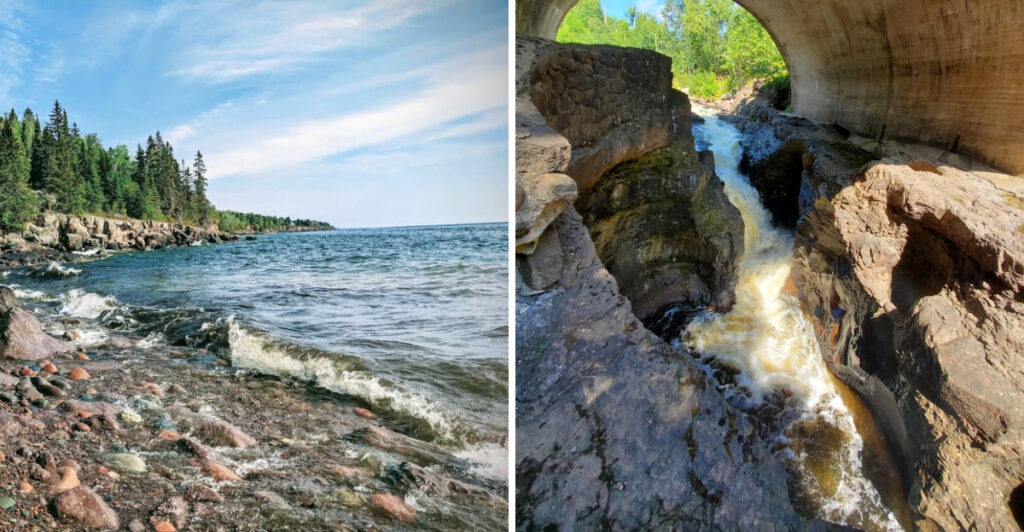
There is a place along Minnesota’s North Shore where a river has spent thousands of years carving through solid rock, creating a gorge so narrow and so deep that standing at its edge feels genuinely surreal. The walls close in, the water churns through potholes worn smooth by centuries of current, and the sound alone is enough to stop you in your tracks.
Most people driving Highway 61 have no idea this kind of raw geological drama sits just steps from the road. Once you see it, you will understand why people keep coming back season after season.
The Gorge That Steals the Show
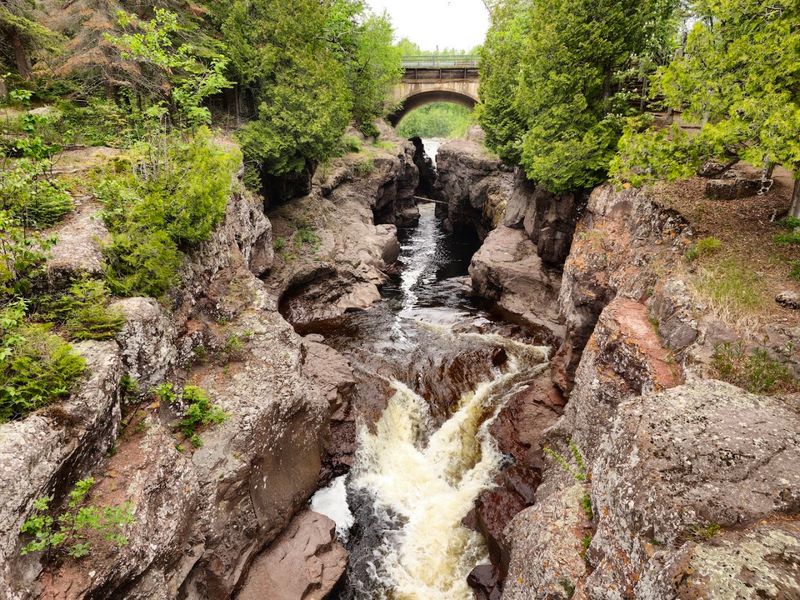
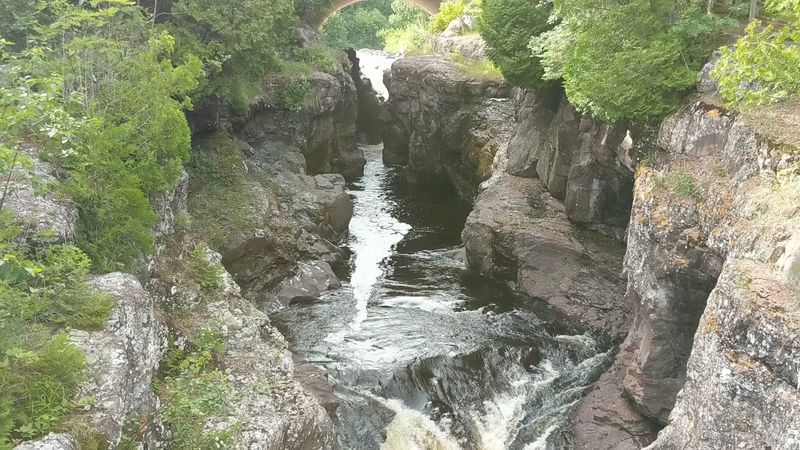
Water has a way of doing things that seem impossible, and the gorge at Temperance River State Park is proof of that. Over thousands of years, the Temperance River carved a remarkably narrow channel through volcanic basalt rock, creating one of the most visually dramatic natural features anywhere on Minnesota’s North Shore.
The walls of the gorge rise steeply on both sides, and the river rushes through potholes and chutes with serious force. Standing at the edge, you can feel the mist and hear the deep rumble of the current below.
What makes this gorge genuinely unusual is how tight and concentrated the whole scene feels. This is not a wide, open canyon.
The river squeezes through slots in the rock that look almost too small to contain that much moving water. It is one of those places that photographs simply cannot capture accurately.
Where Exactly You Can Find This Place
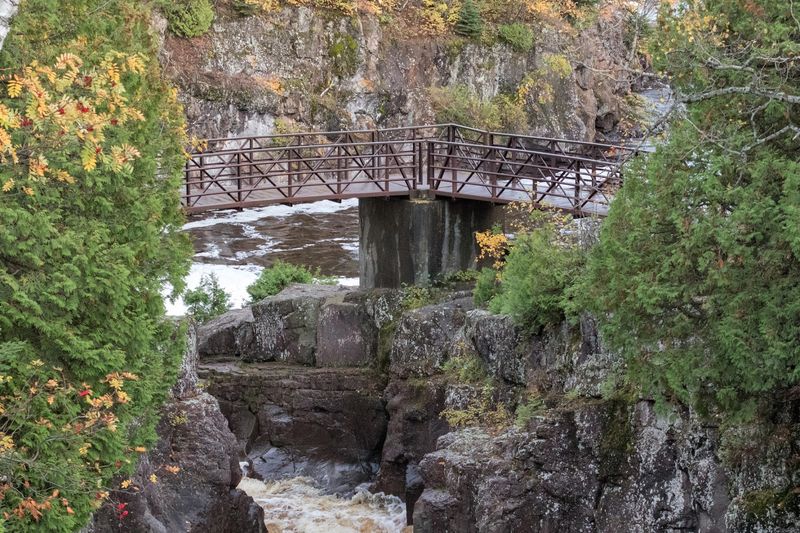
Temperance River State Park sits right along Highway 61 in Schroeder, Minnesota, at 7620 West MN-61, Schroeder, MN 55613. The park is part of the celebrated North Shore corridor that stretches between Duluth and the Canadian border, and it punches well above its weight for a park of its size.
The location is genuinely convenient. You can pull off the highway, walk a very short distance, and find yourself staring at a waterfall within minutes.
There is ample parking near the Highway 61 entrance, and the trailheads are clearly marked.
Many visitors stop here as part of a longer North Shore road trip, but the park rewards those who slow down and spend more time exploring. The combination of Lake Superior access and the river gorge trails makes this one of the most rewarding stops along the entire stretch of Highway 61.
The Potholes That Tell a Geological Story
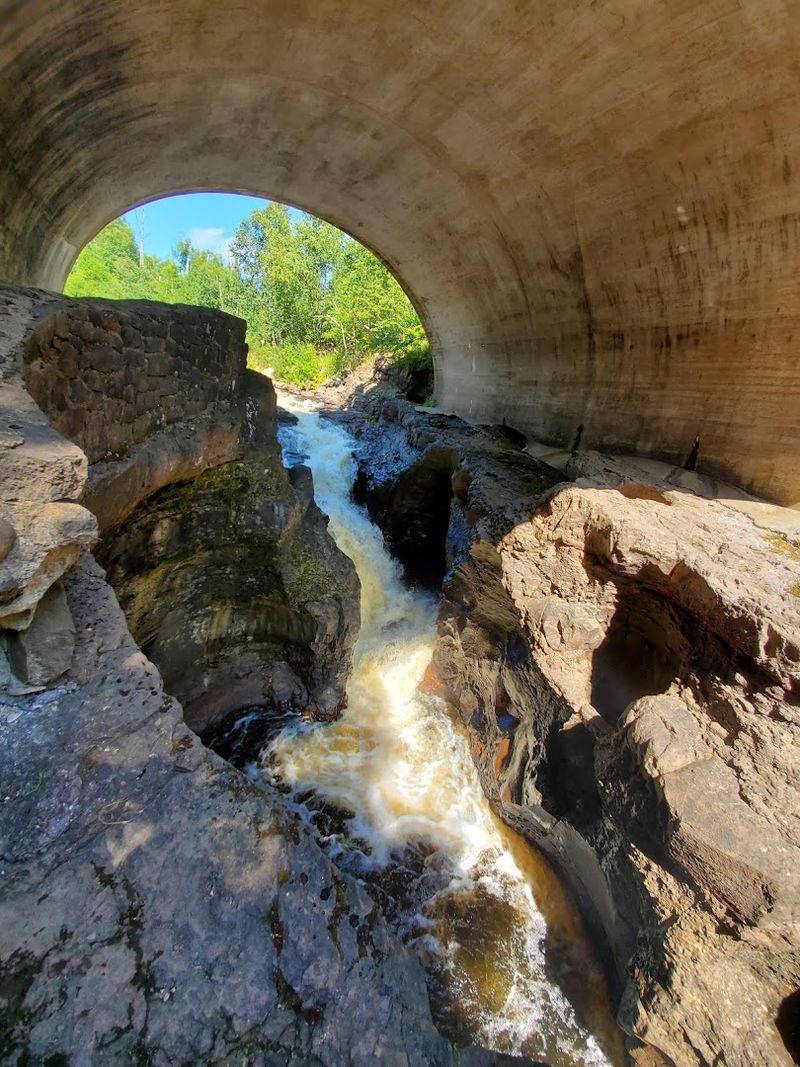
One of the most fascinating things to observe along the gorge trail is the potholes. These are perfectly rounded holes carved directly into the basalt rock by swirling water and sediment over an extraordinarily long period of time.
Some of them are the size of a basketball. Others are large enough to sit inside.
The process that creates potholes is called abrasion. Rocks and grit carried by the river spin in circular currents, grinding deeper and deeper into the bedrock beneath.
The results look almost machine-made, which makes them even more striking when you realize water did all of this work on its own.
Geologists find the Temperance River area particularly interesting because the basalt here is ancient volcanic rock. The combination of hard rock and persistent water pressure created some of the most photogenic pothole formations found anywhere along the North Shore.
The Lower Falls Close to the Highway
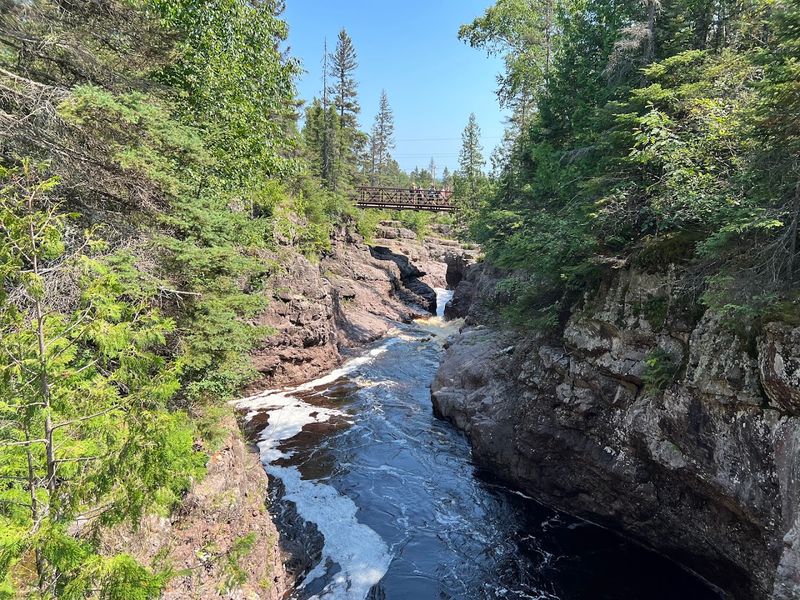
The lower falls at Temperance River State Park are the ones that tend to catch people completely off guard. A very short walk from the Highway 61 parking area brings you face to face with a waterfall that feels far more dramatic than the distance traveled would suggest.
The water drops through a narrow slot in the rock and kicks up a visible mist. In spring and after heavy rain, the flow intensifies significantly, and the roar of the water carries well beyond the trail.
Early spring visits, even before the trees leaf out, produce a surprisingly beautiful scene with the bare rock and rushing white water dominating the view.
This lower section of the gorge is accessible enough for most visitors, though the terrain is uneven and requires careful footing. Sturdy shoes are genuinely worth wearing here, even for what looks like a short walk from the road.
Hiking to the High Falls
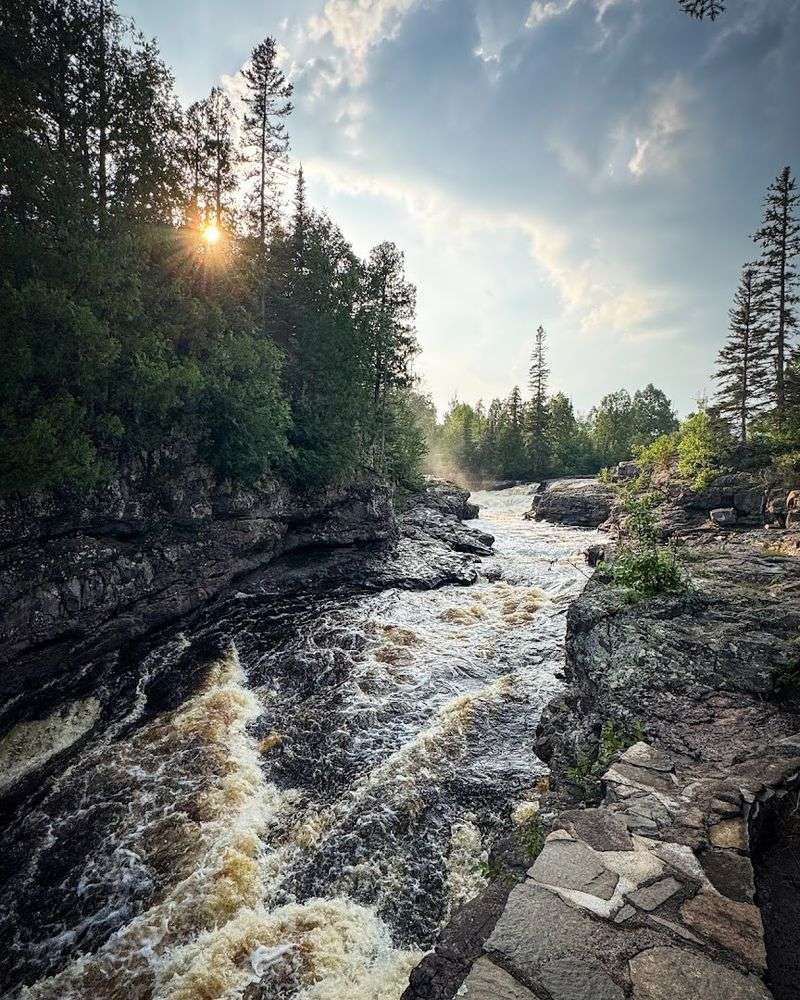
The High Falls at Temperance River State Park require more effort than the lower falls, but the reward is proportional to the climb. The trail follows the river upstream through dense boreal forest, offering continuous views down into the gorge along the way.
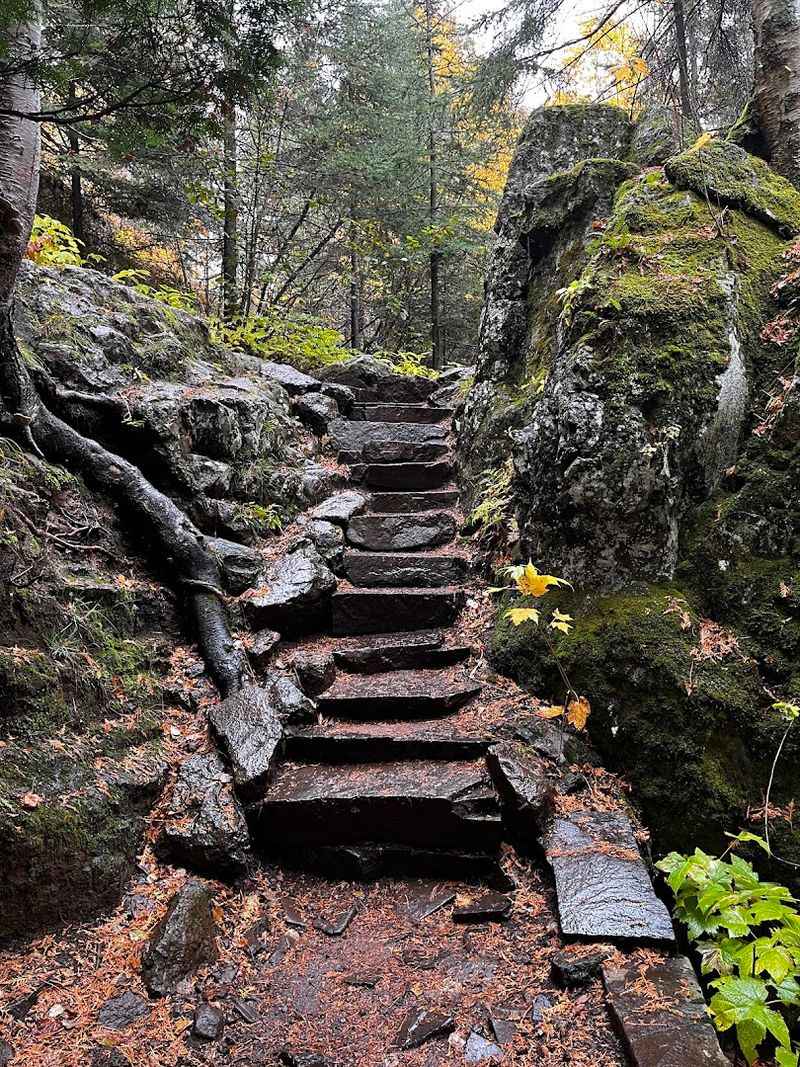
The terrain gets progressively more rugged as you move upriver. Exposed roots, uneven rock surfaces, and some steeper sections mean this trail is better suited for people who are reasonably comfortable on rough ground.
That said, the trail is not technical, and many visitors of varying fitness levels make the trip successfully each season.
One practical tip worth keeping in mind: the trail on the right side of the gorge is generally considered easier to navigate than the left, which can become overgrown and harder to follow. Taking the right-side trail on the way up and using it as your primary route makes the hike considerably more enjoyable.
What the River Looks Like After Rain
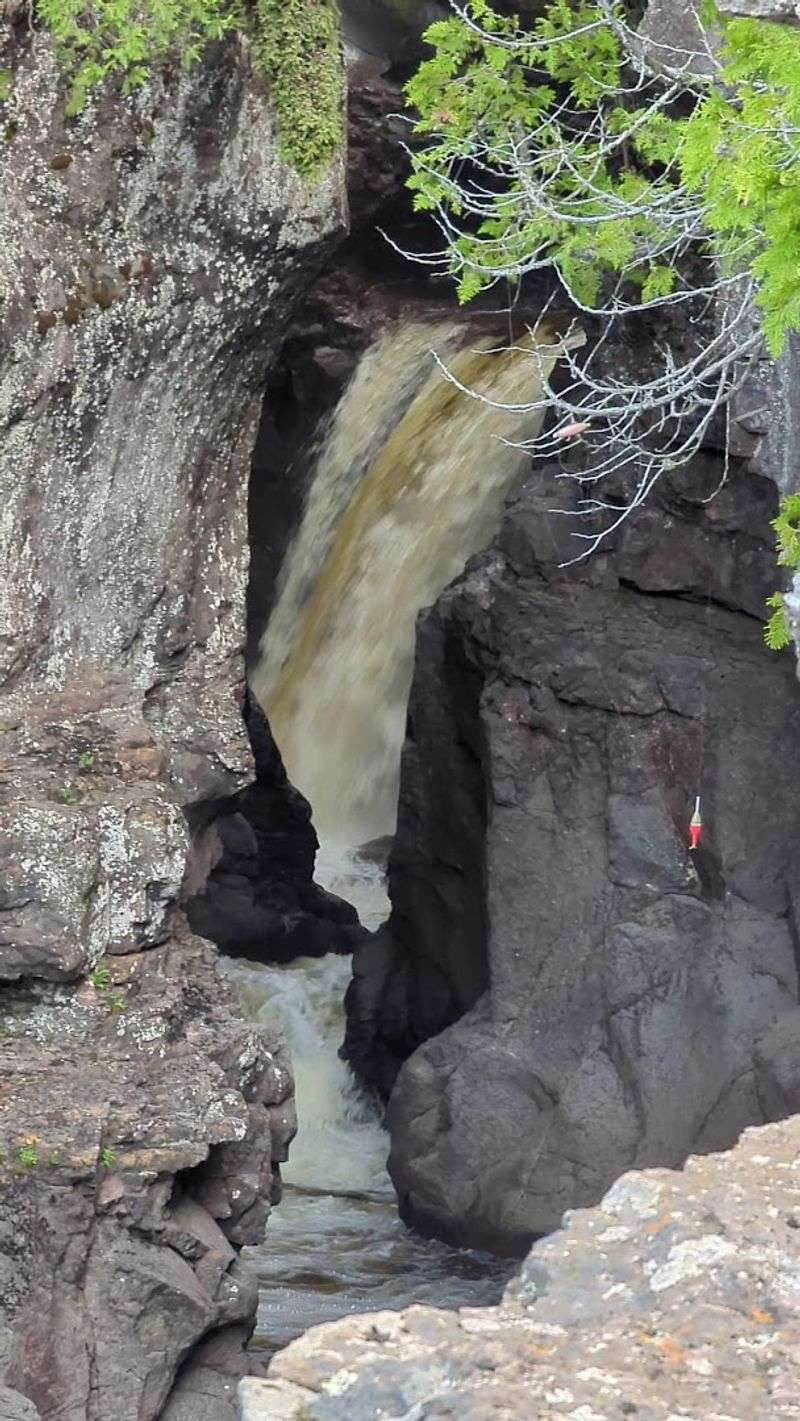
Visiting Temperance River State Park after a significant rain is a completely different experience from a dry-weather visit. The river swells noticeably, and the waterfalls transform from beautiful to genuinely thunderous.
The color of the water shifts, the volume doubles, and the spray from the lower falls reaches farther than usual.
Several visitors specifically recommend timing a trip to follow a rainstorm if possible. The increased water flow makes every feature of the gorge more dramatic, from the potholes filling with churning foam to the upper falls running at full capacity.
The trails can become slippery after rain, so extra caution on the rocky sections near the gorge edge is important. Waterproof footwear helps significantly on wet trail days.
Despite the need for care, a post-rain visit to this park produces some of the most visually striking conditions you will find anywhere along the North Shore.
Camping Directly on Lake Superior
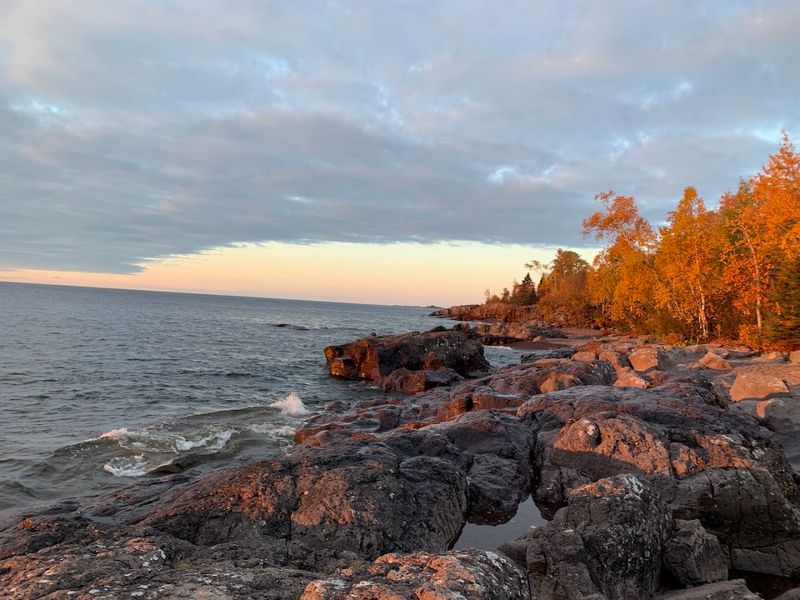
Not many state parks in Minnesota offer campsites that sit directly on the shore of Lake Superior, but Temperance River State Park is one of them. The lower campground includes sites positioned right at the water’s edge, where the sound of waves replaces the usual forest quiet that defines most camping experiences.
Sites in the 42 to 44 range in the lower campground have a strong reputation among returning visitors for their proximity to the lake. Waking up to a Lake Superior sunrise from a tent is the kind of thing people plan entire road trips around.
The campground also includes shower and restroom facilities that are well maintained, which makes a multi-night stay considerably more comfortable. Reservations fill up quickly during summer months, so booking well in advance is not optional if you want a prime lakeside spot during peak season.
The Upper Campground and Its Appeal
The upper campground at Temperance River State Park offers a different kind of stay compared to the lakeside lower campground. Tucked into the forest above the highway, the upper sites provide more shade, more privacy, and a quieter atmosphere that appeals to visitors who prefer a traditional wooded camping feel.
Many regulars who return to the park year after year specifically prefer the upper campground for its convenience as a base camp. From here, you can easily drive or walk to trailheads heading north or south along the North Shore, making it an efficient home base for multi-day exploration of the surrounding area.
The campground is open year-round, which means winter visitors also have access to the park during the snowy months when the gorge takes on a completely different character. Ice formations along the rock walls and frozen mist near the falls create an otherworldly cold-weather scene.
Lake Superior Access and the Beach Walk
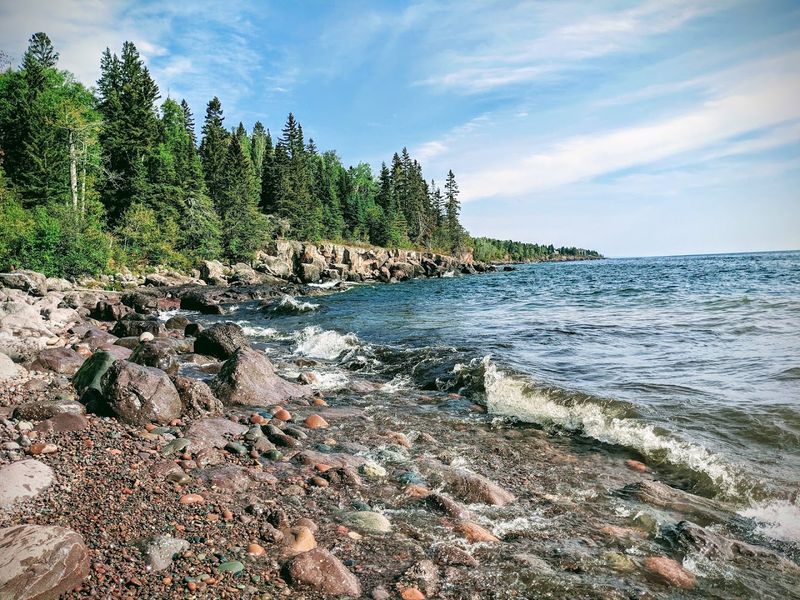
The park’s position right at the mouth of the Temperance River means Lake Superior is not just a backdrop. It is a fully accessible part of the experience.
A walkway along the lakefront gives visitors a peaceful place to stroll while taking in the scale of the lake, which stretches so far that the opposite shore is not visible.
The Lake Superior shoreline here is rocky rather than sandy, which is typical for this stretch of the North Shore. The dark basalt rocks are smooth from years of wave action and make for interesting exploring, particularly for visitors interested in finding agates, which are semi-precious stones occasionally found along this part of the lake.
On calm days, the lake surface reflects the sky in a way that makes the whole scene feel almost painted. On rougher days, the waves against the rocks produce a sound and spray that is genuinely memorable and worth sitting with for a while.
Wildlife and Natural Surroundings
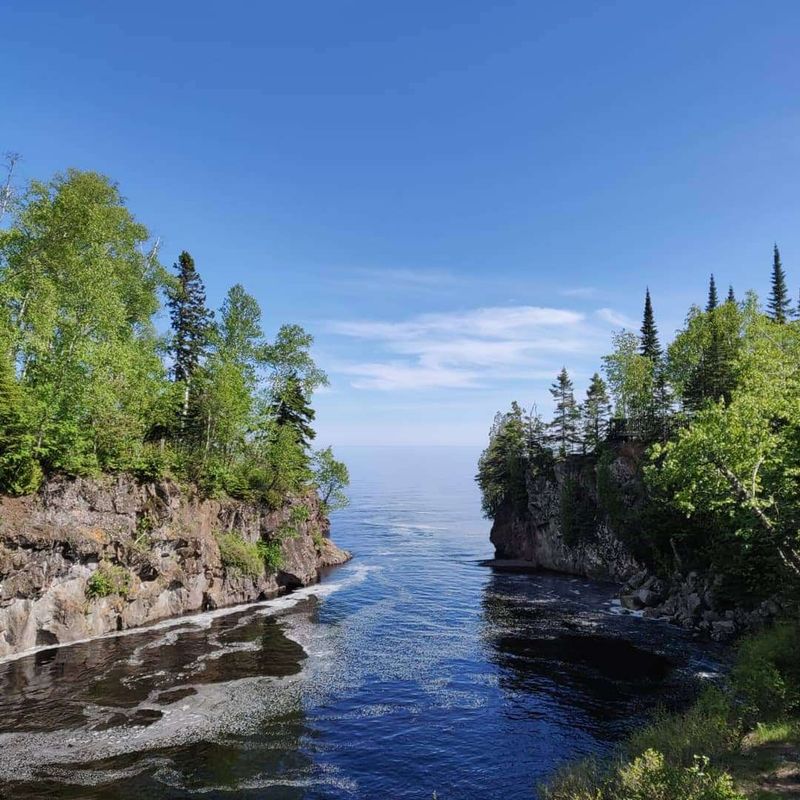
The forests surrounding Temperance River State Park are part of the larger boreal ecosystem of northeastern Minnesota, which supports a wide range of wildlife. White-tailed deer are commonly spotted near the campgrounds and along the trails, particularly in the early morning and late evening hours when they tend to move most actively.
Birds are a consistent presence throughout the park. The mix of forest, river, and lake habitat attracts species from multiple ecological zones, making the park appealing to visitors who pay attention to what is flying or calling overhead.
The river corridor in particular supports a healthy variety of songbirds during migration seasons.
The dense forest understory and the moisture from the river create conditions where the vegetation feels genuinely lush during summer months. Ferns, mosses, and wildflowers fill the spaces between the trees along the gorge trail, adding layers of color and texture to an already visually rich environment.
Winter Visits and the Frozen Gorge
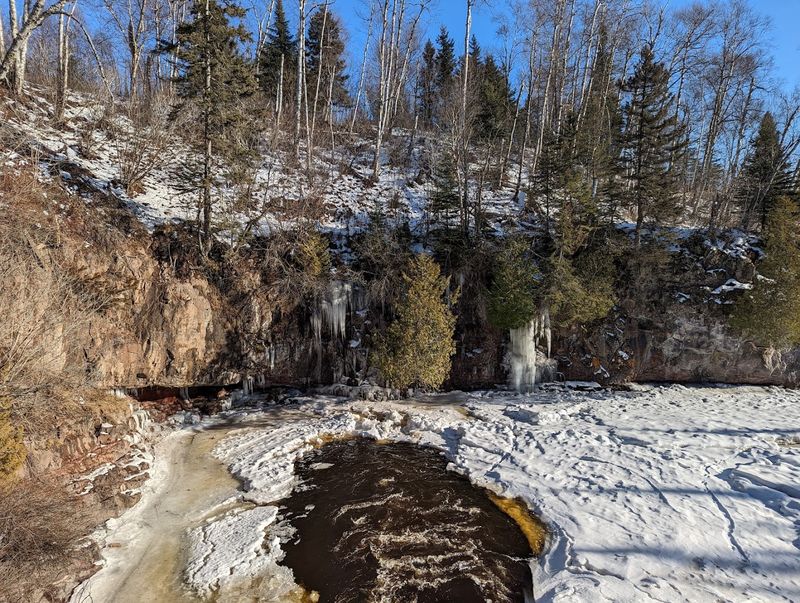
Winter transforms Temperance River State Park into something that genuinely feels removed from ordinary reality. The water that rushes so loudly through the gorge in summer slows and partially freezes, creating ice formations that cling to the rock walls in dramatic shapes.
The spray from the falls freezes mid-air in some conditions, building layered structures that look almost architectural.
One visitor described a late March snow day at the park as feeling like stepping into a completely different world. That reaction is common among people who experience the park in winter for the first time.
The trails become quieter, the crowds thin considerably, and the landscape takes on a stark, clean quality that summer simply cannot replicate.
The park remains open year-round, and the campground accommodates winter visitors. Cross-country skiing and snowshoeing are possible on the trails when snow conditions allow, adding a physical dimension to the cold-weather experience.
The Carlton Peak Trail Connection
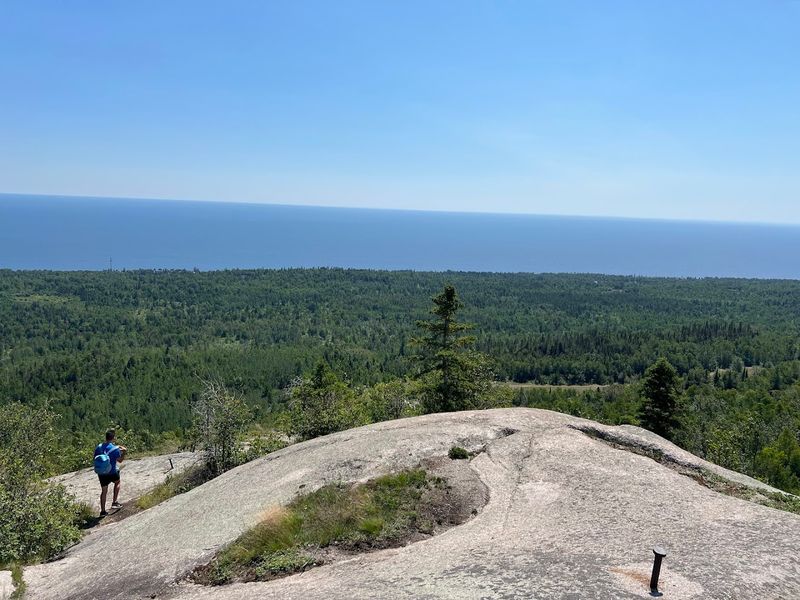
For visitors who want a longer and more demanding adventure, the Temperance River to Carlton Peak trail via the Superior Hiking Trail is worth serious consideration. This route climbs significantly in elevation and rewards the effort with panoramic views from the top of Carlton Peak that include both the surrounding forest and Lake Superior stretching out below.
The trail is not casual. The climb is sustained and the terrain is rugged, but the payoff at the summit is the kind of view that resets your sense of scale.
Water, snacks, and a reasonable level of fitness are all important considerations before attempting this route.
Carlton Peak is one of the more prominent landmarks visible from the North Shore, and reaching its summit on foot from the state park gives the whole experience a satisfying sense of earned perspective. The trail connects directly with the broader Superior Hiking Trail network, opening up additional route options for experienced hikers.
Spring Visits and the Magic of Early Season
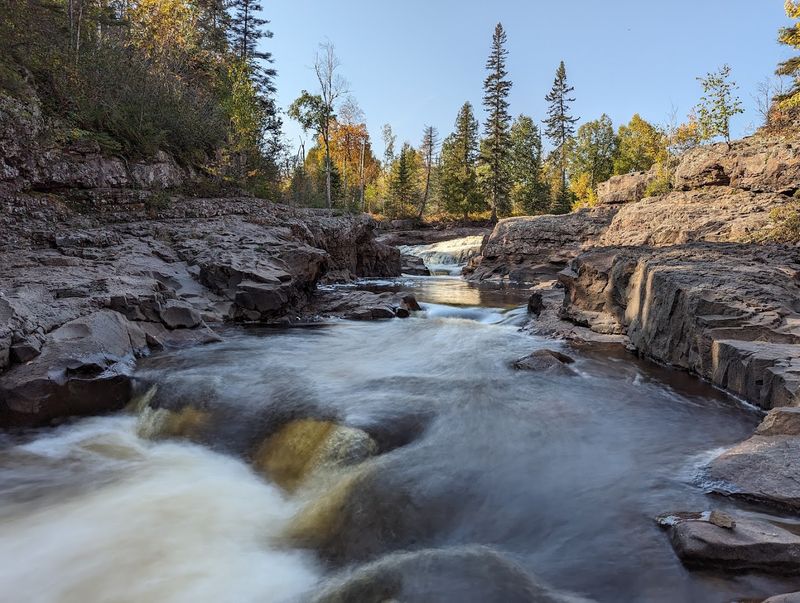
Spring is arguably the most underrated season to visit Temperance River State Park. The snowmelt pushes water levels in the river to their highest point of the year, which means the waterfalls and gorge are running at peak intensity.
The trees have not yet leafed out, so the views into the gorge are actually clearer than they are in summer.
The combination of rushing water, bare branches, and lingering snow on the rock faces creates a visual contrast that feels genuinely striking. Several visitors who made early spring trips have described the experience as one of the most memorable outdoor moments they have had in Minnesota.
Mud and slippery conditions on the trails are real factors in early spring, so waterproof boots and careful footing are important. That practical challenge aside, the park in March or April has a raw, unfiltered quality that the warmer and more crowded summer season simply cannot match.
Practical Tips for Your Visit
A few practical details can make a meaningful difference in how much you enjoy a visit to Temperance River State Park. The park requires a Minnesota State Park vehicle permit, which can be purchased at the entrance or in advance online through the Minnesota DNR website.
Day visitors and campers both need the permit.
Bug spray is genuinely necessary from late spring through midsummer. The moisture near the river and the dense forest canopy create ideal conditions for mosquitoes and black flies, and unprepared visitors tend to cut their hikes short as a result.
A good insect repellent applied before hitting the trail makes a noticeable difference.
Campsite reservations during summer fill quickly, and waiting until the last minute is a reliable way to miss out on the best spots. Booking several weeks ahead for peak summer dates is strongly recommended.
Off-season visits offer more flexibility and a noticeably quieter experience overall.
Why This Park Stands Apart on the North Shore
The North Shore of Minnesota has no shortage of excellent state parks, but Temperance River consistently earns a reputation as one of the most rewarding stops on the entire corridor. The reason comes down to concentration.
Within a relatively compact area, the park delivers a dramatic river gorge, multiple waterfalls, Lake Superior shoreline, quality camping, and connections to longer regional trails.
Parks like Gooseberry Falls and Tettegouche are well known and attract large crowds during peak season. Temperance River tends to draw a more manageable number of visitors, which means the trails feel less congested and the experience feels more personal.
That balance of quality and accessibility is genuinely rare.
Whether you stop for an hour or stay for several nights, the park leaves a strong impression. The gorge alone is worth the detour, and everything else the park offers turns a quick stop into something that stays with you long after you drive away.
Share this story