Old iron mining land in northern Minnesota has been transformed into one of the most thrilling off-road playgrounds in the entire Midwest. Rusted rock formations, iron-stained mud pits, and winding trails now serve a completely different purpose than they did a century ago.
What was once industrial terrain has become a place where ATVs, dirt bikes, Jeeps, and UTVs tackle everything from beginner-friendly paths to seriously technical rock crawls. If you have ever wondered where off-road enthusiasts go when they want a real challenge, this is the place that keeps coming up in every conversation.
From Iron Ore to Off-Road: The Surprising History Behind the Park
Most state parks are built around forests, lakes, or prairies. This one was built on something entirely different: land that once produced iron ore from Minnesota’s legendary Iron Range region.
The Iron Range Off-Highway Vehicle State Recreation Area sits on land shaped by decades of mining activity, which left behind dramatic terrain unlike anything you would find in a typical park. Rock outcroppings, open pits, and iron-rich soil define the landscape in ways that no trail designer could replicate artificially.
The Minnesota DNR recognized the potential of this rugged terrain and developed it into a managed off-road recreation area. That industrial past is not hidden here.
The rust-colored dust that coats your vehicle after a day on the trails is a direct reminder of where this land came from. That layer of iron dust has become a badge of honor among regular visitors.
Where Exactly You Will Find This Place
The Iron Range Off-Highway Vehicle State Recreation Area is located at 5150 Enterprise Trail, Gilbert, Minnesota 55741, United States. Gilbert sits in St. Louis County in the heart of Minnesota’s Iron Range, a region historically known for its massive taconite and iron ore production.
Getting there involves driving through classic northern Minnesota scenery, with dense tree lines giving way to open, rocky terrain as you approach the park. The area feels remote enough to be an adventure but accessible enough that you are not white-knuckling a forest service road just to reach the trailhead.
The park is managed by the Minnesota Department of Natural Resources, and their website provides current trail conditions, maps, and registration information. A valid Off-Road Vehicle registration sticker is required to ride, so check the DNR website before heading out to make sure you have everything in order.
Trail Variety That Keeps Every Rider Coming Back
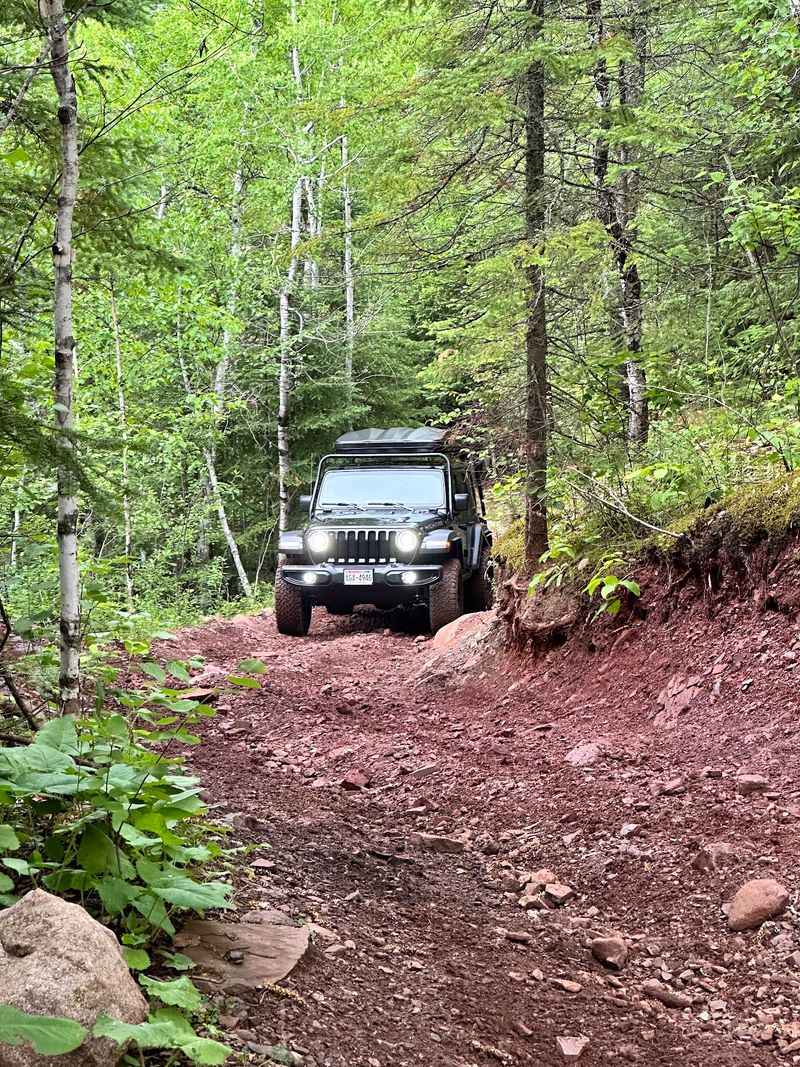
One of the most talked-about features of this park is the sheer range of trail difficulty levels available in a single location. Beginners can ease into the experience on smoother, wider paths that wind through the property without demanding technical skill.
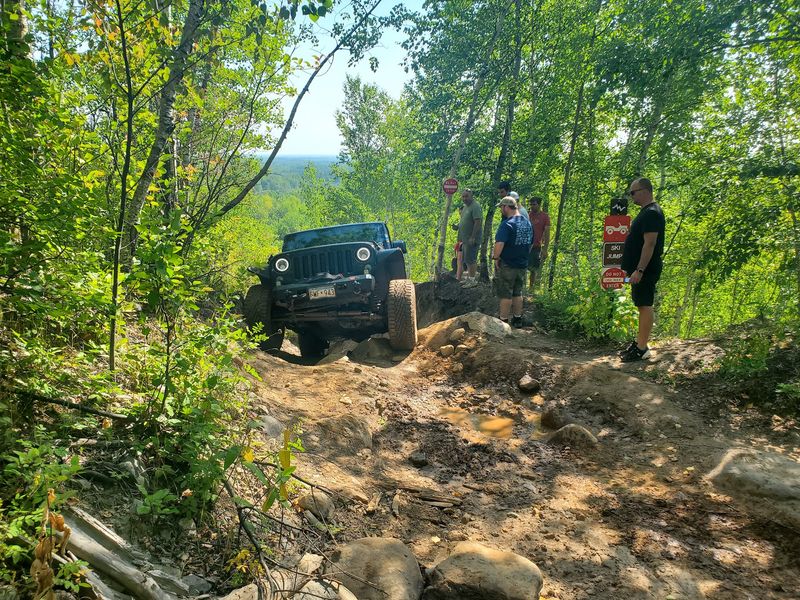
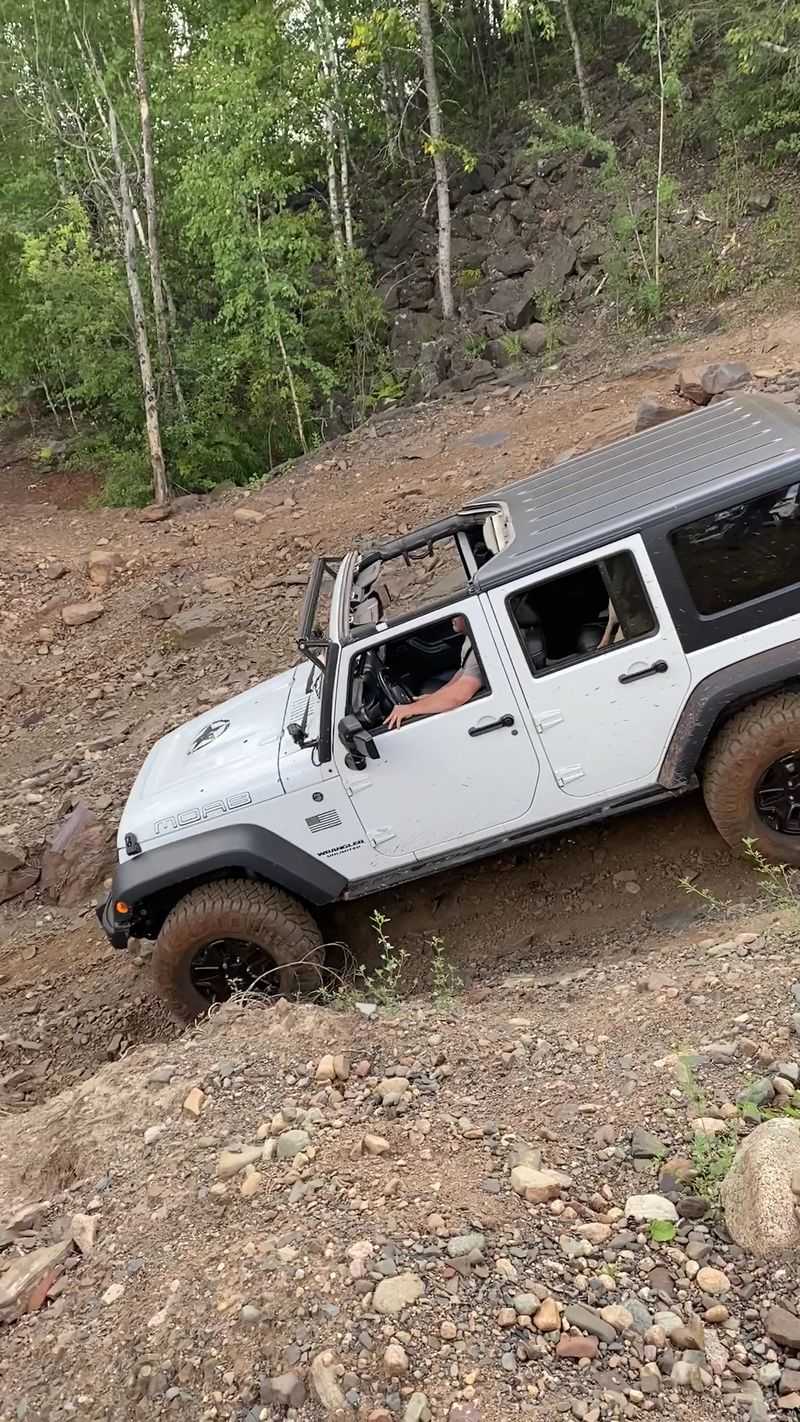
Experienced riders, on the other hand, can push themselves on trails that require careful line selection, solid vehicle capability, and genuine focus. Rock crawls, steep hill climbs, narrow passages, and muddy sections all exist within the same park boundaries.
That variety is what makes the Iron Range OHV area work so well for groups with mixed skill levels. A first-timer and a seasoned rock crawler can show up together, split off onto different trails, and both have an equally satisfying day.
The trail network is large enough that riders regularly recommend planning at least two full days to cover the property properly.
The Mud Pit That Gets Everyone Talking
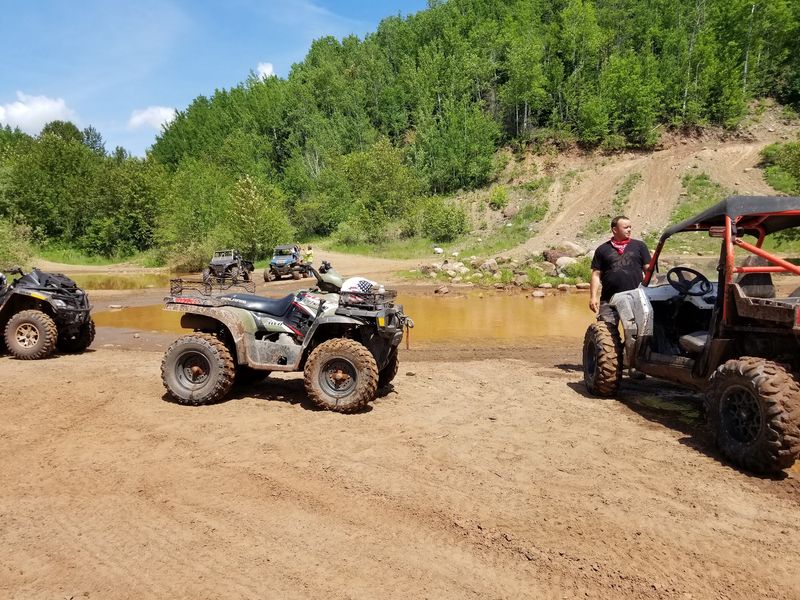
Ask anyone who has visited the Iron Range OHV area what stood out most, and a surprising number of people bring up the mud pit before anything else. There is something genuinely entertaining about watching well-prepared rigs wade through thick, iron-colored mud while onlookers cheer from the edges.
The mud pit is a designated play area within the park, which means it is set up specifically for this kind of fun rather than being a random wet section of trail someone stumbled into. Vehicles of all sizes take turns testing their traction and suspension, and the atmosphere around that area tends to be social and high-energy.
Fair warning: the iron-rich mud has a reputation for staining vehicles a deep rust color that takes serious effort to remove. Several visitors have mentioned that some of that red tint never fully comes off, which many riders wear as a point of pride.
Rock Crawling on Real Iron Range Terrain
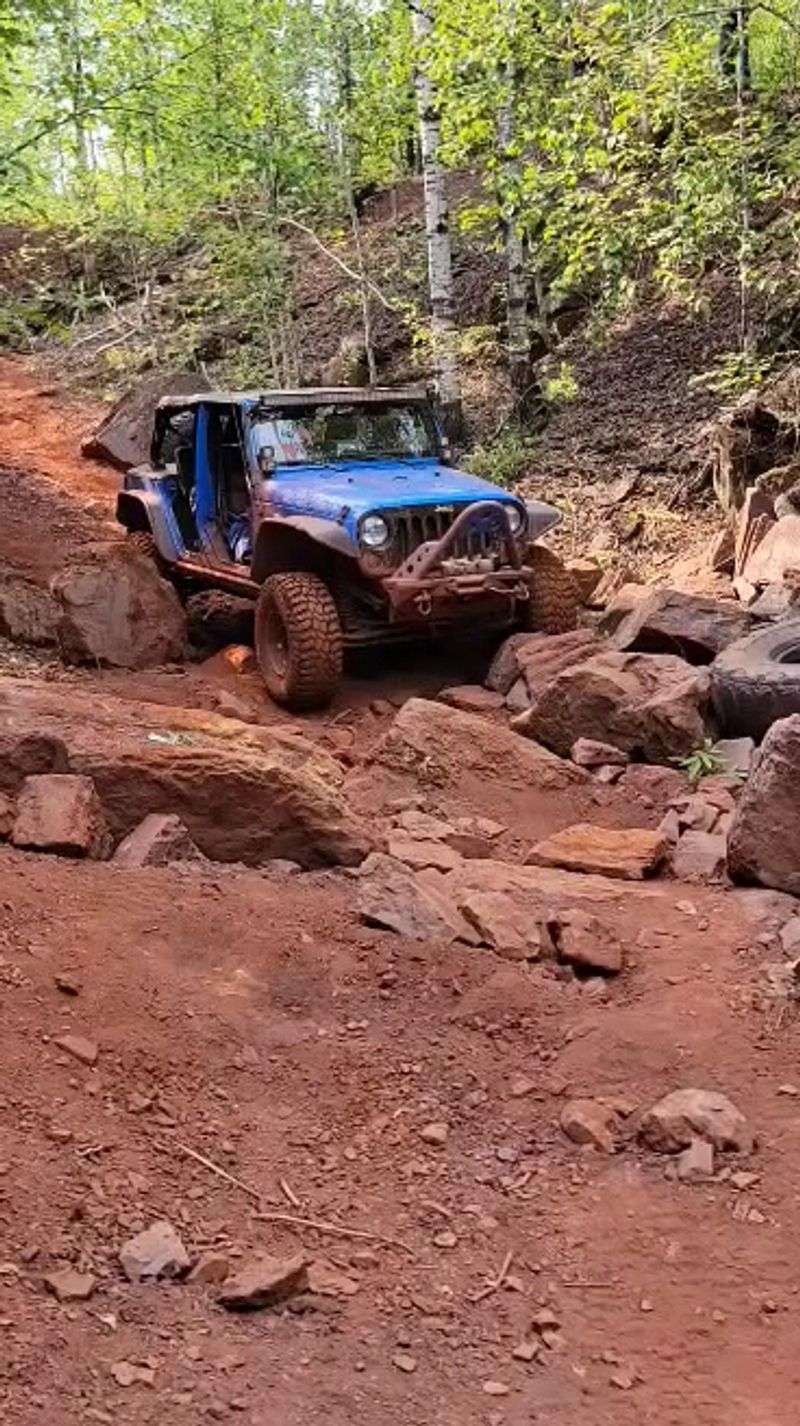
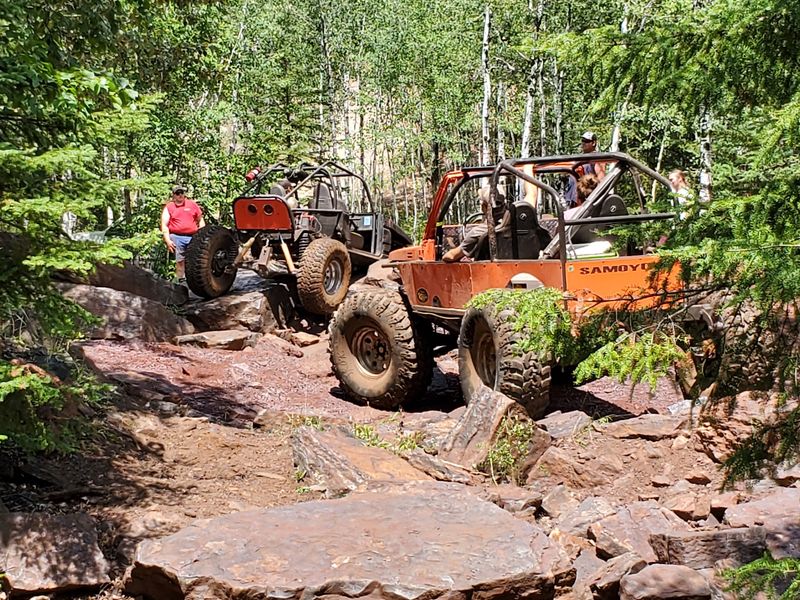
Rock crawling at the Iron Range OHV area is not a manufactured experience. The rocks here are genuine iron-bearing formations shaped by geology and mining activity over many decades, which gives them a texture and character that artificial rock parks simply cannot reproduce.
The technical sections challenge drivers to think carefully about approach angles, tire placement, and throttle control. Getting it wrong means getting stuck, which is exactly why the park recommends bringing a friend along for recovery assistance.
A buddy system is not just a suggestion here; it is genuinely practical advice.
The rock crawling sections attract dedicated enthusiasts who travel significant distances specifically for this terrain. Some rigs you will see in the parking lot are purpose-built crawlers with lifted suspensions, aggressive tires, and custom skid plates.
Others are stock vehicles whose owners wanted to test the limits of their factory setup, and many are surprised by how capable their rigs turn out to be.
Why Dirt Bike Riders Make the Trip North
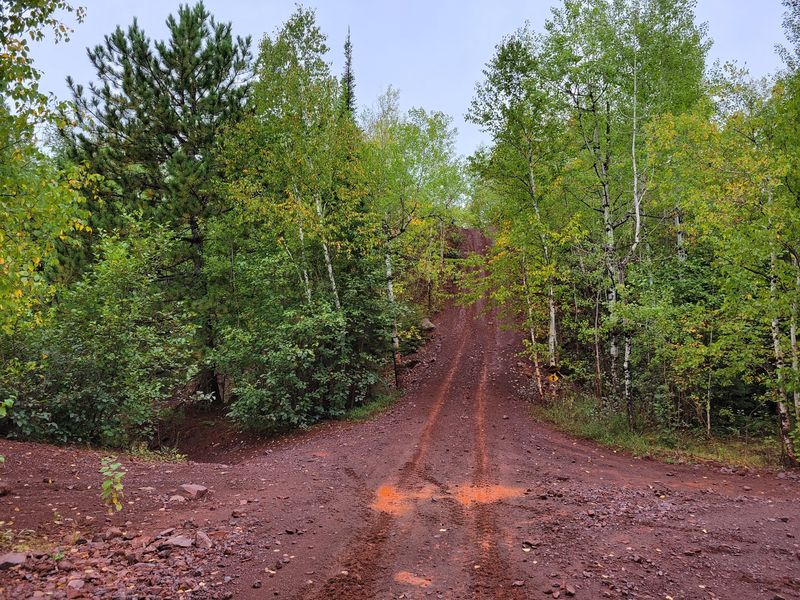
The Iron Range OHV area is not exclusively a four-wheel destination. Dirt bike riders have quietly built a strong following around this park, drawn by the combination of trail length, terrain variety, and the unique feel of riding through former mining land.
Narrow trails weave through rocky sections and tree lines, giving motorcycles a completely different experience than what larger vehicles encounter. The technical single-track options appeal to riders who want something more demanding than a standard forest trail but do not need the extreme obstacles built for rock crawlers.
One visitor who brought a newer rider along for a full week described how the skill progression worked naturally across the trail system. Starting on easier paths and gradually moving toward more demanding terrain let the beginner develop confidence at a comfortable pace.
That kind of built-in progression is genuinely rare in off-road parks and makes the Iron Range area worth the drive for two-wheeled enthusiasts.
What Makes Seasonal Riding Here So Different
Riding conditions at the Iron Range OHV area shift dramatically with the seasons, and that variability is part of what keeps regulars coming back throughout the year. Dry summer conditions produce firm trails and manageable dust, while spring and fall bring moisture that transforms certain sections into serious challenges.
Rain soaks into the iron-rich soil and turns moderate trails into significantly more demanding routes. What felt manageable in July can become a genuine test of vehicle capability in October after a few days of wet weather.
Snowy conditions add another layer of difficulty, with traction becoming unpredictable on rocky sections that are easy to read when dry.
Several experienced visitors specifically mention riding the park in multiple seasons as a way to fully appreciate its range. The same trail can feel like a completely different experience depending on what the weather has done recently.
That seasonal dimension gives the park a depth that rewards return visits rather than one-time trips.
The Wash Station That Saves Your Vehicle
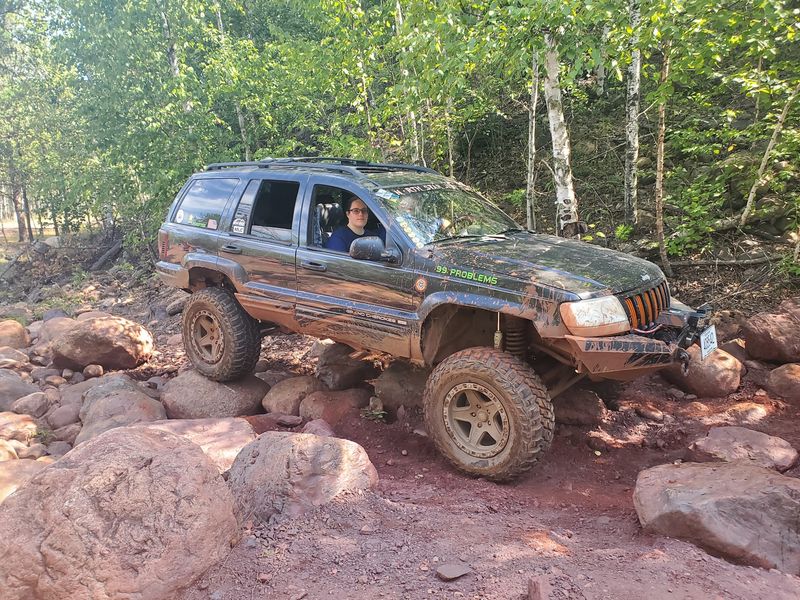
After a full day on Iron Range trails, your vehicle will be wearing a thick coat of rust-colored iron dust and mud. That is where the park’s wash station becomes one of the most appreciated amenities on the entire property.
The wash station gives riders a chance to rinse off the heaviest buildup before loading up and heading home. Iron dust has a way of working into every seam and crevice of a vehicle, and getting a rinse before it fully dries makes a meaningful difference in how much cleaning is required afterward.
The station also helps protect vehicle components from the corrosive properties of iron-rich material sitting on metal surfaces during a long drive home. Practical details like this show that the park was designed by people who actually understand what off-roaders need after a hard day on the trails.
It is a small feature that gets mentioned consistently by first-time visitors as a genuine surprise.
Air-Up Station and Practical Amenities Throughout the Park
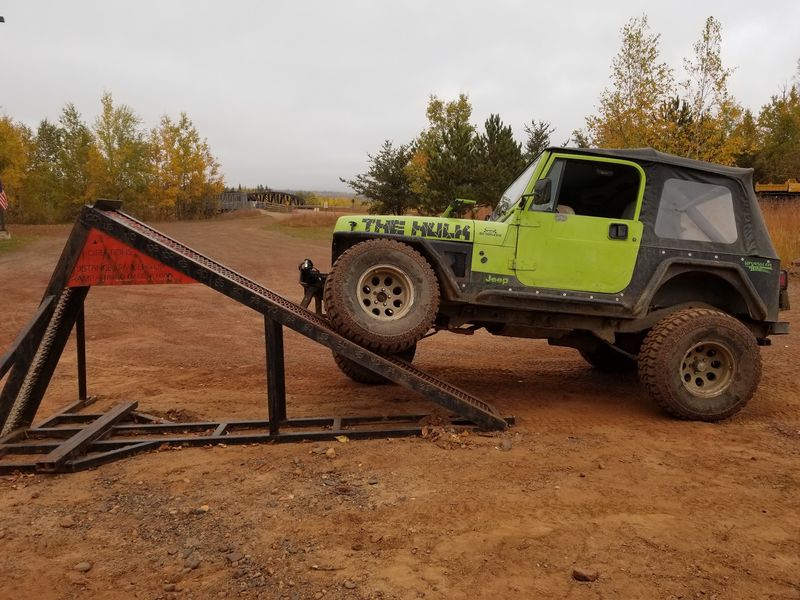
Airing down your tires before hitting technical terrain is standard practice in the off-road world, and the Iron Range OHV area accounts for that with an on-site air-up station where you can re-inflate before driving home. That single feature saves considerable hassle for riders who do not carry portable air compressors.
Porta-potties are distributed throughout the park rather than concentrated only at the main entrance, which matters when you are deep on a trail system that takes hours to explore. The large parking lot accommodates vehicles towing trailers, making unloading and loading straightforward even on busy days.
These practical touches reflect a park designed for real-world use rather than just trail maps and signage. The combination of wash station, air-up capability, distributed restrooms, and ample trailer parking creates a complete experience that reduces the friction of a full day or multi-day visit.
Small conveniences add up quickly when you are spending serious time in the field.
How to Navigate the Trail System Like a Pro
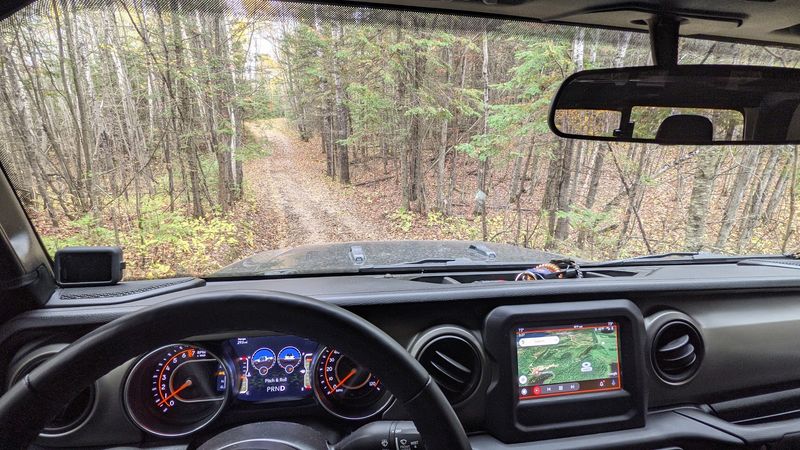
The trail network at the Iron Range OHV area is large enough that getting turned around is a real possibility, especially on your first visit. The AllTrails app has become a go-to navigation tool among regular visitors, with downloadable maps that work even without a strong cell signal deep in the park.
Trail difficulty markings on physical maps could be more detailed in certain sections, which is something first-timers occasionally mention. Cross-referencing the park map with AllTrails before heading out gives you a much clearer picture of what you are committing to before you are already committed.
Planning your route the night before a ride pays off significantly. Knowing which trails you want to hit and roughly how long each section takes helps you pace the day and avoid running out of light before finishing a loop.
Two days is the widely recommended minimum to cover the park’s full range without feeling rushed.
What to Bring for a Multi-Day Visit
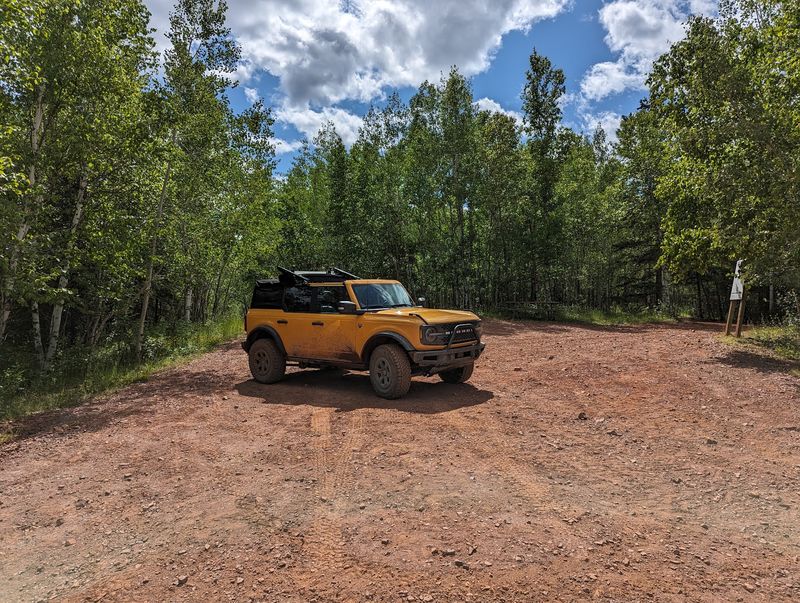
Packing right for a trip to the Iron Range OHV area makes the difference between a smooth adventure and a frustrating one. Recovery gear tops the list: a tow strap, shackles, and a basic tool kit should be in every vehicle before you leave the parking lot.
Water and food matter more than people expect. The park does not have food service on-site, so packing enough supplies for a full day of physical activity in variable northern Minnesota weather is essential.
Extra layers are always a smart call, since temperatures in the Iron Range region can shift noticeably from morning to afternoon.
A spare tire in good condition is worth the cargo space, especially on technical rocky sections where sidewall damage is a genuine possibility. Bringing a friend along is practical advice repeated by nearly every experienced visitor, both for recovery situations and because exploring a trail system this large is simply more enjoyable with company.
Why This Park Has Earned a Loyal Following in the Midwest
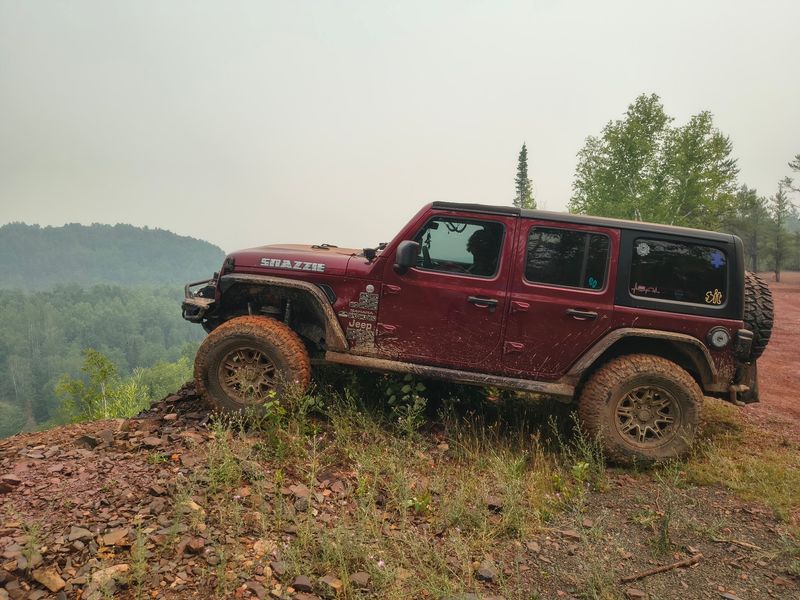
The Iron Range OHV area has built a reputation that extends well beyond Minnesota’s borders. Riders from neighboring states make the drive specifically for this park, drawn by the combination of terrain variety, scale, and the industrial character of the land itself.
Part of the loyalty comes from the social atmosphere that naturally develops around the park. Strangers share trail tips in the parking lot.
Experienced riders help newer visitors understand which routes match their skill level. The community that has formed around this place feels genuinely welcoming rather than exclusive.
The park’s connection to Iron Range heritage adds a layer of meaning that typical recreation areas lack. Riding across land that shaped an entire region’s identity for over a century carries a weight that is hard to explain until you are actually there, covered in rust-red dust, watching the sun drop behind the rock formations.
That combination keeps people returning season after season.
Share this story