Most small towns have a downtown built from brick or wood, but one place in southwestern Minnesota went a completely different route. The buildings here are constructed from a rare, rosy-pink stone quarried right from the local earth, giving the entire historic district a warm, almost glowing appearance unlike anything else in the Midwest.
That stone has been considered sacred by Indigenous peoples for centuries, and it still draws visitors from across the country today. The story behind this town, its geology, and its deep cultural roots is far more fascinating than most people expect.
A Town Built on Sacred Ground
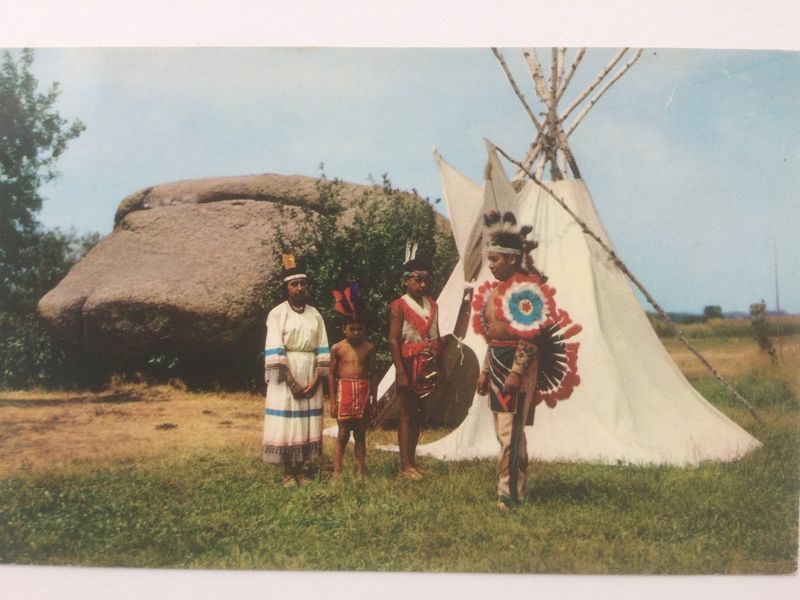
Few American towns carry the kind of layered history that Pipestone, Minnesota does. Located at 113 N Hiawatha Ave, Pipestone, MN 56164, this small city of roughly 4,200 people sits in the far southwestern corner of the state, close to the South Dakota border.
The town takes its name from a soft, reddish stone called catlinite, which has been quarried nearby for centuries by Native American tribes. Long before European settlers arrived, this ground was considered a place of peace where rival nations could gather without conflict.
That sense of significance never really left. Even today, walking through Pipestone feels different from other small Minnesota towns.
There is a weight to the place, a quiet importance that comes through in the landscape and the architecture. The town wears its history openly, and that honesty is part of what makes it worth the drive.
What Makes the Stone So Unusual
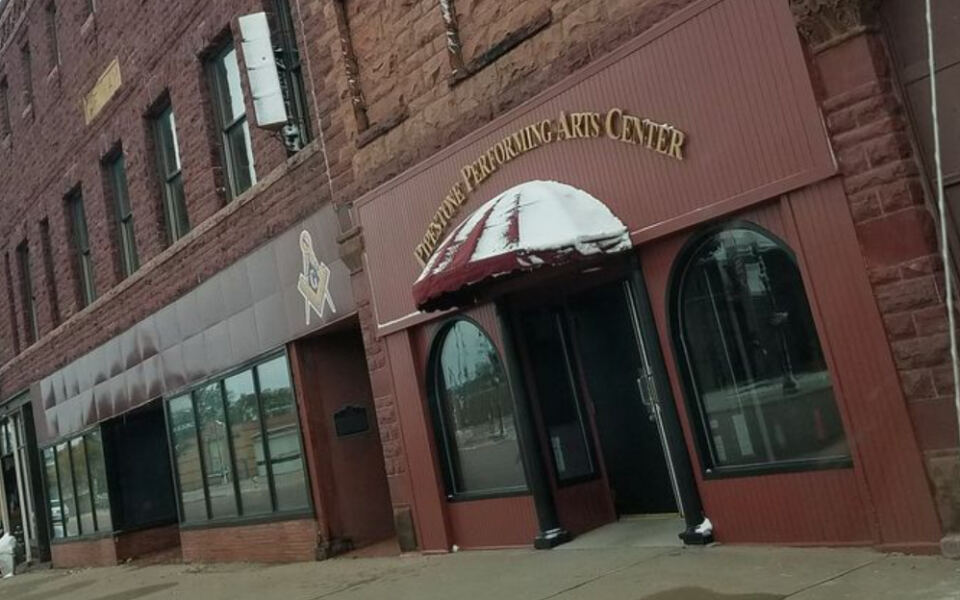
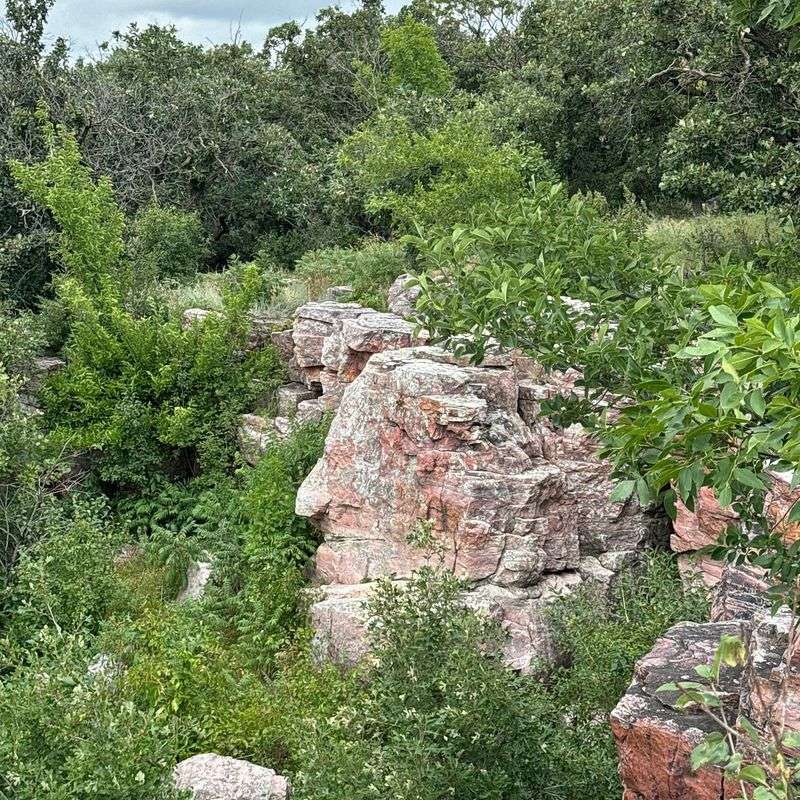
The buildings that define Pipestone’s downtown are not made from ordinary brick or limestone. They are built from Sioux quartzite, a hard, durable rock that ranges in color from deep rose to a warm salmon pink.
It was quarried locally during the late 1800s when the town was first being developed.
Sioux quartzite is one of the oldest rock formations on Earth, with estimates placing it at around 1.6 billion years old. That fact alone makes walking past these storefronts feel a little surreal.
The stone has a natural roughness to it that catches sunlight in interesting ways, especially in the late afternoon when everything takes on a reddish-orange tone.
No two blocks look exactly the same. The natural variation in color and texture gives the entire downtown a handcrafted, organic quality that modern construction simply cannot replicate.
It is genuinely unlike any other downtown streetscape in the region.
The Historic District That Stopped Time
Pipestone’s downtown historic district looks remarkably preserved for a town of its size. Many of the original quartzite buildings from the 1880s and 1890s are still standing and still in use, which is a genuine rarity in rural America.
The Pipestone County Courthouse, the Moore Block, and several other structures along the main commercial corridor were all built using locally quarried stone during the same general period. Walking the sidewalks here feels like moving through a living museum, except that real businesses operate out of these century-old storefronts.
The district is listed on the National Register of Historic Places, which helped protect it from the kind of demolition that wiped out similar architecture in other towns during the mid-20th century. That protection matters.
What survives in Pipestone is a nearly intact snapshot of a late-19th-century prairie commercial district, and that kind of authenticity is increasingly hard to find.
Pipestone National Monument and Its Deep Cultural Roots
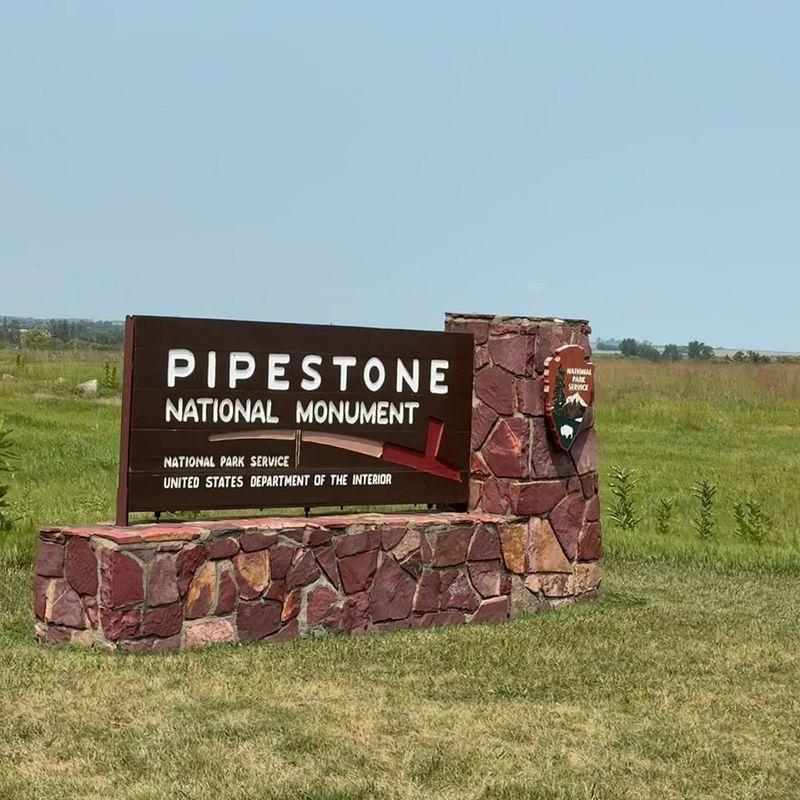
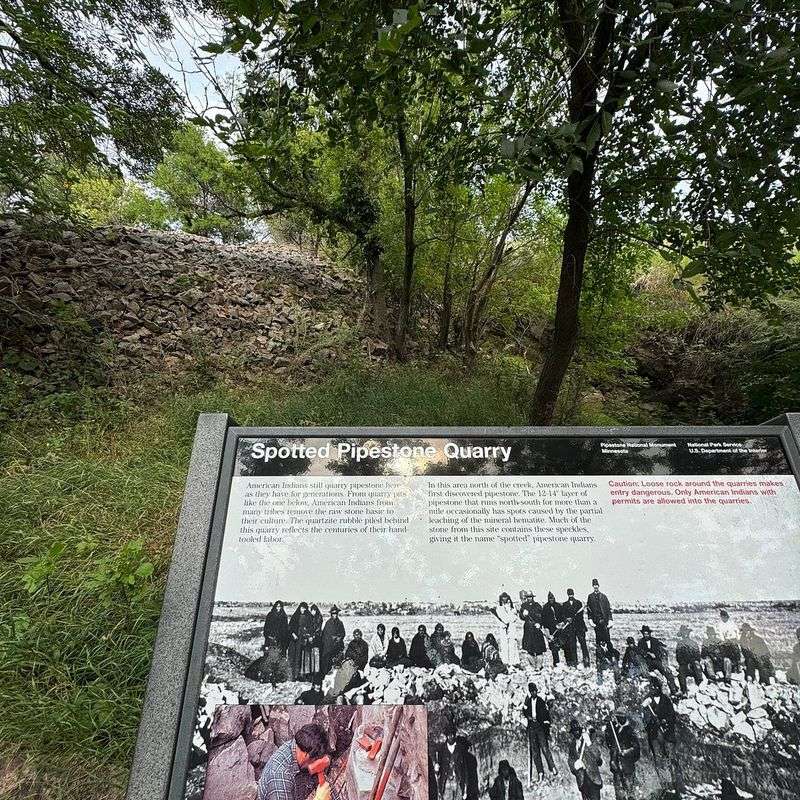
Just at the edge of town sits Pipestone National Monument, one of the most culturally significant sites in the entire United States. The monument preserves the quarries where Native American peoples have extracted catlinite, a soft red stone, for centuries to carve ceremonial pipes.
Catlinite gets its name from artist George Catlin, who visited the site in 1836 and documented it for wider audiences. But the quarries themselves are far older than that visit.
Dozens of tribes considered this ground neutral territory, a place where people could come together regardless of their differences.
Today, only enrolled members of federally recognized tribes are permitted to quarry catlinite at the monument, which keeps the tradition alive and honors its origins. The National Park Service manages the site, but the cultural stewardship belongs to Native peoples.
Visiting the monument offers a perspective on American history that goes much deeper than most roadside stops.
The Pipestone Indian Shrine Association and Living Craft Traditions
One of the most remarkable things about Pipestone is that the pipe-carving tradition it is named for is not a relic. It is actively practiced today by Native American artists who work with catlinite to create pipes, sculptures, and ceremonial objects using the same general methods that have been passed down for generations.
The Pipestone Indian Shrine Association has played a role in supporting these artisans and connecting visitors with authentic, handcrafted work. Several artists sell their pieces through the Pipestone National Monument visitor center, giving travelers the rare opportunity to purchase something made from stone that carries genuine cultural meaning.
Watching an artisan work with catlinite is a quietly powerful experience. The stone is soft enough to carve with hand tools, and the finished pieces have a deep reddish color that polishes to a warm glow.
These are not souvenirs. They are objects with real weight and real stories behind them.
Hiawatha Pageant and Outdoor Theater Under the Stars
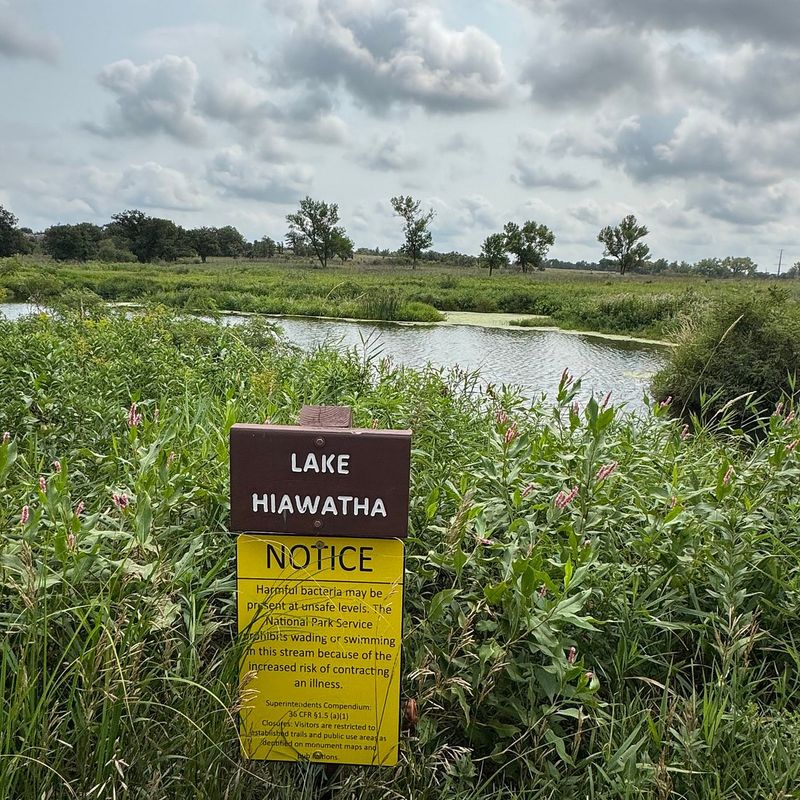
Every summer, Pipestone hosts one of the longest-running outdoor theatrical productions in the United States. The “Song of Hiawatha” pageant has been performed in the natural amphitheater near the national monument for decades, drawing audiences from across the region to watch the story of Hiawatha unfold against a backdrop of real quartzite outcroppings and open sky.
The production is based on Henry Wadsworth Longfellow’s 1855 poem and features a large cast of local performers alongside Native American participants. The natural setting adds something no indoor theater can offer.
When the torches are lit and the quartzite walls reflect the firelight, the atmosphere becomes genuinely unforgettable.
Performances typically run on select weekends during the summer months. Checking the schedule before visiting is worth the effort, because catching a performance here is one of those experiences that stays with you long after you have driven back home.
It is a distinctly Pipestone event.
The Pipestone County Museum and Local Storytelling
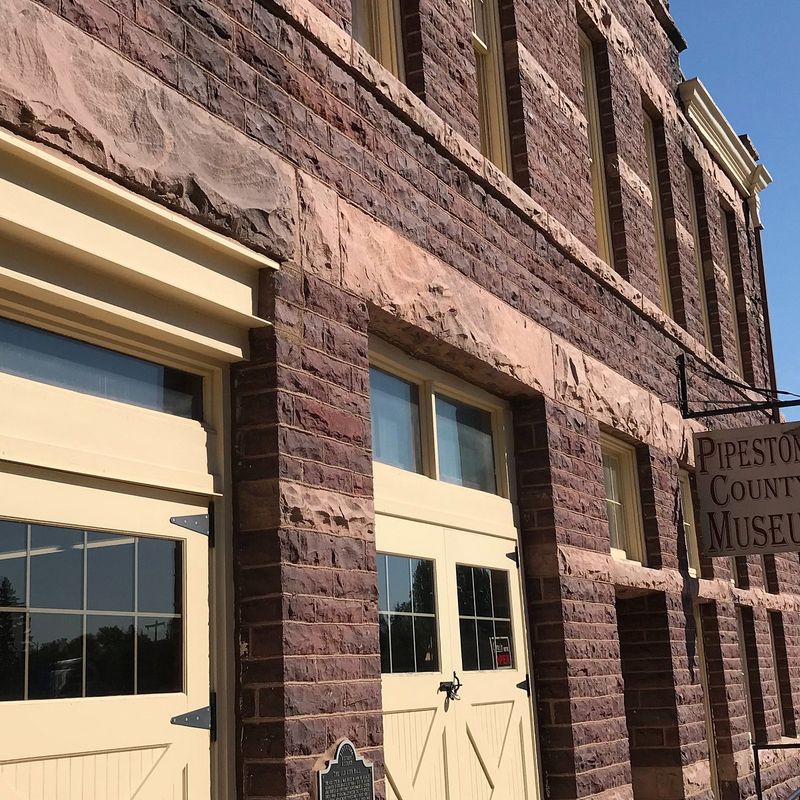
The Pipestone County Museum occupies a beautiful quartzite building in the heart of downtown, and the building itself is almost as interesting as what is inside. The structure has that same warm pink-red color as everything else on the block, but up close you can really appreciate the craftsmanship that went into shaping the stone.
Inside, the museum covers the full arc of Pipestone County history, from the Indigenous peoples who first used the quarries to the European settlers who built the town in the late 1800s. Exhibits include artifacts, photographs, and documents that tell a layered story about this corner of Minnesota.
Local history museums in small towns can sometimes feel dusty and disconnected, but this one does a solid job of making the past feel relevant. The connection between the land, the stone, and the people who lived here comes through clearly, and that thread runs through the entire collection.
Pipestone’s Prairie Landscape and the Coteau des Prairies
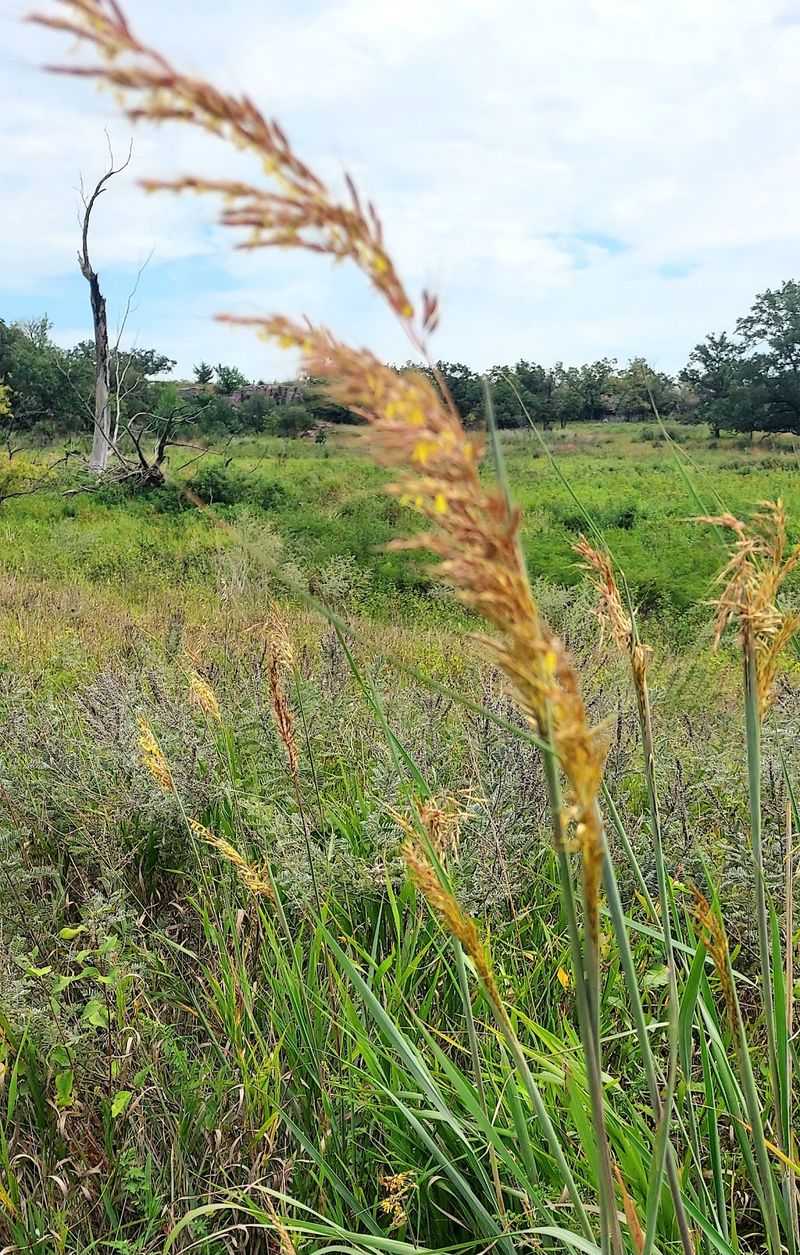
The land around Pipestone is flat in the way that only the Great Plains can be, with sky that seems to go on forever in every direction. That openness is part of the experience here.
The town sits on the Coteau des Prairies, a broad plateau that stretches across parts of Minnesota, South Dakota, and North Dakota.
Driving into Pipestone from any direction means crossing miles of farmland and restored prairie before the water tower and grain elevators come into view. That approach gives the town a sense of arrival that more densely populated areas simply cannot replicate.
The surrounding landscape also explains why the quartzite outcroppings near the monument feel so dramatic. In an otherwise flat terrain, exposed rock formations stand out sharply.
The contrast between the low prairie grasses and the pink stone ridges creates a visual effect that photographers and painters have been drawn to for well over a century.
Pipestone’s Architectural Gems Worth Slowing Down For
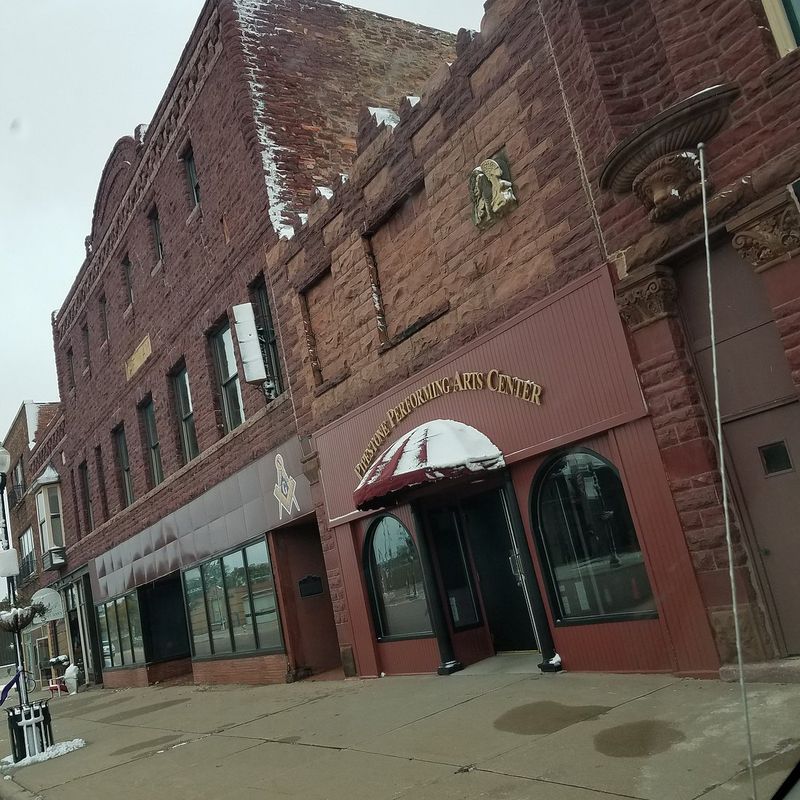
The downtown buildings in Pipestone reward slow, attentive walking. Many of the quartzite structures feature detailed stonework around their windows, doorways, and cornices that speaks to the skill of the craftsmen who built them in the 1880s and 1890s.
These are not plain-faced walls. They are genuinely ornate pieces of architecture.
The Calumet Inn, one of the most photographed buildings in town, is a standout example. Built from local quartzite, it features a distinctive facade that has made it a landmark in the region.
The building has served travelers for well over a century, and staying there gives visitors a chance to sleep inside a piece of living history.
What strikes most first-time visitors is how cohesive the whole district looks. Because so many buildings were constructed from the same local stone during the same general era, the streetscape has a visual harmony that feels intentional.
It is the kind of downtown that makes you put your phone away and just look.
Winnewissa Falls and the Natural Beauty Inside the Monument
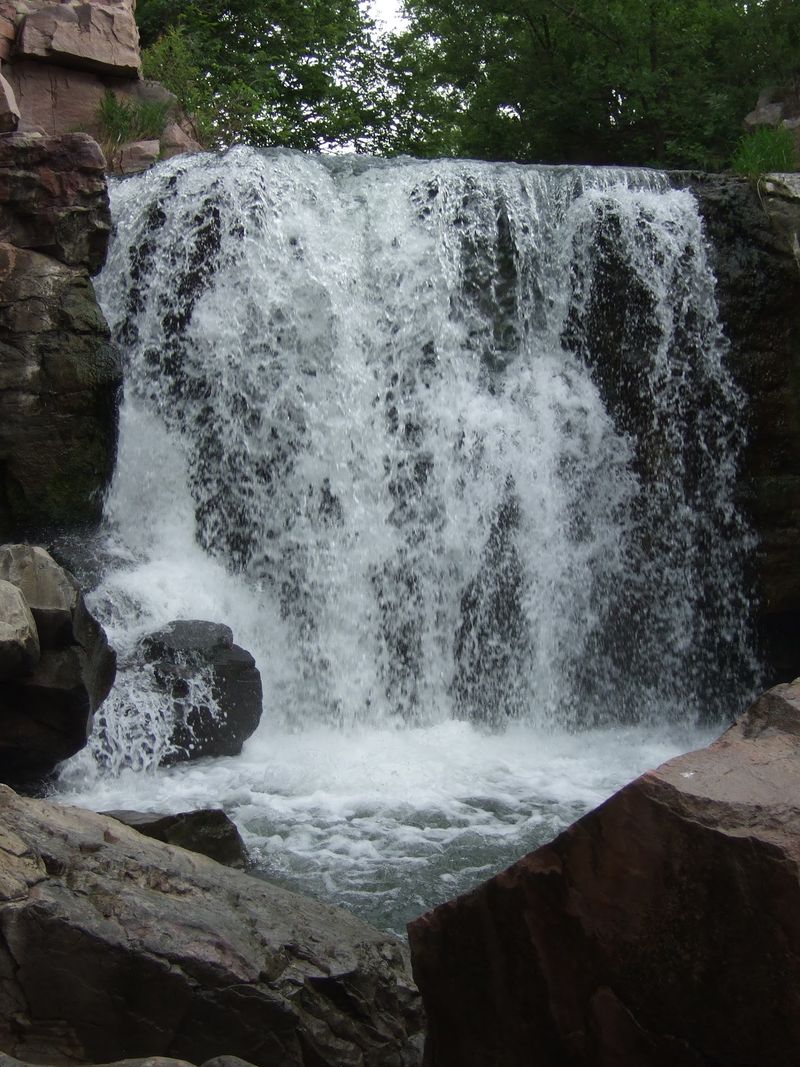
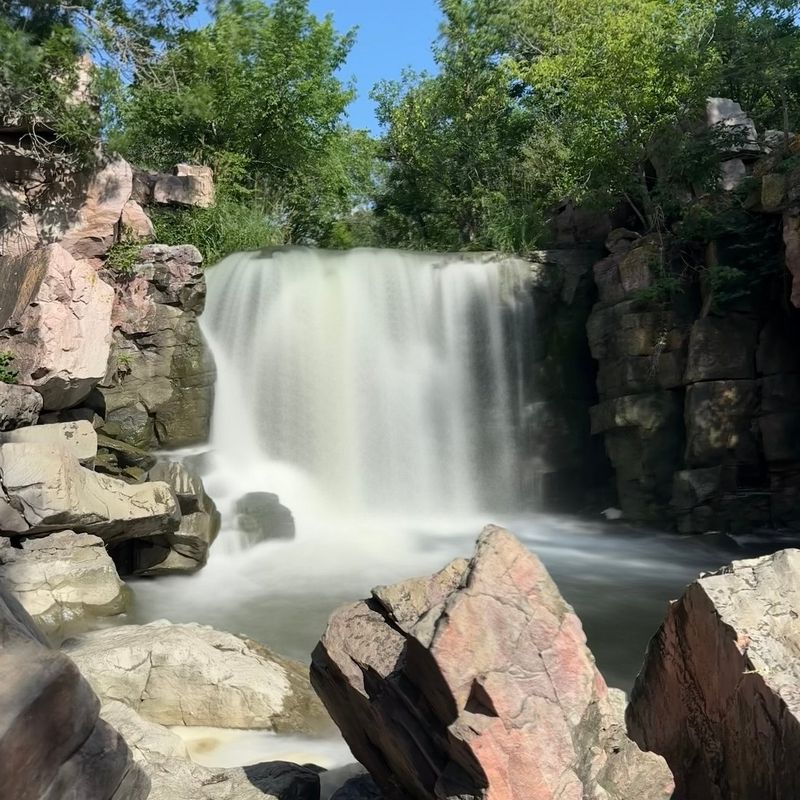
Most visitors come to Pipestone National Monument expecting to see the quarries, and the quarries are absolutely worth seeing. But the monument also contains Winnewissa Falls, a small waterfall that drops over exposed quartzite in a way that feels almost theatrical given the flat terrain surrounding it.
The falls sit along the Circle Trail, a short walking loop that winds past the active quarry sites, through native prairie, and alongside Pipestone Creek. The combination of moving water, pink rock, and open grassland makes this one of the most visually satisfying short hikes in southwestern Minnesota.
Spring and early summer tend to bring the strongest water flow, though the falls are worth visiting in any season. Fall brings a color contrast between the golden grasses and the deep pink stone that is particularly striking.
The whole trail takes less than an hour to walk, but it is easy to linger much longer than planned.
Planning a Visit to Pipestone and What to Expect
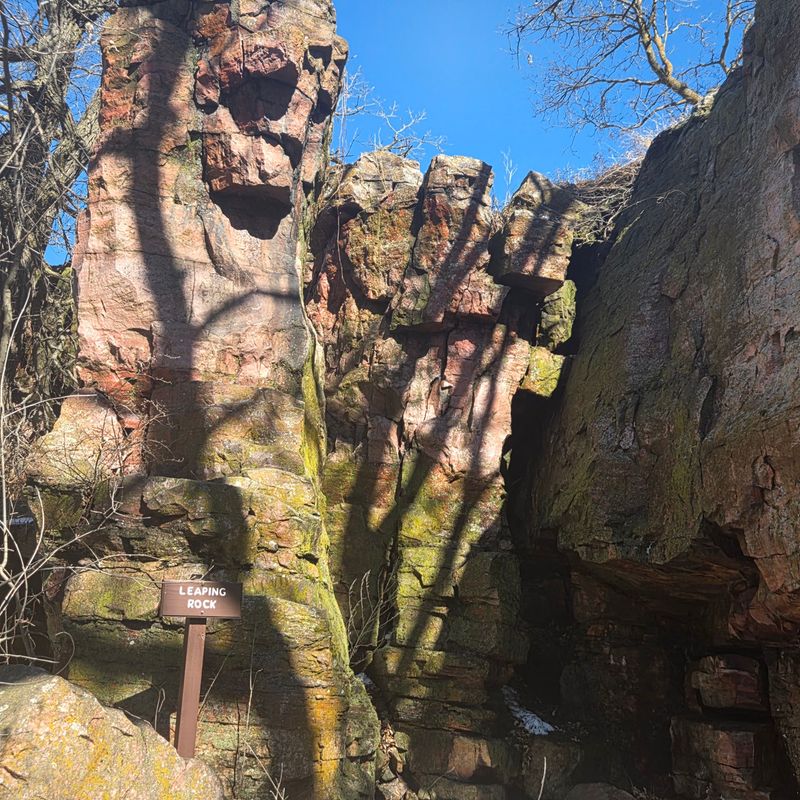
Pipestone is most rewarding when visitors give it more than a quick stop. A half-day is enough to cover the national monument trail and walk the downtown historic district, but a full day allows time to visit the county museum, browse the artisan work at the monument visitor center, and soak in the atmosphere without rushing.
The town is located in the far southwestern corner of Minnesota, roughly 30 miles from the South Dakota border. It sits along U.S.
Highway 75, which makes it a logical stop for anyone traveling through the region. Summer is the busiest season, partly because of the Hiawatha pageant and partly because the monument grounds are at their most vibrant.
Lodging options in town are limited but functional, with the Calumet Inn being the most historically interesting choice. Coming in with realistic expectations and genuine curiosity tends to produce the best experience.
Pipestone is a quiet town with a loud history, and that combination is rarer than most people realize.
Share this story