There is a house in Minnesota where the wallpaper, furniture, and family photographs have barely moved in over a century. The rooms look almost exactly as they did when the family first moved in during the 1800s, and that is not an accident.
This place was carefully preserved so that visitors could walk through and feel the weight of real history all around them. Once you learn who lived here and what they accomplished, you will understand why this Victorian mansion is one of the most quietly remarkable historic homes in the entire state.
A House That Time Forgot
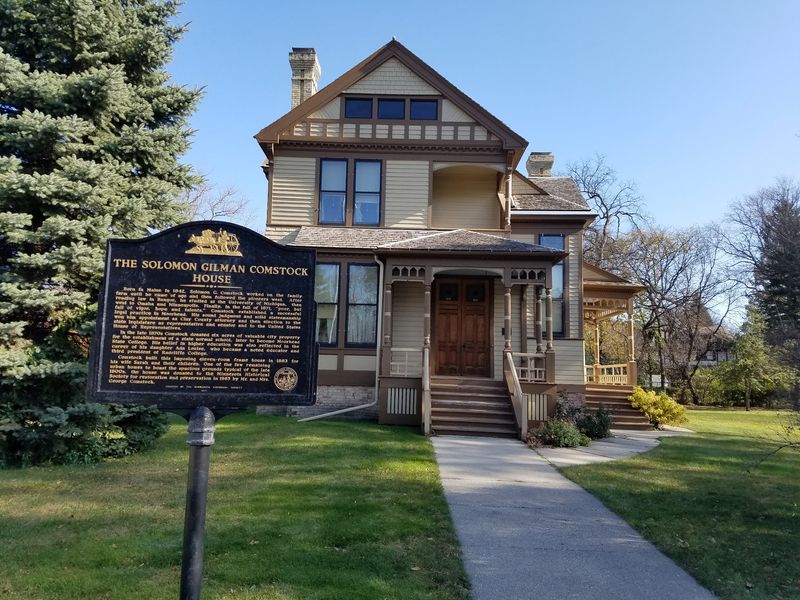
Most historic homes have been repainted, renovated, or rearranged so many times that they barely resemble their original selves. Comstock House is different.
The moment you see it, something feels genuinely old in the best possible way, like the house has been quietly waiting for visitors to notice it.
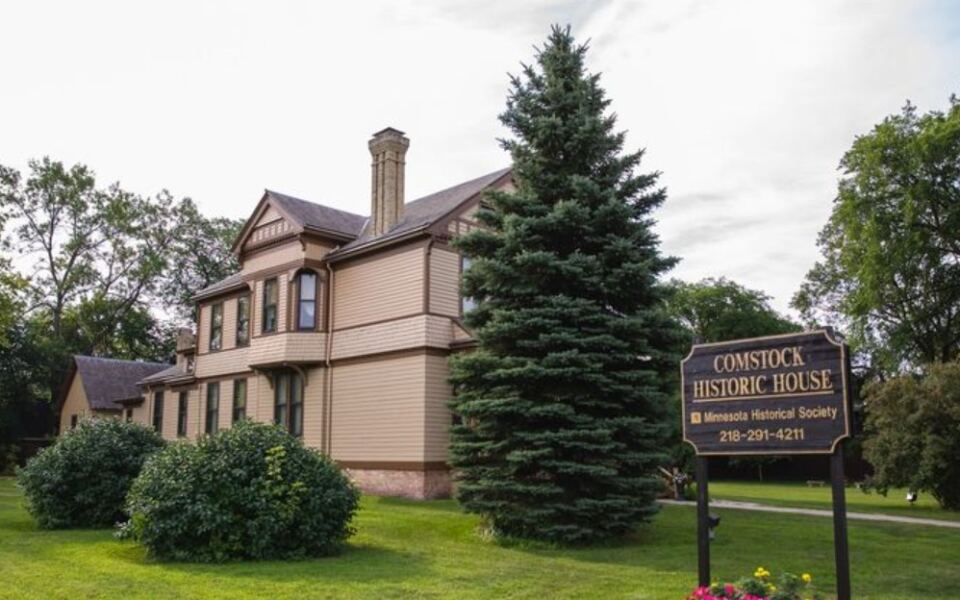
The structure still carries the visual character of a prosperous late-19th-century family home, with its wide porch, tall windows, and wooden details that have aged with grace rather than neglect.
What makes this place stand out is not just its age but its authenticity. The house was not staged or reconstructed to look historical.
It simply remained that way because the family and later the Minnesota Historical Society made sure it did. That commitment to preservation is what makes every visit feel genuinely special rather than theatrical.
Where Comstock House Stands Today
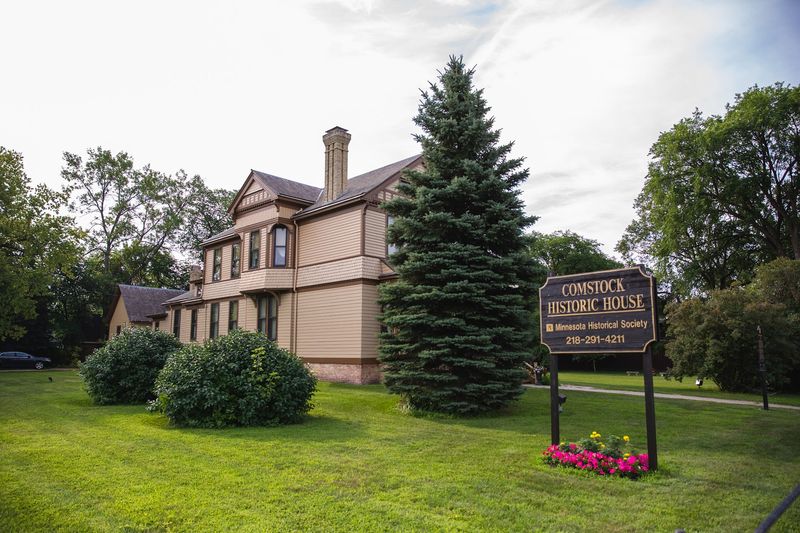
Comstock House sits at 506 8th St S, Moorhead, Minnesota 56560, United States, managed by the Minnesota Historical Society. The address is easy to find, and the house itself is hard to miss once you turn onto the street.
Moorhead is located on the Minnesota-North Dakota border, right across the Red River from Fargo. It is a college town with a strong sense of community, and Comstock House adds a layer of 19th-century depth that most visitors do not expect to find here.
The neighborhood around the house feels quiet and residential, which actually makes the mansion feel more surprising when you approach it. You are not walking into a tourist corridor.
You are walking into someone’s former neighborhood, and that context makes the whole experience feel more personal and grounded in real history rather than curated spectacle.
The Man Who Built It All
Solomon Gilman Comstock was not a quiet man by any measure. He was a lawyer, a politician, a businessman, and one of the most influential figures in the early development of northwestern Minnesota.
He served in the U.S. House of Representatives and played a significant role in shaping the region during a period when the Red River Valley was rapidly growing.
He was also one of the founders of what is now Minnesota State University Moorhead, which tells you a great deal about how seriously he took education and community building.
The house he built reflected his ambitions and his status. It was designed to be impressive without being ostentatious, the kind of home that signals success while still feeling livable.
Walking through it, you can almost sense the personality of the man who chose every room’s purpose with deliberate intention.
The Women Who Made the House Come Alive
If Solomon built the house, it was the Comstock women who gave it a soul. Ada Comstock, his daughter, became one of the most accomplished women of her era.
She served as the first full-time president of Radcliffe College, which was the women’s college associated with Harvard University.
Ada was a nationally recognized figure in women’s education at a time when that was genuinely difficult and groundbreaking work. The fact that her childhood home still stands in Moorhead, largely unchanged, gives visitors a tangible connection to someone whose influence reached far beyond Minnesota.
Her mother, Sara, was equally central to the household. The warmth and order of the home reflect her management and care.
When tour guides talk about the Comstock ladies, as one visitor memorably put it, there is real admiration in their voices, and it is entirely deserved.
Original Furnishings Still in Place
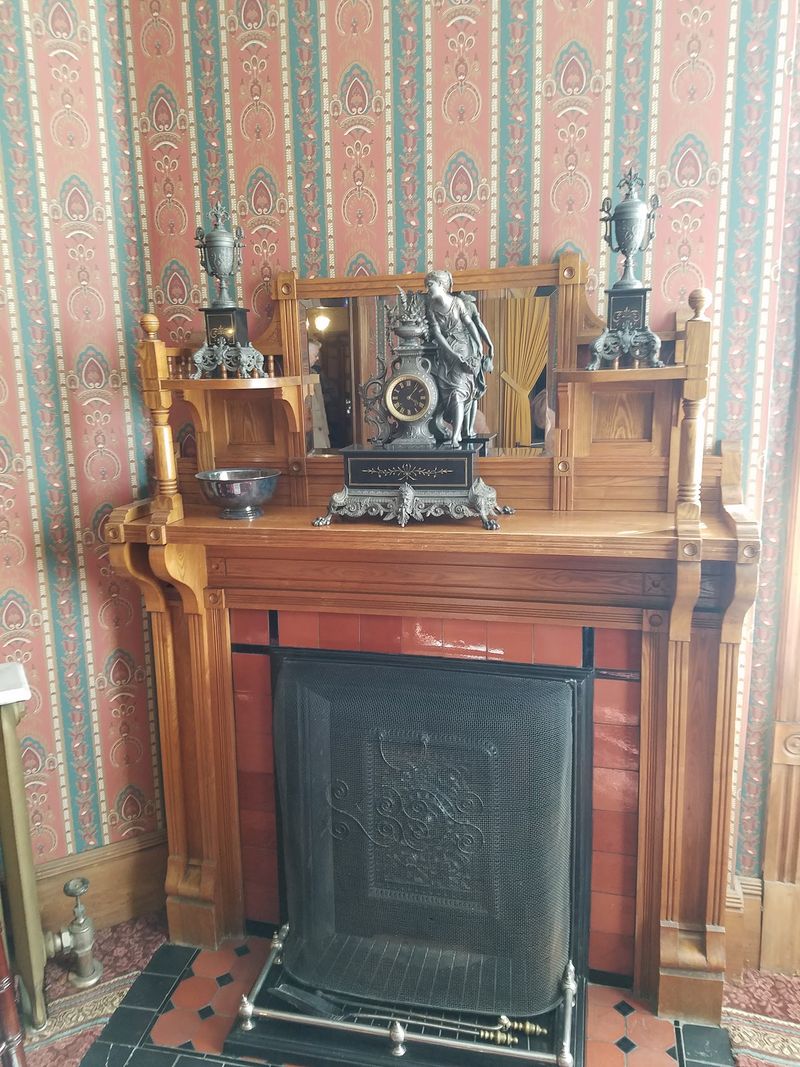
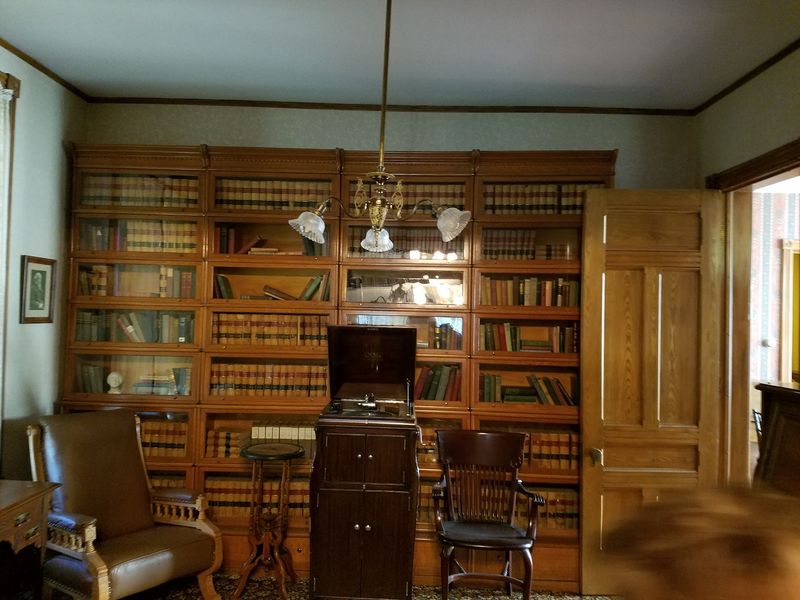
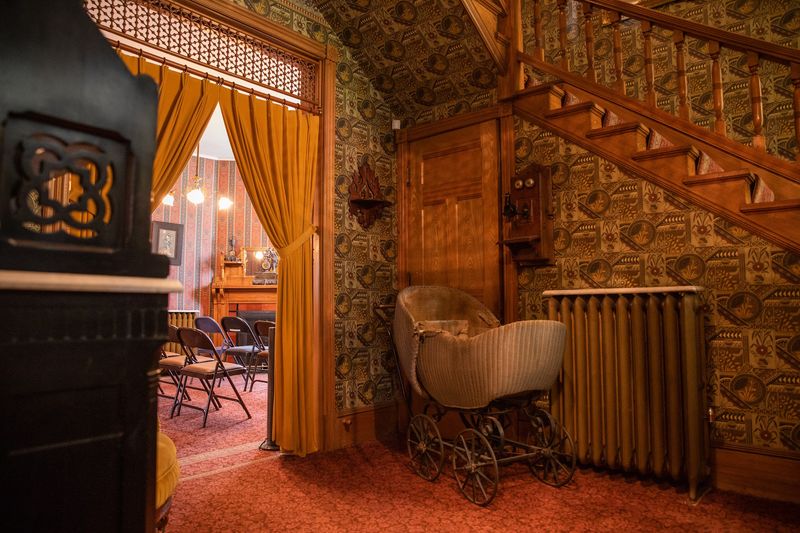
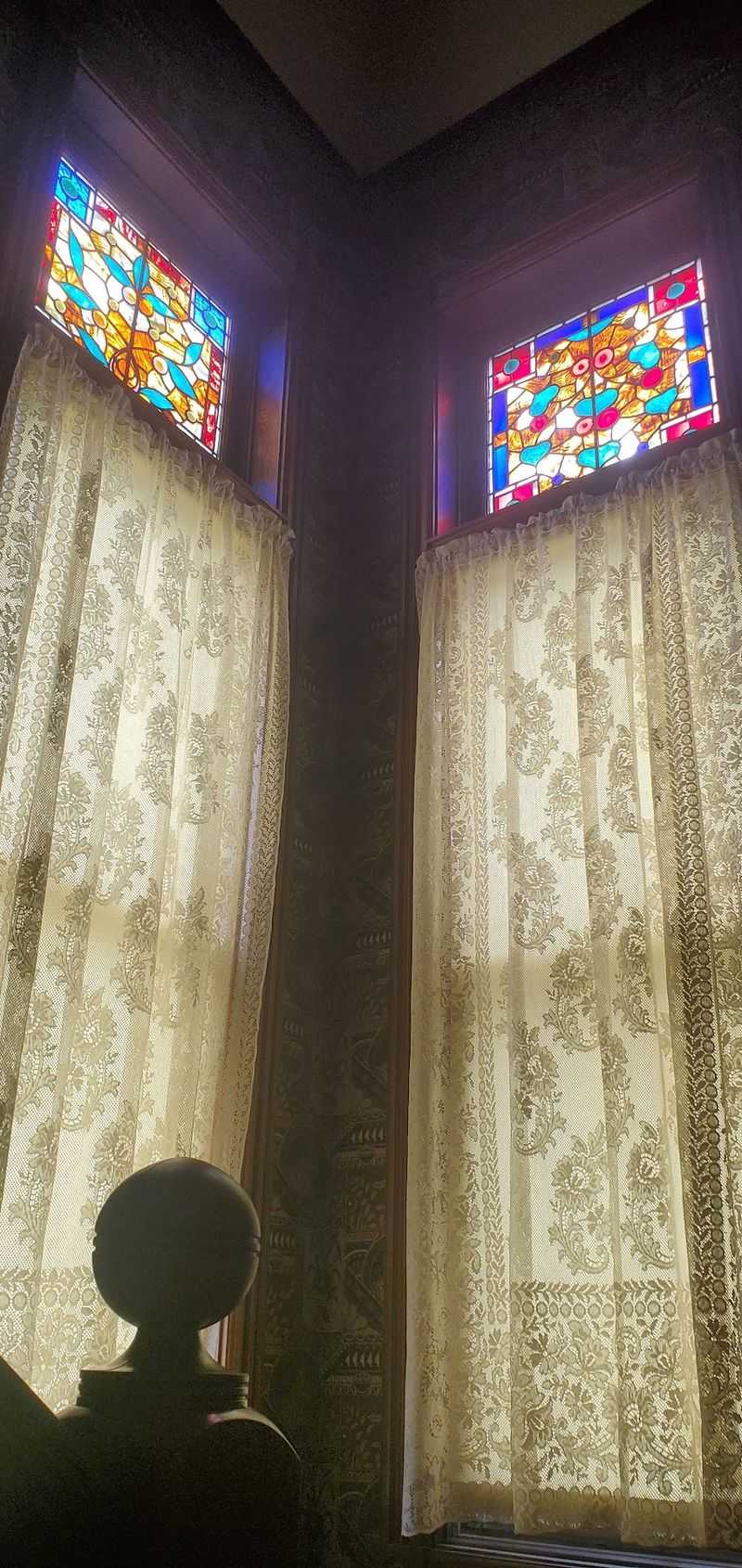
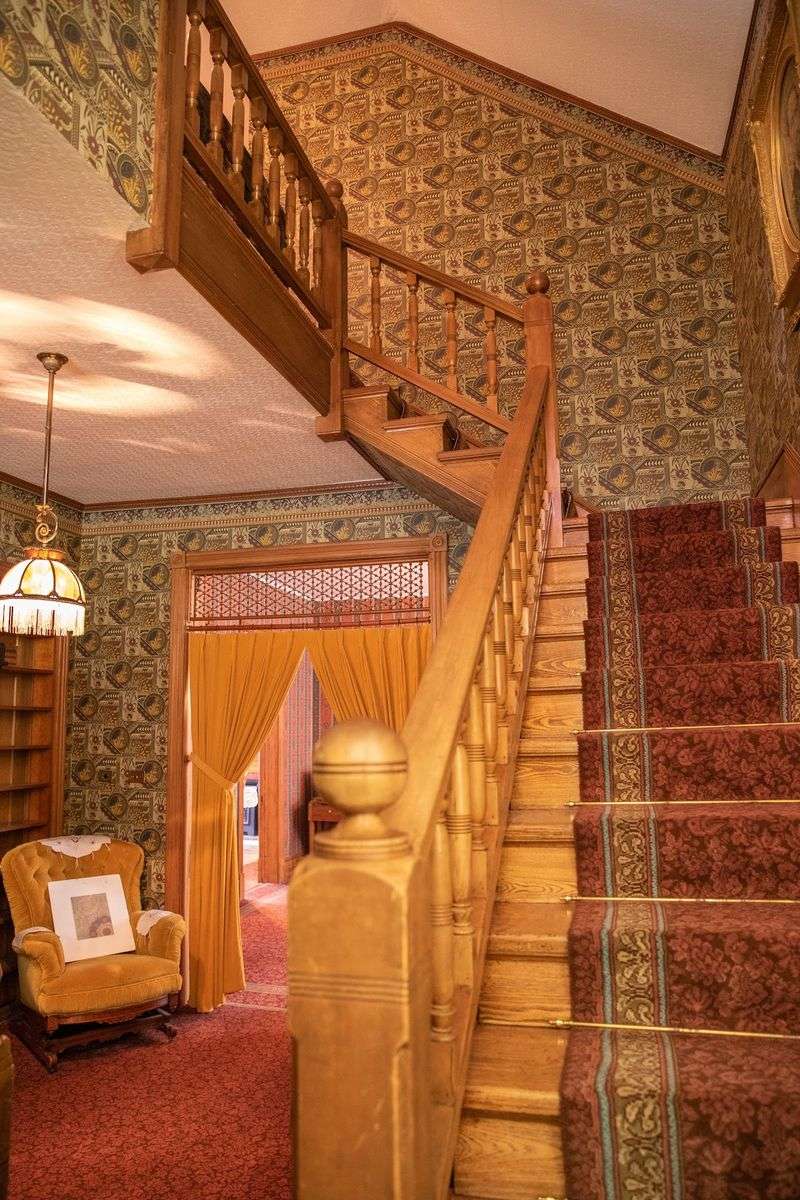
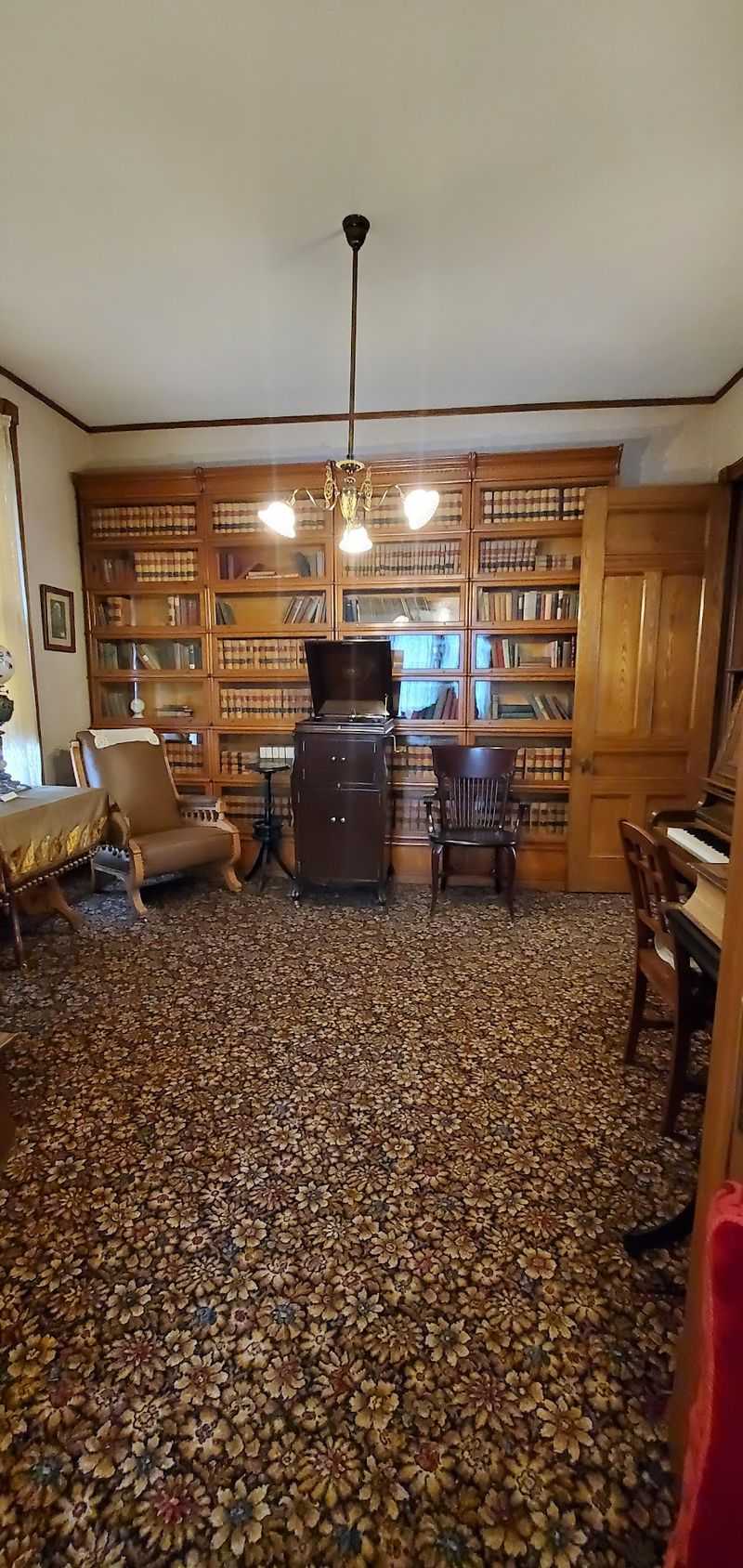
One of the most striking things about touring Comstock House is realizing that the furniture you are looking at is not a reproduction. The chairs, tables, cabinets, and decorative objects throughout the home are the real items the Comstock family actually used during their lives here.
That level of preservation is rare. Most historic homes have lost their original contents over time through sales, donations, or simple wear.
Comstock House managed to retain a remarkable amount of its original material, which gives the rooms a lived-in quality that staged museum environments rarely achieve.
You find yourself noticing small details, a particular lamp, a framed photograph, a piece of decorative china, and wondering about the specific moment in which it was placed there. The objects do not feel like exhibits.
They feel like belongings, and that distinction makes every room worth slowing down to absorb.
Victorian Architecture Worth Studying Closely
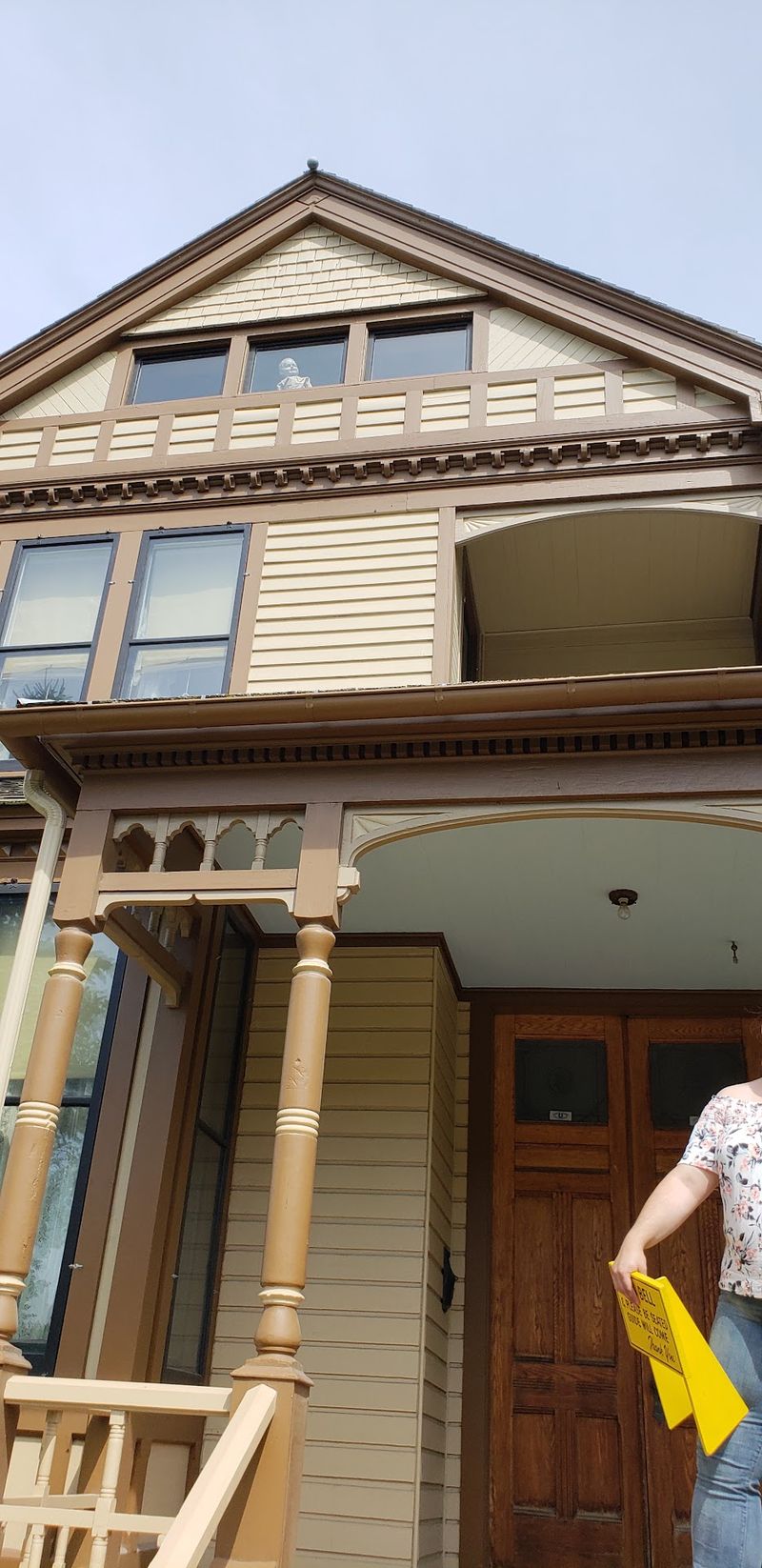
Victorian architecture from the late 1800s was built to communicate something. The details on Comstock House, from its porch columns to its window trim, reflect the craftsmanship standards of an era when builders took pride in visible ornamentation.
The house is not a grand estate by the standards of East Coast Victorian mansions, but it is substantial and thoughtfully designed. Its scale feels appropriate for a regional leader who wanted a dignified home without crossing into excess.
That restraint is actually part of what makes the architecture interesting to study.
The wooden elements have been carefully maintained over the decades, and the overall structure retains its original proportions. Visitors with an interest in 19th-century American residential design will find plenty to observe here, both inside and out.
The house is the kind of building that rewards slow, attentive looking rather than a quick glance from the sidewalk.
What the Guided Tour Actually Covers
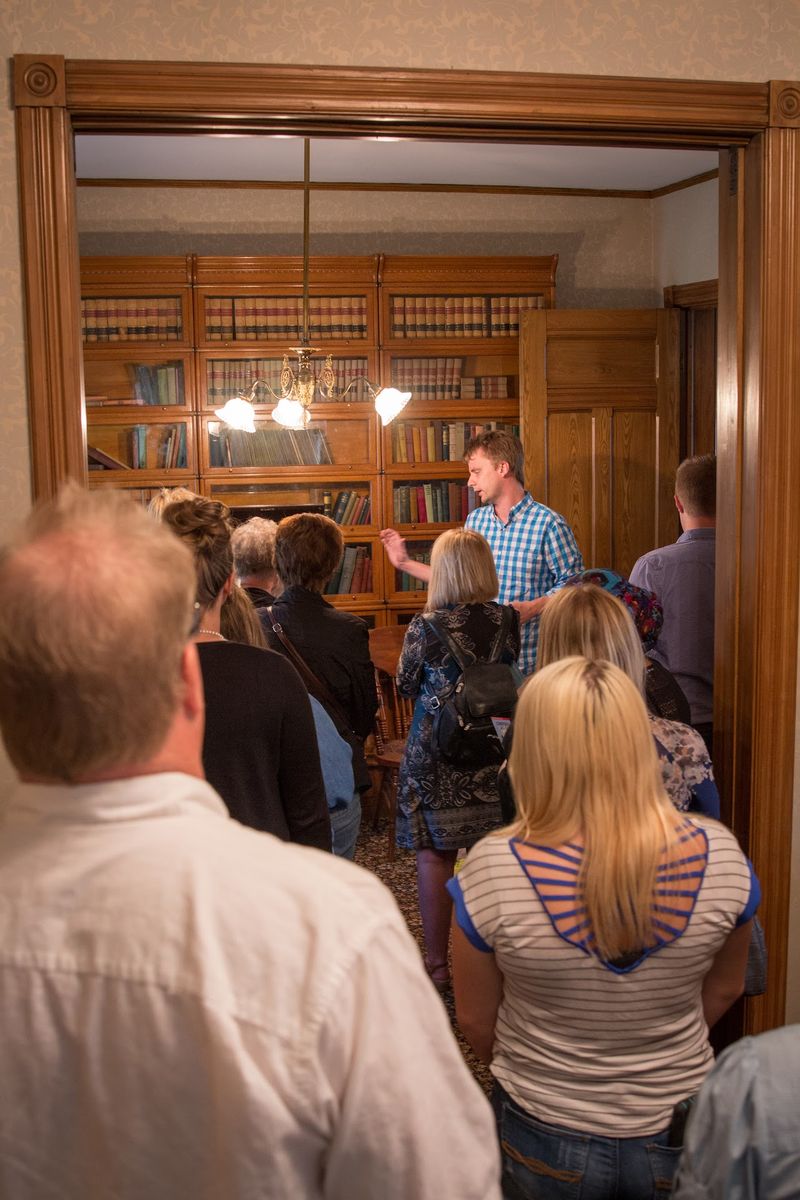
The guided tour at Comstock House is not a dry recitation of dates and names. The guides managed by the Minnesota Historical Society bring genuine enthusiasm and deep knowledge to each visit, walking guests through the rooms while weaving together stories about the family, the era, and the community around them.
Tours cover the major rooms of the house, explaining the function of each space and connecting the physical details to the lives of the people who used them. You learn about the family’s daily routines, their social connections, and the broader historical context of life in the Red River Valley during the late 1800s and early 1900s.
The experience feels more like a conversation than a lecture. Guides answer questions openly and often share details that are not in any brochure.
That spontaneous quality is what makes each tour feel slightly different from the last, depending on who is leading it.
The Connection Between Moorhead and St. Paul
One thing that surprises many visitors is learning how deeply connected Moorhead was to St. Paul during the late 19th century. Solomon Comstock’s political and business networks stretched across the state, and the house reflects that reach in ways that are easy to miss if you are not paying attention.
The Red River Valley was one of the most economically significant regions in the upper Midwest during the 1880s and 1890s, driven largely by wheat farming and the expansion of the railroad. Comstock was positioned at the center of that activity, and his connections to the state capital were both professional and personal.
Understanding that context changes how you look at the house. It stops being just a well-preserved old home and becomes a physical record of how power and influence operated in early Minnesota.
The rooms start to feel like meeting points for ideas and decisions that shaped an entire region.
Seasonal Events That Bring the House to Life
Comstock House is not just a warm-weather attraction. The Minnesota Historical Society programs events throughout the year that give visitors a reason to return across different seasons, and each one offers a noticeably different experience of the same building.
The Nooks and Crannies Flashlight Tour around Halloween is one of the most talked-about events on the calendar. Visitors explore the house by flashlight, which transforms familiar rooms into something genuinely atmospheric.
The event draws people who might not normally seek out a Victorian mansion tour but find themselves completely absorbed once they are inside.
Summer brings outdoor events on the lawn, and the holiday season adds its own layer of warmth and historical context. These events are worth checking in advance through the Minnesota Historical Society website, since schedules can vary by year.
Visiting during a special event adds a dimension to the experience that a standard tour alone cannot replicate.
The Grounds and the Larger Property
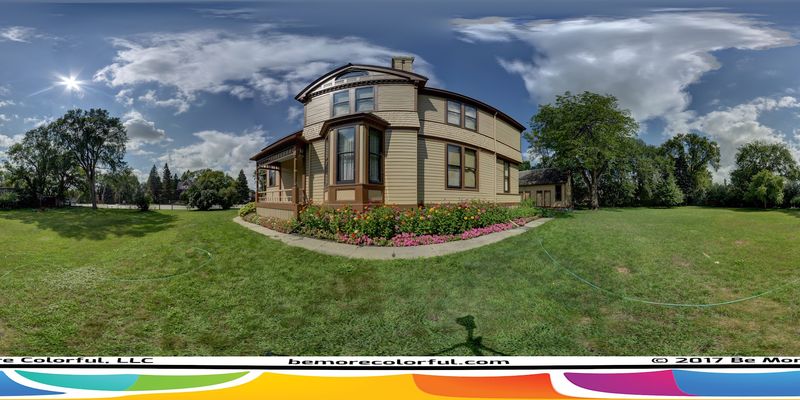
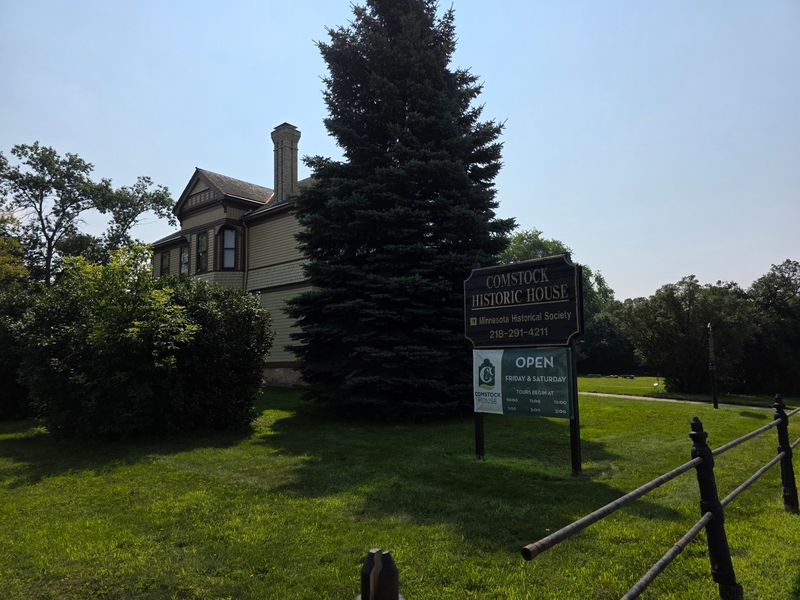
The property surrounding Comstock House is spacious by urban residential standards, with a large yard that gives the mansion room to breathe and be seen from multiple angles. The grounds are well maintained without being overly manicured, which suits the historic character of the place.
During summer events, the lawn becomes an active gathering space where visitors can move around freely and take in the exterior of the house from different vantage points. That outdoor space also gives families with children room to enjoy the visit without feeling confined to a single room at a time.
The grounds themselves are relatively simple in terms of landscaping, but the mature trees around the property add genuine visual weight and help frame the house in a way that feels appropriate to its age. The combination of open space and old trees gives the whole property a calm, unhurried quality that is easy to appreciate on a clear afternoon.
Why the Minnesota Historical Society Manages This Property
The Minnesota Historical Society took on stewardship of Comstock House to ensure that the property would be preserved and interpreted according to professional historical standards. That institutional backing matters more than it might initially seem.
Without that support, a house of this age and complexity would face significant challenges in maintaining its original materials, training knowledgeable guides, and programming meaningful public events. The Society brings resources and expertise that a private owner or small local organization would struggle to match consistently over the long term.
The result is a site that feels professionally managed without losing its personal character. The guides are trained to interpret the house accurately and engagingly, the physical materials are conserved properly, and the programming reflects genuine historical scholarship.
For visitors, that means the information you receive during a tour is reliable and well-researched rather than anecdotal. That distinction matters when you are trying to understand a real family’s real history.
What Makes This Visit Different From a Typical Museum
Walking through Comstock House feels fundamentally different from visiting a traditional museum. There are no glass cases, no roped-off dioramas, and no generic exhibit panels explaining what you are supposed to feel.
The house itself is the artifact, and you move through it as a guest rather than a spectator.
That distinction changes the emotional tone of the visit. You are not observing history from a distance.
You are standing in the rooms where it happened, looking at the same walls and windows the Comstock family looked at for decades. That proximity creates a kind of quiet intimacy that exhibit halls rarely manage to produce.
The house also benefits from its human scale. It is large enough to be impressive but not so vast that it becomes overwhelming.
Every room feels purposeful, and the tour moves at a pace that gives you time to actually absorb what you are seeing rather than rushing from one highlight to the next.
Planning Your Visit to Comstock House
Before heading to Comstock House, it is worth checking the current schedule through the Minnesota Historical Society website at mnhs.org/comstock. Tours are guided, which means visiting outside of tour times will limit what you can see, so planning ahead makes a real difference in the quality of your experience.
The house is not open every day of the week, and hours can vary by season, so confirming availability before you go is a practical step that saves frustration. Calling ahead is also a reasonable option if you have specific questions about accessibility or group visits.
The visit works well for a wide range of ages. Children who enjoy stories about real people tend to engage well with the tour format, and adults with any interest in architecture, history, or women’s education will find plenty to think about long after they leave.
Allow at least an hour to do the experience justice.
Ada Comstock’s National Legacy From a Small Minnesota Town
Ada Comstock’s story is the kind that deserves far more attention than it typically receives. Growing up in Moorhead in the late 1800s, she went on to become one of the most influential figures in American women’s higher education during the first half of the 20th century.
She served as the first full-time president of Radcliffe College from 1923 to 1943, leading the institution through a period of significant change and expansion. She was also the first woman to serve as dean of women at the University of Minnesota, which was itself a pioneering role at the time.
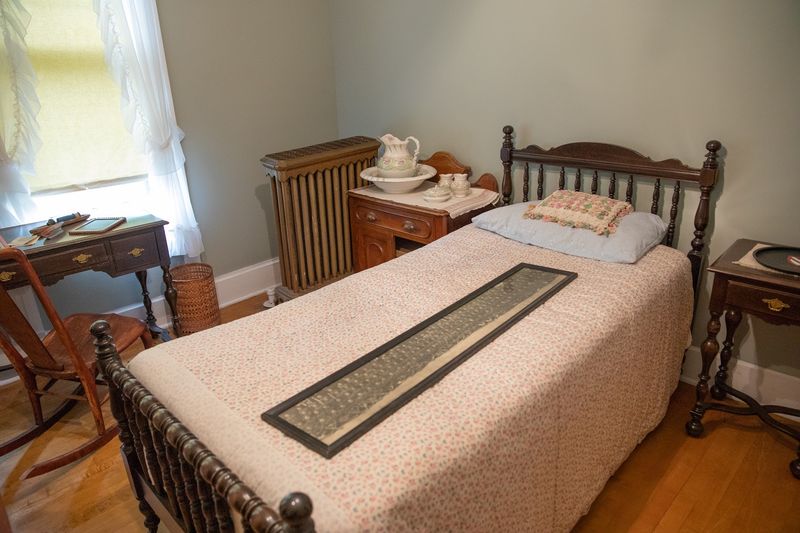
Standing in the bedroom where she grew up, surrounded by original family belongings, makes her achievements feel newly tangible. She was not a distant historical figure.
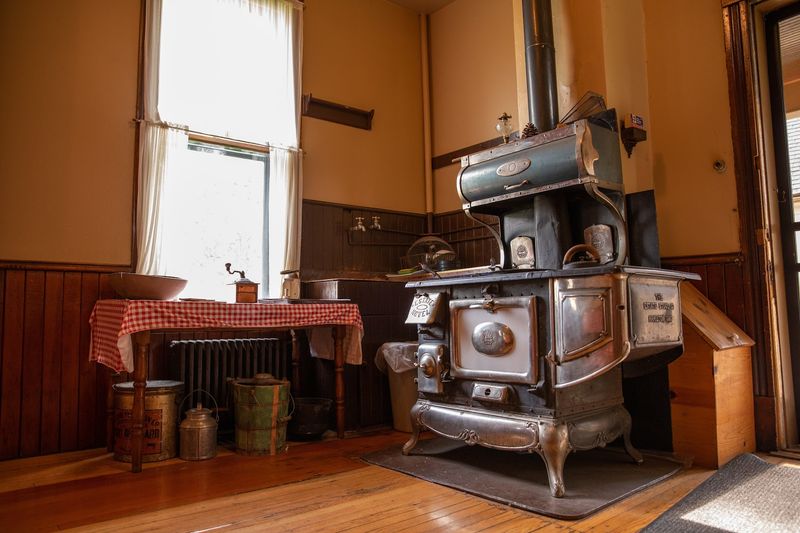
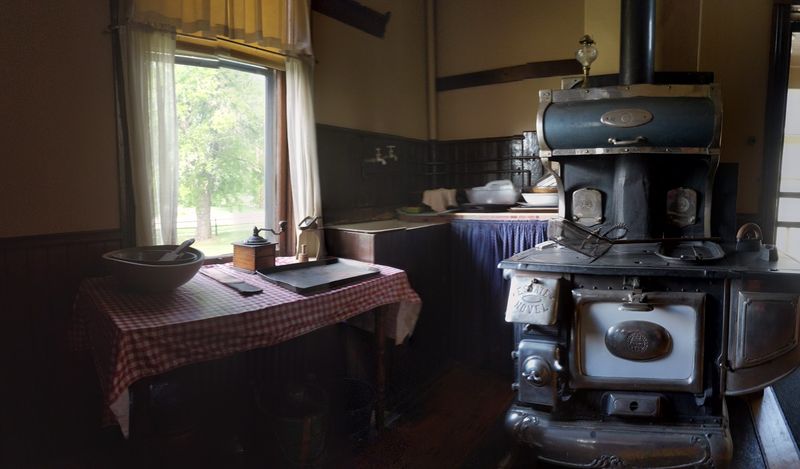
She was a real person who ate breakfast in that kitchen and read books in those rooms, and that connection is something no biography can fully replicate.
A Final Word on Why This House Matters
There are plenty of old buildings in Minnesota, but very few that combine this level of physical preservation with a family story this genuinely interesting. Comstock House earns its place on any serious list of Minnesota historical sites not because it is the grandest Victorian home in the state, but because it is one of the most honest.
The house does not try to be something it is not. The rooms are not dressed up for drama.
The history is presented clearly and with respect for the real people who lived it. That straightforward approach is refreshing in an era when many historic sites lean heavily on theatrical presentation over substance.
After visiting, the Moorhead area offers other worthwhile stops, including the nearby Plains Art Museum across the river in Fargo and the broader cultural offerings of the Fargo-Moorhead community. But Comstock House is the kind of place that tends to stay with you, quietly, long after you have driven home.
Share this story