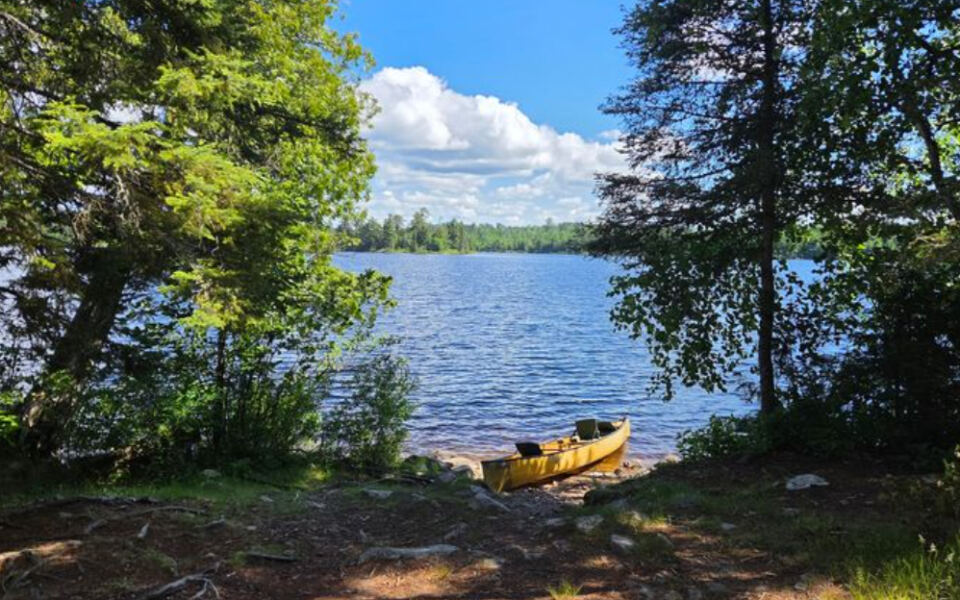
There is a place in northern Minnesota where you can paddle for days without seeing a single road, building, or cell tower. Over one million acres of interconnected lakes, rivers, and forest stretch along the Canadian border, offering more than 1,000 lakes and roughly 1,200 miles of canoe routes that few wilderness areas in the entire country can match.
The silence out here is real, broken only by loons calling across glassy water at dusk or wolves howling somewhere deep in the tree line. If you have ever wanted to truly unplug from the modern world, this is the place that makes it feel effortless.
What the Boundary Waters Actually Is
Most people hear the name and picture a single lake with a few canoes. The reality is far more staggering.
The Boundary Waters Canoe Area Wilderness, located in northeastern Minnesota within the Superior National Forest, is one of the most visited wilderness areas in the United States.
Spanning over one million acres along the U.S.-Canada border, it protects a landscape shaped by glaciers thousands of years ago. The result is a maze of more than 1,000 lakes and hundreds of miles of rivers all linked together.
Entry requires a permit, and motorized vehicles are largely prohibited throughout most of the area. That rule alone changes everything about the experience.
The BWCA is managed by the U.S. Forest Service, and its protections have kept it remarkably wild since its official designation decades ago.
The 1,200 Miles of Canoe Routes That Define the Experience
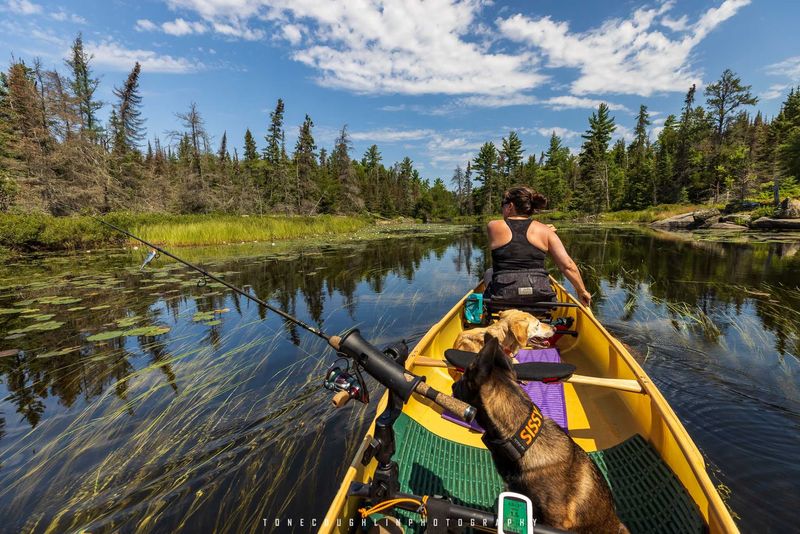
No other feature defines the BWCA quite like its canoe routes. Roughly 1,200 miles of mapped water routes wind through the wilderness, connecting lakes and rivers through a system that rewards both beginners and seasoned paddlers.
You can plan a two-day loop or an eight-day expedition covering 80 miles or more. The routes vary widely in difficulty, and some take you through wide-open lake crossings while others follow narrow, winding streams barely wider than your canoe.
What makes the route system so compelling is that each lake feels different. Some are shallow and warm, great for swimming.
Others are deep and cold, holding walleye and lake trout in their depths. Paddling from one to the next, you genuinely feel like you are moving through a living map rather than just checking off campsites.
Portaging: The Part Nobody Warns You About
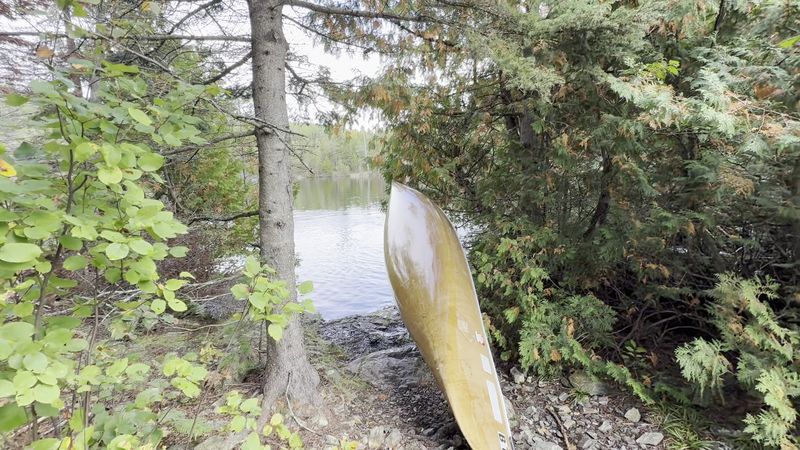
Portaging is the act of carrying your canoe and gear overland between lakes, and it is the one thing that surprises most first-time visitors. Some portages are short, just a few hundred feet across a rocky ridge.
Others stretch for a mile or more through dense boreal forest.
The effort is real. You are typically carrying a canoe over your head with a yoke across your shoulders while also hauling a pack loaded with camping gear and food.
It sounds brutal, and sometimes it is.
But here is what nobody tells you until you have done it: the moment you drop the canoe at the next lake and look out at a body of water that most people will never see, the effort disappears completely. Portaging is essentially the price of admission for reaching the most peaceful and remote corners of the BWCA.
Over 1,000 Lakes and Why That Number Matters
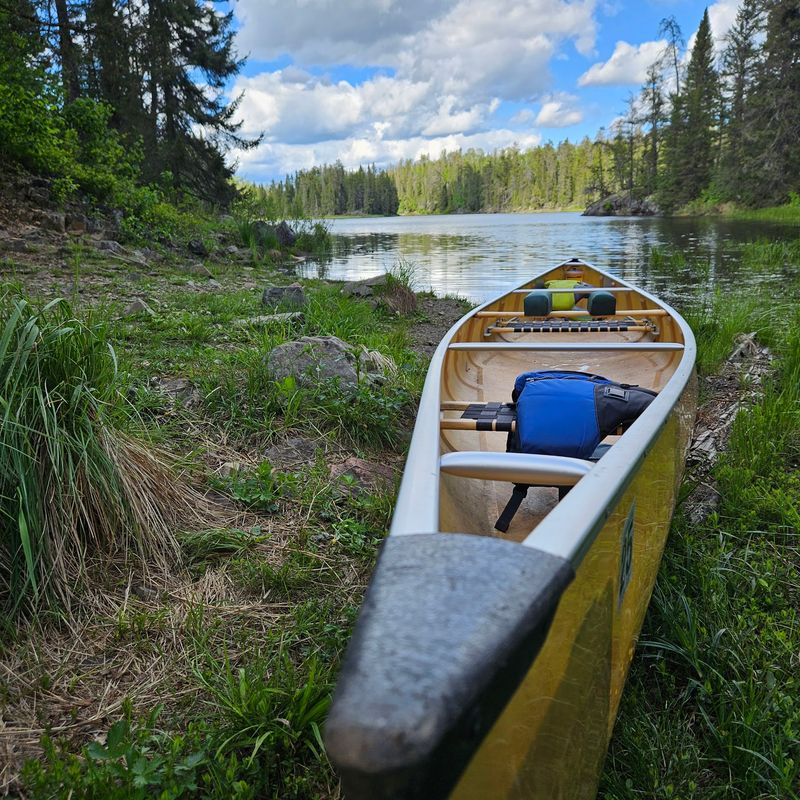
More than 1,000 lakes sounds like marketing language until you are actually out there and realize you have been paddling for three days without retracing a single stroke. Each lake in the BWCA has its own character, its own shoreline, its own mood depending on the light and the weather.
Some lakes are broad and windswept, requiring real attention when afternoon gusts kick up whitecaps. Others are tucked into forested bowls so sheltered that the surface stays mirror-flat even on breezy days.
The sheer number of lakes also means that the fishing never gets old. Walleye, northern pike, smallmouth bass, lake trout, and bluegill are all present depending on which lake you choose.
Anglers who know the area well keep detailed notes on which lakes fish best in which seasons, and they guard that information carefully.
Fishing in the BWCA: Why Anglers Keep Coming Back
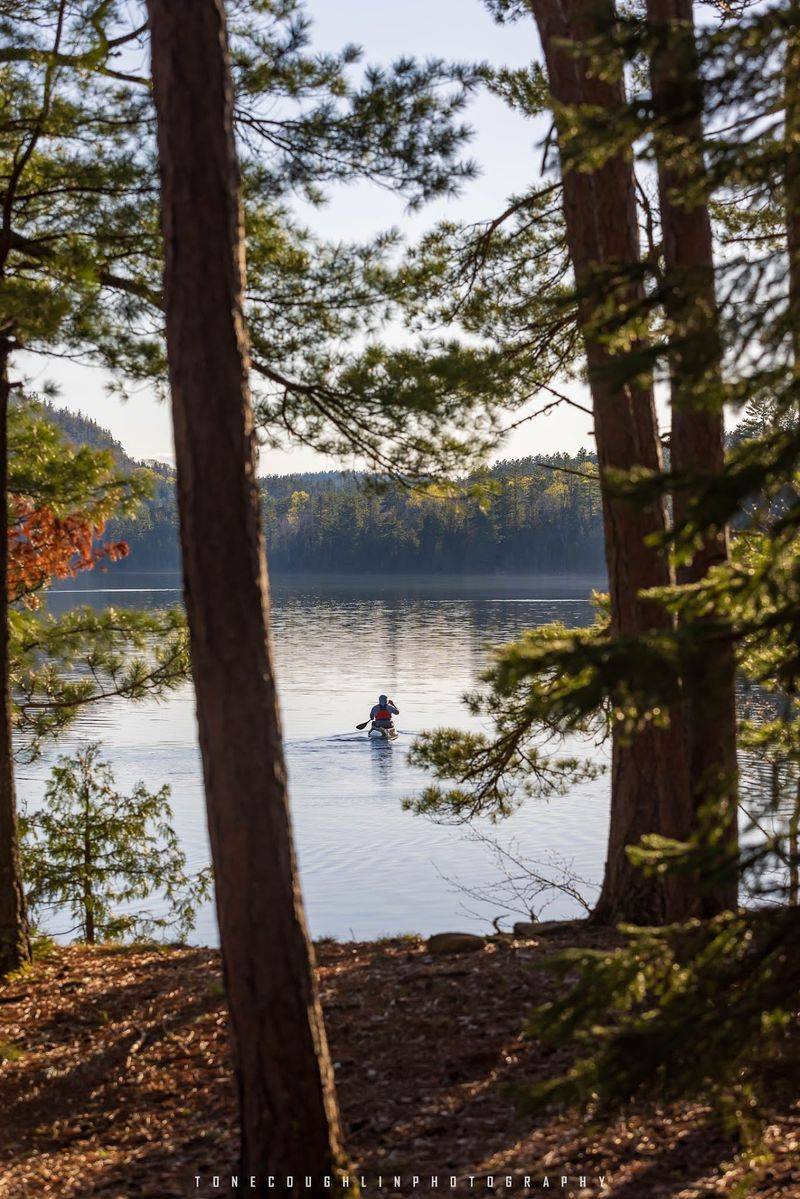
Fishing is one of the top reasons people return to the Boundary Waters year after year. The lakes here are cold, clear, and largely unpressured compared to lakes accessible by road, which means the fish populations are genuinely healthy.
Walleye are the most prized catch, and many visitors eat fresh walleye fried over a campfire during their trip. Northern pike are abundant in shallower, weedier lakes.
Lake trout lurk in the coldest and deepest water, requiring longer lines and more patience.
One visitor who entered at Brule Lake described catching plenty of fish and eating walleye that turned out to be the best fried fish of their life. That kind of experience is not unusual here.
The combination of clean water, minimal fishing pressure, and a campfire at the end of the day makes it feel less like sport and more like a ritual.
Wildlife You Might Encounter on the Water
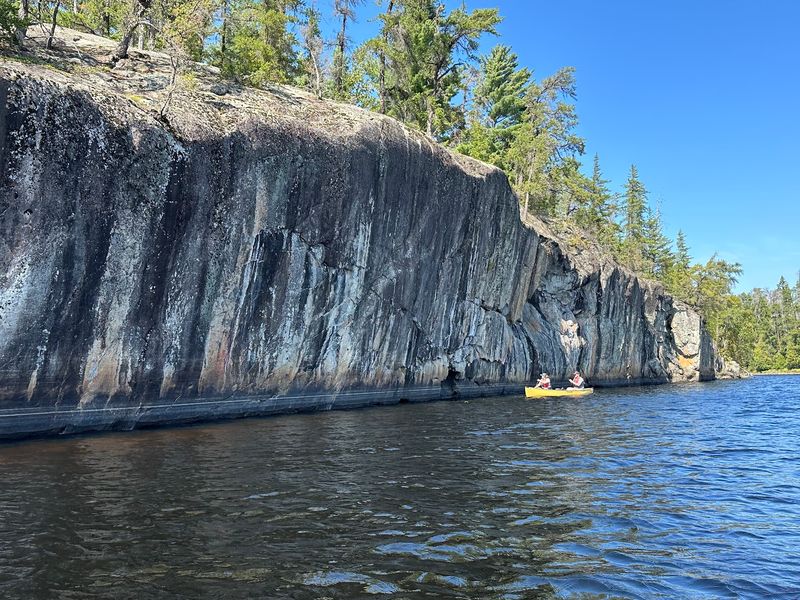
The BWCA is home to a genuinely impressive list of wildlife, and encounters happen more often than you might expect. Moose are spotted regularly, often wading in shallow bays early in the morning or at dusk.
Bald eagles are common overhead, and loons are practically everywhere.
The call of the common loon is the unofficial soundtrack of the Boundary Waters. That haunting, echoing wail carries across open water in a way that is impossible to forget once you have heard it.
Some visitors say the sound alone is worth the trip.
Wolves are present throughout the wilderness, though sightings are rare and considered genuinely lucky. Black bears also roam the area, which is why proper food storage is required at all campsites.
The wildlife here is wild in the truest sense, not habituated to humans or looking for handouts.
Camping in the BWCA: What the Campsites Are Actually Like
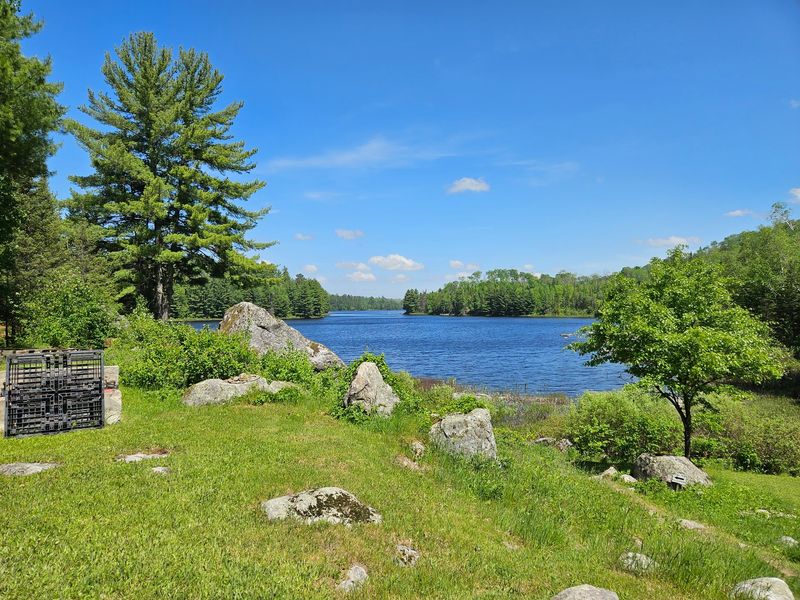
Campsites in the BWCA are designated and spread far enough apart that you rarely feel crowded. Each site typically includes a steel fire grate and a wilderness box latrine set back from the water.
Beyond those basics, you are working with whatever the land provides.
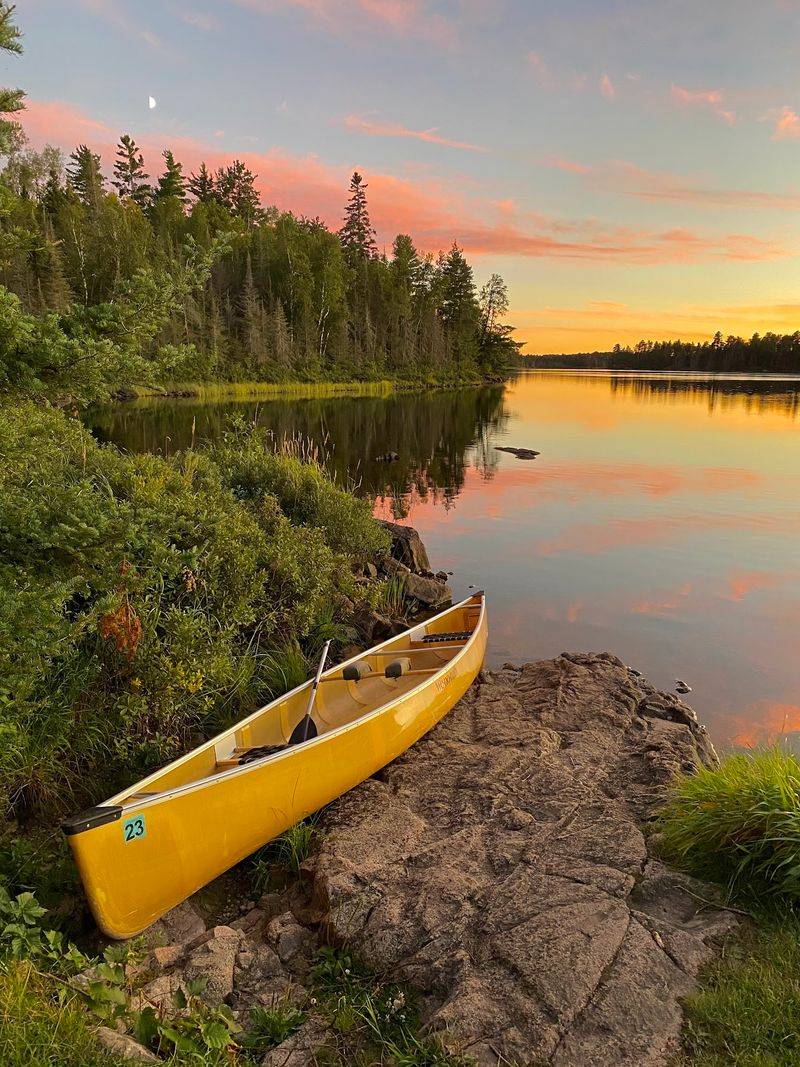
Most sites sit directly on the water, which means you can step out of your tent and be standing at the edge of a lake within a few seconds. Sunrises from a lakeside campsite in the BWCA are the kind that make you question why you ever sleep past dawn at home.
The sites vary from flat, sandy spots perfect for tents to rocky outcroppings perched above the water. Finding a great site sometimes requires paddling to a few before settling on one you love.
That search itself becomes part of the adventure rather than a frustration.
The Night Sky Above the Boundary Waters
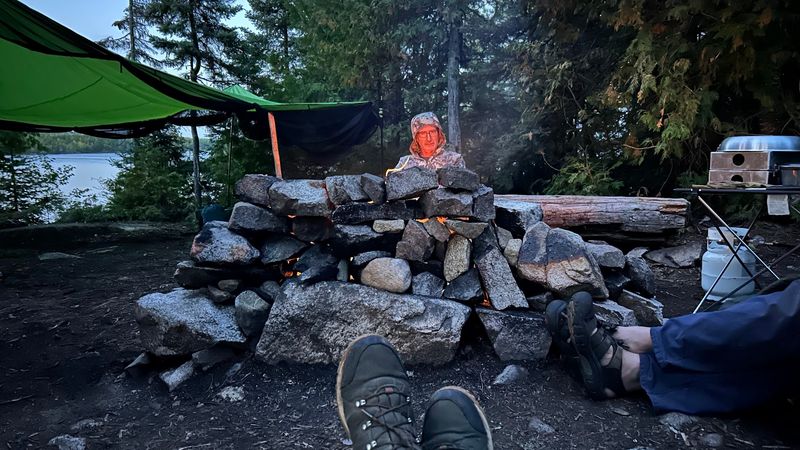
No artificial light reaches most of the BWCA at night. That fact alone transforms the night sky into something most people raised near cities have genuinely never seen.
The Milky Way appears as a thick band of light stretching from one horizon to the other.
Around midnight on a clear night, the number of visible stars is almost disorienting. You find yourself lying on a flat rock at the water’s edge, staring upward, losing track of time completely.
Shooting stars are common enough that you stop pointing them out after the first hour.
Northern lights are also possible, particularly in late summer and fall. Visitors have reported seeing full auroral displays from their campsites, with green and purple light rippling across the sky above the tree line.
Stargazing alone has become a reason some people plan their trips specifically around new moon weekends.
The Best Times of Year to Visit
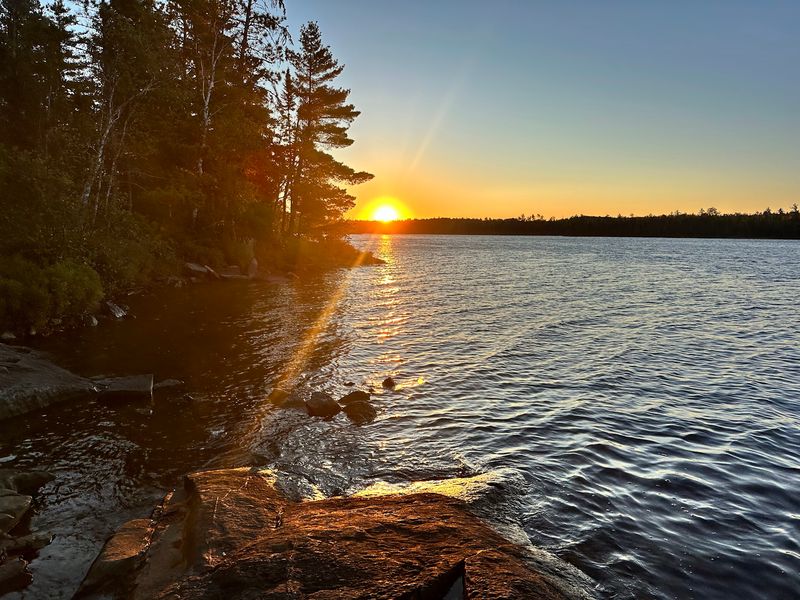
The BWCA is accessible roughly from mid-May through late October, though the experience changes dramatically depending on when you go. Late spring brings longer days and fewer crowds, but also more insects.
May and June can be genuinely buggy, so quality bug protection is not optional during those months.
July and August are peak season, with warmer water temperatures perfect for swimming and more predictable weather. September is widely considered the sweet spot.
The bugs are gone, the crowds thin considerably, and the hardwood trees begin turning brilliant shades of orange and gold against the evergreen backdrop.
Early September also offers some of the best fishing of the year as water temperatures drop and fish become more active near the surface. Fall colors reflected in still water create scenes that feel almost too beautiful to be real.
Many experienced visitors return specifically in September and refuse to go any other time.
Permits, Planning, and What You Need to Know Before You Go
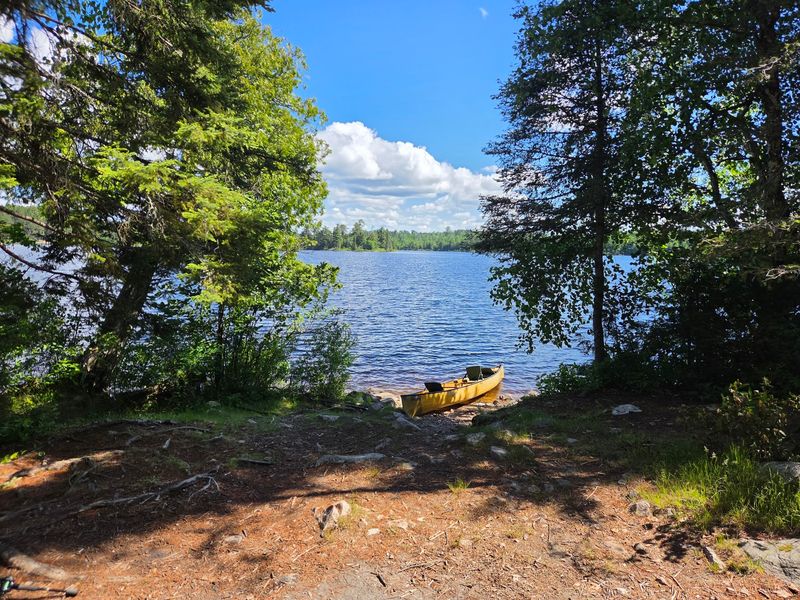
Getting into the BWCA requires a permit, and this is not a casual formality. Overnight permits are required for all camping trips, and quota entry points limit daily visitors to protect the wilderness from overuse.
Permits for popular entry points during peak season sell out months in advance.
The reservation system opens in the winter for the following summer season. Planning your trip early is genuinely necessary, not just recommended.
Day-use visitors do not need a permit, but overnight trips absolutely do.
You will also need to understand the rules before you arrive. Motorized watercraft are restricted or prohibited in most of the BWCA.
Cans and bottles are prohibited inside the wilderness boundary. Campfires are only allowed in established fire grates.
These rules exist to preserve the wilderness, and most visitors take them seriously once they experience firsthand how pristine the area remains.
Leave No Trace: The Culture That Keeps It Wild
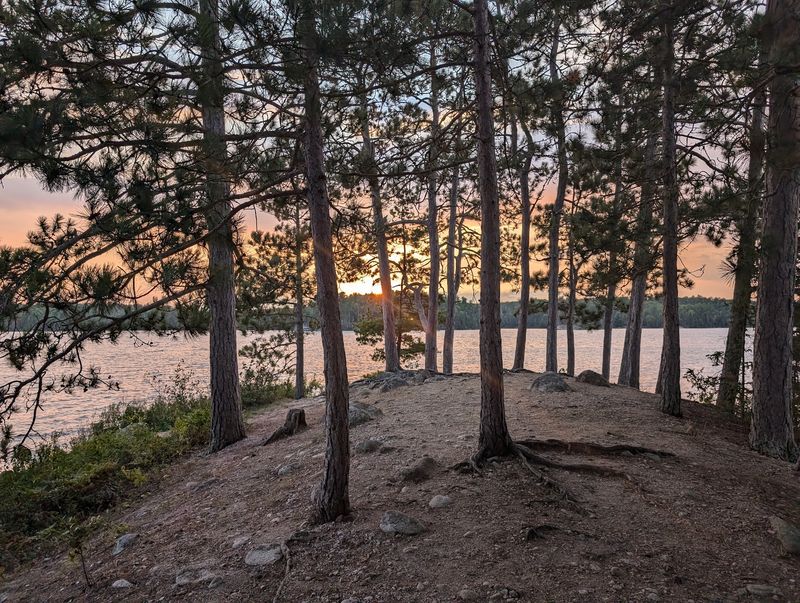
The Leave No Trace ethic is not just a suggestion in the BWCA. It is the shared value that holds the entire experience together.
Pack out everything you pack in. Bury human waste properly when no latrine is available.
Minimize campfire impact. Respect wildlife by keeping distance and never feeding animals.
Most visitors take this seriously, and it shows. The water in the BWCA remains remarkably clean and clear.
Shorelines that see hundreds of canoeists each season still look largely untouched. That is not an accident.
It is the direct result of a community of paddlers who genuinely care about leaving the wilderness better than they found it.
Occasionally, careless visitors do leave trash behind, and other paddlers often pack it out without being asked. That quiet, voluntary stewardship is part of what makes the BWCA culture feel different from most recreational areas.
Why People Return to the Boundary Waters Year After Year
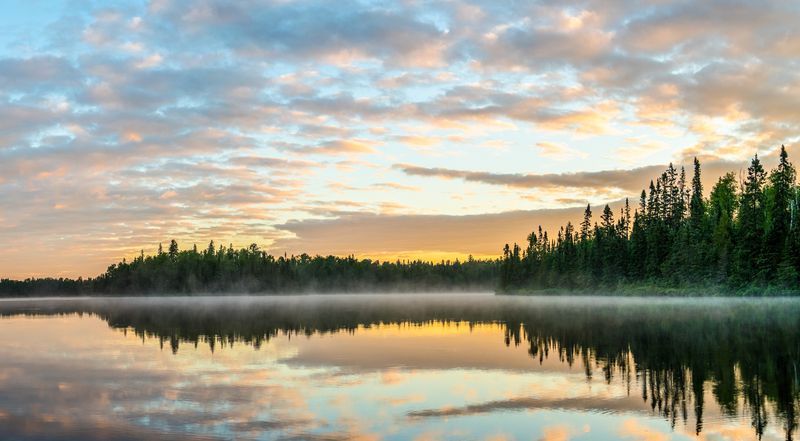
Ask anyone who has been to the BWCA more than once why they keep going back, and the answers are surprisingly consistent. It is not just the fishing or the paddling or even the scenery.
It is the specific feeling of being completely removed from the noise and pace of ordinary life.
Families have been making annual trips here for generations. Grandparents who first paddled these lakes as teenagers now bring their grandchildren to the same entry points, the same lakes, sometimes even the same campsites.
That kind of generational connection to a place is rare and speaks to something the BWCA does that few other places can replicate.
There are no restaurants, no lodges, no Wi-Fi signals pulling at your attention. Just water, sky, forest, and the rhythm of a paddle stroke.
For a lot of people, that turns out to be exactly enough.
Share this story