Just north of the Twin Cities, there is a place where trumpeter swans glide across open water, sandhill cranes wade through marshes, and white-tailed deer disappear into thick forest without a sound. Most people driving through Anoka County have no idea it is even there.
This sprawling public land covers roughly 25,000 acres of wetlands, prairies, and forests, making it one of the largest wildlife management areas in the entire state of Minnesota. Once you know it exists, it is almost impossible not to want to go.
What Carlos Avery Actually Is
Most people picture a small nature reserve when they hear “wildlife management area.” Carlos Avery State Wildlife Management Area, located at 5463 W Broadway Ave, Columbus, MN 55025, is something on a completely different scale.
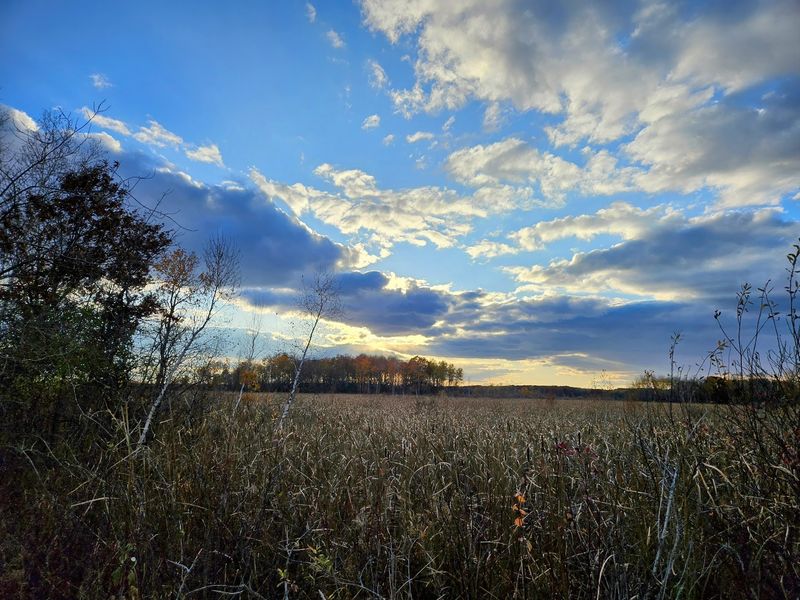
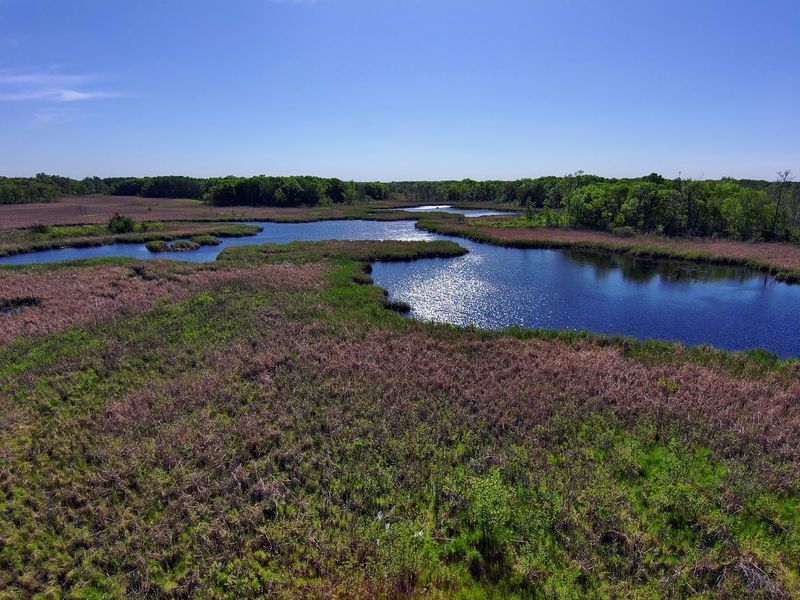
Managed by the Minnesota Department of Natural Resources, this public land covers approximately 25,000 acres of diverse habitat. That includes open wetlands, dense forests, and stretches of native prairie that roll quietly into one another.
The area is free to enter, open to the public daily from 5 AM to 10 PM, and sits close enough to the Twin Cities metro that you can be standing in the middle of genuine wilderness within an hour of leaving downtown Minneapolis. It functions as both a wildlife sanctuary and a multi-use public space, welcoming everyone from hunters and birders to hikers and photographers throughout the year.
The History Behind the Land
Carlos Avery did not happen by accident. The land was established as a wildlife management area by the state of Minnesota to restore and protect critical habitat that had been lost to agriculture and development over decades.
The area is named after Carlos Avery, a former commissioner of the Minnesota Game and Fish Commission who worked in the early twentieth century. His efforts helped shape wildlife conservation policy across the state during a formative period for public lands management.
Over time, the property grew through land acquisitions, eventually reaching its current size. The mix of habitat types you see today, including restored wetlands and managed forests, reflects decades of active conservation work.
Understanding that history makes every walk through the area feel a little more meaningful, knowing that what surrounds you was deliberately protected and carefully tended for future generations.
The Sheer Scale of the Place
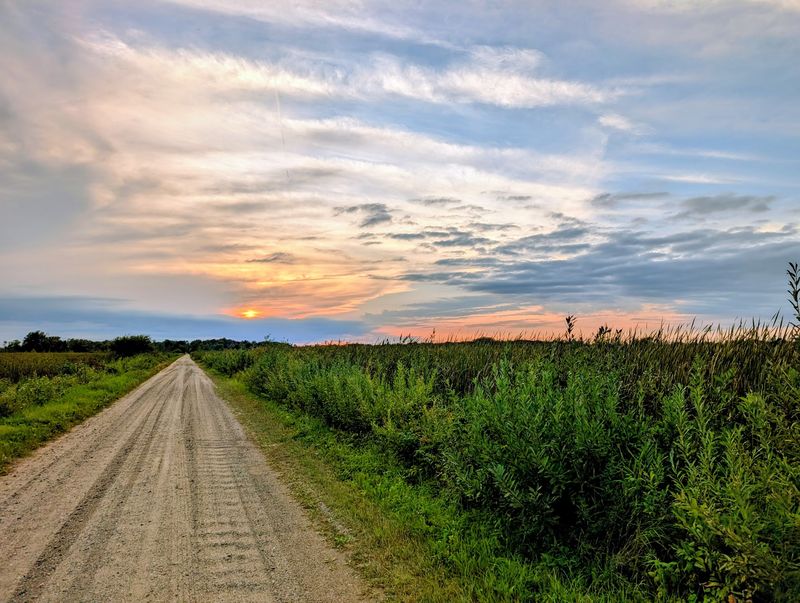
Twenty-five thousand acres is genuinely hard to wrap your head around until you start driving the gravel roads and realize you have been moving for twenty minutes without reaching the edge of the property.
The area is divided into separate units, and some roads that cut through the land stretch for miles between open marsh and thick tree cover. Visitors who show up expecting a quick loop trail are often surprised by just how vast the terrain actually is.
One reviewer put it plainly: on foot, the scale can feel daunting. Having a bike or a vehicle to explore the wider reaches of the property makes the experience far more manageable and rewarding.
The south unit is often closed to cars, which keeps that section quieter and more suitable for cyclists and walkers who prefer a car-free route through the landscape.
Birding That Serious Photographers Dream About
Wildlife photographers who know about this place tend to keep it close to their chest, like a favorite fishing spot they are not quite ready to share. The birding here is genuinely exceptional, particularly during migration season when waterfowl move through in large numbers.
Trumpeter swans are one of the most talked-about sightings. Sandhill cranes appear regularly, sometimes in groups large enough to stop you mid-step.
Great egrets migrate through in late summer, and visitors have spotted owls, yellow warblers, kingbirds, red-winged blackbirds, and a wide variety of waterfowl depending on the season.
One photographer described the area as a gold mine, noting that egrets arrive reliably from late June through August. The combination of open water, marsh edges, and wooded corridors creates the kind of layered habitat that draws an impressive variety of species throughout the year.
Hunting Across Thousands of Acres of Public Land
Public hunting land this close to a major metro area is rare, and Carlos Avery draws hunters from across the Twin Cities region because of it. The area supports hunting for deer, waterfowl, turkey, and other game species throughout the appropriate seasons.
The property includes a designated sanctuary of approximately 4,500 acres where deer are protected, which means hunting pressure in that zone is zero. Experienced hunters know to focus their efforts in the surrounding units where deer movement tends to be more active, particularly during the rut.
Duck hunting is popular in the wetland sections, though some visitors note that crowd levels during peak waterfowl season can be heavy. Turkey hunters report an interesting challenge: the hen-to-tom ratio seems to favor the birds, making a successful call harder than expected.
That challenge is part of what keeps hunters coming back to work the land more carefully.
Hiking and Walking the Trails
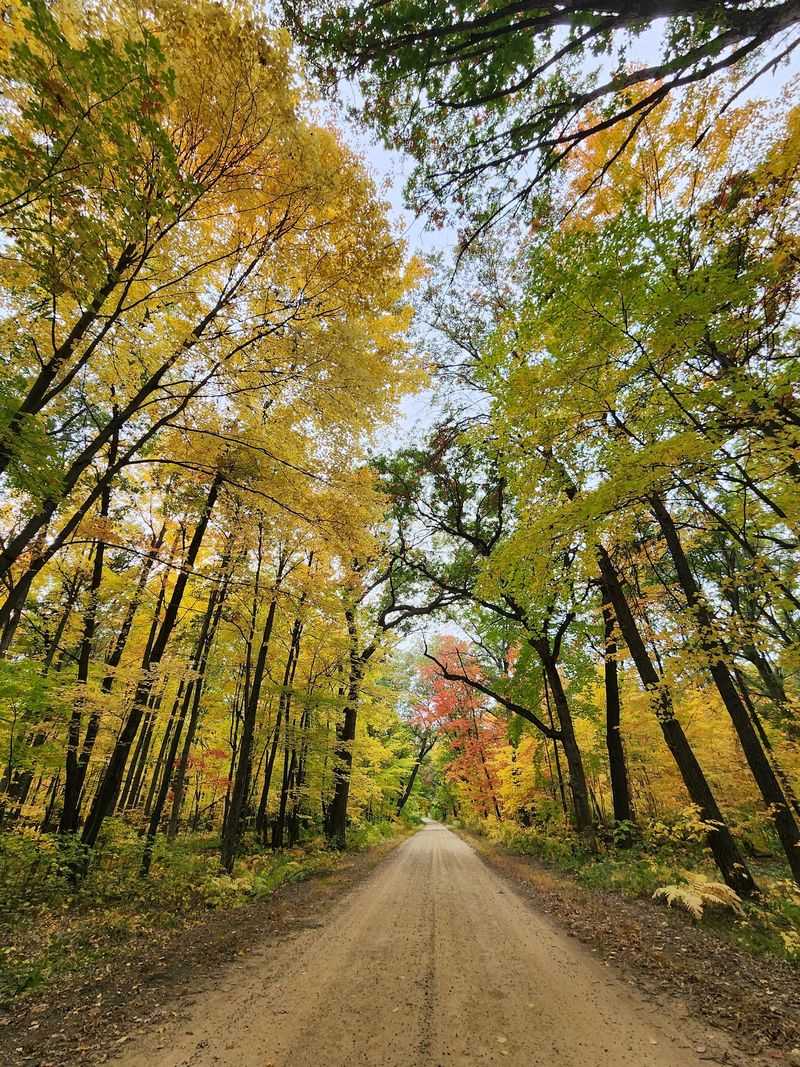
The trail system at Carlos Avery is not your typical groomed nature path. Much of the hiking happens on old unpaved roads that wind through the property, and the terrain shifts between sandy stretches, gravel sections, and muddy patches depending on recent weather and the season.
A full loop on the south unit measures roughly seven miles, which is a solid half-day commitment. The route passes through forest sections, open marsh edges, and areas where the landscape opens up wide enough to spot wildlife at a distance.
Binoculars are worth bringing along, especially near the wetland areas where birds tend to gather.
Dogs are welcome on leash, and the trails are generally quiet enough that you can go an entire morning without passing more than a handful of other visitors. That kind of solitude, this close to the metro, is genuinely hard to find anywhere else in the region.
Cycling the Quiet Gravel Roads
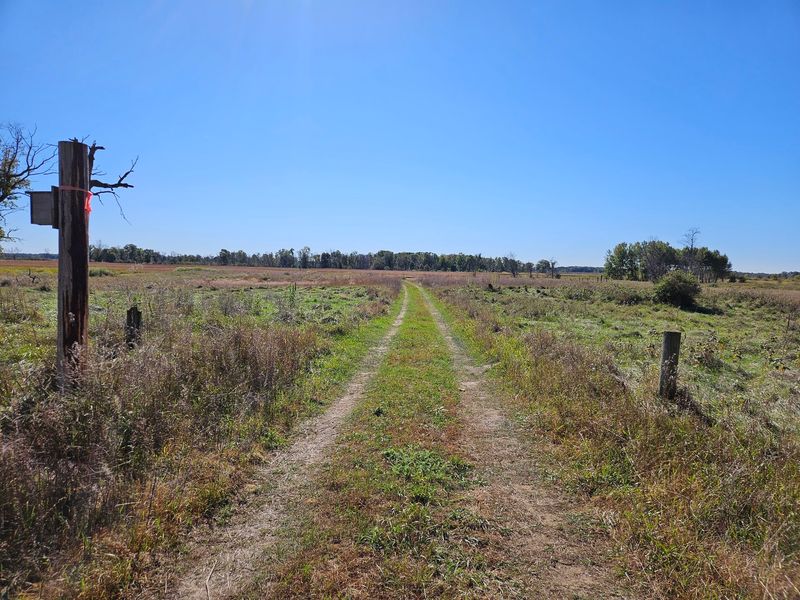
Cycling through Carlos Avery is a different experience than hiking it. The gravel roads are wide enough to ride comfortably, and the lack of heavy traffic means you can cruise slowly and actually pay attention to what is happening in the marsh beside you.
The south unit, which is closed to motor vehicles much of the time, is a particular favorite for cyclists. The road surface there runs a little softer than the main gravel routes, so a mountain bike or a gravel bike handles it better than a road bike with narrow tires.
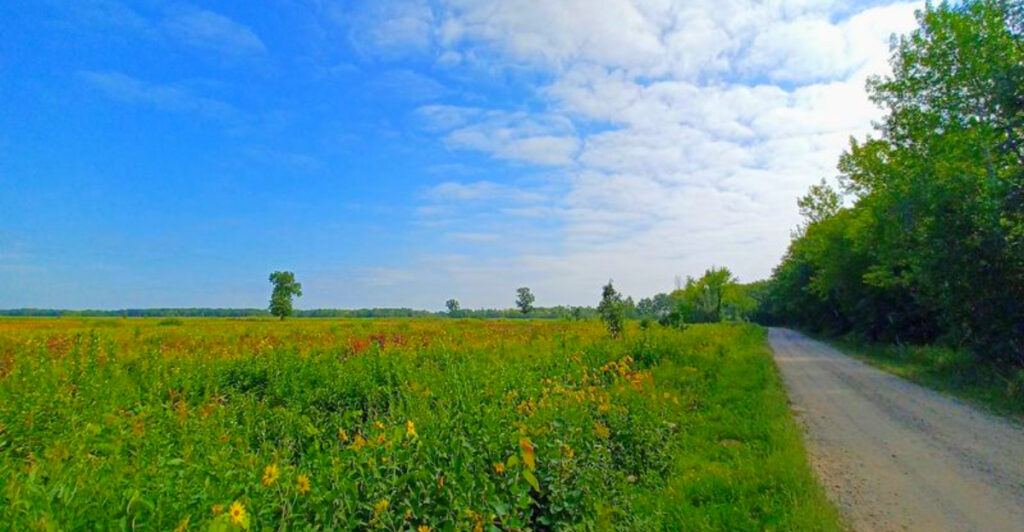
Late summer rides are especially memorable, when wildflowers line the road edges and the wetlands are buzzing with activity. One regular visitor described the cycling here as their favorite in all of Minnesota, citing the natural beauty and the near-total absence of disturbance.
That combination is genuinely rare this close to a major city.
Wildlife Beyond the Birds
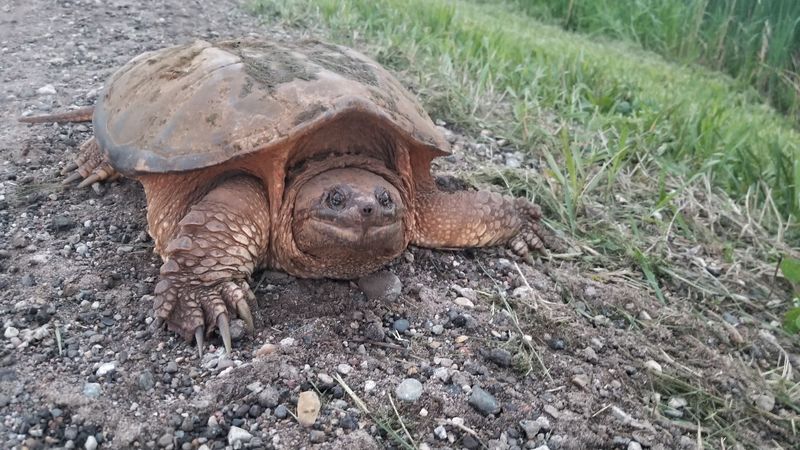
Birds get most of the attention at Carlos Avery, but the mammal watching is worth noting too. White-tailed deer are present throughout the property, and patient visitors who move quietly through the wooded sections often spot them near forest edges in the early morning or evening hours.
Wild turkeys roam the area in decent numbers, though they tend to be more cautious than in suburban settings where they have grown comfortable around people. Smaller mammals, including muskrats, beaver, and various waterfowl-adjacent species, are active in and around the wetland areas throughout the warmer months.
The diversity of habitat is the main reason so many different species find the area suitable. Wetlands, upland forest, and open prairie each support different communities of animals, and the borders between those habitat types are often where the most interesting wildlife activity happens.
Early morning visits consistently produce the best sightings.
Seasonal Changes That Transform the Landscape
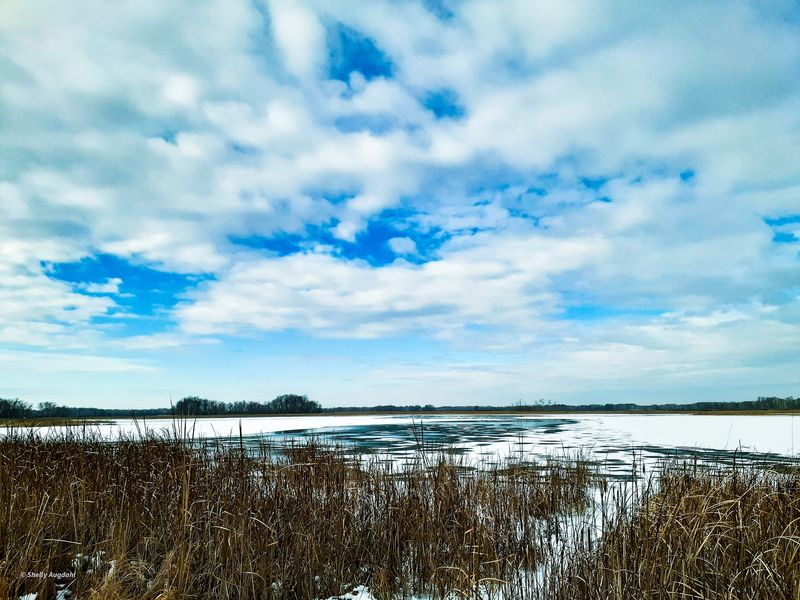
Every season at Carlos Avery brings a noticeably different version of the same landscape. Spring migration pushes enormous numbers of waterfowl through the wetlands, and the calls of returning birds can be heard long before you spot them.
The marsh edges begin greening up quickly once temperatures rise, and the whole place feels like it is waking up at once.
Summer is lush and green but comes with a serious caveat. Ticks and mosquitoes are abundant from roughly May through August, and visitors who go unprepared tend to regret it.
Bug spray, long sleeves, and a tick check afterward are not optional during those months.
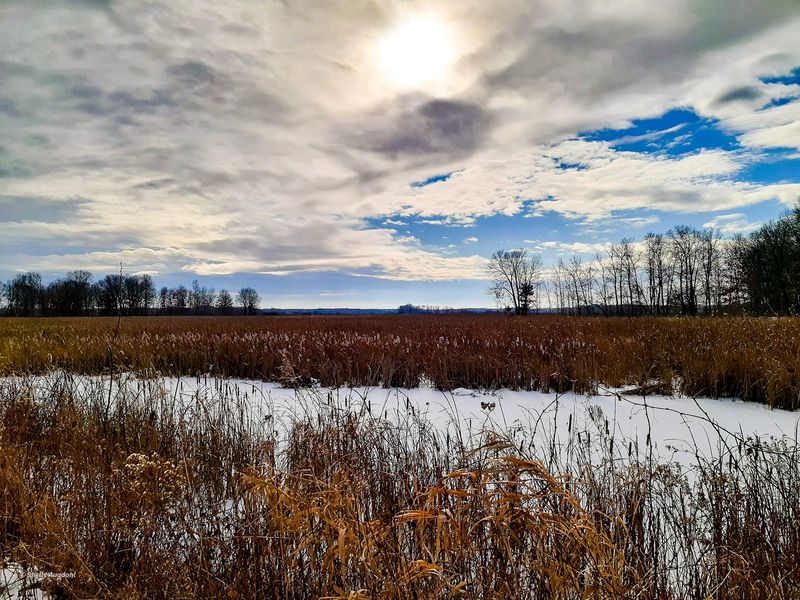
Fall brings spectacular color and much more comfortable conditions for walking and photography. Winter opens up a quieter chapter entirely, when snow covers the marsh grass and the area becomes a calm, flat landscape ideal for snowshoeing and cold-weather walks under wide open skies.
Photography Opportunities Around Every Bend
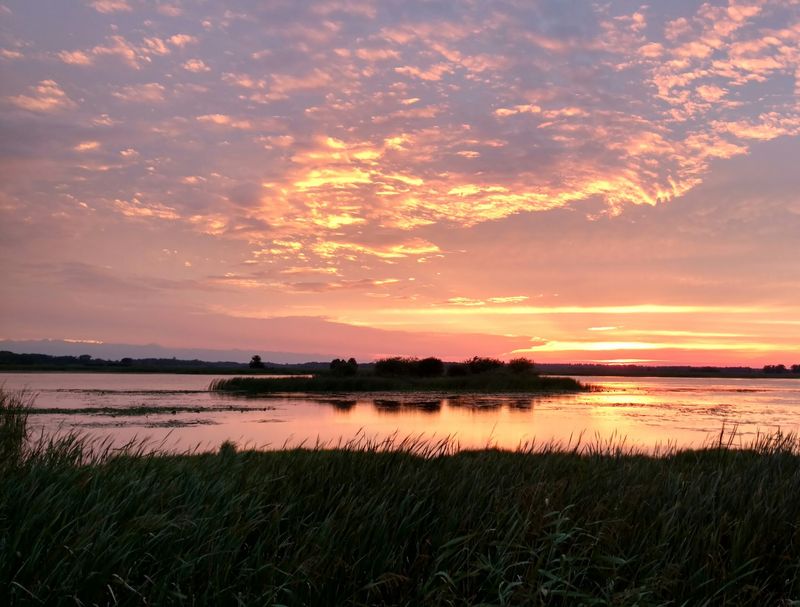
Wildlife photographers consistently rank Carlos Avery among the best shooting locations in the Twin Cities region, and the variety of subjects available throughout the year makes it easy to understand why. The open wetlands offer unobstructed sightlines that work well for long-lens photography, while the forest roads provide shaded corridors where light filters through in interesting ways.
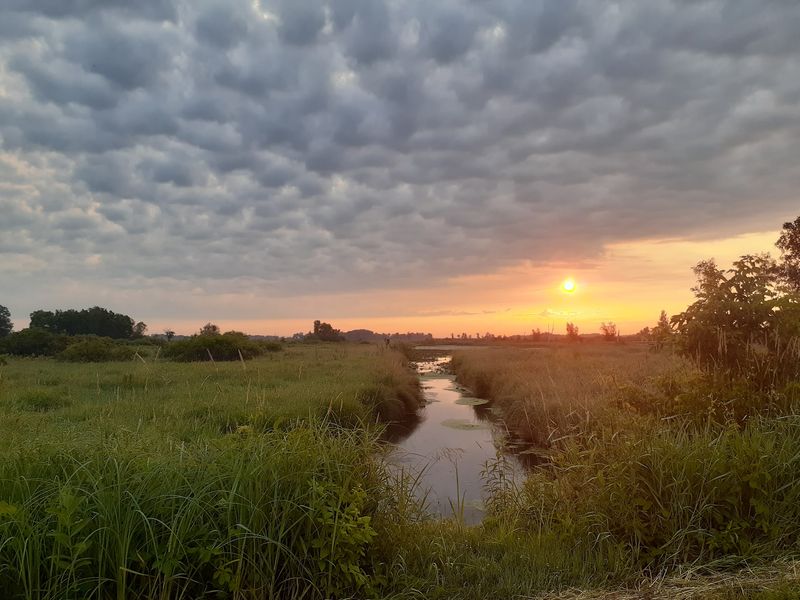
Sunrise visits are particularly productive. The low angle of morning light catches the surface of the water and illuminates birds in flight with a warmth that midday light simply cannot replicate.
Fog over the marsh on cool mornings adds an atmospheric quality that can make even a simple landscape shot feel dramatic.
Egrets, swans, cranes, and deer are all photogenic subjects that appear with enough regularity to make a dedicated photography trip worthwhile. Grabbing a map at the entrance and scouting different sections across multiple visits is the most reliable strategy for finding the best light and subjects.
The Wetlands That Define the Area
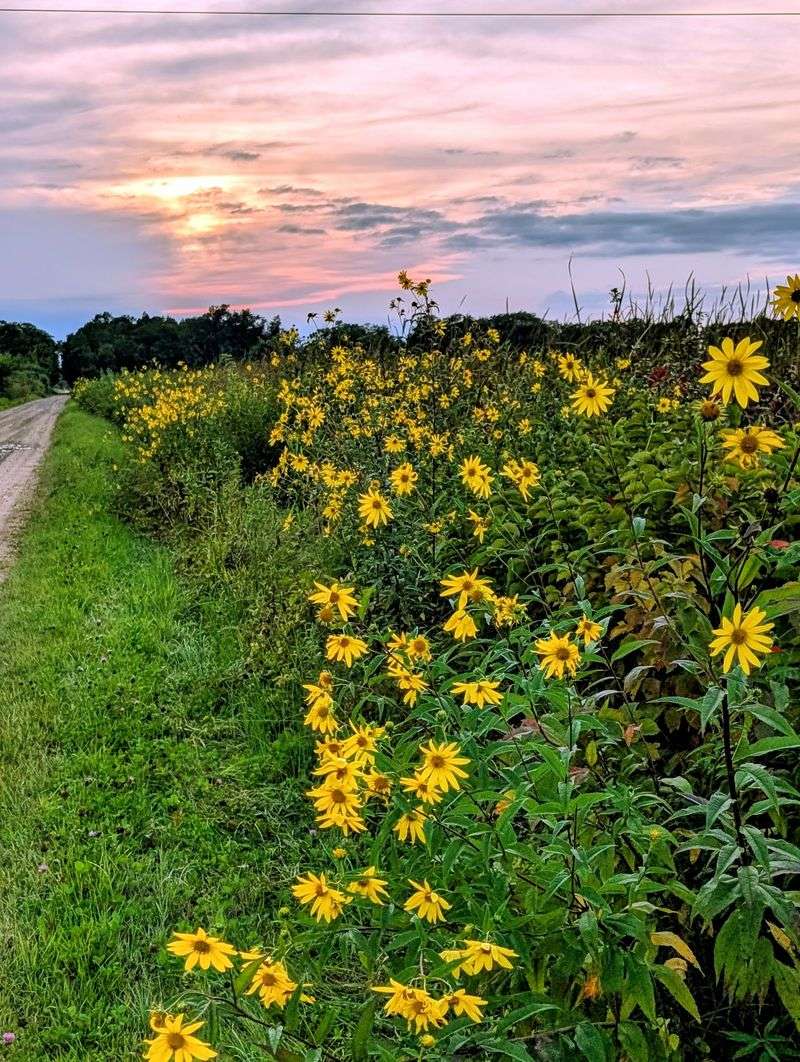
Wetlands are the heart of Carlos Avery, and they cover a significant portion of the total acreage. These are not decorative ponds.
They are functioning ecosystems that support breeding waterfowl, migrating shorebirds, amphibians, fish, and a long list of plant species that thrive in saturated soil.
The water levels in different sections of the marsh vary depending on management activities and seasonal rainfall. Some areas hold deep open water while others are shallow enough that wading birds can work the edges for food.
That variation is part of what makes the habitat so productive for wildlife.
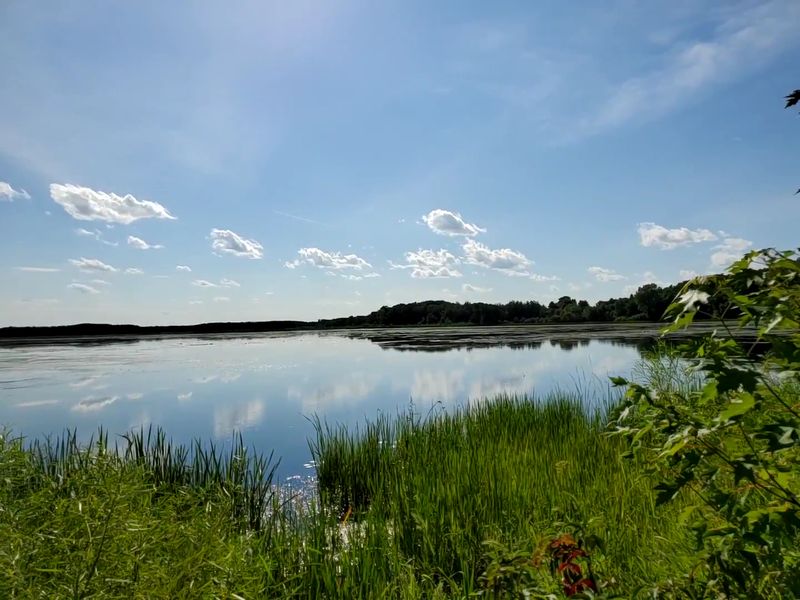
Standing at the edge of one of the larger open water sections on a still morning, with swans moving slowly across the surface and red-winged blackbirds calling from the cattails, is the kind of moment that makes the drive from the city feel like the easiest decision you made all week.
Practical Tips for Your First Visit
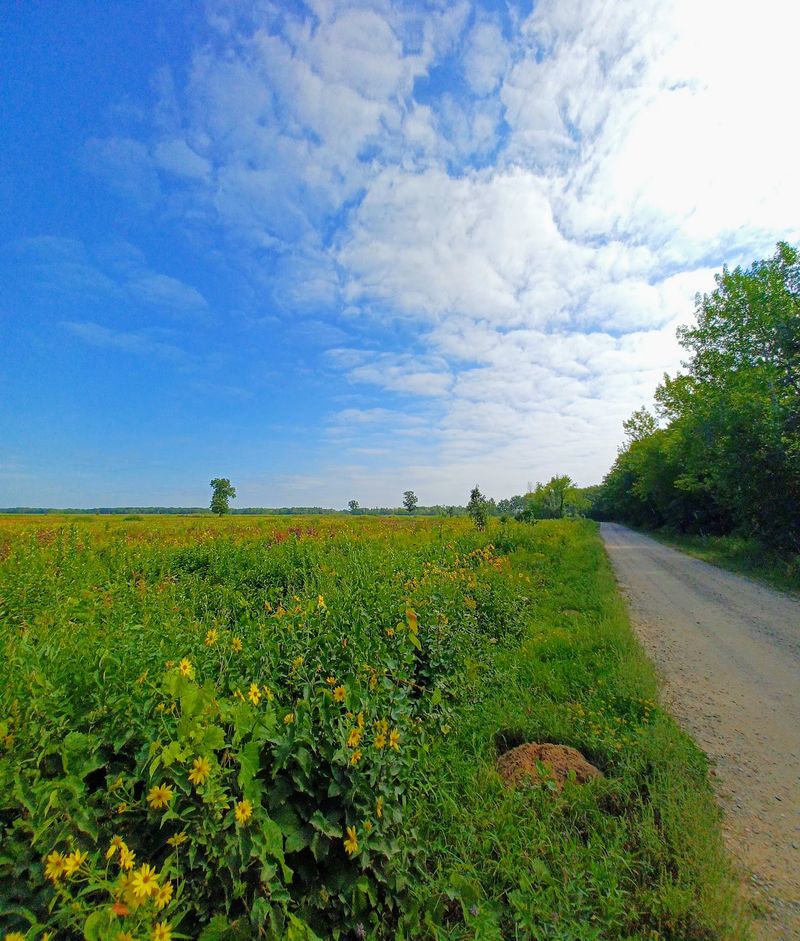
A few practical details will make your visit to Carlos Avery go more smoothly. Entry is free, and parking is available at multiple access points throughout the property, though the lots are small and fill up quickly during peak hunting seasons and popular weekend mornings.
There are no restrooms on site, which is worth knowing before you leave the house. Bringing water and snacks is a good idea, especially if you plan to hike the longer loops or spend several hours driving the gravel roads.
A paper map from the entrance kiosk is genuinely useful given how large and spread out the area is.
Cell service can be spotty in parts of the property, so downloading an offline map beforehand is smart. Bug protection is non-negotiable from late spring through midsummer.
Wear closed-toe shoes with good grip, as the trail surface changes frequently between sandy, gravelly, and muddy sections.
The Northern Lights Connection
One of the more unexpected things people mention about Carlos Avery is its value as a dark-sky viewing spot for northern lights during periods of high solar activity. The area sits far enough from the dense light pollution of the Twin Cities that the sky overhead is noticeably darker than what most metro residents ever see from their neighborhoods.
During strong geomagnetic events, visitors have reported catching the aurora borealis from the open marsh areas where the horizon is wide and unobstructed by trees or buildings. The combination of dark water reflecting the lights above and the quiet of the surrounding wetlands makes for a striking experience that most people do not associate with a place this close to a major metro area.
Checking aurora forecasts before a late evening visit during active solar periods is worth the effort. The area is open until 10 PM daily, which gives enough time for the sky to darken sufficiently in the right season.
Winter Visits Worth Braving the Cold For
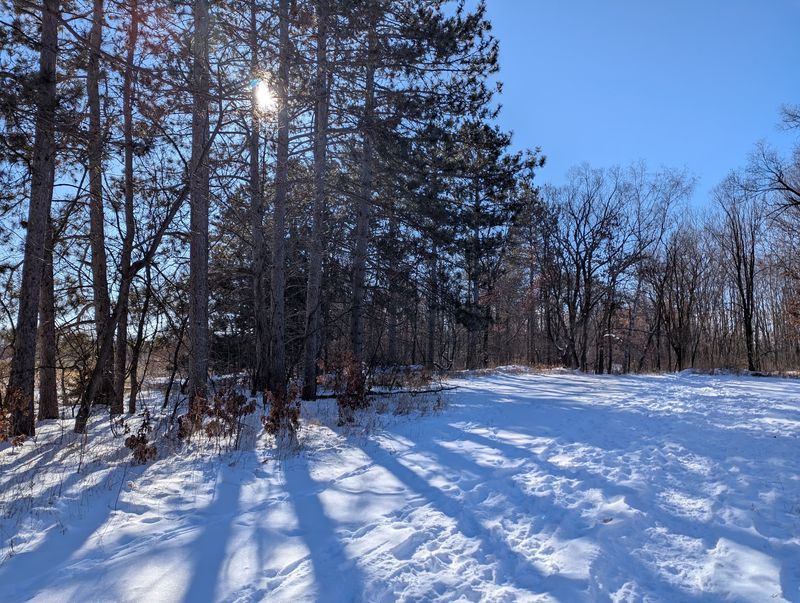
Cold-weather visits to Carlos Avery tend to be underrated, and the people who show up in January and February often have the entire place to themselves. The crowds that come with hunting season are gone, the bugs are not a factor, and the landscape takes on a completely different character under snow and ice.
The flat terrain makes the area well-suited for snowshoeing and winter walking. The gravel roads stay passable in dry cold conditions, and the bare trees open up sightlines that summer foliage completely blocks.
Spotting wildlife in winter is often easier for that reason, since there is less cover for animals to hide behind.
One visitor described heading out on a sub-zero day with bright sunshine and finding the walk genuinely beautiful and peaceful. That kind of quiet, where the only sounds are your footsteps and the occasional call of a bird overhead, is exactly what makes winter visits here feel restorative rather than punishing.
Why People Keep Coming Back
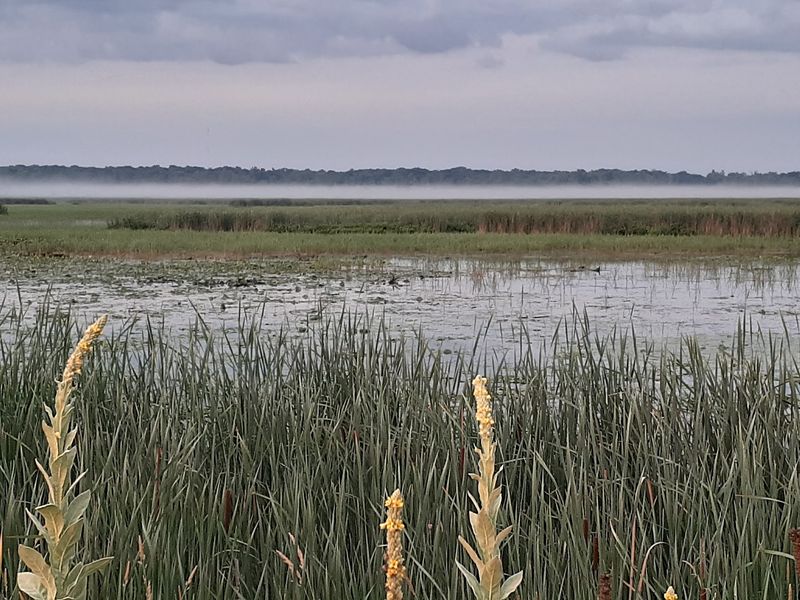
The visitors who return to Carlos Avery again and again tend to describe it the same way: it feels like a second home. That kind of attachment is unusual for a public wildlife area, but the scale and variety of the place make it different every single time you visit.
No two mornings on the marsh look the same. The light changes, the water levels shift, the birds move through in different combinations depending on the season, and the quiet roads offer a different perspective depending on whether you arrive in April or October.
That variability keeps the experience fresh in a way that a fixed nature trail simply cannot.
Free entry, easy access from the metro, and genuine wildness in every direction make Carlos Avery one of those rare public lands that rewards both the casual visitor and the deeply committed naturalist equally. There is always something worth seeing, and the place never quite feels fully explored.
Share this story