Most zoos charge you before you even see a single animal. Not this one.
Tucked inside a sprawling St. Paul park, a zoo and a breathtaking glass conservatory packed with tropical plants, polar bears, gorillas, and even a sea lion show welcome visitors without charging a dime at the door. Whether you have three hours or a full afternoon, Como Park Zoo and Conservatory delivers an experience that feels far bigger than its price tag suggests.
A Free Admission Policy That Actually Means It
Most places that advertise “free” have a catch buried somewhere in the fine print. Como Park Zoo and Conservatory keeps it genuinely simple: there is no required admission fee to enter the zoo or the conservatory.
A donation is suggested, with recommended amounts of around $8 for adults and $5 for children. But if your budget is tight, you can still walk through without paying a cent.
That is a rare and refreshing policy that sets this place apart from nearly every other zoo in the country.
A drop box at the entrance accepts cash donations. The generosity of regular visitors and donors is what keeps the animals cared for and the grounds beautifully maintained.
Parking is also free, which saves families even more money on an already affordable outing.
Where Exactly You Will Find This Place
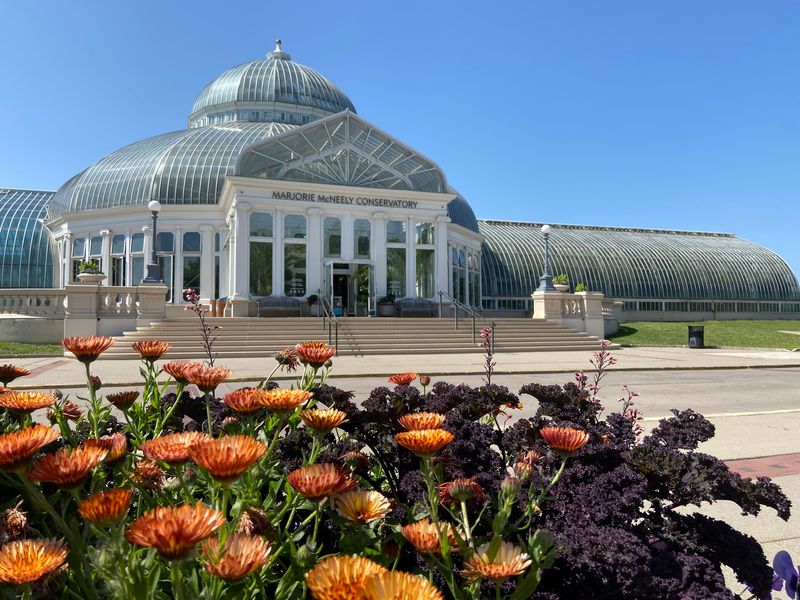
Como Park Zoo and Conservatory sits at 1225 Estabrook Drive, St. Paul, Minnesota, 55103, right inside the larger Como Regional Park. The location itself is part of the appeal.
The park surrounds the zoo with open green space, a lake, walking paths, and picnic areas. Families often pack their own lunches and find a shaded spot to eat between animal exhibits and conservatory visits.
It makes the whole trip feel more relaxed and less rushed than a typical zoo outing.
Getting there is straightforward, and once you arrive, the layout is easy to navigate. The zoo path is essentially a large loop that guides you naturally from one exhibit to the next.
First-time visitors rarely feel lost, and returning guests tend to develop their own favorite routes through the grounds.
The Glass Conservatory That Stops People Mid-Step
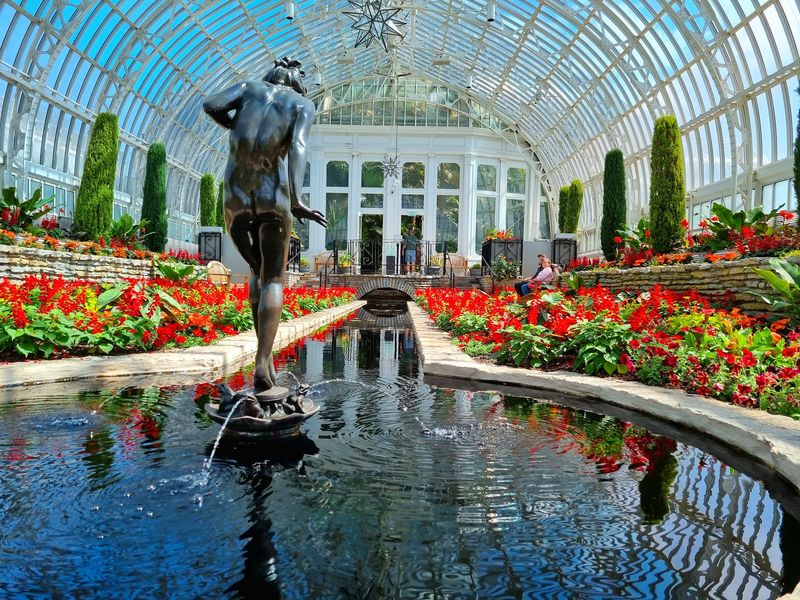
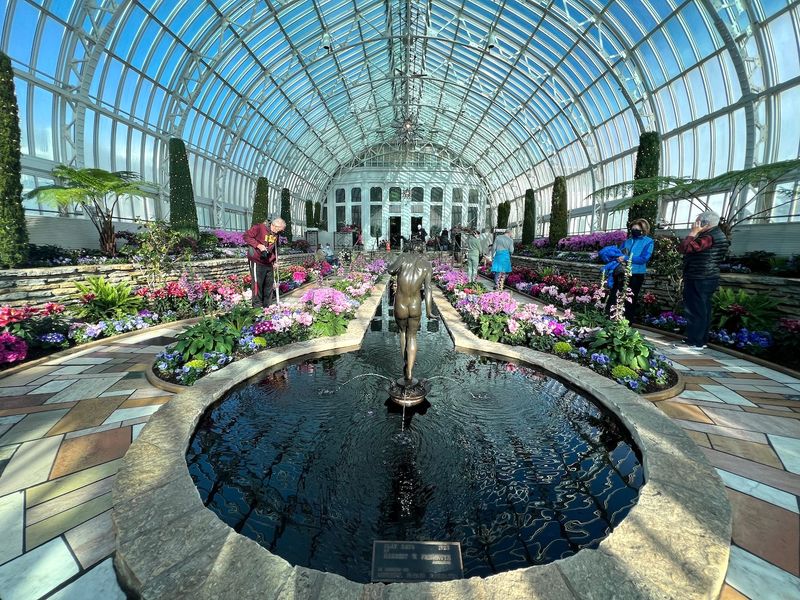
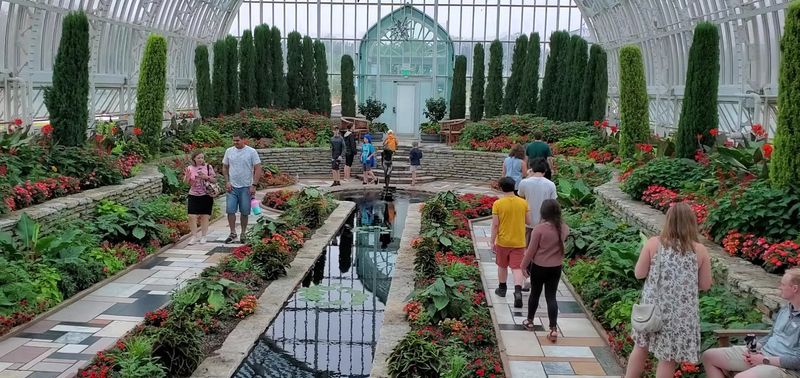
Few things prepare you for the moment you step inside the Como Park Conservatory. The air shifts immediately, turning warm and humid, carrying the faint scent of soil and blossoms.
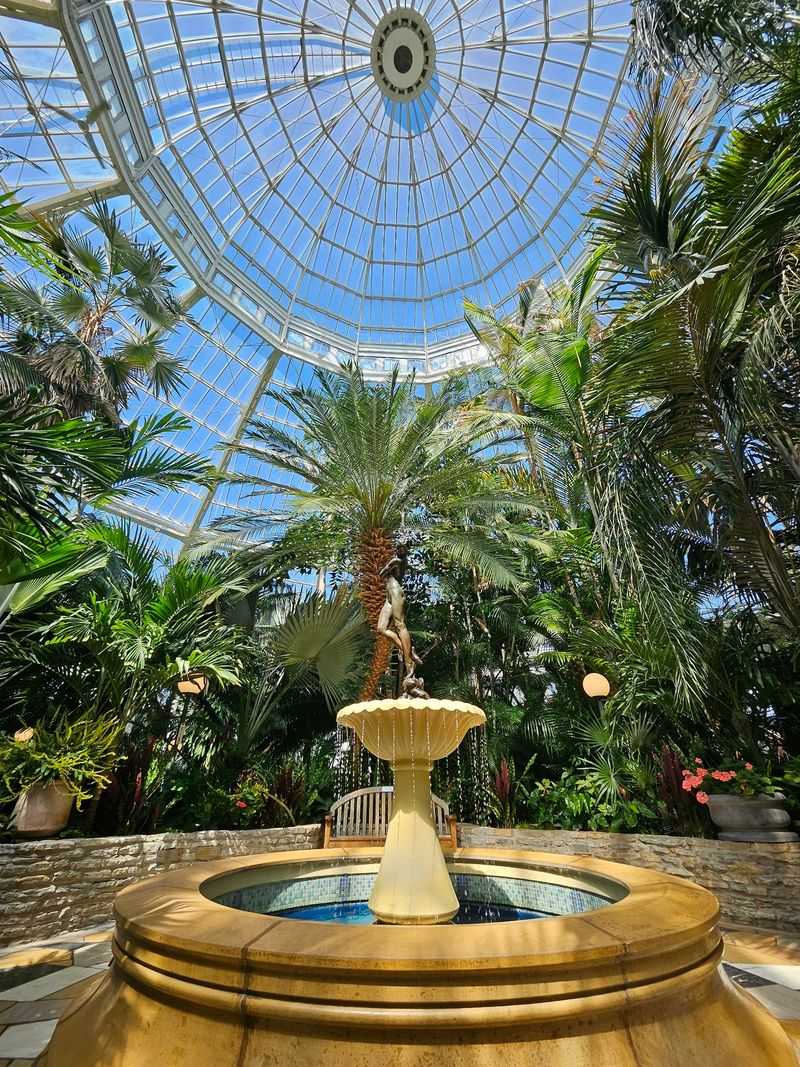
Towering tropical plants fill the space from floor to glass ceiling.
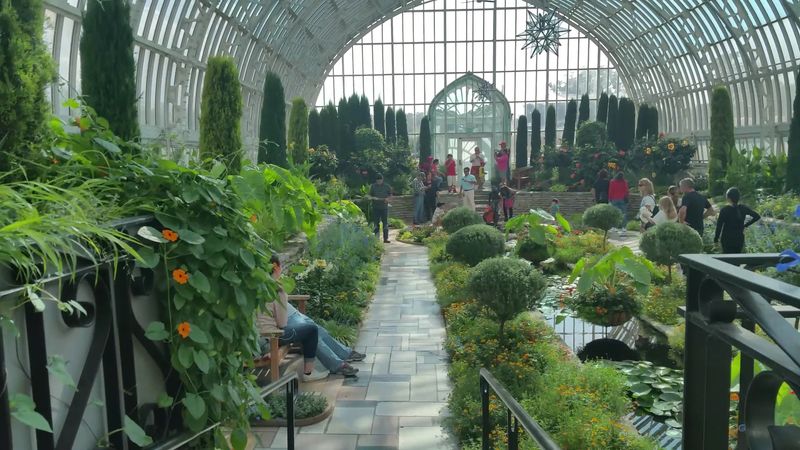
The conservatory houses an impressive variety of plant species collected from around the world. Seasonal floral displays rotate throughout the year, giving repeat visitors a fresh reason to come back each season.
The greenhouse is especially magical during Minnesota winters, when outside temperatures drop well below freezing and the conservatory feels like a warm tropical escape.
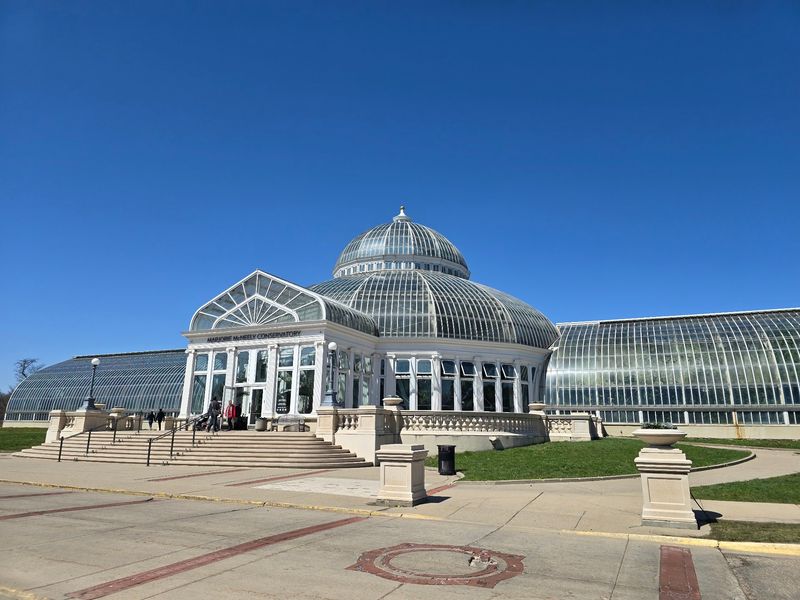
The structure itself is a classic glass-and-steel greenhouse design that feels grand without being overwhelming. Natural light filters through the panels and illuminates the greenery in a way that makes every corner feel photogenic.
Many visitors say the conservatory alone is worth the trip.
The Spice and Tropical Fruit Garden Worth Slowing Down For
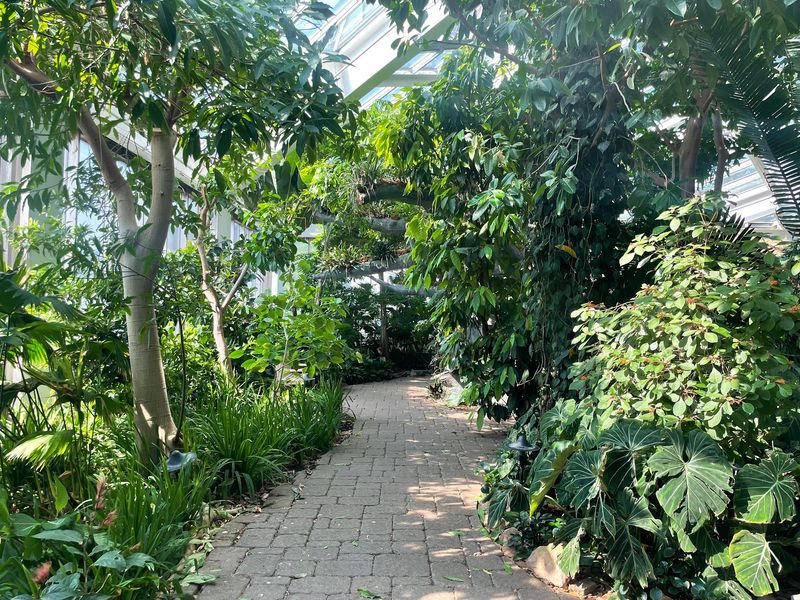
One section of the conservatory tends to earn the most surprised reactions from first-time visitors. The spice and tropical plant collection features living specimens of plants most people have only ever encountered as ingredients in their kitchen cabinets.
Turmeric, chocolate, ipecac, banana, star fruit, cocoa, and something called air potato are all growing right there, labeled and accessible. A horticulturist is sometimes on hand to answer questions and explain the origins and uses of each plant.
That kind of hands-on education is genuinely rare in a free public setting.
Kids who normally rush through botanical displays tend to slow down here because the connection between a living plant and a familiar food is surprisingly captivating. Adults do the same.
The spice garden turns what could feel like a passive stroll into something that actually sticks with you long after you leave.
Neil the Polar Bear and Why Visitors Keep Returning for Him
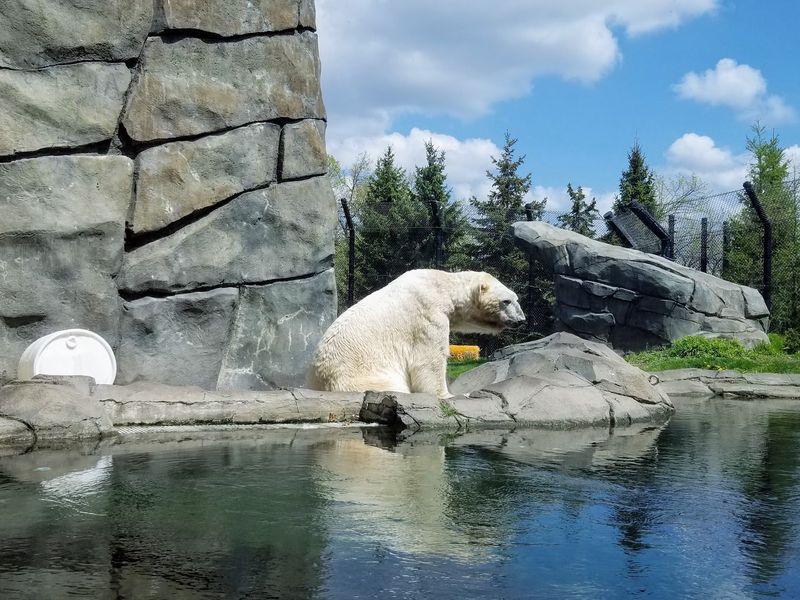
Polar bears have a way of commanding attention without trying. Como Zoo’s polar bear has become something of a local celebrity, drawing repeat visitors who time their trips around catching him in an active mood.
On a good day, he swims, paces, and plays with enrichment objects like a large blue barrel. The viewing area allows guests to watch him both above water and through underwater glass panels, which gives the experience an almost cinematic quality.
Seeing a polar bear glide underwater from just a few feet away is not something you easily forget.
He does not always cooperate with visitor schedules, which is part of his charm. Some guests have arrived specifically to see him and found him resting out of view, only to plan a return visit.
That unpredictability keeps the experience feeling authentic rather than staged.
Gorillas, Giraffes, Tigers, and the Animals You Did Not Expect
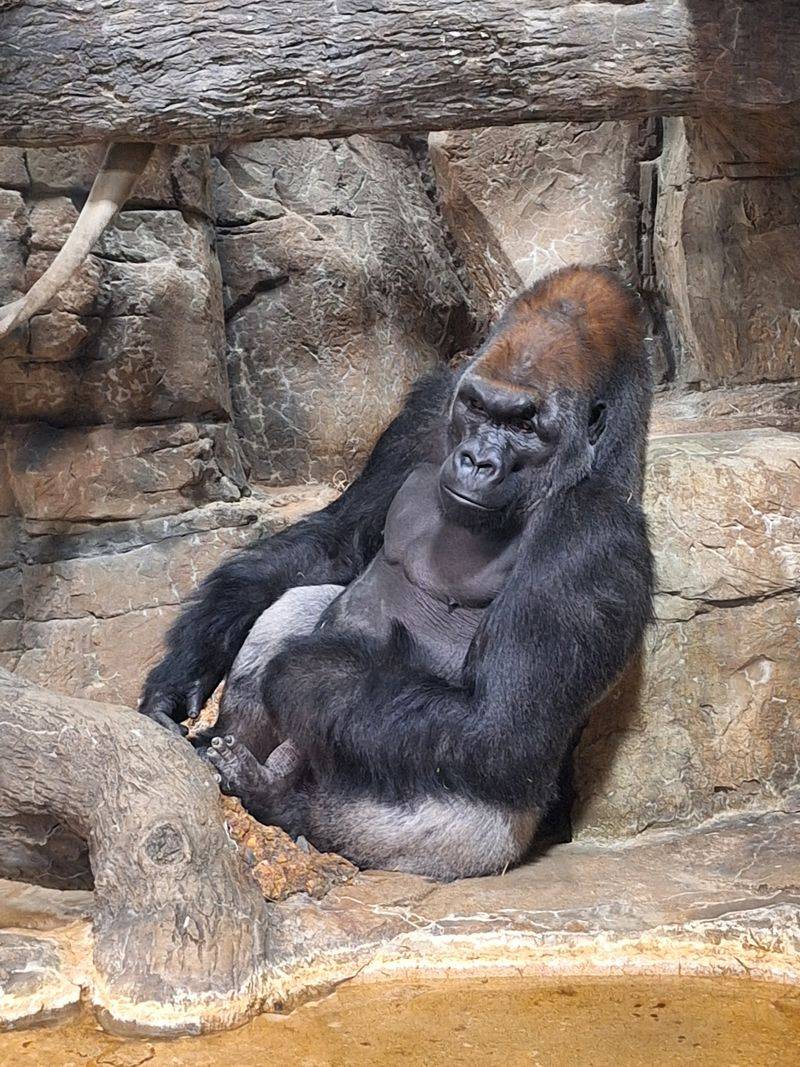
The animal collection at Como Zoo covers more ground than the park’s modest size suggests. Gorillas, giraffes, tigers, and zebras all have dedicated exhibits, and each habitat has been updated over the years to give the animals more natural and comfortable spaces.
The gorilla exhibit tends to generate the most awe. Watching a silverback move through his space from just a few feet away behind reinforced glass is a humbling experience.
Giraffes attract younger visitors who seem genuinely amazed by the animals’ height up close rather than in a photograph.
Tigers are typically visible from multiple vantage points along the path, and their enclosure allows for both indoor and outdoor viewing depending on the season. The variety of species means families with different interests all find something that holds their attention, which keeps the visit moving at a natural, unhurried pace.
The Japanese Garden and Bonsai Room Hidden Inside the Conservatory
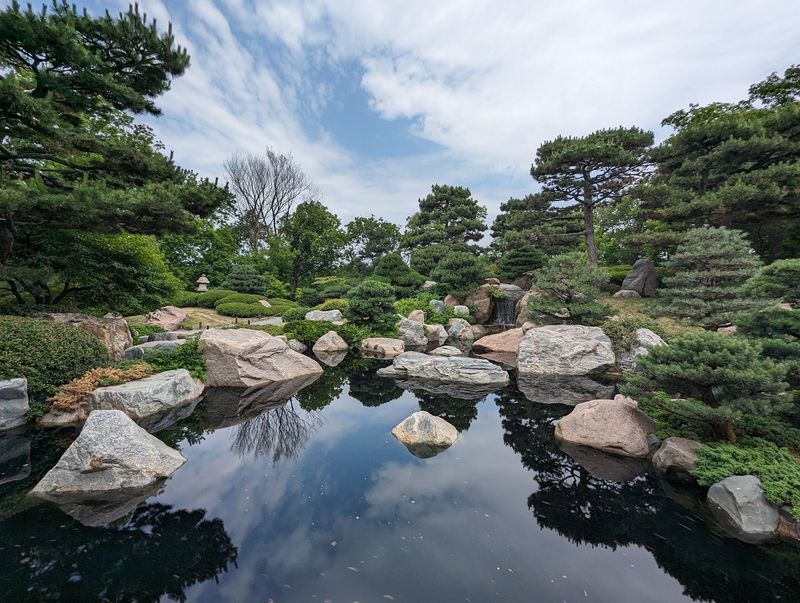
Tucked within the conservatory complex is a quieter, more contemplative space that many first-time visitors nearly walk past. The Japanese garden and bonsai room offer a completely different atmosphere from the lush tropical greenhouse sections.
The bonsai collection features miniature trees that represent years, sometimes decades, of careful cultivation. The artistry involved in shaping each one is immediately apparent even to visitors who know nothing about bonsai.
There is a meditative quality to the room that makes it a natural place to slow down and look closely.
The Japanese garden extends outdoors seasonally, with water features that run when temperatures allow. Visitors who have been coming to Como for years often mention the Japanese garden as one of the details they look forward to most.
It is the kind of space that rewards patience and attention rather than a quick glance on the way to the next exhibit.
Cafesjian’s Carousel and the Small Amusement Park Next Door
Right next to the zoo sits a small amusement park called Comotown, and at its heart is one of the most beloved carousels in the Twin Cities. Cafesjian’s Carousel is a beautifully restored antique wooden carousel that has been delighting visitors for generations.
The carousel operates seasonally and does carry a small separate fee for rides. But even without riding it, watching the hand-carved horses spin under the ornate canopy is its own kind of pleasure.
The craftsmanship on each horse is detailed and genuinely impressive up close.
Comotown adds an extra layer of activity for families with younger children who may need a break from walking the zoo loop. The combination of a free zoo, a free conservatory, and a nearby amusement park with a historic carousel makes this corner of St. Paul feel like a full day’s worth of entertainment without requiring a large budget.
Visiting in Winter and Why the Cold Season Has Its Own Appeal
Most people assume zoos are a warm-weather activity. Como Zoo and Conservatory challenges that assumption in the best possible way.
A winter visit here has its own distinct character that regular warm-season visitors sometimes miss entirely.
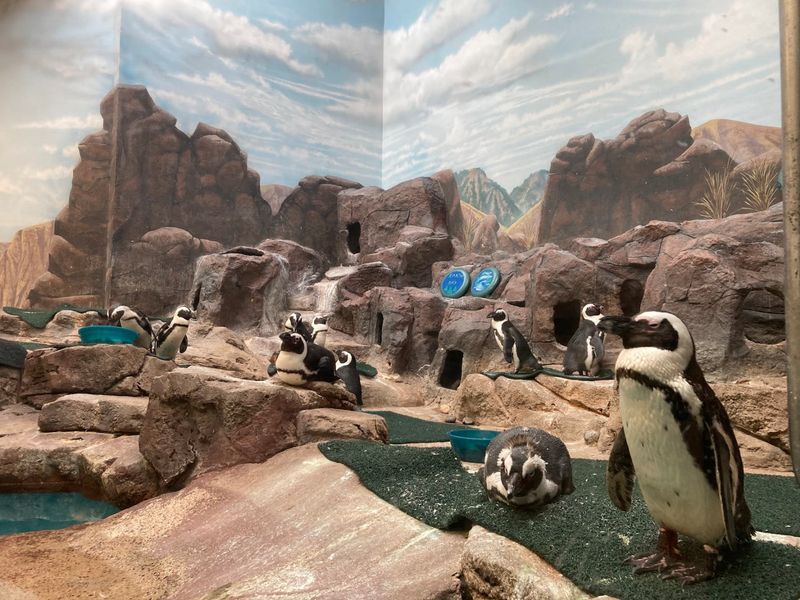
Many of the animals move into their indoor habitats during colder months, which actually brings visitors closer to them. The viewing distances shrink, and the animals are often more active inside their heated enclosures.
The conservatory becomes especially popular in winter because walking from freezing outdoor air into a warm, humid, plant-filled greenhouse feels almost theatrical.
Weekday winter visits tend to be noticeably quieter than summer weekends. Fewer crowds mean more time at each exhibit without jostling for position.
For anyone who has only visited during peak summer months, a February or March trip offers a genuinely different and surprisingly enjoyable version of the same place.
The Zoo Layout and How Long You Actually Need to See Everything
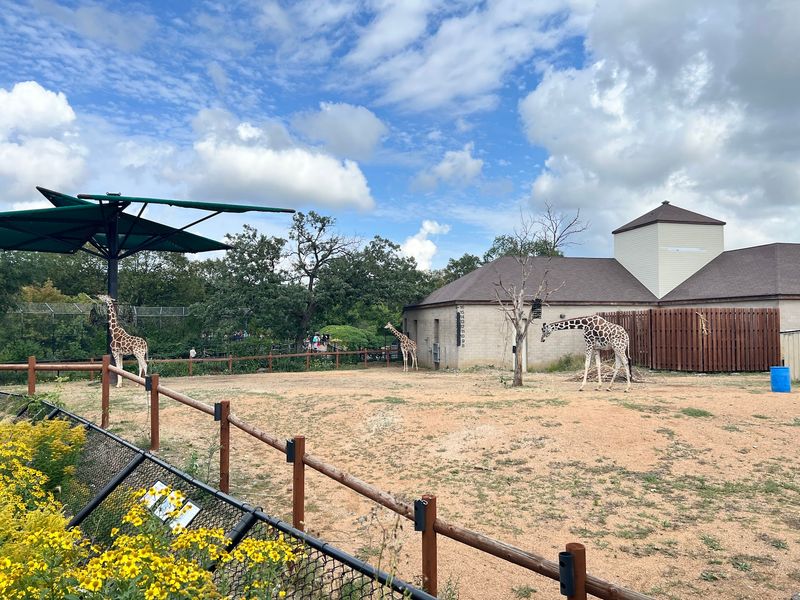
First-time visitors sometimes underestimate how much ground Como Zoo covers. The layout follows a large circular path that connects all the major animal exhibits in a logical sequence, making it nearly impossible to accidentally miss something significant.
Plan for at least two to three hours if you want to see the zoo, the conservatory, and catch a sea lion show. Families who pack their own lunches and take breaks tend to stretch the visit to half a day without feeling rushed.
Comfortable walking shoes matter more than most people expect, since the full loop covers meaningful distance.
Parking is free and located close to the entrance, which removes the logistical friction that often drains energy at other large attractions. The layout rewards a relaxed pace rather than a hurried march from exhibit to exhibit.
Moving slowly is actually the best strategy here.
The Botanical Gardens and Outdoor Grounds in Spring and Summer
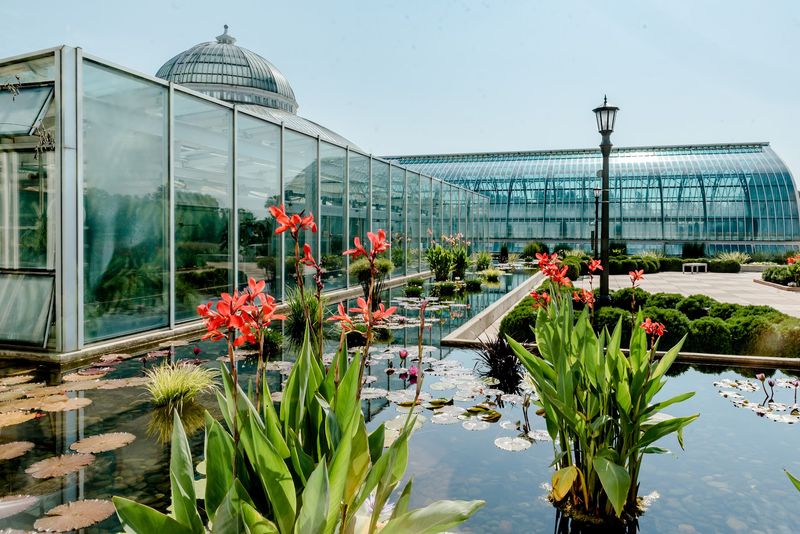
When temperatures climb and the outdoor sections of Como open fully, the grounds take on a completely different energy. The botanical gardens surrounding the conservatory burst with color during spring and early summer, drawing visitors who come specifically for the flowers rather than the animals.
The outdoor Japanese garden features water elements that activate seasonally, adding sound and movement to an already peaceful space. Pond areas around the broader park fill with wildlife, and the walking paths through the grounds connect the zoo experience to the natural beauty of the surrounding parkland.
Spring visits in May offer a particularly rewarding combination of blooming gardens, active animals transitioning to outdoor habitats, and manageable crowd levels before the peak summer rush arrives. The grounds are well maintained throughout the growing season, and the care put into the landscaping is visible in every section of the property.
What to Bring and How to Make the Most of Your Visit
A few practical details can make the difference between a good visit and a great one. Bringing your own snacks and drinks is strongly recommended.
Food options on site are available but limited in variety, and the vending machines have been known to run out of popular items on busy days.
Cash donations are accepted at the entrance drop box, but a cashless payment option has not always been available for donations, so carrying a small amount of cash is worth considering if you plan to contribute. The suggested amounts are $8 for adults and $5 for children, though any amount is appreciated.
Weekday mornings offer the most relaxed experience, with smaller crowds and more active animals. Weekend afternoons are busier, particularly in summer when Comotown next door also draws families.
Arriving close to the 10 AM opening time on any day gives you the quietest and most rewarding start.
Why Locals Keep Coming Back Season After Season
There is a specific kind of place that earns loyalty not through spectacle but through consistency. Como Zoo and Conservatory has been that place for generations of St. Paul families who return not because they have forgotten what is there, but because it genuinely rewards repeat visits.
The seasonal displays in the conservatory change throughout the year, so the plant collection looks different in February than it does in July. Animal behavior shifts with the seasons, making each visit feel slightly different from the last.
The Japanese garden and bonsai room reward slow, attentive visitors who notice small changes over time.
Long-time visitors often describe the zoo as a place where they have brought their children, and now bring their grandchildren. That kind of multigenerational connection is not something a place earns by accident.
It reflects something genuinely worthwhile at the core of the experience.
A Satisfying Place That Earns Its Place on Any Twin Cities Itinerary
St. Paul does not always get the same attention as Minneapolis when visitors plan a Twin Cities trip. Como Zoo and Conservatory is one of the strongest arguments for spending meaningful time on the St. Paul side of the river.
The combination of a free zoo, a stunning glass conservatory, a Japanese garden, a bonsai room, a sea lion show, and an adjacent historic carousel creates a layered experience that holds up across multiple visits and multiple interests. There is no single type of visitor this place fails to engage.
The broader Como Regional Park adds even more to explore before or after your zoo visit, with lake views, open lawns, and walking paths that extend the afternoon naturally. For anyone building a Twin Cities itinerary on any budget, this address deserves a spot near the top of the list.
Share this story