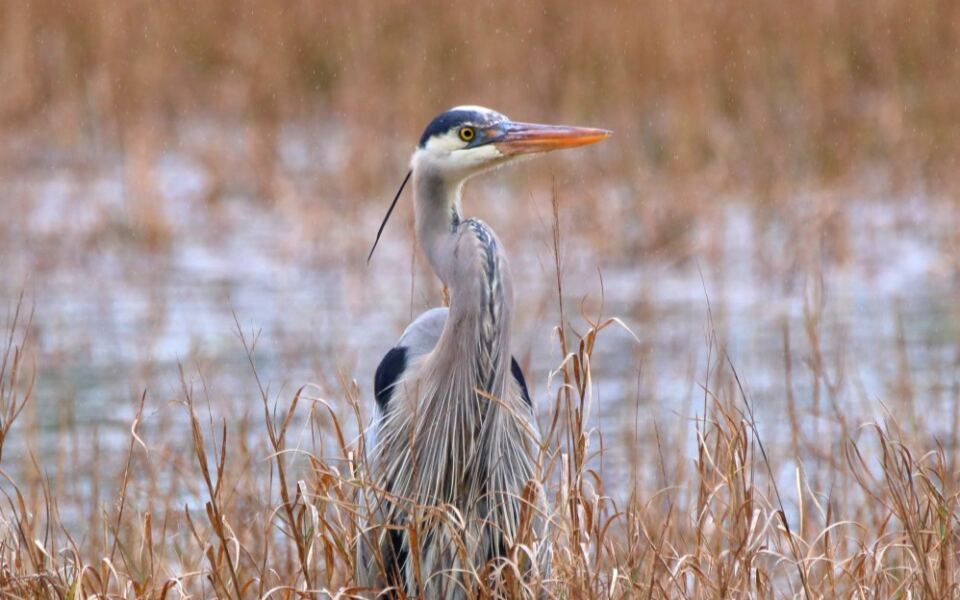
Only one small flock of sandhill cranes in the whole country lives its entire life in a patch of wet pine grassland near the Gulf Coast. Their numbers once dropped so low that people feared the birds would vanish from the South for good.
Today a protected stretch of savanna keeps them going, and it also holds plants that trap and eat insects. I went looking for both, and the day turned out stranger and more rewarding than I expected.
Here is what you should know before you go.
A Flock Found Nowhere Else
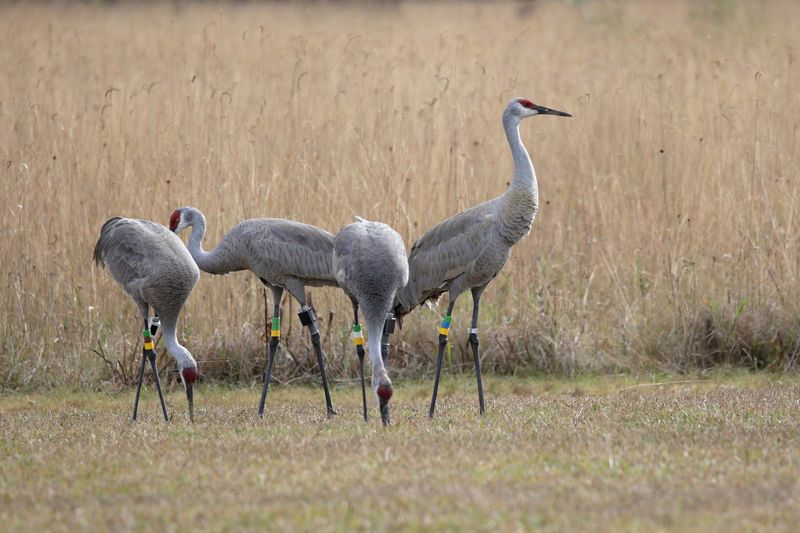
Gray feathers, a red patch on the forehead, and legs built for wading: that is the look of the bird I came to find. The Mississippi sandhill crane is a special group that stays in this part of the state all year long.
Most other sandhill cranes travel north and south with the seasons. This group stays put, which makes the place where they live very important.
Biologists count them as one of the most endangered birds in North America. The population is small, and every nest matters to the people who watch over it.
Keep that in mind as you look across the open grass. Spotting even one crane feels like catching a rare moment, and the hunt is half the fun.
Bring patience, a snack, and a quiet voice, because these birds notice more than you might guess.
Finding the Refuge in Gautier
The place I visited is the Mississippi Sandhill Crane National Wildlife Refuge at 7200 Crane Ln, Gautier, MS 39553, United States. It sits close to the highway, so reaching it takes very little time if you are driving along the coast.
The turn onto the entrance road feels quiet and a little sleepy. Tall pines line the way, and the busy road fades behind you.
Plenty of travelers pass nearby without knowing a protected crane habitat is just minutes away. That is a shame, because a short detour can fill an afternoon.
Once you park, you will notice how open the land feels. Next I will explain why that wide-open look matters so much for the birds.
Wet Pine Savanna Explained
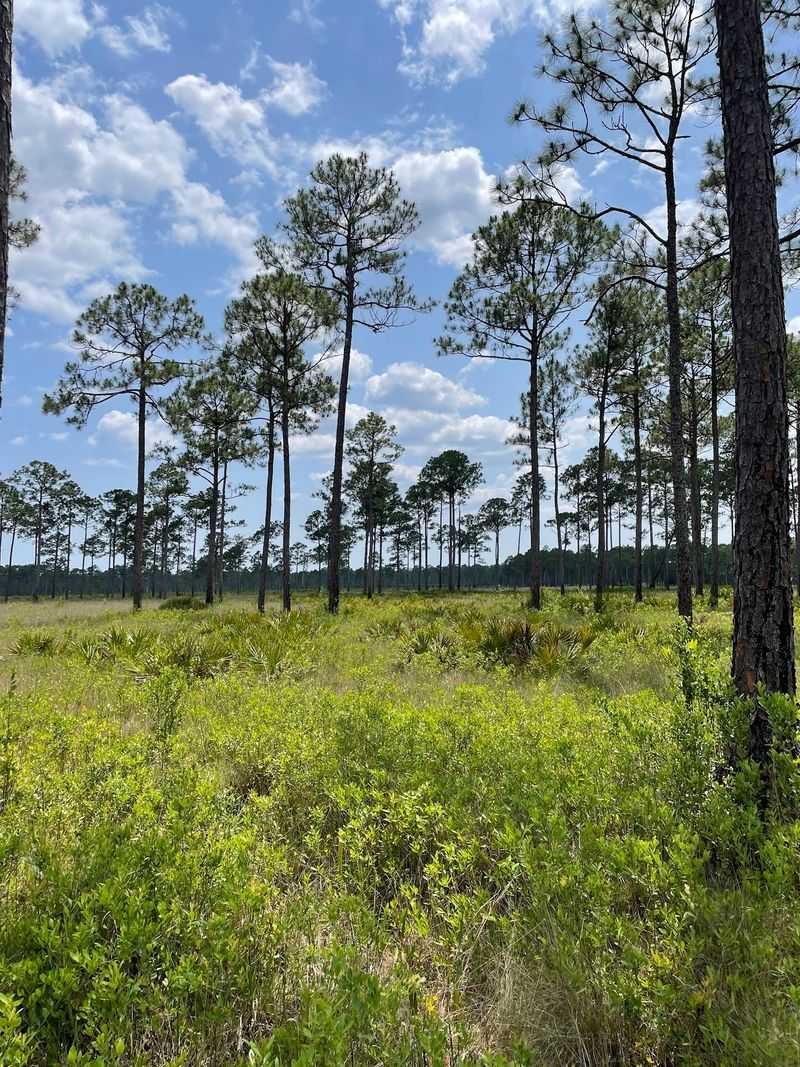
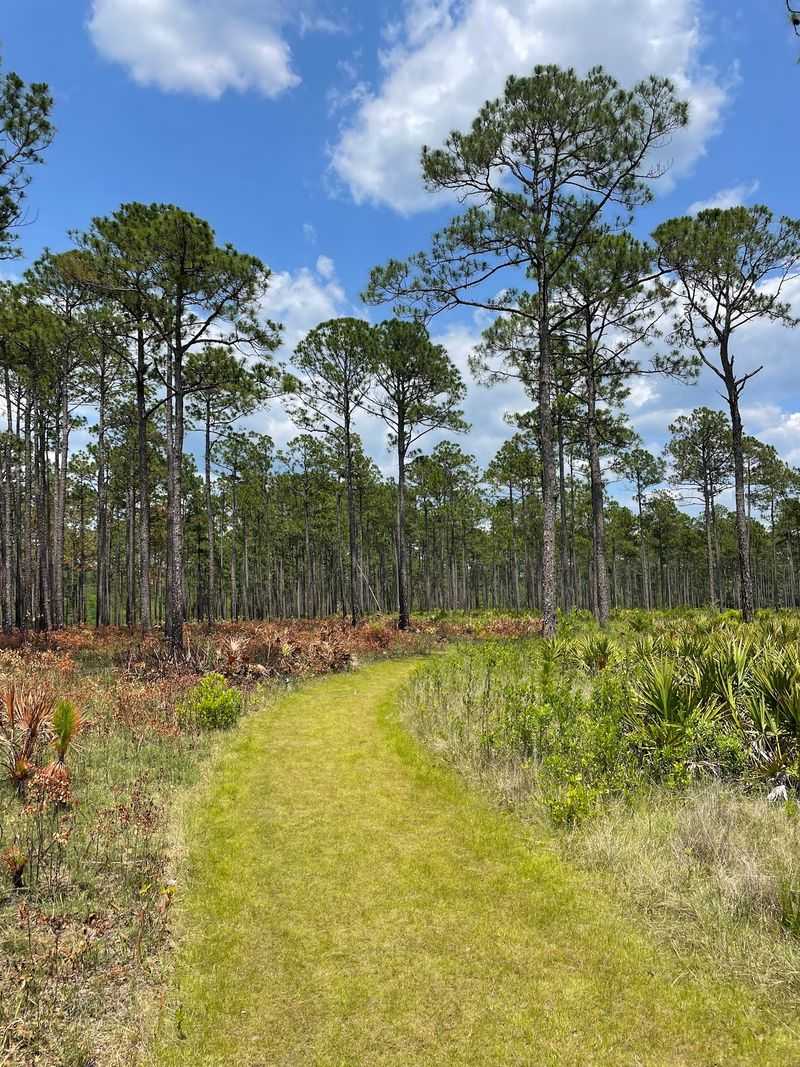
Wet pine savanna sounds like a mouthful, but it simply means grassland dotted with pine trees and soggy soil. It was once common across the Gulf Coast, yet most of it has been lost to farms, roads, and towns.
The refuge protects one of the few chunks that remain. The ground stays damp, the trees stand far apart, and sunlight reaches the grasses below.
That open, wet setting is exactly what cranes need for feeding and nesting. They poke around in the soft ground for roots, seeds, and small creatures.
Walking here, I noticed how different it feels from a thick forest. You can see far in every direction, which is helpful when you are scanning for tall gray shapes.
The Visitor Center Stop
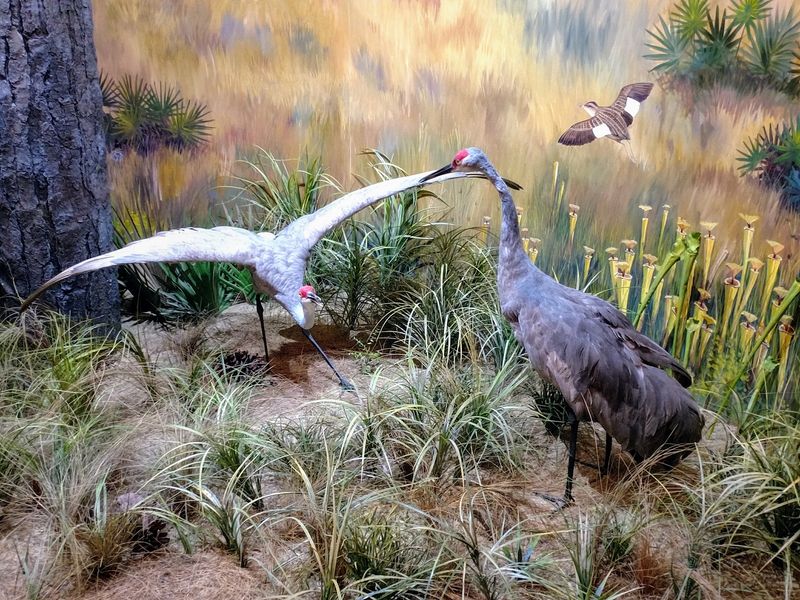
Before heading outside, I spent time inside the visitor center, and I am glad I did. Displays and infographics explain how the cranes live and why their numbers fell so low.
A short film runs about twelve minutes, and it adds helpful background to everything you will see later. It is easy to skip, but I would not.
Hours are limited, so plan ahead. The center has been open on Thursday and Fridays in the morning, and checking the refuge website before your trip can save you a letdown.
The grounds themselves stay open during daylight, so you can still explore if the building is closed. Still, the exhibits make the whole visit richer and more meaningful.
Spotting Scopes and Backyard Viewing
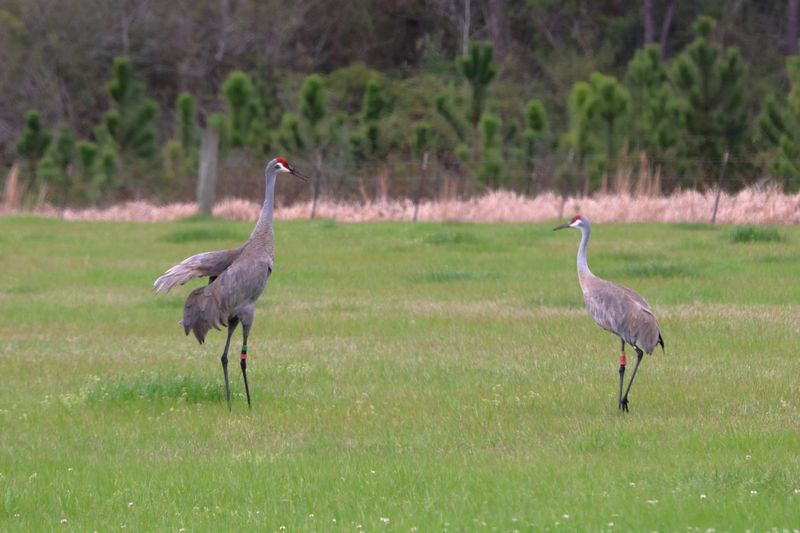
Some of my best crane time happened without any hiking at all. Behind the visitor center, benches, a picnic table, and a spotting scope face an open lawn where birds sometimes wander in.
The area is easy to reach for people who use wheelchairs, which makes it a welcome stop for families with different needs. You can sit, sip some water, and simply wait.
Cranes show up on their own schedule. One morning I watched a small group stroll across the grass with that slow, high-stepping walk that looks almost polite.
The scope brings them close without scaring them off. A tip from my own mistake: set up your camera zoom before they appear, because they do not pose for long.
The Loop Trail Through the Savanna
The walking trail next to the visitor center is a loop of about three quarters of a mile. That makes it simple for families, since you cannot get lost and the path is mostly flat.
A few tree roots cross the trail, so watch your step. Markers along the way show names and pictures of plants, which turned my stroll into a little outdoor lesson.
The path winds through savanna and past a bayou, giving you quick changes of scenery. Birds call from the pines, and deer sometimes slip through the edges.
Wear bug spray in warm months and bring water. The walk takes under an hour, so it fits nicely into a road trip along the interstate.
Plants That Eat Bugs
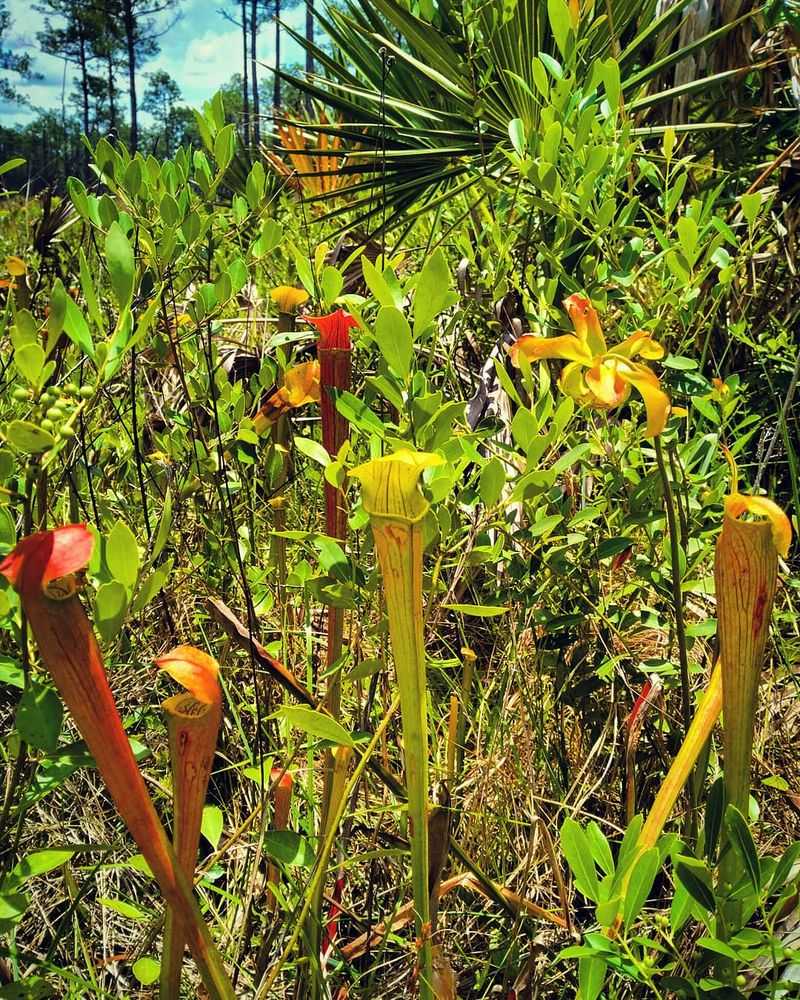
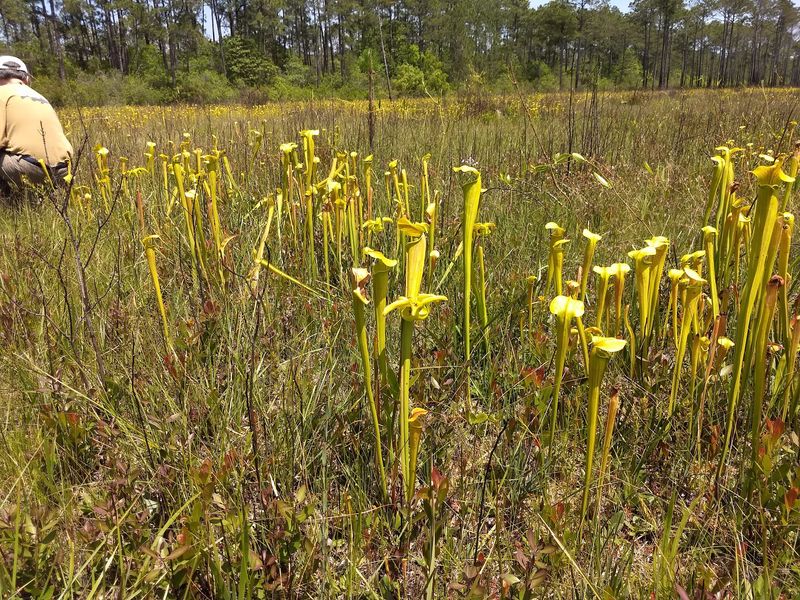
Here is the surprise that caught me off guard: the refuge is full of carnivorous plants. Pitcher plants rise from the damp ground like tall green trumpets.
Insects slip into the tubes and cannot climb back out. The plant then takes nutrients from them, which helps it survive in soil that lacks rich food.
Other kinds of meat-eating plants grow here too, depending on the season. Signs on the trail help you tell them apart.
Kids love this part, and honestly, so did I. Crouch low, look closely, and keep your hands to yourself so the plants stay healthy for the next visitor.
Few places let you see so many of them growing wild.
Wildflowers and Butterflies Through the Seasons
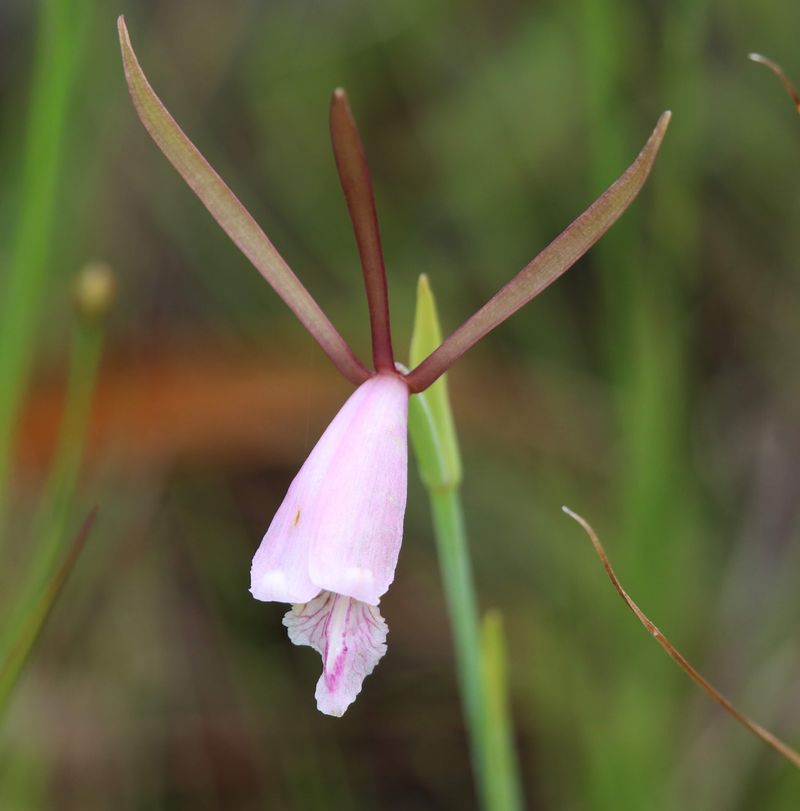
Visit in different months and the savanna changes its look completely. Spring and summer bring wildflowers and plenty of butterflies drifting over the grass.
In fall, the plants turn shades of red, orange, brown, and gold. The colors are softer than a mountain forest but just as lovely.
Because the refuge is small, you can see these changes without a long trek. A short walk is enough to notice something new each time.
Cranes are easiest to spot at certain times of year, and I have been there when none appeared. Even so, the flowers and insects kept the visit worthwhile.
Bring a plant guide or snap photos to identify later.
Fire as a Helper
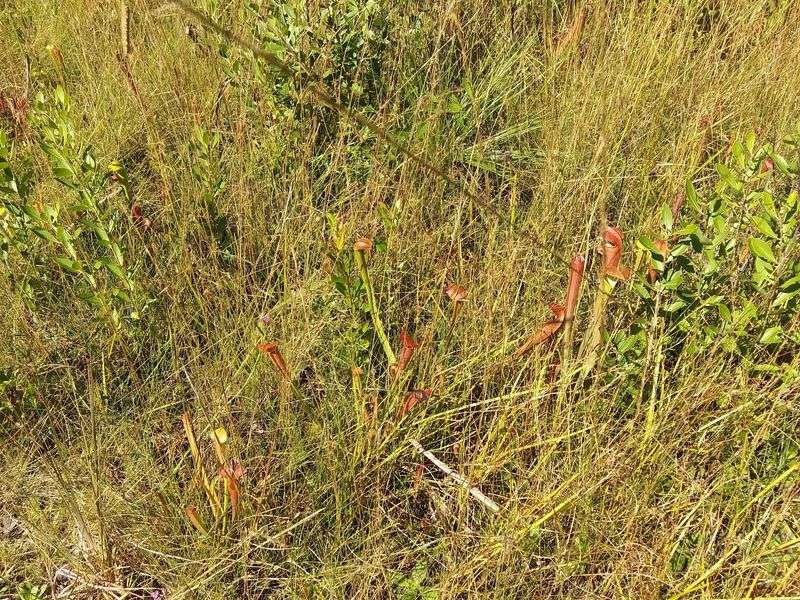
Fire sounds like a threat, but here it plays the role of caretaker. Managers use planned burns to clear thick brush and let sunlight reach the grasses.
Without fire, shrubs and young trees would crowd the open land and push out the plants and birds that depend on it. The savanna evolved with fire in its history.
On a guided tour, I learned that green shoots pop up quickly after a burn. Stops along the route let visitors see that new growth up close.
It was a fresh way to think about land care. The next time you see a blackened patch, look closely for small bright sprouts pushing through the ashes.
More Wildlife Beyond the Cranes
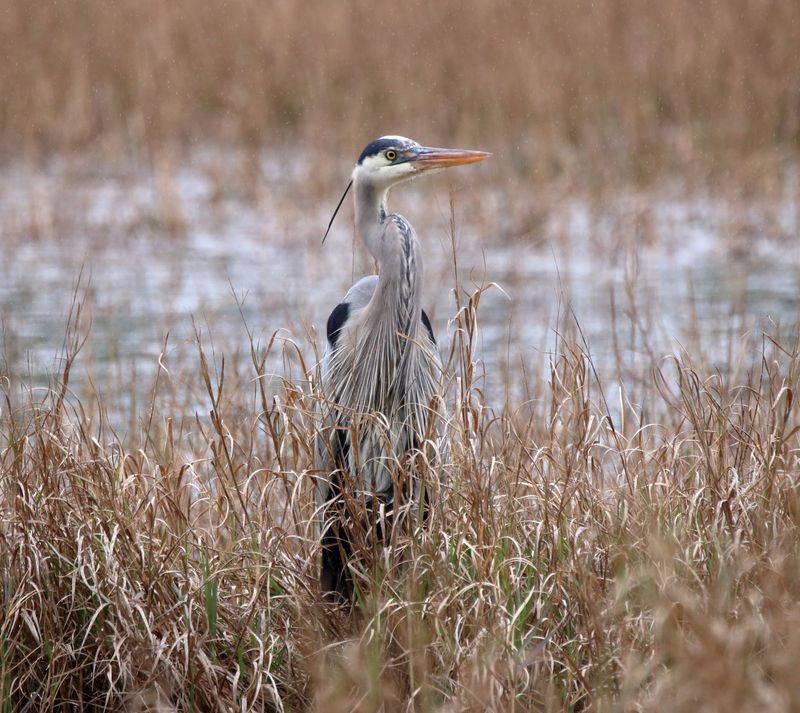
Cranes get the headlines, yet the refuge is busy with other animals. Migratory songbirds and waterfowl use the land, and bird watchers keep binoculars ready.
Deer step out near the trail edges, especially in early morning. On tours, visitors have also spotted eagles, ducks, and even an alligator.
Early hours work best, since many animals feed when the air is cool. The gates open at sunrise and close at sunset, so you can arrive before the crowds.
Walk slowly and pause often. The more you listen, the more you will notice, from rustling grass to the strange, rolling call that gives cranes away before you see them.
Guided Tours Worth Planning For
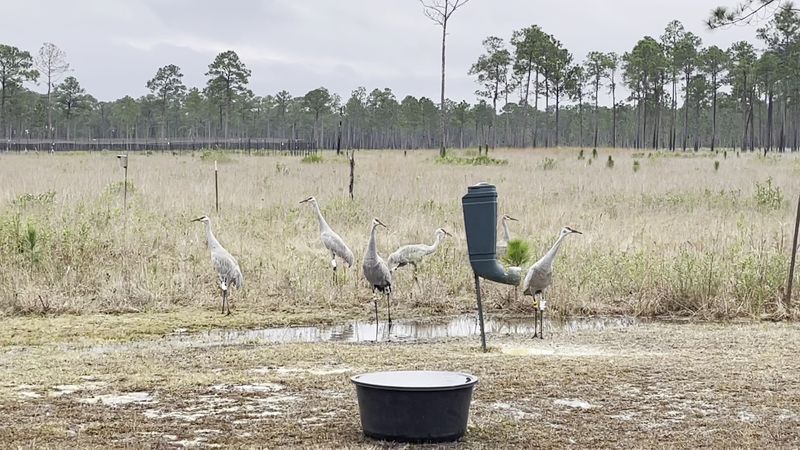
Some areas of the refuge are reached only on guided tours. These trips take you deeper into the savanna, where cranes often feed away from the main paths.
Guides explain what you are seeing and stop at good photo spots. On one tour, visitors counted eighteen cranes, a big number for such a rare bird.
Dates are not always posted in one obvious place. The refuge social media page and website are the best spots to check for schedules.
Spots can fill, so look early. Dress for the weather, wear closed shoes, and bring a camera with a decent zoom.
A guided outing pairs well with an easy walk on the loop trail.
Timing Your Visit and Where to Go Next
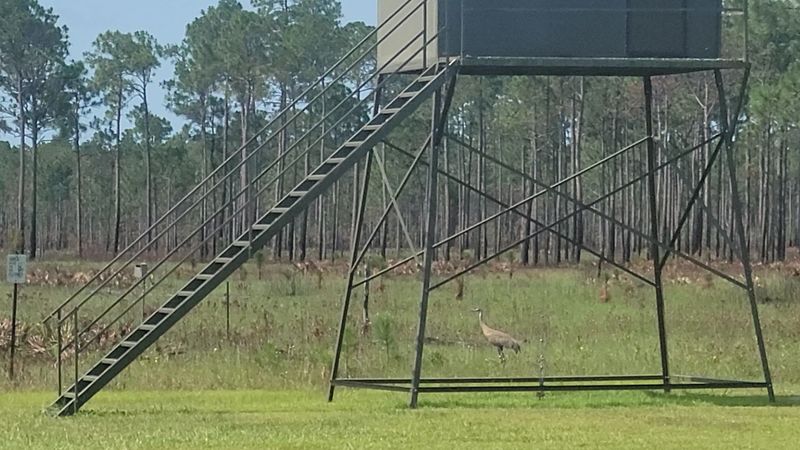
Cranes are never guaranteed, so treat the trip as a chance rather than a promise. Morning often works well, and I have seen visitors spot them as early as eight thirty.
Remember that visitor center hours differ from the grounds. Check ahead, pack water, and give yourself at least an hour or two.
The refuge sits right off the interstate, which makes it an easy add-on to a coast trip. Nearby Gulf Coast towns offer more nature walks, small museums, and seafood spots worth exploring.
I left feeling glad that a small piece of old savanna still stands. If this visit sparks your curiosity, look for other national wildlife refuges along your route and see what they protect.
Share this story