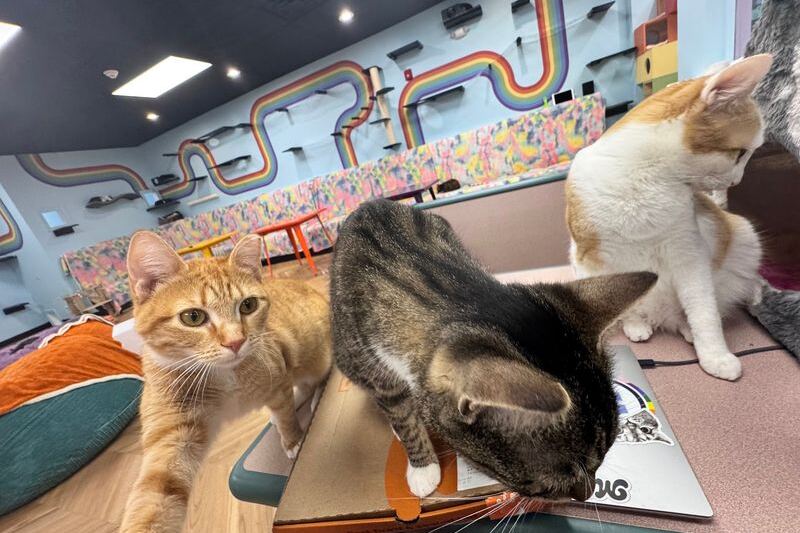
A room full of adoptable cats can turn an ordinary New Jersey afternoon into a small rescue story with whiskers. In Asbury Park, a nonprofit has built a place where cats are not tucked away in cages while they wait for homes.
They roam, play, nap, meet families, and quietly campaign for adoption with every head tilt and paw tap. Keep reading, because this is not just a cute stop near the Shore, it is a local rescue model that makes the adoption process feel personal, practical, and very easy to care about.
A Rescue Lounge On Third Avenue
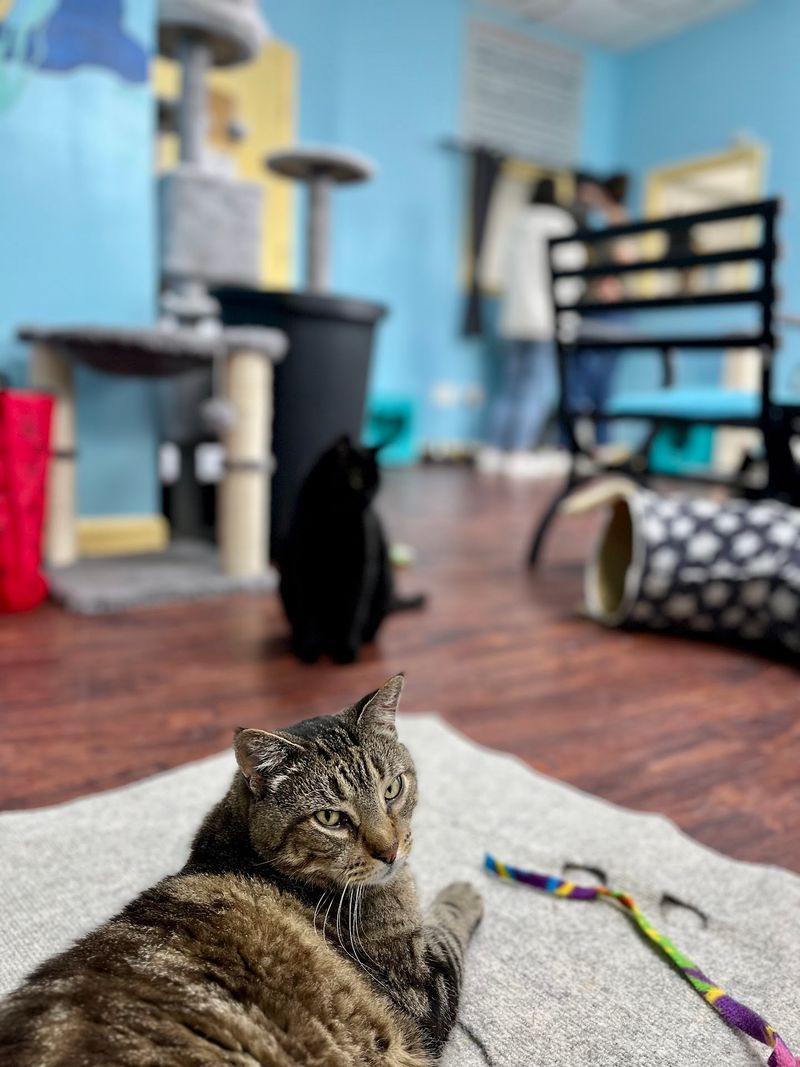
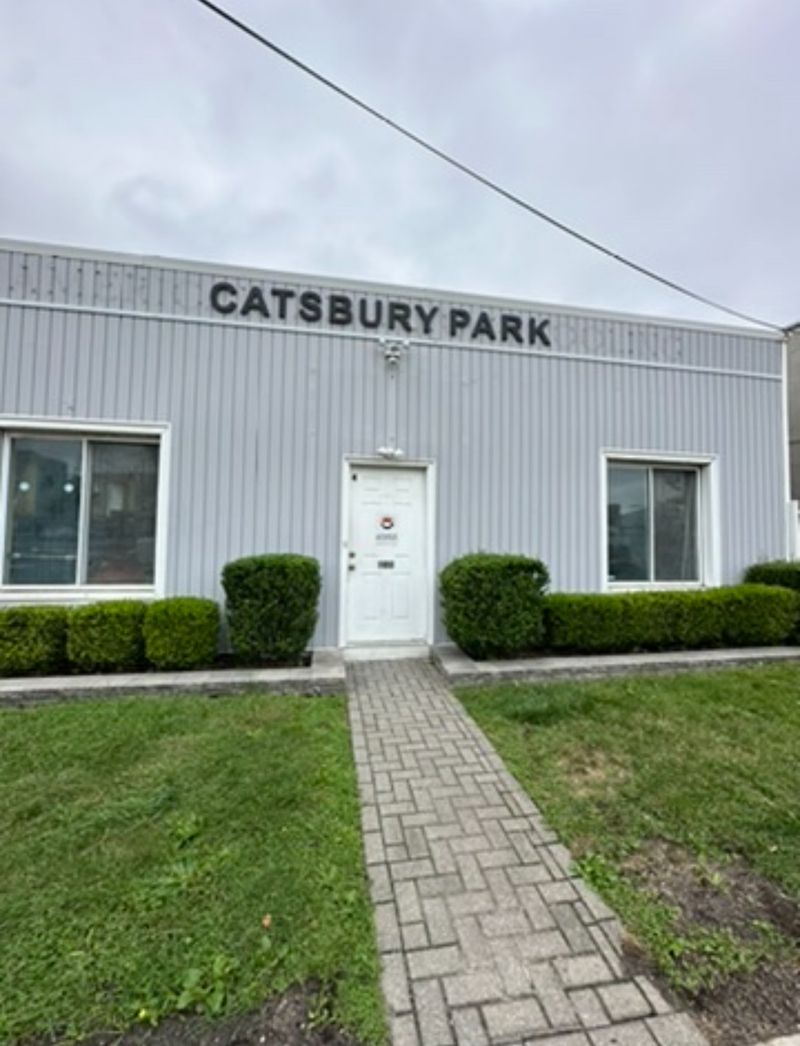
A Shore town better known for music, boardwalk strolls, and bold local personality has another reason to make New Jersey proud: Catsbury Park, a nonprofit cat rescue at 901 3rd Ave, Asbury Park, NJ 07712, United States.
The address matters because this is not a vague online rescue or a once-a-month pop-up. It is a real, visitable Asbury Park place where adoptable cats can meet people in a more open setting while staff and volunteers help guide the process.
Catsbury Park is listed as a nonprofit organization, and its public identity centers on rescue, adoption, and cat care. The name still carries the playful feel of a cat cafe, but the current experience is focused on the cats rather than a cafe menu.
That focus gives the place its strongest purpose. People come to meet cats, learn about their personalities, ask questions, and sometimes begin the path toward bringing home a new family member.
For New Jersey residents looking for a short, wholesome outing, the appeal is simple. It is local, useful, and rooted in animal welfare, which makes the stop feel less like a pastime and more like a small way to support good work.
A Cat Cafe Idea With A Rescue Mission
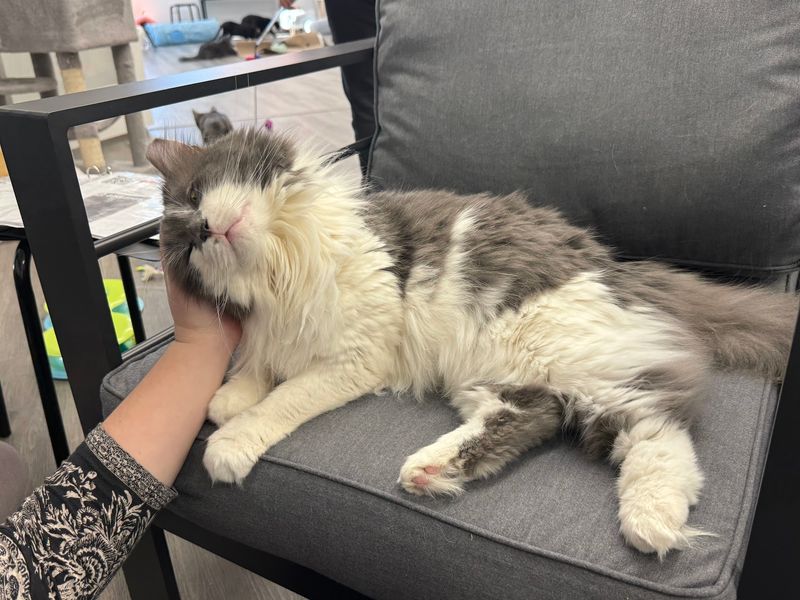
The clever name gets attention first, but the mission is what keeps the place meaningful after the first few minutes.
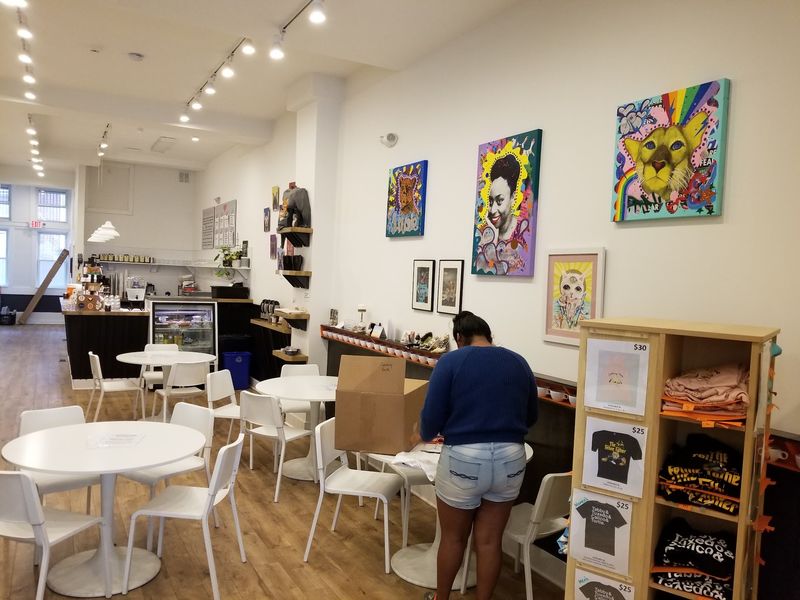
Catsbury Park grew its public reputation around the cat cafe idea, where people could spend time with adoptable cats in a more relaxed setting. Current notes from people who have been to the newer location make one point clear: the experience is no longer centered on cafe service, and the cats are the main event.
That shift makes sense for a nonprofit rescue. Instead of treating cats as background entertainment, the setup gives them room to be seen as individuals with habits, preferences, and adoption potential.
The model also helps remove some of the awkwardness from choosing a pet. A person can spend time nearby, ask staff about a cat, and observe how the animal handles a busier room, toys, and people.
Adoption comes up often in public feedback about Catsbury Park, and for good reason. The rescue is described as a place where people can learn before they commit, which is better for humans and cats alike.
Plenty of New Jersey places are cute for an hour. Fewer manage to make that hour part of a larger rescue effort, and that is where Catsbury Park earns its attention.
Cats Out And About, Not Hidden Away
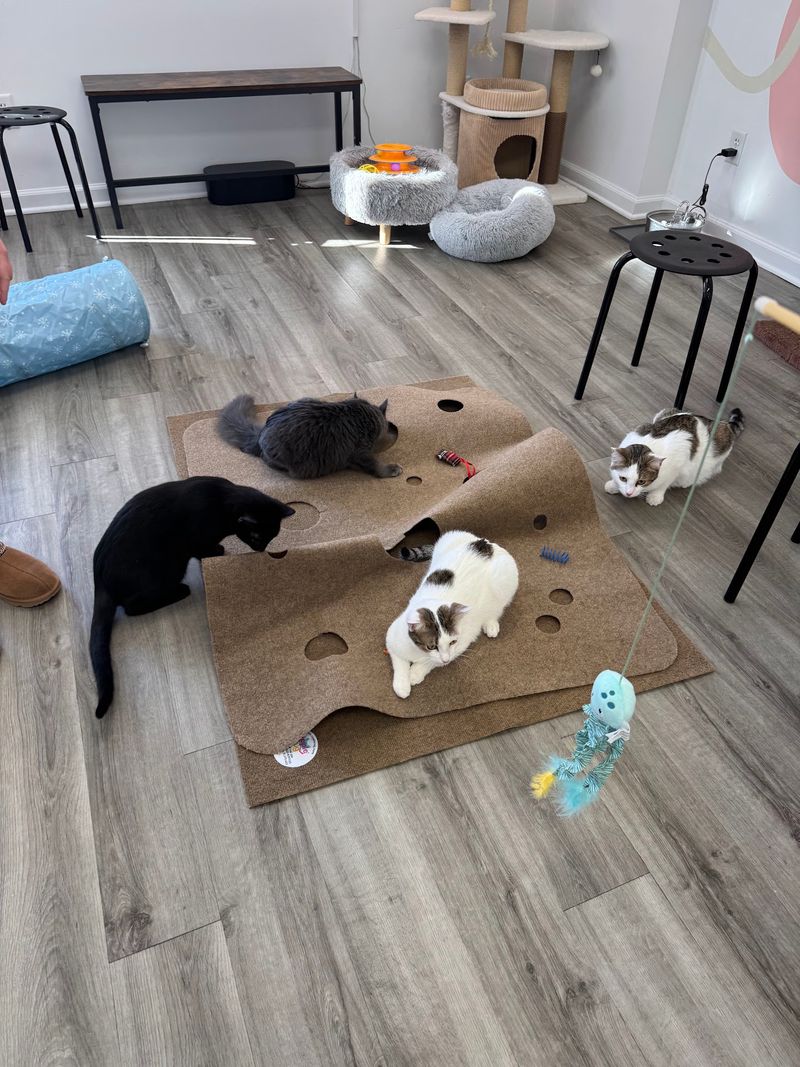
No cage-lined introduction defines the experience here, and that detail changes the whole rhythm of a visit.
People frequently point out that the cats are out and about rather than tucked behind barriers. That layout gives each cat more room to show everyday behavior, from social confidence to quieter independence.
For a potential adopter, that is valuable information. A cat that approaches quickly, hangs back, follows a toy, or prefers a calmer corner is quietly sharing clues about the kind of home that may suit it best.
The open-room style also gives the cats a more active role in introductions. Instead of being selected through a glass door or judged by one quick glance, they get time to interact on their own terms.
There is a practical reason this matters, too. Matching the right cat with the right household often depends on more than looks, and a freer setting can make personalities easier to understand.
That does not mean every moment is carefully scripted. Cats remain cats, and their daily agendas may include play, rest, curiosity, or total indifference to human plans.
At Catsbury Park, that independence is part of the point. The rescue lets cats be more than profiles, and sometimes that is exactly what helps a future adopter notice the right one.
The People Behind The Paws
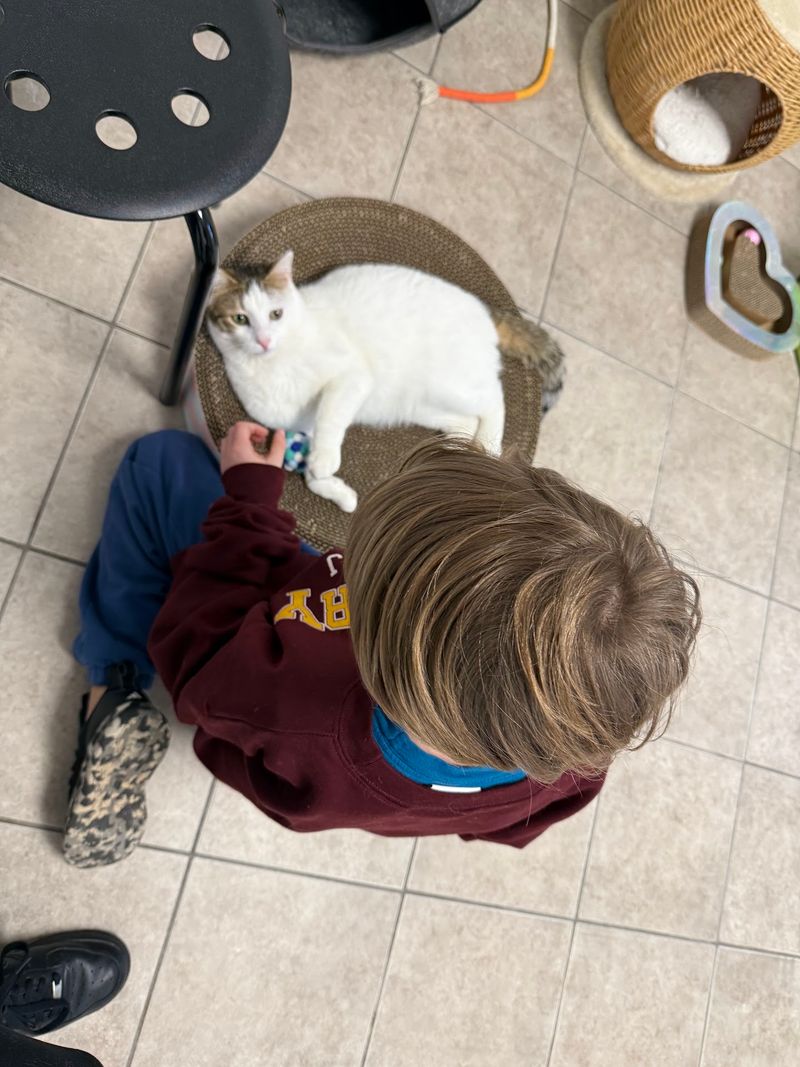
A strong rescue depends on more than adorable faces, because good matches usually begin with patient human guidance.
At Catsbury Park, staff and volunteers are mentioned again and again for being friendly, informed, and attentive to the cats. That combination matters because the visit is not just about having an hour with animals, it is also about understanding their needs.
Questions can come quickly in a place like this. People want to know ages, temperaments, adoption steps, which cats prefer activity, and which ones may need a quieter home.
The team’s role is to translate all those little details into clear, useful information. A cat rescue can feel overwhelming when several adoptable animals are in one place, but knowledgeable helpers can make the experience easier to follow.
Several public comments also mention staff care around safety and well-being. That includes paying attention to how cats and people interact, which is especially important when children are part of the visit.
There is a nice New Jersey practicality to the whole thing. The place is warm in purpose, but not vague about what matters: clean rooms, informed answers, safe interaction, and adoption-centered care.
Behind every playful cat moment is a person keeping the mission organized, and Catsbury Park seems to understand that rescue work is built on both heart and follow-through.
A Room Built For Getting Acquainted
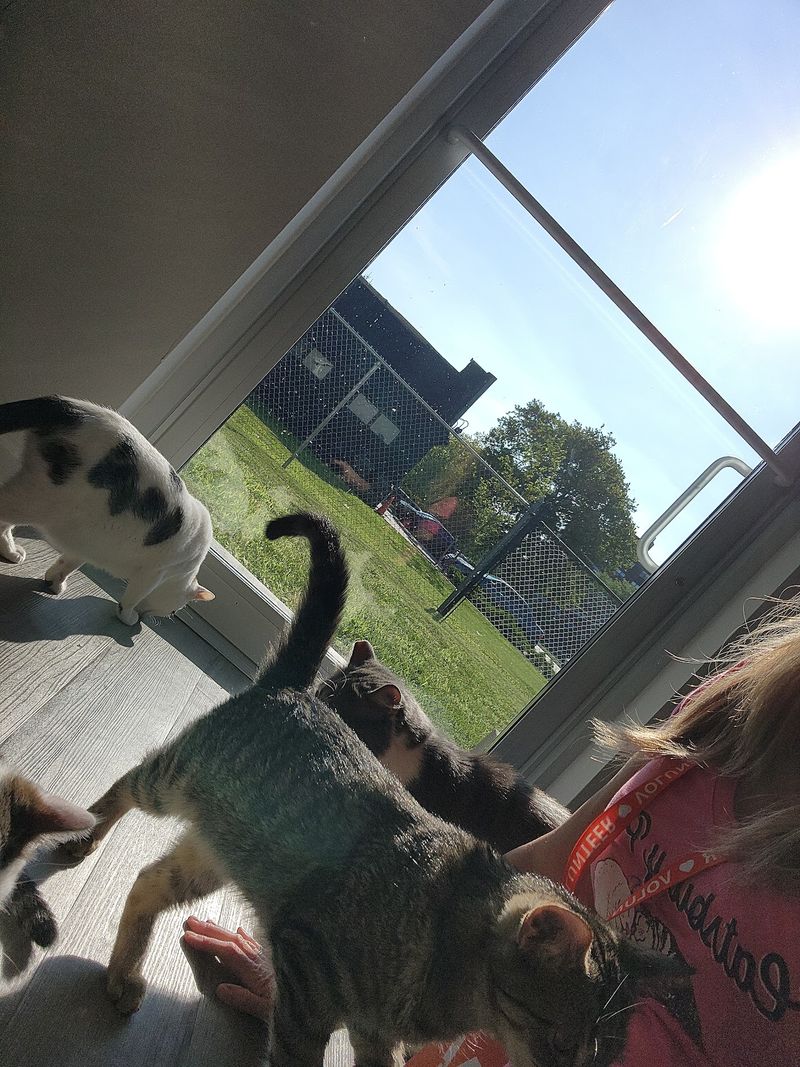
Names, ages, and small personality notes can turn a room of cats into a room full of possible stories.
Catsbury Park has been described as having information available about the cats, including details that help people learn who they are while spending time with them. That kind of setup is useful because it slows down the snap-decision feeling that can happen when every cat looks adoptable at once.
The cat room is also part of the draw. People mention toys, kitty furniture, and spaces designed for interaction, which gives cats ways to engage without making the experience feel forced.
An hour is often enough time for a casual visit, especially for families. It gives people a chance to meet several cats, watch different personalities emerge, and ask follow-up questions before the outing ends.
Because the focus is on adoptable cats, the room works best when guests treat it as a shared space rather than a private play zone. The cats are not props, and the best visits respect their comfort as much as human excitement.
That balance is what makes the setup interesting. It is playful, yes, but it is also structured around learning, matching, and care.
A well-planned cat room does not need spectacle. At Catsbury Park, the details seem to serve a simple goal: helping cats become known before they go home.
Kid-Friendly Moments With Clear Boundaries
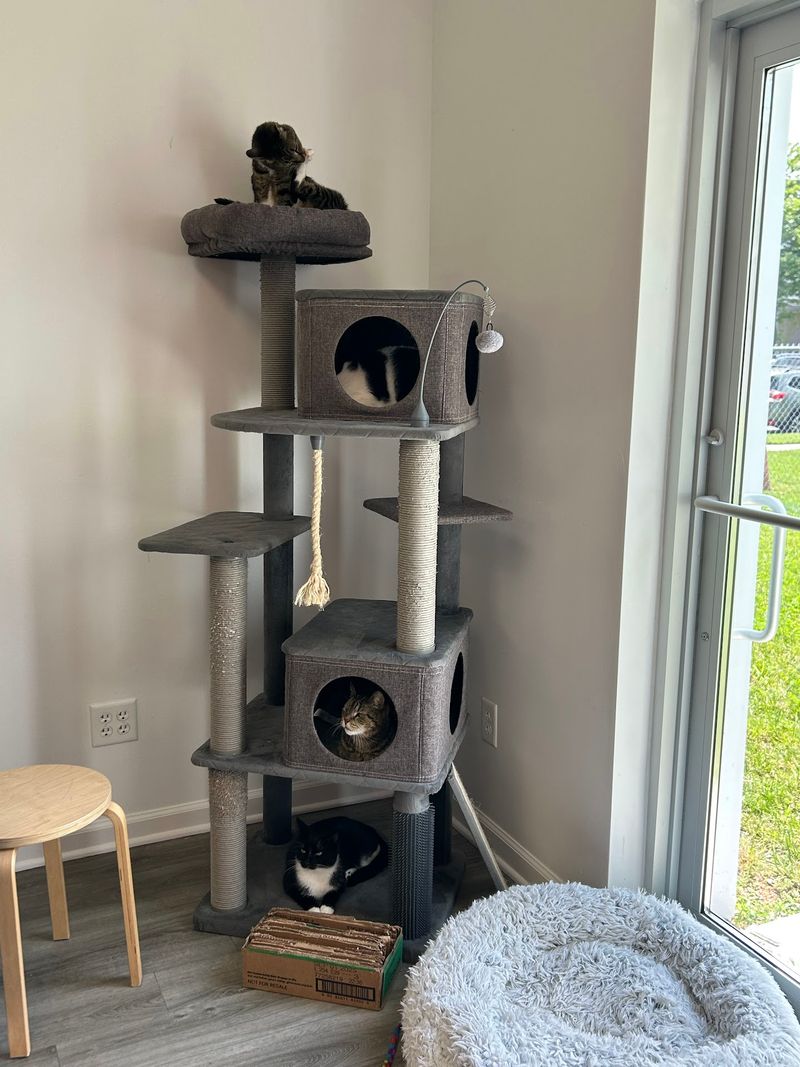
Children and cats can be a chaotic comedy team, so supervision is not a bonus here, it is the whole game.
Catsbury Park appears to be a popular stop for families, including parents bringing young children, birthday outings, and relatives looking for a low-key activity. Public comments describe staff as patient with kids and helpful during those visits.
That matters because young guests often need reminders about gentle hands, slow movements, and giving animals space. A rescue setting has to protect the cats first while still allowing children to learn how respectful interaction works.
The experience can also be educational without feeling like a class. Kids can learn that each cat has a name, a background, and a different comfort level, which is a better lesson than simply asking which one is cutest.
One practical note belongs here: kittens can scratch during play. That is not a dramatic warning, just a normal reality when tiny claws meet excited hands.
Families should come prepared to follow staff instructions and help children stay calm around the cats. The smoother the interaction, the better the visit is for everyone in the room.
For New Jersey families looking beyond the usual indoor stops, Catsbury Park offers something with purpose. It is not just kid-friendly, it can help kids understand kindness with rules attached.
A Clean, Carefully Managed Space
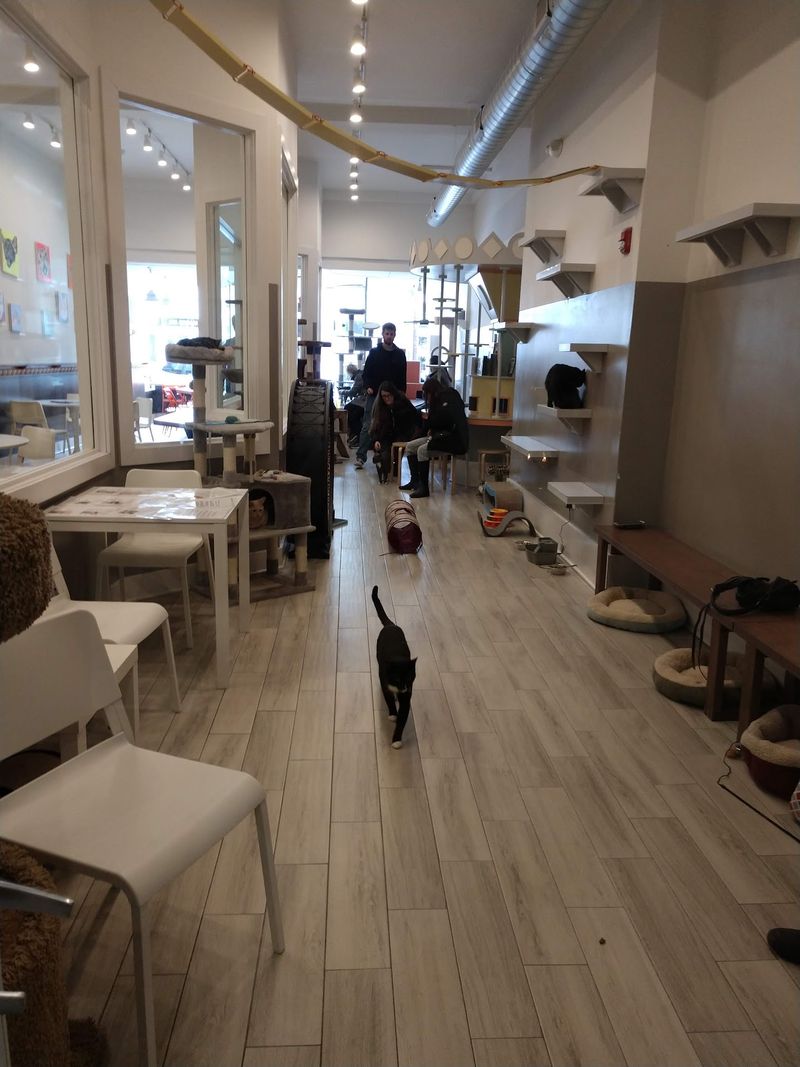
Cleanliness may not be the cutest topic in a cat article, but it is one of the quickest ways to judge how seriously a rescue takes its work.
Catsbury Park is repeatedly described as clean, organized, and well cared for. That matters in any animal environment, especially one that welcomes the public and houses multiple cats.
People have also noted hand washing and sanitizer practices during visits. Those small steps help protect both the cats and the humans who come to meet them.
A rescue space has to juggle competing needs. It needs to feel open enough for interaction, but structured enough to reduce stress, support hygiene, and keep everyone on track.
The newer location has been called spacious, which can help the experience feel less crowded when several cats and people are sharing the same area. More room also gives cats options, and options are useful when animals have different social styles.
There are normal realities in a place with many cats, including litter box management. The key point is that the facility’s care standards are part of what people notice, not an afterthought.
Catsbury Park’s appeal is not only that cats roam. It is that they do so in a setting where order, cleanliness, and daily care are clearly part of the mission.
Adoption As The Main Plot
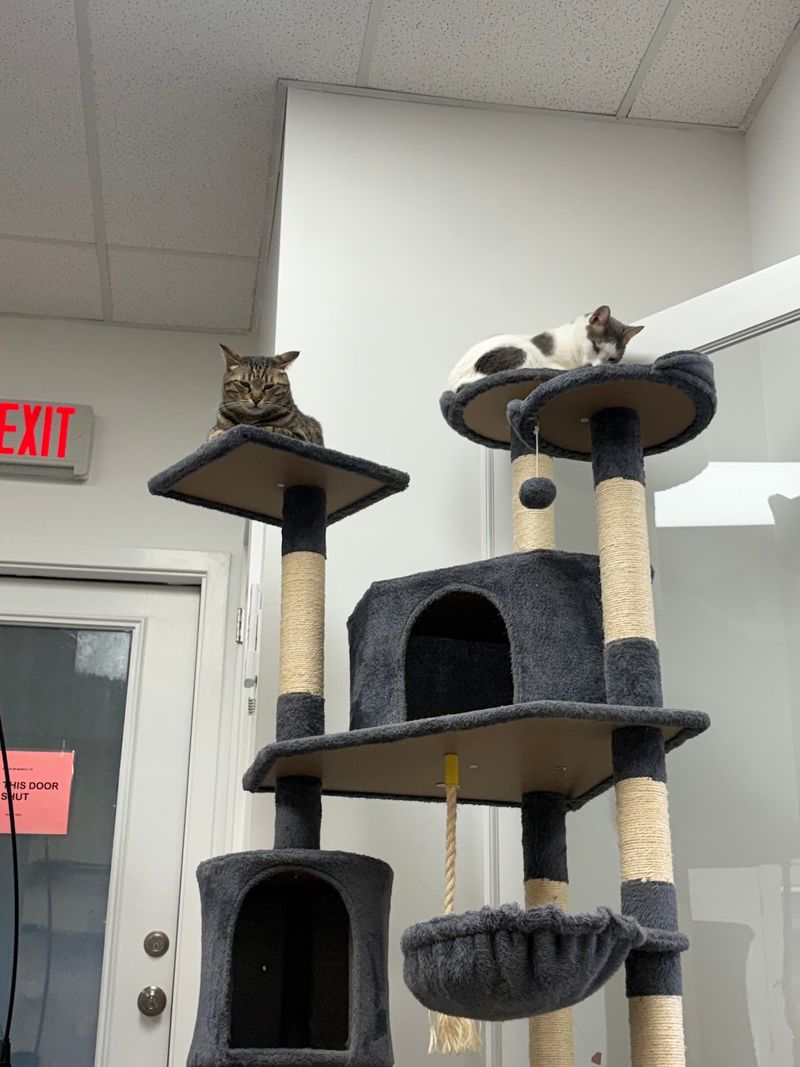
Every cute paw in the room has a bigger question attached: could this be the right home?
Adoption is the central thread at Catsbury Park. Public information around the place repeatedly connects it with cat adoption, forever homes, and helping people meet adoptable animals in person.
The rescue format can make the adoption idea feel more approachable. Instead of beginning with paperwork alone, guests can first spend time with cats, ask questions, and learn which personalities may match their household.
That is especially helpful for people who are interested but not quite ready. Catsbury Park gives them a way to support the rescue, understand the process, and think carefully before making a commitment.
The organization has also been credited by guests with helping more than 1,700 cats get adopted since it started. That number gives the mission weight without needing to dress it up.
Adoption is not treated like a quick transaction here. The available details suggest a process shaped by conversation, observation, and care for what happens after the visit.
For a state full of animal lovers, that is the part worth defending loudly. New Jersey does not need to be flashy to be meaningful, and a rescue room in Asbury Park proves it one cat match at a time.
The Cafe Name And The Current Reality
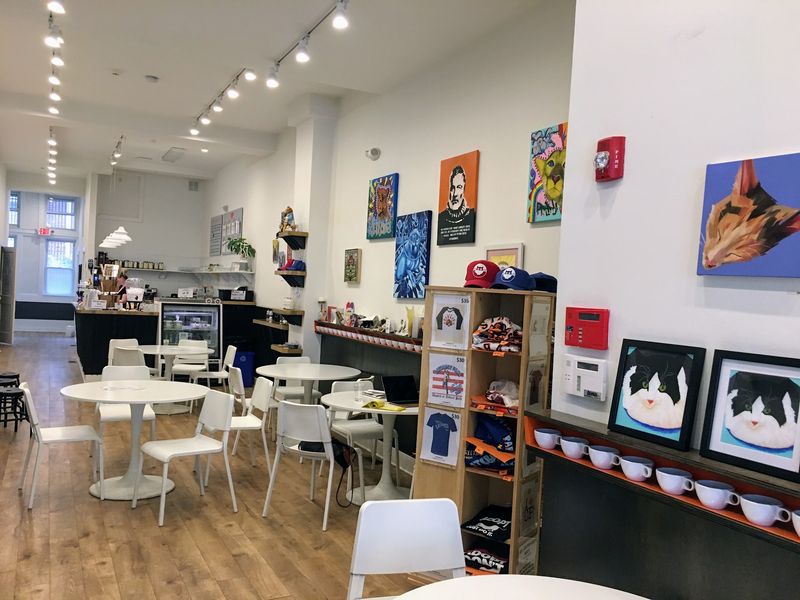
The word cafe can set up the wrong expectation if a person arrives hoping for a snack counter and a long menu.
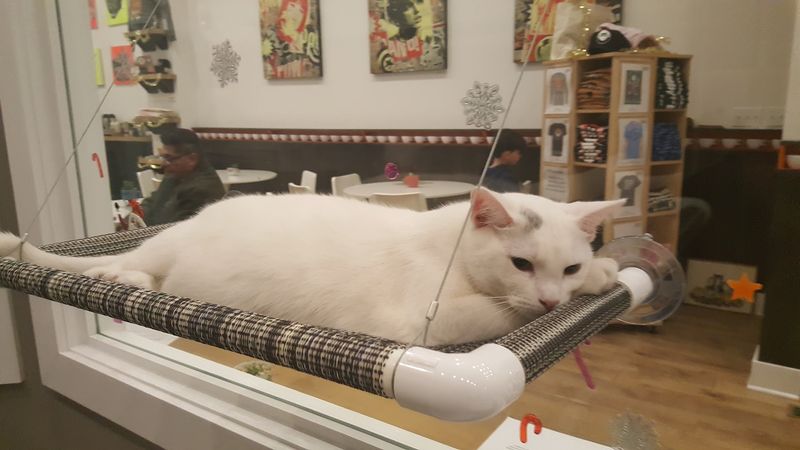
Catsbury Park is widely known through the cat cafe idea, and older public notes mention coffee, tea, snacks, WiFi, and other cafe-style details. More recent descriptions of the newer location state clearly that it is no longer a cafe in that sense.
That distinction is important for anyone planning a visit. The current draw is cat interaction, adoption information, and supporting the rescue, not ordering drinks or settling in for a cafe work session.
Some people may still wish refreshments were part of the experience, but the rescue-first setup keeps attention where the organization wants it. In a place built around adoptable animals, fewer distractions can be a strength.
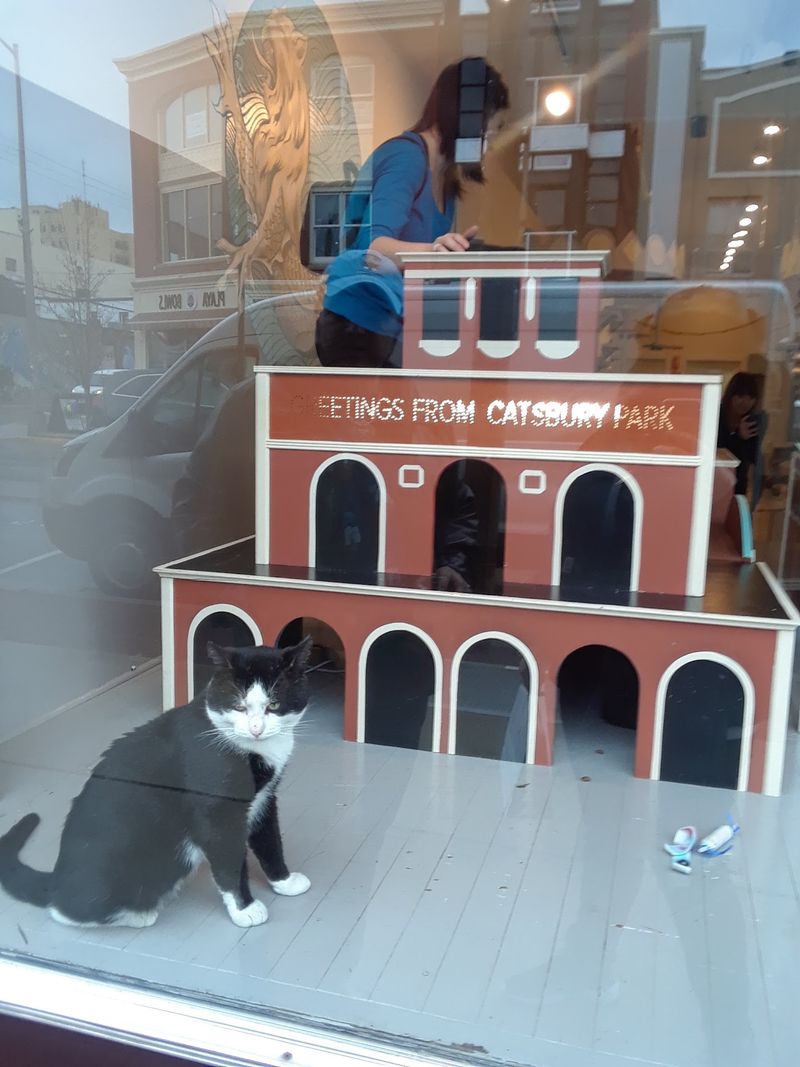
The name still works because it is memorable and rooted in the group’s public identity. It also connects the place to Asbury Park with a wink, which is very on-brand for a town that knows how to make a name stick.
Guests will have a better time if they arrive with the right expectations. Come for cats, questions, and possible adoption conversations, not for a cafe order.
That clarification does not make the place less interesting. It makes Catsbury Park easier to understand: the cats are not the side attraction, they are the entire reason for going.
Hours That Reward Planning Ahead
A spontaneous cat visit sounds fun until the door is closed, so checking the schedule is the least glamorous but most useful tip.
Catsbury Park’s listed hours are limited. It is open Friday, Saturday, and Sunday from 12 PM to 5:30 PM, and Thursday from 5 PM to 8 PM.
The rescue is listed as closed Monday, Tuesday, and Wednesday. That schedule makes it a better fit for weekend plans, a Friday afternoon outing, or a Thursday evening stop.
Online appointments are mentioned as easy to make in public comments, and one person noted that reservations can fill. Because cat interaction spaces often need to manage room capacity, planning ahead is the sensible move.
There is no exact admission amount included in the provided information, but people describe the fee as worthwhile and connected to supporting the rescue. Treating the cost as part of the mission is the right mindset.
Before going, the official website, catsburypark.com, is the best place to confirm current details. Hours and visit rules can change, especially for a nonprofit working with animals.
A little planning keeps the trip simple. In return, guests get a structured chance to meet cats in a space designed for rescue, not rushed window-shopping.
An Easy Asbury Park Stop
Asbury Park already knows how to pull people in for a few hours, and Catsbury Park adds a quieter reason to linger away from the most expected stops.
The rescue is described as easy to find, and public comments mention plenty of parking. Those two details matter more than they sound, especially for families or anyone trying to keep a simple outing from turning into a logistical puzzle.
Because the address is in Asbury Park, it can work as part of a short local trip for Monmouth County residents and nearby New Jersey day-trippers. The visit itself is structured enough that it does not need to consume a whole day.
An hour has been described as a comfortable amount of time for spending with the cats. That makes the stop flexible for people who want a meaningful activity without overplanning.
The place also fits Asbury Park’s broader identity as a town with independent character. Catsbury Park is not a chain-style attraction, and its nonprofit mission gives it a local anchor.
Practical travelers should still confirm appointment availability before heading over. A small rescue space is not the same as a large public attraction, and capacity matters.
For locals who like their New Jersey outings easy, useful, and a little off the usual script, this Third Avenue stop has a strong case.
A Soft Verdict For Cat People
Some places ask for attention with size, noise, or spectacle, but Catsbury Park makes its case with a room full of adoptable cats and a very clear purpose.
The best reason to go is not simply that cats are cute, although that argument is hard to defeat. The stronger reason is that the visit supports a nonprofit rescue focused on care, interaction, and adoption.
It suits several kinds of guests: families with children who can follow instructions, adults considering adoption, cat lovers not ready to adopt yet, and New Jersey day-trippers who want a local stop with a good mission. It may not suit anyone expecting a full cafe experience, since the current location is focused on the cats.
The practical notes are straightforward. Check the website, plan around the limited weekly hours, consider booking ahead, and arrive ready to respect the cats’ space.
Catsbury Park also leaves New Jersey with one more bragging point. In a state often reduced to lazy clichés, here is an Asbury Park nonprofit quietly helping animals meet people in a thoughtful, public-facing way.
The final takeaway is simple enough for any cat person to understand. Go for the roaming rescue cats, stay for the mission, and leave knowing the cutest part of the visit may be what happens after a cat finally finds home.
Share this story