A South Jersey day trip can turn into a tiny scientific victory when the prize is a fossil pulled from real quarry sediment. In Sewell, a museum tied to Rowan University gives families, dinosaur fans, school groups, and curious adults a rare chance to connect with New Jersey’s prehistoric past in a hands-on way.
The big draw is not just seeing fossils behind glass, but joining a dig where small finds can go home with you unless they are especially significant. Keep reading and the trip starts to feel less like a regular museum stop and more like proof that New Jersey has been hiding a seriously cool chapter under its own feet.
A Fossil Park With A South Jersey Address
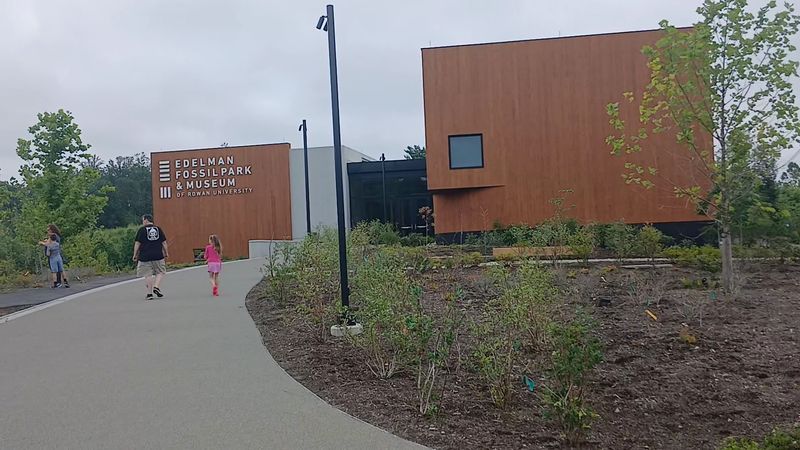
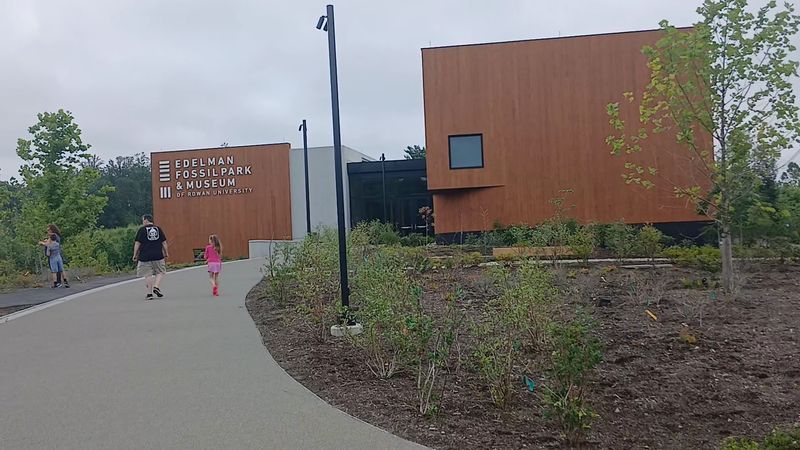
The address alone feels like a wink from prehistory: Edelman Fossil Park & Museum of Rowan University is at 66 Million Mosasaur Wy, Sewell, NJ 08080, in Gloucester County, New Jersey, United States.
That number is not random. The museum centers on fossil discoveries from the late Cretaceous period, with a quarry experience that connects today’s South Jersey to an ancient world usually discussed in textbooks.
Rather than treating fossils as faraway wonders, the place makes them local. Dinosaurs, marine reptiles, shark teeth, shells, and other fossil finds become part of a New Jersey story, not just a museum topic borrowed from somewhere out west.
The destination is operated by Rowan University, which gives the experience an academic backbone without making it feel stiff. Exhibits focus on paleontology, fossil-finding methods, local specimens, and the science behind what has been uncovered in and around the site.
That combination is the real hook. A suburban South Jersey address leads to a place where kids can ask enormous questions, adults can learn something new, and the Garden State gets to show off a very old side of itself.
A Quarry Story Beneath The Museum
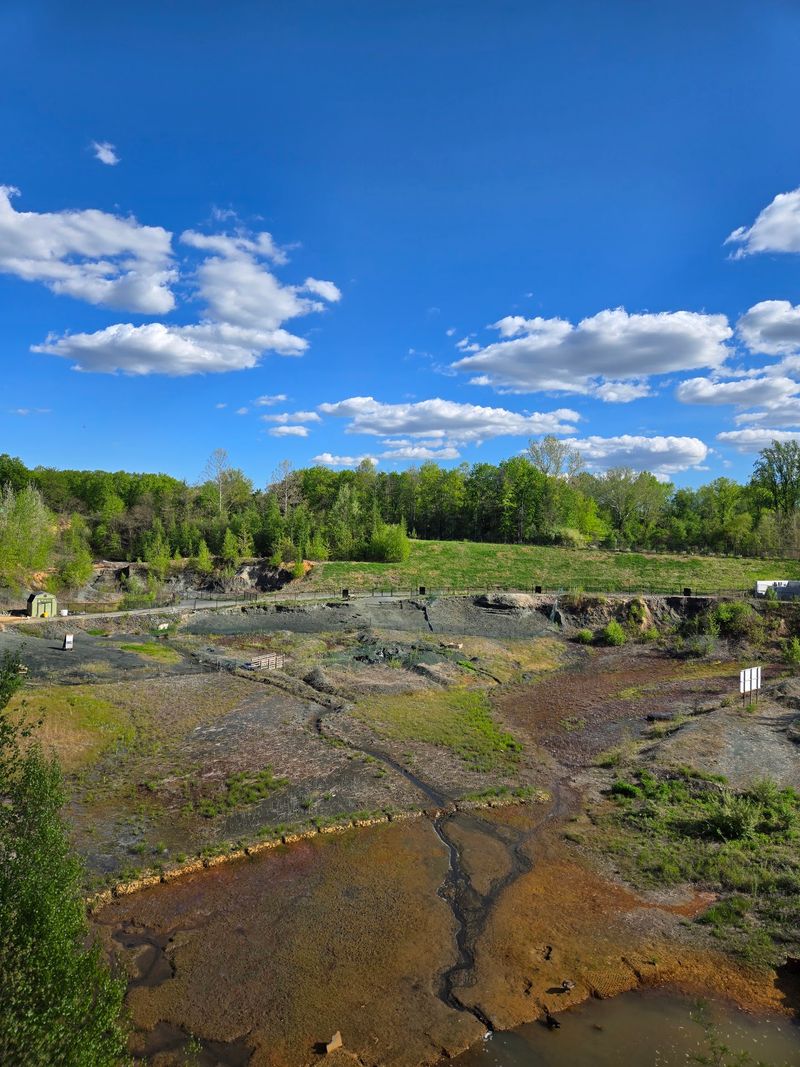
Long before the museum became a polished public destination, the site’s story started with fossils coming out of the ground in South Jersey.
The quarry remains the part of the experience that makes people pause. It is not a decorative add-on or a pretend dig box inside a gallery, but a real fossil-bearing site tied directly to the museum’s mission.
Guests who add the quarry dig can search for fossils in the same general place where important local finds have been recovered. Small discoveries, such as fossilized shells or other common finds, may be kept, while especially notable finds are handled differently because of their scientific importance.
That rule gives the activity a satisfying balance. The dig feels personal, but it also reminds everyone that fossils are evidence, not souvenirs first and science second.
Guides help explain what people are finding, and that can turn a bucket of muddy-looking material into a mini lesson in New Jersey history. The best part is that the payoff is not only the object in hand, but the realization that the state’s past is far older and stranger than most daily errands suggest.
Dinosaurs With New Jersey Roots
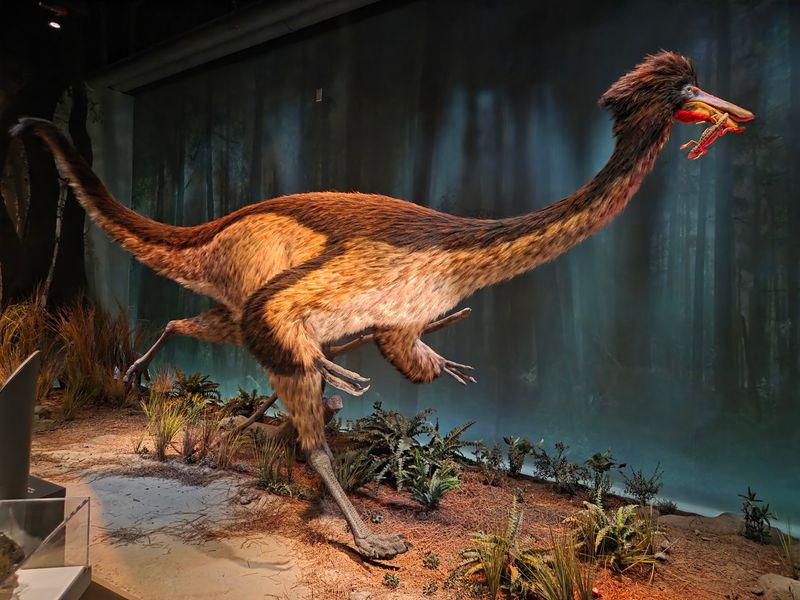
New Jersey does not always get top billing in dinosaur conversations, which makes the museum’s local focus especially satisfying.
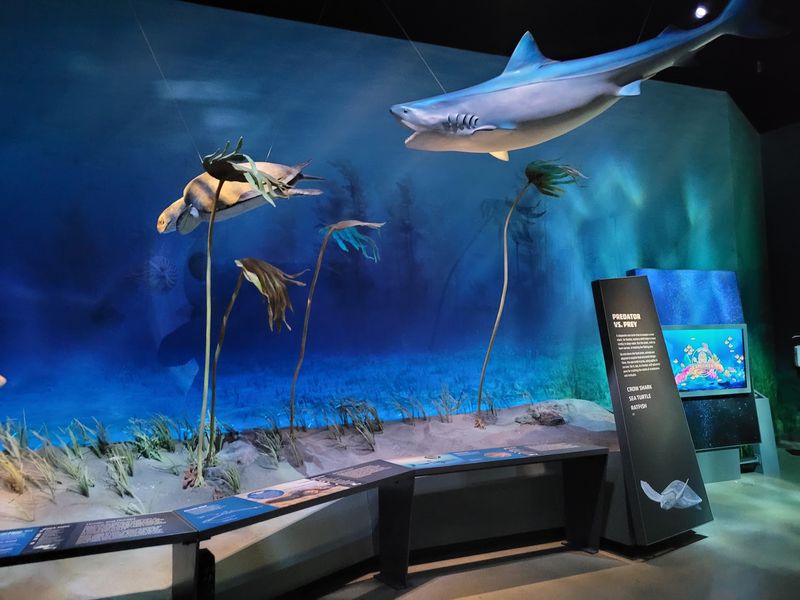
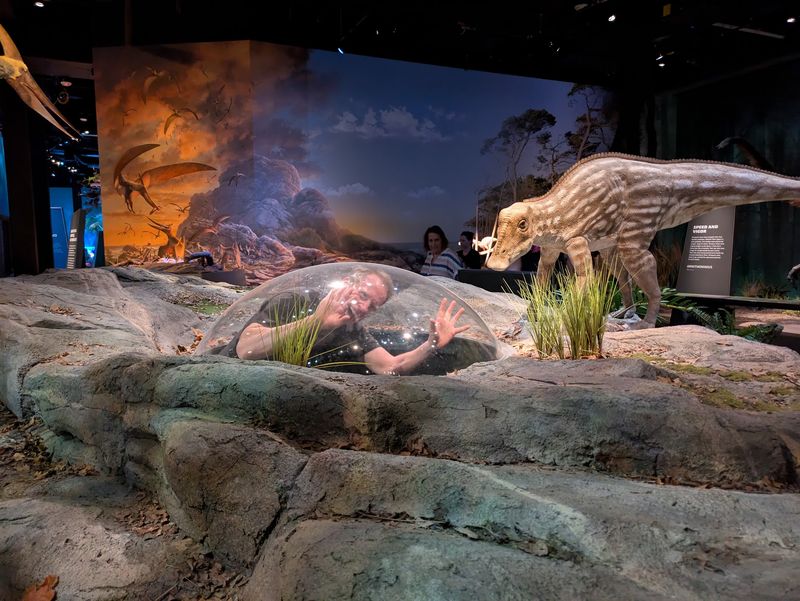
The indoor galleries highlight prehistoric animals connected to the region, including dinosaurs and marine life from ancient environments. Instead of presenting fossils as scattered curiosities, the museum builds a clearer picture of what once lived in and around the area now known as South Jersey.
Life-sized dinosaur displays, skeletons, and explanatory panels give the story structure. The exhibits are designed for learning at several speeds, so a child can focus on interactive games while an adult reads deeper into paleontology and fossil recovery.
Several people who spend time there notice that the museum is smaller than major natural history institutions, but its narrow focus works in its favor. It does not try to cover every era and every continent, which helps the New Jersey material stand out.
The result is a museum visit with hometown bragging rights. For anyone who has ever heard the state reduced to traffic jokes, the galleries offer a much better comeback: New Jersey has dinosaurs in its backstory.
A Dig You Can Actually Join
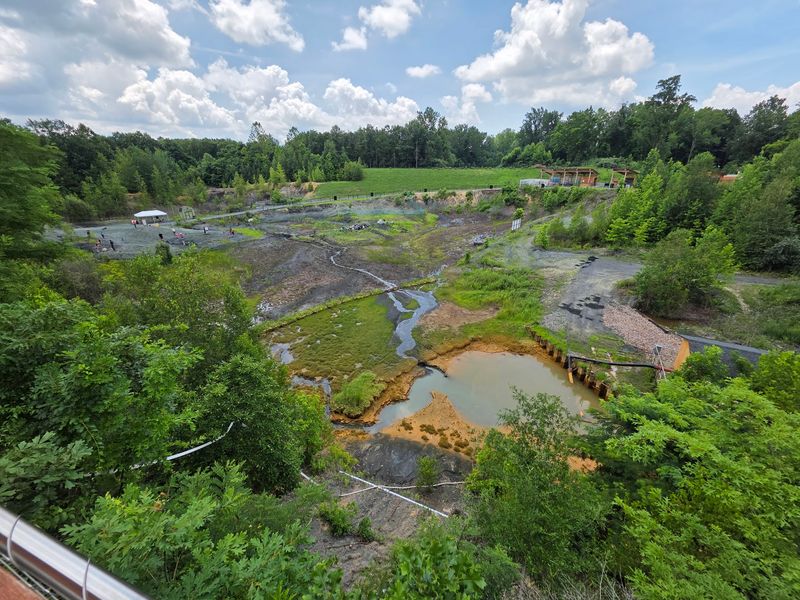
A fossil dig has a funny way of making adults act like they suddenly have homework they want to finish.
The quarry dig is one of the museum’s most talked-about add-on experiences because it turns the visit into active searching. Participants receive tools such as buckets and dig through quarry material while staff help identify possible finds.
Closed-toe shoes are a smart choice, and the ground in the quarry can be uneven. Some people have mentioned rain boots and wash-up areas being useful, especially when the dig area has been affected by weather.
The activity can last long enough to feel meaningful without taking over the whole day. It rewards patience, curiosity, and a willingness to get practical about science instead of simply reading about it.
Young children may love the treasure-hunt feeling, although the experience may fit best when they are genuinely interested in dinosaurs, fossils, or digging. Adults can have just as much fun, partly because there is something pleasantly humbling about searching spoonful by spoonful for evidence from 66 million years ago.
Interactive Galleries That Keep Hands Busy
Some museums ask kids to stand still for too long, which is a bold request from people who clearly forgot how kids operate.
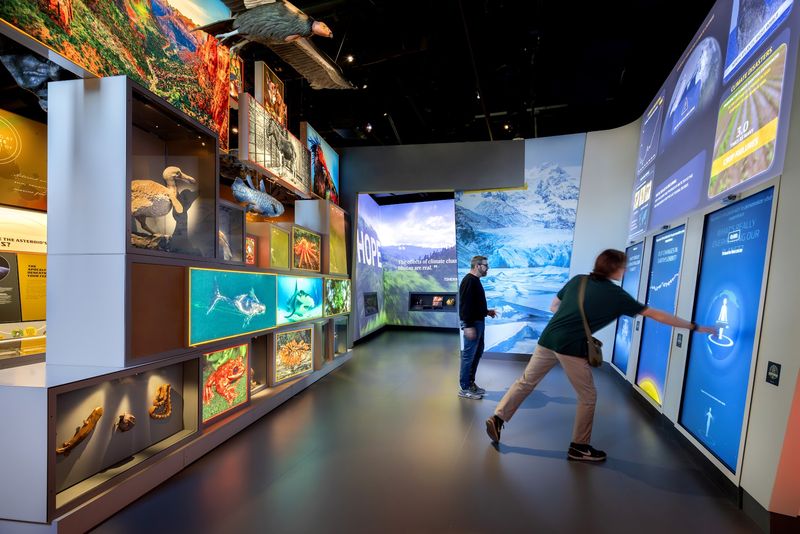
Inside Edelman Fossil Park & Museum, interactive exhibits help keep the science moving. Touch screens, games, and programmed passes allow guests to engage with information instead of only reading wall text.
The keycard-style interactive system has been part of the check-in flow for some guests who bought tickets in advance. Once set up, those cards can connect with screens throughout the museum, adding a personalized layer to the visit.
The museum’s layout includes multiple gallery areas across two floors, with stairs and elevators available. That matters for families juggling strollers, grandparents, field trip groups, and anyone who appreciates a visit that does not become a stair-climbing event.
Because the exhibits are built around fossil discovery and prehistoric New Jersey, the hands-on pieces do more than entertain. They help explain how scientists read clues from the ground, and they keep the energy high enough that the learning sneaks in before anyone can complain about being educated.
Virtual Reality For A Bigger Prehistoric Leap
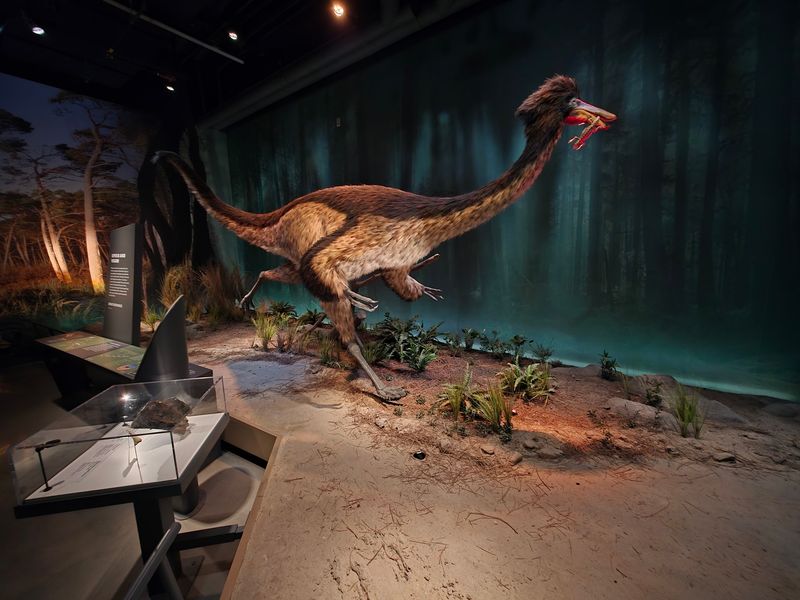
The virtual reality expedition adds a different kind of museum moment, especially for guests who like technology mixed with science.
Available as an optional add-on, the VR experience is often treated as a highlight by people who want the visit to feel more immersive and modern. It gives the prehistoric theme another format beyond models, fossils, and text panels.
That matters because the park has a tricky job. It has to explain ancient environments, extinct animals, and scientific processes to a wide audience without turning the visit into a lecture hall.
VR can help bridge that gap. It provides a structured, educational activity that appeals to older kids, teens, and adults who want something beyond the standard gallery loop.
Since it is an add-on, planning ahead is useful. Families watching their budget can decide before arriving whether the quarry dig, VR, or both belong in the day’s plan.
The museum already has enough to fill a shorter visit, but the VR expedition can give the trip a bigger finish for dinosaur fans who want one more reason to stay curious.
Critter Cove And A Small Touch Tank
Downstairs, the experience shifts from ancient remains to living creatures, which gives younger guests a helpful change of pace.
Critter Cove includes live animals, a touch tank, and a small aquarium-style area. The touch tank has been noted for animals such as starfishes and crabs, offering a hands-on connection to present-day life while the rest of the museum focuses heavily on ancient life.
The space is not described as huge, but it adds variety. After dinosaur models, fossil displays, and quarry talk, the room gives families another stop where kids can pause, ask questions, and interact with something different.
Story time has also been mentioned in connection with the lower level, which makes the museum especially useful for families with preschool-age children. A visit can move from galleries to animals to a short program without feeling like everyone is trapped in one mode.
Critter Cove also supports the museum’s broader environmental message. It quietly connects past and present, showing that the story of life on Earth is not only about what has been found in stone, but what people choose to understand now.
A Window Into Real Fossil Work
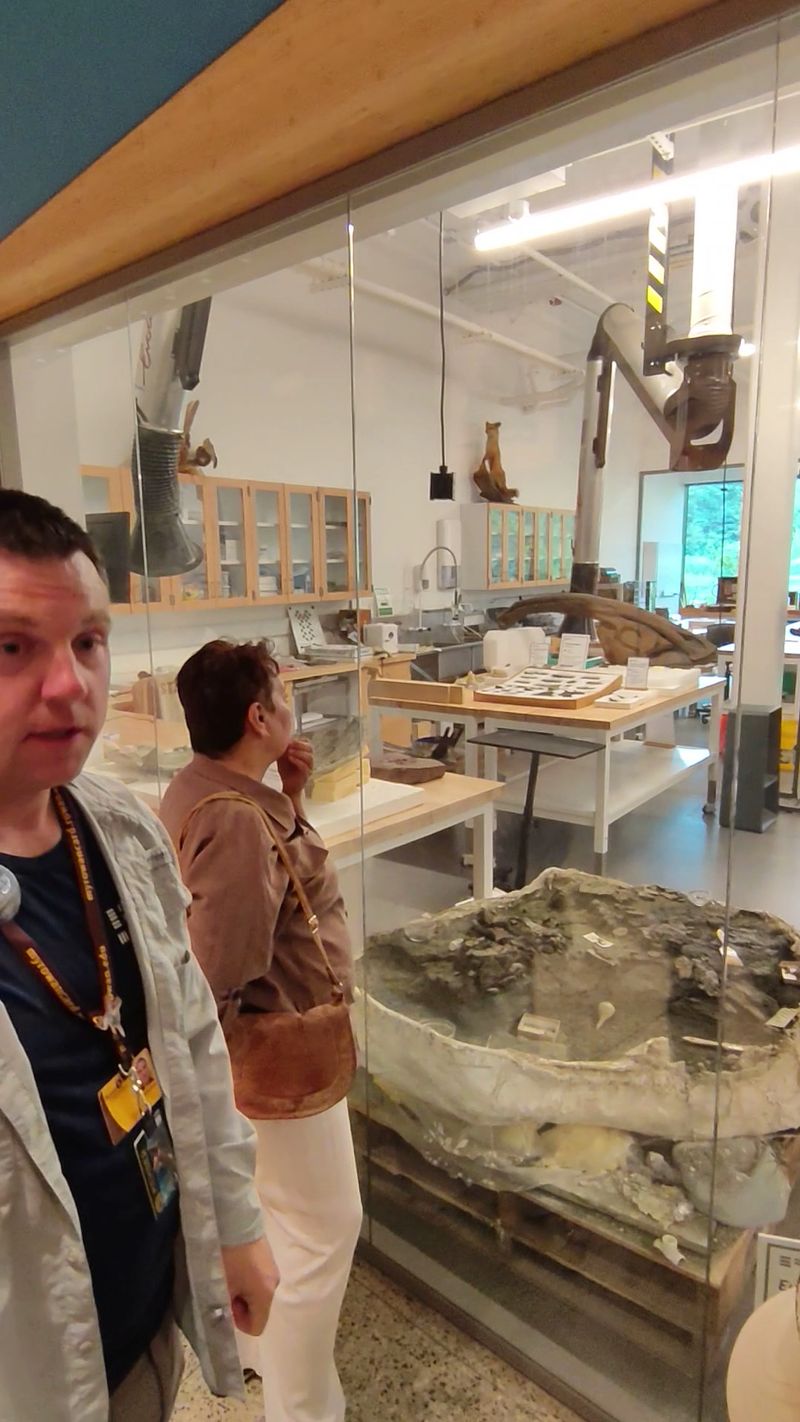
One of the coolest museum details is not something guests can touch at all.
Inside the building, a behind-the-glass work area lets people see fossil preparation and related scientific work. The area itself is not open for public entry, but the viewing windows offer a look at what happens after something is uncovered.
That small design choice matters. Fossils do not become museum-ready by magic, and the viewing area helps connect the public-facing exhibits with the careful work that supports them.
Staff members and interpreters throughout the museum often add context beyond the signs. That personal guidance can help guests understand why certain finds matter, how fossils are identified, and what makes the local quarry unusual.
The museum also includes educational material about the fossil-finding process, not just the finished results. That approach helps make paleontology feel less like a movie profession and more like a real field with methods, patience, and responsibility.
For curious kids, the window may plant an idea. For adults, it adds credibility.
Either way, the museum gets bonus points for showing the workbench, not just the trophy case.
A Playground With Prehistoric Energy
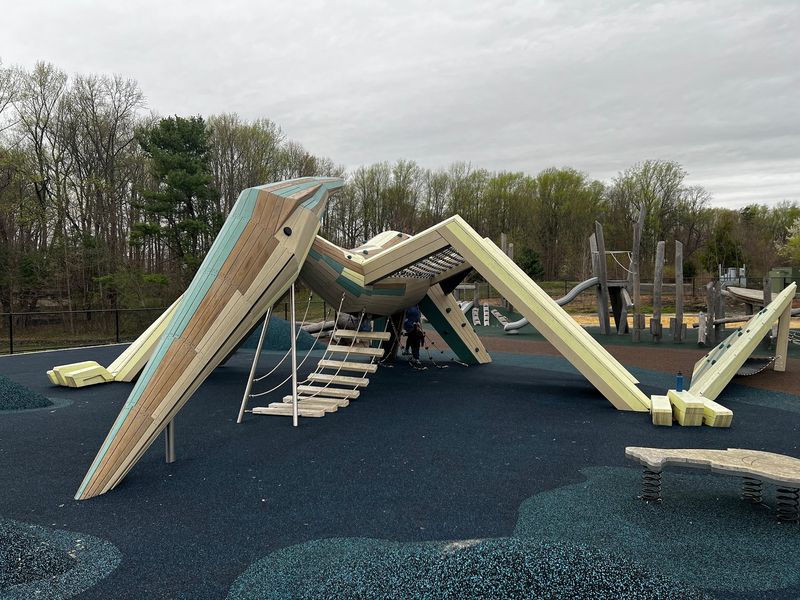
After a museum visit, kids often need somewhere to spend the energy they politely stored during exhibit time.
The outdoor play area near the entrance gives younger guests a place to climb, balance, and dig in a sand pit. It has been described as a strong end-of-visit stop, especially for families with children who still have plenty of motion left after the galleries.
The playground fits the larger theme without requiring a ticket-holder mindset from every minute of the day. It extends the fossil park idea outdoors and keeps the visit from feeling like a strictly indoor museum circuit.
There is one practical note worth remembering: shade may be limited in the play area. On a warmer day, families may want to plan breaks, use the café area when needed, and keep timing in mind.
The playground also helps the park appeal to mixed-age groups. A child who loves dinosaurs can focus on the museum, while a younger sibling may be just as happy with climbing and digging outside.
That flexibility is a big reason the destination works as a family day trip rather than a quick one-room stop.
A Museum Built For School Trips And Curious Adults
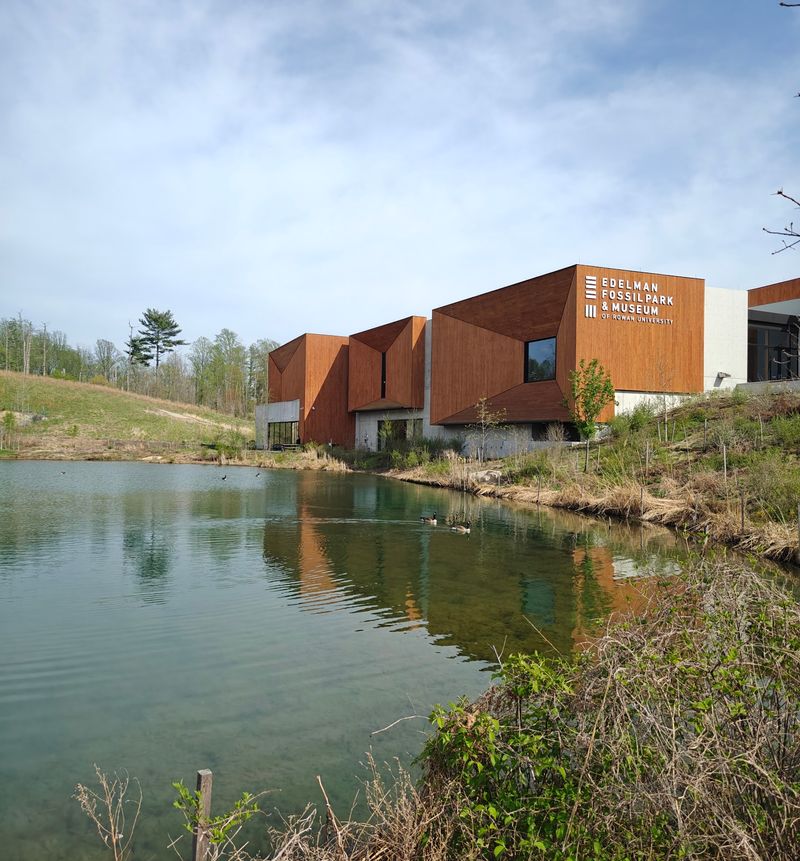
Field trip energy can be a good sign when the subject is fossils, because few topics make learning feel so naturally nosy.
Edelman Fossil Park & Museum works well for school groups, families, couples, and adults who simply like science. The subject matter is broad enough for many ages, but the focus on New Jersey fossils keeps the visit grounded.
The museum’s staff presence is a major part of the experience. Guides, interpreters, and team members help explain displays, assist with the quarry, and answer questions that come up along the way.
For adults without kids, the visit still has substance. The local fossil story, the science behind excavation, the lab-viewing area, and the environmental themes give the museum more weight than a child-only attraction.
For families, the value comes from variety. A single trip can include dinosaur displays, touch screens, Critter Cove, the quarry add-on, a gift shop, a café break, and playground time.
That range helps explain why people of different ages can share the same outing without everyone pretending to be interested in the same thing. At a fossil park, even the grown-ups get permission to ask the big dinosaur questions.
Sustainability Woven Into The Building
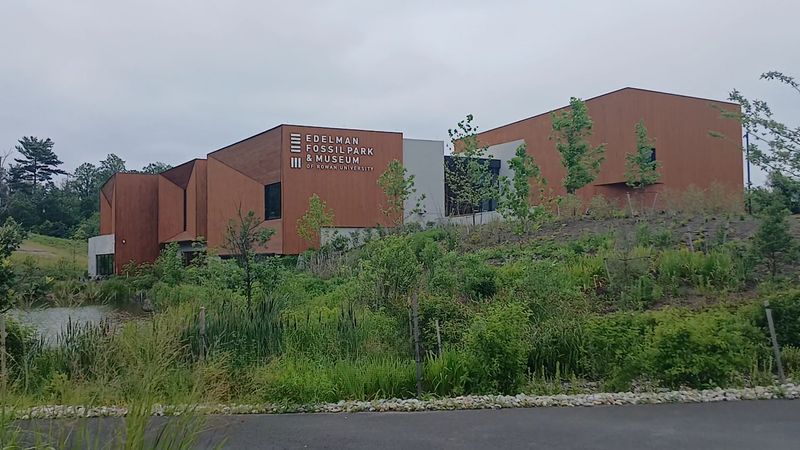
The building is part of the story, not just the container for it.
Edelman Fossil Park & Museum has been noted for sustainability-minded design, including wood elements and energy-efficient systems. That choice lines up neatly with the museum’s educational message about Earth’s past, present, and future.
Inside, the museum does not stop at dinosaurs and fossil discovery. Exhibits also point toward environmental change and what people can do as the planet faces current challenges.
That may sound heavy for a family outing, but the museum frames the topic through science rather than gloom. It connects ancient life, extinction, and modern responsibility in a way that gives the visit more depth.
The architecture has also caught attention because the building feels striking for its suburban setting. A fossil museum near everyday South Jersey landmarks is already surprising, and a thoughtfully designed building adds to that sense of local pride.
For New Jersey readers, that is part of the charm. The state often hides its most interesting places in ordinary-looking corners, and this museum turns that pattern into a full lesson plan with a quarry attached.
Tickets, Add-Ons, And Planning Time
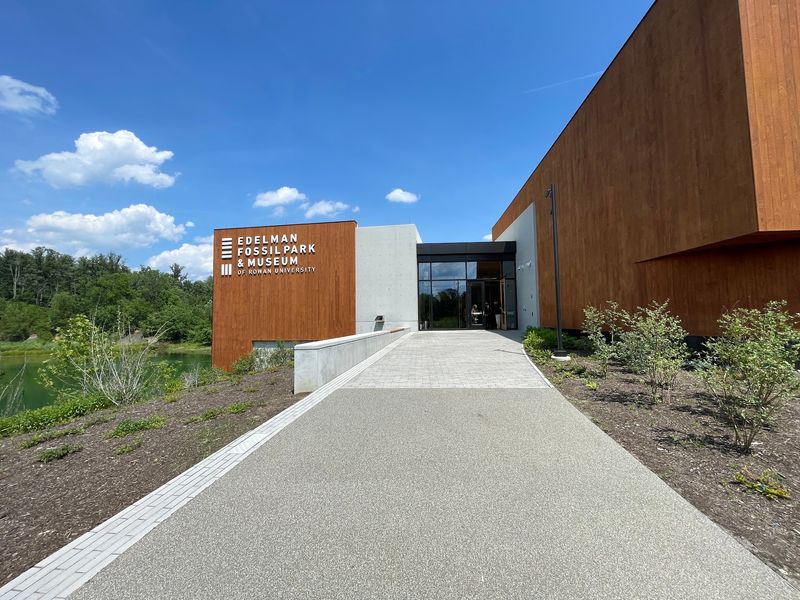
A little planning helps this fossil trip run smoother, especially when the quarry dig or virtual reality experience is part of the plan.
General admission has been noted at about $30 for adults and $25 for children, with optional add-ons such as the quarry dig and VR experience. Since costs can change, the museum’s official website should be checked before making plans.
Buying tickets in advance can make arrival easier. Guests who pre-purchase may use a QR code at entry, then receive programmed interactive passes for the exhibits.
The whole visit has been described by some as taking about 1.5 to 2 hours, though families adding the quarry, playground time, café time, or VR may naturally stay longer. A short visit is possible, but rushing the dig would miss the point.
The museum also has a gift shop with fossil-themed items and a café near the entrance. Some people find the café convenient for breaks, while others prefer to plan around it depending on their needs.
For best results, treat the outing like a half-day science adventure. Fossils may be old, but the schedule still belongs to the modern calendar.
Hours, Parking, And Getting There
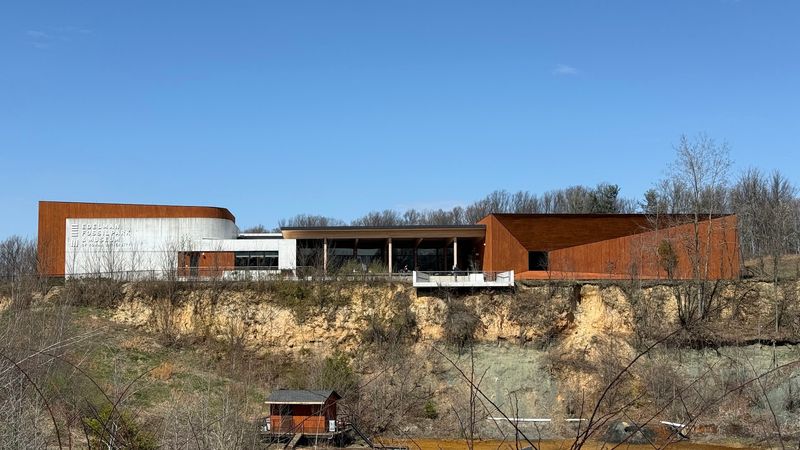
The practical side is refreshingly simple: the museum is open daily from 10 AM to 5 PM, based on the provided operating hours.
That seven-day schedule makes it flexible for school breaks, weekends, weekday errands, and short-hop trips from nearby parts of New Jersey or the Philadelphia area. Some guests have also traveled from farther away, including the New York City region, for a South Jersey dinosaur-focused outing.
Free parking has been mentioned, though the lot can be busy at certain times. Arriving with tickets already purchased can reduce check-in friction, especially when field trip groups or weekend crowds are in the mix.
Weekdays may feel easier for people who prefer a calmer museum flow, while weekends can be the better fit for families with school schedules. Either way, checking the website before leaving is smart, especially for add-on availability and event details.
The museum’s location in Sewell makes it a realistic day trip rather than a major travel production. New Jersey residents do not have to cross state lines for a fossil-focused outing with actual digging involved.
That is the quiet win here. The prehistoric payoff sits close enough for a regular Saturday plan.
A Soft Verdict For Fossil Fans
Not every New Jersey outing needs to be huge to feel memorable, and this one proves that focus can beat size.
Edelman Fossil Park & Museum of Rowan University is best for people who like dinosaurs, fossils, hands-on learning, and local history with a scientific twist. It may not match the scale of a major natural history museum, but it has something many larger places cannot offer: a direct connection between the exhibits and the ground outside.
The quarry dig is the standout, especially because small finds can be kept unless they are especially important. That single detail changes the mood of the visit, turning guests into participants instead of spectators.
Families get the widest menu of options, with galleries, interactive screens, Critter Cove, the playground, the gift shop, and optional add-ons. Adults with a serious interest in paleontology can still find plenty to appreciate in the local fossil story and staff-led context.
The best verdict is simple: it is a South Jersey destination with real substance under the fun. New Jersey has many unexpected stops, but few let you leave with a 66-million-year-old conversation starter in your pocket.
Share this story