Lunch gets more interesting when the person behind the counter has something to say beyond asking for your order number. At an unassuming Italian deli in New Jersey, the appeal includes family ownership, personal attention, and an ordering routine that may take a little explaining.
The supplied accounts describe a place where conversation matters, but they also raise practical questions about costs and payment. Here is what makes this neighborhood stop different, plus what to know before hunger makes all the decisions.
A Neighborhood Address With Its Own Routine
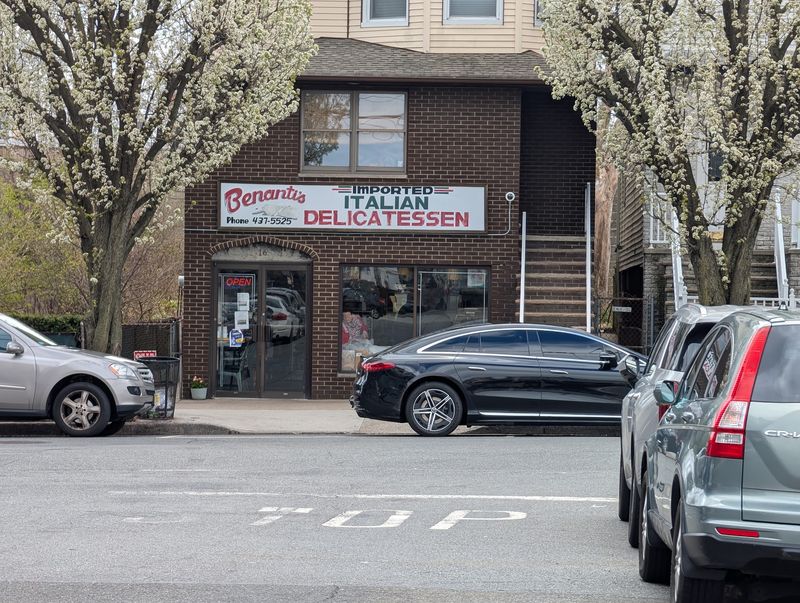
A lunch stop does not need a complicated itinerary. Benanti’s Italian Delicatessen is at 16 W 22nd St, Bayonne, New Jersey 07002, United States, making its exact address the useful starting point for a first trip.
The business is listed as a deli, and the supplied accounts describe an Italian, family-owned operation with a personal approach to ordering. Rather than presenting lunch as a fixed sequence of numbered choices, the counter encourages customers to explain what they want.
That distinction matters before anyone heads over expecting a familiar chain routine. Several accounts mention the absence of a posted ordering menu, while others describe asking the owner for guidance.
Use the street address to plan the route, but leave room for questions once inside. The location gets you to the door; the counter conversation helps determine what happens next.
A little preparation keeps the unfamiliar parts manageable.
Family Ownership at the Center
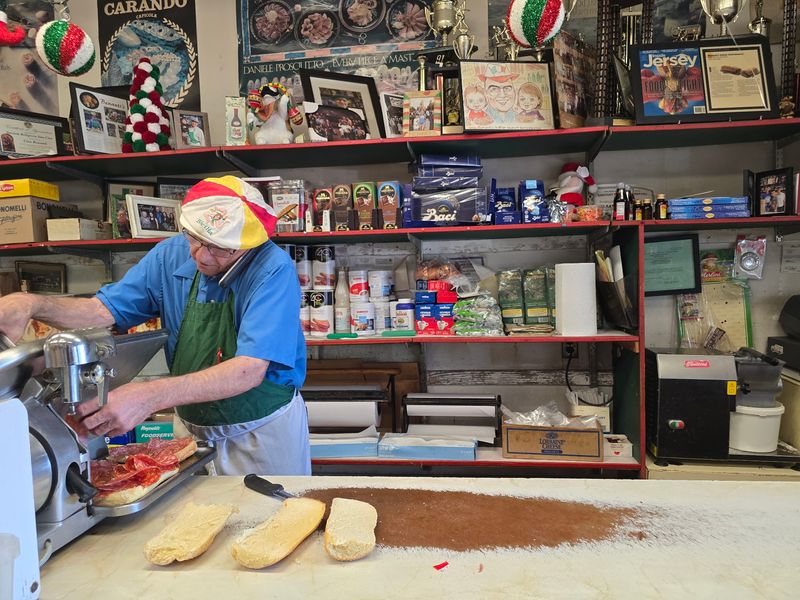
Ownership is part of the appeal here, not merely a line on a business listing. The supplied accounts identify a family-owned operation and repeatedly describe direct interaction with the people running it.
Charlie is mentioned often, especially in connection with personal attention, conversation, and help choosing an order. Customers describe encounters that extend beyond a simple transaction, including discussions about the owner’s story and pride in the business.
The available information does not establish a founding year or provide a complete family history. There is no need to invent either to explain the shop’s character.
What comes through instead is a business whose identity is closely connected to its people. That gives lunch a different framework from a standardized counter experience, although individual interactions can vary.
The strongest reason to appreciate the family connection is the attention described in ordinary exchanges, not an unsupported claim about generations.
An Order Built Through Conversation
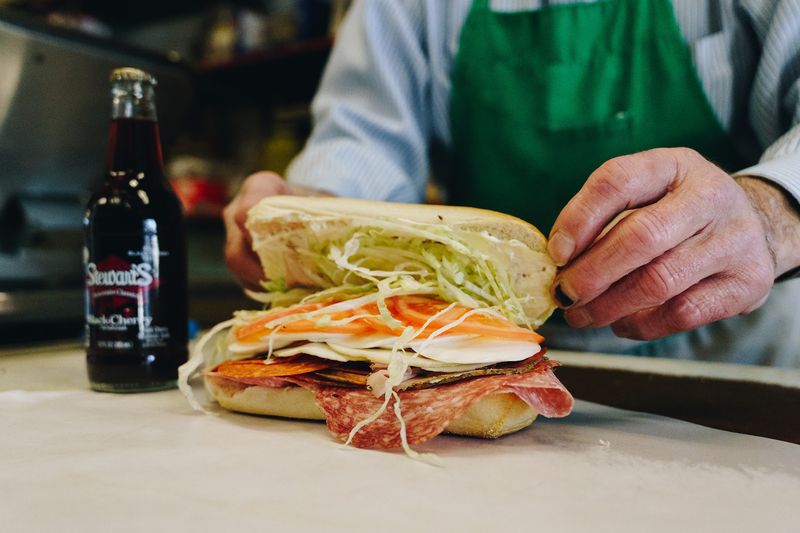
The first decision may be asking how the ordering process works. Multiple supplied accounts describe no posted menu, so newcomers should not assume they can study a list and simply request a numbered option.
Instead, customers explain their preferences at the counter. Some arrive knowing exactly what they want, while others ask for a recommendation and let the person preparing lunch guide the choice.
That flexibility is useful, but it also makes clear communication important. Mention any dietary restrictions, ask which options are available, and confirm the cost before preparation begins.
There is nothing wrong with needing a little explanation on a first stop. The informal system is part of what separates this deli from a chain, but familiarity should never be a requirement for ordering comfortably.
A straightforward question can turn a potentially confusing exchange into an easy one, without pretending that every choice is already obvious.
Preparation in Front of the Customer
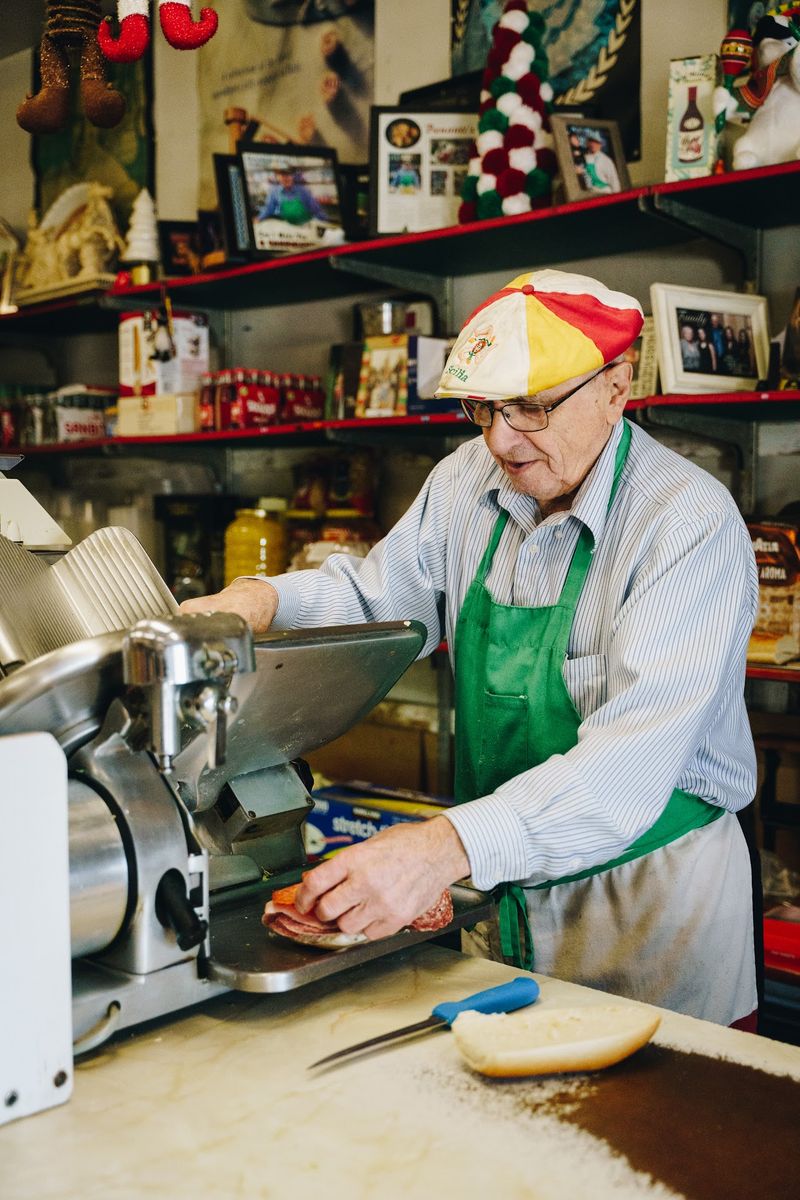
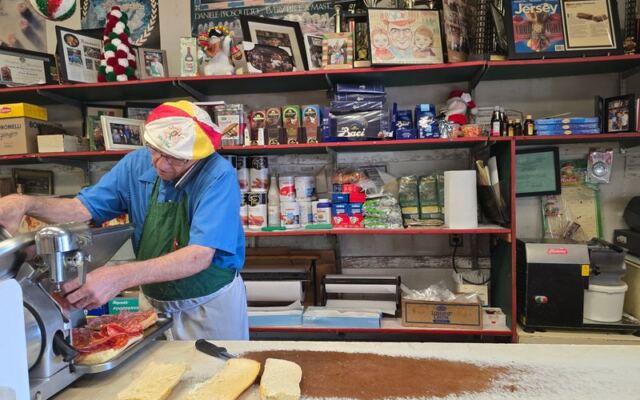
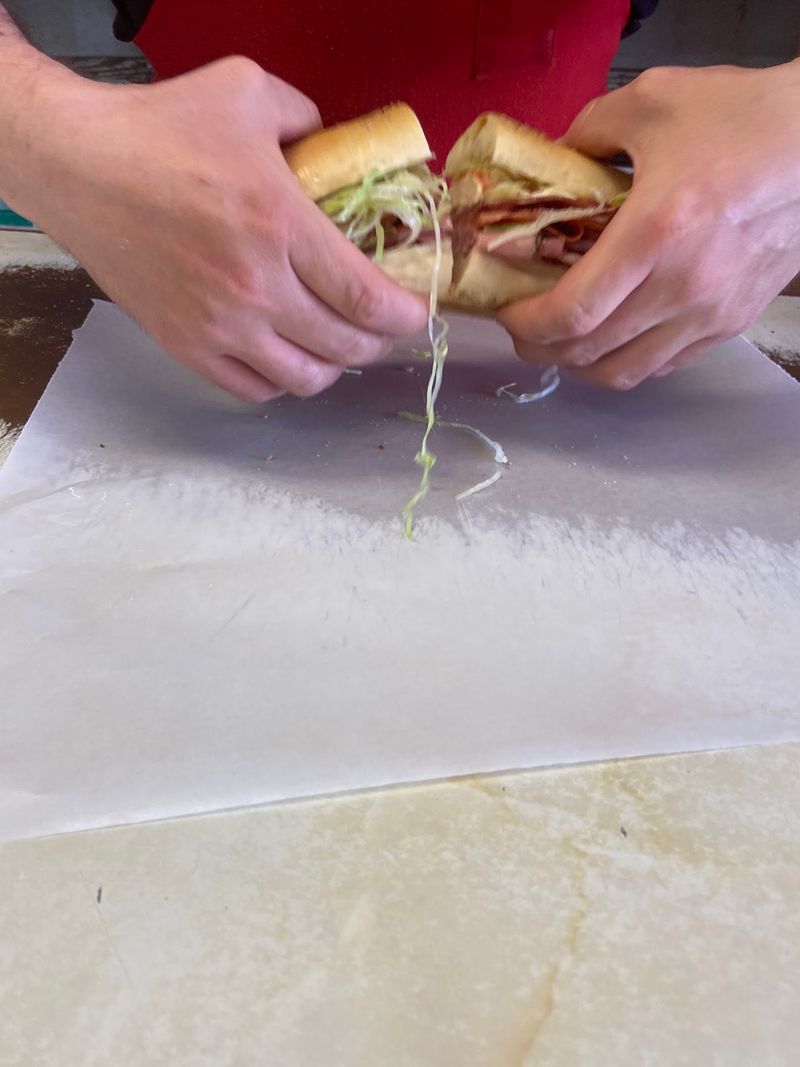
Preparation becomes part of the visit when an order is assembled up front. The supplied accounts describe lunch being made at the counter rather than simply handed over as a finished package.
That gives customers a chance to explain preferences during the process. It also helps distinguish the shop’s personal ordering style from the more fixed approach many people expect elsewhere.
Several accounts emphasize substantial portions, although the information does not establish standard sizes or a dependable portion chart. Ask what a particular order includes instead of assuming every choice follows the same format.
Personal preparation does not remove the need for practical questions. Confirm the ingredients, the amount, and any requested changes before the order moves too far along.
The benefit is direct communication with the person making lunch, not a promise that every customer will have an identical experience. Here, a clear request is especially useful.
Conversation Beyond the Transaction
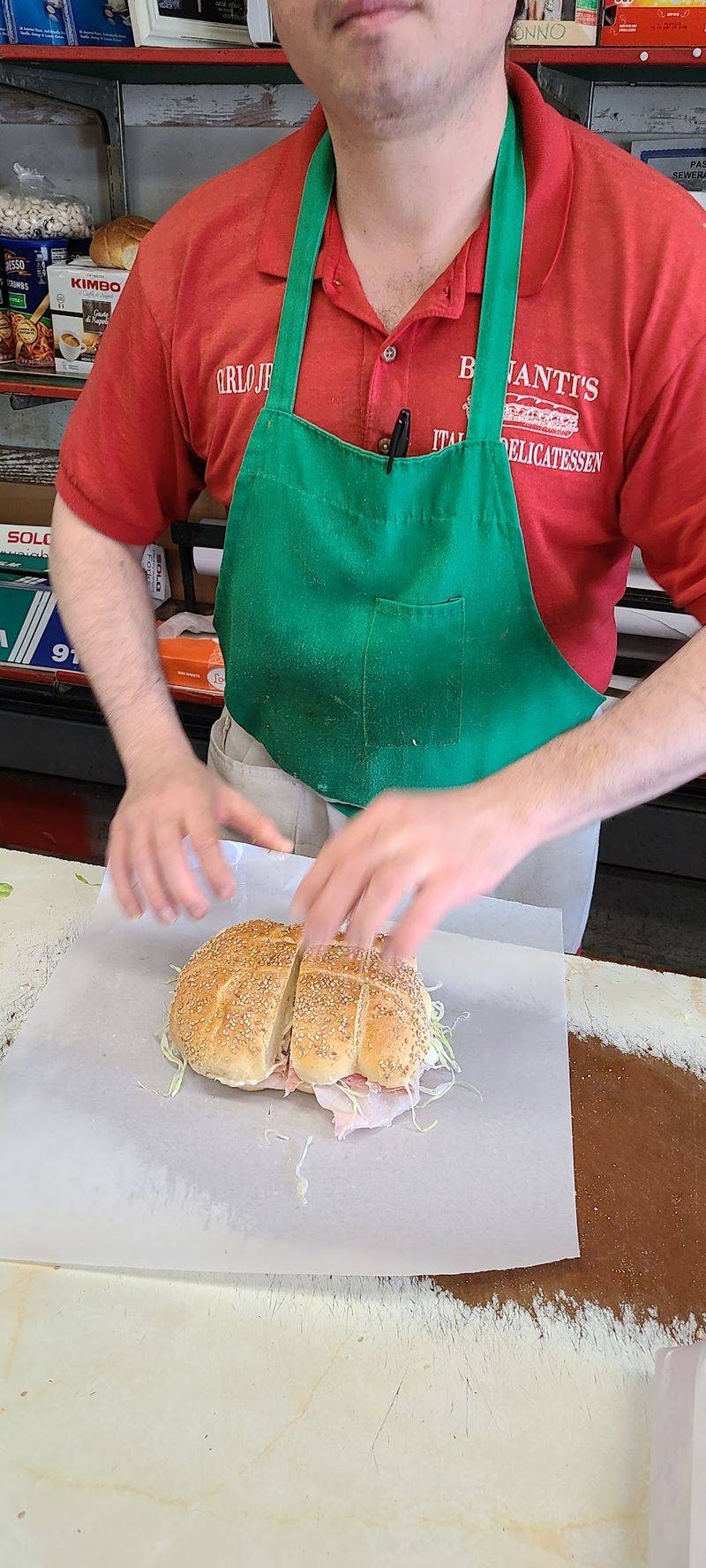
A quick exchange can become a longer chat at this counter. Friendly interactions, jokes, and conversations with the owner appear repeatedly in the supplied accounts, giving the deli a social side beyond its basic function.
Some customers describe receiving guidance when they could not decide what to order. Another account mentions samples alongside conversation, although that should not be treated as a standard inclusion or something every customer can expect.
The practical takeaway is simple: allow a little flexibility in the schedule. There are no reliable wait-time figures in the information provided, and personal attention does not always follow a strict timetable.
People who enjoy talking with the person preparing lunch may find that approach appealing. Anyone working against a tight deadline should keep the order clear and avoid assuming an instant handoff.
A friendly counter can be part of the outing without becoming an obligation to linger.
Holiday Decorations Beyond the Calendar
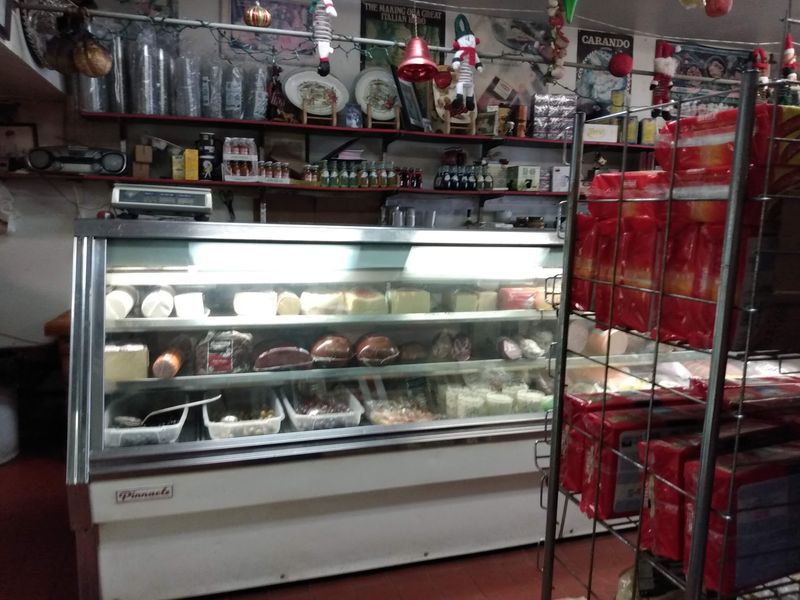
December apparently does not get exclusive rights to the decorations. More than one supplied account mentions Christmas decorations remaining in place outside the holiday season, a small detail that adds to the shop’s individual character.
It is a more concrete observation than simply calling a business nostalgic. The decorations suggest a setting shaped by its own habits rather than a seasonal display schedule shared across multiple locations.
Still, the accounts do not establish exactly which decorations are present today. Treat the detail as part of the shop’s reported personality, not a guarantee about the interior on a particular date.
The wider impression is of an old-school deli that follows its own routine. Customers looking for a highly standardized setting should adjust that expectation before arriving.
Those interested in a place with personal touches have a specific detail to notice, without needing an elaborate story attached to it.
The Right Fit for an Informal Lunch

Not every lunch stop needs to suit every kind of outing. The strongest match here is someone comfortable with informal ordering, direct questions, and a business where the people behind the counter influence the experience.
The supplied accounts include customers discovering the deli through coworkers and people returning with family. They support the idea of a place shared through personal recommendations, without establishing special facilities for groups or children.
Takeaway purchases are also described, making a collected order a supported way to approach the stop. Seating, restroom access, and step-free entry are not established by the available information.
Anyone who needs those details should confirm them before making plans. The same goes for specific dietary needs, since a flexible order is not the same thing as a verified accommodation.
Match the visit to what is documented, and the deli’s informal approach becomes easier to navigate without unnecessary surprises.
A Clear Total Before Preparation

The smartest budget move happens before the order is made. Several supplied accounts mention missing posted prices, and reported totals vary enough that quoting a single figure as today’s dependable cost would be misleading.
Some customers consider the expense worthwhile, while others express concern about value or inconsistent charges. Those differing experiences make an upfront question more useful than a broad claim that the deli is either inexpensive or costly.
Ask for the total of the exact order, including any additions, before agreeing to it. Confirming the amount gives both sides a clear understanding and keeps the payment stage straightforward.
Cash-only payment is also mentioned in the supplied information. Bring cash rather than relying on a card, and verify the current policy if payment flexibility matters to the trip.
The goal is not to make lunch complicated; it is to settle the practical details before hunger takes over.
Daily Hours With a Shorter Sunday

Sunday requires a little more attention to the clock. The supplied operating schedule lists 8 AM to 6 PM Monday through Saturday, with Sunday hours running from 8 AM to 3 PM.
That makes lunch possible every day under the listed schedule, but Sunday offers a shorter window. Check current hours before a special trip, particularly around holidays, rather than treating a published schedule as an absolute guarantee.
The listing includes a Facebook page that provides another place to look for business information. The available data does not establish parking arrangements, nearby transit stops, or a preferred driving route.
Plan transportation using the exact street address already provided, and confirm any access needs separately. A first trip is easier when the route, payment method, and arrival time are settled in advance.
Leave enough room to ask about the ordering routine, rather than arriving just before the listed closing time.
Personality With Practical Expectations
The difference is not a slogan on the wall. Family ownership, counter guidance, and conversation give this deli an identity that the supplied accounts consistently connect to the people running it.
That does not mean every experience is equally positive. The information also includes concerns about costs, consistency, and handling practices, so a fair account should not turn personal character into a blanket assurance.
Approach the stop with practical expectations: ask what is available, confirm the total, bring cash, and check the hours. Those steps leave more room to appreciate the personal side without overlooking the details that matter.
A neighborhood deli earns interest through the way it handles an ordinary lunch, not through promises of perfection. For someone who prefers a conversation to a numbered ordering routine, this address offers a reason to pause.
The soft verdict is simple: consider the character, prepare for the quirks, and decide for yourself.
Share this story