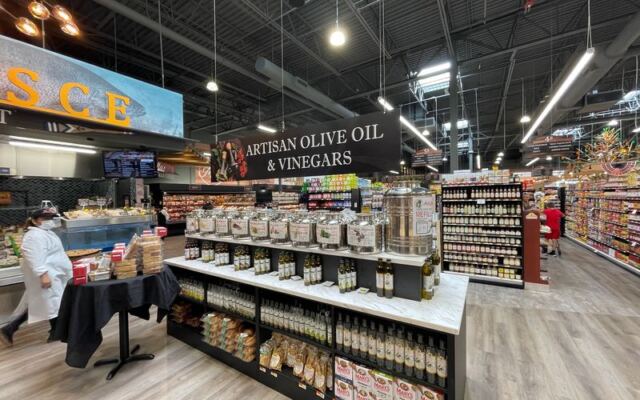
A quick grocery stop can turn into a much bigger plan when an ordinary shopping center holds an Italian market with plenty to explore. At this New Jersey spot, the challenge is not finding something to bring home, but deciding how much room to leave in the bag.
Prepared meals, specialty groceries, and several food departments give hungry shoppers reasons to keep browsing beyond their original list. Here is what makes the market worth a closer look, along with the practical details that help keep the trip easy and the total under control.
An Italian Market in Freehold
The bigger-bag problem begins at Livoti’s Old World Market, an Italian grocery store at 200 Mounts Corner Dr, Freehold, NJ 07728, United States. Its shopping-center setting makes the first impression fairly practical, but the range inside gives the stop a different purpose.
Rather than focusing on one counter, the market combines specialty groceries with prepared food and several separate departments. A shopping list might cover everyday needs, while an extra purchase turns the same errand into an occasion.
The supplied information identifies bakery, produce, meat, seafood, and deli areas among its offerings. That variety explains why the title is about bags rather than a single meal.
For local shoppers, the appeal is straightforward: several kinds of shopping happen under one roof. For a short-hop outing, the market offers enough choices to justify browsing carefully instead of treating the visit as a quick stop at the nearest register.
Family Ownership and Everyday Roots
A family-owned business can still serve a very practical role, and that is the useful starting point for understanding this market. The supplied accounts describe family ownership alongside a mix of Italian specialties and familiar grocery needs.
There is no need to add an elaborate origin story to explain its appeal. Its local role comes through in repeat shopping, special purchases, and customers returning for help from the staff.
The combination gives the place more flexibility than a shop devoted only to occasional treats. Someone can arrive with a household list, while another person comes specifically for a specialty purchase.
That everyday connection matters more than a sweeping claim about tradition. The market’s character rests on what people can actually buy and how those departments fit into their routines, with Italian offerings providing the main focus without limiting the entire shopping trip to one narrow category.
Specialty Finds Beyond the Usual List
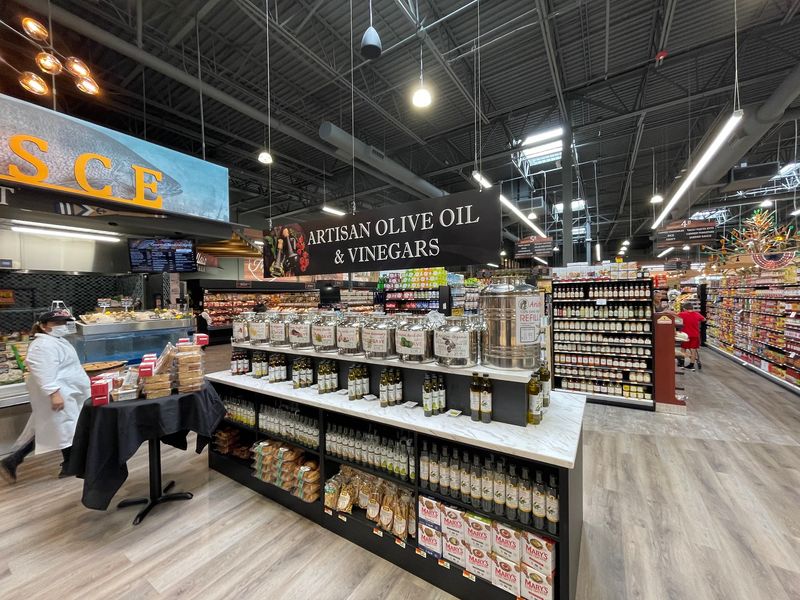
The original shopping list may need a little flexibility here. Packaged goods, house-brand products, and Italian specialty items give the shelves a role beyond supporting the staffed counters.
Even Italian cleaning products appear in the supplied accounts, a small detail that expands the market’s identity beyond food alone. The selection supports a browse that is different from simply collecting the same weekly purchases.
A sensible approach is to complete the essentials first, then allow time for unfamiliar labels or products. Ask about anything unclear rather than assuming an item’s use, ingredients, or origin.
Not every discovery needs to become a purchase. Choosing one unfamiliar specialty item can keep the trip interesting without turning a modest errand into an expensive experiment.
That balance suits the headline’s promise: there are reasons to bring extra carrying space, but the most useful find is still something that belongs in the household’s plans.
Prepared Meals With Less Homework
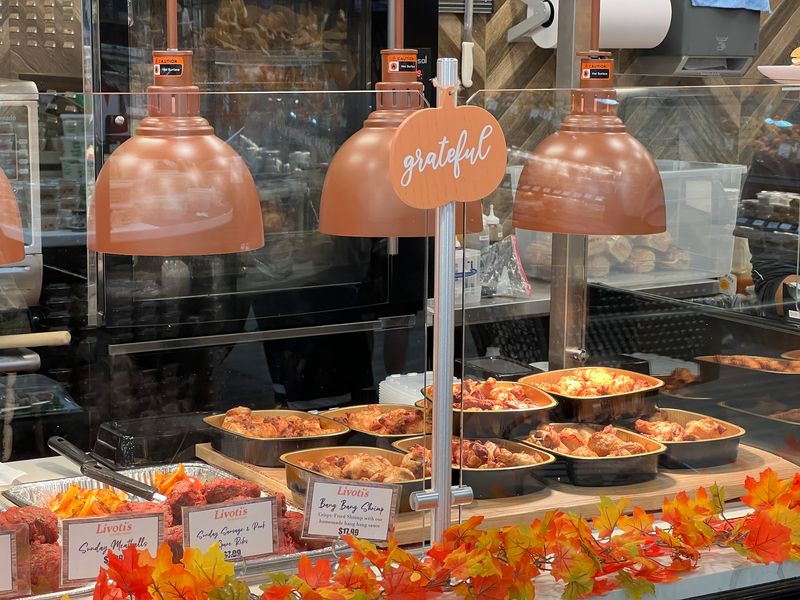
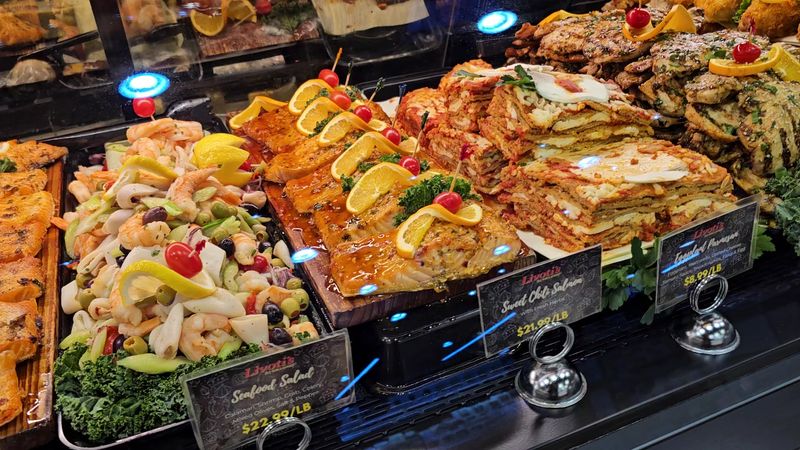
Dinner does not always need another project. The market’s prepared-food selection includes hot and chilled options, along with ready-to-cook and ready-to-eat purchases described in the supplied information.
Those categories serve different needs, so it helps to decide how much work should remain after the trip. Something ready to eat solves a different problem from a purchase that still needs preparation at home.
The range also makes this department useful for shoppers who are not planning a full grocery run. A focused stop can cover an immediate meal without requiring a tour of every aisle.
Ask staff about preparation instructions and the details of a particular selection before committing. The available information does not establish a fixed daily menu, so flexibility is more useful than arriving with a highly specific expectation.
Convenience is the real advantage here: the store provides choices for different schedules, not just different shopping lists.
A Bakery Worth Its Own Stop
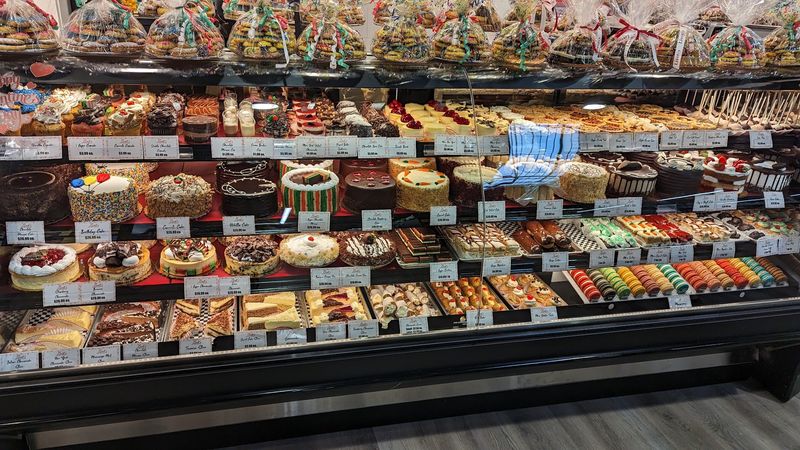
One department can be enough to give a grocery trip a clear purpose. The bakery stands out in the supplied accounts as a frequent reason for enthusiasm and an occasional specialty-shopping destination.
Its presence adds another decision to a store already offering several meal-related departments. A shopper might finish the practical part of the list and still want to reserve room for a bakery purchase.
There is no verified daily selection or current price list in the provided information. Treat the department as something to explore on arrival rather than a promise that a particular item will always be available.
For households planning a gathering, it is sensible to ask about quantities and availability before making firm plans. For a smaller errand, choosing one purchase keeps the stop simple.
The bakery earns its own section because it gives the market an additional reason to visit, independent of a complete grocery shop.
Produce for the Practical Shopper
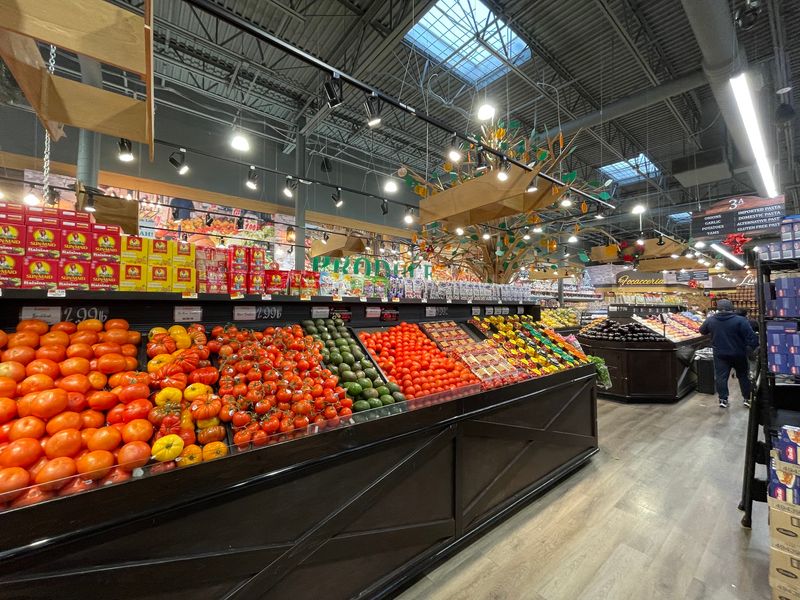
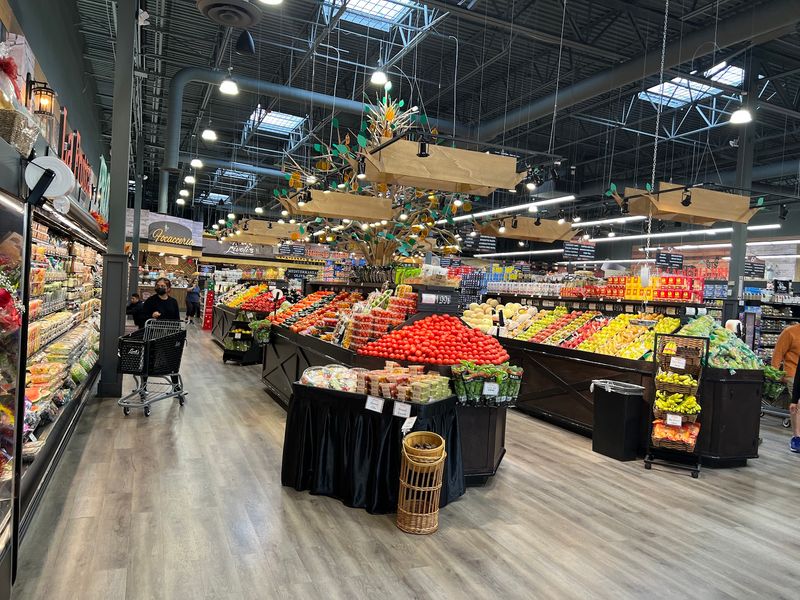
Everyday groceries help keep a specialty market grounded. The produce department gives this store a useful role for shoppers who want more than prepared meals or occasional extras.
The supplied accounts repeatedly point to care in this area, while some also describe its prices as reasonable. That does not establish a universal bargain, but it does support checking the department instead of assuming every purchase carries a specialty-store premium.
Compare the current shelf labels with the quantities needed at home. A good purchase is less useful when too much ends up sitting unused after an ambitious shopping trip.
This department also offers a practical way to balance the bag. Basic household needs can share space with a small number of specialty purchases, making the trip more purposeful.
The appeal is not a dramatic claim about selection. It is the straightforward convenience of including everyday ingredients in the same market visit.
The Butcher Counter’s Extra Options
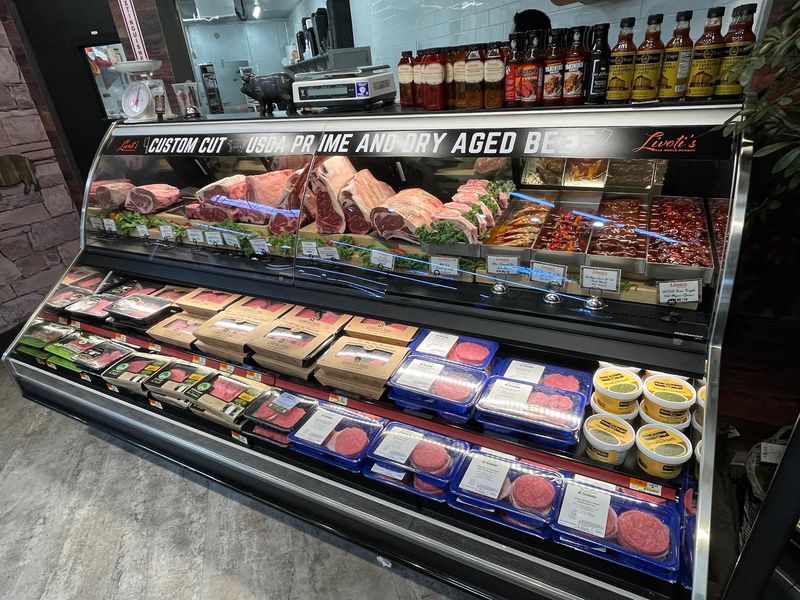
A meal planned for home can begin with a conversation at the counter. The meat department includes different cuts and ready-to-cook selections, giving shoppers choices beyond standard packaged groceries.
The provided information also identifies a butcher area with specialty offerings. That makes the department relevant to someone planning a particular meal, even when the rest of the grocery list is short.
Questions are useful here: confirm the quantity, preparation needs, and current cost before settling on a purchase. The source does not supply a complete department menu or a dependable current price list.
Ready-to-cook options may suit households that want to handle the final preparation themselves without organizing every part of the meal. Their usefulness depends on the plan, not on buying the largest possible amount.
A focused purchase keeps this counter from becoming another unplanned addition. Bring a meal idea, leave room for advice, and let the available selection guide the choice.
Seafood With a Useful Distinction
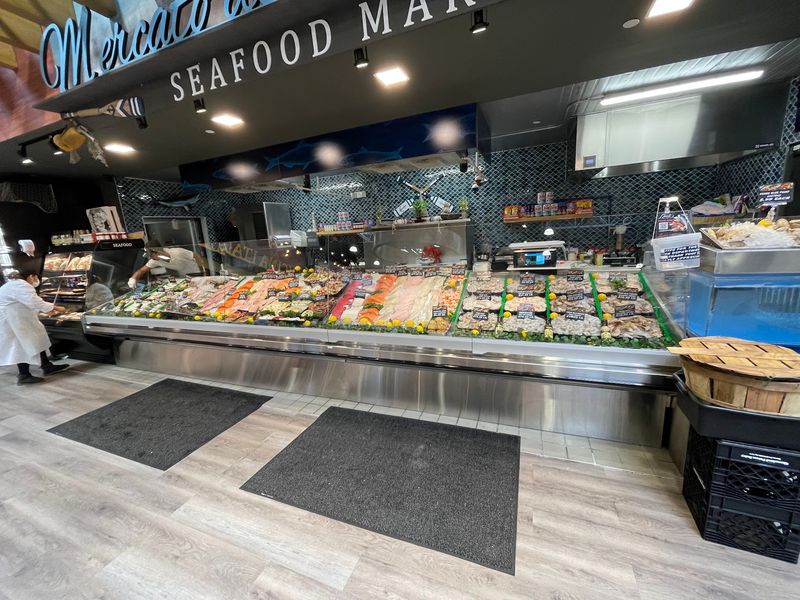
Not every department follows the same operating arrangement. The market has a seafood section, and an owner response in the supplied material confirms that it is independently operated.
That distinction is worth understanding before placing an order or raising a question about a purchase. Confirm the department’s current ordering process directly rather than assuming it matches the rest of the store.
The available accounts describe a broad selection, but they also include concerns about product quality, inconsistent price information, and assistance. Management acknowledged those concerns, and one documented issue resulted in a replacement that resolved the immediate problem.
A balanced account should keep both sides in view without promising an identical experience on every trip. Check the label, ask for the current total, and clarify any special request before paying.
The department adds another shopping option, but clear communication is especially valuable when responsibility and procedures differ within the same market.
Counter Orders and Catering Details
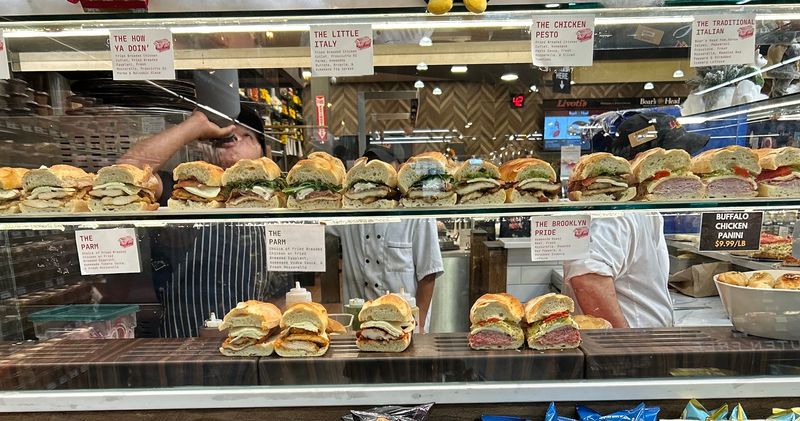
A custom order deserves a quick check before it leaves the store. Deli purchases and catering are part of the market’s offerings, but the supplied information includes occasions when orders did not match expectations.
Some accounts describe missing ingredients, while another documents confusion about which counter handled a request. Those details suggest a simple precaution: ask where to order and repeat any important requirements.
For catering, confirm the contents, quantity, collection arrangements, and total with the store. The available material does not provide current packages or a complete ordering policy.
Staff assistance receives plenty of positive attention elsewhere in the supplied accounts, so the aim is not to turn every purchase into a complicated inspection. A brief conversation can simply make expectations clear.
Before heading home, check that the order matches what was requested. That small step is especially useful when the purchase is meant for a gathering rather than an everyday meal.
An Organized Store With Limited Seating
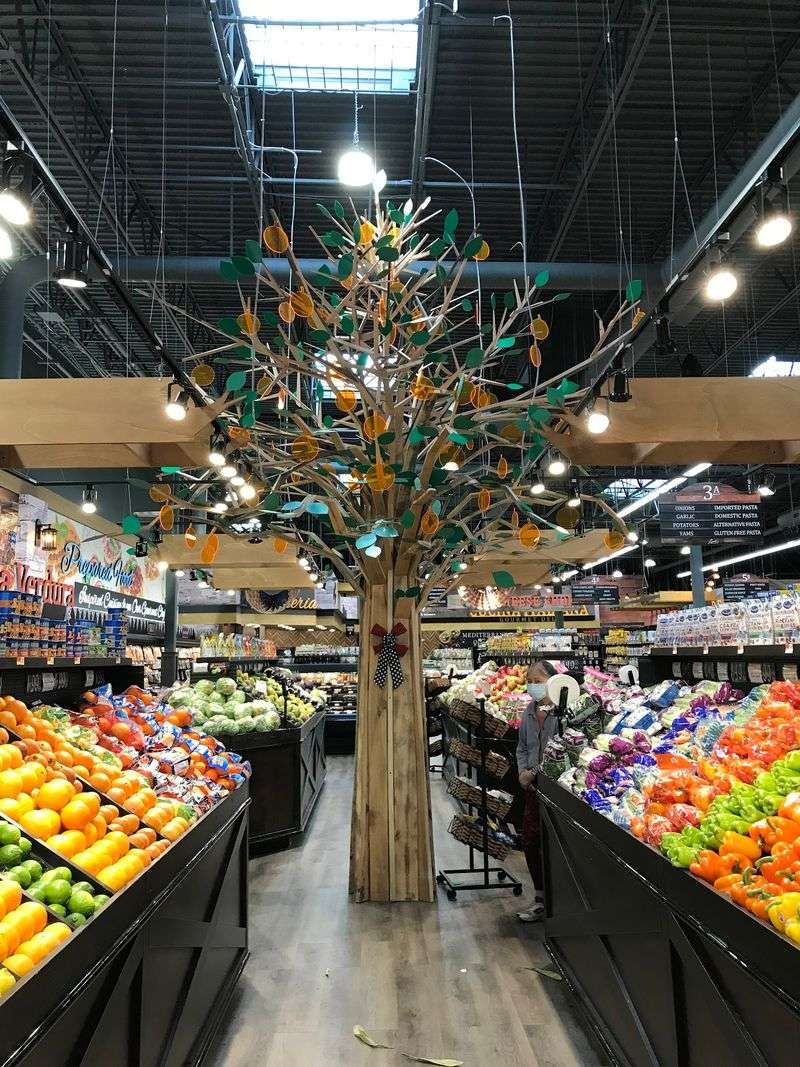
The main activity here is shopping, even though eating on site is part of the picture. Supplied accounts describe seating inside and outside, while also noting that the seating area could be larger.
That makes takeaway the safer plan for anyone who needs a dependable place to settle in. The information does not establish seat counts, reservations, or guaranteed availability.
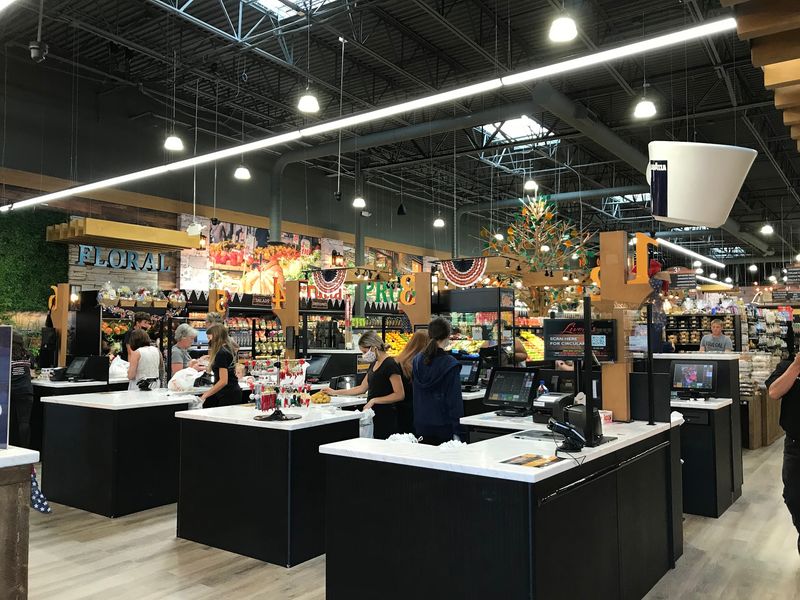
Cleanliness, organization, and well-stocked departments are recurring strengths in the source material. Helpful employees also contribute to an approachable shopping experience, particularly when someone needs help finding a product.
The setting suits a practical errand, a specialty-food browse, or a stop for prepared purchases. It should not be presented as a full restaurant experience with assured seating.
Allow enough time to move between departments and ask questions without rushing. The market works best when the outing is planned around its retail purpose, with any chance to sit treated as an extra.
Daily Hours and a Sensible Budget
A flexible schedule makes this stop easier to work into the day. The supplied operating hours are 7 AM to 8 PM every day of the week.
Check the official website, livotisoldworldmarket.com, before a special trip, particularly when planning around a holiday. The provided schedule does not establish holiday exceptions or separate department hours.
The shopping-center location has parking and access to Route 9 south described in the source. No verified information establishes public transportation details, so those should be checked separately if needed.
Cost deserves some attention before the bag gets full. The supplied accounts vary, with some purchases considered reasonable and others described as expensive, especially specialty selections.
Ask for current totals at staffed counters and compare shelf labels as the trip progresses. A budget with room for one extra purchase leaves space for discovery without treating every interesting department as a reason to spend more than planned.
A Bigger Bag, Not a Bigger Promise
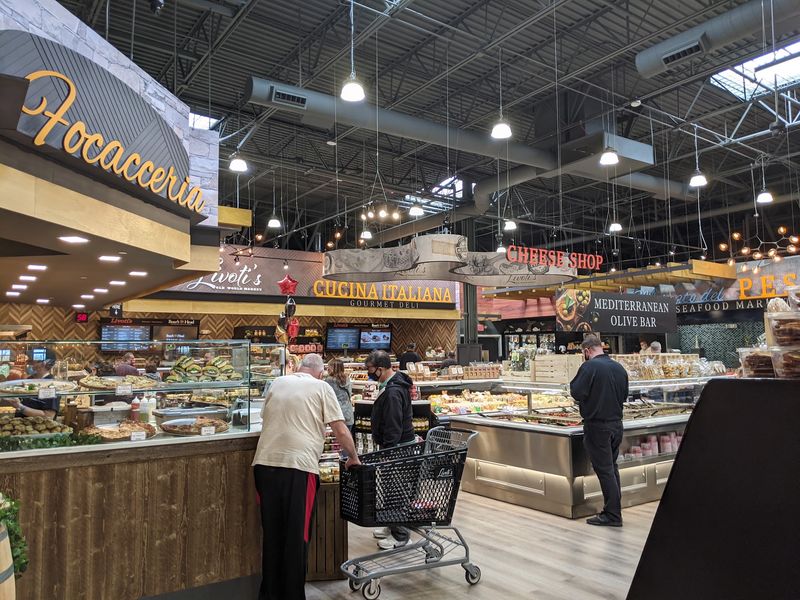
The strongest reason to make the trip is the combination of choices. Specialty groceries, everyday departments, and prepared purchases allow the market to serve several needs without requiring several separate stops.
That does not mean every household should turn it into its main grocery store. The supplied accounts support both regular shopping and occasional visits for something specific, with budget and personal needs shaping the decision.
A first trip can stay modest: choose a purpose, explore a few departments, and ask questions where the details matter. Save a larger purchase for a later visit if the selection fits the household’s routine.
Extra carrying space is useful, but restraint has a place too. The best bag is filled with purchases that have a plan, not simply everything that prompted a second look.
For Italian-food shoppers, this market offers a worthwhile reason to browse beyond the usual list, without needing a grand promise to earn the stop.
Share this story