New Jersey has a habit of hiding major American stories in places that look easy to pass on an ordinary afternoon. In West Orange, one park holds the workrooms where Thomas Edison and his team chased inventions that changed home life, communication, business, and entertainment.
The surprise is not just the famous lab, but the range of what is here: phonographs, machine shops, archives, a huge library, and a replica of the first movie studio in the United States. Keep reading, because this stop is far more than a lightbulb lesson.
A West Orange Landmark With a National Park Badge
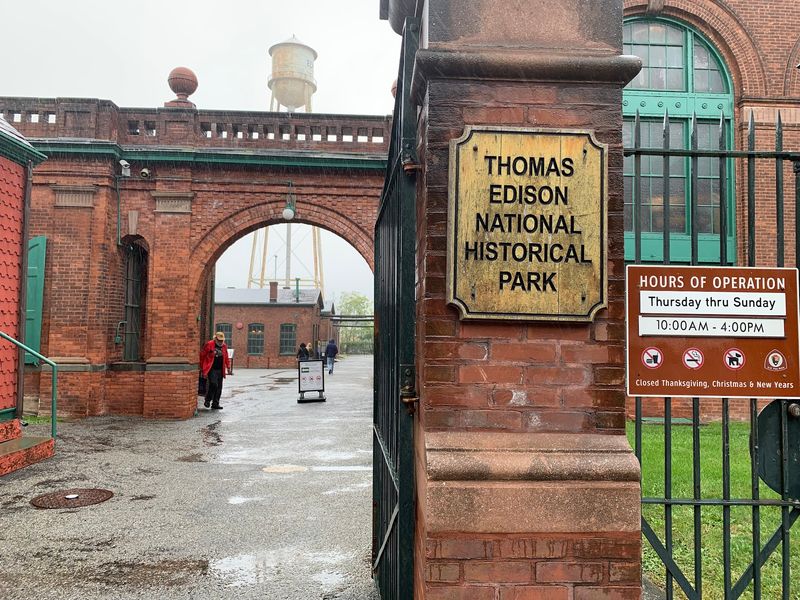
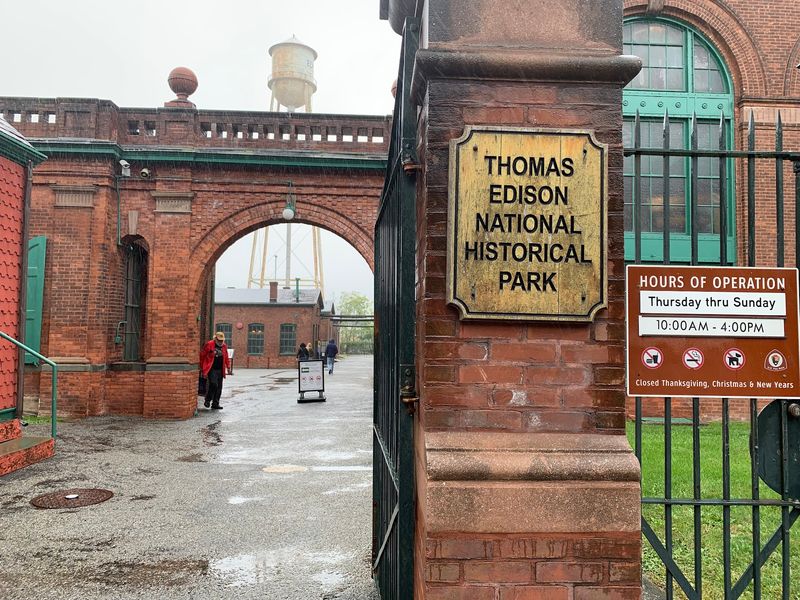
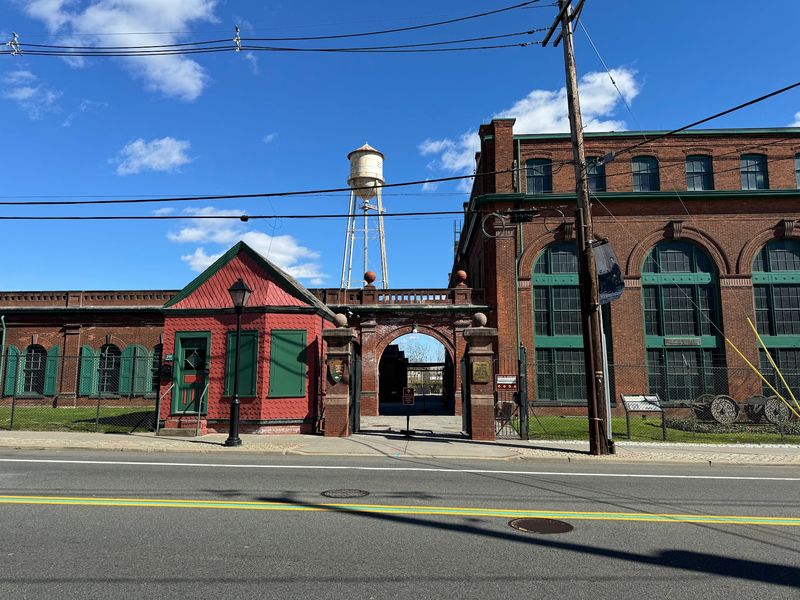
The address makes the story feel wonderfully specific: Thomas Edison National Historical Park is at 211 Main St, West Orange, NJ 07052, in Essex County, New Jersey, United States. It is a National Park Service history museum centered on Edison’s laboratory complex, exhibits, archives, and historic artifacts.
That official status matters because the site is not a loose collection of invention trivia. It preserves the place where Edison worked as an inventor, manufacturer, organizer, and business figure, with rooms and equipment tied to many areas of his career.
The park’s main draw is the laboratory complex, where the scale of Edison’s operation becomes clear. Instead of a lone tinkerer at a desk, the site shows a much larger system of workshops, laboratories, offices, a library, and specialized spaces where ideas could be tested and turned into products.
West Orange locals may know the name, yet the park still has a way of surprising people who have not gone inside. It is the kind of New Jersey stop that can reset expectations in one afternoon, especially for anyone who thinks national history only lives in bigger cities or farther-away landmarks.
The Laboratory That Made Invention a Daily Job
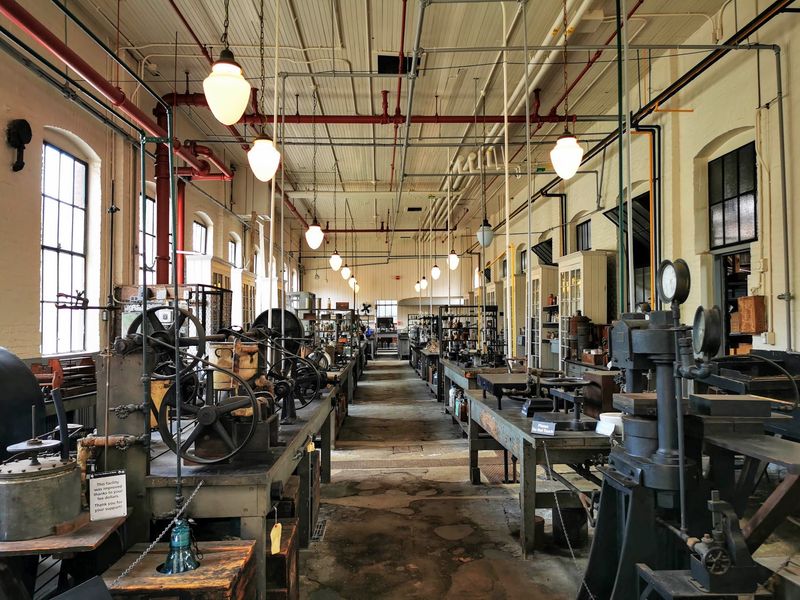
A quick schoolbook version of Edison can make invention sound like a single bright moment, but the laboratory complex tells a more practical story. Here, invention looks like repeated work, careful note-keeping, specialized rooms, and a team-based operation that covered many fields.
The preserved labs are the heart of the park, and they help explain why Edison’s West Orange operation became such a powerful part of American innovation. The site includes laboratory spaces connected with engineering, manufacturing, chemistry, photography, recording technology, and other areas of experimentation.
Several people who spend time here leave with the same useful correction: Edison was involved in far more than the lightbulb. The exhibits connect his name with phonographs, motion pictures, manufacturing, and business methods, giving the visit a wider frame than many first-timers expect.
The laboratory also works well because it does not flatten the story into a simple hero display. The scale of the rooms, the equipment, and the supporting spaces make it clear that invention required systems, materials, and lots of trial work.
For New Jersey day-trippers, that makes the park a rare stop where state pride and practical history share the same workbench.
A Library Built for Big Ideas
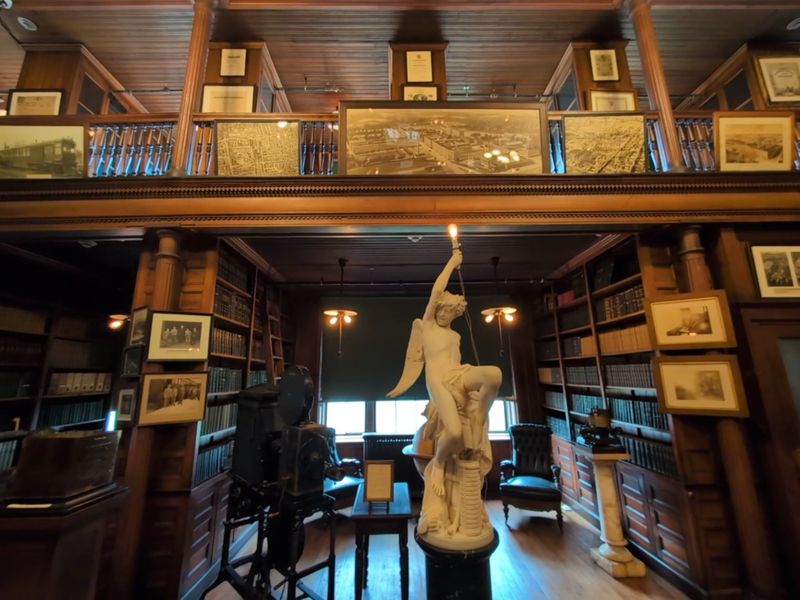
The library may be the room that quietly steals the show, mostly because it explains how serious the whole operation was. Rather than a decorative add-on, it functioned as part of the research engine that supported Edison’s work.
Inside the laboratory complex, the library helps visitors understand Edison as someone who gathered information, tracked ideas, and relied on organized knowledge. The space connects naturally with the archives and historical artifacts that define the site as a history museum, not just a preserved workshop.
People often mention the library as a favorite because it adds intellectual scale to the visit. The room gives context to the inventions by showing that the work depended on references, records, plans, and a steady flow of information.
There is also a notable home-theater connection tied to the site’s projector and large drop-down screen, which broadens the story beyond books and shelves. That detail makes the library feel linked to the history of entertainment as well as research.
Families with older children, history fans, and anyone who likes the behind-the-scenes part of invention should give this room extra time. It is less about one famous object and more about the disciplined setup that allowed many ideas to move forward.
Phonographs, Presentations, and the Sound of Early Technology
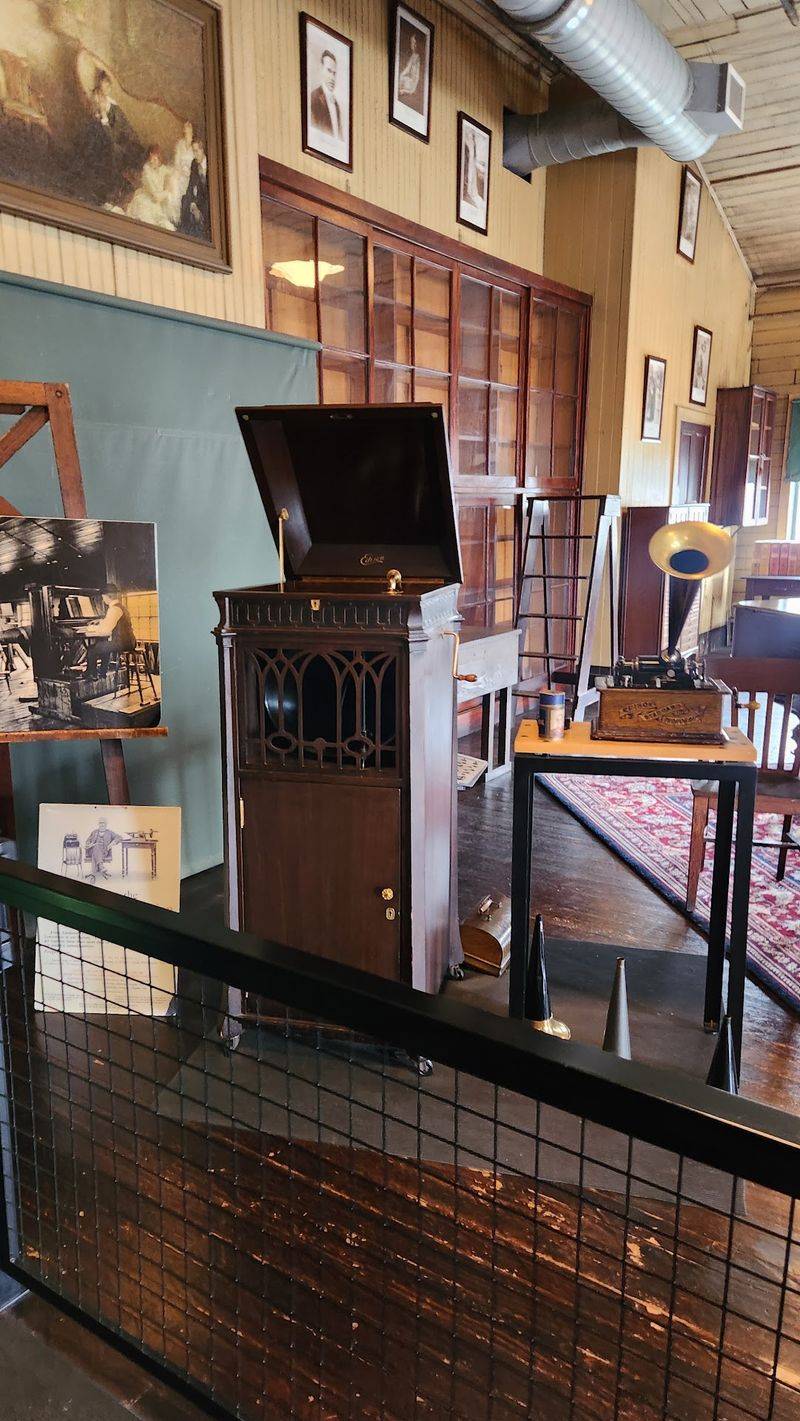
The phonograph story is one of the park’s strongest hooks, especially because it connects invention with everyday life in a way most people can grasp quickly. Edison’s work with recorded sound gives the museum a direct line to music, communication, and home entertainment history.
The park’s popular topics include phonographs, and many people make a point of seeking out that gallery or any available presentation connected to the device. When offered, a ranger or volunteer-led phonograph program can turn a familiar word into a much clearer piece of technology history.
That kind of interpretation is where the park often shines. Helpful rangers and knowledgeable staff are frequently part of the experience, answering questions and pointing out details that can be easy to miss in a self-guided visit.
The phonograph displays also help the article’s headline make sense in a broader way. This park is not simply about one invention or one building, but about the roots of several modern media habits that now feel ordinary.
Anyone traveling with students should keep this section of the visit in mind. It offers a clean bridge between classroom history and the practical tools that changed how people recorded and shared information.
Machine Shops With Serious New Jersey Grit
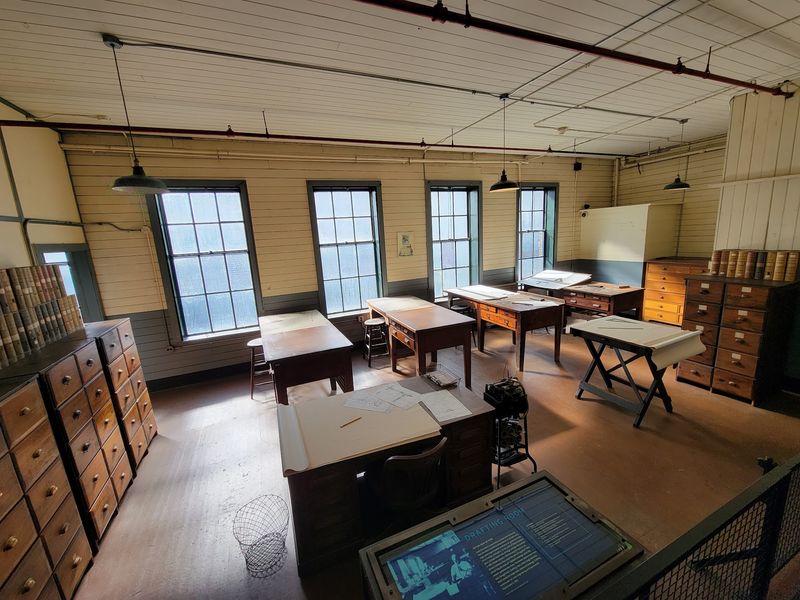
The machine shops bring a grounded, work-ready side to the Edison story. They show that ideas at this site did not stay on paper for long, because the complex had the tools and rooms needed to build, adjust, and test physical objects.
Several spaces in the main building connect to that practical side, including machine shop areas, wood shop elements, drafting rooms, and workspaces tied to Edison’s many innovations. The result is a museum experience that feels rooted in making, not just displaying.
That matters for New Jersey readers because the park fits a very local kind of pride. It is not polished history separated from real labor, but a preserved industrial research environment where manufacturing and invention worked side by side.
The machine shop also helps visitors understand Edison as a manufacturer as well as an inventor. Tools, parts, and workshop layouts show how the West Orange operation could move from concept to prototype with unusual speed for its time.
People who enjoy engineering, old industrial spaces, or hands-on problem solving will likely want to slow down here. The room has a practical attitude, almost as if every object is waiting for someone to ask, “What job did this do?”
The Black Maria and America’s First Movie Studio
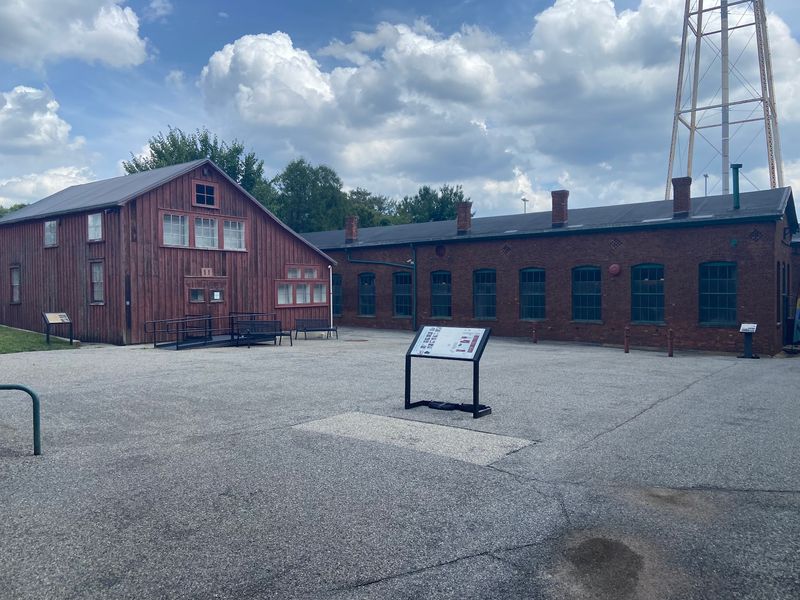
A black building on the grounds carries one of the park’s best conversation starters: the Black Maria, a replica of America’s first motion picture studio. It connects West Orange to the early days of film before movie studios became a national industry.
The original Black Maria was tied to Edison’s motion picture work, and the replica gives the park a striking link to entertainment history. For a state that is often reduced to tired clichés, that fact alone deserves a little Jersey bragging.
The movie studio angle also changes the rhythm of the visit. After laboratories, phonographs, and workshops, the Black Maria shifts attention toward images, performance, and the beginning of filmed entertainment in the United States.
Some parkgoers make a point of signing up for special experiences when available, including topics connected to the movie studio. Spaces for certain programs can fill, so it helps to ask at the visitor center early rather than saving every question for later.
The title of this article is not using the movie studio as a cute bonus. At Thomas Edison National Historical Park, the lab and the Black Maria belong to the same larger story of technology moving into public life.
Rooms Beyond the Famous Lightbulb
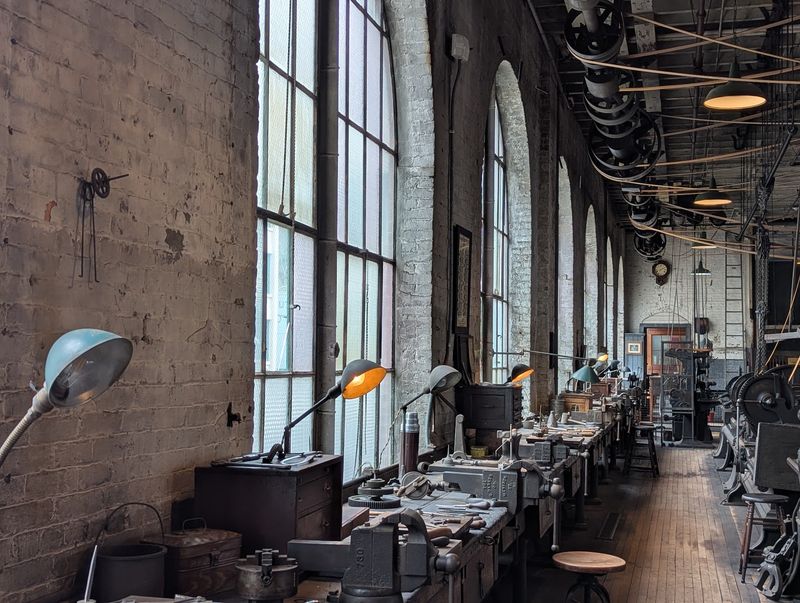
The best visits here usually happen when people stop hunting for only the famous item and start noticing the variety of rooms. Drafting areas, music-related spaces, photography exhibits, chemistry displays, and workshop rooms all add different chapters to Edison’s story.
The chemistry lab has been available at times, although access can vary, and some people have found it closed on a given day. That is a useful reminder to treat the park as an active historic site with changing access, not a place where every corner is guaranteed at all times.
The photography room and areas connected with developing images add another layer to the motion picture story. They show how Edison’s work touched not only electricity and sound, but also visual technology and documentation.
The drafting room is important because it highlights planning as part of invention. Drawings, designs, and organized workspaces help visitors see that problem-solving happened before anything reached a machine or exhibit case.
There is a pleasant payoff in realizing how many fields ran through one address in West Orange. The park keeps nudging the same point forward: Edison’s legacy was not one trick, one object, or one classroom paragraph.
A Visitor Center That Sets the Trip in Order
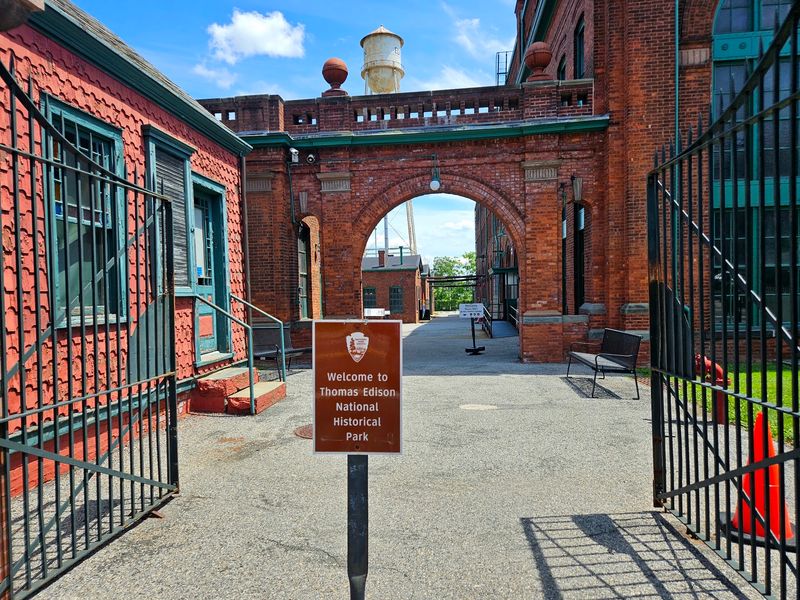
The visitor center is more than a polite first stop, and skipping it can make the day more confusing than necessary. Guests need to begin there before heading deeper into the museum areas or dealing with access connected to Edison’s residence.
It is also the place to ask practical questions about what is open, which programs are available, and whether any sign-up experiences still have space. Certain exhibits or presentations, including phonograph or movie studio-related offerings, may require early attention.
The center can add helpful context through films and orientation materials, which is useful before entering the larger laboratory complex. A short film can make the rooms easier to understand because the buildings contain so many objects and stories at once.
There is also a gift shop area for those who like a small souvenir tied to a real local outing. That detail is not the main reason to go, but it rounds out the visit and gives families a natural pause.
Travelers should also be careful with navigation apps, since directions may point toward Edison’s residence rather than the proper first stop. Follow park signs and begin at the visitor center, because even great inventors appreciated a decent starting point.
Glenmont, the Edison Home, and Access Limits
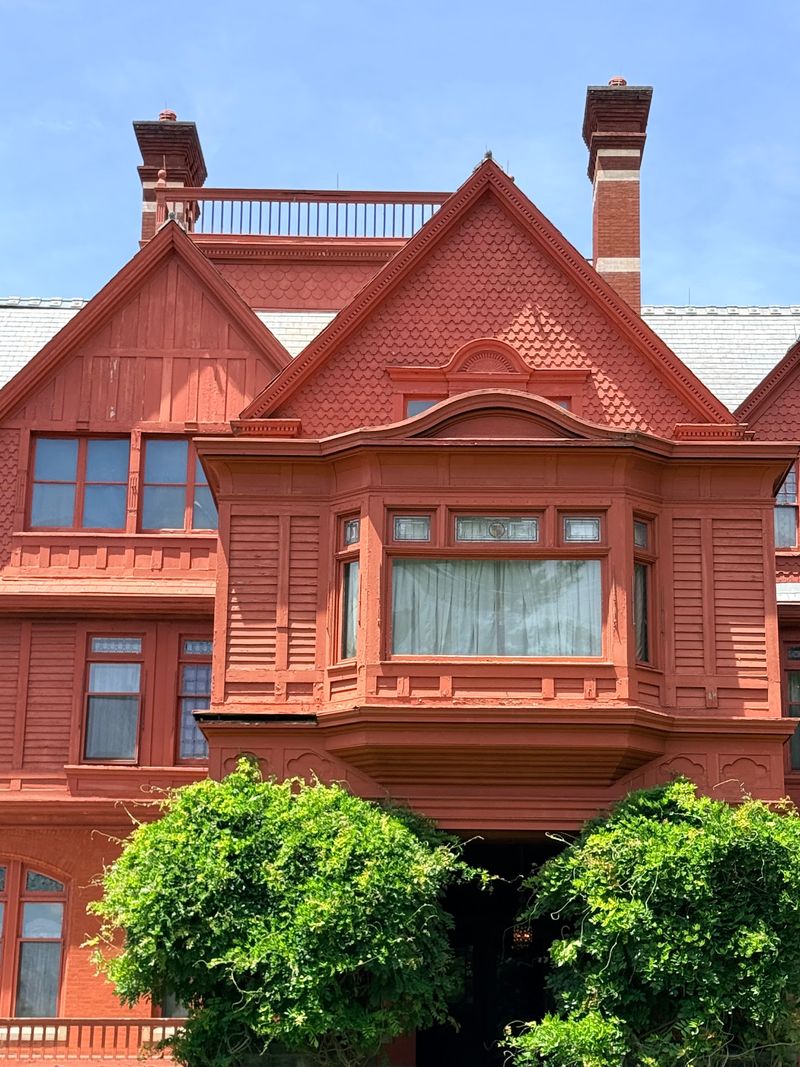
Edison’s home, known as Glenmont, adds a residential chapter to the park, but access requires extra attention. The house is nearby and connected with the broader site, yet it has had limited availability, including times when the interior was not open.
Recent visitor information from the provided data notes that the home may require an advance reservation, and other accounts mention that it was not presently open during certain trips. Because conditions can change, the park’s official website is the safest source before planning around the house.
The home sits in a gated community, which is another reason the visitor center matters. Guests should not expect to drive straight there without checking in or receiving proper direction from the park.
Even when the house interior is unavailable, the visitor center may provide video context about it. That can still help connect Edison’s work life with his personal setting without derailing the whole day.
For most first-time trips, the laboratory complex should remain the main plan, with Glenmont treated as a possible bonus if access lines up. That approach keeps expectations fair and makes the day feel successful even when one piece of the site is off limits.
A Strong Fit for Families, Students, and Curious Adults
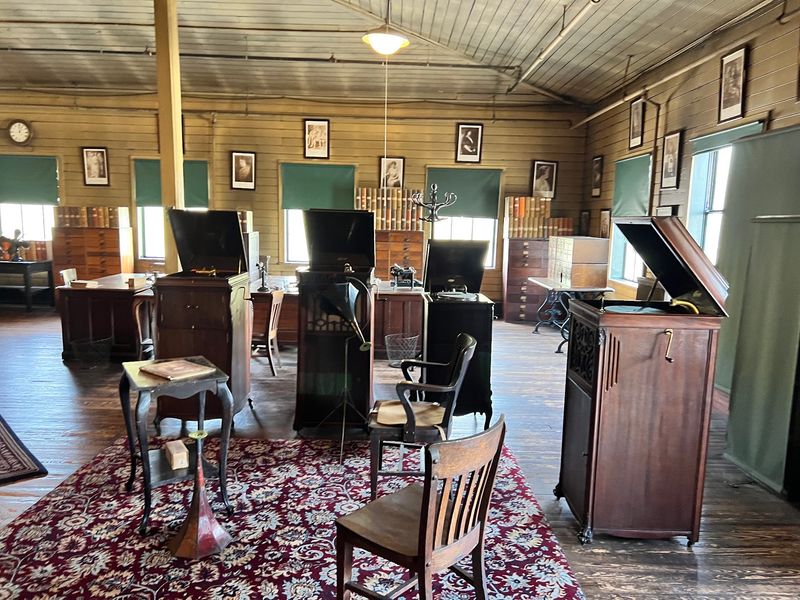
Parents looking for a day trip with actual substance get a useful win here. The park works for families because the story is concrete: rooms, machines, recordings, films, and artifacts all help explain big ideas without turning the outing into a long lecture.
Children under 16 are noted as free in the provided information, which can make the stop easier to consider for families. Interactive displays and child-friendly features have also been part of the experience, giving younger guests more than signs to read.
Teenagers can benefit from the technology angle, especially when rangers or volunteers explain the phonograph, machinery, or other museum highlights. The park’s subject matter naturally connects with science, history, entrepreneurship, and media, which gives adults plenty to talk about afterward.
Curious adults should not dismiss the place as a school-trip-only destination. Edison’s operation covered invention, manufacturing, business, recording, photography, and motion pictures, so the visit can land differently depending on a person’s interests.
The best audience may be anyone who likes seeing where complicated ideas became practical tools. That makes the park feel less like homework and more like a New Jersey field trip that quietly outperforms its modest footprint.
Hours, Tickets, Parking, and Time Needed
Current listed hours show the park open Saturday, Sunday, Monday, Thursday, and Friday from 9:30 AM to 4:30 PM, and closed Tuesday and Wednesday. Because one recent note said the website had the most accurate information during a seasonal schedule question, checking the official National Park Service page before leaving is the smart move.
Adult admission is listed as $15, and children under 16 are listed as free. The provided information also notes that tickets may be available online and on-site, and that an annual pass can include admission.
Time planning depends on how deeply someone wants to explore. A casual laboratory visit can take about 2 to 2.5 hours, while people who want the fullest look at exhibits, programs, films, and photos may want closer to 3 hours or even a half-day window.
Parking is described as free, with a lot directly across from the main gate to the laboratory complex and another lot about half a block up the road. As with access and hours, the visitor center should be the first stop for orientation and any needed passes or guidance.
For a New Jersey day trip, those details make the park refreshingly manageable. It is structured enough to plan, but deep enough that rushing would feel like leaving invention on the table.
A Soft Verdict for a Very Jersey Kind of Wonder
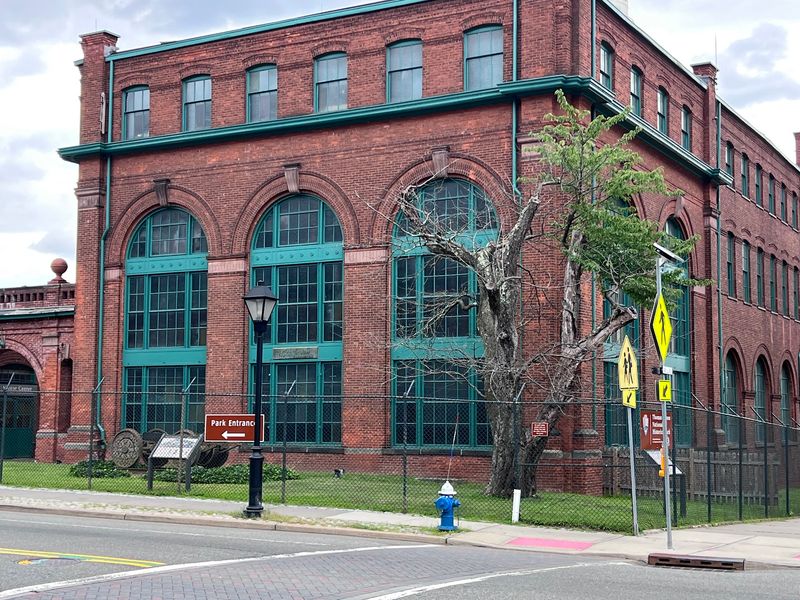
The strongest reason to visit Thomas Edison National Historical Park is not simply that Edison was famous. The better reason is that the place shows how fame was built through rooms full of work, records, experiments, equipment, and people who helped turn ideas into public realities.
New Jersey residents get an especially satisfying payoff here. West Orange is not playing a supporting role in someone else’s story, because the laboratory complex and the Black Maria place the town directly inside the history of invention and early film.
The park is not a massive all-day attraction for every traveler, and some access details require planning. The house may not be available, certain programs can fill, and checking the official website before going can prevent avoidable confusion.
Still, the core experience is strong: preserved labs, Edison’s library, phonographs, workshops, archives, films, and America’s first movie studio story all in one visitable New Jersey site. That is a lot of history for one Main Street address to carry.
For families, students, science fans, history buffs, and locals who enjoy finding proof that New Jersey has range, this park earns its spot on the short list. It is practical, surprising, and proudly rooted in West Orange.
Share this story