A tiger in Ocean County is not the kind of New Jersey day trip detail most people expect, which is exactly why this place gets attention. In Forked River, an animal refuge gives rescued domestic and exotic animals a permanent home while letting the public learn their stories at an easy pace. It is part animal outing, part lesson in second chances, and part reminder that New Jersey has far more range than the old highway jokes suggest. Keep reading for the location, the animals you may see, the practical details, and the small planning tips that can make a visit smoother.
A Forked River Refuge With A Serious Mission
The address matters here because Popcorn Park Animal Refuge is not tucked inside a big city attraction or a sprawling theme park complex. Popcorn Park Animal Refuge is at 1 Humane Way, Forked River, NJ 08731, in Ocean County, New Jersey, United States.
The refuge is described as a longtime sanctuary for abandoned and abused animals, with a wide range of domestic and exotic residents. That distinction helps set expectations right away, because the purpose is lifelong care rather than a traditional zoo-style production.
Guests come to see animals, but the larger point is the mission behind the gates. The refuge is connected with the Associated Humane Societies, and its public materials emphasize rescue, care, and education.
A visit can include animals people might expect at a zoo, such as big cats, a bear, primates, reptiles, and farm animals. The difference is that each resident is presented through the lens of how it came to need a permanent home.
For New Jersey residents, the location also makes it a practical shore-region day trip without demanding a whole weekend. It sits in the part of the state where errands, beach traffic, local roads, and family outings often overlap, which gives the refuge a very Jersey kind of usefulness.
Rescue Stories Behind The Fences
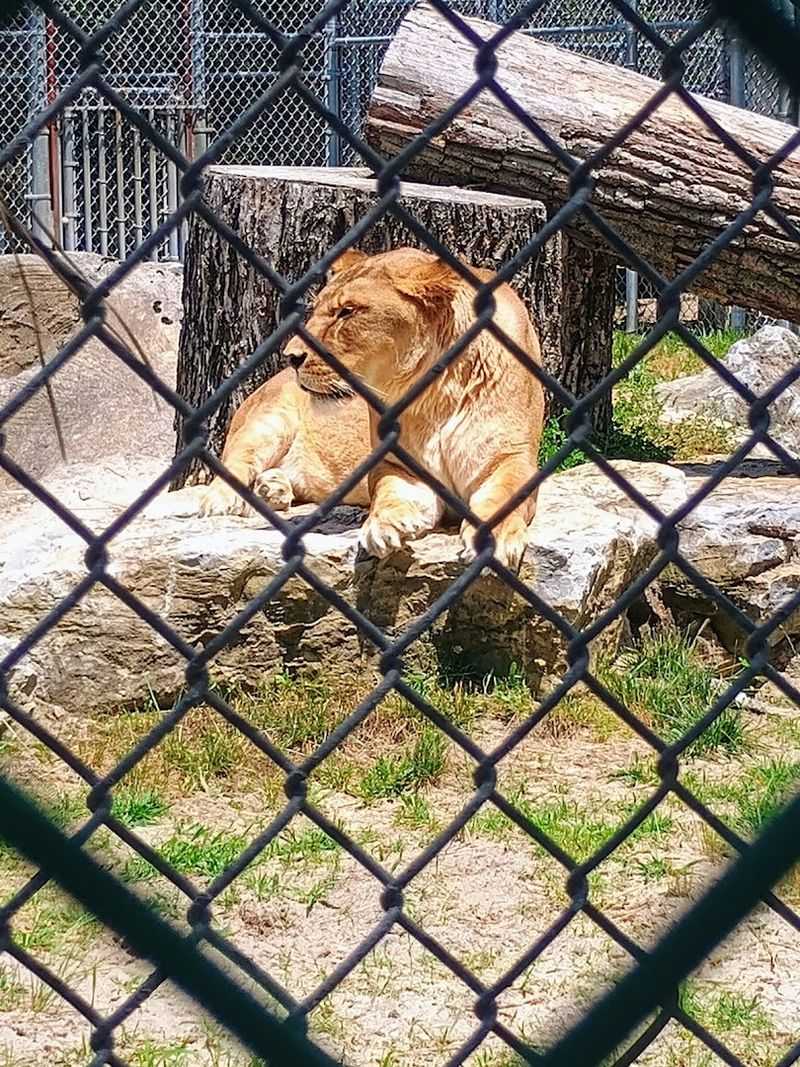
Names and backstories do a lot of the work at this refuge, and that gives the outing a slower, more thoughtful rhythm. Recent guest feedback repeatedly points to the animal biographies and updated signage as a major part of the experience.
The signs are meant to explain the animals and the past circumstances that brought them to the refuge. That matters because a tiger, monkey, fox, or farm animal is not presented only as something to look at, but as an individual with a history.
The refuge has also acknowledged improvements to its signage, noting that clearer animal information helps people understand the residents and the mission. Simple, readable signs may not sound glamorous, but at a sanctuary they can change the whole tone of the visit.
Families often leave with children remembering names, favorite animals, and the idea that rescue work continues long after an animal arrives. That is a different lesson from simply checking species off a list.
There is also a practical benefit to these story panels. When the grounds are not enormous, the details give people a reason to pause, talk, and move through the refuge at a pace that fits the animals rather than rushing to the next enclosure.
Tigers, A Bear, Primates, And More
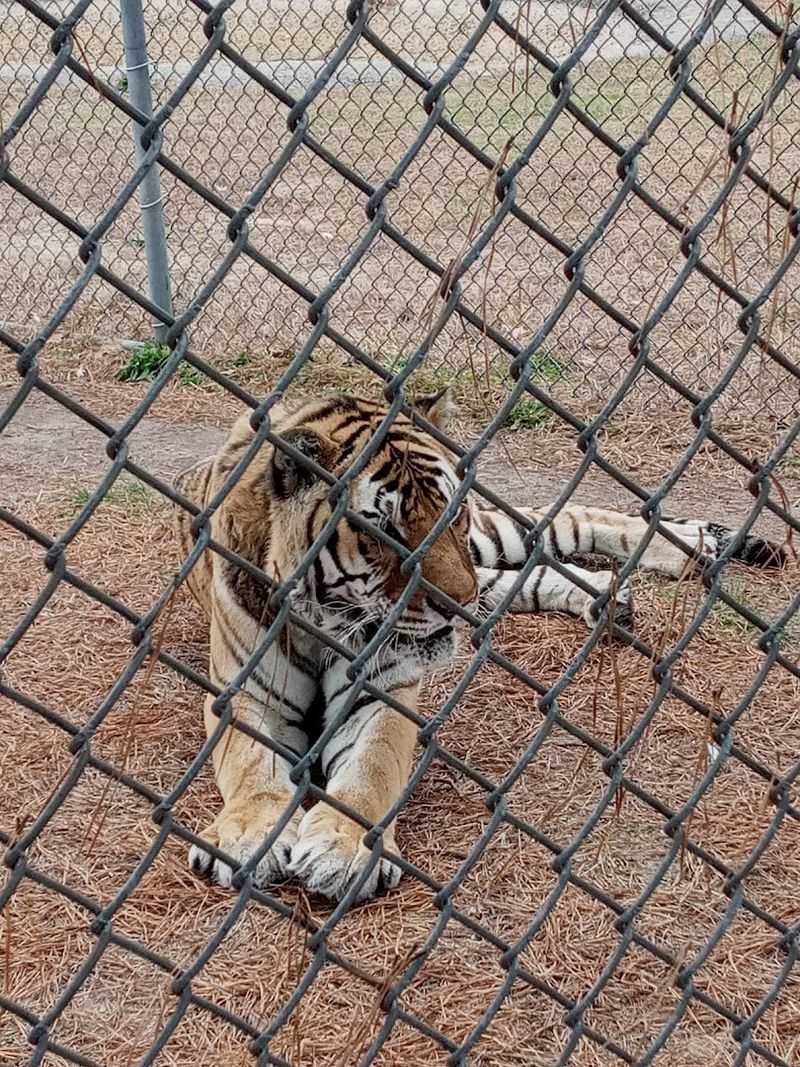
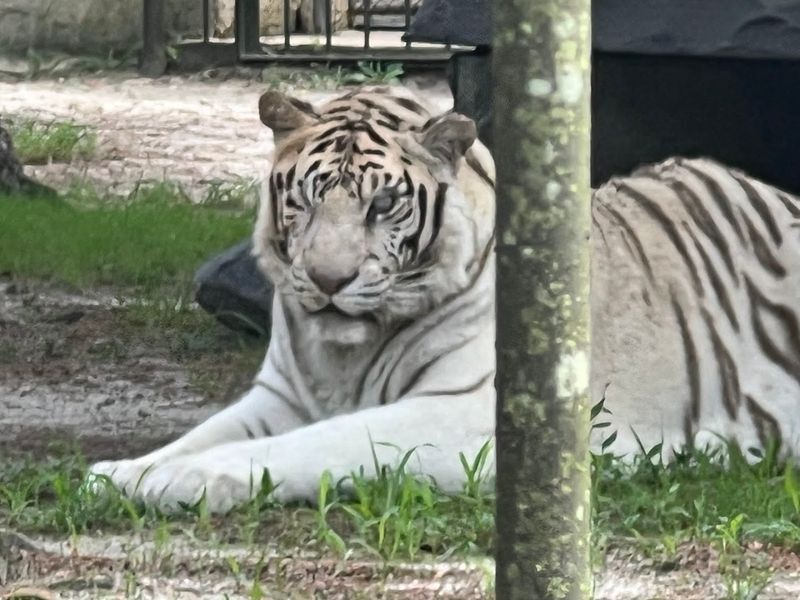
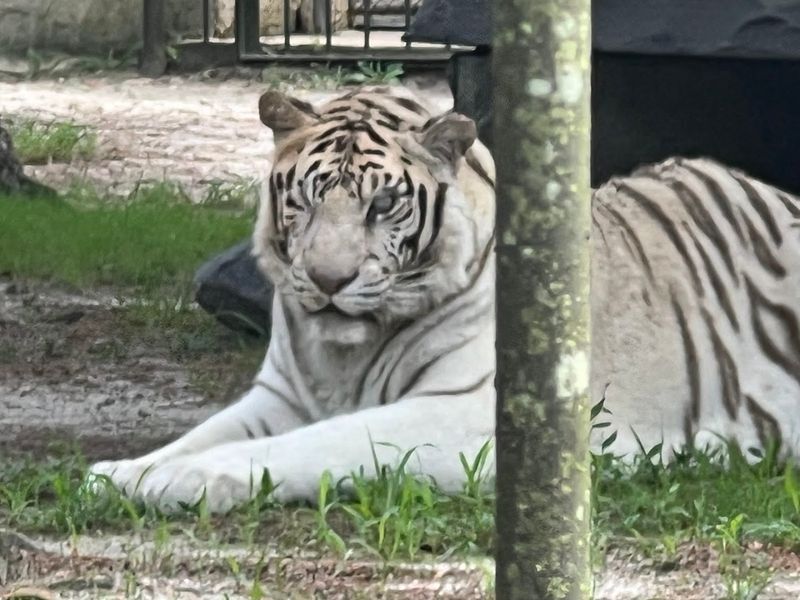
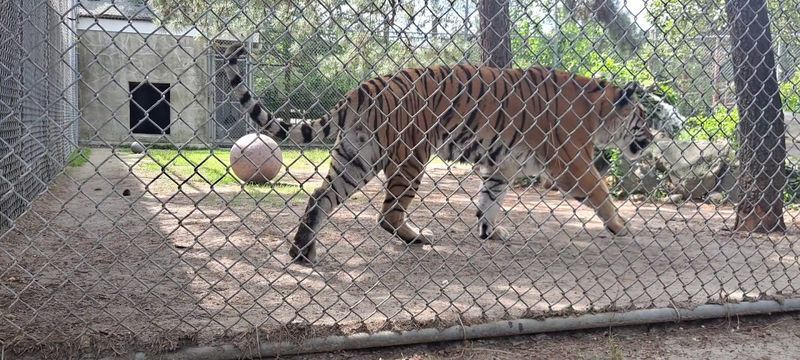
Big animals give the refuge its headline pull, and Popcorn Park Animal Refuge has the kind of residents that make people do a double take when they hear the place is in Forked River. Public feedback and owner responses mention tigers, a lion, a bear, and primates among the animals guests may encounter.
The refuge is not described as huge, but the animal variety is part of its appeal. Guests have mentioned wildlife, monkeys, farm animals, foxes, peacocks, and a reptile house, which makes the visit feel broader than its compact layout might suggest.
One named primate, Ozzy, appears often in guest comments and owner responses. Children seem especially interested in him, and volunteers have been noted for answering questions and helping families learn more about the animals.
The big cat residents are another major draw, especially because seeing rescued tigers and a lion in New Jersey is not an everyday errand. The refuge frames these animals through care and permanent shelter, not spectacle.
Animal visibility can vary, especially in cooler weather when some residents may stay indoors or remain less active. That is a normal part of visiting a sanctuary, and it is worth keeping in mind before promising kids that every animal will be front and center.
Farm Animals And A Reptile House Twist
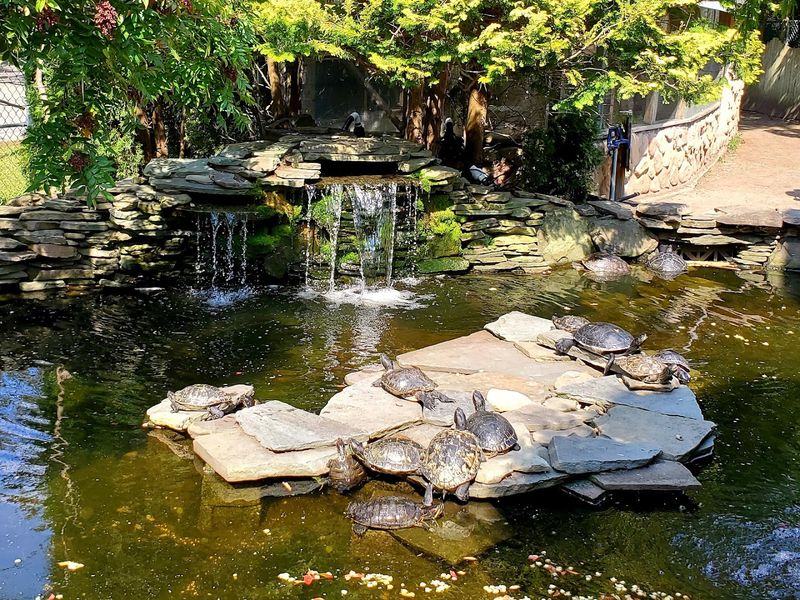
A refuge with tigers can still win people over with humbler residents, and that mix is part of the Popcorn Park appeal. Farm animals are included among the animals people can see, which makes the outing approachable for younger children and adults who prefer a quieter loop through the grounds.
The presence of farm animals also reinforces the refuge’s core idea. Domestic animals can need long-term help too, and putting them near exotic rescues makes the mission feel wider than a single dramatic category.
The reptile house adds another small turn in the visit. Guests have specifically noted it as part of the animal variety, and it gives families one more reason to keep moving through the refuge instead of treating it as only a big-cat stop.
Because the refuge is often described as small or easy to navigate, these different animal areas help stretch the experience without making it overwhelming. That can be useful for families with younger children, grandparents, or anyone who wants an outing that does not require an all-day plan.
Popcorn Park does not need to compete with the largest animal attractions to make its point. Its strength is the way different kinds of animals share one rescue-focused setting, which keeps the visit grounded in care rather than size.
Peacocks With Parking Lot Confidence
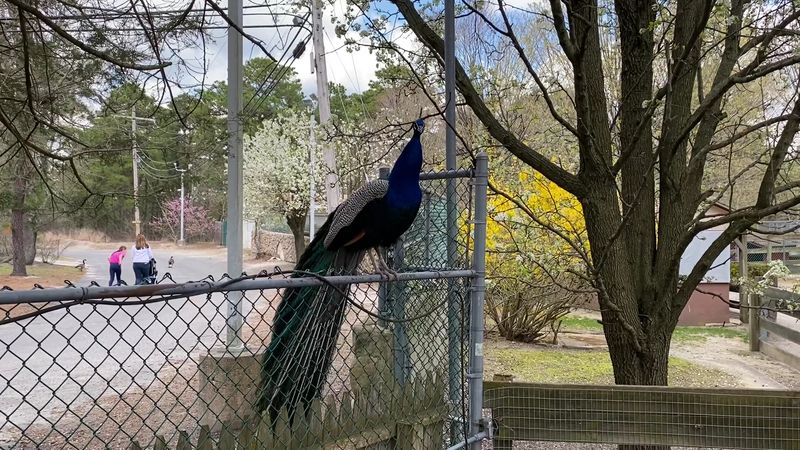
Peacocks seem to have claimed a special role at Popcorn Park, and they are not shy about being part of the day. Guest comments mention free-roaming peacocks throughout the refuge, including around the parking lot.
That detail is cute on paper, but it also comes with a real planning note. Drivers and pedestrians should be cautious in the parking area because the birds may be nearby before the official visit even begins.
Families often remember the peacocks because they add movement and personality to the grounds. They also create the kind of small local anecdote that gets repeated later, especially when a bird appears to be running its own security detail.
The refuge has acknowledged that peacocks are a favorite with many guests. Their presence helps make the place feel distinct without requiring a major exhibit or extra activity.
Still, the best approach is simple respect. Give the birds space, keep children close enough to follow directions, and treat the parking lot like part of the refuge rather than a separate zone.
That small caution fits the whole Popcorn Park experience. The animals are the reason people come, and even the unofficial welcome committee deserves room to go about its business.
A Compact Outing That Does Not Overwhelm
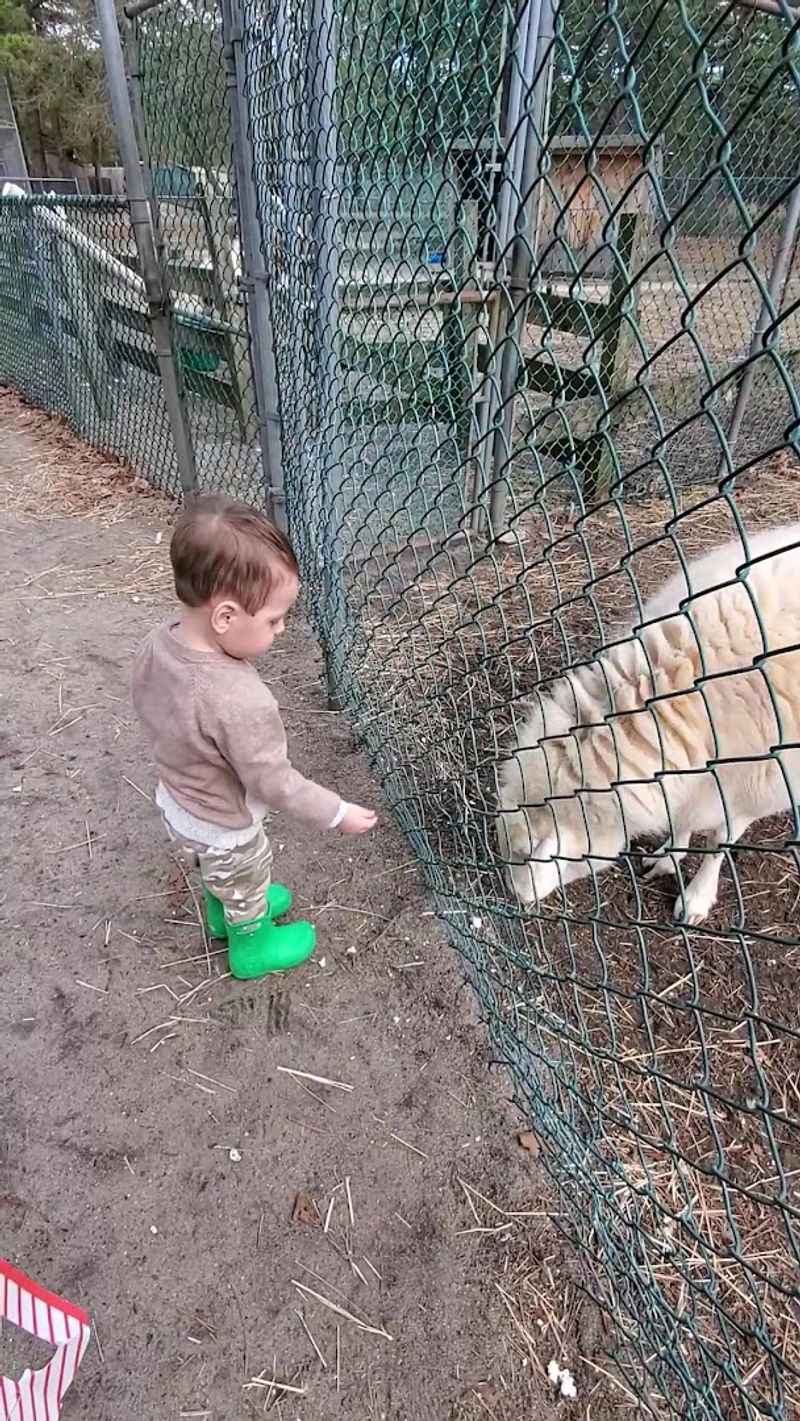
Not every New Jersey family outing needs to involve marathon-level planning, and Popcorn Park benefits from being manageable. Guests often describe it as small, easy to get around, and not overly huge, while still large enough to spend time exploring.
Several accounts suggest the whole refuge can be done in less than two hours, while others say it can take at least a few hours depending on pace. That range makes sense because some people read every animal story, while others move through with younger kids who have their own agenda.
The paths are not the same as a polished indoor attraction. Feedback mentions sandy, rocky, and unpaved ground, so closed-toed shoes are a smart choice.
Families using wheels may want to think carefully too. A stroller can work in some areas, but a wagon has been recommended by guests because of the ground conditions.
The compact layout is one of the refuge’s most practical advantages. It allows people to visit without feeling trapped in a giant itinerary, and it leaves room for a flexible Ocean County day afterward.
That size also supports the mission-focused feel. Instead of racing between far-flung exhibits, people can spend more time with the signs, volunteers, and individual animal stories.
Volunteers, Signage, And The Human Side
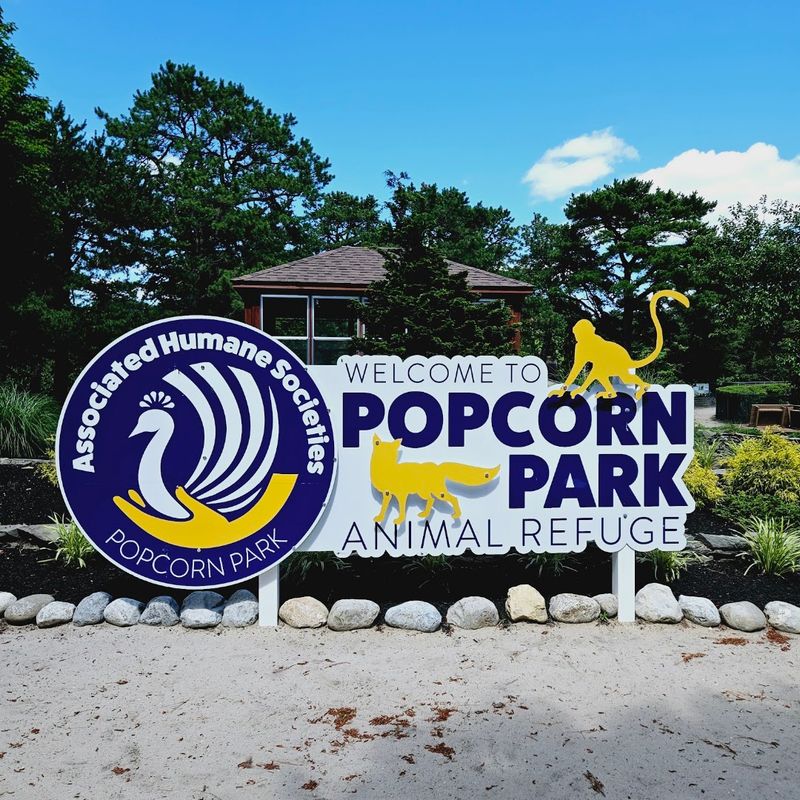
People notice small improvements at places they return to, and Popcorn Park has been getting attention for details that make visits easier. Recent comments mention cleaner, clearer signage around the park and staff at the ticket booth who are polite and helpful.
Volunteers also play a visible role in the experience. Guests have described them as friendly and willing to answer questions about the animals, which is especially useful at a refuge where backstories matter.
The owner responses reinforce that the team sees guest education as part of the mission. Clear signage, animal biographies, and knowledgeable volunteers all point toward the same goal, helping people understand why the animals are there.
The refuge has also responded publicly to concerns when interactions did not meet expectations, saying that a welcoming experience matters. That kind of acknowledgment is useful because public animal places depend on trust, clarity, and steady communication.
For families, the human side can shape the whole outing. A child asking why an animal lives at the refuge may get a more meaningful answer when volunteers and signs work together.
In a place built around care, the staff and volunteer presence should not feel like background noise. It becomes part of how the refuge tells its story without turning the animals into props.
Kid-Friendly Without Being Too Big
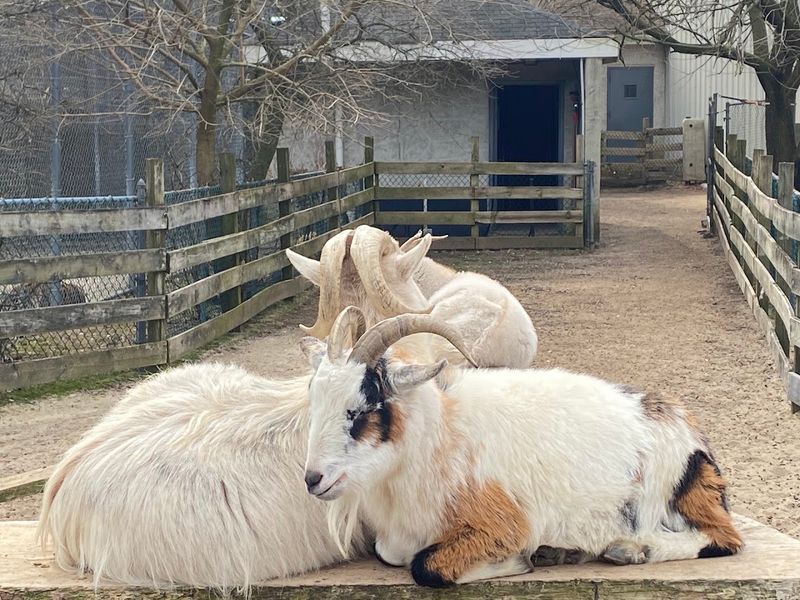
Parents often want a place that feels worth the drive but does not drain the entire household, and Popcorn Park lands in that useful middle ground. The refuge is frequently described as a good fit for children because it is compact, varied, and easy to explore.
Families have used it for casual outings, first animal visits, and even birthday parties. One birthday setup mentioned an animal ambassador experience in the picnic area before the group entered the refuge, with children ranging from toddlers to early elementary ages.
The refuge also works because the animals come with stories. Parents can turn the trip into a conversation about care, responsibility, and why sanctuaries exist, without making the day feel like homework in a hat.
There are a few practical boundaries to understand. The refuge has retired feeding and petting activities for animal safety, including concerns tied to Avian Influenza.
That change may surprise people who remember older versions of the place. Still, it aligns with the sanctuary model, where animal welfare comes before nostalgia.
Children can still enjoy close viewing, peacocks, animal names, and the smaller scale of the grounds. It is not trying to be the biggest outing in New Jersey, and that is a big part of why it can work so well.
Hours, Admission, Parking, And Ground Rules
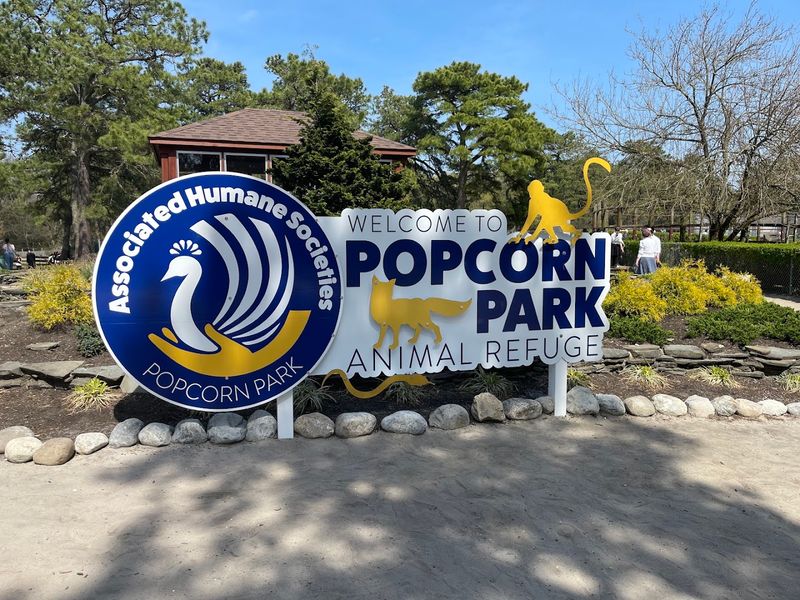
Planning is refreshingly straightforward at Popcorn Park, but a few details are worth checking before heading out. Google Maps lists the refuge as open daily from 10 AM to 4 PM, including Thursday through Wednesday.
Admission details in recent public feedback place adult admission around $10 to $12 and senior admission around $5 to $7, with children’s admission varying. Since admission can change, the refuge’s official website is the smartest place to confirm current amounts before loading everyone into the car.
Free parking has been mentioned by guests, which helps keep the outing in the affordable day-trip category. That is especially useful for families who want a local animal experience without stacking extra costs before they even enter.
Restroom facilities have been described as a portable restroom near the front and a bathroom trailer toward the back of the park. Guests have also noted that the facilities were clean.
Footwear deserves a line on the checklist. Sandy, rocky, and unpaved ground means closed-toed shoes are a better bet than loose slip-on choices.
Cooler weather may affect how many animals are visible outdoors, so expectations should stay flexible. The best plan is to treat the refuge as a mission-centered visit, not a guaranteed schedule of animal appearances.
A Worthwhile Ocean County Stop With Heart
Popcorn Park Animal Refuge works best for people who understand what they are choosing. It is a sanctuary for rescued animals, not a high-gloss mega zoo, and that difference is the whole point.
The refuge offers a compact walk, a variety of animals, rescue stories, peacocks with strong main-character energy, and an easy Ocean County location. It also includes a small gift shop, which guests have described as cute and charming.
Public feedback often highlights cleanliness, care for the animals, helpful volunteers, and the refuge’s improvements over time. The owner responses repeatedly bring the focus back to lifelong care and the broader mission of the Associated Humane Societies.
That mission gives the visit weight without making it complicated. A family can spend a couple of hours there, learn something meaningful, and still have the rest of the day open.
New Jersey has plenty of loud attractions, but this one earns attention in a quieter way. It asks people to slow down, read a few stories, and remember that local places can carry real purpose.
For residents and short-hop day-trippers, Popcorn Park is worth considering when the goal is an animal outing with substance. Come for the tiger or the bear, but leave with a better understanding of why the refuge exists.
Share this story