A plan for pasta can lead somewhere far more interesting than another ordinary dinner table. At an unassuming lakeside restaurant in New Jersey, outdoor seating and boat access give the meal a different setting without requiring a whole weekend away.
The appeal is simple: come hungry, leave room in the schedule, and find out how much the right table can change an evening. Here is what makes this spot worth considering, plus the practical details that help keep the outing easy.
An Italian Table on Lake Hopatcong
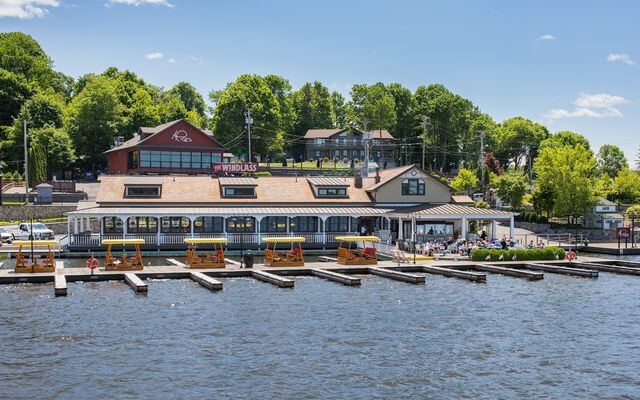
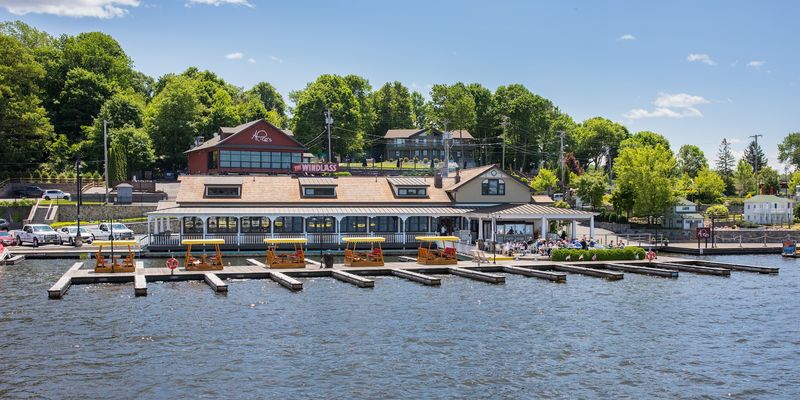
Pasta night gets a change of address at The Windlass, an Italian restaurant at 45 Nolans Point Park Rd, Lake Hopatcong, NJ 07849, United States. Its waterfront location is central to the experience, not a minor detail attached to the menu.
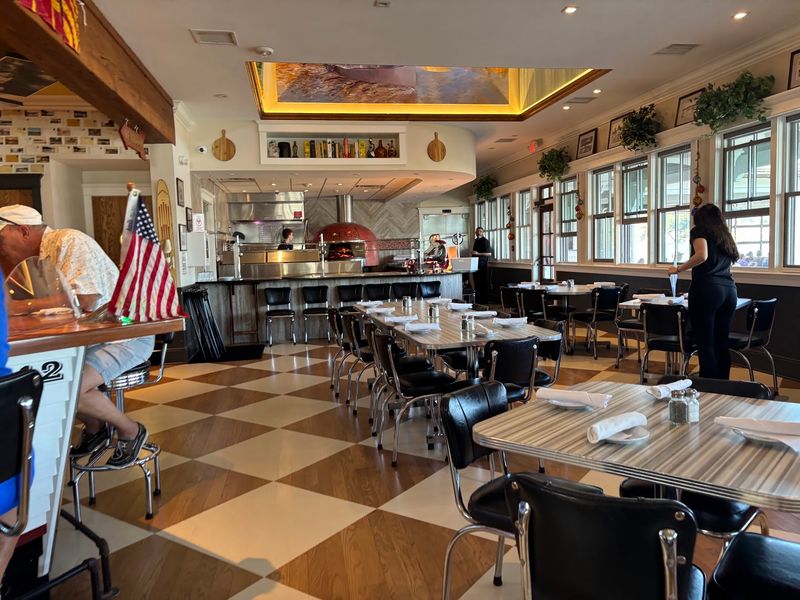
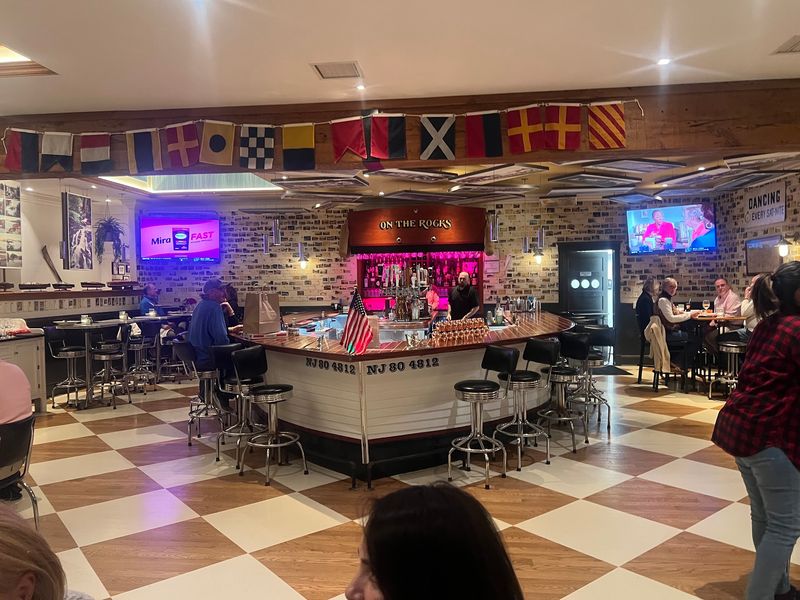
The restaurant combines a spacious dining setting with nautical accents and outdoor seating beside the lake. That gives diners a choice between an indoor meal and an outing built around a table closer to the water.
For New Jersey residents planning a short trip, the appeal is easy to understand. Dinner remains the main event, but the setting adds a reason to make a plan rather than simply choose the nearest restaurant.
No elaborate itinerary is necessary to explain the draw. An Italian meal, a lakeside table, and a little room in the schedule give this destination its clear identity before the first order is placed.
Nautical Character Indoors
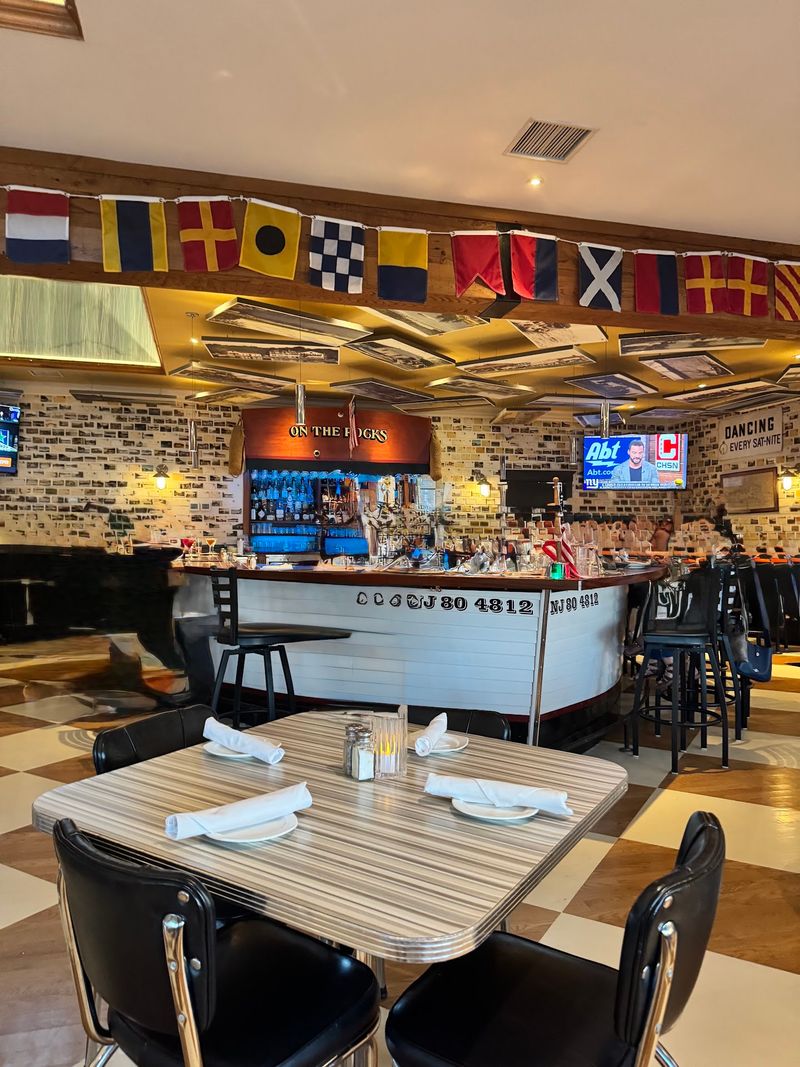
Inside, the lake connection continues through nautical accents that give the dining room a clear sense of place. The restaurant does not depend entirely on an outdoor table to establish its connection with the waterfront.
Its spacious interior also matters for practical reasons. An indoor meal offers another way to enjoy the restaurant when outdoor seating is not the right choice for the group or the conditions.
The supplied information supports a nautical identity, but it does not establish an opening date or a detailed history. The honest story here is about the restaurant as it operates, rather than an invented account of its past.
That distinction keeps expectations useful. Choose the dining room for its setting and Italian focus, and ask about seating options when reserving.
The deck may inspire the trip, but the indoor space belongs in the decision rather than being treated as an afterthought.
The Deck Beside the Water
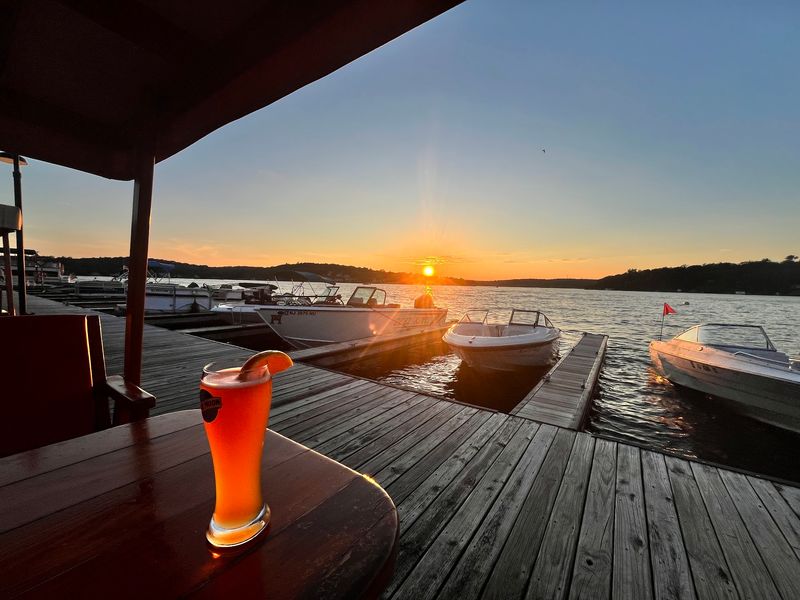
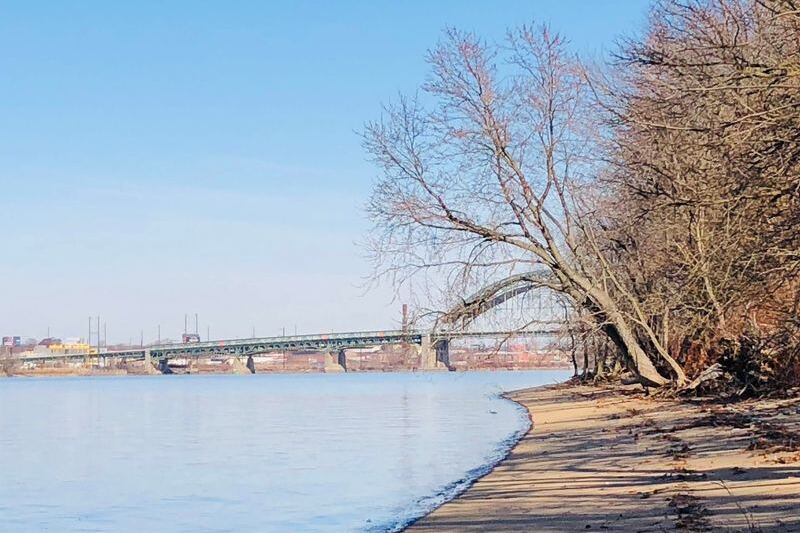
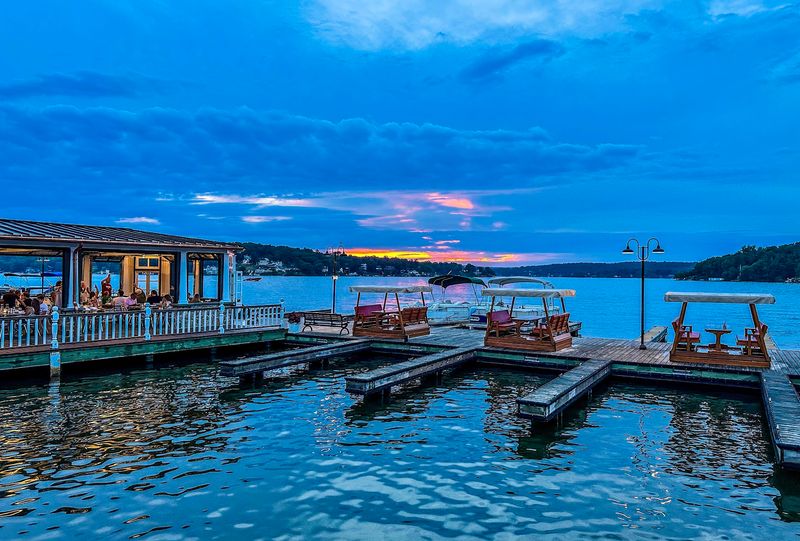
An outdoor table is the strongest reason to turn this meal into a planned outing. Lakeside seating puts the waterfront directly into the dinner experience instead of leaving it somewhere beyond the restaurant.
Outdoor dining is a recurring highlight in the supplied accounts, including meals shared with family. Summer seating is specifically mentioned, although the information does not establish a complete outdoor operating season.
Anyone making the trip mainly for the deck should ask about availability before leaving home. A restaurant reservation and a confirmed outdoor table should not be treated as the same promise unless the restaurant says so.
Keep the rest of the schedule flexible enough to enjoy the meal without watching the clock. The point is not to add extra activities or turn dinner into a complicated project.
It is to let a familiar evening plan happen in a setting that gives it more interest.
Covered Seating Along the Dock
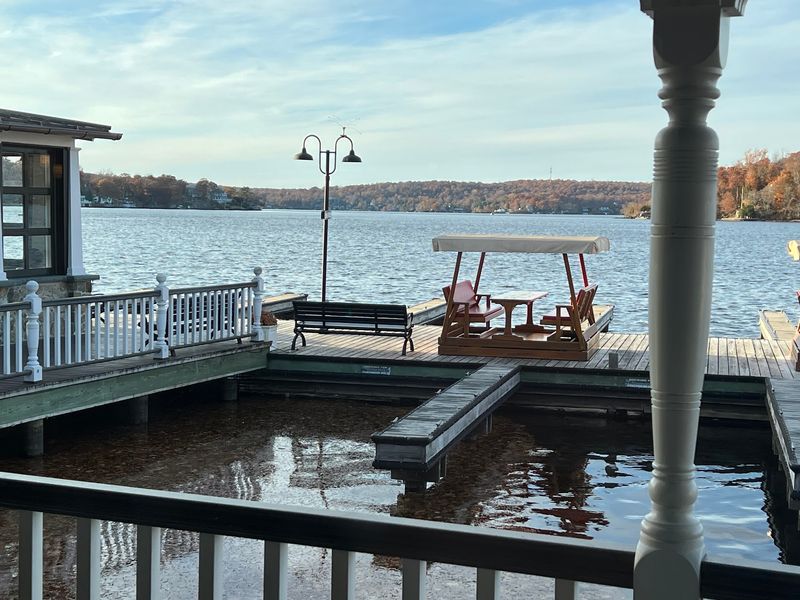
A different seating option adds another reason to ask questions before booking. The supplied account describes cabana-like coverings along the dock that can be reserved for a meal.
That detail separates a general request for outdoor dining from a request for a particular type of space. A covered dock setting may suit a group that wants its seating choice to be part of the occasion.
The same account notes seats that move forward and back. Because the information does not explain which spaces include that feature, it is better to ask than to assume every dock table has it.
Reservation terms, capacity, and any additional charges are not supplied. Confirm those details directly, especially when organizing a celebration or bringing several people.
A specific seating request deserves a specific answer, and a brief conversation beforehand can prevent the group from planning around an arrangement that is unavailable.
A Meal With Boat Access
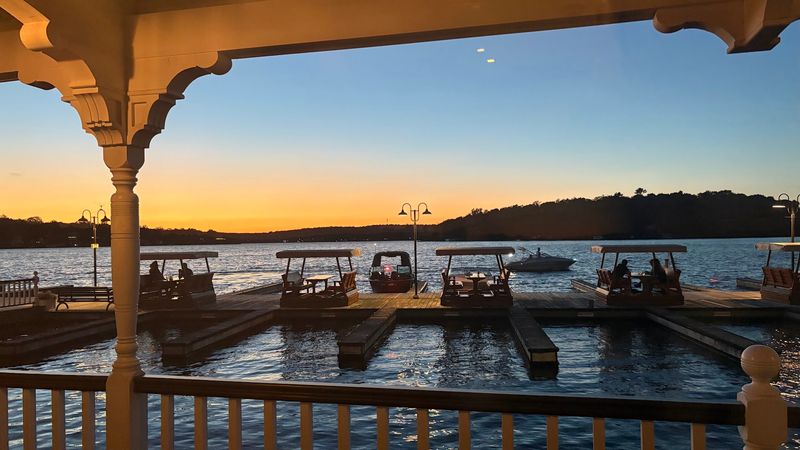
Not every dinner here begins with a drive. Boat access is part of the restaurant’s appeal, and the supplied information describes docking at the restaurant to order a meal.
For people already spending time on the lake, that creates a practical connection between their outing and lunch or dinner. The restaurant can become the destination for a meal without requiring a separate car journey.
Dock access still calls for planning. The available material does not specify docking fees, space limits, assistance, or rules, so none should be assumed.
Ask about current arrangements before making the restaurant a boating stop, particularly when the meal depends on a reservation. Access by water is a useful feature, but it is not a guarantee that a space will be waiting.
Once those details are settled, the arrival itself becomes a distinctive part of the outing rather than just a way to reach the table.
Pasta With Reasonable Expectations
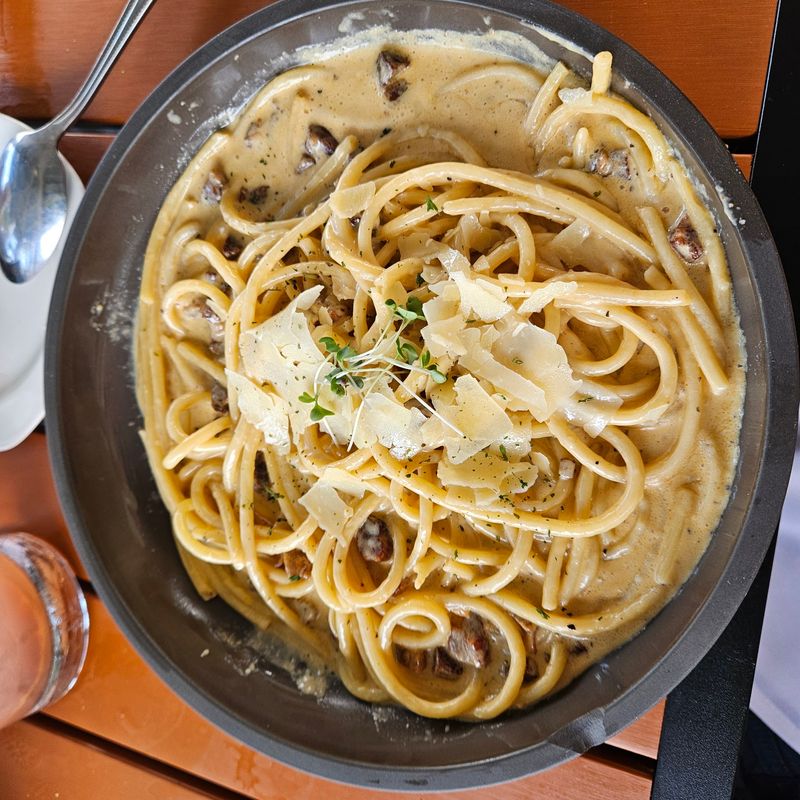
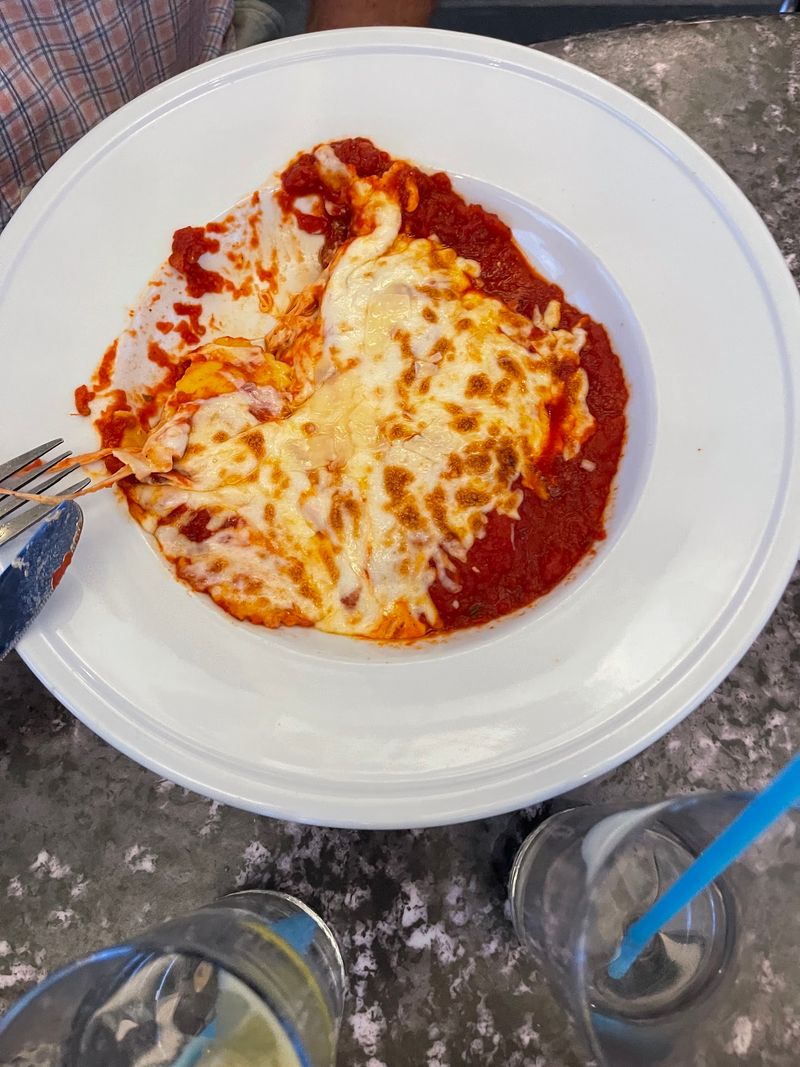
The headline starts with pasta, and the restaurant’s Italian identity gives that plan a clear foundation. Pasta appears in the supplied dining accounts, but a complete current menu is not included.
That means specific preparations, portion weights, and menu prices should be checked rather than guessed. A dish mentioned in an older account is not a promise that it will be available when a new reservation comes around.
Meal experiences are not uniformly positive. Several accounts describe generous portions and successful meals, while another describes disappointment with pasta and a long wait.
The useful takeaway is to arrive interested, not convinced that every plate will suit every person. Ask questions about the pasta choices before ordering, and mention any dietary needs early.
The waterfront earns attention, but the meal still needs to fit the people at the table. A little clarity with the order helps keep those two priorities together.
Room for a Family Occasion
A family dinner needs more than an interesting location to work well. The supplied accounts include grandparents dining with grandchildren and families gathering for birthdays, which makes this a reasonable place to consider for a shared occasion.
Those examples establish that family meals happen here, not that every age group receives special facilities. No children’s menu, play area, or child-focused program is documented in the information provided.
One birthday account also describes help with dietary restrictions and a cake brought to the table. Treat those details as reasons to ask about arrangements rather than services that are automatically included.
Before reserving, explain the group size, seating needs, and anything that could affect the meal. Families often have several small requirements that are easier to address in advance.
The best plan leaves fewer details to settle after everyone has arrived and more time for the occasion that brought them together.
Larger Gatherings by Arrangement
Graduation lunch brings a different set of questions than dinner for two. The supplied material describes a large gathering organized through a private event coordinator, with a fixed-price menu used for the occasion.
That is useful evidence that group arrangements have been offered. It does not establish current package prices, minimum attendance, room capacities, or exclusive use of any particular area.
A separate account mentions an indoor private event taking place while other diners ate at the restaurant. Anyone planning a gathering should therefore clarify the space involved rather than assume the entire restaurant becomes private.
Start with the date, approximate head count, and preferred meal period, then ask what arrangements are currently possible. Menu choices, seating, and payment details deserve agreement before invitations go out.
A lakeside celebration can remain straightforward, but only when the practical decisions are made before the guest list becomes a collection of unanswered questions.
A Little Flexibility With Timing
The schedule deserves some breathing room. Service experiences in the supplied material range from attentive and accommodating to delayed meals and courses arriving together.
Several accounts describe helpful staff, including assistance with seating changes and dietary needs. Others point to communication and timing problems, so a smooth meal should not be presented as a certainty.
For a dinner tied to another commitment, explain the time limit before ordering. Asking about the pace of the meal is more useful than assuming the restaurant can match a tight schedule.
Likewise, speak up clearly if courses need to arrive separately or someone at the table needs an accommodation. Those requests cannot guarantee an outcome, but they make expectations easier to understand.
A waterfront meal is best approached with enough flexibility that a delay does not take over the entire outing. Leave a little space around dinner, especially when the occasion matters to the group.
Six Days on the Calendar
Wednesday is the day to leave off the dinner plan. The supplied operating schedule lists the restaurant as closed that day, with hours of 11:30 AM to 9 PM on Monday, Tuesday, Thursday, Friday, Saturday, and Sunday.
That schedule provides room for lunch or dinner without requiring a late start. It also makes an earlier meal an option for groups whose plans do not fit a traditional evening reservation.
Hours alone do not confirm when every seating area is available. Dock spaces, outdoor tables, and event arrangements may require separate questions because the supplied schedule does not explain their individual availability.
Check the current hours through the restaurant’s website before traveling, particularly for a special occasion. The provided information is a planning reference, not a promise against later changes.
A quick confirmation is a small step that protects a much bigger part of the day: actually sitting down for the meal.
A Budget Worth Checking Ahead
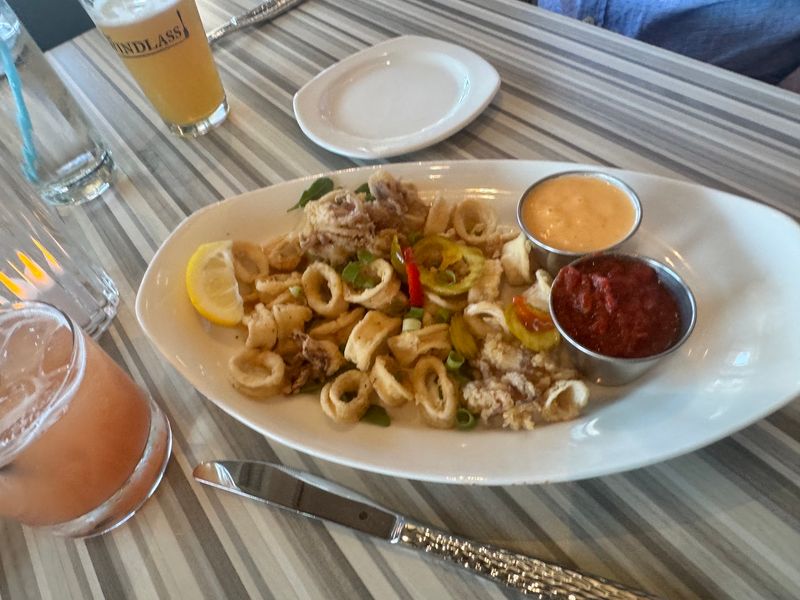
One supplied account places the meal at about $50 per person. That figure is useful as a single spending example, but it is not a current menu price or a dependable budget for every table.
The information does not explain exactly what that total included. Taxes, gratuity, order choices, and any special seating costs therefore cannot be calculated from it.
For a casual dinner, check the current menu before deciding what feels comfortable. For a larger occasion, request the full terms of any fixed-price arrangement rather than multiplying one person’s past total by the guest count.
Reserved dock seating deserves its own cost question because no fee information is supplied. Clear numbers make it easier to decide how much of the outing should center on a particular table or group setup.
The goal is not to label the restaurant inexpensive or costly, but to arrive with a budget based on current information.
Arrival Without the Guesswork
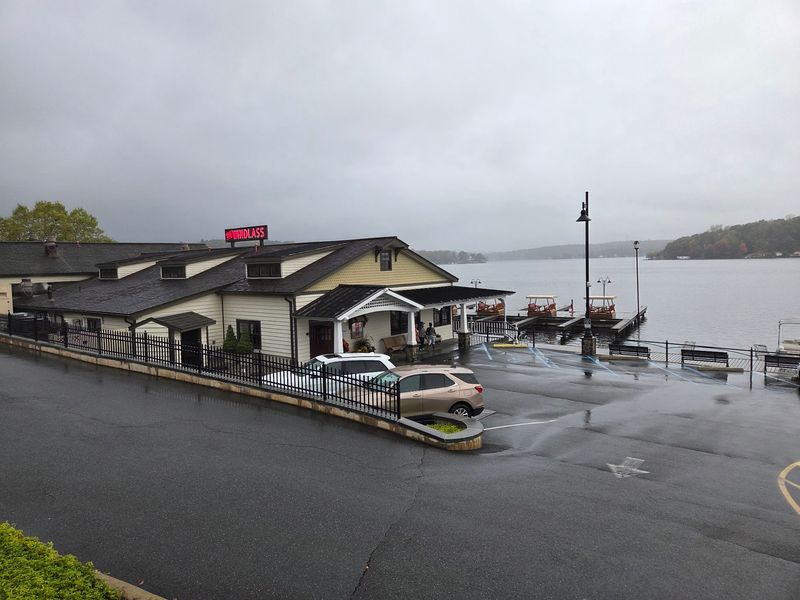
Car access is straightforward enough to appear alongside boat arrivals in the supplied accounts. Parking is also mentioned, although experiences differ: some accounts describe ample space, while another notes tight parking during summer.
The sensible conclusion is to allow time rather than promise an easy space every day. No parking capacity, fee schedule, or overflow arrangement is provided.
Online reservations are documented, making advance booking a useful starting point. Use the restaurant’s website, thewindlass.com, to check current options and clarify any seating request that matters to the outing.
Groups with mobility needs should ask directly about the route to their table. The supplied information does not establish step-free access or other specific facilities.
Confirming those details is especially important when choosing between indoor dining and dock seating. A successful arrival starts with matching the reservation to the people coming, not simply entering the destination and hoping every detail sorts itself out.
A Good Reason to Change the Plan
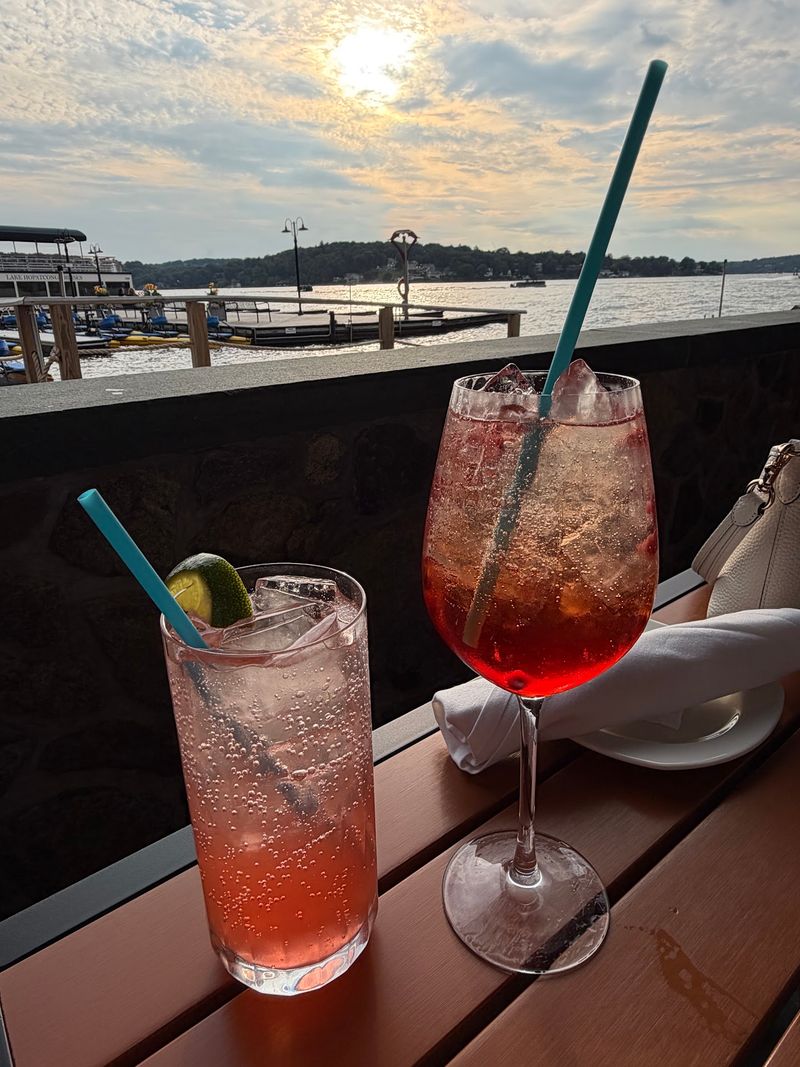
Sometimes dinner only needs one meaningful change. Here, that change is the chance to pair an Italian meal with outdoor lakeside seating, with dock access and reservable covered spaces adding other ways to shape the outing.
The strongest case for a visit rests on those documented features. It does not require a claim that every meal is exceptional or that every table offers the same experience.
A little preparation goes a long way: confirm the hours, ask about the seating you want, check the current menu, and leave enough time for dinner. Groups planning a celebration have a few more details to settle, but the same approach applies.
The Windlass makes sense for people who want the setting to matter without building an entire trip around extra activities. Keep the expectations clear and the plan manageable.
Pasta night can remain pasta night, only with a more interesting place to spend it.
Share this story