Some places become famous, then start acting too fancy for the block. Asbury Park has a rock club that did the opposite.
It helped shape New Jersey music history, welcomed names known around the world, and still feels like the kind of place locals tell younger cousins they need to experience at least once. The story here is not just about big acts, old posters, or a legendary stage, but about why a room near the boardwalk can still feel like a rite of passage.
A Club That Helped Put Asbury Park On The Map
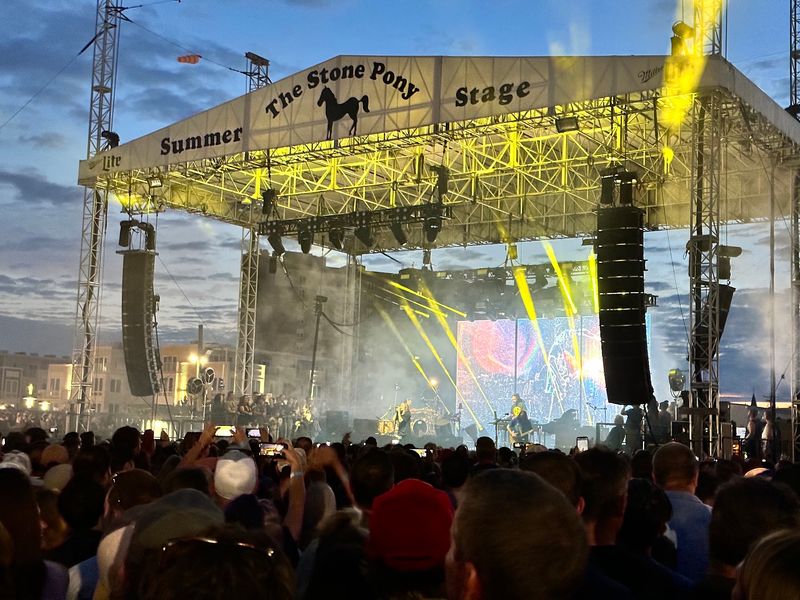
Fame did not arrive at The Stone Pony by accident, and it did not come from a single lucky night. The venue became part of a larger Asbury Park music culture where performers, fans, and local stages kept crossing paths in a concentrated shore town setting.
Its official description connects it to national acts and a history of launching major names, especially Bruce Springsteen and Bon Jovi. That is the kind of fact that turns a local club into a destination for people who follow rock history.
The deeper pull, though, comes from the idea that Asbury Park gave musicians room to work in front of real crowds. The venue’s reputation grew from repeat appearances, shared bills, and the steady push of performers who used small stages to build something larger.
Regulars often talk about the place as part of a community, not simply a stop on a tour calendar. That distinction helps explain why the club still feels personal even after earning worldwide praise.
A venue can be famous because famous people passed through it. The Stone Pony feels different because its story also belongs to the town, the scene, and the generations who still treat it like a local badge.
The Springsteen And Bon Jovi Connection

Few New Jersey names create a faster reaction than Bruce Springsteen, and The Stone Pony has long been linked to that larger Asbury Park story. The venue is widely known for its connection to Springsteen, and that association still draws people who want to stand inside a place tied to the state’s music identity.
Bon Jovi is part of the public story too, which widens the club’s reach beyond one fan base. Together, those names help explain why a relatively compact shore venue can occupy such a large space in rock conversations.
The important thing is not to treat the club like a frozen shrine. It is still active, with current shows, national acts, and crowds that come for the lineup as much as the history.
That mix keeps the famous alumni connection from becoming stale. A person may show up because of the names attached to the past, then realize the place still runs on the present tense.
New Jersey residents understand the pride behind that better than anyone. The Stone Pony is not just a place where legends once played, it is a reminder that major music stories can grow from a shore town block.
A Daytime Look Around For Music Fans
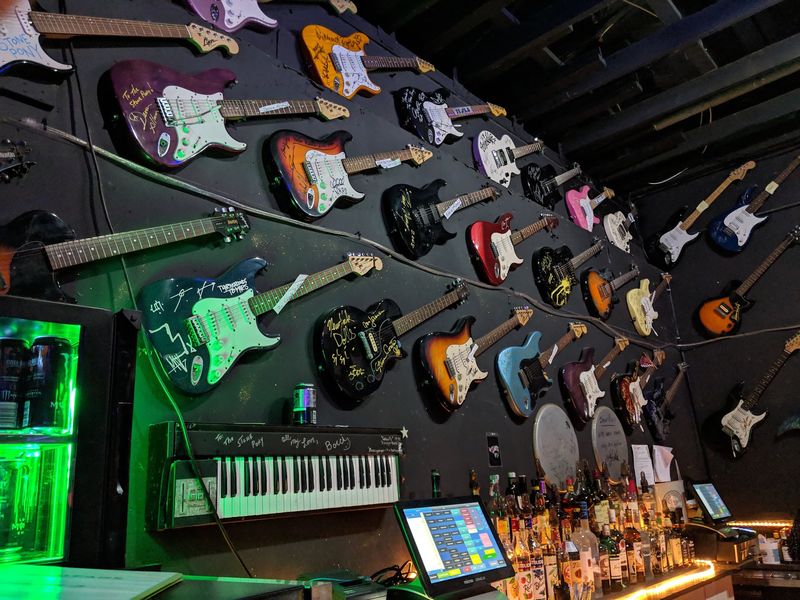
Not every visit has to revolve around a concert ticket, which is a useful detail for curious day-trippers. The venue has been known to allow daytime browsing during open hours, giving music fans a chance to look around even when they are not staying for a full event.
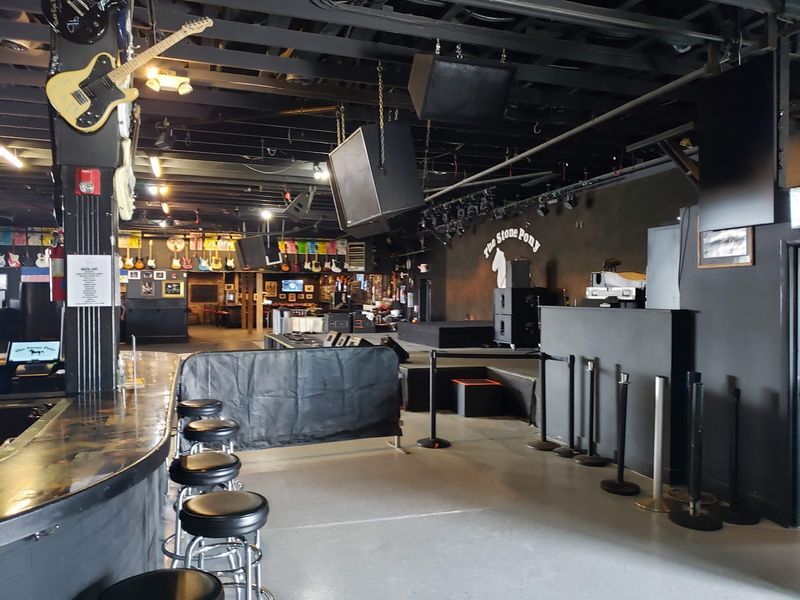
Inside, people have noted walls lined with guitars, photos, and memorabilia. That turns a quick stop into something closer to a small rock history walk, without needing a museum-style plan or a full afternoon.
The daytime angle makes the club easier to fold into an Asbury Park outing. Someone spending time near the boardwalk can check the open hours, stop by, and still leave the larger concert experience for another visit.
Souvenir shirts have also been part of the casual browse experience. For many fans, that kind of small takeaway is enough to mark the moment without overcomplicating the day.
This quieter version of The Stone Pony helps explain its broad appeal. It works for the die-hard concertgoer, but it also welcomes the curious New Jerseyan who simply wants to see the room that helped shape a piece of state lore.
The Small Venue Feeling That Refuses To Retire

A big part of The Stone Pony’s appeal comes from the fact that it has not turned into a giant, distant arena. People often refer to it as a small venue, and that scale is central to the way the club is understood.
The indoor stage setup keeps the experience direct and close to the action. That can be a major draw for fans who prefer a room where the performance does not feel far away.
There is a tradeoff, of course. The Stone Pony operates as a standing general admission venue, and that detail matters for anyone planning a visit.
Some patrons enjoy the open floor and the shared energy of a packed show. Others point out that long standing times can be difficult, especially during crowded events or longer programs.
The practical lesson is simple, and it is worth taking seriously. The club’s smaller scale is part of the magic, but comfort depends on knowing what kind of event is scheduled and how well standing for an extended stretch fits the night.
That honest balance is part of its character. The Stone Pony is not trying to be a padded-seat concert hall, and its loyal crowd seems to understand the bargain.
The Summer Stage Pull Near The Boardwalk
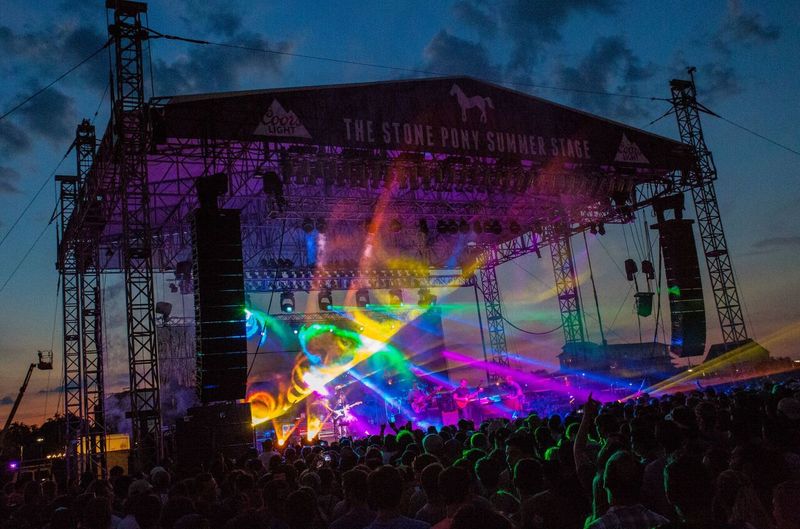
Outdoor shows add another layer to the club’s personality, and the Summer Stage is one of the venue’s most talked-about features. The outdoor setup gives The Stone Pony a seasonal rhythm that fits its Asbury Park location near the boardwalk.
The Summer Stage draws people who want a larger-format show tied to the same legendary name. It also gives the venue flexibility, since some performances happen outside while others happen indoors.
Planning matters more for outdoor events. Patrons have mentioned asphalt underfoot and weather-related changes, so it is smart to watch official updates from the venue or ticket source before heading out.
The club has used social media updates during weather interruptions, and some attendees have described staff giving guidance when schedules change. Still, outdoor events can shift quickly, so a little patience belongs in the plan.
People who prefer a more open layout may find the Summer Stage especially appealing. Others may want to prepare for standing, crowds, and the realities of an outdoor event space.
At its best, the Summer Stage extends the club’s identity beyond the room itself. It keeps The Stone Pony connected to Asbury Park’s warm-weather calendar without letting the historic indoor stage do all the work.
Crowds That Come With The Legend
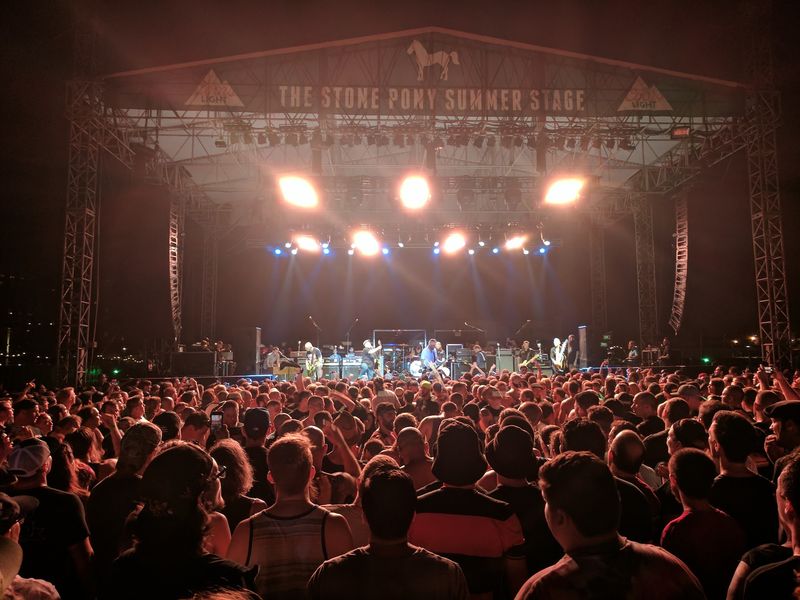
Popularity has a way of creating its own homework, and The Stone Pony is no exception. The venue is widely discussed as iconic and crowded, especially when a major show, reunion moment, or summer event pulls people toward Ocean Avenue.
Crowds can be part of the fun for fans who want the shared feeling of a packed rock club. They can also affect movement, sightlines, restroom access, and time spent waiting for merchandise or other needs.
That does not mean the venue should be skipped. It means the best visit begins before the door opens, with a clear sense of the event type and the practical limits of a historic club.
Arriving early may help with entry flow, but it does not guarantee a seat because the venue is standing general admission. For outdoor events, arriving prepared for pavement and schedule changes can also make the night easier to manage.
The club’s legend is the reason people gather, so crowds are not a surprise guest. They are part of the deal, especially for larger names and peak-season dates.
A local rite of passage is rarely effortless. At The Stone Pony, the payoff comes from accepting the place as it is rather than expecting it to behave like a newer, roomier venue.
Sound, Stagecraft, And The Reason People Return

The history brings people to the door, but the show experience keeps the calendar relevant. Patrons frequently point to strong sound and solid stage setup as reasons the venue still works for live music.
That matters because nostalgia alone cannot carry an active club forever. A place with famous alumni still has to function on ordinary show nights, with microphones, speakers, floor flow, and staff decisions all affecting the experience.
The Stone Pony hosts national acts, and the venue’s reputation depends on more than old stories. People come for current performers, punk shows, rock events, and the chance to see artists in a place smaller than many major regional venues.
Some attendees mention very good acoustics even when they find other parts of the setup less ideal. That split is useful because it keeps the picture realistic rather than glossy.
Ear protection may be a smart choice for those who plan to stand near the front, especially for louder shows. Practical fans know that preparation is not uncool, it is just how the next morning stays friendly.
When a historic venue still delivers musically, it earns its present-day crowd. The Stone Pony remains more than a landmark because the stage is still doing the job.
A Community Thread Running Through The Room

Behind the famous names sits a more local idea: community. The Stone Pony grew out of an Asbury Park setting where musicians, fans, and nearby venues formed a tight creative circuit.
People have described the wider scene as one where artists could perform, connect, test songs, and support one another. That helps explain why the venue’s reputation feels rooted in more than celebrity.
Nearby music places in Asbury Park have also been part of that larger ecosystem, with fans moving between stages and performers developing within the town’s compact cultural map. The Stone Pony became one of the central places in that pattern.
The club’s continued role matters for younger and newer musicians too. Cover songs and original material can exist side by side in local scenes, giving performers a way to build confidence before presenting more of their own work.
That is why The Stone Pony still feels alive rather than preserved under glass. It represents an active ladder, not only a famous platform from decades ago.
For New Jersey readers, this is the heart of the pride. A shore town club helped prove that serious music culture does not need permission from somewhere else to matter.
Accessibility Notes That Deserve Attention
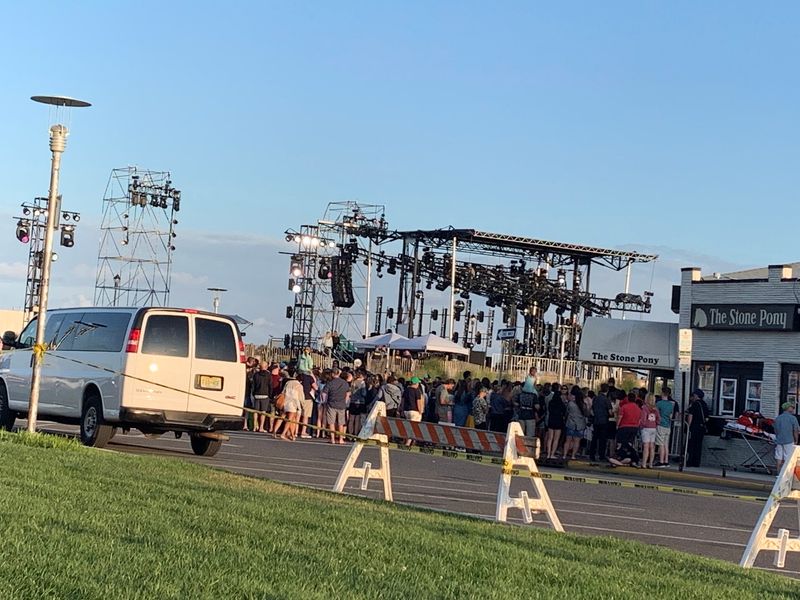
Practical comfort can shape a night as much as the headliner, and accessibility deserves a place in the plan. Some patrons have shared positive experiences with ADA assistance at The Stone Pony, especially during Summer Stage events.
Staff members have been noted for guiding people to the ADA section and checking in when support was needed. During one outdoor event affected by weather, the venue also directed people to watch social media for updates before the show restarted.
Those details are useful, but they should not replace direct preparation. Anyone who needs accessible arrangements should check the official venue information and event details before arriving.
The standing general admission setup makes advance planning even more important. A historic club can have limits that newer venues may not, and knowing the layout ahead of time can reduce surprises.
Outdoor events bring their own considerations, including pavement, weather, and temporary facilities. Indoor shows have different tradeoffs, including crowd density and visibility.
The most helpful approach is to treat accessibility as part of the ticket plan, not an afterthought. The Stone Pony has stories of attentive support, and a careful pre-show check can help match the event to a person’s needs.
Hours, Tickets, And The Official Planning Trail
The most current facts belong with the venue, and The Stone Pony’s official website is the place to start. The Google Maps listing shows the club closed Monday, Tuesday, and Wednesday, with listed hours of 12 to 5 PM on Thursday, Friday, Saturday, and Sunday.
Those daytime hours are helpful for people hoping to browse or gather information, but show schedules can vary by event. A concert ticket time, door time, or weather update should always be checked through the official event source.
Ticket amounts are not one-size-fits-all. Patrons have mentioned paying different amounts for specific events, which means the cost depends on the show rather than a single general admission price that applies every night.
Weather can affect outdoor events, and schedule changes have happened close to showtime. That makes email alerts, social media updates, and the official website important parts of the pre-trip routine.
The venue’s website is listed as stoneponyonline.com, and that is the cleanest path for calendars and details. Third-party ticket pages may also provide event-specific information, but the venue’s own channels are worth checking before leaving home.
A little planning feels unglamorous until it saves the night. At The Stone Pony, the best move is to let the official schedule lead.
Parking Near A Popular Asbury Park Block
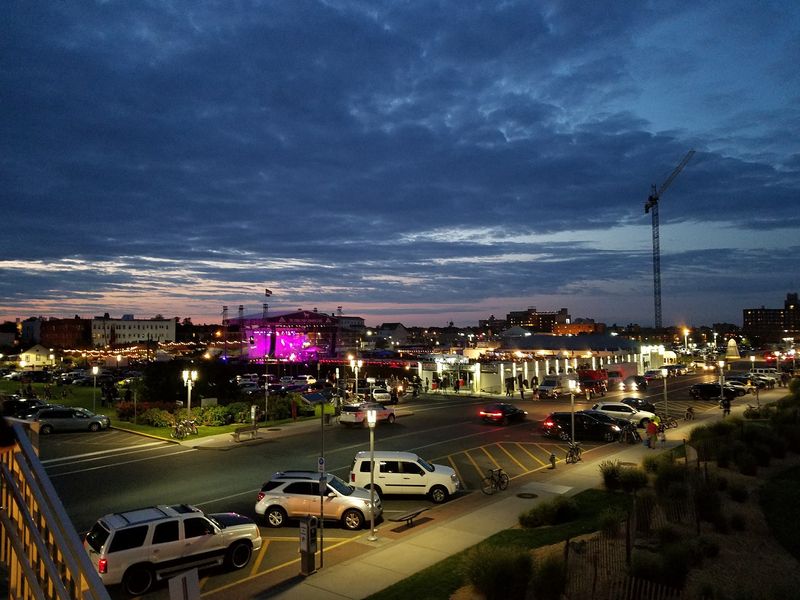
Parking is where romance takes a coffee break and reality grabs the steering wheel. On-street parking near The Stone Pony can be difficult when the weather is nice, especially around busy shore days and major events.
Some attendees have found nearby pay lots more realistic than hunting for an open curb space. Mentions of costs reaching $50 or more at pay lots show why parking should be treated as part of the outing budget.
The address on Ocean Avenue puts the venue in a desirable Asbury Park area, which is great for the experience and less great for last-minute parking confidence. A show night can quickly turn a casual arrival into a loop around the block.
Drivers should leave extra time, especially for summer dates, outdoor shows, or events with well-known performers. The goal is not just to arrive before the music starts, but to avoid beginning the night already annoyed by logistics.
People staying nearby or coming with a group may want to discuss transportation before buying tickets. That small decision can make the difference between an easy night and a math problem with parking signs.
The club’s location is part of its charm, but it is also a popular shorefront zone. Plan the arrival like it matters, because it does.
A Soft Verdict For New Jersey Music Pilgrims
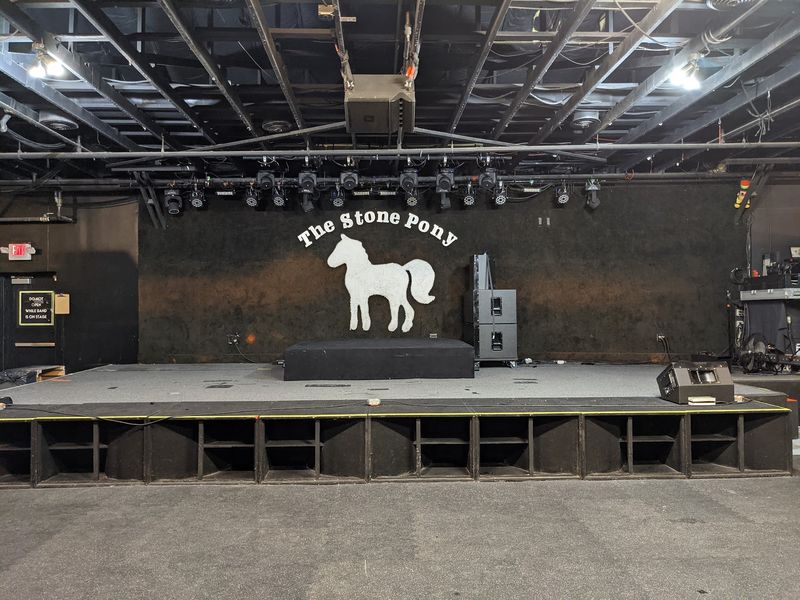
The Stone Pony is not a polished, predictable mega-venue, and that is exactly why it keeps its hold on New Jersey music fans. Its strengths are tied to history, intimacy, famous alumni, current shows, and a location that keeps it firmly connected to Asbury Park.
The tradeoffs are real. Crowds, standing general admission, parking challenges, weather concerns for outdoor events, and limited comfort expectations should all be part of the decision.
Yet the club’s appeal survives those caveats because it has never been only about convenience. It is a place people talk about as iconic, historic, and tied to the larger story of New Jersey rock.
For locals, that makes a visit feel less like checking off a tourist stop and more like understanding a piece of home turf. For short-hop day-trippers, it offers a specific reason to see Asbury Park as more than a boardwalk address.
The smartest visit is the one planned with open eyes. Check the calendar, confirm the hours, watch for event updates, budget for parking, and remember that the room is built for standing.
After all that, the verdict stays simple. The Stone Pony earned its worldwide praise, and somehow it still feels like New Jersey is letting you in on a family story.
A Shore Address With Rock History Built In

The Stone Pony stands at 913 Ocean Ave N, Asbury Park, NJ 07712, in the United States, and that address carries more weight than its simple storefront shape might suggest. It is a live music venue near the Asbury Park boardwalk, close enough to the shorefront action to feel like part of the town’s public memory.
New Jersey has plenty of places with loyal followings, but few have become shorthand for an entire music era. The venue is known as a legendary rock club with famous alumni, and its story is tied closely to Bruce Springsteen and Bon Jovi.
That combination gives the club two identities at once. It is a nationally recognized stop for music fans, and it is also a practical, real place where people still line up for shows, browse during daytime hours, and add another personal chapter to the building’s long-running story.
The location matters because Asbury Park itself matters. The town has changed over the years, but The Stone Pony remains a recognizable anchor for people who see the Jersey Shore as more than a seasonal escape.
Plenty of famous venues feel sealed behind reputation. This one still sits right there on Ocean Avenue, waiting for the next calendar date to pull people back.
Share this story