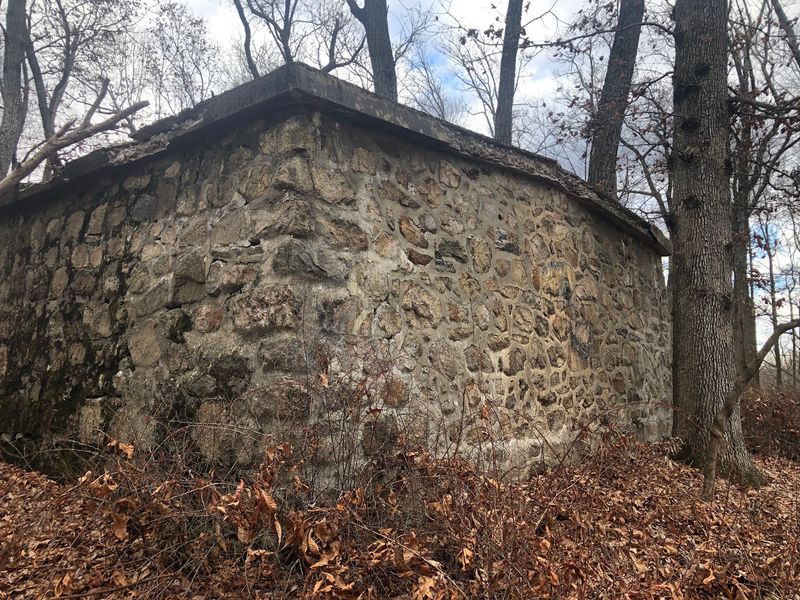
A quiet road in Far Hills has a strange stone-and-concrete landmark with a name that does not exactly whisper. The structure has been linked to a New Jersey legend about something sealed away, yet the more grounded explanation points toward old estates, water systems, and the kind of practical engineering that later generations love to turn into folklore.
That mix is what makes the stop so interesting: it is part roadside curiosity, part historic puzzle, and part reminder that New Jersey’s oddest stories often begin beside ordinary local routes. Keep going, because the real appeal here is not just the spooky nickname, but the way a small structure beside Pennbrook Road became a conversation piece for history fans, legend chasers, and day-trippers who like their outings with a little mystery.
The Weird New Jersey Spark
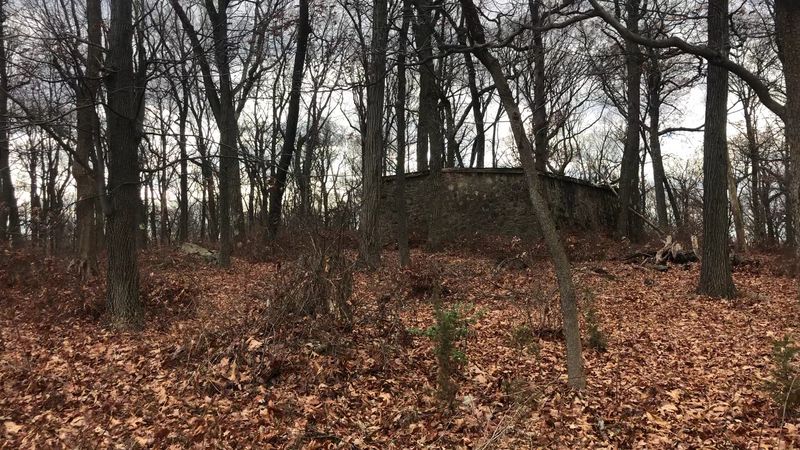
Odd local places do not need much help becoming legends, but a mention in Weird New Jersey can give them a much bigger stage. Devil’s Tomb became widely known as a structure supposedly connected to a tale about the devil being sealed inside, which is exactly the kind of claim that sends curious New Jersey day-trippers down a rabbit hole.
The important part is keeping the story in its proper lane. The devil tale is treated by informed local commentary as a good story rather than a proven historical fact.
That does not make the landmark less interesting. In many ways, the gap between the legend and the likely truth is the whole reason the place sticks in people’s minds.
New Jersey has a long habit of turning odd structures, old roads, and half-known histories into community folklore. Devil’s Tomb fits that pattern neatly because the object is real, the nickname is dramatic, and the original purpose is not obvious at first glance.
The result is a place where the legend draws attention, but the structure itself asks better questions. Who built it, why was it placed there, and how did a practical object earn such a theatrical name?
A Practical Origin Behind The Legend
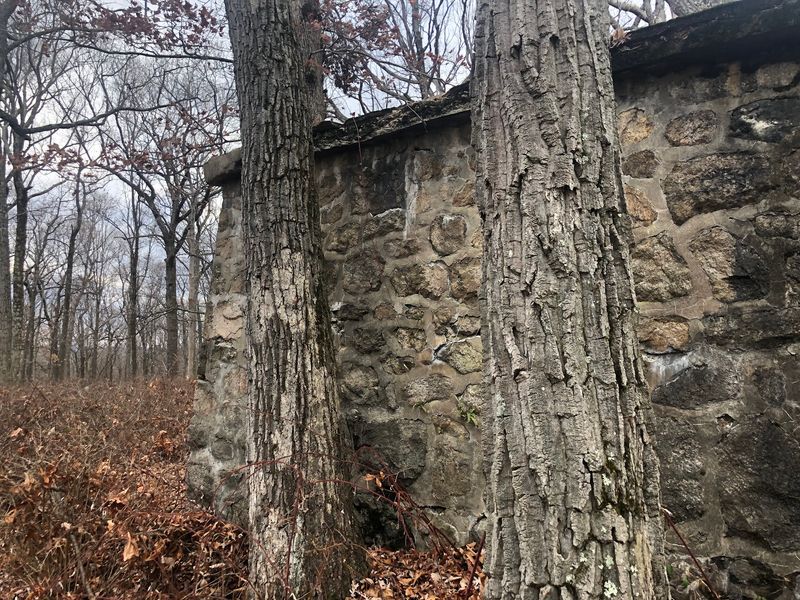
Folklore brought the nickname, yet the most plausible explanation is far more grounded. Local historical interpretation points to the structure likely being an old cistern built to provide pressurized water to one of the nearby estates.
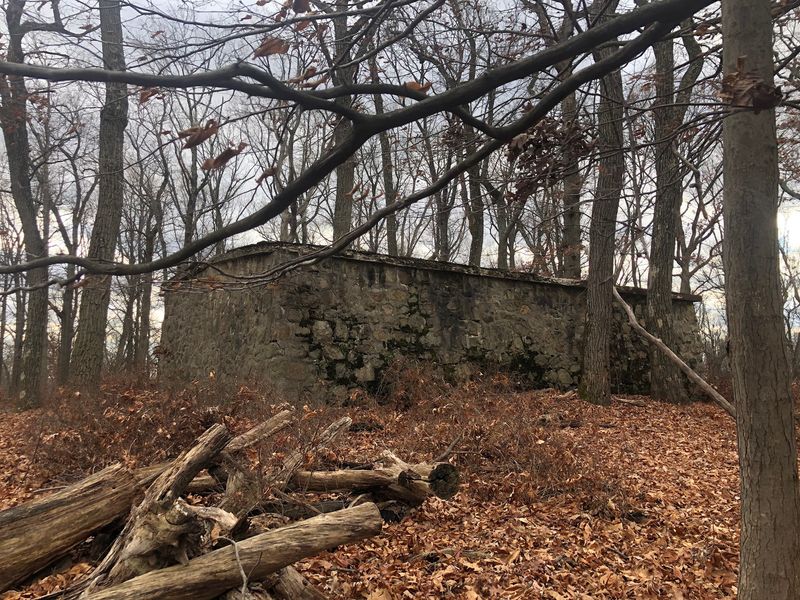
That theory lines up with the construction details described at the site. The building includes stone and concrete, and the presence of concrete suggests a likely date in the late 1800s to early 1900s, before electric pumps were commonly used for such purposes.
Far Hills has long been associated with large properties, and estate infrastructure often required quiet workhorse features that were never meant to be decorative landmarks. A cistern would have served a practical role, possibly supporting fountains or other water needs on surrounding grounds.
The road near the landmark was already shown on an 1850 map, although the exact date of the structure itself is not known from the available information. That uncertainty leaves room for questions without needing to jump into invention.
In a funny little twist, the less dramatic explanation may be the more New Jersey one. Behind the theatrical nickname sits a sturdy piece of old estate utility, still managing to keep people guessing.
Stone Walls And Estate Clues
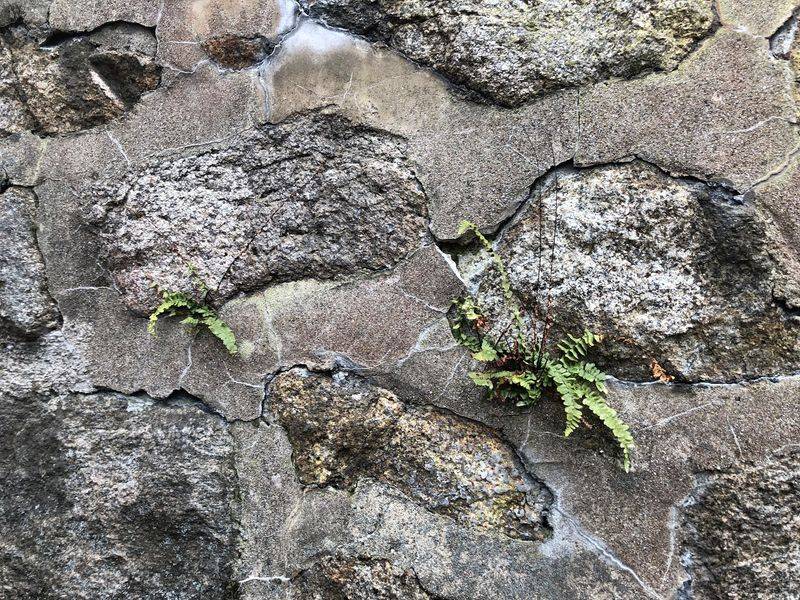
Small clues around the landmark help shift the story away from pure legend and toward estate history. Just south of the structure, evidence of a stone wall and path has been noted, suggesting that the site once connected to the broader layout of nearby properties.
Those details are easy to overlook because the main structure tends to grab the attention first. Still, the wall and path matter because they point toward use, movement, and planning rather than random placement.
Older estates often had service features tucked away from the main house and formal grounds. Water systems, walls, paths, and utility buildings could sit at the edge of view while quietly supporting the larger property.
Devil’s Tomb feels more understandable when treated as part of that larger pattern. The stonework nearby may not answer every question, but it supports the idea that the structure belonged to an organized estate landscape.
That is the kind of detail local history fans enjoy because it rewards attention without requiring a long itinerary. A short stop can turn into a small field puzzle, and the pieces are humble enough to keep the story grounded.
Concrete Slabs With A Different Story
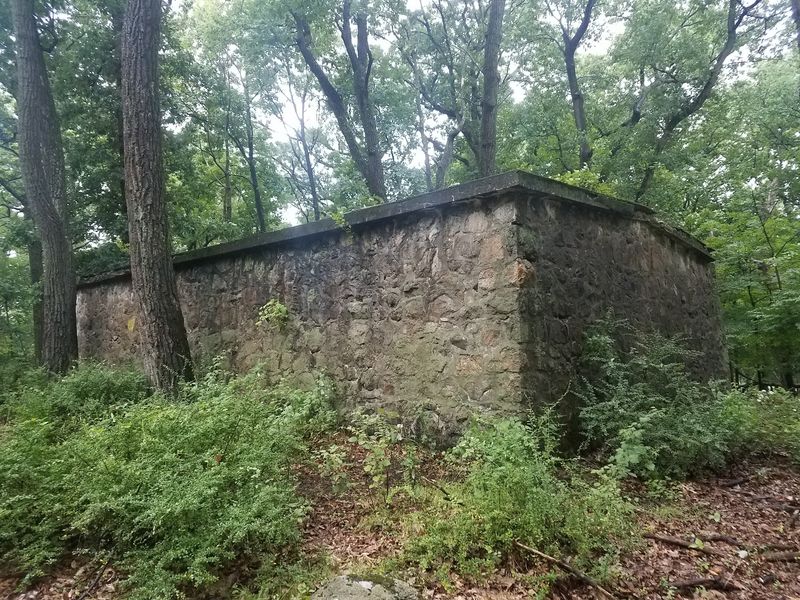
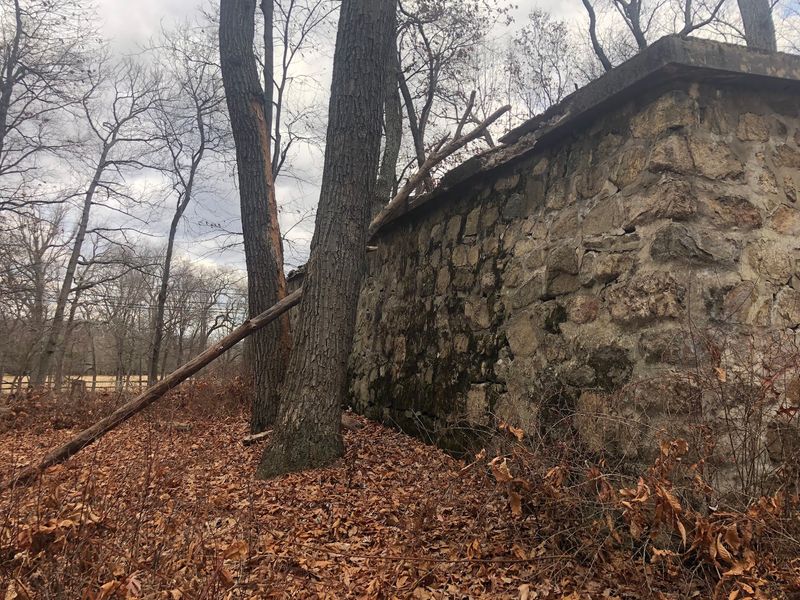
The roof is one of the most discussed physical details because it does not seem to match the older character of the stone structure below. Descriptions of the landmark mention concrete slabs across the top, giving the building a mixed appearance that raises more questions than it answers.
That contrast supports the cistern theory in a practical way. Concrete construction points toward a later period than the road itself and may fit a late 1800s to early 1900s utility feature.
Another possibility raised in local observations is that an upper section may have been altered or removed, with concrete later added over the top. The available information does not confirm that, and no debris was noted nearby in the shared account, so the idea remains an unanswered question rather than a settled fact.
The lack of certainty is part of the landmark’s pull. A tidy plaque would explain everything, but Devil’s Tomb survives as a structure that makes people compare materials, shapes, and possible uses.
For a short roadside stop, that is plenty to work with. The concrete does not solve the mystery, but it keeps the conversation from turning into pure campfire theater.
No Doorway, No Easy Answer
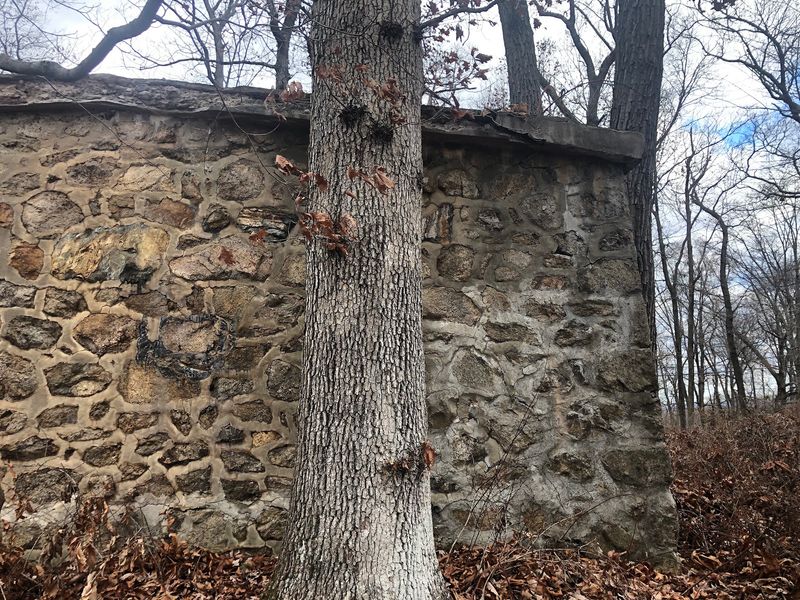
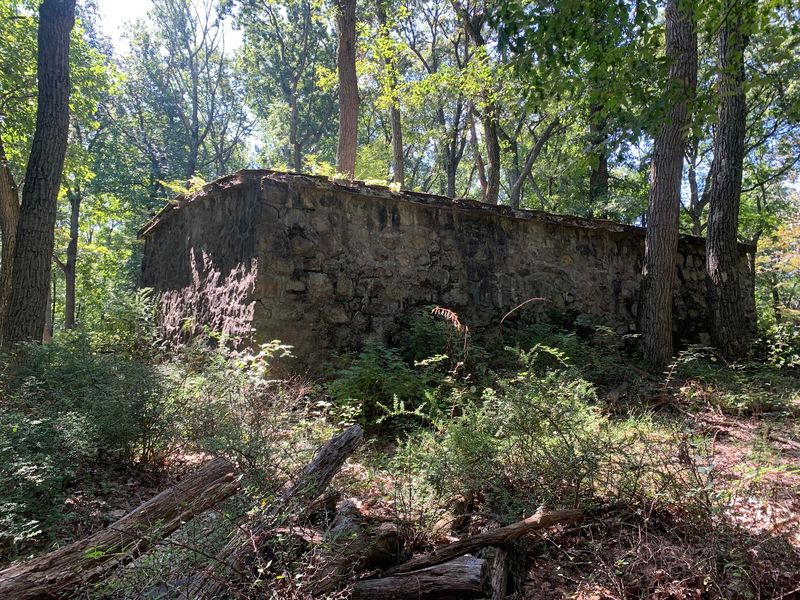
A sealed-looking structure has a way of encouraging big theories, and Devil’s Tomb benefits from that perfectly. People have walked around it and found no obvious door, window, or visible opening.
That absence is one reason the folklore attached itself so neatly to the site. When a structure looks closed off and its original purpose is not marked, the human brain starts sketching stories in the blank spaces.
More practical explanations still make sense. A cistern or reservoir would not need to look like a small house, and access points may have been blocked, altered, or never built in the way casual passersby expect.
Available observations do not identify a confirmed entrance or a clear way to see inside. The structure has also been described as being in relatively good condition despite some aging concrete, which may be why it still reads as a complete and puzzling object rather than a scattered ruin.
The no-door detail is a gift to local legend, but it is also a reminder to respect the site. Curiosity is welcome, forced access is not part of the experience.
A Public Preserve With Private Edges
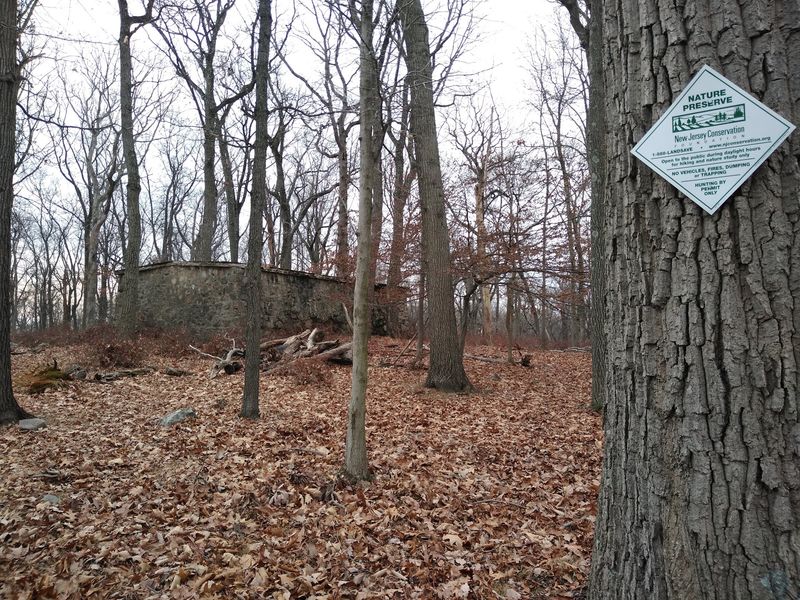
Access at Devil’s Tomb has a very specific rule of thumb: public land near the structure, private land around the broader area. That distinction is the difference between a respectful quick visit and a bad neighbor moment.
Local notes describe the land the structure sits on as entirely public now, meaning the landmark itself can be explored without treating the stop as trespassing. The surrounding area, however, includes private properties, and posted signs should be taken seriously.
That boundary issue comes up often because the landmark sits in a region where preserves, roads, and private estates can meet quickly. A person can be on public land one moment and too far into the wrong parcel soon after.
The best approach is simple and very New Jersey practical. Stay near the visible structure, do not wander toward neighboring homes or estate grounds, and avoid treating the outing like an open-ended backcountry hike unless clear public access allows it.
Devil’s Tomb works best as a compact curiosity, not a free-range expedition. Respect the edges, and the story stays fun rather than complicated.
A Roadside Stop, Not A Formal Attraction
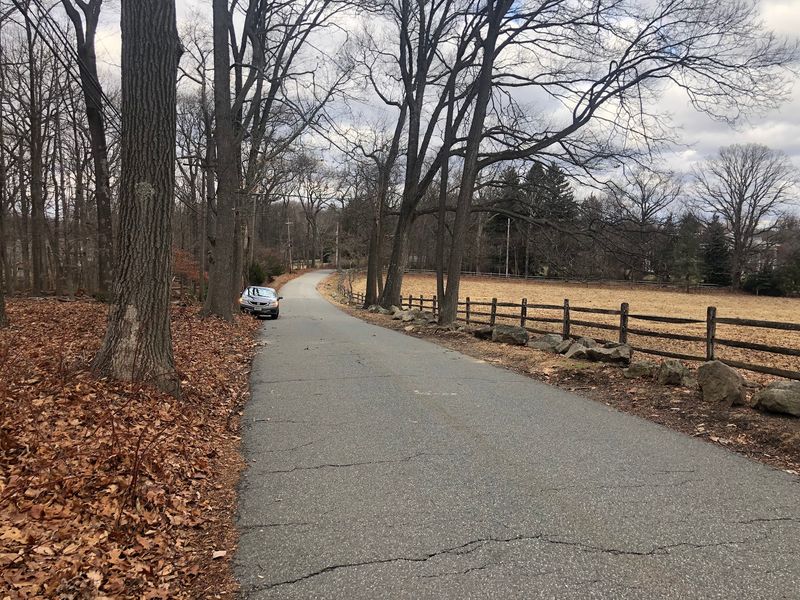
No ticket window, no posted tour schedule, and no polished exhibit path define the experience here. Devil’s Tomb is listed as a historical landmark, but the available information presents it as a roadside curiosity rather than a managed attraction.
That means expectations should stay realistic. The draw is the structure itself, the local legend, and the questions raised by its construction and setting.
There are no supplied details for admission fees, organized tours, facilities, restrooms, or staffed hours. The preserve has been described as open to the public in daytime, so a daylight visit is the only access window supported by the information provided.
This kind of stop suits people who enjoy a short detour with a story attached. It may not satisfy someone looking for a full afternoon of programming, but it can be a memorable add-on for a Far Hills or Somerset County drive.
New Jersey has plenty of attractions that announce themselves loudly. Devil’s Tomb does the opposite, then lets its nickname do all the mischief.
A Daytime Visit With Simple Rules
Practical planning for Devil’s Tomb should be kept clean and uncomplicated. The site is associated with preserve land described as open to the public in daytime, so daylight is the supported time to go.
No official admission cost is provided in the available data. Because there is no listed fee information, the safest wording is that no paid entry details are supplied for this landmark.
Hours are equally limited in the records shared here. Rather than invent a schedule, the useful guidance is to treat it as a daytime public-preserve stop and skip any plan that depends on after-hours access.
Getting there centers on the Pennbrook Road area in Far Hills. The structure has been described as visible from the road and about 50 feet west of Pennbrook Road, which helps explain why it works as a short local detour.
A visit does not need much gear, ceremony, or dramatic buildup. It needs attention to daylight, property boundaries, and the understanding that the reward is a quick encounter with one of New Jersey’s stranger little landmarks.
A Stop For Folklore Fans And History Tinkerers
Different people will get different things out of Devil’s Tomb, and that is part of its charm. Folklore fans get the headline-ready name, while history-minded travelers get a possible estate cistern with unanswered construction questions.
The place suits a certain kind of New Jersey explorer. Someone who likes tidy museums may find it too brief, but anyone drawn to roadside history, old infrastructure, and strange local names can find enough here to make the detour worthwhile.
Families with older kids who enjoy local legends may also find it interesting, as long as adults keep the visit respectful and grounded. The key is not to oversell it as an amusement attraction, because it is a compact landmark on preserve land with private boundaries nearby.
Researchers and architecture buffs may enjoy the unanswered details: concrete slabs, no obvious openings, possible water-storage function, and nearby stonework. None of those details proves the legend, but each one adds a useful clue.
The best audience is curious, patient, and happy with a short stop that raises more questions than it answers. In other words, exactly the sort of person New Jersey keeps quietly training.
A Far Hills Landmark Beside Pennbrook Road
A name like Devil’s Tomb does a lot of heavy lifting before anyone even reaches the place, but the actual landmark is a compact historical structure in Far Hills, New Jersey. The recorded address is 00000, 1807-000030000-000210000, Far Hills, NJ 07931, placing it in Somerset County along the Pennbrook Road area.
The structure sits roughly 50 feet west of Pennbrook Road, based on local documentation shared with the listing. That detail matters because the landmark is not presented as a museum, staffed attraction, or polished heritage site with a visitor center.
Instead, it is a roadside historical landmark tied to public preserve land in a part of New Jersey better known for estates, winding roads, and pockets of open space. The setting gives the structure much of its character because it feels removed from the busier image people often assign to the state.
Public access is part of the appeal, but the boundaries matter. The land immediately around the structure has been described as public, while nearby parcels are private, so the smartest visit stays close to the landmark and pays attention to posted signs.
That practical caution keeps the outing simple. Come for the odd landmark, keep the footprint small, and let Far Hills keep the mystery where it belongs.
Share this story