Bridgewater has a way of keeping its surprises tucked between ordinary New Jersey errands, office parks, and weekend routes. Then a temple campus appears with South Indian towers, carved details, organized prayer spaces, and a community life that reaches far beyond a single building.
It matters because places like this show how much cultural depth sits in plain sight across the state, not far away and not hard to reach. Keep going, because this is the kind of New Jersey stop that rewards a closer look, especially for anyone who likes architecture, local stories, and practical day-trip finds.
A Bridgewater Landmark With A Full Address
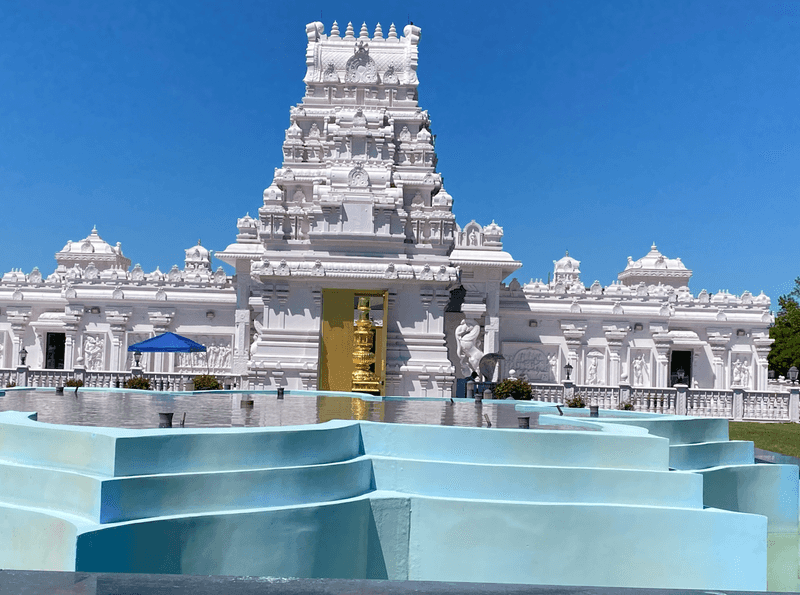
The address brings the mystery down to earth fast: Sri Venkateswara Temple(Balaji Mandir) and Community Center stands at 1 Balaji Temple Dr, Bridgewater, NJ 08807, in Somerset County, New Jersey. It is a Hindu temple, but the name also tells part of the bigger story, because the campus functions as both a place of worship and a community center.
Bridgewater is not usually the first town people mention when talking about dramatic religious architecture in New Jersey. That is exactly why the temple catches attention, since its traditional South Indian design appears within a familiar suburban setting rather than a distant pilgrimage route.
The temple is centered on Lord Venkateswara, also known as Balaji, and regulars describe the campus as spacious, clean, and organized. The setting works for devotees coming for darshan, families attending events, and curious locals who want to understand an important cultural landmark respectfully.
Its presence also says something larger about New Jersey. The state can tuck major cultural institutions into everyday towns, then let residents discover that a short drive can lead to architecture and community traditions with deep roots.
A Story Built Around Devotion And Community
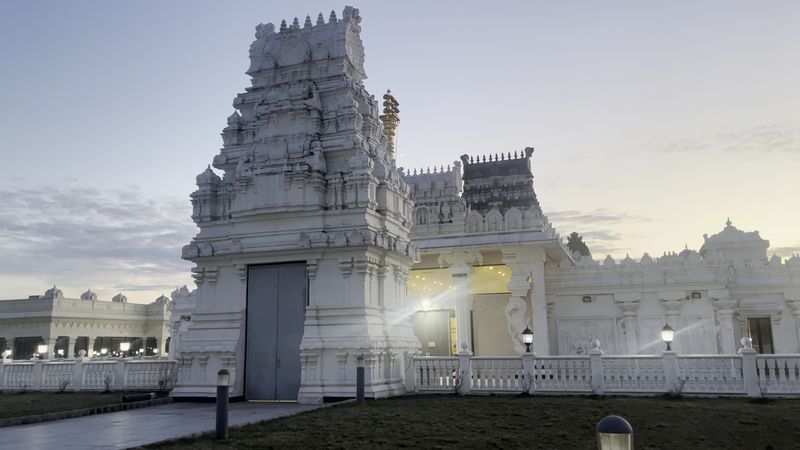
A temple campus does not become a local anchor by architecture alone. In Bridgewater, the draw comes from the way prayer, cultural programming, and community gatherings share the same address without making the place feel like a one-note stop.
Regulars often point to how the temple has grown over the years, with expanded facilities and spaces that support more than daily worship. The campus includes an auditorium, a marriage hall, and other amenities that make it useful for cultural performances and community occasions.
The temple also supports religious services such as poojas, and information from the community points to online puja services for people who cannot attend in person. That detail matters for families spread across towns, schedules, and generations, because participation does not have to depend entirely on being physically present on a particular day.
Its identity sits at an interesting crossroads. It is firmly a sacred place, yet it also functions as a gathering point where language, ritual, arts, and family milestones can stay connected in New Jersey.
That blend gives the temple its staying power. A person may arrive for prayer, a ceremony, or a cultural event, but the campus clearly serves a broader role in keeping tradition active close to home.
South Indian Architecture In A Suburban Frame
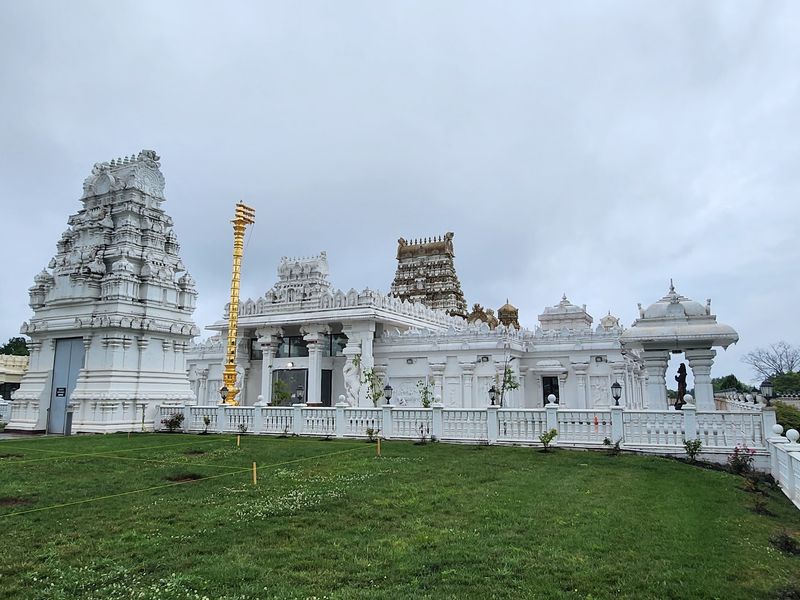
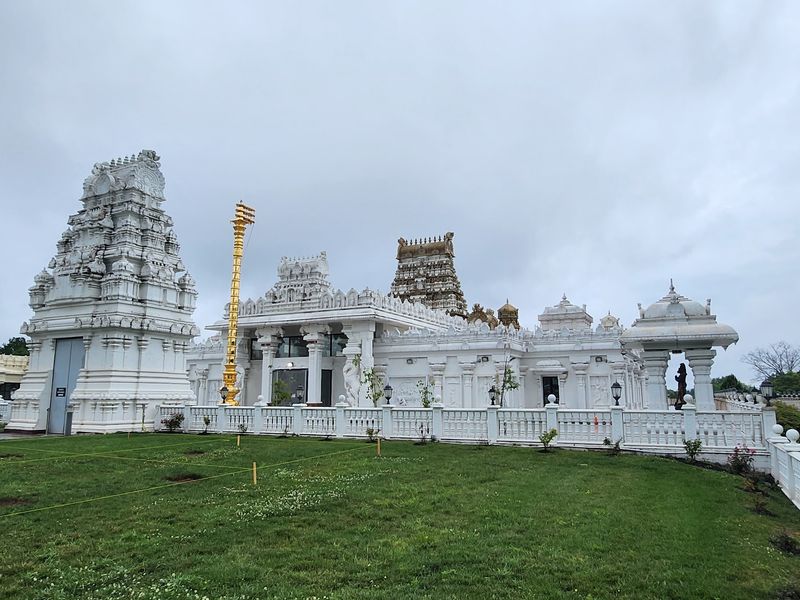
Here is the part that makes drivers do a second take. The temple’s traditional South Indian architecture stands out against the everyday logic of suburban New Jersey, and that contrast is a major reason the campus feels so memorable.
Available descriptions of the temple repeatedly emphasize its carefully designed traditional style. The architecture has been described as following ancient Agama and Vastu Shastra principles, with attention given to the layout of the sannidhis and the organization of the worship areas.
The exterior towers and carved details are the headline feature for many locals, but the design is not only decorative. The arrangement supports the religious purpose of the space, guiding movement through different shrines and helping devotees take part in prayer without confusion.
New Jersey has no shortage of historic churches, old civic halls, and grand stone buildings, yet this temple adds a different architectural vocabulary to the state’s list. It expands what a local landmark can look like, especially in a town many people associate with practical errands and commute routes.
That is the quiet fun of it. The building does not need a billboard to make its point, because the towers and carvings already do the talking.
Carvings, Shrines, And Sanskrit Details
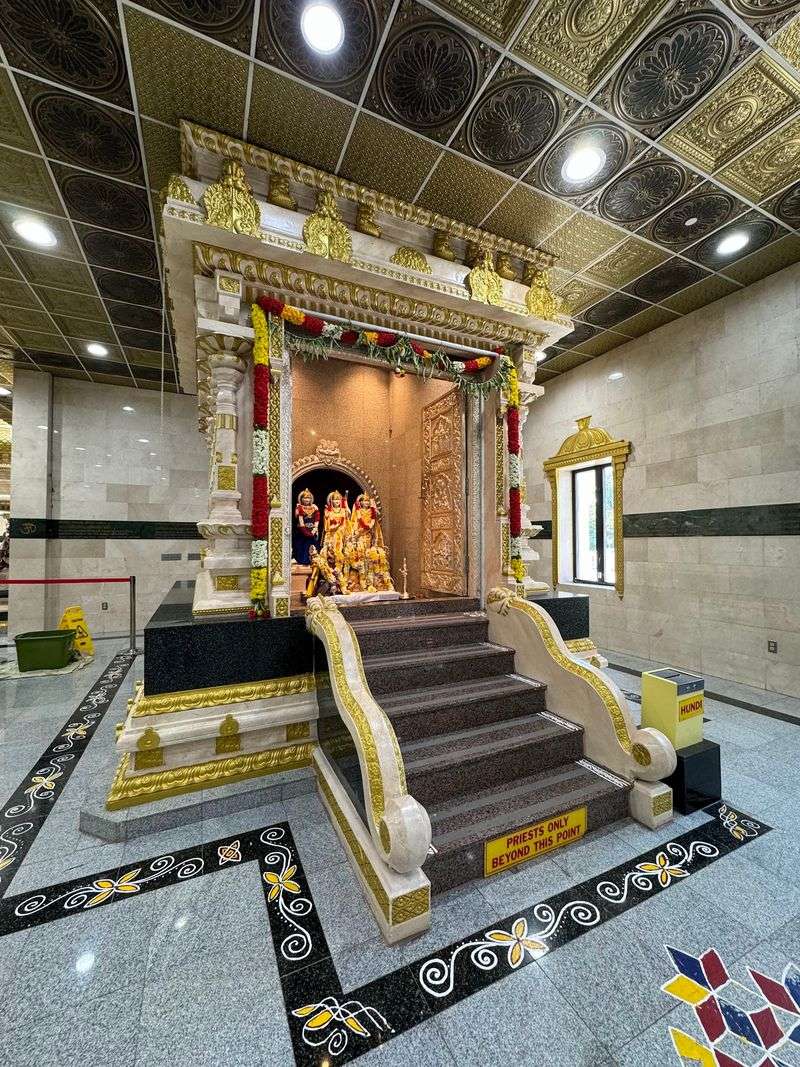
Small details carry a lot of the temple’s personality. Inside the main prayer areas, Sanskrit shlokas engraved on the walls have become one of the notable features mentioned by people who pay attention to language, layout, and craftsmanship.
The temple is known for multiple shrine areas, often described through the term sannidhis, and the organization helps devotees move through the space for darshan and prayer. Several accounts mention the presence of multiple deities, which gives the temple a broader devotional scope beyond its central dedication to Lord Venkateswara.
The carved stonework and interior maintenance also receive consistent attention. Rather than feeling like a purely decorative backdrop, the details support the religious setting and create a structured environment for rituals.
One notable point is that the temple provides clear signs and a coat room, practical touches that help newcomers understand where to go and how to manage a visit. That may sound ordinary, but in a busy religious setting, simple guidance can make the difference between feeling lost and feeling able to participate respectfully.
The carvings may attract the first glance, but the organization keeps the visit from becoming an architectural scavenger hunt. The campus knows what it is doing.
A Darshan Route That Feels Organized
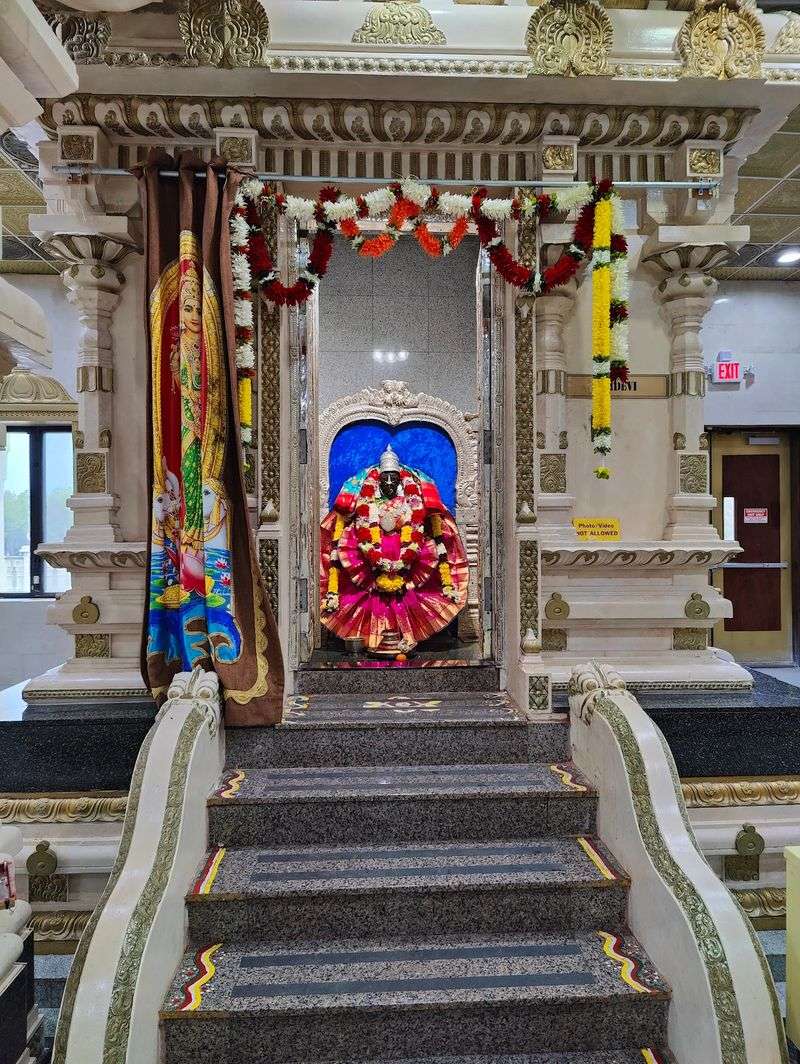
Order matters in a temple that can draw large numbers of people. At the Bridgewater campus, regulars frequently mention that the main temple is spacious, clean, and managed in a way that helps the darshan process move smoothly.
The word darshan refers to viewing or being in the presence of the deity, and here the central focus is Lord Venkateswara, also known as Balaji. People describe the deity as adorned with care, and the surrounding spaces are arranged so worshippers can move through the shrines without the visit turning into a maze.
Priests are often described as knowledgeable and patient, especially when guiding rituals and poojas. That matters for families handling personal prayers, people returning for familiar practices, and newcomers who may need a little direction without feeling singled out.
Weekdays are generally described as simpler and easier, with less waiting than peak periods. Major festivals and public holidays can bring heavier crowds, so the best plan is to expect a busier flow when the calendar says the day is important.
The temple’s strength is not only that it has impressive spaces. It also has a rhythm, and that rhythm helps the campus work even when many people arrive with different needs.
A Campus Made For Gatherings
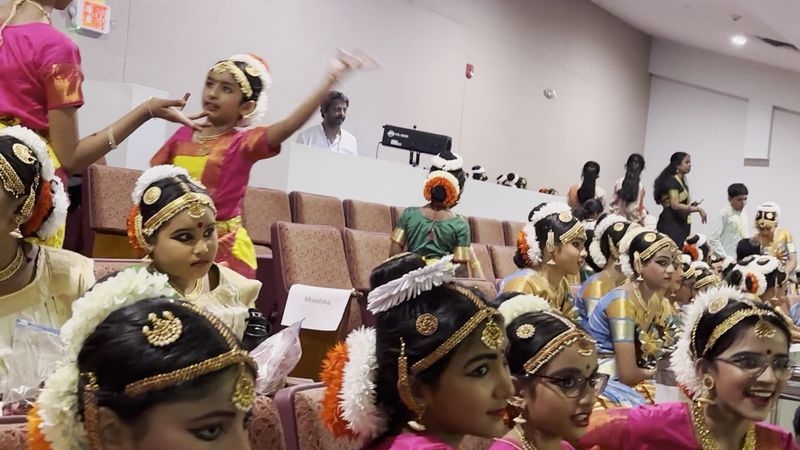
Not every temple campus has the square footage to act like a cultural hub, but Bridgewater’s Balaji Mandir clearly aims beyond a single prayer hall. The community center side of the property helps explain why it remains important to families across the region.
Information from people familiar with the campus highlights an auditorium, marriage hall, and cultural programming. Those features make the temple relevant for performances, ceremonies, educational sessions, and gatherings that keep cultural traditions active in a New Jersey setting.
The arrangement also helps different kinds of trips make sense. A family may come for a religious service, stay connected through a program, or return for an event that ties community and culture together.
That is a different kind of local value than a quick photo stop. The temple is not just something to admire from outside, because its schedule and facilities support ongoing participation.
New Jersey residents know the power of places that do more than one job well. Here, worship, learning, ceremony, and community use sit on the same campus, which is one reason the temple has become a familiar name far beyond Bridgewater’s immediate neighborhoods.
Call it practical community infrastructure with temple towers. New Jersey does multitasking even in its landmarks.
Facilities That Keep The Visit Practical
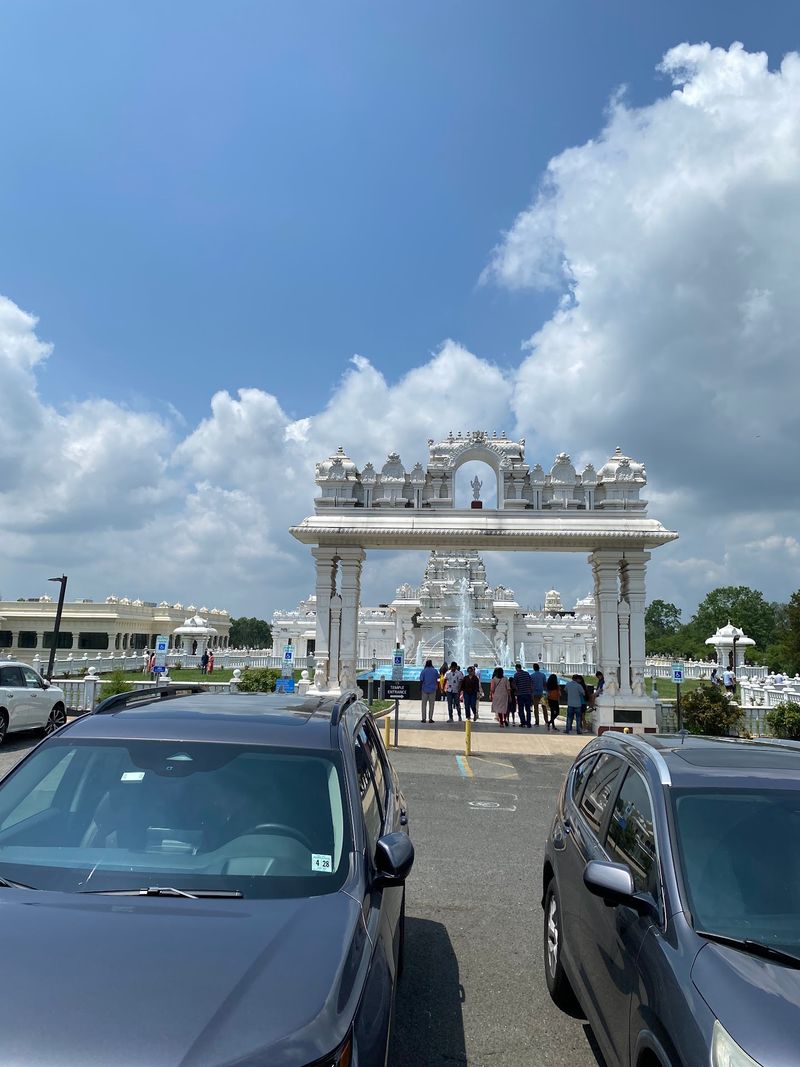
Practical details rarely get the glamorous spotlight, yet they decide how a visit actually goes. At Sri Venkateswara Temple(Balaji Mandir) and Community Center, the commonly mentioned strengths include cleanliness, clear signs, organized surroundings, and enough structure to help people move through the campus.
A coat room is one of those small conveniences that can feel especially useful during colder New Jersey months. Clear signage also helps first-time guests, including people who may not be familiar with temple customs or the layout of the different shrine areas.
Parking is another key point. Regulars mention ample car parking and an organized layout, which is a major advantage during weekends, public holidays, and festival periods.
The campus also includes a cafeteria and a small gift shop, according to information shared by people familiar with the facilities. The cafeteria is frequently discussed as a useful add-on after temple time, though experiences with it are mixed, especially during busy periods.
That mix is worth knowing before going. The worship areas and overall campus maintenance receive broad praise, while the cafeteria may require patience when the crowd builds.
A good visit here begins with realistic expectations. The temple is well-equipped, but it is still a busy community place, not a private appointment with unlimited elbow room.
Weekend Energy And Festival Crowds
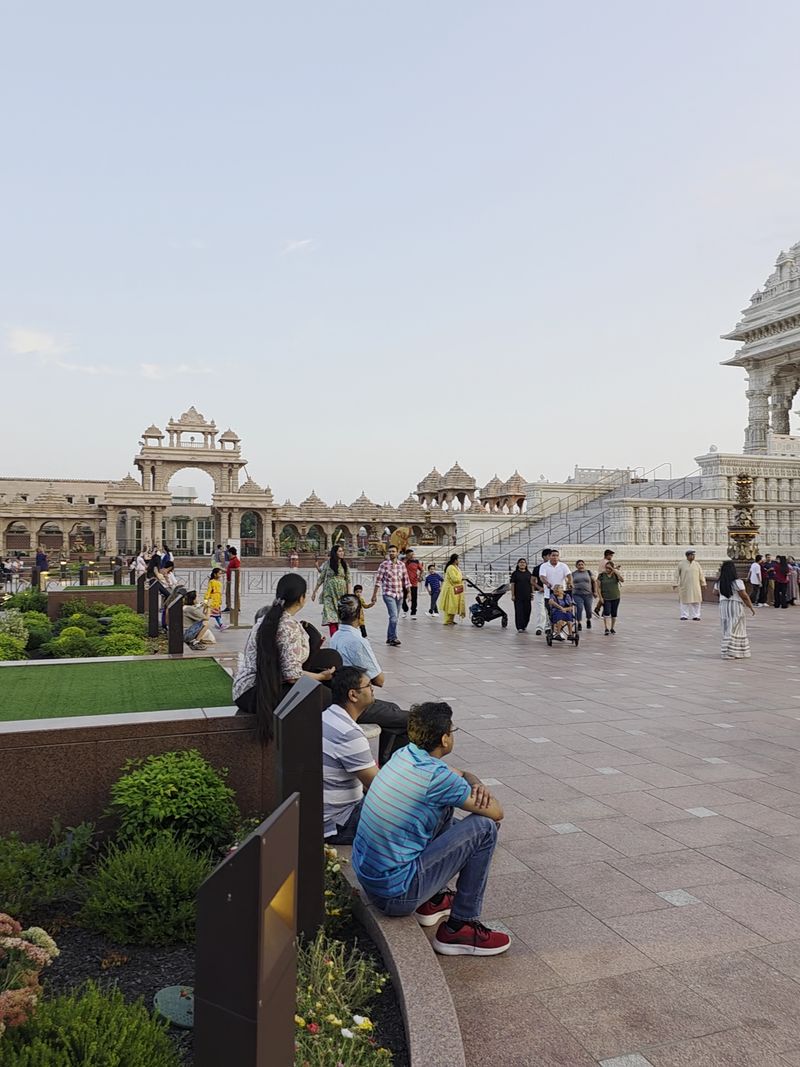
Saturday and Sunday bring a different pace to the campus. The temple is open longer on weekends, and those extended hours naturally make it easier for families, day-trippers, and devotees with weekday schedules to visit.
Weekends can also mean more people, especially around the cafeteria and during major festival periods. Several regulars describe the flow through the temple as managed well, but they also note that festival days and public holidays can be much busier than an ordinary weekday.
That pattern is not unusual for a major regional place of worship. The key is to plan like a New Jerseyan who has met a full parking lot before: leave extra time, check the temple website for current event information, and avoid assuming the quietest version of the campus will be available at peak moments.
Weekday mornings through early afternoon can offer a more straightforward visit because the temple hours are shorter and the crowds are generally lighter. People who prefer a simpler arrival often point to weekdays as the easier option.
The crowd question should not scare anyone away. It simply changes the strategy, and good strategy is half the art of going anywhere popular in this state.
Food Service With Useful Caveats
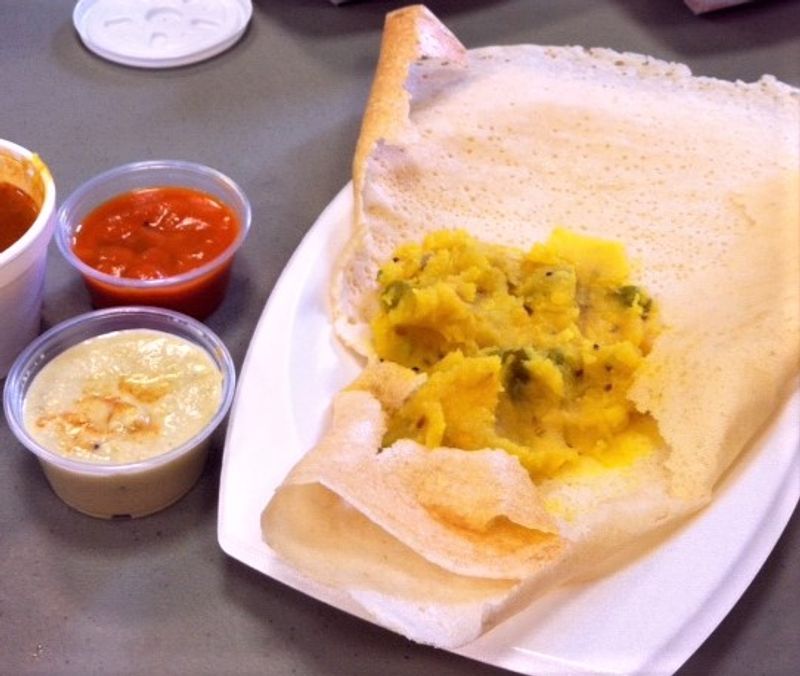
The cafeteria gets plenty of attention, partly because it adds a social layer to the temple visit. People familiar with the campus often describe it as clean, well-run at its best, and focused on South Indian vegetarian options.
Because the article title is about architecture rather than dining, the helpful point is simple: the cafeteria exists, it can be convenient, and it may be especially busy on weekends. Some people have had smooth experiences there, while others have raised concerns about crowding, wait times, and staff interactions during high-pressure periods.
That range of experience makes it smart to treat the cafeteria as a bonus rather than the whole plan. A weekday visit or a non-peak time may feel less complicated, while a holiday or festival day can place more pressure on the service areas.
The cafeteria has also been described as closed during at least some visits, so checking current information before counting on it is sensible. Temple schedules and facility operations can change, especially around events.
In practical terms, the cafeteria strengthens the campus as a community space, but patience is the right companion. The temple visit will likely feel better if the meal plan remains flexible.
Hours, Cost, And Getting There
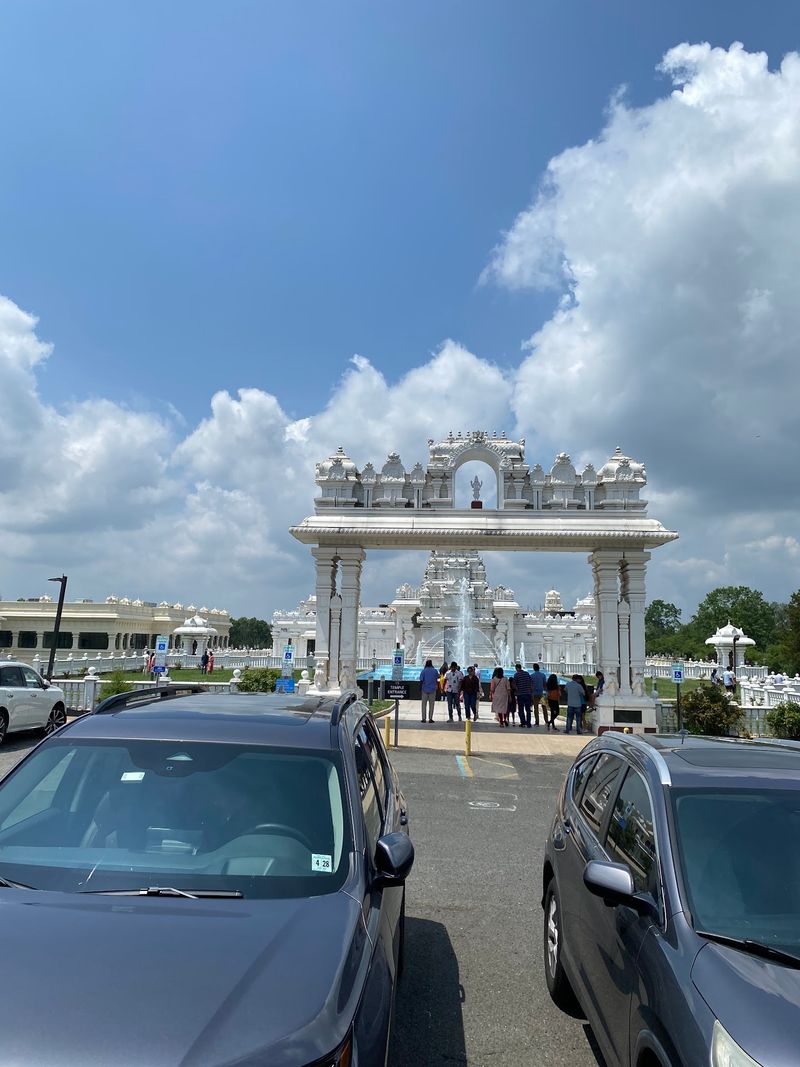
The visiting basics are refreshingly clear in some areas and intentionally limited in others. Sri Venkateswara Temple(Balaji Mandir) and Community Center is listed as open Sunday from 8:30 AM to 8:30 PM, Monday through Friday from 8:30 AM to 12:30 PM, and Saturday from 8:30 AM to 8:30 PM.
No general admission price is provided in the supplied information, so this article should not invent one. Some poojas and services may involve fees, and the temple website is the best place to confirm current details before planning around a specific ritual or event.
Getting there is most practical by car for many New Jersey residents, and the campus is known for ample parking. The full address, 1 Balaji Temple Dr in Bridgewater, is the detail to use for navigation.
Longer weekend hours make Saturday and Sunday easier for families, while weekday hours are shorter and may suit people who want a simpler trip. Major festivals can bring heavier crowds, so timing matters more on those dates.
For the most current schedule, event notices, and service information, the official website listed for the temple is venkateswaratemple.org. A quick check before leaving can prevent the classic New Jersey mistake of arriving exactly when everyone else had the same idea.
A Soft Verdict For Curious New Jersey Day-Trippers
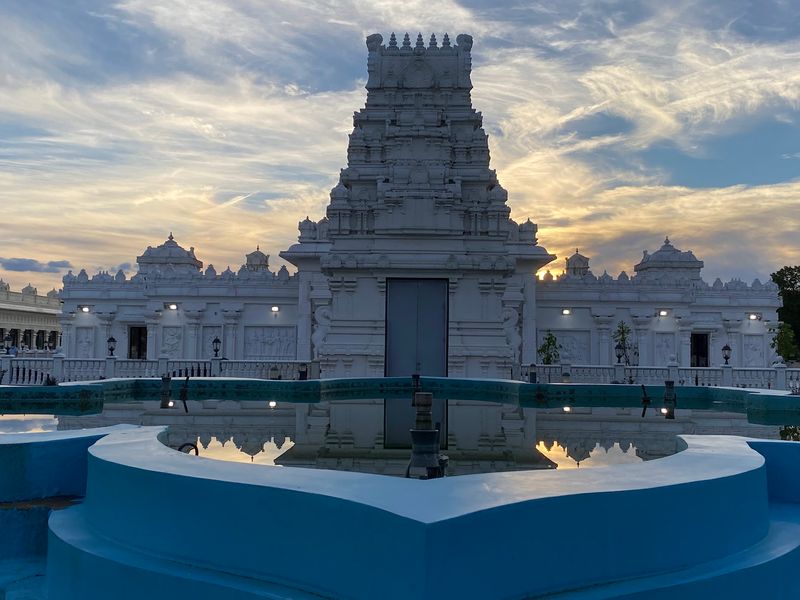
Plenty of New Jersey places are called surprising, but this one earns the label through specifics. South Indian towers, carved details, Sanskrit inscriptions, organized shrine areas, a community center, an auditorium, a cafeteria, and ample parking all sit together in Bridgewater.
The temple is best suited for people who can approach it respectfully as an active place of worship. Devotees may come for darshan, prayer, or ceremonies, while architecture-minded locals can appreciate the traditional design without treating the campus like a casual prop.
It also works as a meaningful stop for New Jersey residents who enjoy finding proof that the state contains more range than outsiders expect. The temple is not remote, not theoretical, and not hidden behind a long trip, which makes its presence even more striking.
A smooth visit depends on timing. Weekdays can be easier, weekends offer longer hours, and festival periods require extra patience because crowds may be heavier.
The fairest verdict is simple: Sri Venkateswara Temple(Balaji Mandir) and Community Center is a real New Jersey landmark with religious, cultural, and architectural value. It asks for respect, rewards attention, and gives Bridgewater a landmark that quietly expands the state’s sense of itself.
Share this story