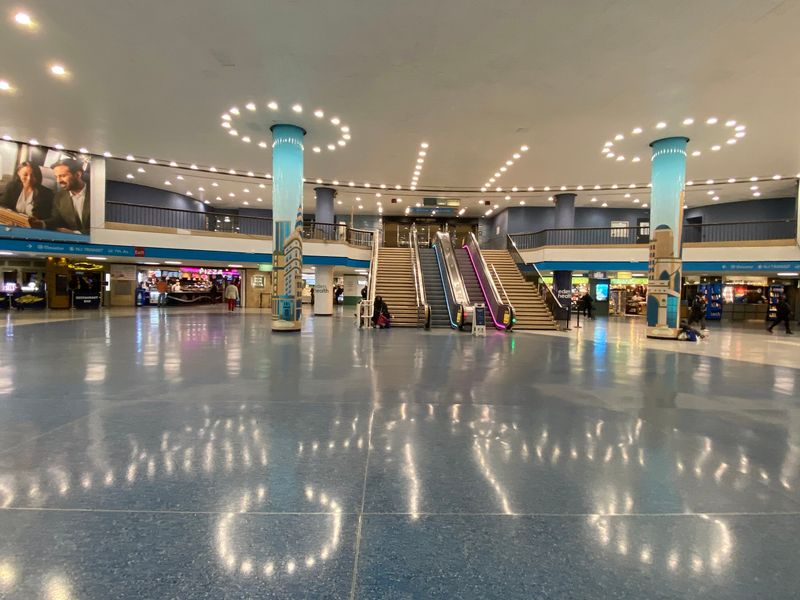
Newark has a train station that does more than move people between platforms. It carries the kind of old civic ambition that makes a routine commute feel connected to a bigger story.
The building is practical, busy, imperfect, and still full of architectural clues from an earlier age of travel. Keep reading and the surprise becomes clear: New Jersey has a working transit hub where marble, high ceilings, Northeast Corridor energy, and everyday grit all share the same address.
A Newark Gateway With A Very Real Address
The mystery stop is Penn Station, formally known to many travelers as Newark Penn Station, at 1 Raymond Plaza West &, Market St, Newark, NJ 07102. It sits in downtown Newark, New Jersey, United States, and functions as one of the state’s major train stations rather than a decorative landmark frozen in time.
That distinction matters because the station is not just a place to admire between errands. It is a working transportation hub where NJ Transit, Amtrak, PATH trains, local buses, and other connections shape the daily rhythm of the city.
The location places it directly in Newark’s downtown orbit, which gives the building a useful role for commuters, regional travelers, and short-hop day-trippers. Some people use it as a transfer point toward Manhattan, while others pass through on longer Northeast Corridor trips.
Its address also helps explain why the building feels so tied to New Jersey identity. Penn Station is not tucked away on a quiet side street, waiting for a special occasion.
It stands where movement, business, transit planning, and city life all meet, which makes its architectural character feel even more unexpected.
For locals, that may be the best part. A place built for schedules and transfers still manages to carry a hint of ceremony.
A 1935 Transit Landmark Still At Work
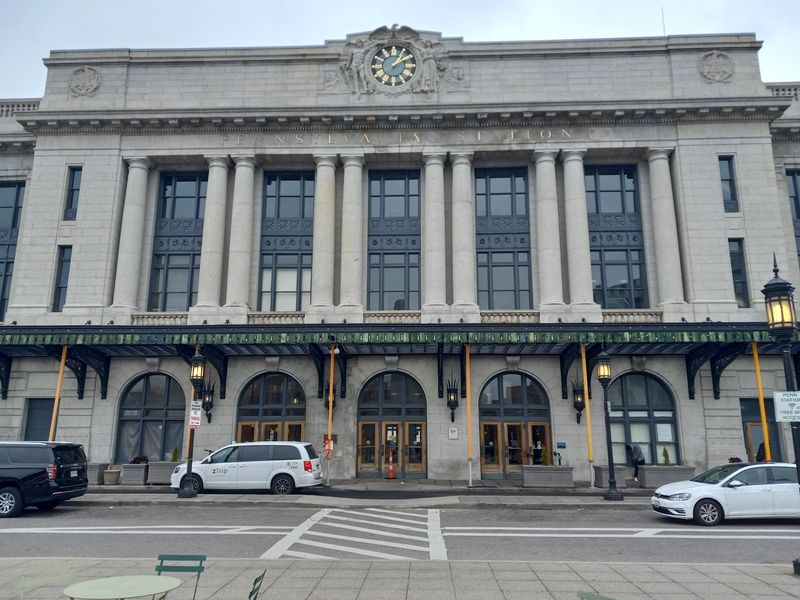
Ninety years of railroad life can leave a building with a complicated personality. Penn Station opened in 1935, and that date gives the place its strongest historical anchor.
The station has long served Newark as a major transit hub, and that role continues today through Amtrak, NJ Transit, and PATH service. The same basic purpose that shaped the building in the 1930s still defines it for modern travelers.
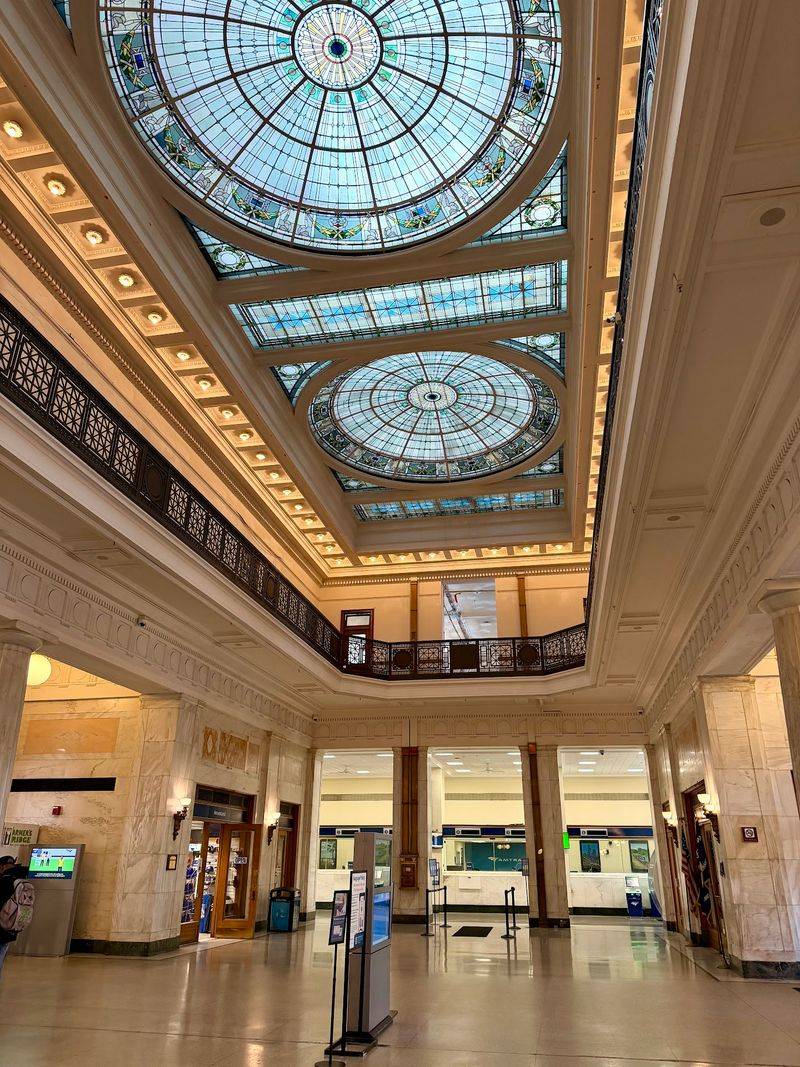
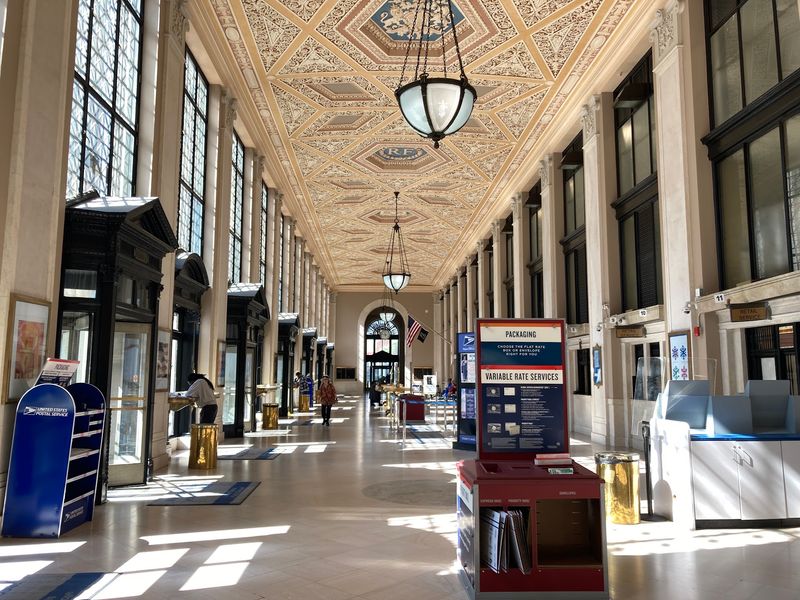
Details inside help keep that history visible. Marble construction remains in parts of the interior, and high ceilings are regularly noted as part of the station’s old-school character.
The result is a building that can feel more substantial than a plain platform stop, even while everyone around it is checking times and making transfers.
Age, of course, brings mixed realities. The station is often described as old or dated, and several comments about maintenance show that the building’s historic value does not erase its everyday challenges.
That tension is exactly why the place feels worth discussing. Penn Station is not a polished museum piece.
It is a 1935 transportation landmark still carrying a heavy workload, which makes its remaining architectural presence feel stubborn in the best New Jersey way.
Marble, Height, And The Cathedral Feeling
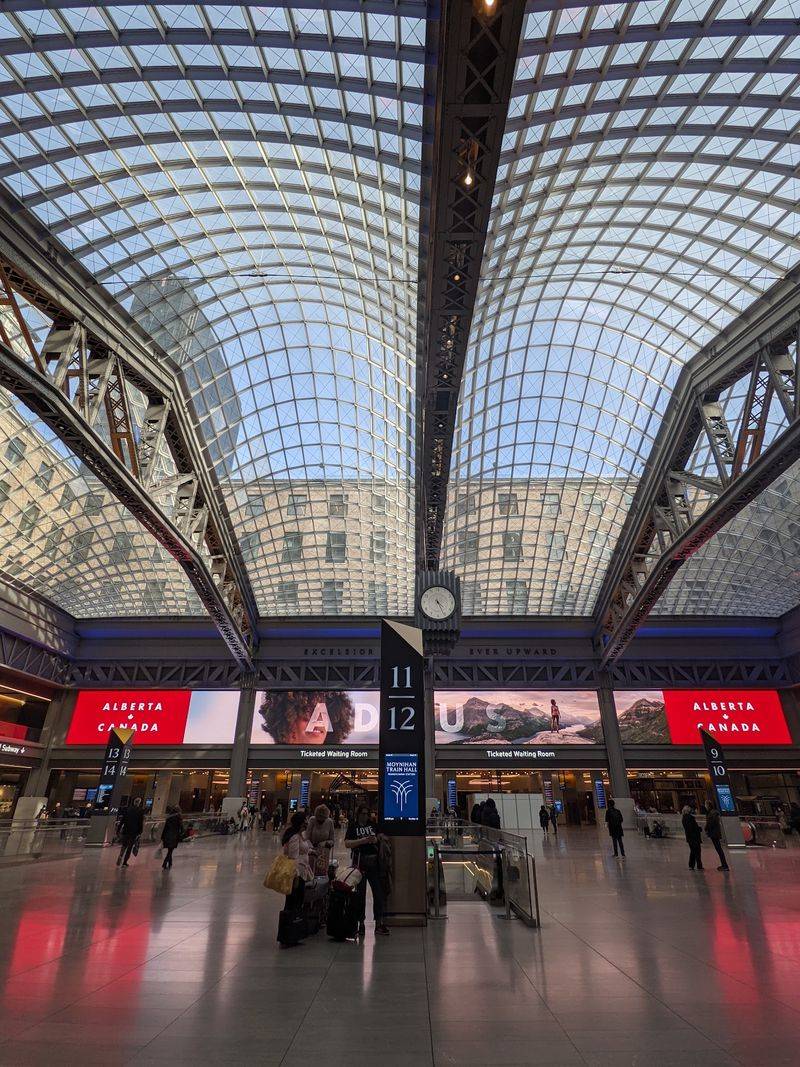
Grand public buildings do not need silence to make their point. Penn Station’s appeal comes from the contrast between its high ceilings, wide concourses, and the constant function of a major transportation center.
People passing through often point to the building itself as the part with the most unrealized beauty. The station has been described as potentially beautiful with care, and others note that much of the marble internal construction still exists.
That is where the cathedral comparison in the title earns its place, carefully. The available details support a sense of scale and civic ambition, not a claim about a religious building or confirmed stained-glass features.
The feeling comes from height, mass, old materials, and a layout made to handle large numbers of travelers.
The station’s broad concourses also help keep it from feeling too tight during busy periods. For a place that moves so many people, that space matters as much as the decorative details.
New Jersey has plenty of practical buildings that never ask for admiration. Penn Station is different because its practical side still carries traces of a time when transportation hubs were designed to look important, not just process the next departure.
A Hub Built For Movement
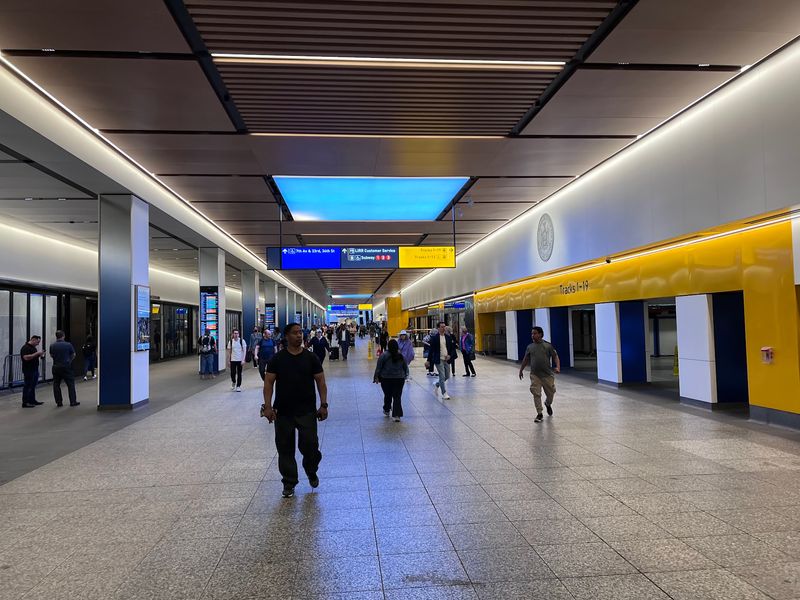
Function is the real headline once the architecture has your attention. Penn Station is repeatedly treated as a place built for movement, and that may be its most dependable strength.
Travelers use it for NJ Transit trains, Amtrak service, PATH trains, local buses, and connections into New York City and other parts of the region. Some also associate the hub with access to broader Northeast Corridor travel, including trips in the direction of major cities such as Washington, Boston, and New York.
The station’s layout is often described as relatively easy to understand. Clear signage, ticket machines, service counters, and wide concourses help many people get where they need to go without feeling trapped in a maze.
That does not mean every trip runs smoothly. Track changes, delays, unclear board updates, and inconsistent communication appear in traveler accounts, so a little extra time is wise.
Penn Station may be efficient, but it is still a busy public transit environment where plans can shift quickly.
Even with those caveats, its connectivity is hard to dismiss. In a state where getting across the region can feel like a strategy game, this station remains one of Newark’s most useful pieces on the board.
The PATH Connection That Changes The Trip

A small routing choice can change an entire transfer, and Penn Station’s PATH connection is one of the reasons the building stays so important. The station gives riders access to PATH service toward Jersey City and Manhattan, including the World Trade Center route.
That connection turns Newark Penn into more than a local rail stop. It becomes a bridge between New Jersey commuting patterns and New York City access, which is why the station can be a last or near-last stop before New York Penn for some riders and an early stop after leaving the city for others.
One practical note stands out for travelers transferring between Amtrak and PATH. Guidance from people familiar with the station suggests that some transfers may not require heading down into the main station area, depending on the direction of travel and platform arrangement.
Because platform situations can change, signs and official updates should always come first. Still, knowing that PATH access is built into the station helps reduce the guesswork before arrival.
For New Jersey residents, this is where pride and practicality shake hands. Newark Penn may not be flawless, but it keeps a major city, a major state, and a major regional rail network in conversation all day long.
Useful Shops Without The Luxury Act
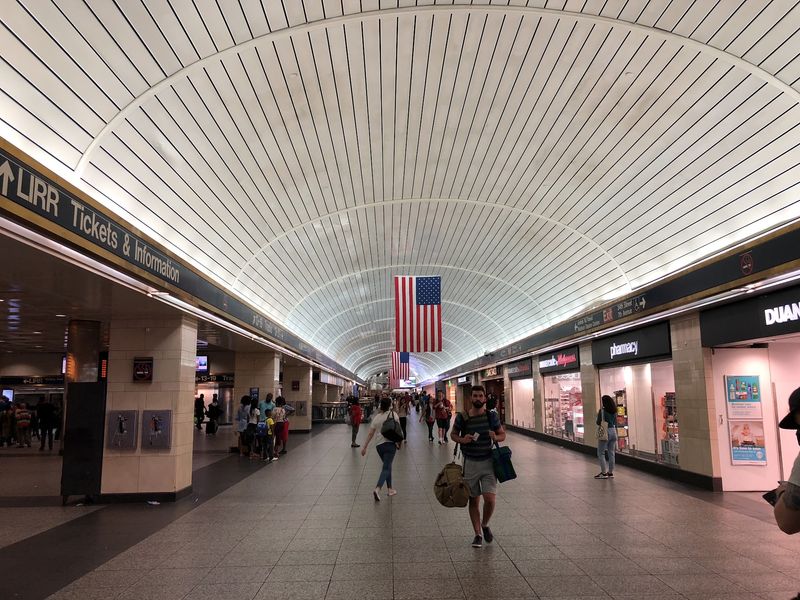
No one should confuse Penn Station with a boutique arcade, and that honesty works in its favor. The station’s commercial side is practical, focused on quick stops before the next train rather than slow browsing.
Available accounts mention a mix of convenience shops and food options inside. Specific names that have been noted include Dunkin, Starbucks, Auntie Anne’s, Hudson News, McDonald’s, news and snack stores, and a shoe repair spot, though individual hours and availability can vary.
Travelers also mention basic accessories such as phone chargers being available from station shops. That can matter when a commute, transfer, or longer rail trip depends on staying organized digitally.
The station is not presented as a luxury experience. Its value lies in the ability to handle ordinary needs quickly, especially for people who are moving between trains, buses, PATH service, or downtown Newark.
At the same time, comments about limited dining choices are worth taking seriously. The best approach is to treat the shops as backup support rather than the main reason to visit.
That makes Penn Station refreshingly clear about its role. It is not trying to be a mall in disguise.
It is a transit hub with enough useful extras to keep the day moving.
A Busy Atmosphere With Mixed Realities
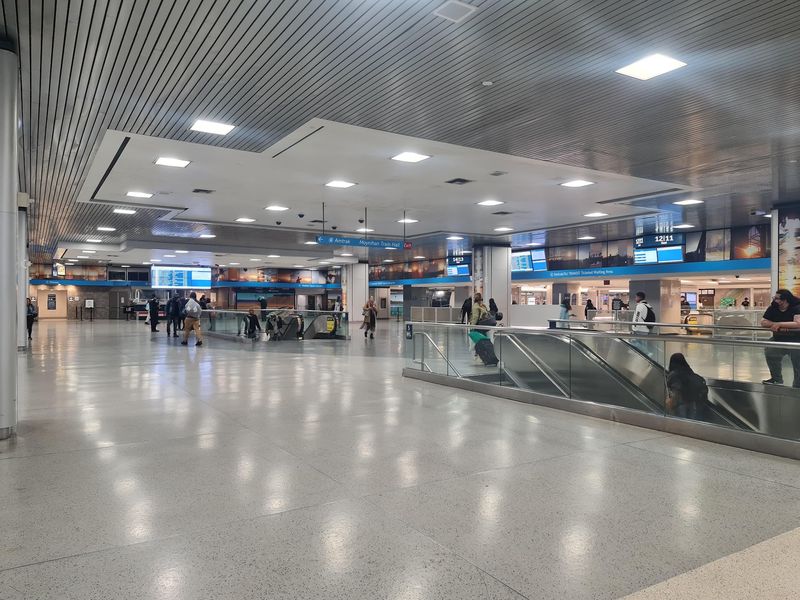
Every major station has a public face and a behind-the-schedule reality. Penn Station’s atmosphere is best understood as busy, practical, and uneven.
Many people find it convenient, relatively clean in some areas, and efficient for getting in and out of Newark or New York. Others point to maintenance problems, restroom issues, rougher conditions at night, and concerns about unhoused people in parts of the station.
Security presence is a repeated theme. Port Authority or transit police are described as visible or close by, and some travelers find that reassuring, especially when navigating the station early or late.
The building’s size helps during rush periods, but the station is still a place where paying attention matters. Staying near active areas, watching the boards, and leaving extra time for track changes can make the experience smoother.
Bathrooms come up often in less flattering ways, with complaints about cleanliness and overuse. That is not a decorative detail, but it is practical information readers deserve before planning a visit.
Penn Station suits people who appreciate historic transit architecture but understand that this is a working urban hub. Come for the building and the connections, but bring the common sense that any busy downtown station asks of you.
Simple Visiting Notes For A Smooth Stop
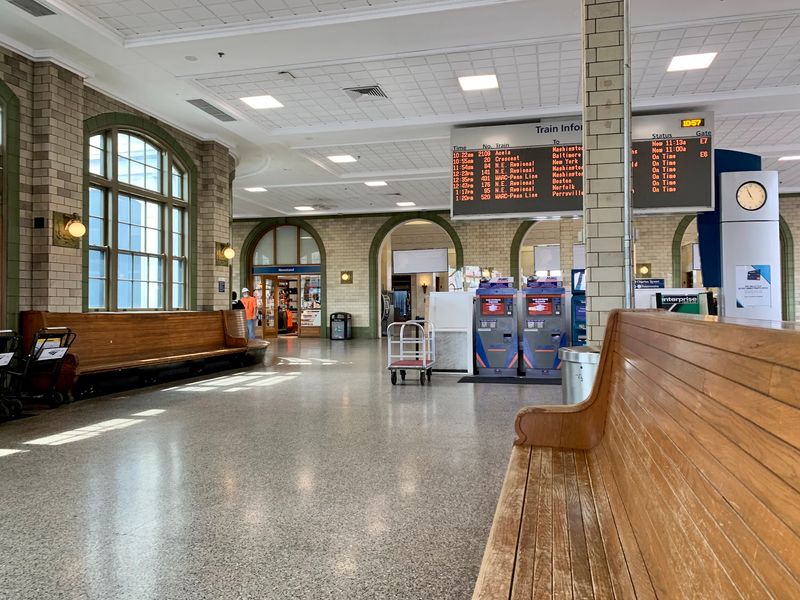
Good trips through Penn Station start with realistic expectations. This is an active train station, not a ticketed attraction, so there is no admission price to enter the public transit areas.
The available information does not provide official daily public hours for every station area. Some traveler comments mention overnight closure, while other accounts refer to the station’s long operating role, so the safest move is to check current schedules and station notices before relying on late-night access.
Getting there is straightforward because the station itself is the transit connection. Riders can arrive by NJ Transit, Amtrak, PATH, local buses, or from downtown Newark, depending on the trip.
Inside, ticket machines and service counters are described as accessible, and signage is generally considered clear. Still, departures can change, so checking boards and listening for official updates remains important.
Accessibility details are mixed in the available accounts. One traveler noted elevators to tracks in addition to stairs and some escalators, while another described difficulty moving luggage between tracks.
Because that information conflicts, travelers with mobility needs or heavy bags should verify current elevator and platform access before going.
The best plan is pleasantly boring: arrive early, confirm the platform, keep essentials charged, and avoid turning a simple transfer into a cardio event with luggage.
A Worthwhile Stop For New Jersey Architecture Fans
Plenty of New Jersey places reward a second look, and Penn Station belongs in that category. It is not spotless, not quiet, and not trying to charm anyone with a polished tourist routine.
Its value comes from the combination of history, transit power, and surviving architectural character. A 1935 station with marble details, high ceilings, wide concourses, and major rail connections still has something to say about Newark’s place in the region.
For architecture fans, the building offers a chance to notice what older transportation design aimed to do. It gave daily travel a sense of civic importance, even for people who were simply trying to catch the next train.
For commuters, the verdict is more practical. Penn Station works best when treated as a connector first and a landmark second, with enough time built in for delays, track changes, or crowded moments.
For New Jersey locals, there is another reason to care. The station is proof that the state’s everyday infrastructure can hold history in plain sight, even when the building needs more attention than it gets.
Penn Station may not be a perfect cathedral of transit, but it remains one of Newark’s most compelling public spaces. That is a soft verdict, but a fair one: look up, keep moving, and give the old place its due.
Share this story