New Jersey has a knack for hiding the good stuff behind ordinary turns in the road. One minute, the day feels routine, and the next, a whole village is asking what life looked like when people made tools, books, pottery, and tin lamps by hand.
It is the kind of place that can make a quick stop stretch into a few hours, especially for anyone who likes history that does more than sit behind glass. Keep reading, because this South Jersey spot turns early American life into something active, approachable, and surprisingly easy to enjoy.
A Cape May Village With A Real Address And A Clear Mission
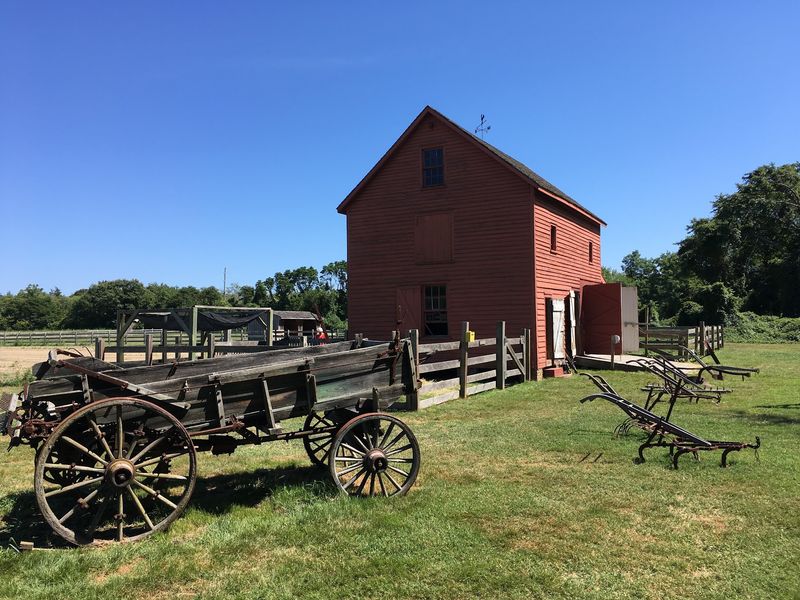
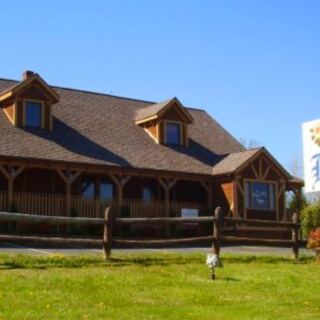
A plain road near Cape May hides a surprisingly full step back in time. Historic Cold Spring Village is a history museum at 735 Seashore Rd, Cape May, NJ 08204, in the United States, focused on life in the years 1789-1840.
The village is described as a living history setting dedicated to the first years of American independence. Rather than presenting history only through signs, it uses buildings, trades, demonstrations, and interpreters to explain how people worked and learned during that period.
New Jersey residents looking for a day trip get a place that feels local rather than oversized. Cape May already draws attention for its coastal character, but this stop adds a different reason to linger nearby.
The smartest way to approach it is simple: treat the village as a collection of small discoveries, not one single exhibit.
Buildings Gathered For A Hands-On History Lesson
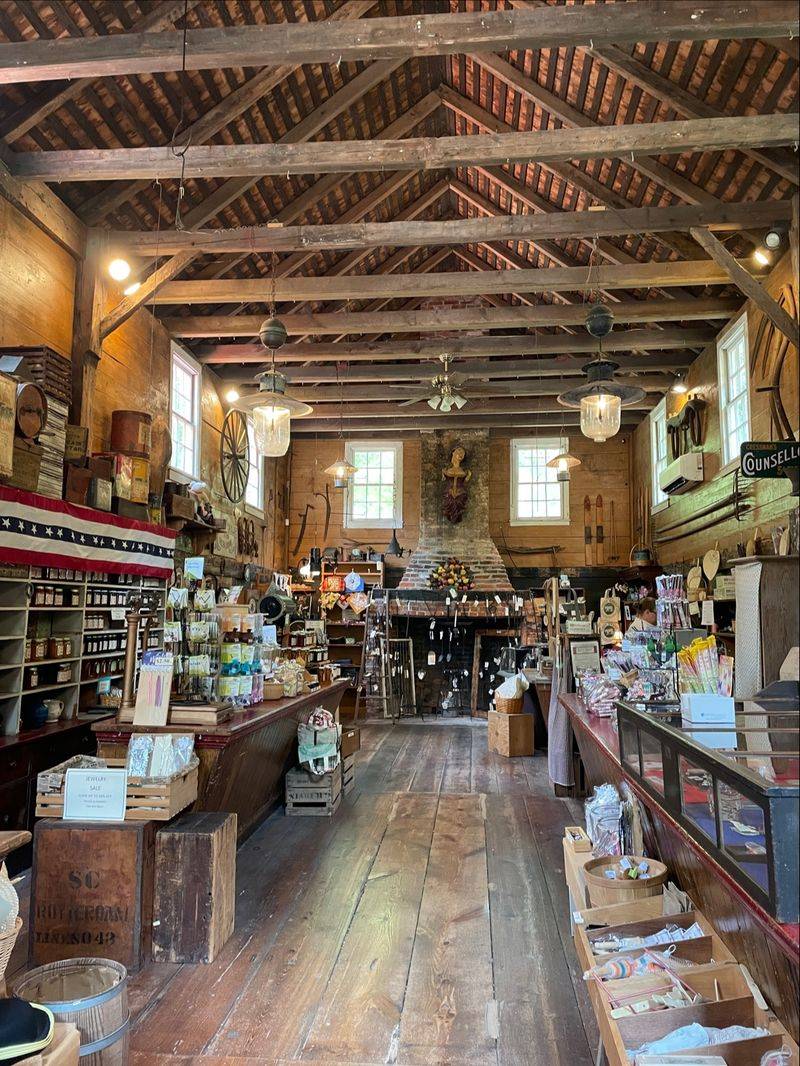
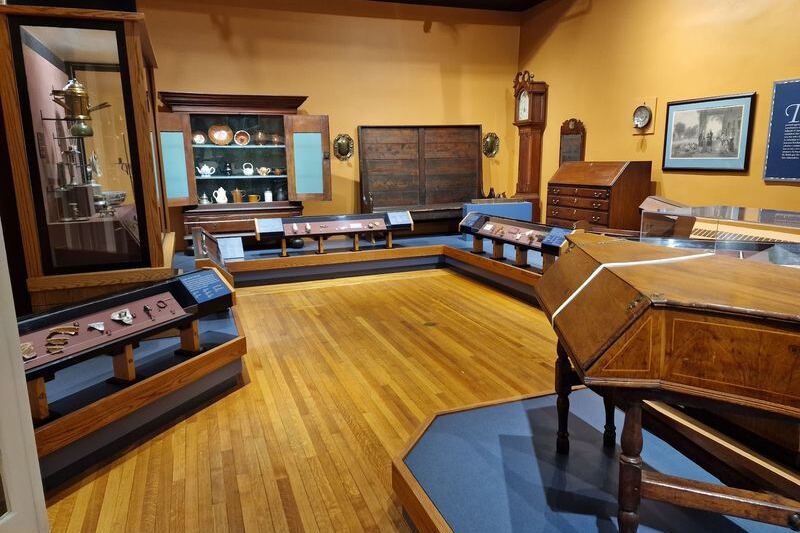
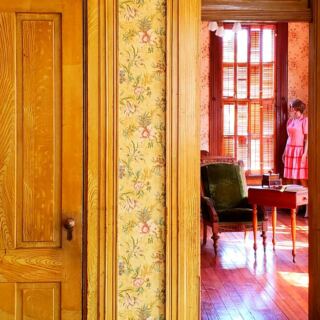
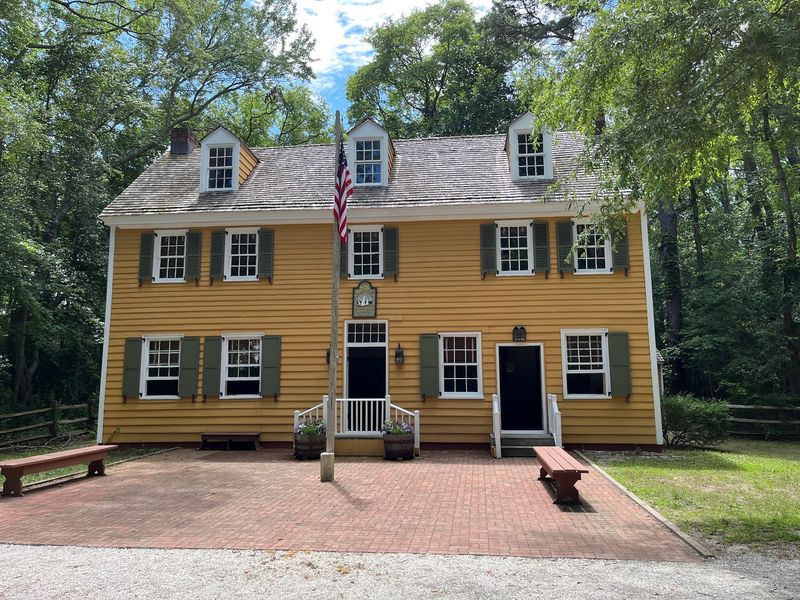
Old buildings do a lot of the storytelling here, and they do it without needing a dramatic speech. Several older structures on the property were brought to the village so they could be preserved, displayed, and used for education.
Among the noted buildings are a country store, schoolhouse, inn, and blacksmith shop. The setting functions as a reconstructed historic village, assembled from real historic buildings moved to the site.
That detail matters because it gives the museum a practical backbone. The education is general, but it stays tied to local history and to the kind of daily tasks that shaped community life.
Instead of racing from one big attraction to another, guests can move building by building. Each stop adds a piece to the larger picture, and the village slowly becomes easier to understand than any textbook chapter.
Tinsmiths, Blacksmiths, And The Joy Of Useful Skills
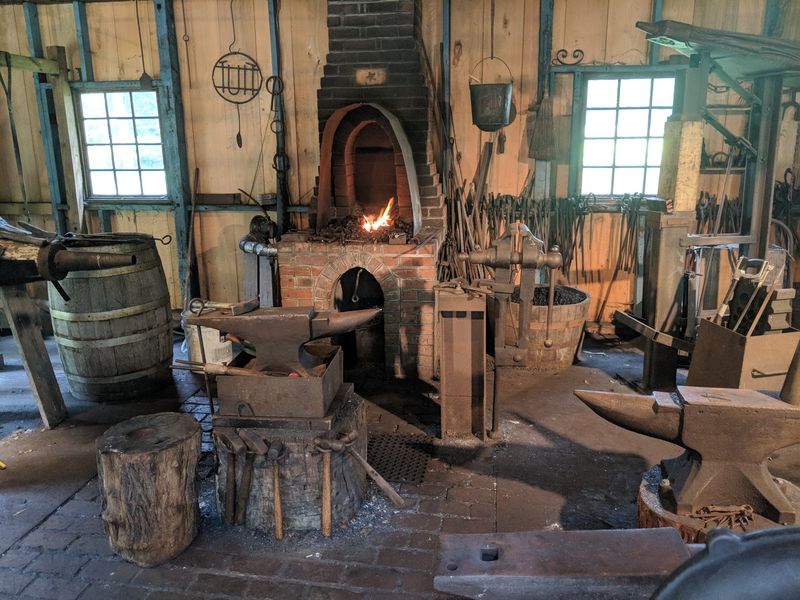
Metalwork may be the village’s best reminder that ordinary objects once required serious skill. The blacksmith and tinsmith stops show crafts that turn tools, heat, and practiced hands into items people actually used.
Guests have described seeing a tinsmith make tin lamps that could later be sold in the gift shop. The blacksmith shop is also one of the recurring highlights, with handmade items connected to the village’s working demonstrations.
There is something wonderfully direct about a trade that produces a useful object right in front of an audience. No flashy screen is needed, only a craftsperson explaining what each tool does and why the process matters.
For younger guests, the appeal is clear because the result is concrete. For adults, it is a tidy reminder that early American convenience required patience, know-how, and a strong respect for materials.
Pottery, Printing, Bookbinding, And Other Patient Crafts
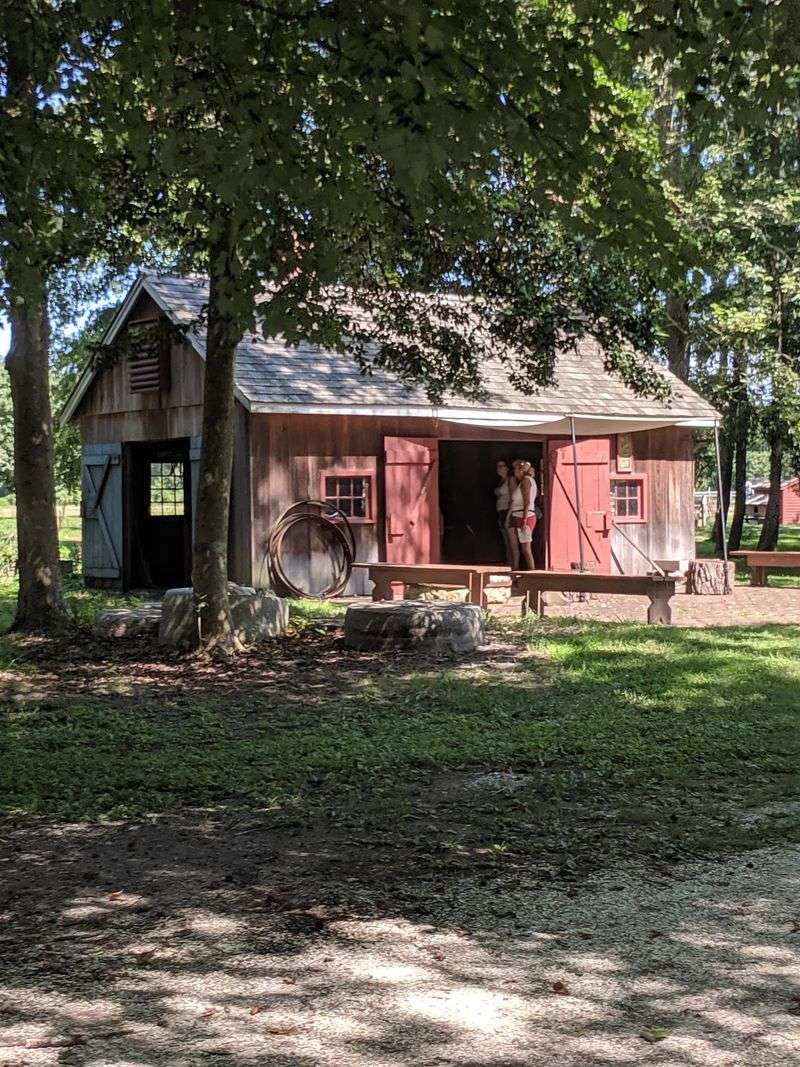
A good village needs more than iron and tin, and this one understands the assignment. The pottery shop, printing shop, bookbinder, wood worker, basket weaver, shoemaker, and other craft spaces broaden the story beyond one trade.
The pottery shop gets frequent attention because it lets people connect early American life with objects that belonged in daily routines. The print shop and bookbinder also stand out, especially for anyone who loves books, paper, or the careful work behind communication.
Historic interpreters have been noted for explaining spinning, weaving, wicker work, printing, blacksmithing, tinsmithing, and bookbinding. That variety keeps the visit moving, since each stop has its own rhythm and purpose.
The fun is not just in seeing the finished pieces. It is in realizing how many people, tools, and practiced steps were needed to keep a small community running.
Interpreters Who Turn Questions Into Mini Lessons
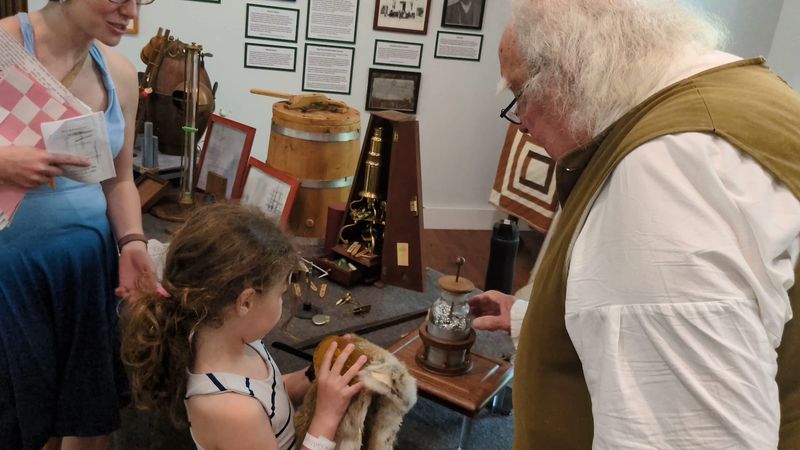
Curiosity gets rewarded quickly at this village, especially for people who like asking how things worked. Staff and interpreters are often described as friendly, helpful, and knowledgeable, which is vital in a museum built around conversation.
Each building can feel like a compact classroom, but without the stiff desk-and-bell routine. Hosts explain slices of history, demonstrate crafts, and answer questions about tools, buildings, work, and daily life.
That human layer is what separates a living museum from a display-only stop. A schoolhouse, shop, or workshop becomes more meaningful when someone can explain what happened there and why it mattered.
Families may especially appreciate that children can learn without the visit feeling like a school assignment. The best strategy is to slow down, ask simple questions, and let the interpreters turn small details into memorable takeaways.
Family Time That Sneaks In The Learning
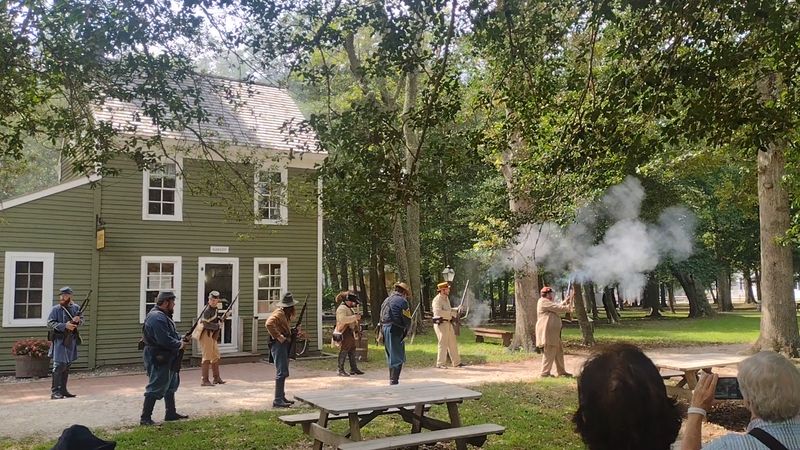
Kids can be tough historians when a place asks them to stand still too long. Historic Cold Spring Village has an advantage because the learning is spread across buildings, demonstrations, animals, and short conversations.
Families have found the village useful for children because the experience feels interactive. Younger guests can move between separate stops, see crafts in progress, and connect history with people doing recognizable tasks.
Several comments from past guests point to easy online ticket buying, close parking, and helpful staff, all of which matter when bringing children. A visit with kids often succeeds or fails on small logistics before the history even begins.
The village also works for adults who want substance without turning the outing into a long lecture. It offers enough structure to teach, enough freedom to wander, and enough variety to keep everyone from asking how much longer.
Farm Animals And A Carriage Detail Worth Noticing
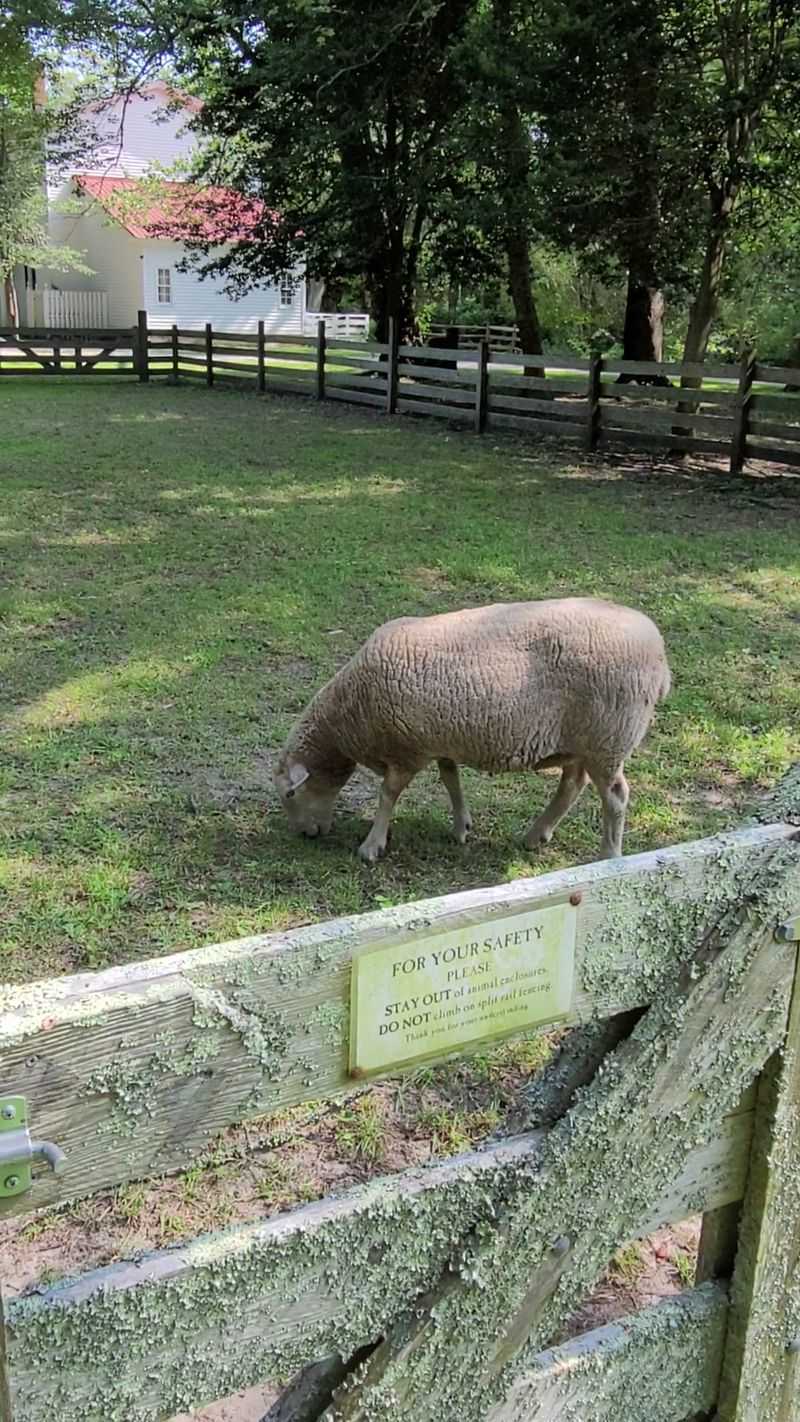
Animals add another practical layer to the village’s early American setting. The site has been associated with sheep, cows, pigs, chickens, goats, and a horse, helping connect the crafts and buildings to agricultural life.
A small farm area out back has been mentioned by guests, including a horse and a couple of cows. Other accounts note pigs, chickens, goats, sheep, and a horse across the property, depending on what is open and active during a visit.
One named detail that tends to stick is Levi, a horse connected with carriage rides around the village. That kind of feature can make the setting feel less like a row of exhibits and more like a working community layout.
Animal stops are especially useful for families who need variety between craft demonstrations. They also remind everyone that early daily life depended on much more than shops and tools.
Events That Change The Reason To Return
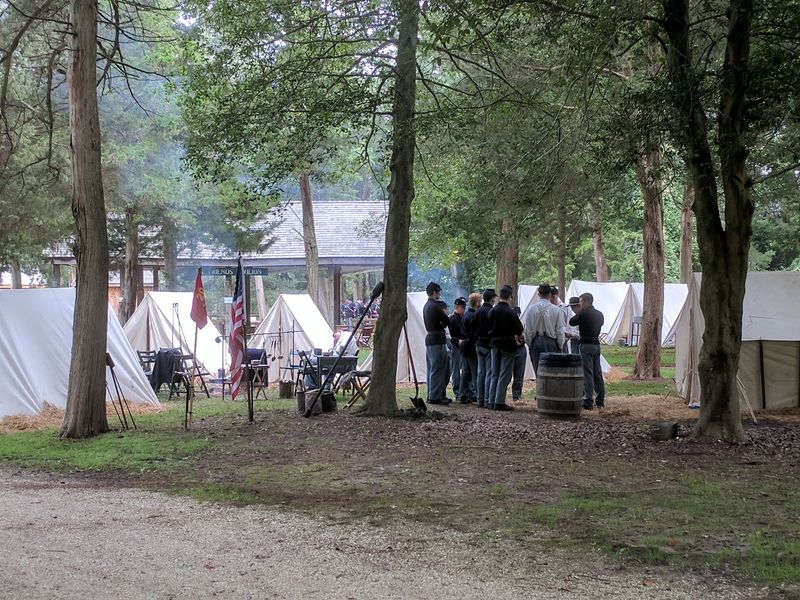
A single visit does not tell the whole story, because the calendar can change the village’s personality. Special events take place throughout the year, and the summer season has been noted for events on weekends.
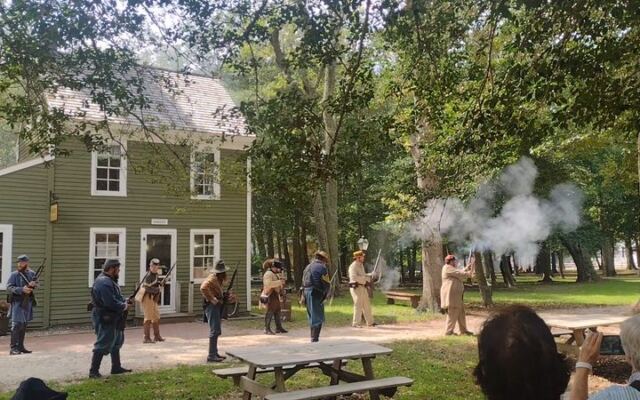
The Seafarers and Maritime Celebration has drawn praise as a family-friendly event connected to the region’s coastal identity. Another recurring highlight is the Military Timeline, where reenactors representing different periods set up around the village and explain daily life from their eras.
The village also includes reenactors and living history programming, which gives repeat guests a reason to come back. A familiar building can feel different when a special program adds new context or activity.
Checking the official website before going is a smart move, especially for people who like planning around demonstrations. The regular village is the anchor, but the events can turn a good outing into a fuller day.
A Calm Wandering Pace Near Cape May
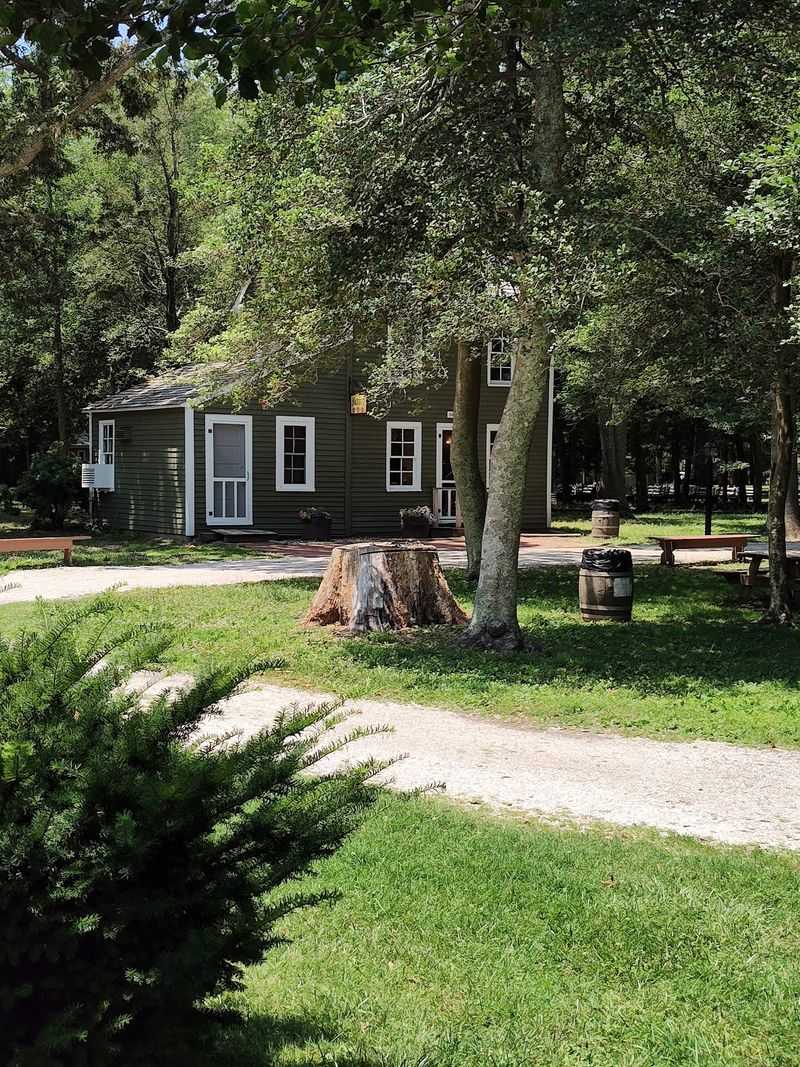
Not every New Jersey outing needs a packed schedule, and that is part of the appeal here. The village lends itself to wandering among historic houses, shops, and demonstration areas at a measured pace.
Guests often describe spending a few hours on the grounds, asking questions and moving through the separate buildings. Shade trees have also been mentioned as part of the setting, which can make summer visits more manageable during open hours.
The atmosphere suits families, history fans, Cape May day-trippers, and anyone who likes local places with a clear purpose. It is educational, but it does not require expert knowledge before arrival.
The best audience may be people who enjoy small details over spectacle. A country store, a schoolhouse, a handmade object, or a careful explanation can become the reason the stop stays in the mind after leaving.
Hours, Admission Cues, And A Soft Verdict For The Curious
Planning is refreshingly straightforward, as long as the weekly schedule gets checked first. Current listed hours show the village open Thursday through Sunday from 11 AM to 4 PM, and closed Monday, Tuesday, and Wednesday.
The place is marked as closed until it opens at 11 AM, and it is described as a summer-opening living history village. Online ticket purchasing has been described as easy, and parking has been noted as close to the entrance.
No admission amount is provided in the supplied information, so the safest move is to check the official site before making the trip. The website listed for the village is hcsv.org, which is the practical starting point for current details.
As a verdict, Historic Cold Spring Village earns attention because it makes New Jersey history feel visitable, specific, and hands-on. For Cape May area plans, it is a worthy detour with real educational weight.
Share this story