A fox in a safe enclosure, an owl with a second chance, and forest trails that make a Medford outing feel far bigger than a simple afternoon stop. South Jersey has a way of hiding its most meaningful places in plain sight, and this one gives families, hikers, school groups, and animal lovers a reason to slow down.
The refuge is not a zoo built for spectacle, but a working wildlife place where native animals are cared for, taught about, and respected. Keep reading and the whole visit starts to make sense: the trails, the resident raptors, the reptile room, the hospital work, the kid-friendly programs, and the practical details that help turn a good idea into an easy day trip.
A Medford Refuge With A Clear Purpose
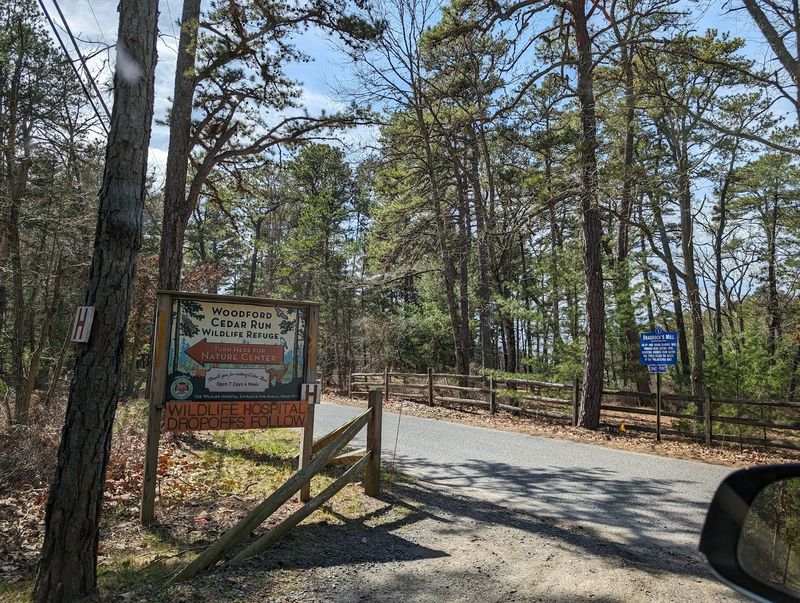
South Jersey gets to claim a place that feels both useful and quietly remarkable: Woodford Cedar Run Wildlife Refuge at 4 Sawmill Rd, Medford, NJ 08055, United States.
The refuge sits in Medford and operates as a wildlife refuge with a nature center, trails, animal housing areas, and a wildlife hospital connected to its broader mission. It is the kind of place where a family outing can also become a lesson in what happens when native animals need help and cannot always return to the wild.
Public access is straightforward, with the refuge open daily from 10 AM to 4 PM according to the available listing. That simple schedule makes it easier for New Jersey residents to plan a weekend visit or a weekday stop without turning the outing into a puzzle.
The headline animals may pull people in, especially owls, hawks, foxes, raccoons, and reptiles, but the bigger draw is the refuge’s role in animal care and education. The animals in public areas are not presented as props; many have individual information posted near their enclosures to explain why they live there.
For Medford locals, it is one of those places that can become part of childhood field trips, scout projects, family traditions, and quick escapes into the pines.
The Woodford Story Behind The Pines
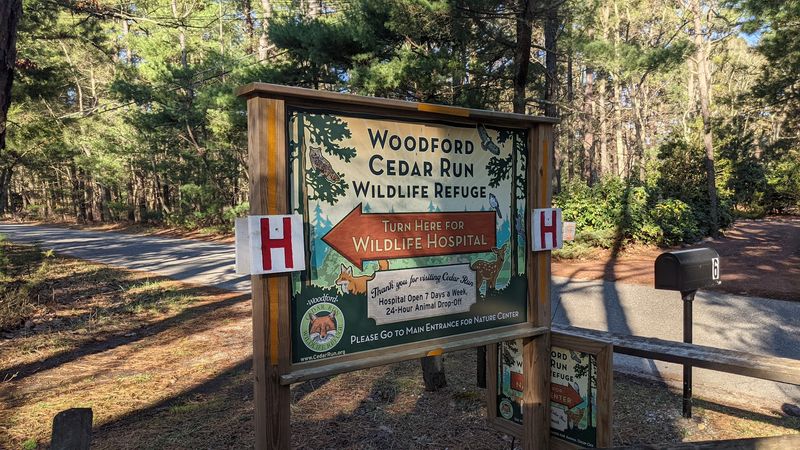
A small local refuge can carry a long memory, and Cedar Run’s story reaches back to the Woodford family’s connection to the land. Available local accounts describe Jim and Betty Woodford purchasing the land in 1951 and founding Cedar Run Wildlife Refuge in 1957.
That background matters because the refuge still feels rooted in hands-on care rather than display for display’s sake. Its work has grown into a place where native New Jersey wildlife can receive help, and where animals that cannot safely return outside can become educators for their species.
The wildlife hospital is a major part of that identity. One longtime local account notes that the hospital treats over 6,300 wild animals every year, which helps explain why donations and community support are repeatedly emphasized by the refuge and its supporters.
People have described bringing injured birds and other native animals to the refuge after contacting staff, and the process is tied to animal safety and careful handling. That detail keeps the focus where it belongs, on the animals first and the public experience second.
The Woodford name is more than a label on a sign. It signals a South Jersey conservation story that has stayed practical, local, and active for generations.
Resident Owls Hawks And Other Raptors
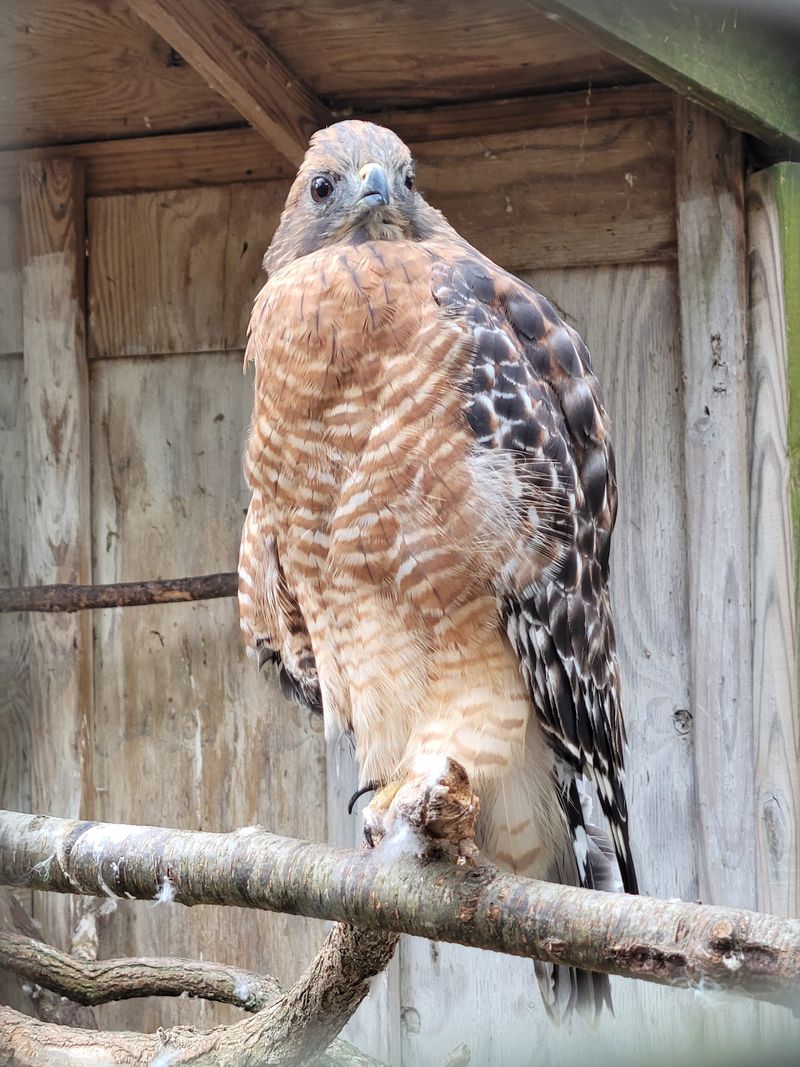
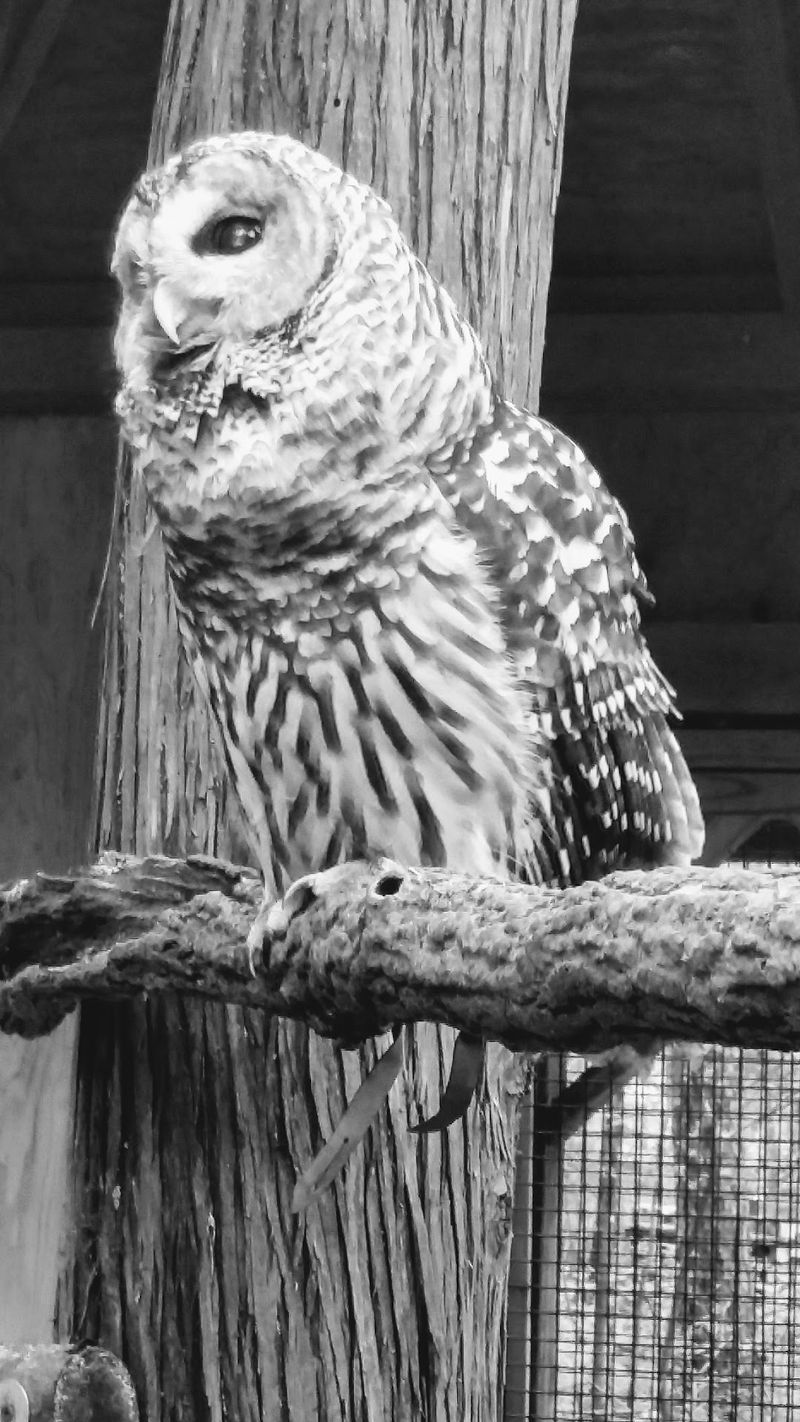
Raptors tend to stop the conversation, even among kids who arrived mostly for a playground and adults who planned a quick look around. At Cedar Run, owls, hawks, eagles, and other birds have been noted in the outdoor housing area, with signs that explain the individual animals and their stories.
That context changes the way the visit works. A hawk or owl is not simply an animal to spot; it is part of a larger lesson about injury, rehabilitation, and what happens when a wild animal cannot safely manage outside again.
Short messages on the enclosures help keep the information easy to understand. Families can move at their own pace, reading a few details, asking questions, and connecting the animal in front of them to the work behind the scenes.
One of the most frequently mentioned strengths of the refuge is that the animals appear cared for and treated with attention. Staff and volunteers are often associated with cleaning, feeding, guidance, and educational programs, which gives the animal area a sense of steady purpose.
The raptor area is not about rushing through a checklist. It rewards patience, quiet attention, and a willingness to let each bird’s story carry the visit forward.
Foxes Raccoons And Familiar New Jersey Wildlife
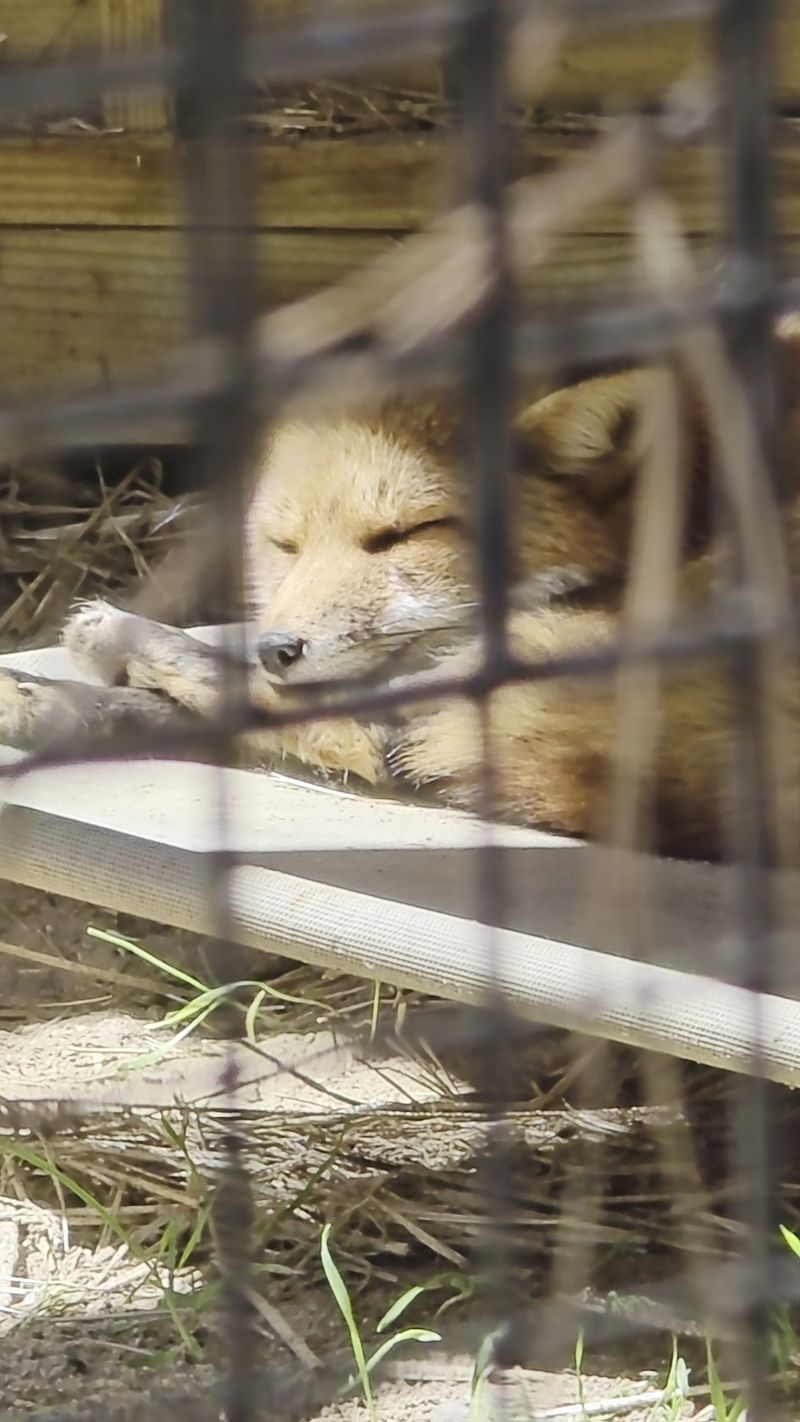
Not every memorable animal at Cedar Run has wings, and that is part of the fun. Foxes, raccoons, squirrels, deer, crows, ravens, and other native animals come up often in accounts of the refuge’s public experience.
These animals make the refuge especially useful for children because they connect the visit to creatures many kids have seen in books, backyards, parks, or school lessons. The difference is that Cedar Run adds context: why an animal may be living there, how people can respond responsibly, and why native wildlife deserves care.
Raccoons get a particular amount of affection from families, with Mika the Raccoon mentioned in past accounts as a favorite animal. Poe the Raven, talking crows, Socrates the Turkey Vulture, and other named residents have also helped give repeat trips a sense of familiar characters.
The refuge’s approach avoids turning native animals into cartoons, but it still lets personality come through. A crow can become the surprise star, a raccoon can anchor a child’s memory, and a fox enclosure can make a short trail day feel complete.
That balance is Cedar Run’s trick: the animals are approachable without the mission becoming casual.
Forest Trails Beyond The Animal Enclosures
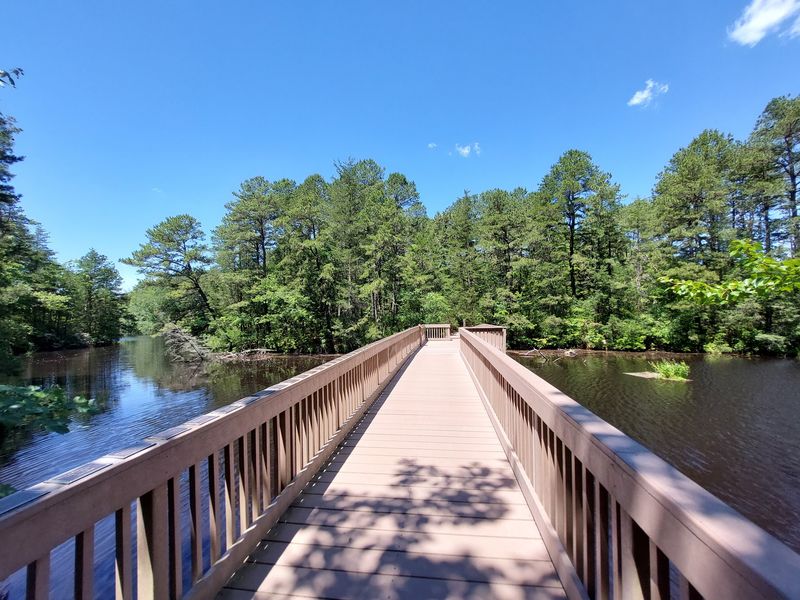
The animal housing area may be the first reason many people arrive, but the trails give the refuge a second act. Cedar Run has been described as having multiple nature trails, including more than 3 miles of hiking trails in one local account, with paths that move through wooded areas and sections near water.
The trails help the refuge feel less like a single stop and more like a full outing. A family can spend time with the resident animals, then shift into a slower route through the property without needing to drive somewhere else.
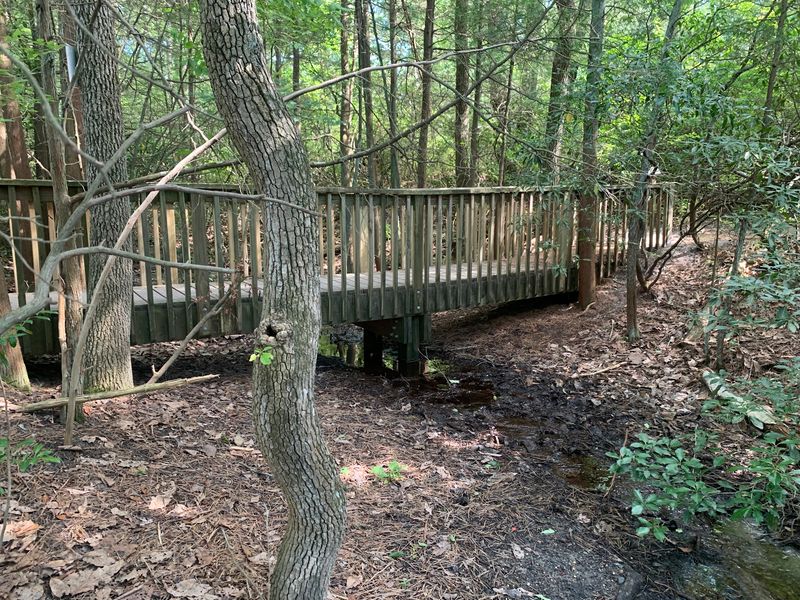
The white trail has been described as short and well kept, which makes it a helpful option for people who want a manageable walk. Other trail sections may be less stroller-friendly, while areas closer to the Nature Center have boardwalk sections, according to past visitor accounts.
That mix is useful to know before showing up with little legs, older relatives, or a stroller. Cedar Run is accessible in spirit, but not every trail section is built for the same pace or equipment.
For New Jersey residents who think they know Medford already, the trail network adds a nice reminder that the Pine Barrens region still has plenty of small local surprises.
The Lake Bridge And Pinelands Setting
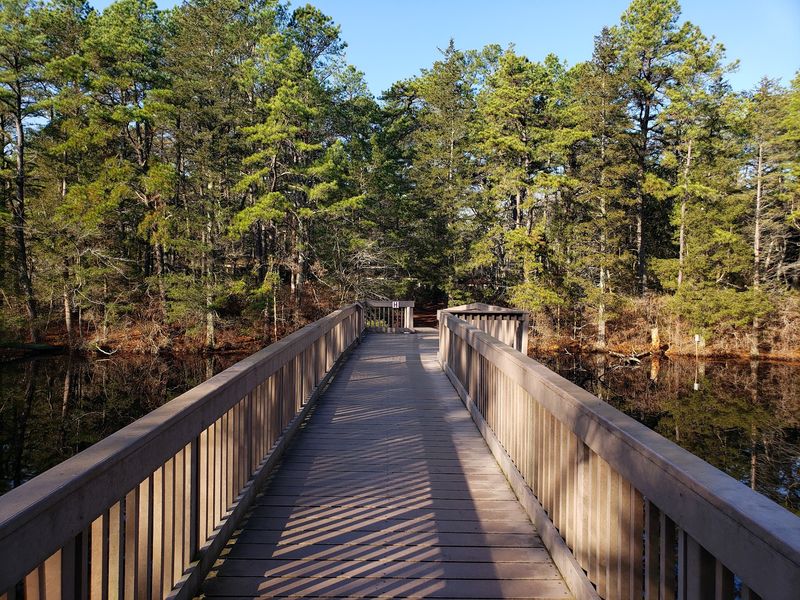
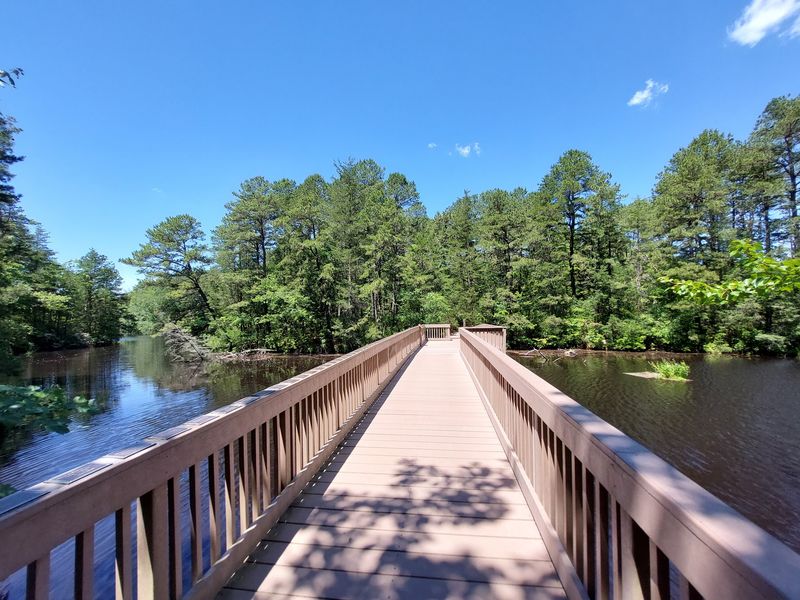
A bridge over the lake is one of the details that often sticks in people’s minds after a Cedar Run trip. The setting places the refuge inside the Pinelands character of South Jersey, with trails, water crossings, and woodland routes shaping the visit.
The Pinelands connection matters for locals because it gives the refuge a distinctly New Jersey identity. This is not a polished roadside attraction dropped into a random lot; it is connected to the land, the native animals, and the environmental education that comes with both.
The bridge also helps break up the outing in a useful way. It gives families a clear point to aim for, a natural pause between trail sections, and a reason to keep exploring after the animal enclosures have been seen.
People often describe the refuge as a calm escape, though the article will stay practical: quiet signs near animal areas are there for a reason. Less noise helps keep the focus on the animals’ well-being and makes the public spaces easier to share.
In a state that is too often reduced to traffic jokes, Cedar Run offers a more grounded South Jersey story: woods, water, learning, and local care in one compact place.
A Nature Center With Reptiles And Exhibits

Bad weather does not automatically cancel the learning part of a Cedar Run day. The Nature Center includes exhibits, a reptile room, and a gift shop, according to available visitor accounts and refuge responses.
Inside, turtles and lizards have been mentioned as part of the experience, which gives kids another set of animals to learn about beyond the outdoor bird and mammal areas. For younger children, that indoor component can help reset the pace of the visit before heading back outside.
The Nature Center also gives the refuge a practical hub. It is the place people associate with orientation, programs, and the educational side of the property, rather than just a pass-through point.
Educational information is one of the refuge’s strongest recurring themes. People notice the signs, the animal stories, and the way staff or program leaders connect questions to clear explanations.
The gift shop element should not be overlooked either, since purchases can be part of supporting the place during a visit. Cedar Run does not receive government funding according to a local supporter’s account, so the culture of donations and support shows up naturally in how people talk about it.
The Nature Center keeps the trip anchored when trail time, animal viewing, and education all meet in one building.
Programs That Make Kids Pay Attention
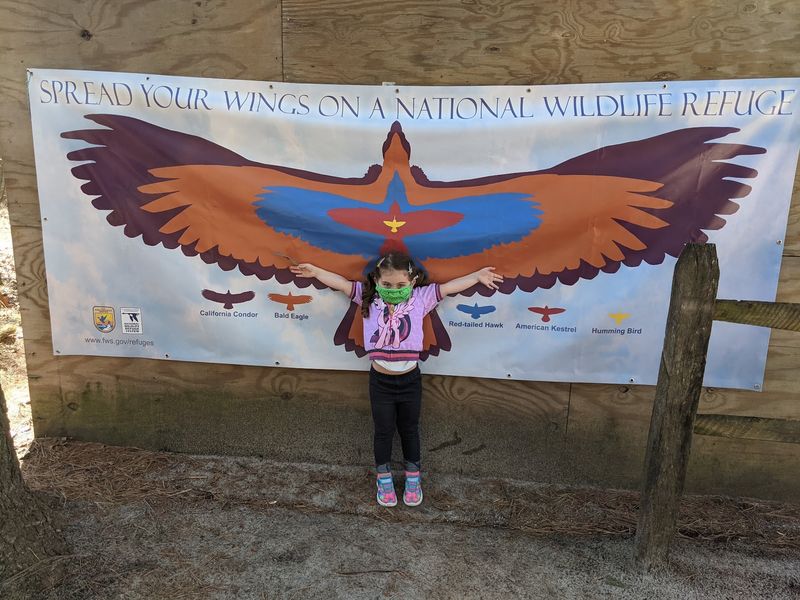
Kids can spot an animal from ten steps away, but keeping them engaged takes a little more planning. Cedar Run’s programs appear to do exactly that, with school, scout, homeschool, group, and birthday offerings mentioned across available accounts.
Birthday events can be held at the pavilion, with access to the playground noted in one account. That setup gives families space for both structured programming and kid movement, which is a rare combination when animal education is involved.
Program leaders have been described as helpful, engaging, and able to answer children’s questions. Animal habitat programs, scout visits, and homeschool instruction all show how the refuge turns curiosity into something organized without making the experience feel stiff.
The strongest part may be how naturally the programs fit the place. Children are not learning about wildlife in a generic classroom; they are near trails, animal housing areas, and a working refuge that supports the same message.
Families also mention that Cedar Run works for a wide age range. Toddlers may focus on seeing animals they recognize from books, while older children can follow the stories of rescue, care, and why some animals become permanent ambassadors.
A good kid program does not need glitter to work. Sometimes it just needs a raccoon, a patient guide, and enough room to ask why.
The Wildlife Hospital Side Of The Visit
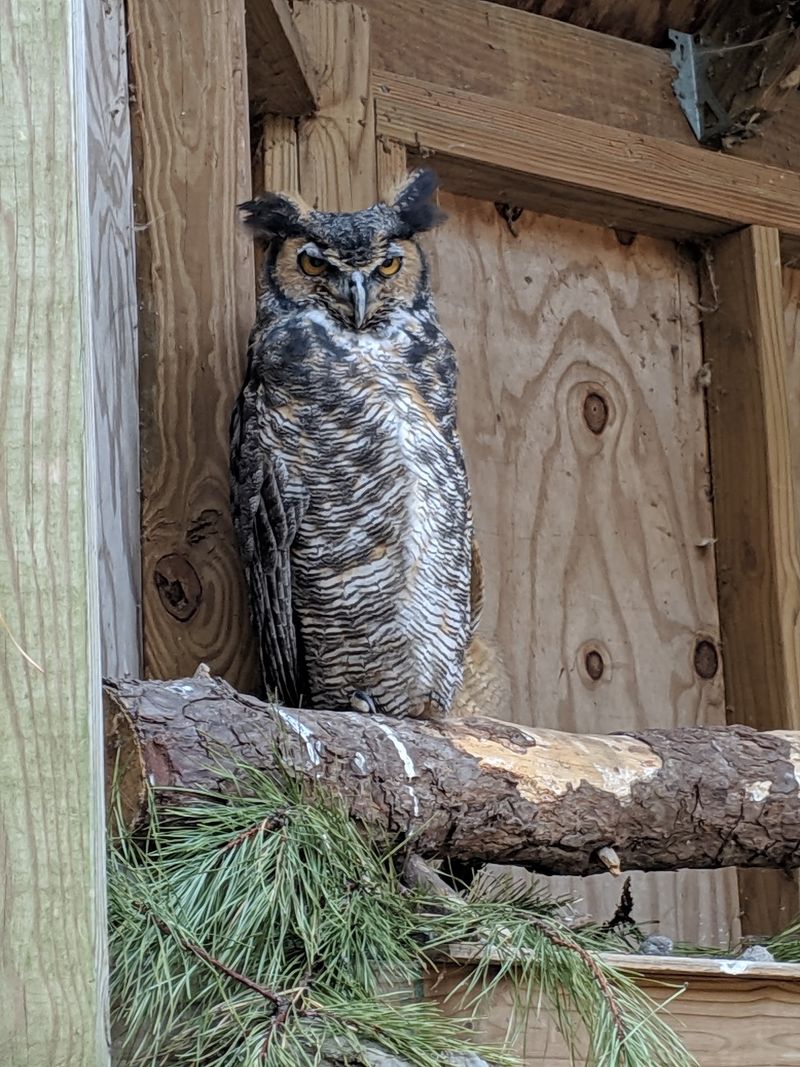
The refuge becomes especially meaningful when its hospital work enters the conversation. Cedar Run is described as a wildlife rescue and rehabilitation center where people bring injured or abandoned native animals after contacting staff.
That role makes the destination more than a pleasant place to walk. It becomes a resource for South Jersey residents who may encounter a gull, owl, squirrel, reptile, or other animal in trouble and need a responsible next step.
Accounts connected to animal drop-offs emphasize careful procedures and animal safety. One person noted calling ahead before bringing a gull, while another described bringing a baby owl and making a donation to support care.
The refuge response in one account mentions that updates may be available after a set period, depending on the type of animal and the need to focus on patient care. That detail reinforces that the hospital is not a public show; it is a working animal care operation.
For people touring the public side, knowing the hospital exists changes the meaning of the enclosures and trails. The resident animals represent the cases that led to education, while the hospital represents the active work continuing beyond the visitor path.
Cedar Run’s most powerful story may be the one most guests only partly see.
A Quiet Code Around The Animals
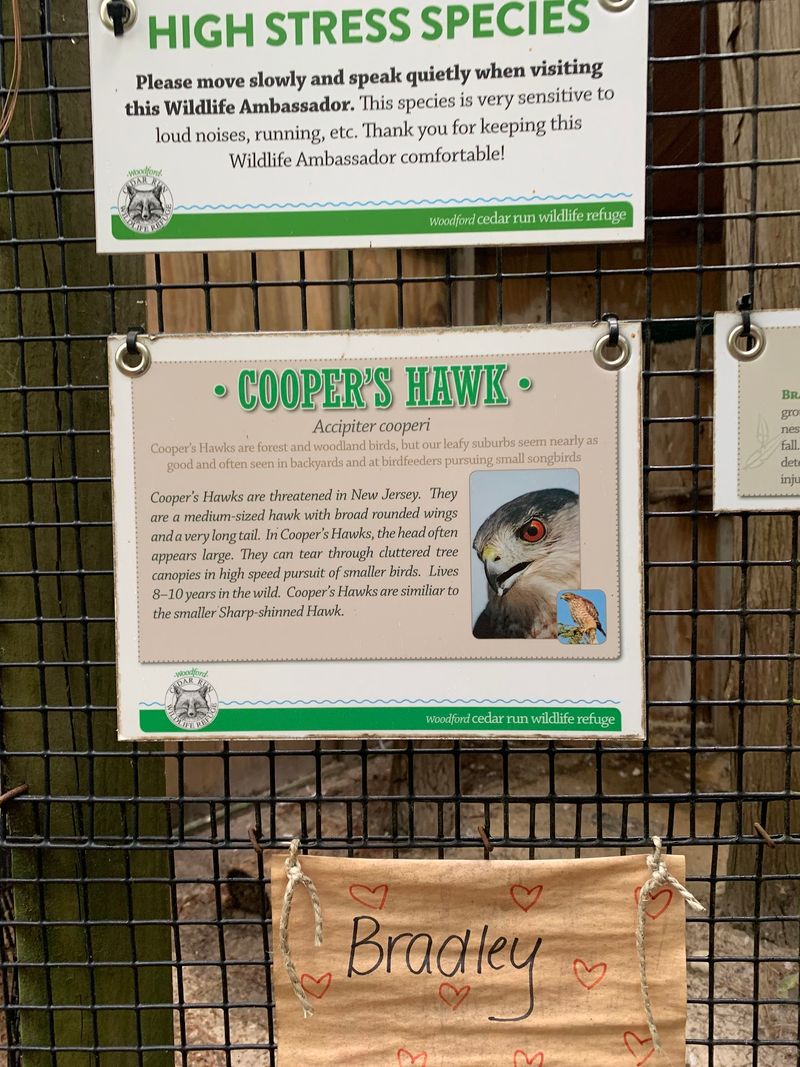
A refuge with owls and foxes is still a refuge first, and Cedar Run makes that clear in small but important ways. Signs ask people to keep noise down near the animals, because loud behavior can bother them.
That reminder is useful for families before they arrive. Children can absolutely enjoy the refuge, but the best visit includes a little coaching about calm voices, careful movement, and reading the signs before rushing ahead.
The animal enclosures include short messages about individual residents. Those details help turn quiet time into reading time, especially for kids who want to know why a specific bird, mammal, or reptile is at the refuge.
Past accounts describe campers and adults moving through the area while adults explained information about the animals. That kind of guided attention is exactly what Cedar Run seems built to encourage.
There is also a practical reason to treat the visit with care: many animals are there because they cannot safely live in the wild. The experience works best when people remember that the animals are not decorations on a trail.
Good manners at Cedar Run are not fancy. Read the signs, give the animals space, keep the volume low, and let the refuge do what it does best.
Planning Notes For An Easy Day Trip
A smooth Cedar Run visit starts with the basics: the refuge is open daily from 10 AM to 4 PM, based on the available Google Maps listing. The website listed for current details is cedarrun.org.
The address is easy to plug into a map, and the Medford location makes it a practical South Jersey day trip. The refuge fits especially well for families, school groups, scouts, homeschool groups, animal lovers, and local residents looking for a meaningful outdoor stop.
Admission details were not included in the provided data, so the safest planning move is to check the official website before going. Past accounts mention daily passes, programs, events, donations, and occasional ticket deals, but current costs should be confirmed directly with the refuge.
Trail planning deserves a little attention. Some trail sections may not work well for strollers, while boardwalk areas closer to the Nature Center can be easier to manage, according to past accounts.
Tick awareness also belongs on the checklist. A past note mentioned signs warning about ticks, and the refuge itself responded that spray is needed during tick season.
A little preparation keeps the day simple: check hours, confirm admission or event details, wear trail-ready footwear, bring tick protection when appropriate, and leave enough time for both the animals and the paths.
A South Jersey Refuge Worth Defending
Some New Jersey places win people over because they are flashy, and others do it by being genuinely useful. Cedar Run belongs firmly in the second group.
The refuge gives Medford and the wider South Jersey region a place where animal care, education, trails, and local pride overlap. It is wholesome without being plain, kid-friendly without being only for children, and educational without asking guests to sit through a lecture.
The strongest reason to go is not just the chance to see rescued owls, foxes, raptors, reptiles, and other native animals. It is the chance to understand why those animals are there, how the refuge supports wildlife, and how public visits help keep that mission visible.
New Jersey residents who want an easy day trip can treat it as a half-day outing with trails and animal viewing. Families can build it around programs, a pavilion event, or a Nature Center visit, while adults can appreciate the quiet structure of a place that does serious work without making a fuss.
The soft verdict is simple: Woodford Cedar Run Wildlife Refuge is one of those local spots that makes the state feel richer once you know it exists. Bring curiosity, read the signs, support the mission if you can, and give the owls their space.
Share this story