Something special is quietly pulling visitors off Illinois highways and into one of Springfield’s most rewarding destinations. Word travels fast when a place manages to surprise even the most seasoned road-trippers, and this one has been doing exactly that.
Families, curious solo travelers, and Midwest day-trippers are making the drive and leaving genuinely impressed. If you haven’t put this gem on your list yet, now is the perfect time to find out why.
Where the Illinois State Museum Sits in Springfield

Planted in the heart of Springfield at 502 S Spring St, the Illinois State Museum occupies a spot that feels both accessible and purposeful. Springfield itself carries enormous historical weight as Illinois’s state capital, and the museum fits naturally into that civic identity.
The building is easy to locate but easy to underestimate from the outside. First-time visitors often mention being surprised by how much is packed inside once they cross the threshold.
The surrounding area offers a walkable mix of government buildings and landmarks, making it a natural anchor for a full day of exploration in central Illinois.
Getting there from Chicago or St. Louis takes roughly two to three hours by car, putting it squarely in weekend day-trip range. The museum’s central location in the state makes it a logical stopping point for anyone cutting across Illinois on a longer road trip.
A Museum Built Around Illinois Itself
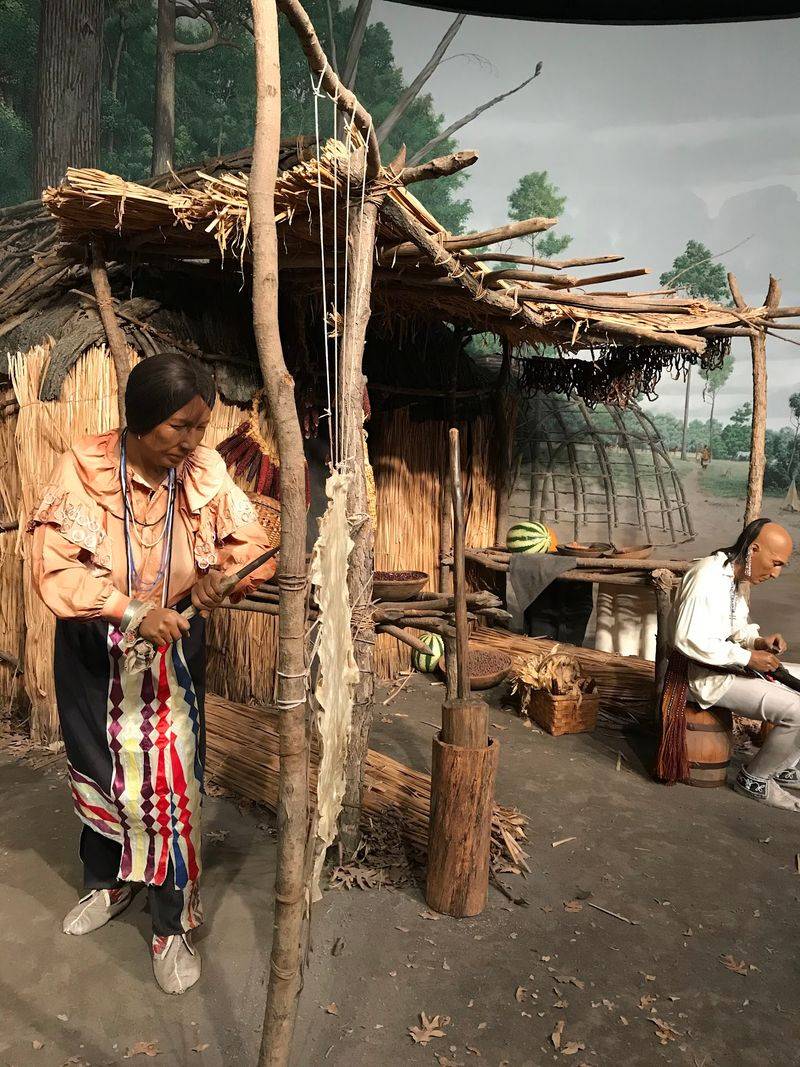
Not every state museum manages to tell a cohesive story, but the Illinois State Museum leans hard into its singular focus: Illinois. From geology and anthropology to cultural history and fine art, every exhibit connects back to the land and people of this state.
The museum describes itself as an educational venue dedicated to the culture, history, geology, anthropology, and art of Illinois. That scope sounds broad on paper, but the execution keeps things grounded and specific enough to feel meaningful rather than scattered.
Visitors who grew up in Illinois often find the experience unexpectedly moving, recognizing pieces of their own regional identity reflected in the displays. For out-of-state guests, it works as a genuine introduction to what makes Illinois more than just a flyover state.
The museum earns its reputation as a place worth slowing down for.
Geological History That Earns Its Own Floor
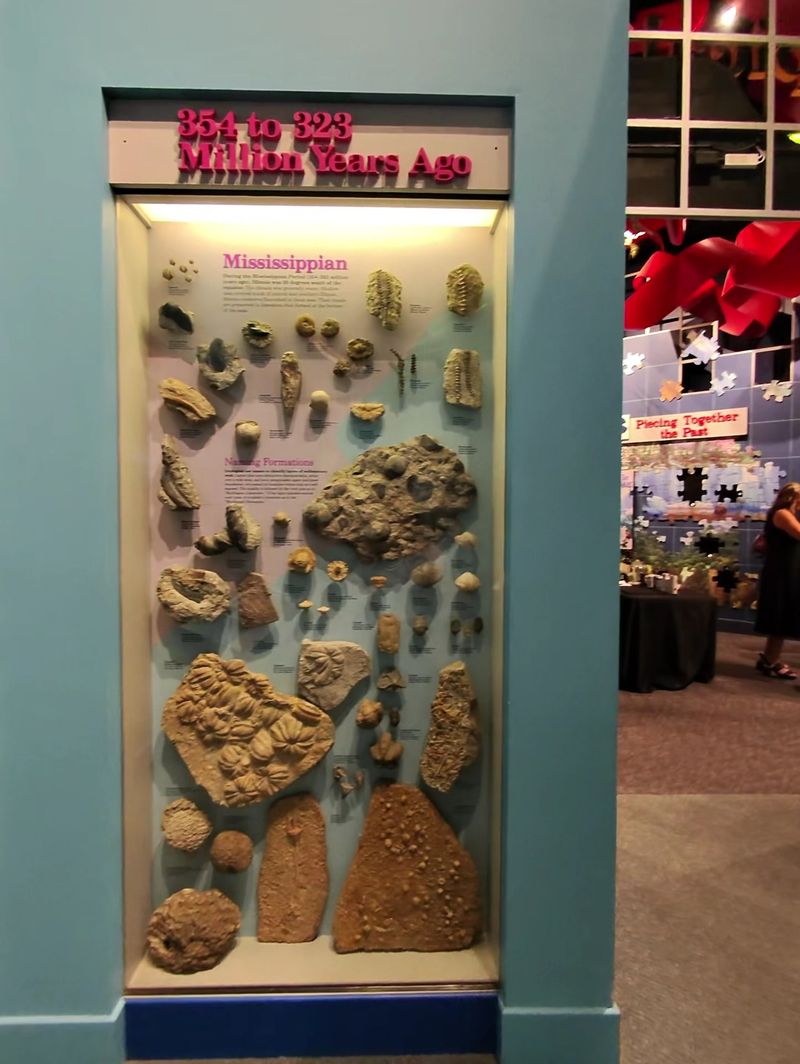
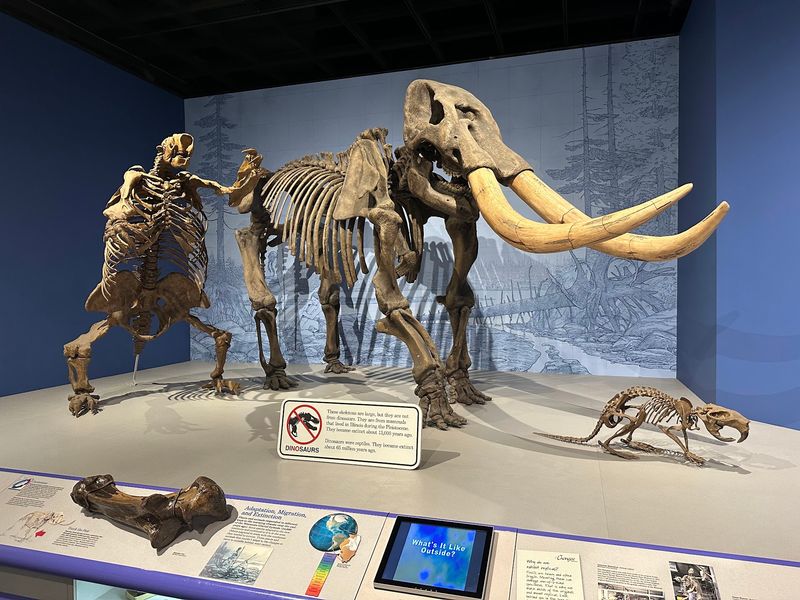
Few exhibits in the building generate as much consistent praise as the geological history section. Visitors regularly call it impressive, and it’s the kind of display that makes you realize Illinois has a far more dramatic natural history than most people assume.
The exhibit walks through the ages of Illinois’s formation, from ancient sea floors to glacial periods, using fossils, rock samples, and large-scale displays to make the timeline tangible. Kids and adults alike tend to slow down here longer than expected, drawn in by the sheer scale of what’s on view.
Fossils are a particular highlight, with specimens that represent creatures and ecosystems from eras long before Illinois looked anything like it does today. The presentation balances scientific accuracy with accessibility, making it genuinely engaging for visitors who don’t have a science background but are simply curious about the ground beneath their feet.
Animal Displays That Stop Visitors in Their Tracks

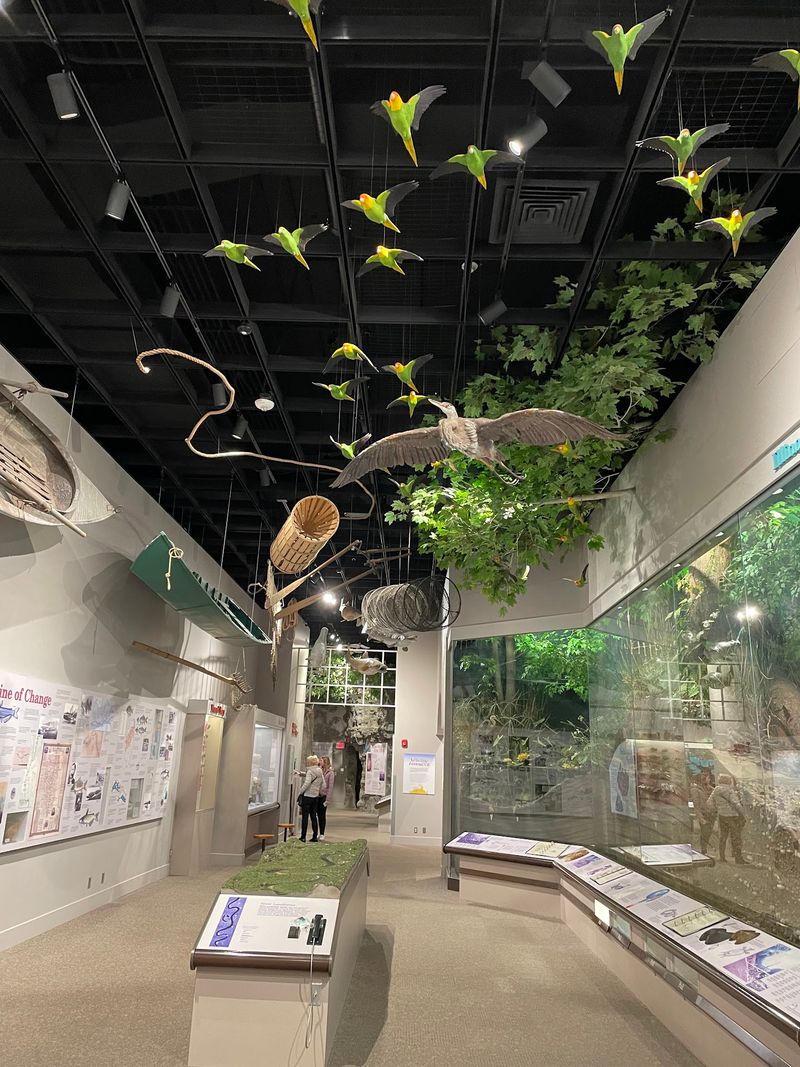
Walk into the main floor and the large animal displays have a way of commanding attention immediately. Several visitors have pointed to these as a personal favorite, and it’s not hard to see why.
The scale and craftsmanship behind the natural history dioramas are genuinely impressive.
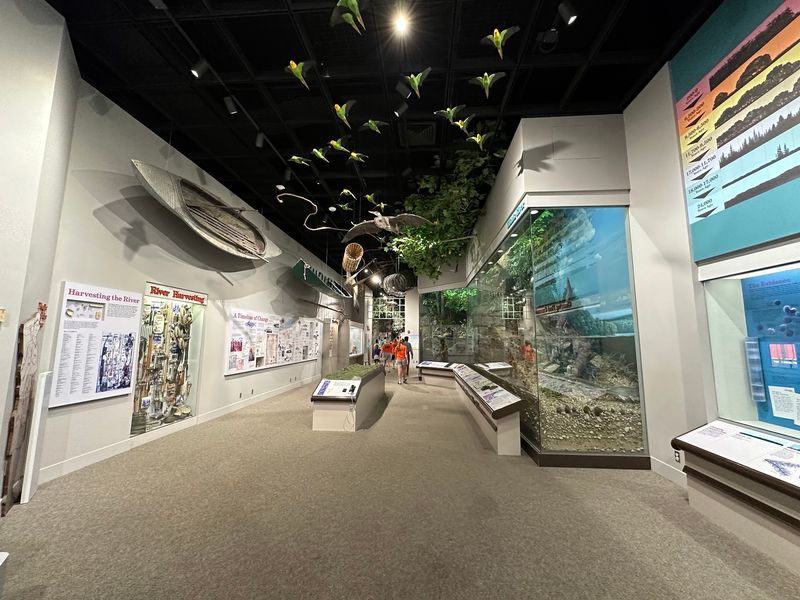
Illinois native wildlife is represented through exhibits that recreate habitats with careful attention to detail. Whether you’re a lifelong nature enthusiast or someone who simply appreciates skilled artistry, these displays hold up to extended viewing.
The artists who contributed to these installations clearly brought both talent and care to the work.
Younger visitors in particular respond strongly to the animal exhibits, which offer a visual drama that photos rarely capture fully. Parents report that children who might otherwise rush through a museum find themselves standing still, studying the scenes with real focus.
That kind of engagement is what separates a good museum visit from a truly memorable one.
Native American Art and Cultural Exhibits
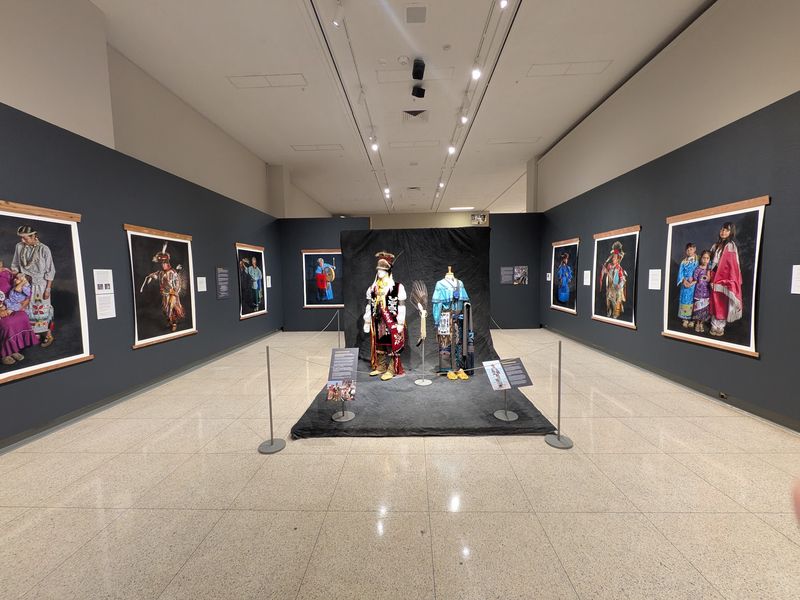
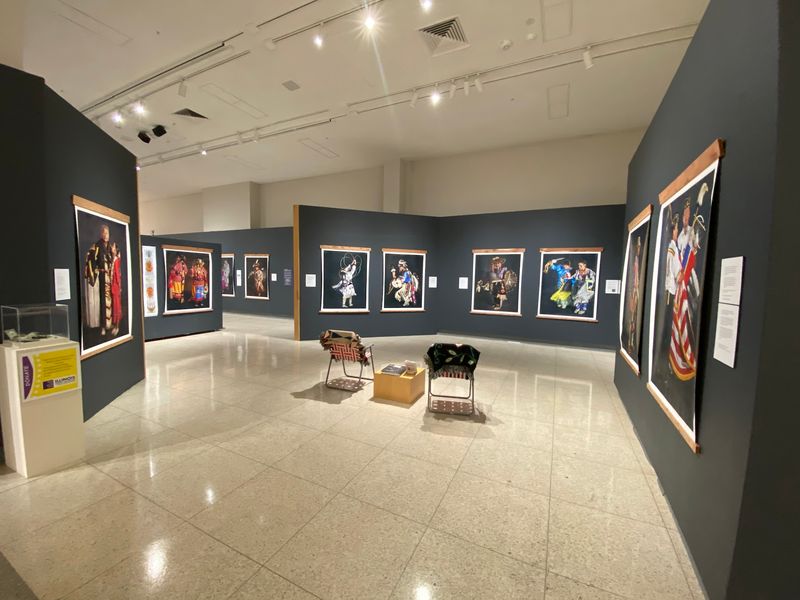
Among the most talked-about sections of the museum are the exhibits honoring Native American cultures. Visitors have described the indigenous beadwork, hides, and large-format photography with genuine admiration, noting that the museum approaches these materials with clear respect and thoughtfulness.
The regalia portraits displayed upstairs draw particular attention for their richness of color and artistic depth. Guests who have spent time with these exhibits often describe a feeling of being genuinely educated rather than just entertained, which speaks to the care put into the curation.
One visitor was so moved by a traveling Native American exhibit that they attempted a three-hour return trip just to see it again before it closed. That kind of loyalty is rare and tells you something real about the quality of the experience.
The museum’s commitment to honoring indigenous peoples comes through in the presentation rather than just in the signage.
Upper Floor History: Homes, Clothing, and Everyday Life
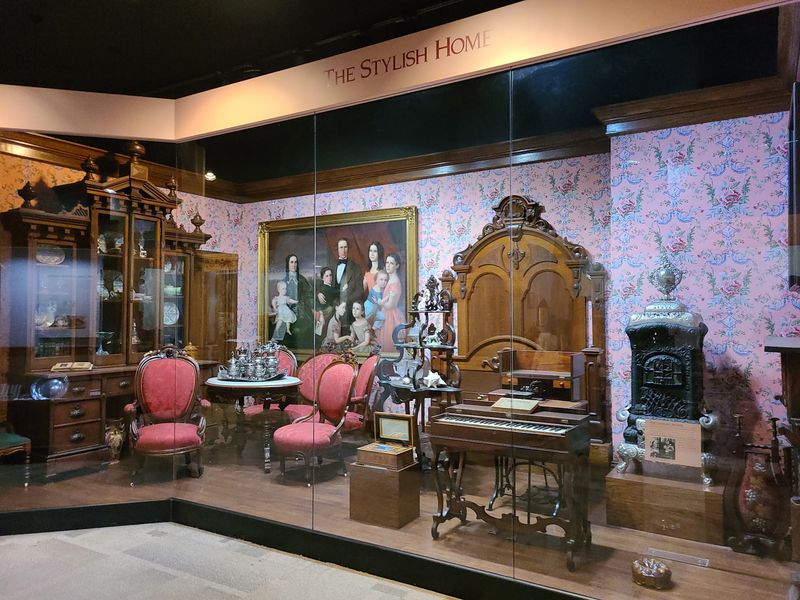
Head upstairs and the museum shifts into a different kind of storytelling. The upper floor reconstructs what everyday life in Illinois looked like across different eras, using full-scale room recreations, period furniture, clothing exhibits, and miniature displays that pack surprising detail into small spaces.
Seeing how homes were furnished and how people dressed across different decades gives the history a human quality that raw facts and dates can’t always deliver. The clothing exhibits draw a specific crowd, while the furniture and household items tend to spark recognition in older visitors who remember similar pieces from childhood homes.
Miniature displays are scattered throughout, offering a charming contrast to the larger installations. Toys from different decades appear here too, giving kids a hands-on connection to history that feels playful rather than academic.
The upper floor rewards slow, curious visitors who read the guide cards and take their time absorbing each carefully assembled scene.
The Gen X Exhibit That Hits Different
Nostalgia has a way of turning any museum visit into something personal, and the Gen X exhibit at the Illinois State Museum leans into that effect with real confidence. Visitors who grew up in the 1980s have described it as a fun look-see that catches them off guard with how much it resonates.
The exhibit captures the textures of that era through objects, imagery, and cultural touchstones that feel genuinely specific rather than generic. It’s the kind of display that pulls adults away from their kids for a few minutes as they get absorbed in memories triggered by familiar objects from their own childhoods.
Some visitors have noted that this section has evolved over time, with the original 1980s room making way for updated content. Even so, the generational angle remains a strong draw.
Families with parents who came of age in that decade tend to find themselves having unexpectedly rich conversations about the past right there in the exhibit hall.
The Kids Area That Parents Are Grateful For
Basement level is where families with young children tend to spend the most time, and often the most joyful time. The dedicated kids area has become one of the museum’s most mentioned features, with parents consistently noting that their children simply did not want to leave.
The space includes interactive displays, a book nook where smaller visitors can settle in with a good read, and play areas that connect learning to movement in ways that keep energy levels happy rather than restless. A dinosaur bone play area adds a particularly crowd-pleasing element that younger kids gravitate toward immediately.
Museum visits with children can sometimes feel like a negotiation, but the basement level seems to resolve that tension by giving kids their own genuinely engaging destination. Parents who have visited multiple times report that the kids area holds up across repeat trips, continuing to entertain even when other sections become familiar.
It functions as a small but well-considered world of its own.
Free Admission and What That Really Means for Families
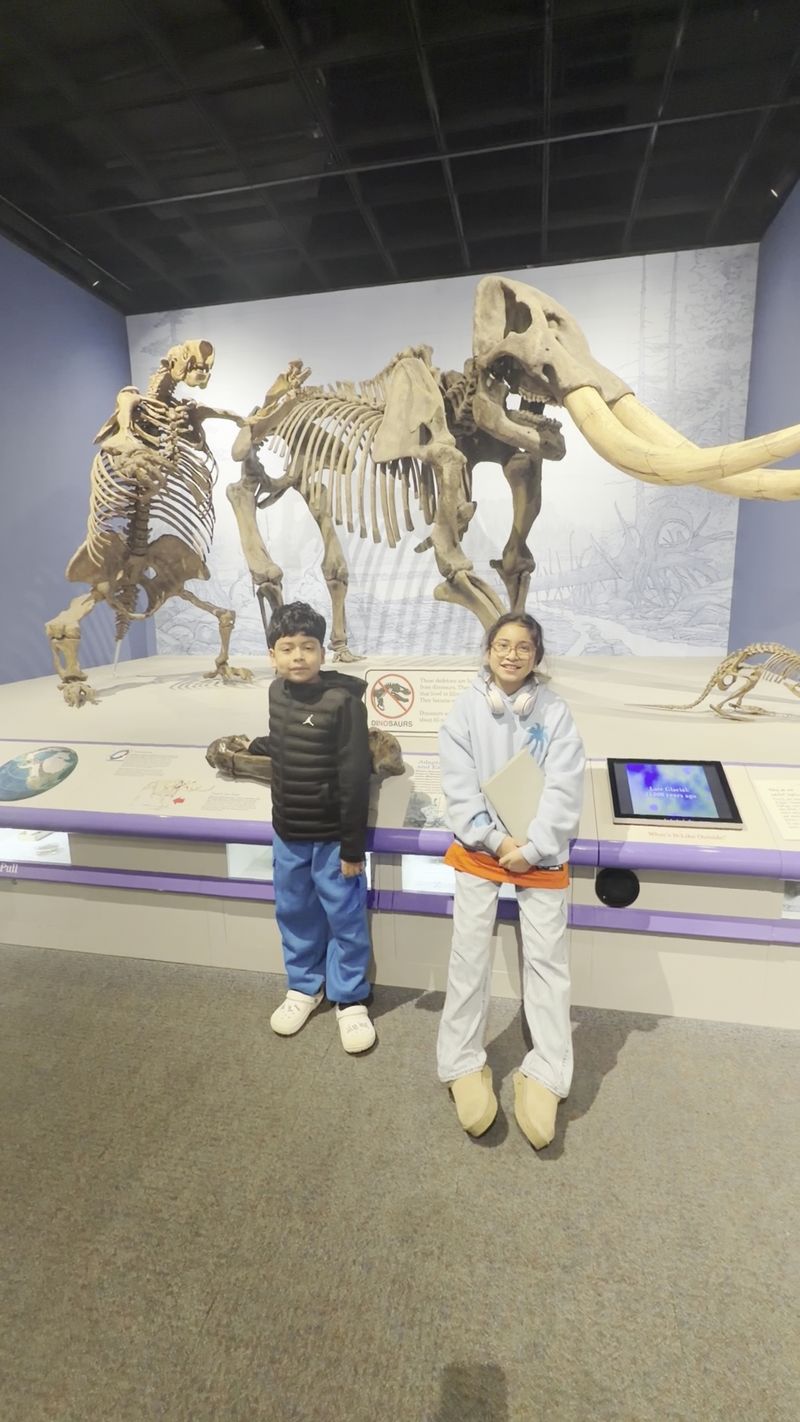
Free admission at a museum of this scale is genuinely unusual, and visitors notice it immediately. Families who might otherwise weigh the cost of a cultural outing against a tighter budget find that the Illinois State Museum removes that barrier entirely, opening the door to repeat visits without financial hesitation.
Regular visitors have described coming back multiple times over the years, treating the museum as a living resource rather than a one-time destination. The ability to return often without spending money changes the relationship people have with the place, making it feel more like a community resource than a ticketed attraction.
For parents on modest budgets, free admission isn’t just a nice perk. It’s the difference between going and not going.
Several visitors have mentioned specifically that the no-cost entry is what allows them to bring their kids back regularly, ensuring that each visit can focus on a different section rather than trying to rush through everything in a single exhausting afternoon.
Staff and Atmosphere Inside the Building
A museum’s staff can make or break the experience, and the Illinois State Museum earns consistent praise on that front. Visitors describe the team as friendly, helpful, and genuinely engaged rather than simply present.
Front desk conversations have been mentioned specifically as highlights by guests who took the time to chat.
The building itself is well-maintained and clean, with multiple levels connected by both escalators and elevators, making the layout accessible for strollers, wheelchairs, and visitors who prefer not to use stairs. That kind of thoughtful infrastructure matters more than it might initially seem.
The overall atmosphere leans relaxed and welcoming rather than hushed and formal. Families feel comfortable letting kids move freely, and solo visitors can linger over displays without feeling rushed or out of place.
Weekday visits tend to be quieter, while Saturday afternoons draw more foot traffic, though visitors report that even busy days feel manageable and unhurried inside the museum’s generous floor plan.
The Gift Shop Worth Browsing Before You Leave
Museum gift shops can feel like afterthoughts, but the one at the Illinois State Museum has developed its own loyal following. Visitors frequently mention it as a highlight worth saving time for, particularly because it carries items made by local Illinois artists rather than the generic mass-produced souvenirs found elsewhere.
The selection spans a range of price points, making it possible to pick up something meaningful without overspending. Parents have noted that both they and their children found something worth taking home, which is a harder balance to strike than it sounds in a single shop.
Some visitors have flagged that the shop’s inventory can vary and occasionally feels sparse, so expectations are best kept flexible. On a good visit, though, the locally sourced items give the shop a character that aligns with the museum’s broader commitment to celebrating Illinois culture.
It’s a fitting final stop before heading back out to the parking situation, which requires a bit of patience.
Planning Your Visit: Hours, Parking, and What to Expect

The Illinois State Museum is open Tuesday through Saturday from 9 AM to 4:30 PM, Monday from 9 AM to 4:30 PM, and Sunday from noon to 4:30 PM. That gives most visitors a solid window of several hours, which feels about right for a thorough visit.
Most guests report spending between one and three hours inside, depending on how deeply they engage with each section.
Parking is the one consistent friction point. Street meters near the museum offer limited time windows, and nearby lots fill up on busier days.
Arriving early on weekdays tends to ease that challenge considerably. Weekday mornings are particularly good for visitors who prefer a quieter, more contemplative pace.
The museum’s phone number is 217-782-7386, and the website at illinoisstatemuseum.org carries updated exhibit information. With free admission, accessible facilities, multiple floors of content, and a gift shop stocked with local goods, the Illinois State Museum makes a genuinely compelling case for a Springfield day trip.
Share this story