Tucked into the side of Humpback Mountain near Marion, there is a cave that stays a cool 52 degrees no matter how hot the summer gets outside. Linville Caverns lets you walk straight into the heart of a North Carolina mountain, past stone formations that have been growing drop by drop for thousands of years. It is the kind of local treasure families have been visiting for generations, and it makes a perfect stop whether the weather is blazing sunny or pouring rain. If you have driven past the sign a hundred times without stopping, this might be the year you finally head underground.
A Mountainside Doorway in Marion
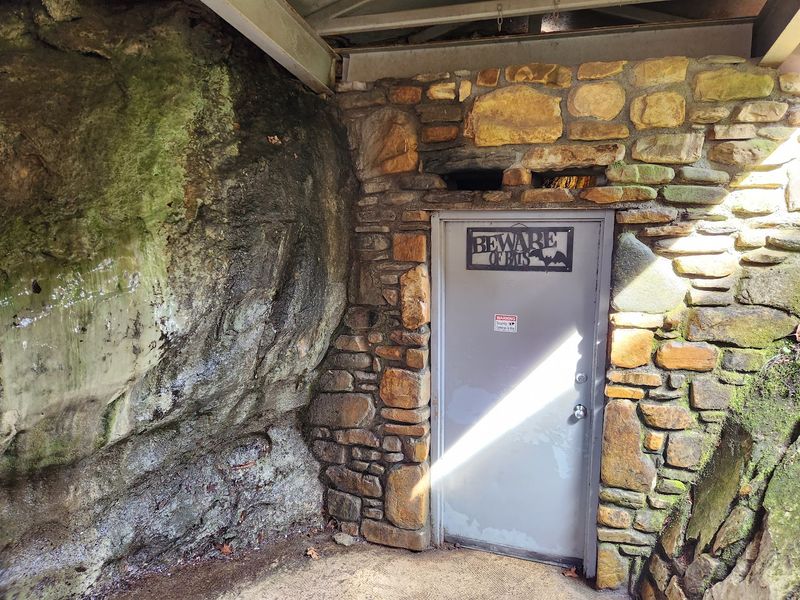
Set at 19929 US-221 in Marion, Linville Caverns sits right in the folds of the North Carolina mountains, an easy pull-off from the road most travelers zip right past. The entrance opens into the side of Humpback Mountain, which means you are literally walking into solid rock rather than climbing down into a hole in the ground.
Billed as a historic cave network with a gift shop attached, the place has earned a strong 4.5-star rating across more than 4,600 reviews. That is a lot of visitors agreeing on one thing: this little cavern punches above its weight.
Guided tours lead you through a subterranean network first discovered in the early 19th century. Regulars describe it as a genuine North Carolina treasure, the sort of spot you bring out-of-town guests to and quietly feel proud you knew about first. It is not the flashiest attraction in the region, and that is part of the charm.
Discovered by Following the Fish
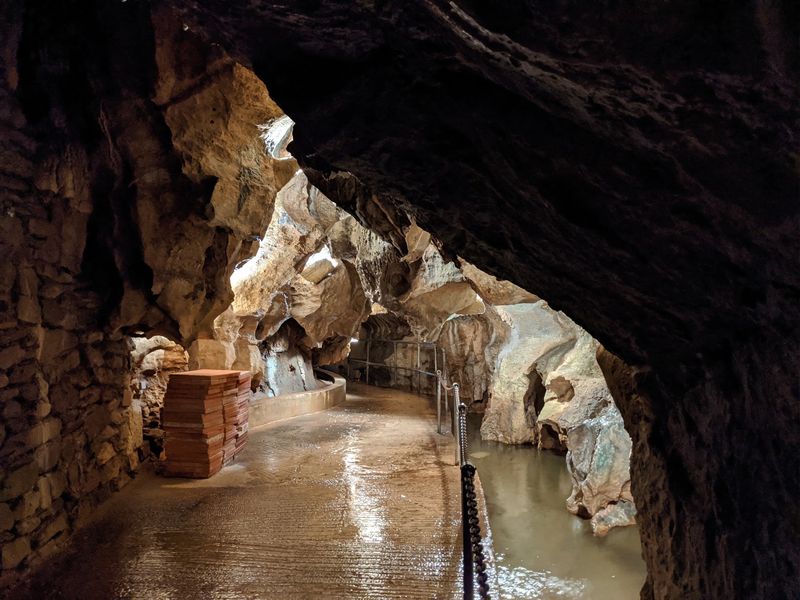
Long before it became a ticketed attraction, this cave held a genuine mystery. The network was discovered back in the early 1800s, and the caverns have carried that sense of old-world wonder ever since.
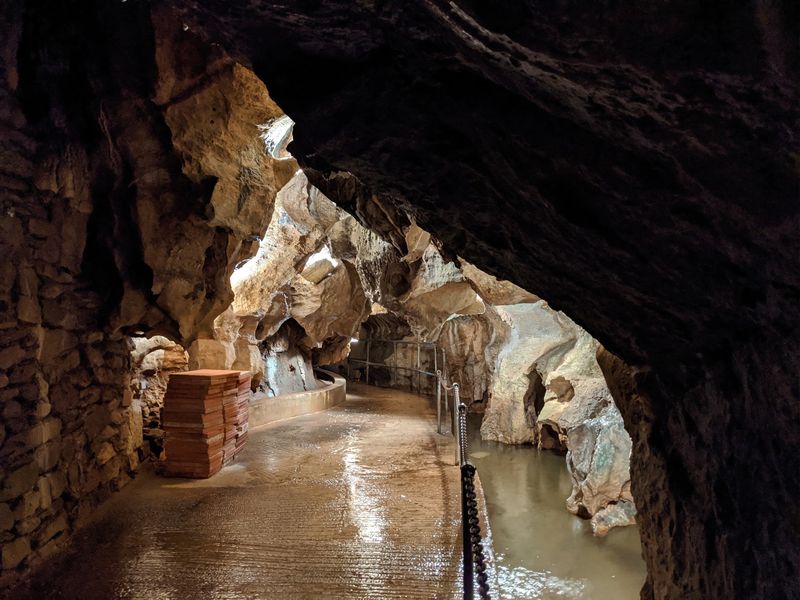
A cold underground stream still babbles its way through the passages, and that flowing water is a big part of the cavern’s story. Guides love to explain the history of how the cave was found and how the mountain shaped it, and visitors consistently mention how much they learn along the way.
The stream once held trout that lived their whole lives in near-total darkness, a detail that fascinated tour groups for years. Hurricane Helene changed that chapter, but more on that later. For now, know that the cave carries centuries of natural history, and the people leading you through clearly care about every layer of it.
Stone That Grows One Drop at a Time
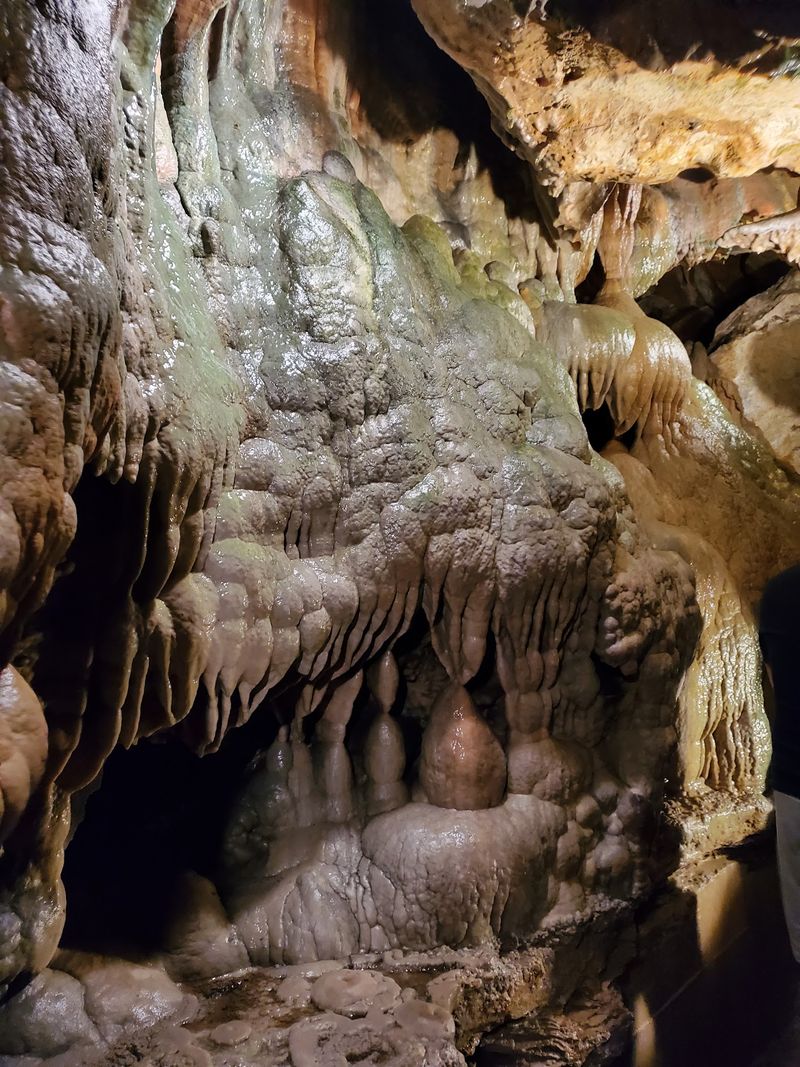
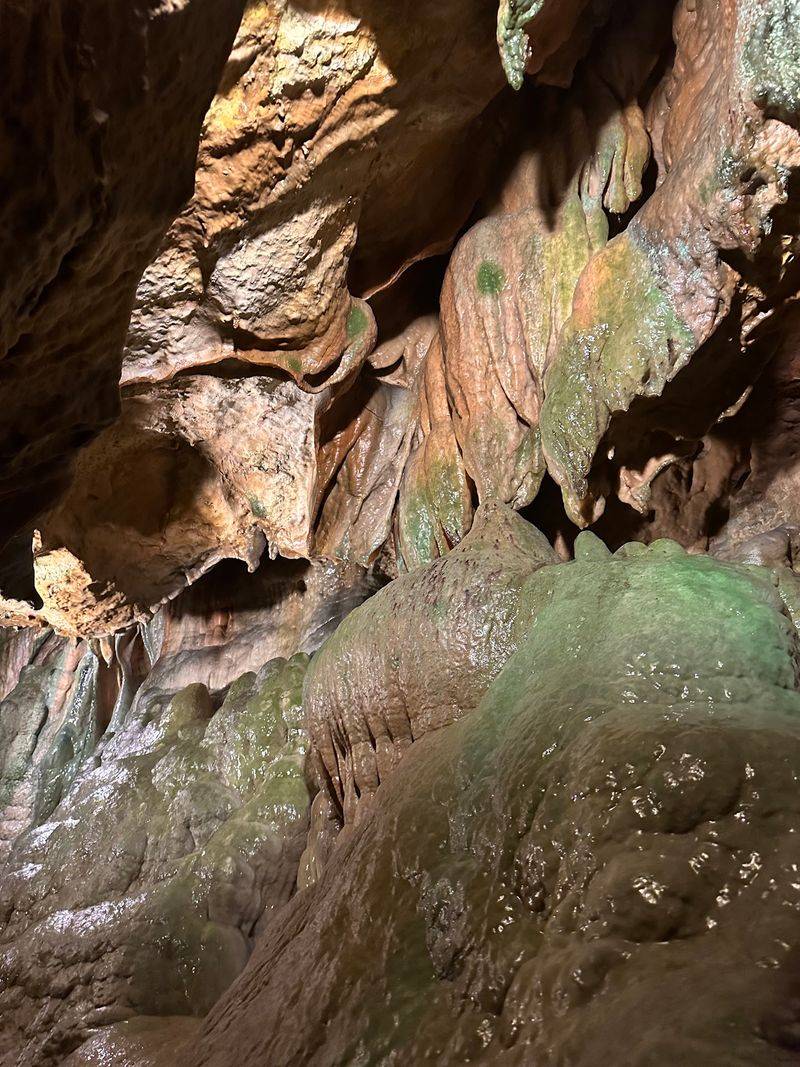
Picture rock that took thousands of years to form, one slow drip at a time, and you start to understand why people leave this cave a little awestruck. Stalactites hang from the ceiling while stalagmites rise from the floor, and the shapes and colors give the whole place an almost living feel.
Visitors describe the formations as stunning and hard to believe, marveling that something so intricate came together drop by patient drop. Because the cavern is still active and growing, the water never really stops working its slow magic.
One playful highlight is a formation that looks remarkably like an alligator, which guides enjoy pointing out to the group. Low-hanging rocks and dripping ceilings are everywhere, so taller folks get gently reminded to watch their heads. It is a hands-off experience by necessity, but the looking is more than enough.
The Moment They Turn Out the Lights
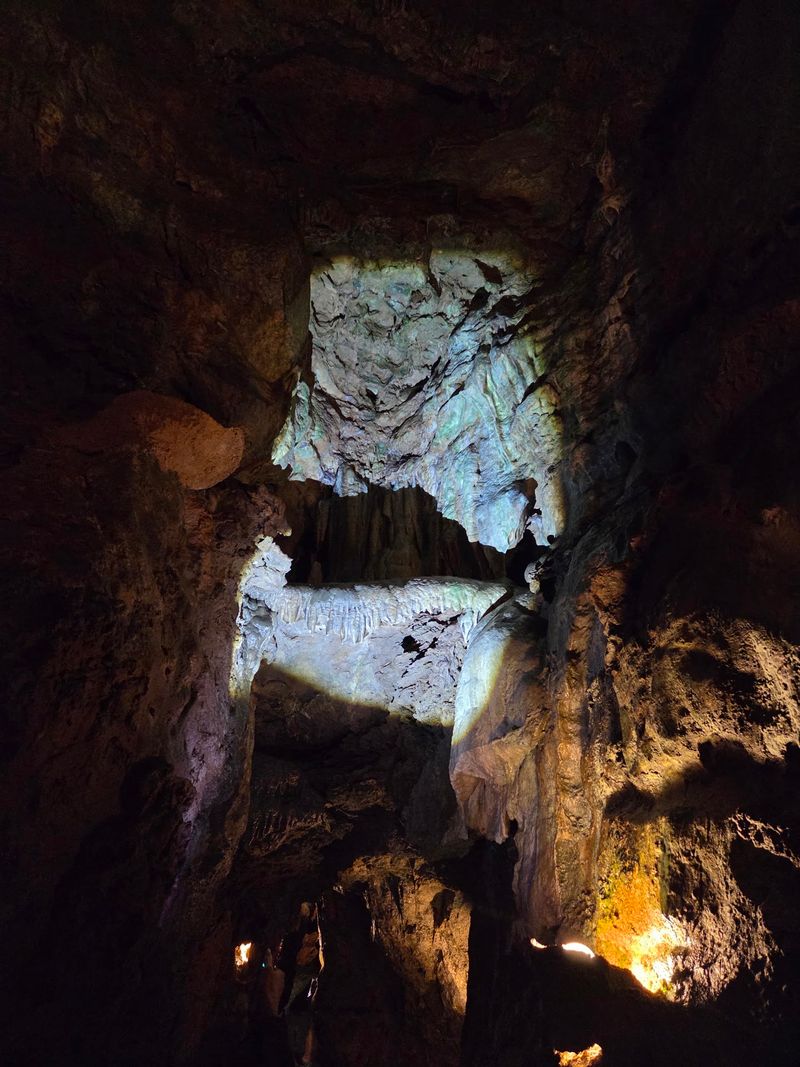
Halfway through the tour, the guides do something that stops everyone in their tracks: they switch off the lights completely. What follows is absolute darkness, the kind you almost never experience in everyday life, where you truly cannot see your own hand.
People describe the lights-out moment as surreal and unforgettable, and for many it becomes the favorite part of the whole visit. One longtime visitor who has been coming back for decades still names it the highlight every single time.
There is something oddly thrilling about standing inside a mountain in total blackness, listening to water drip somewhere nearby. Kids get a kick out of it, adults get a little goosebumpy, and everyone comes back up talking about it. It is a simple trick, but it lands every time.
A Steady 52 Degrees, Rain or Shine
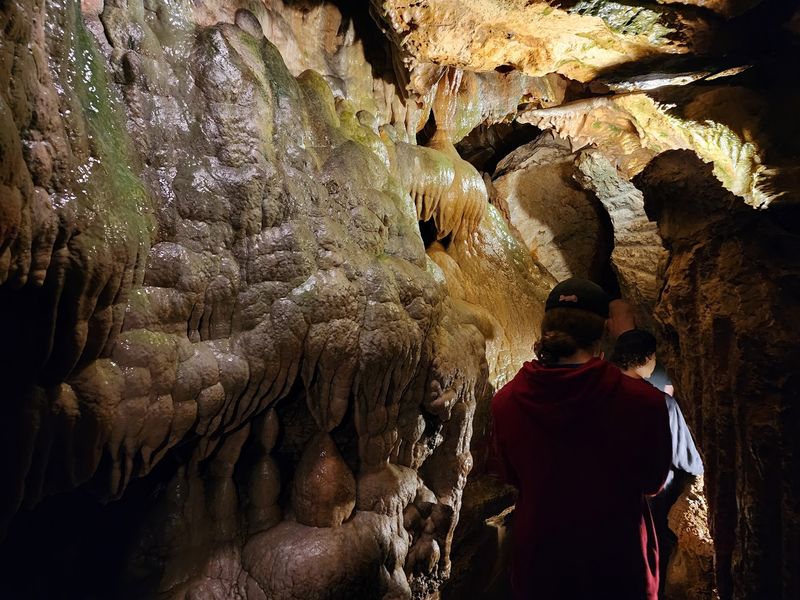
Step inside on a scorching July afternoon and you will feel the temperature drop almost instantly. The cave holds a steady 52 degrees year-round, which makes it one of the best ways to beat North Carolina’s summer humidity without leaving the mountains.
Families call it a great side quest that works on sunny and rainy days alike, and plenty of folks come specifically to cool off. The catch is that 52 degrees feels genuinely chilly when you are used to summer heat, so seasoned visitors have one firm piece of advice.
Bring sweaters for everyone. More than one review warns that the cool air surprises people, and since water drips from the ceiling throughout, a light rain jacket does not hurt either. Dress for a cool spring morning even in the dead of summer, and you will be comfortable the whole way through.
Guides Who Clearly Love the Place
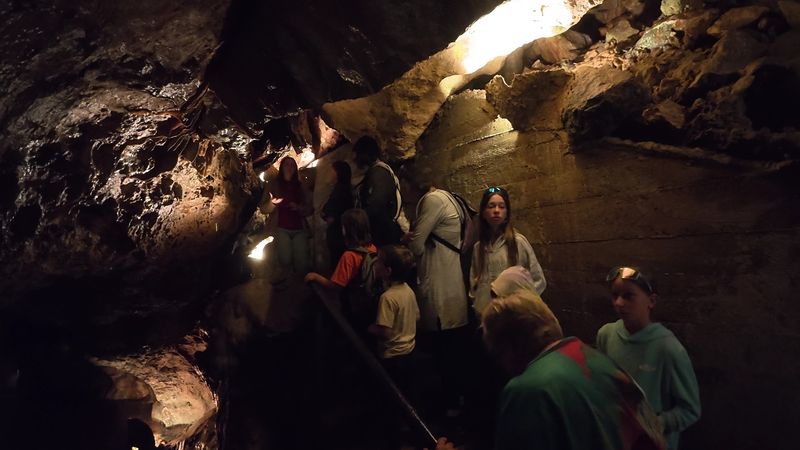
Ask anyone what made their tour memorable and the answer usually circles back to the guide. Names like Aiden, Autumn come up again and again, praised for being enthusiastic, patient, and genuinely passionate about the caves and the surrounding area.
Groups tend to stay small, even on busy days, which means there is room to ask questions and actually hear the answers. Visitors describe guides who explain the history clearly, answer curious kids without missing a beat, and make everyone feel comfortable in the tight spots.
One reviewer summed up their guide as a whole vibe, and that easygoing energy shows up across the feedback. Because the cavern is a living, active environment, these guided walks also serve to protect the delicate formations. You are in good hands the entire time, and the enthusiasm is contagious.
Tight Squeezes and an Easy Way Out
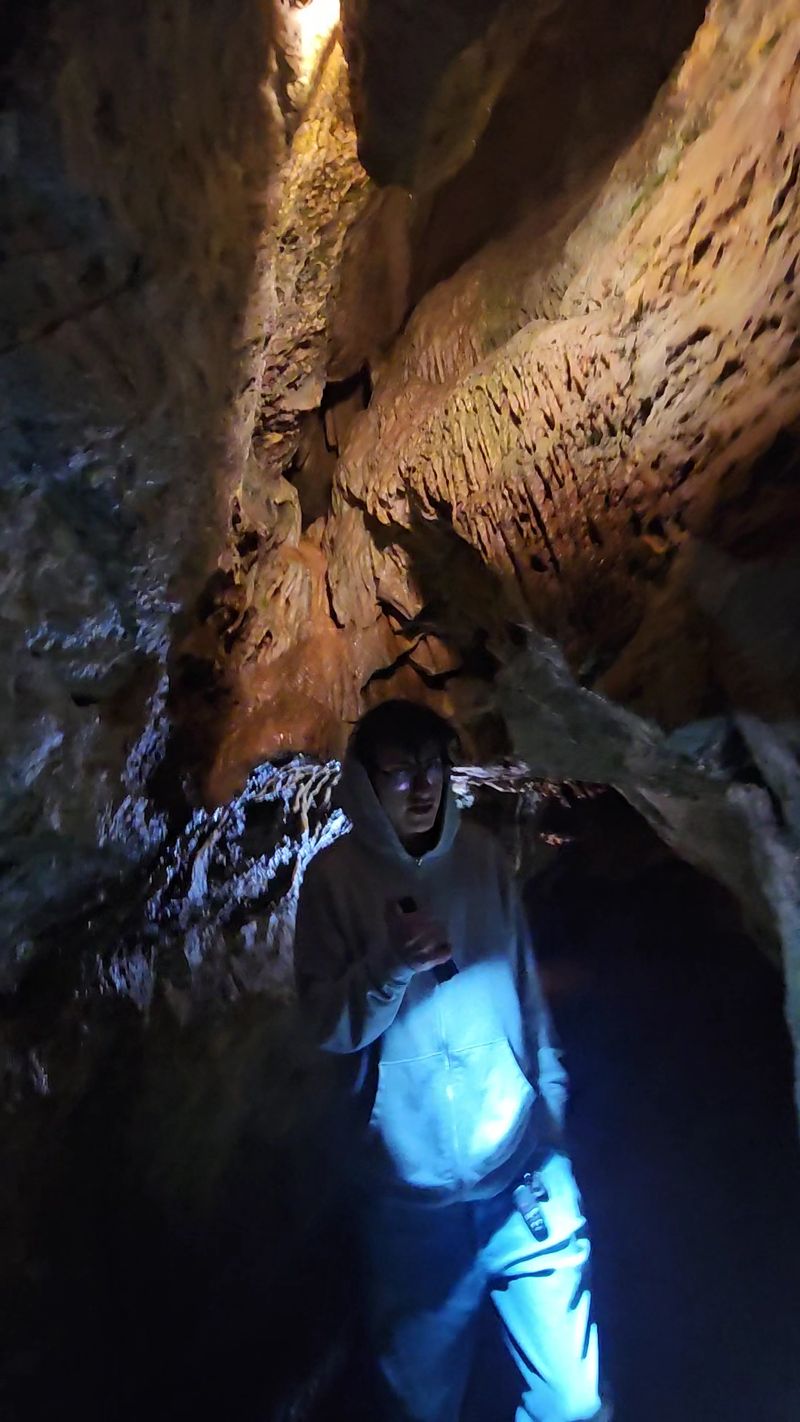
Not every part of the tour is roomy, and the cavern is honest about that. There is one narrow, dead-end passage that gets quite snug, and guides make a point of telling you which spots to skip if tight spaces make you uneasy.
The best part is that the tightest section is completely optional. If you feel claustrophobic, you simply opt out and rejoin the group afterward, no pressure and no fuss. Reviewers appreciate how clearly the staff flag these moments in advance.
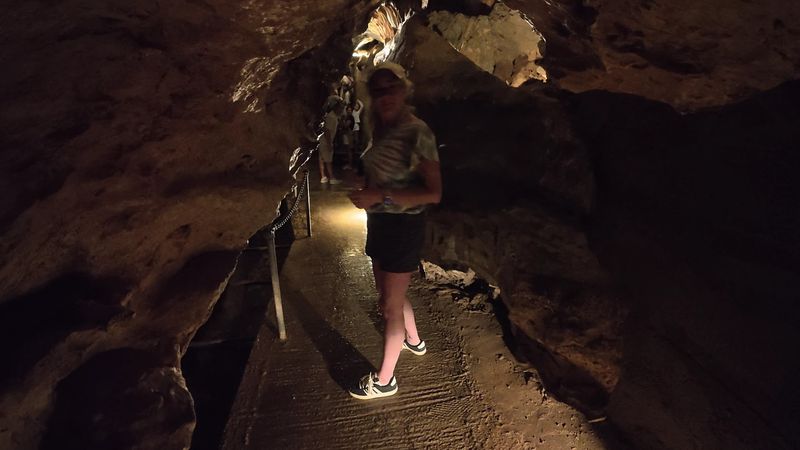
Between the narrow passages, some minor changes in height, and the ever-present dark, a few visitors note it can feel a little intense. For most people, that edge of adventure is exactly the appeal. Just know your comfort level going in, and remember there is always room to stand and move even where the ceiling dips low.
A Bat Welcoming Committee and Cave Critters
One visitor got greeted by what they called the cutest little bat they had ever seen, and honestly, that says a lot about the character of this place. Tricolored bats roost in the cavern and are a beloved part of the experience for many guests.
The living cave supports more than just bats. Salamanders, cave crickets, and the occasional crawfish still make their home in the cool, damp passages, quietly going about their business in the dark.
Not every tour spots the bats, and that is just the nature of visiting real wildlife on their schedule rather than yours. Even when they are out of sight, guides reassure guests that the creatures are still around. Knowing an active little ecosystem thrives inside the mountain adds a layer of wonder that a museum display simply cannot match.
Coming Back Strong After Hurricane Helene
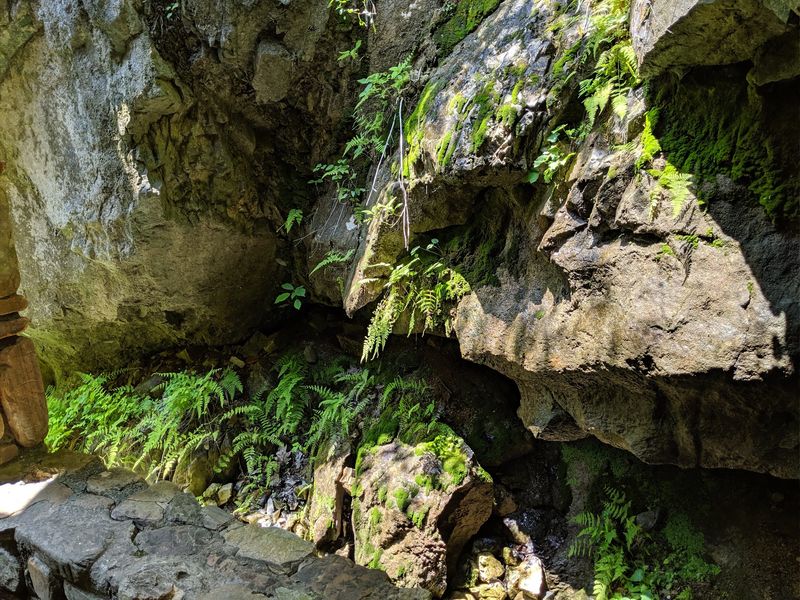
Hurricane Helene hit this corner of North Carolina hard, and Linville Caverns did not escape unscathed. High water rushed through the underground stream and washed out the trout that once lived in the dark, leaving only a couple of very elusive survivors behind.
Yet the cave endured. The stream still flows and remains beautiful, and the salamanders, crickets, and crawfish are all still there. The bats are expected to return, and the team has worked to get things back to normal.
Visitors who stopped by after the storm encourage everyone to check out the recovery photos displayed in the shop, a moving reminder of what the mountain and the people here weathered. Supporting a locally owned spot as it rebuilds feels good, and reviewers say the caverns need all the love they can get. Showing up is its own small act of solidarity.
A Trip the Whole Family Can Handle
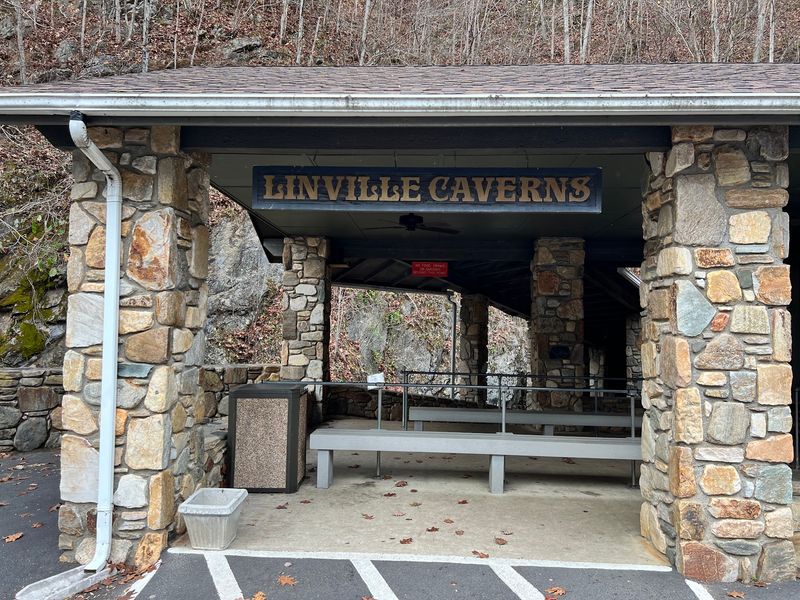
Grandparents, parents, and little ones all seem to find something to love here. Visitors have brought children as young as three and six who came out beaming, and the manageable tour length keeps young attention spans engaged.
Because the groups stay small and the guides are patient with questions, families do not feel rushed or lost in a crowd. Plenty of parents call it well worth the drive even with little ones in tow, describing the whole thing as a lot of fun.
A word of balance: a few visitors felt the dark, tight, occasionally uneven spots made them cautious about the very youngest kids. The good news is that the trickiest section is skippable, so families can tailor the experience to their comfort. For most, it lands as a memorable, hands-on peek into a world their kids will talk about long after.
The Gift Shop and Clean Comforts
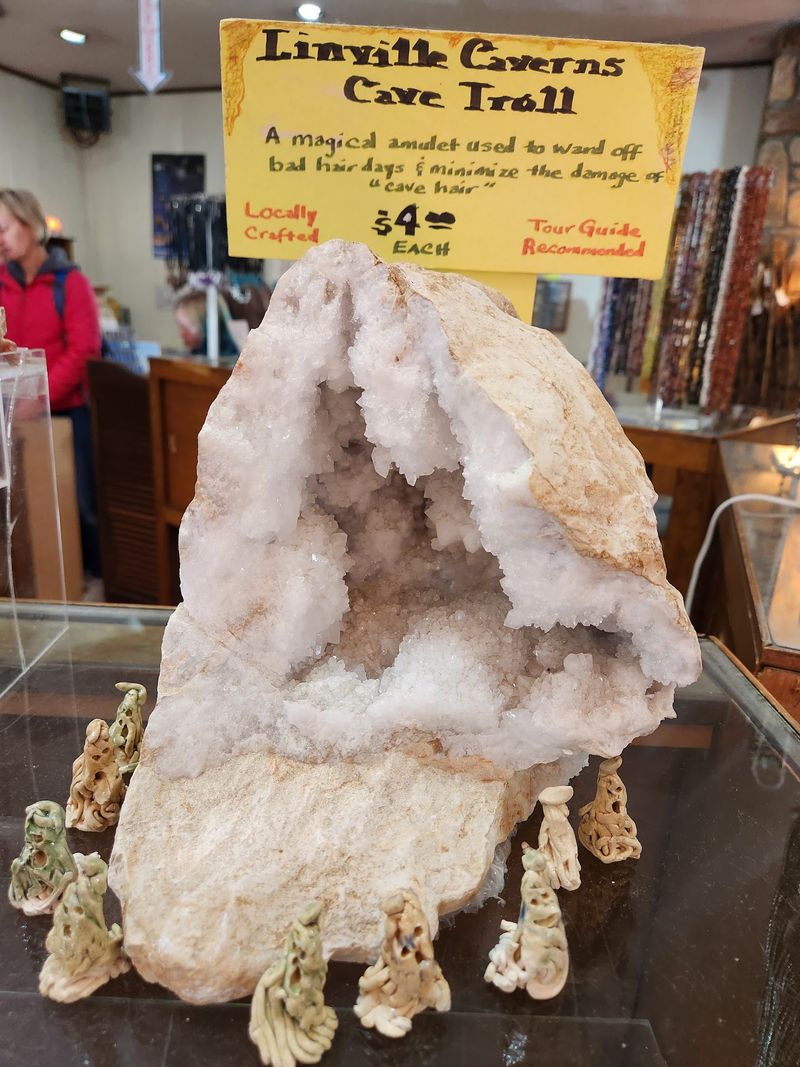
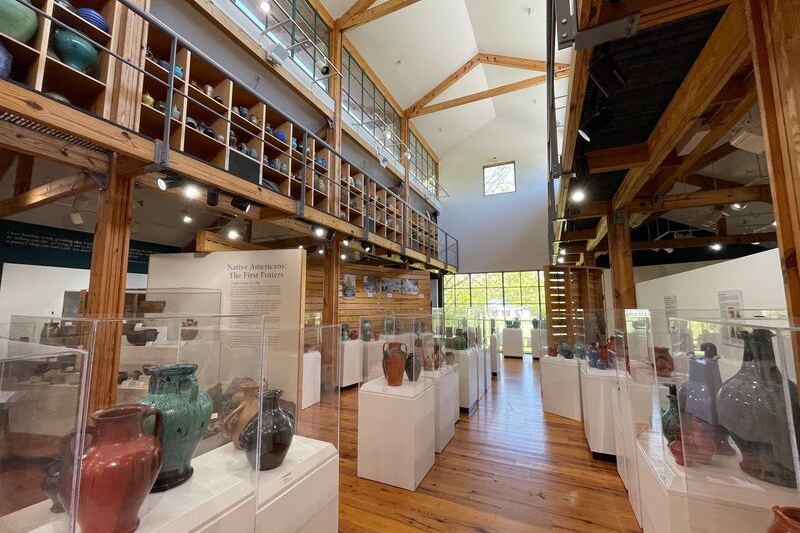
Before or after you head underground, the gift shop is worth a browse. Reviewers repeatedly single it out as a nice spot to poke around, and it also happens to be where those Helene recovery photos are displayed.
Practical comforts matter on a family outing, and this place delivers. Visitors note the bathrooms are good and the facilities are clean, which is no small thing when you are traveling with kids or a big group.
There is a pleasant rhythm to a visit here: browse the shop, take the tour, then come back up and warm up while flipping through souvenirs. It rounds out the stop so it feels like a proper little outing rather than a quick in-and-out. Small touches like these are exactly why people keep recommending the place to friends.
Hours, Tickets, and a Quick Turnaround
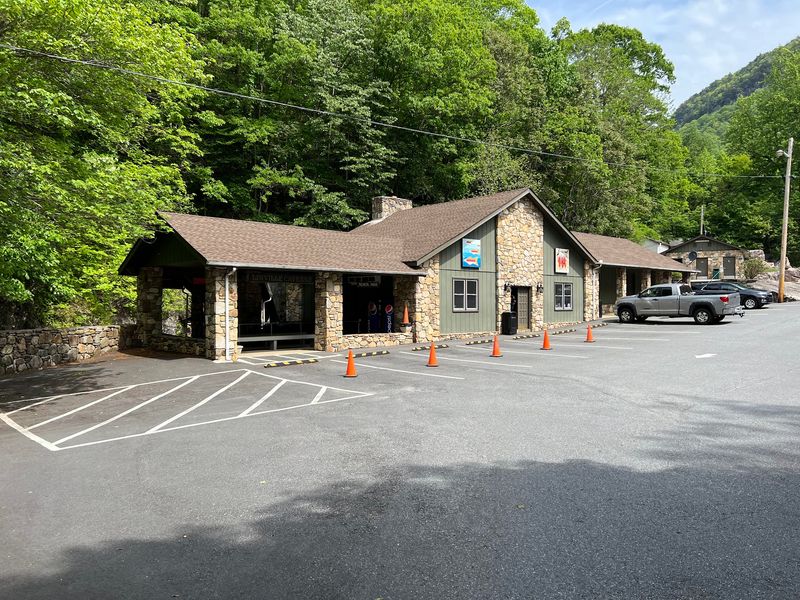
Planning is refreshingly simple. The caverns run Monday from 9 AM to 6 PM, Thursday through Saturday from 9 AM to 6 PM, and Sunday from 1 to 6 PM. Note that they are closed Tuesday and Wednesday, so build your trip around the open days.
Tickets land in a friendly range, with one couple noting they paid $14 each on a Monday and felt it was well worth it. Reviewers consistently describe the price as fair and reasonable, which fits the whole low-key, good-value spirit of the place.
You will not be standing around long either. Several visitors started their tour within five to ten minutes of buying tickets, and the whole walk runs about 35 to 40 minutes. That quick turnaround makes it easy to slot into a busy day of mountain exploring. To confirm details, call ahead at 828-756-4171 or check linvillecaverns.com.
The Scenic Drive Up US-221
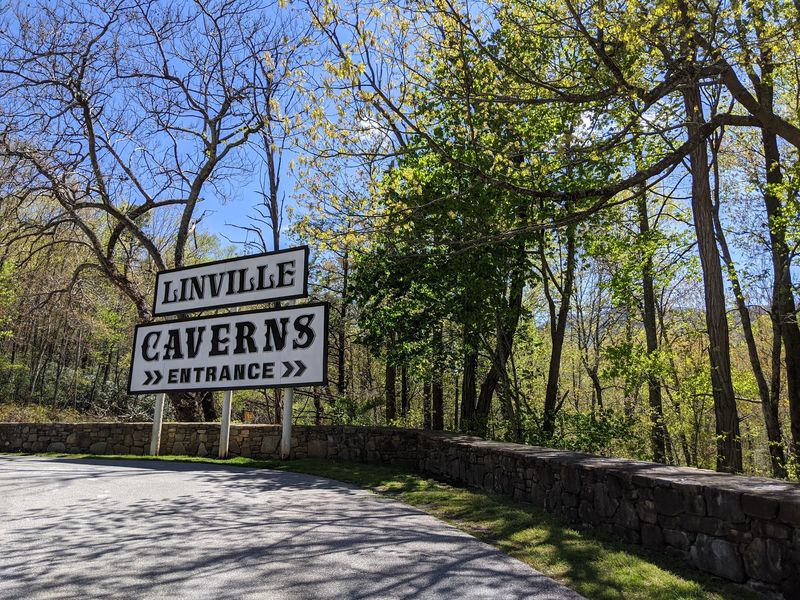
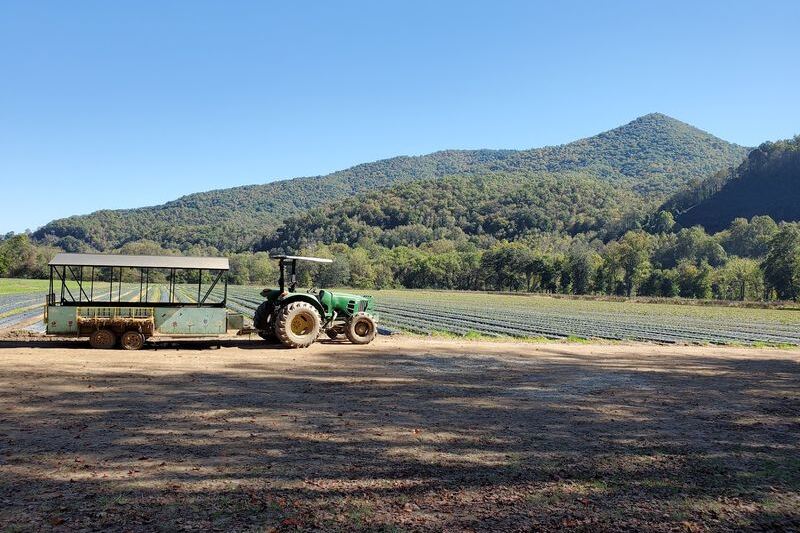
The adventure starts before you ever reach the parking lot. Visitors rave about the views on the drive up, calling the mountain scenery along the way the perfect opening act for the caverns themselves.
Sitting on US-221 in Marion, the caverns pair beautifully with a bigger day out in the high country. One family folded it into a Grandfather Mountain hike, and it slotted right in as a great addition to their outing.
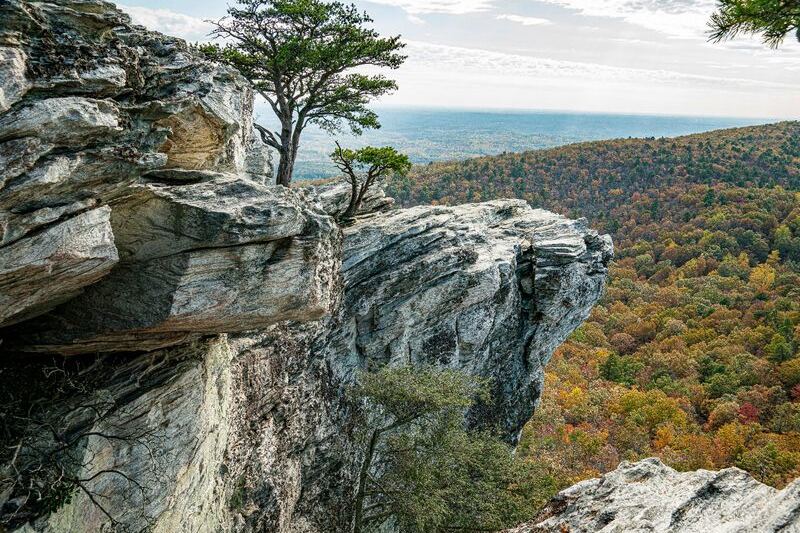
Just outside the cave entrance, a babbling stream tumbles over rocks, and reviewers single out how pretty that spot is even before you step inside. Whether you are winding through the Blue Ridge for the fall color or escaping the summer swelter, the route here is a reward on its own. Roll the windows down and enjoy the approach.
Why This Underground Detour Is Worth It
Weigh it all up and Linville Caverns comes out as one of those unfussy, deeply satisfying North Carolina stops that locals quietly cherish. It is not the biggest cave in the country, and a few visitors even mention preferring self-guided options, but the guided format exists to protect a living, fragile place with a single way in and out.
What you get is genuine: ancient formations, a surreal moment of total darkness, a steady cool breeze on the hottest day, and guides who make the history come alive. Add in a resilient little ecosystem and a business bouncing back after Helene, and there is real heart here.
For a fair price and less than an hour underground, it is an easy yes on a summer afternoon or a rainy mountain day. Bring a sweater, keep an eye out for a bat, and go see what has been hiding inside the mountain all along. You will probably want to bring someone back.
Share this story