Some of the best deals in North Carolina hide in plain sight, tucked behind parking lots and plain brick buildings you drive past every week. I went looking for a way to earn real college credit without signing up for a mountain of loans, and I found it right off a busy highway.
What surprised me was not just the price, but the professors, the tutoring help, and the quiet sense that people here actually want you to make it. If you have ever wondered whether college could fit your budget, this story might change your mind.
A Campus Off Fayetteville Road
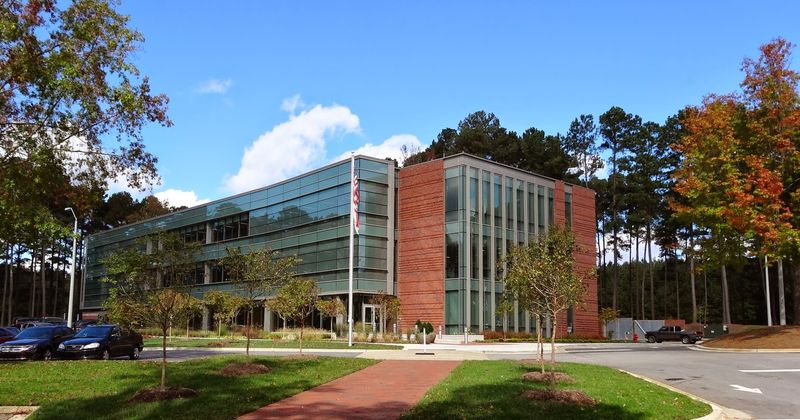
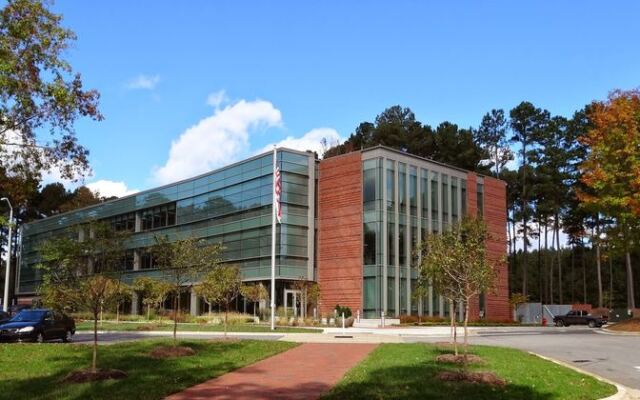
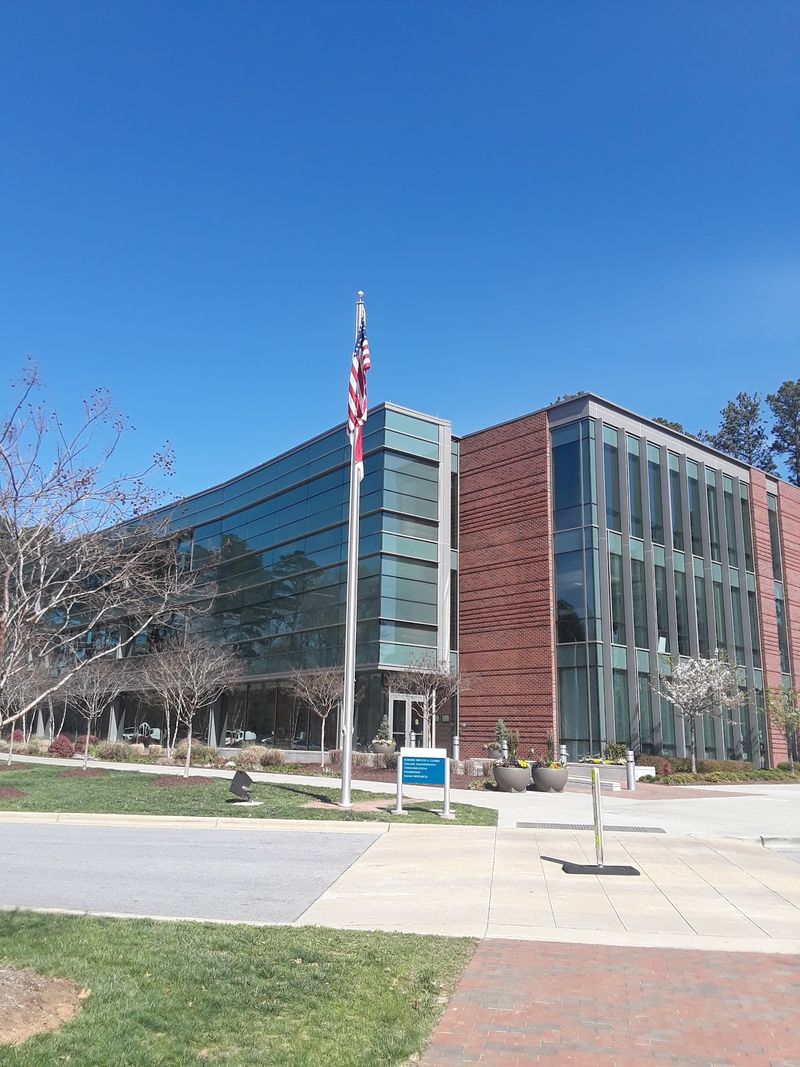
Drive south from downtown Raleigh on Fayetteville Road and you will eventually spot a sprawling campus at 9101 Fayetteville Rd. That is the Southern Wake Campus of Wake Technical Community College, one of the largest community colleges in North Carolina.
Nothing about the setting screams fancy. You get brick buildings, lettered classroom halls like Building E, wide parking lots, and students hustling between classes with backpacks and coffee cups.
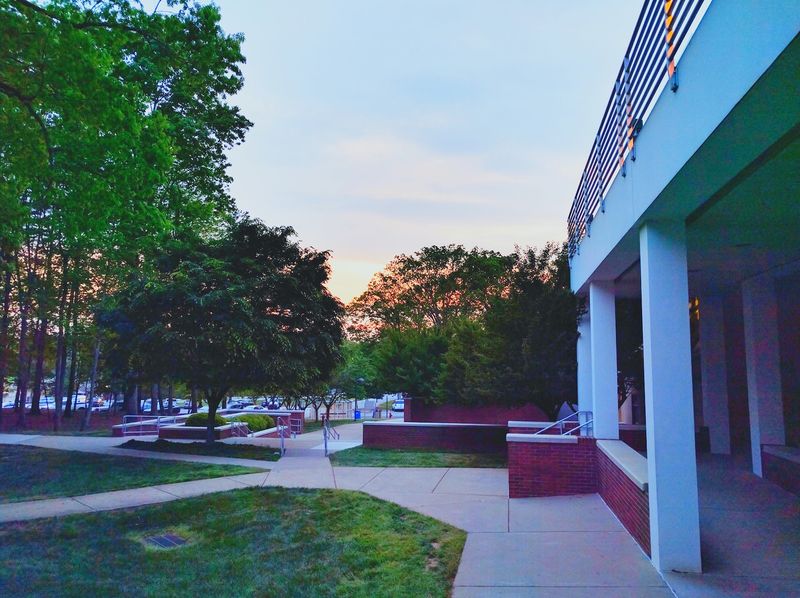
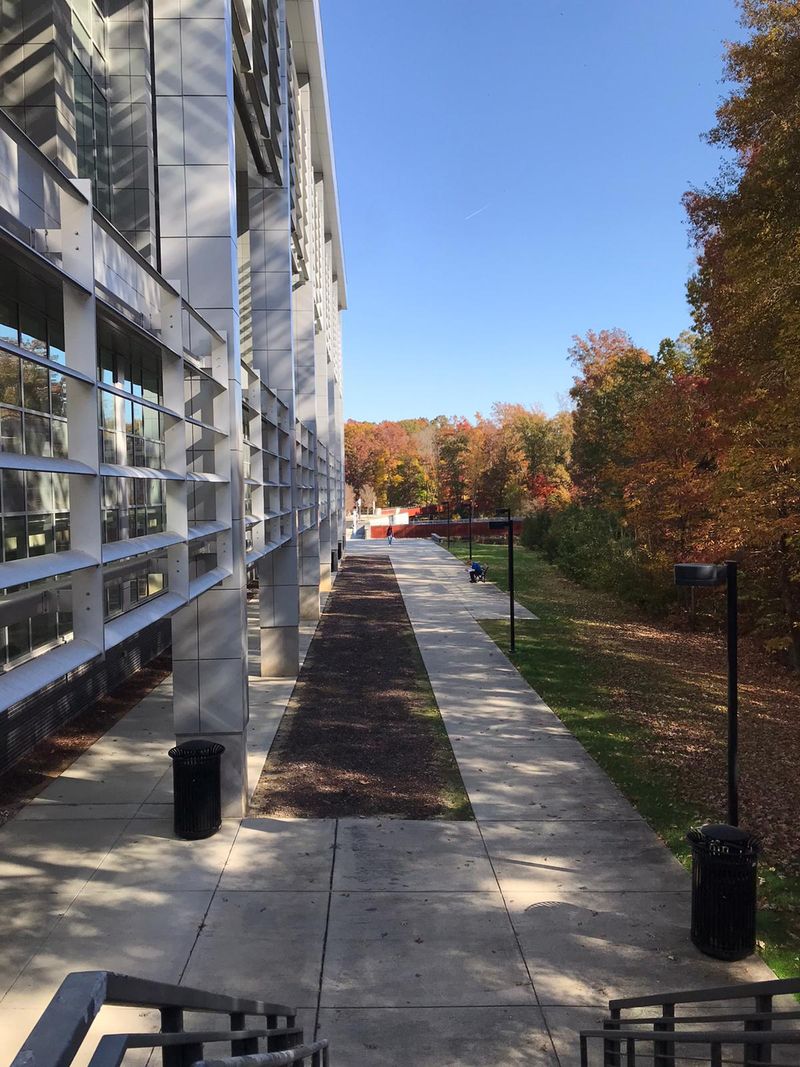
Still, plenty of people describe the grounds as nice and well maintained, which matters when you plan to spend two years walking them. The campus serves as a home base for students chasing associate degrees, career training, and transfer credits.
Think of it less as a postcard stop and more as a launchpad. For families in Wake County and beyond, it may be the most practical first step toward a degree without draining savings.
Price Tag That Changes the Math
Picture the cost of a modest used car parked in your driveway. Now picture trading it for two full years of college classes instead.
That comparison is the heart of why so many North Carolina families look at Wake Tech first.
Affordability and tuition come up again and again when students talk about this school. A longtime instructor who spent nearly three decades teaching here put it simply: the price is still reasonable, and you get a strong education for a fraction of what private programs charge.
That same voice warned against pricey schools that promise big jobs and leave graduates buried in loans. The idea here is different.
You walk away with real skills and far less debt. For anyone weighing a four-year school, starting here can help stretch every dollar and keep future options wide open.
Professors Who Make It Click
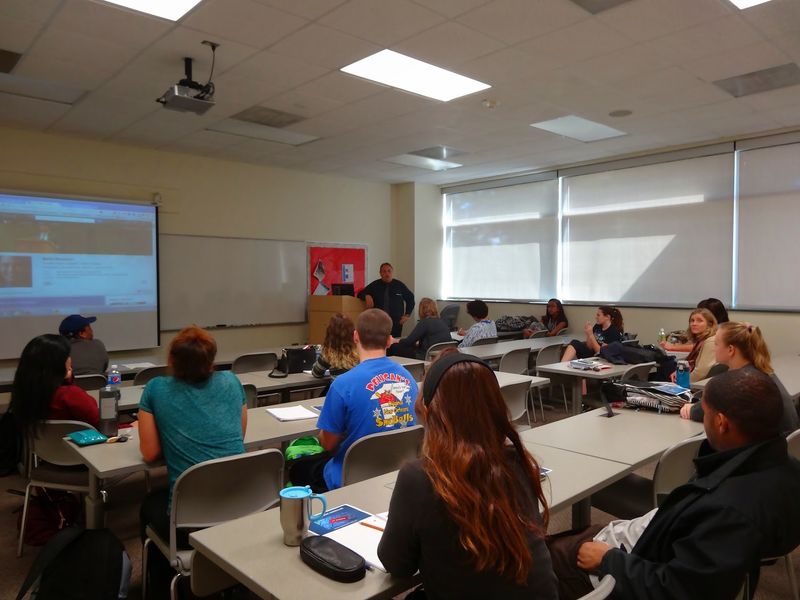
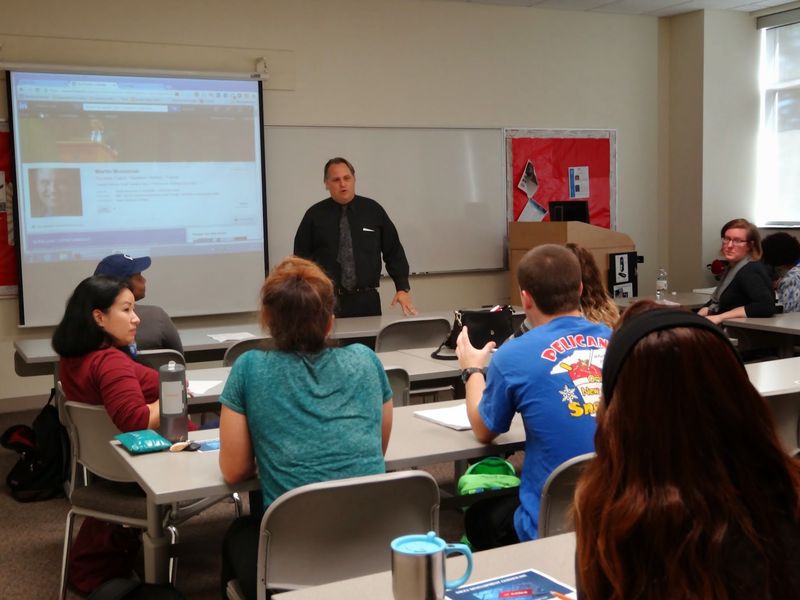
Ask current and former students what stands out, and the professors win the conversation by a mile. Faculty are the most discussed topic around this campus, and much of that talk is glowing.
One student shared that every teacher they had seemed qualified, maybe even overqualified, and happily answered questions. Another said instructors make coursework easy to understand while still offering a challenge that sparks growth.
That balance is hard to find anywhere, let alone at a community college price. Classes are described as straightforward, with information taught in depth rather than skimmed.
Of course, not every class lands perfectly, and a few students mention running into a weaker instructor here and there. Yet the general feeling is clear: if you show up ready to learn, the people at the front of the room tend to meet you halfway.
The ILC and Its Safety Net
Struggling with algebra again after ten years away from school? You are not alone, and Wake Tech planned for that.
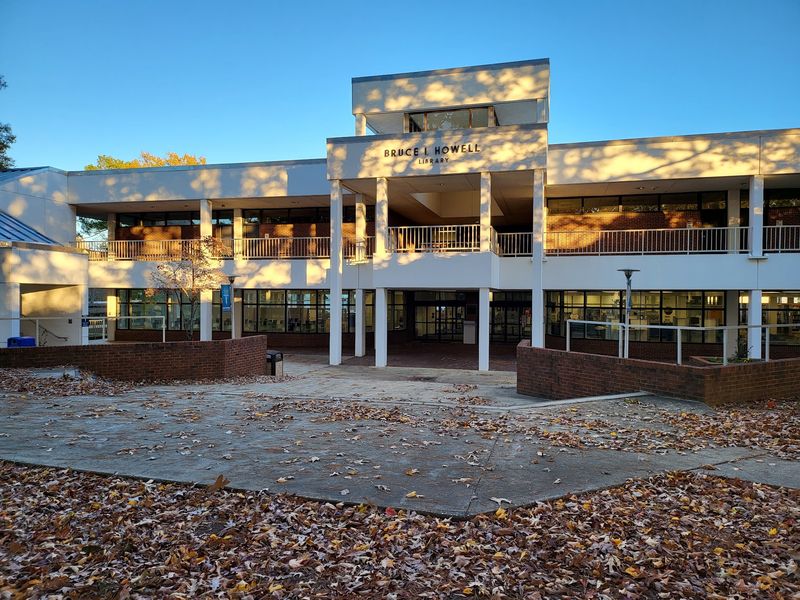
Students rave about the ILC, a learning center where you can get help with math and English courses. A veteran instructor called it a remarkable facility designed specifically to help struggling students succeed, and other learners echo that praise.
Having that kind of support close by can make the difference between dropping a class and finishing strong. It turns a tough semester into a manageable one.
Here is a smart habit students recommend: arrive early, especially for morning classes. One graduate noted that the library opens at 7:30 AM, so you can settle in, review notes, and knock out homework before class starts.
Small routines like that add up. Combined with free help, they give newcomers a real fighting chance.
Credits That Travel
Here is a fun bit of strategy. Plenty of students begin at Wake Tech, earn their associate degree, then transfer to a university to finish a bachelor’s degree at a much lower overall cost.
One student reported that most state schools in North Carolina accepted their credits. They even applied to an out-of-state school and were told all their credits would transfer.
That is a big win for anyone hoping to save money on the first two years. A degree that started cheap can end with the same diploma as classmates who paid full price from day one.
A helpful tip comes along with that story, though. Advice from one advisor did not always match what the receiving school said.
So contact your target university directly. They can recommend the right courses, keeping your path smooth and your money well spent.
Financial Aid, Highs and Lows
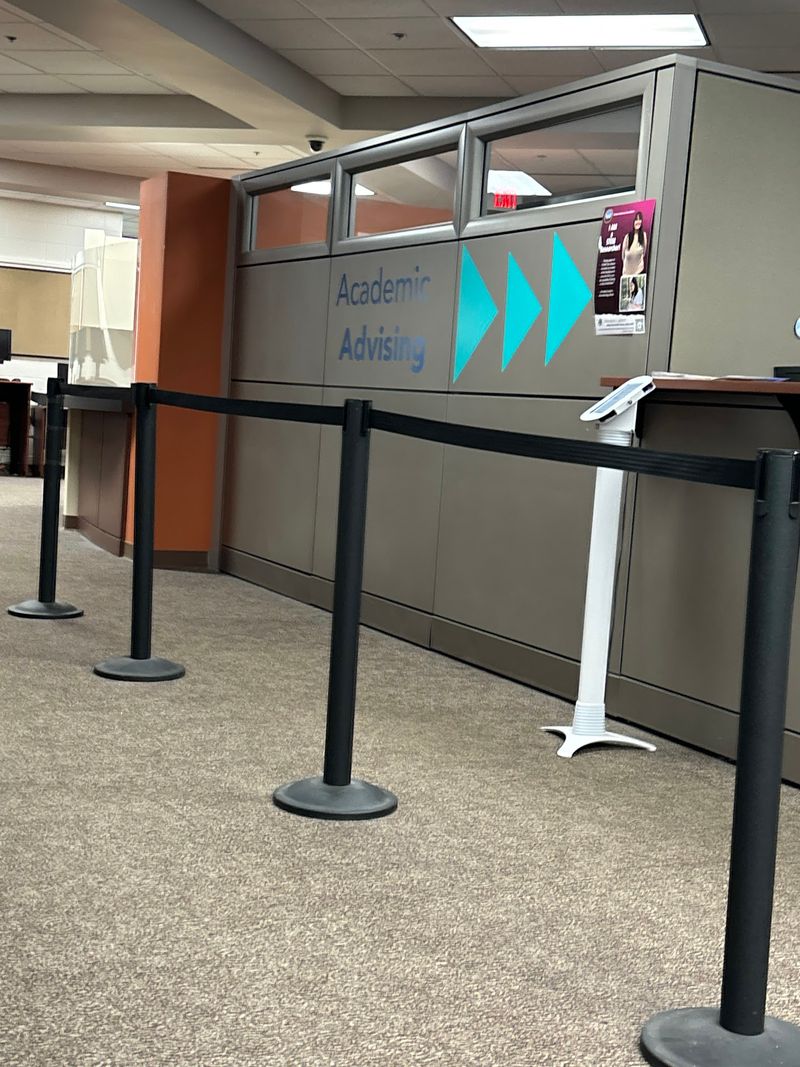
Money help is the single most talked-about topic at this campus, and the stories swing both ways. Some students have felt frustrated by long phone waits and confusing notices about aid changes.
Then there are bright spots. One student who struggled at another Wake Tech location said the Southern Wake financial aid team solved their issue in under twenty minutes, with a staff member named Ms. Natasha described as incredibly kind and professional.
Visiting in person seems to work wonders. Several people suggest email over phone calls as well.
A retiring instructor offered advice worth taping to your fridge: fill out all required paperwork completely and on time. Following instructions carefully can make the whole process much easier.
Getting your funding sorted well before registration may help you avoid most headaches students describe.
Daily Life Between Classes
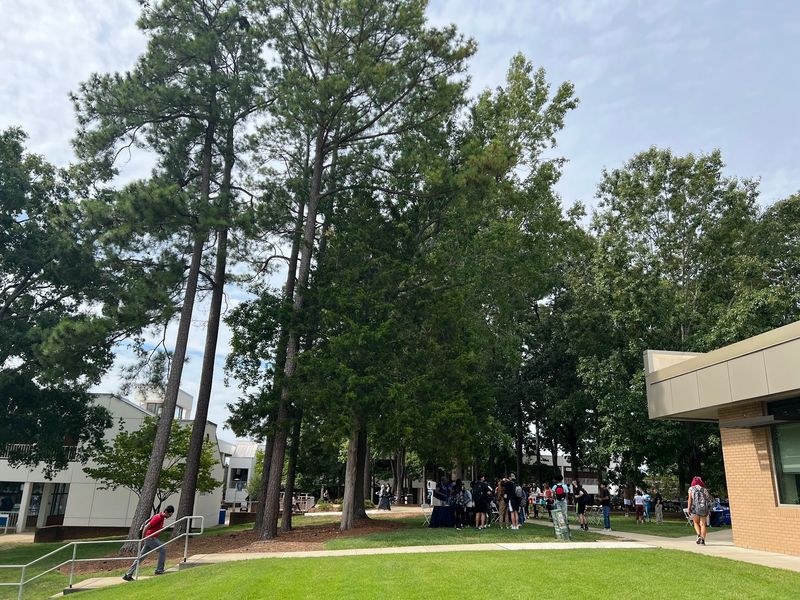
Campus life here is practical rather than flashy. You will not find a big football stadium or a sprawling dining hall, and that keeps the focus squarely on learning.
One recent student mentioned that the food is pretty good, a pleasant surprise for anyone expecting vending machine snacks only. Others have wished for more dining choices and a better-stocked bookstore with school merchandise and supplies.
Classrooms get mixed comments. Most people find the facilities solid, though one student felt their room in Building E was a bit dark and gloomy.
Parking is another everyday detail worth planning for. Students who show up well before 8 AM say they rarely have trouble finding a spot.
It all adds up to a workmanlike, friendly environment. Bring a lunch, grab a seat in the library, and you will settle into a rhythm quickly.
Who Thrives Here
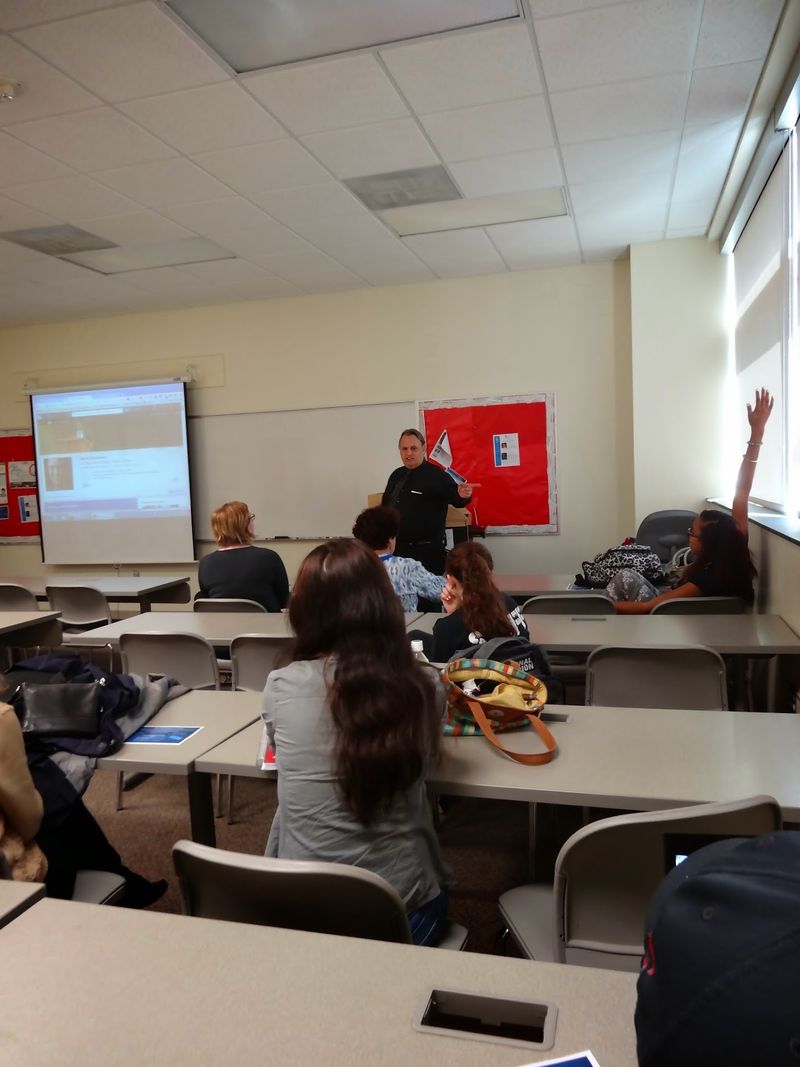
Recent high school grads, parents returning after years away, working adults squeezing in evening study, and folks hunting for a new career all pass through these halls.
Students who do best tend to share a few habits. They register early, keep their schedules organized, and reach out by email when questions pop up.
One graduate said they took both seated and online classes without serious problems by staying on top of everything.
Busy adults should know the pace can feel demanding, and some programs fill up fast. Course availability is a common frustration, especially for dual enrollment students who pick later.
Motivation matters most. A longtime faculty member put it warmly: come with a sincere desire to learn, treat teachers and classmates with respect, and you will be supported.
If that describes you, this campus could feel like a great fit.
Hours, Contact and Getting There
Planning a visit to ask questions or tour the campus? Good timing makes everything easier.
Offices run Monday through Friday from 8 AM to 5 PM. The campus is closed on Saturday and Sunday, so weekend drop-ins will not work.
You can reach the college by phone at 919-866-5000, or browse programs and deadlines at waketech.edu before you go. Many students say email gets quicker responses than calling, so keep that in your back pocket.
Getting there is simple for most Triangle residents. Head to 9101 Fayetteville Rd in Raleigh, on the southern edge of the city, where parking lots surround the buildings.
Arrive early in the morning for the best parking. Bring documents like transcripts or aid paperwork if you are handling business, since showing up in person often helps get answers faster.
A Smart First Step Worth Considering
No school is perfect, and honest students will tell you this one has its bumps. Communication between offices, limited course seats, and financial aid hiccups come up often enough to plan around.
Yet the bigger picture is hard to ignore. Strong professors, free tutoring at the ILC, transferable credits, and a price that leaves room in your budget make this campus a compelling choice.
Employers also seem to know the name. One veteran instructor noted that Wake Tech carries a solid reputation, and real skills are what open doors.
For North Carolina families watching every dollar, that combination feels a little like finding a hidden treasure in your own backyard. You skip the heavy loans and still build toward something meaningful.
Stay organized, ask questions early, and lean on the support offered. Two affordable years here could launch a lifetime of opportunity.
Share this story