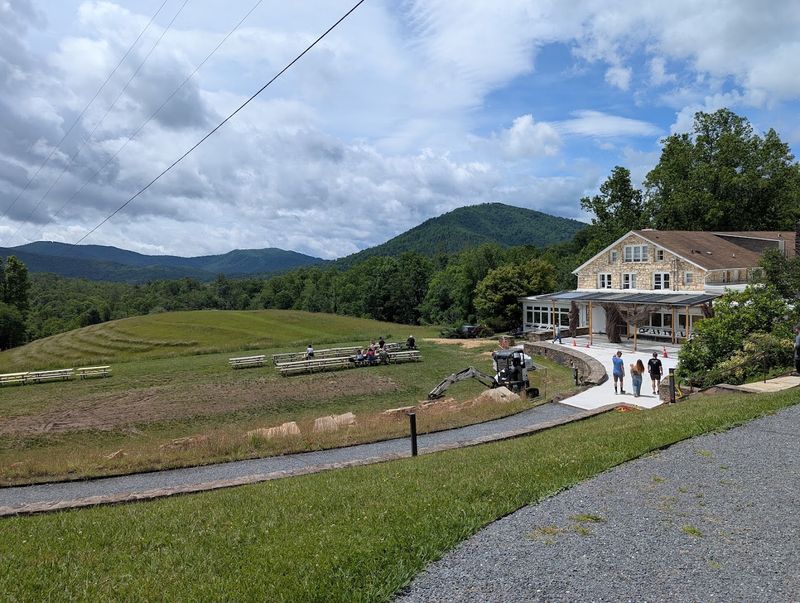
Tucked up on a mountaintop in Bakersville, North Carolina, there is a school where regular people get to melt glass, throw clay, and hammer metal into something beautiful. Penland School of Craft has been teaching hands-on making since 1929, and you do not need to be an artist to sign up. Some folks come for a full weekend, roll up their sleeves, and leave with a piece they made themselves. Others just wander the campus, peek through studio windows, and grab a coffee while watching the work happen.
A Mountaintop Campus in Bakersville
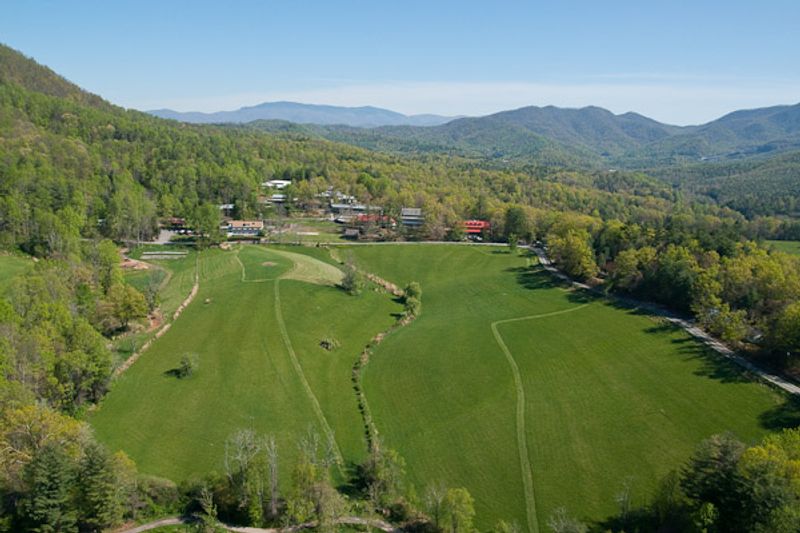
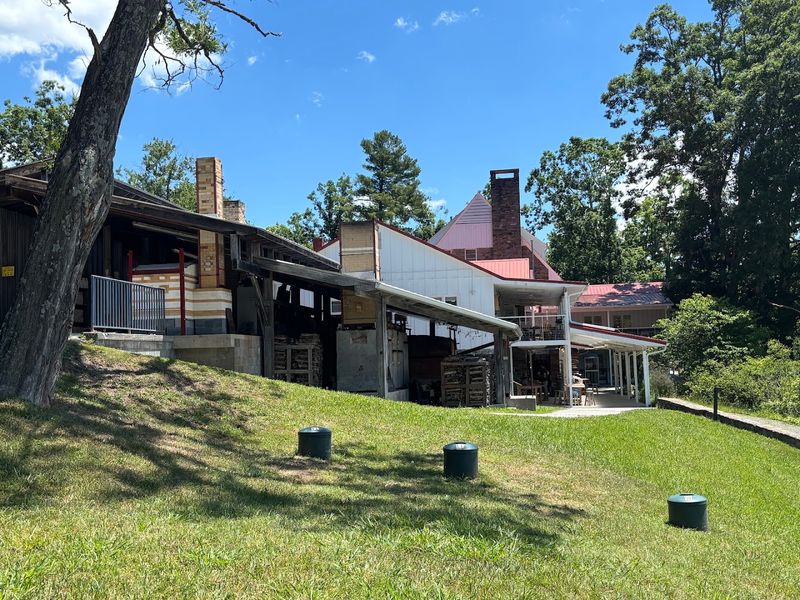
Way up in the hills of western North Carolina, at 67 Doras Trl in Bakersville, sits a craft school that most people driving the Blue Ridge have never heard of. Penland School of Craft spreads across a sloping mountainside, its buildings scattered among trees and open views that stretch for miles.
Visitors keep calling it a hidden gem, and honestly, the label fits. It sits almost exactly between Asheville and Boone, roughly an hour and twenty minutes from either city, which makes it a quiet stop that tourists tend to overlook.
The place is officially an education center, but that word feels too plain for what happens here. People come to learn crafts they have only admired from a distance, and they do it surrounded by some of the prettiest scenery the state has to offer. One guest described their first morning waking up to a view out the window that stopped them cold. That mix of remote calm and creative energy is what sets the tone before you even step into a studio.
The 1929 Story Behind the School
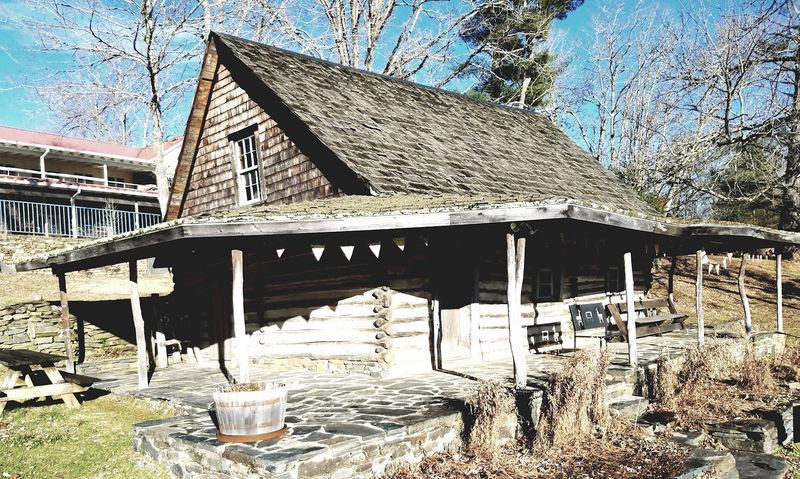
Long before it became a nationally known art destination, Penland started as one woman’s idea to keep an old skill alive. Lucy Morgan founded the school in 1929 to promote traditional crafts, beginning with weaving in western North Carolina.
She used a cabin at the Episcopal Appalachian School to train local people, then helped them sell their handmade work to passing tourists. That small effort grew fast. Morgan teamed up with other regional craft leaders and helped establish the Southern Highlands Handicraft Guild, expanding the curriculum to include pottery, metalwork, and silversmithing.
After she retired, a man named Bill Brown stepped in and added woodworking and glassblowing to the mix. A historical marker out on the highway sums it up in a single line, noting the school was founded to promote traditional crafts including pottery, metalworking, and weaving.
Today the school stretches across about 400 acres and welcomes more than 1,200 artists every year. That is a long way from a single cabin and a few looms. Knowing the roots makes wandering the grounds feel a little more meaningful, like you are walking through nearly a century of stubborn dedication to making things by hand.
Melting and Shaping Glass
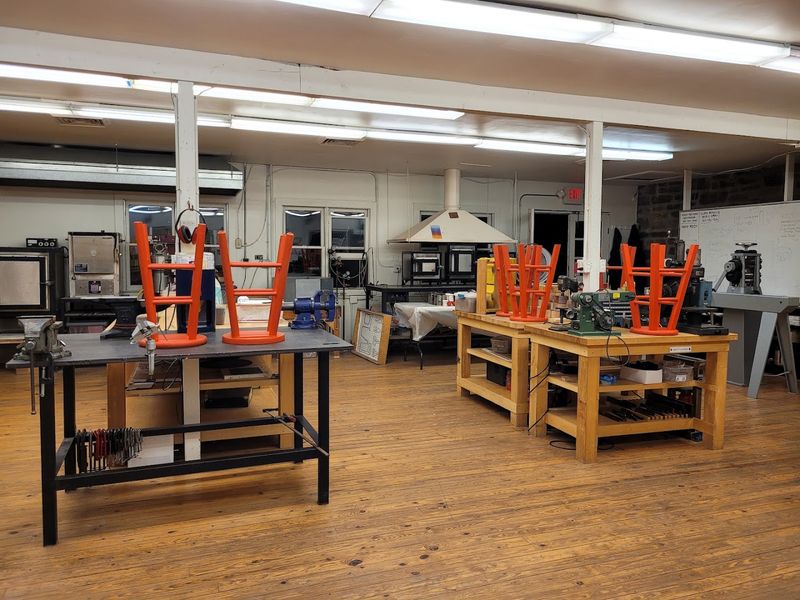
There is something a little thrilling about watching molten glass glow orange at the end of a rod. Penland runs a glass studio where students learn to gather, blow, and shape the material into cups, bowls, and sculptural pieces.
Guests who tour the campus often mention glasswork as one of the highlights, peering through the studio windows to catch artists mid-project. The heat, the color, the slow spin of the pipe, it all makes glass one of the most mesmerizing crafts to observe.
Glassblowing actually came to Penland later than the founding crafts, arriving under Bill Brown’s leadership after Lucy Morgan retired. That addition helped turn the school into the full-spectrum craft center it is today.
If you sign up for a class, you get to do more than watch. You get to stand at the bench, feel the weight of the gather, and shape something real with your own breath and hands. For beginners, it can feel intimidating at first, but reviewers describe the instructors as friendly and eager to share their skills. That patience tends to turn nervous first-timers into hooked returning students.
Working the Clay Studio
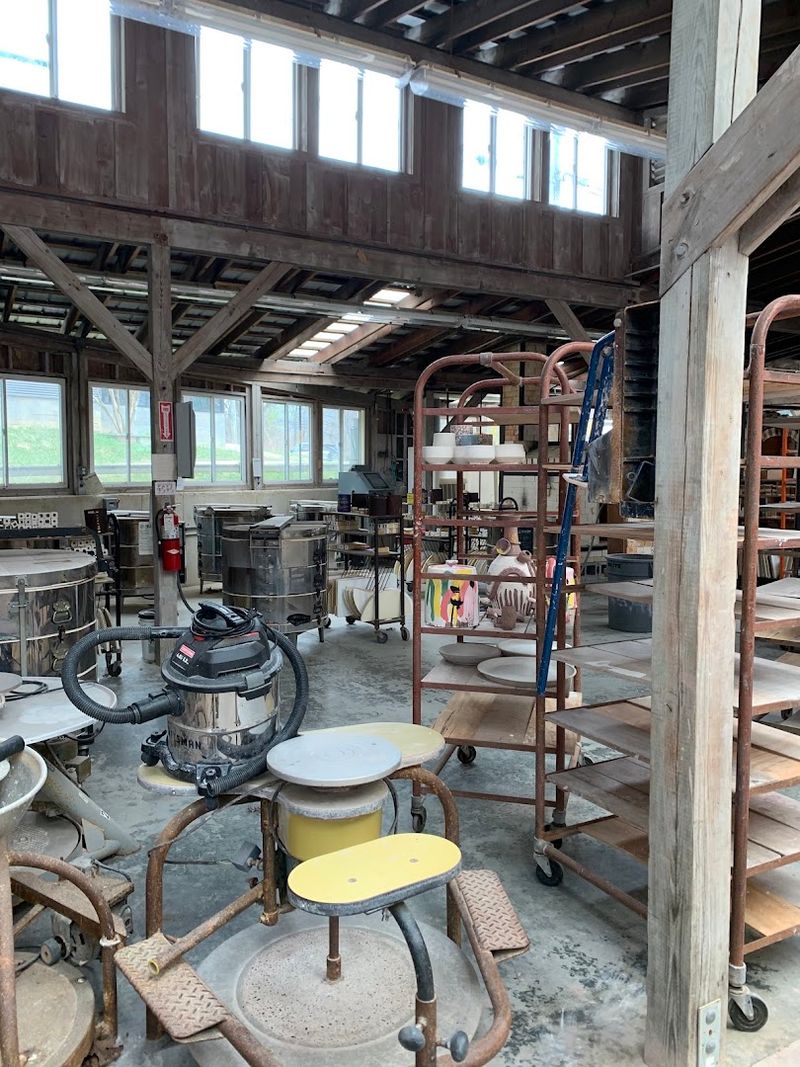
Pottery has been part of Penland almost from the start, and it remains one of the crafts people most associate with the place. The clay studios hum with wheels, kilns, and shelves lined with drying pots waiting for their turn in the fire.
Ceramics shows up again and again in visitor accounts of the campus, right alongside glass, wood, and metal. Folks touring the grounds love looking through the windows to see potters bent over their wheels, coaxing shapes out of spinning mud.
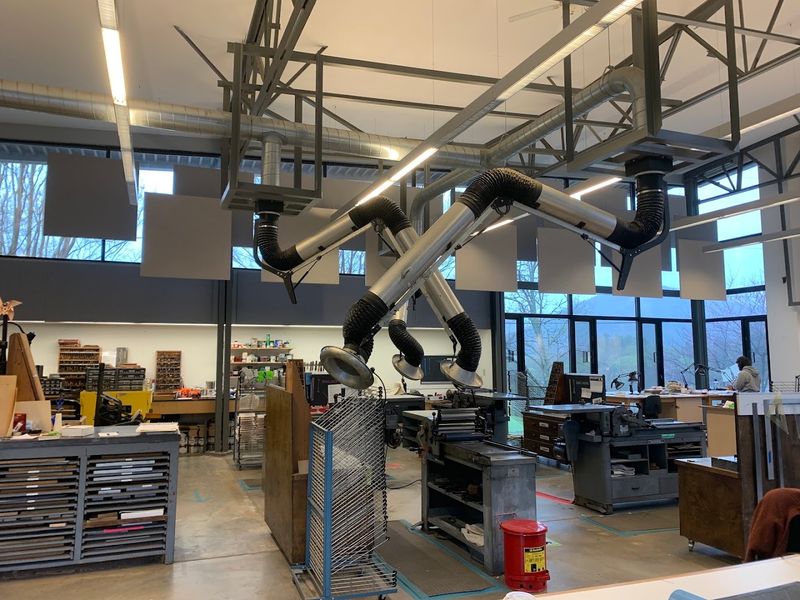
Reviewers who have taken classes describe the studios as neat, clean, and well supplied, which matters a lot when you are learning. Nobody wants to fight broken equipment while trying to center clay for the first time.
Beginners and experienced makers share the space, and that mix seems to feed the energy. One returning student said everyone there is focused on their own craft yet genuinely curious about what others are making. Whether you dream of throwing a mug or building a hand-coiled vessel, the clay studio gives you the tools, the room, and the guidance to actually pull it off.
The Iron Foundry and Metalwork
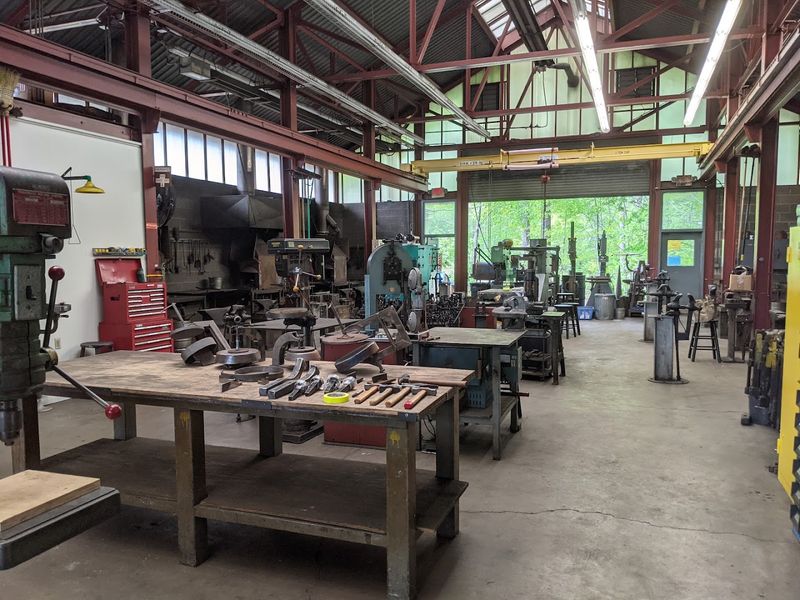
Few crafts feel as raw and dramatic as forging metal, and Penland leans into it with a working foundry for iron. Sparks fly, hammers ring, and glowing metal gets bent to a maker’s will.
Metalworking traces all the way back to the school’s early expansion, when Lucy Morgan and her collaborators added metalwork and silversmithing to the weaving-focused beginnings. That heritage lives on in the ironwork studios today.
Guests describe wandering past the iron shop and catching the clang of tools and the heat of the forge. It is loud, it is physical, and it is exactly the kind of hands-on work that makes people feel like they really did something over a weekend.
The range of metal crafts here is wide. One reviewer listed jewelry making and foundry iron working in the same breath, showing just how much ground the metal studios cover. You might spend your time hammering delicate silver into earrings or wrestling with iron at the forge. Either way, you leave with calluses, a story, and quite possibly a finished piece you can hold in your palm and say you made.
Beyond the Big Three: Wood, Weaving, and Print
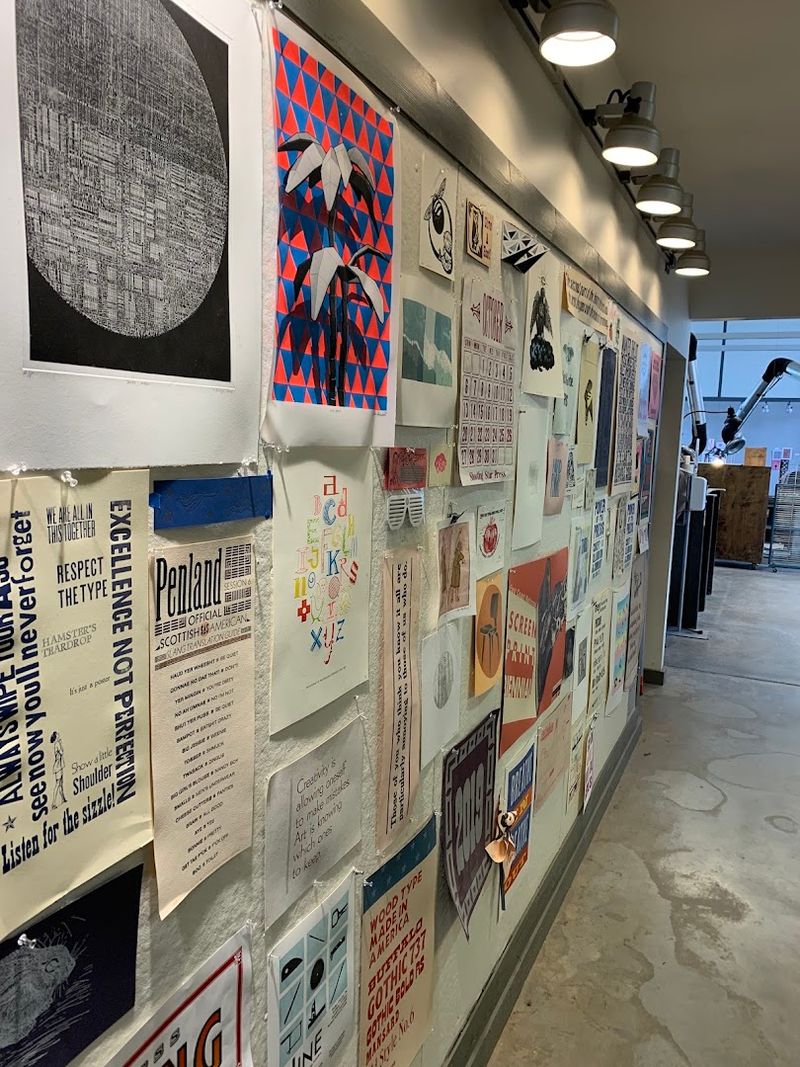
Glass, clay, and metal grab the headlines, but Penland’s studios go a lot deeper than that. Woodworking, textiles, printing, and paper making all share the campus, giving makers plenty of paths to explore.
One visitor rattled off a wonderful list from a single walk around the grounds: glasswork, woodwork, ceramic, printing, paper making, knitting, and ironwork. That variety is part of what makes the place feel endless, like every building hides a new skill to try.
Weaving deserves special mention, since it is the craft that started everything back in 1929. The looms that Lucy Morgan first set up have grown into a full textile program that still draws makers today.
Reviewers who came expecting just pottery or glass often walk away surprised by the sheer breadth. Someone called it a really cool school for the arts and named textile, metal work, pottery, and printing all in one go. If you have ever wanted to carve a bowl, print a poster, or spin your own yarn, the answer here tends to be yes, there is a studio for that.
The Gallery Full of Nationally Known Artists
Not everyone who visits comes to make something, and that is where the Penland Gallery earns its keep. Open to the public, the gallery features work from nationally known artists and doubles as a window into what the school produces.
People consistently praise the gallery spaces, calling them superb and top tier. One guest visited and could not resist walking out with a pair of earrings that became their absolute favorite piece of jewelry.
The displays impress even folks who only stop by for an hour. A reviewer described the exhibits in the visitor center as exquisite, worth the trip on their own.
Here is a friendly warning that came straight from a longtime supporter: pack an extra bag. Once you see the handmade work up close, the temptation to bring a piece of Penland home becomes hard to resist. That same visitor said the school inspired them to pick up painting again after nearly a decade away from it. A gallery that sells beautiful objects and rekindles creativity at the same time is a rare thing, and this one manages both.
Watching Live Art in the Making
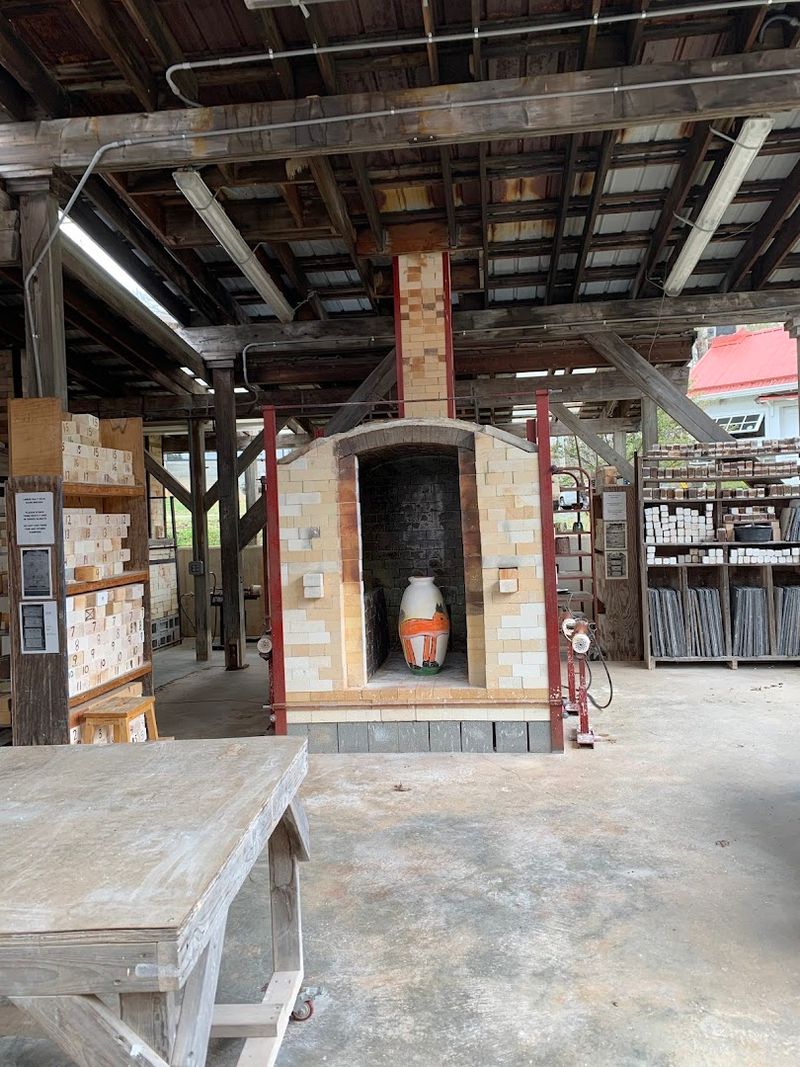
Peeking at a finished sculpture is nice, but watching one come to life is something else entirely. Penland lets the public look through studio windows to see artists at work in clay, iron, glass, wood, and more.
One enthusiastic reviewer called it the best place to enjoy live art in the making within 150 miles. You wander building to building, catching glimpses of makers mid-project, and sometimes you get to chat with the artists and students right there.
The experience shifts depending on when you visit. A guest who came on a Tuesday afternoon noted they did not see many artists working that day, so timing matters if watching the action is your main goal.
When the studios are humming, though, the campus buzzes with quiet focus. Seeing someone spin glass or center clay just a few feet away turns an ordinary outing into something memorable. It also has a sneaky side effect, because plenty of visitors show up just to look and leave convinced they need to sign up for a class of their own.
Food, Coffee, and the Pine Hall Cafeteria
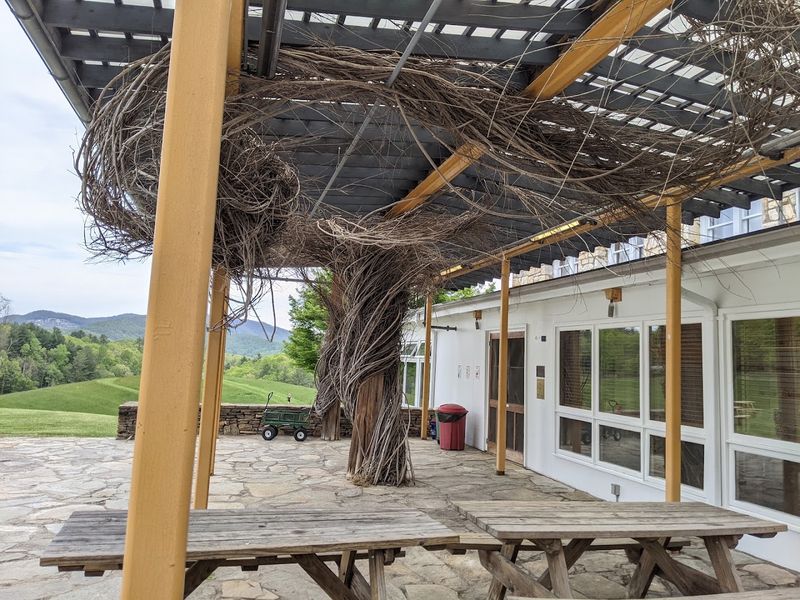
All that hammering and shaping builds an appetite, and Penland has that covered too. The Pine Hall Cafeteria serves coffee, tea, sandwiches, and soup, giving visitors and students a place to refuel between studios.
The food earns real affection from guests. One reviewer got downright excited about the meals, listing the atmosphere and the teachers and then adding, oh my gosh, the food, as one of the best parts of the whole experience.
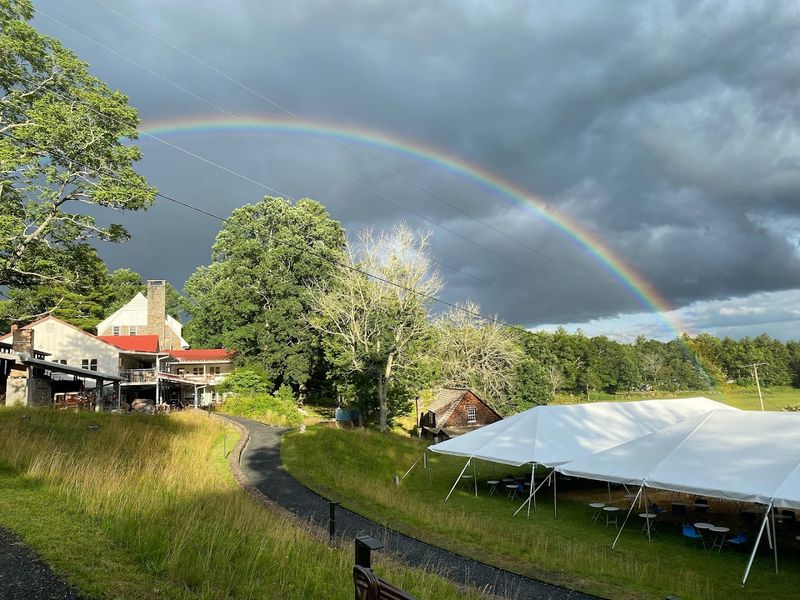
There is a coffee shop on campus too, and on warmer days people grab ice cream sandwiches and beverages to enjoy under large outdoor tents. Eating a cold treat with mountain views spread out in front of you is a simple pleasure that sticks with people.
Worth keeping in mind: the coffee shop and gallery are usually open on Tuesdays, but one visitor happened to catch them closed on a Tuesday, so hours can shift. A quick check before you drive up saves disappointment. When everything is running, the cafeteria and coffee shop turn a studio visit into a proper little day out.
The Atmosphere and Who Feels at Home Here
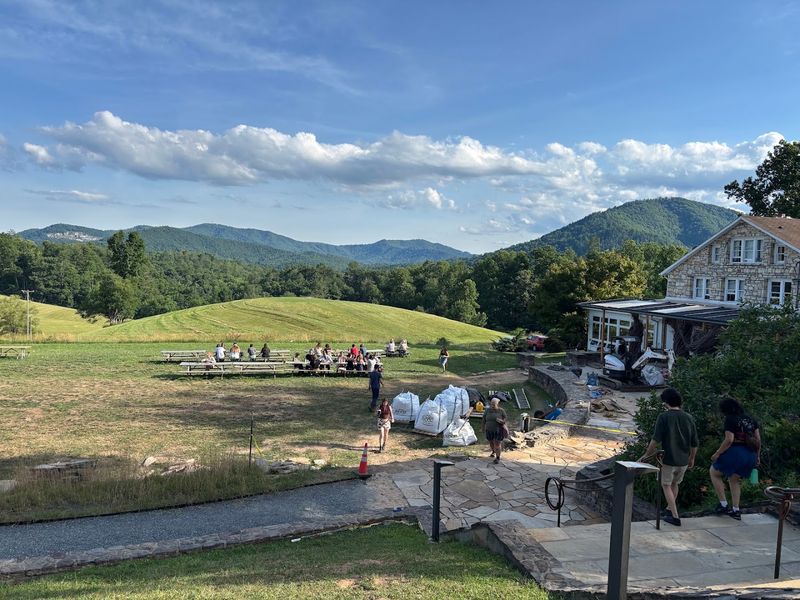
Magical is a word that comes up over and over when people describe the feeling of being at Penland. Between the mountain setting and the shared creative buzz, the atmosphere seems to work its way into everyone who spends time there.
The school welcomes adults of all skill levels, whether you are picking up a tool for the first time or sharpening skills you already have. One reviewer put it plainly, saying Penland is for any and all artists, new and old, to be yourself and express your talents.
Students describe a community that is focused yet friendly, with instructors and classmates equally interested in each other’s work. Getting to do what you love for two weeks straight in such a beautiful place left one person calling it a jaw-dropping experience.
Honesty matters, though, so it is fair to note that not every account glows. A couple of reviewers described the social vibe in longer courses as cliquey, and one guest reported a serious conflict with staff over an inclusivity issue that they felt went unresolved. Most voices lean warmly positive, but going in with clear expectations is always wise.
Getting There and Making a Weekend of It
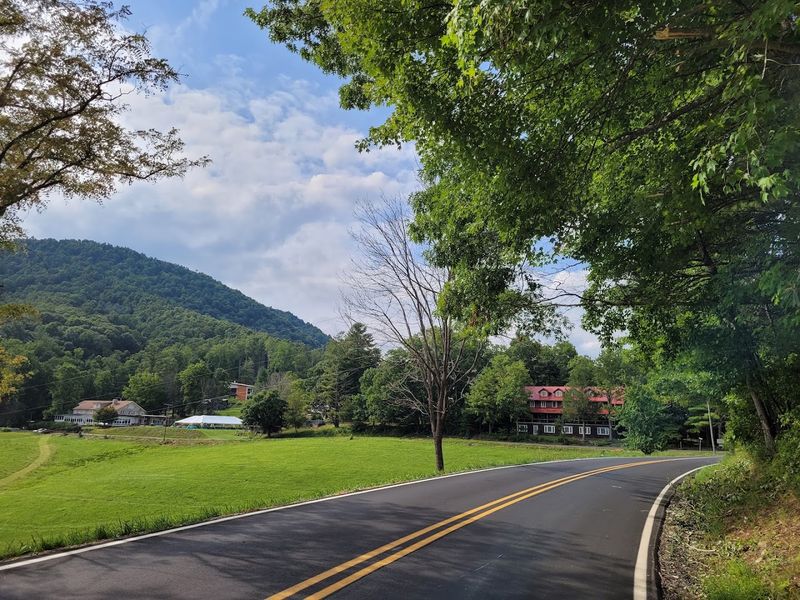
Half the fun of Penland is where it sits, planted almost exactly between Asheville and Boone. Figure about an hour and twenty minutes from Asheville, roughly the same to Boone, which makes it an easy anchor for a mountain getaway.
Finding it is simple thanks to a historical marker right on the highway at the intersection of Penland Road, with the campus about a mile southwest. The winding drive up the mountain is worth it, and reviewers who made the trip consistently say so.
Because it sits in such a rich corner of the Blue Ridge, staying nearby unlocks a whole list of attractions. One thorough guest named Linville Falls, Crabtree Falls, Mount Mitchell, Roan Mountain, Grandfather Mountain, Sugar Mountain, and the Blue Ridge Parkway all within reach.
Turn your studio visit into a weekend and you can chase waterfalls in the morning, make glass in the afternoon, and browse the gallery before heading home. For a smart local looking to string together an authentic mountain trip without the crowds of the big towns, this pocket of North Carolina delivers plenty.
Classes, Costs, and How to Sign Up
Signing up for a class is where the real magic starts, and Penland offers sessions at various times throughout the year. You can reach the school at 828-765-2359 or check out the full schedule at penland.org.
Costs are worth understanding up front. One reviewer mentioned that students traveling for longer courses can spend anywhere from 5,000 to 10,000 dollars on rent, food, and resources, which reflects the more intensive multi-week programs rather than a casual weekend peek.
Good news for those watching their wallets: scholarships exist. A former student shared that a work study scholarship made it possible for them to attend during two different summers, and they loved every minute of it.
Weekend and shorter workshops give budget-minded makers a lower-commitment way to try their hand at a craft. Between paid classes, scholarship options, and simply visiting the free-to-browse gallery, there is a version of Penland to fit different plans and budgets. Reaching out directly is the best way to match your interest, your schedule, and your wallet to the right session.
Why This Hidden Gem Stays With You
Holding a 4.8-star rating across 56 reviews, Penland has clearly won over the vast majority of people who make the trek up the mountain. Guests toss around words like magical, spectacular, and idyllic, and they mean them.
What lingers is more than the crafts themselves. It is the combination of a nearly century-old teaching tradition, top-tier studios, friendly instructors, and a mountaintop setting that feels a world away from everyday life.
People leave changed in small ways. One visitor picked up painting again after ten years, another sells work in the school’s benefit auction to give back, and many simply promise themselves they will return.
Like anywhere, it is not flawless, and a few voices have raised real concerns about how conflict gets handled in longer stays. Still, the overwhelming sense from visitors is that a weekend spent shaping glass, clay, or metal here is time genuinely well spent. If you want an authentic North Carolina experience that most tourists breeze right past, this quiet mountain school makes a strong case for a spot on your list.
Share this story